How we built this comparison
This page combines traveler discussion patterns, published price ranges, flight schedules, and seasonal data to help you decide between Bilbao and Madrid.
- Reviewed 70+ Reddit threads from r/travel, r/solotravel, r/SpainTravel, and local city subreddits for authentic traveler experiences and advice.
- Verified costs and logistics against current booking platforms (e.g., Skyscanner, Booking.com, Renfe) and official tourist site pricing.
- Cross-referenced seasonal patterns and weather data from meteorological sources to provide accurate climate expectations.
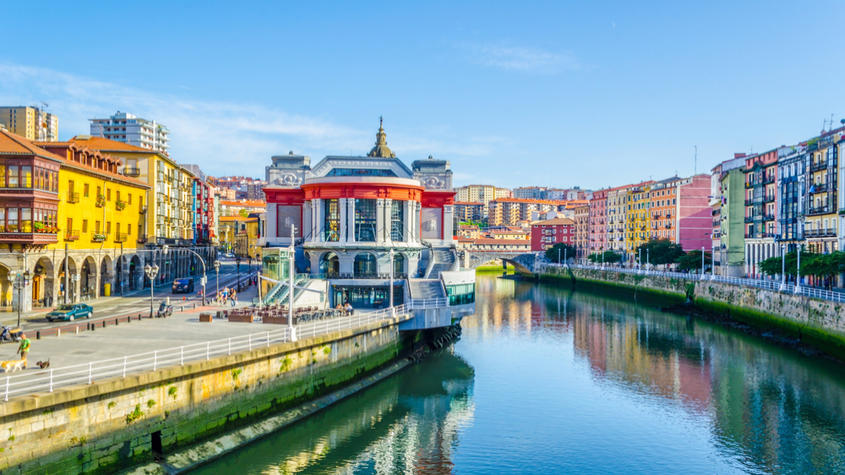
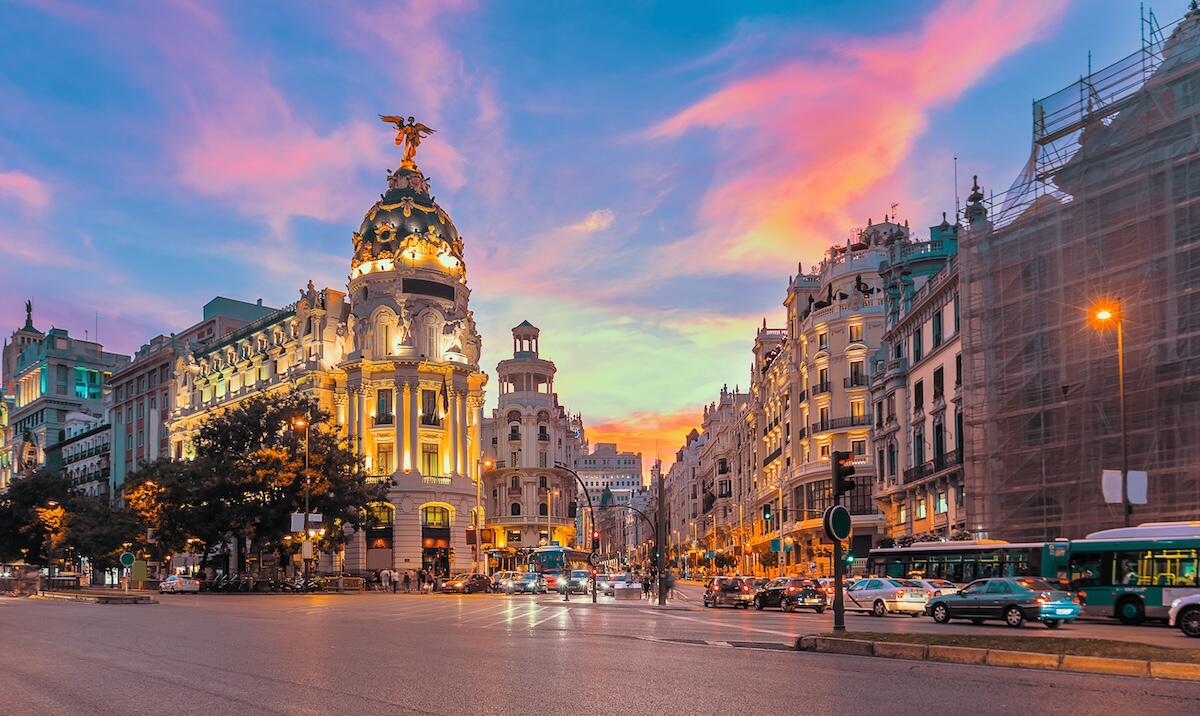
⚡ The TL;DR Verdict
For those craving world-class art, vibrant nightlife, and a classic grand European capital experience, Madrid is your bustling urban playground with a daily budget of €80-150 ($88-165). If your heart beats for unique gastronomy, a more relaxed pace, stunning green landscapes, and a distinctive cultural identity, Bilbao offers an unforgettable, slightly more budget-friendly adventure at €60-120 ($66-132) per day.
- Choose Bilbao: Choose Bilbao if you're a food adventurer, appreciate modern architecture mixed with old-world charm, prefer a walkable city over a sprawling metropolis, and want a gateway to stunning coastal scenery and Basque culture.
- Choose Madrid: Choose Madrid if you're an art enthusiast, a nightlife seeker, love grand boulevards and royal palaces, need a major transportation hub, and enjoy a city with endless options for shopping, dining, and entertainment.
- Choose Both: Both cities offer incredible experiences, but they are quite different. If you have 7+ days, consider flying into Madrid, spending 3-4 days, then taking a train/bus to Bilbao for 3-4 days to experience both facets of Spain.
Quick Comparison
| Category | Bilbao | Madrid | Winner |
|---|---|---|---|
| Food & Drink | Pintxos capital of the world; innovative, artistic small bites. Michelin-starred dining and excellent seafood. Distinct Basque culinary traditions. | Traditional tapas, world-class fine dining, diverse international cuisine. Massive food markets, lively bar scene. More variety but less unique local focus. | Bilbao |
| Culture & Art | Iconic Guggenheim Museum, fine arts, rich Basque language and traditions. Modern architecture juxtaposed with historic Old Town. | World-class art triangle (Prado, Reina Sofía, Thyssen-Bornemisza), Royal Palace, grand history, flamenco. Deeply Castilian Spanish culture. | Madrid |
| Nightlife | More relaxed, bar-hopping culture, focused on pintxos and drinks. Fewer large clubs, earlier closing times than Madrid. | Legendary 'marcha' (party scene), huge variety of bars, clubs, and late-night venues. Everything from trendy rooftop bars to underground techno clubs. | Madrid |
| Costs & Budget | Generally more affordable for accommodation, food (pintxos), and local transportation. Good value for money. | Can be pricier due to its capital status and tourist demand. Accommodation varies, but dining and entertainment can add up quickly. | Bilbao |
| Getting There & Around | Smaller international airport (BIO), fewer direct flights. Walkable city center, efficient metro/tram. | Major international hub (MAD), excellent global connectivity. Extensive, easy-to-use metro system for a sprawling city. | Madrid |
| Day Trips | Stunning Basque Coast (San Sebastián, Getaria), charming fishing villages, lush green mountains, Rioja Alavesa wine region. | Historic cities (Toledo, Segovia), El Escorial, Aranjuez. Cultural and historical richness within easy reach. | Tie |
| Weather & Seasons | Atlantic climate: milder summers, wetter winters, green landscapes. More unpredictable weather year-round. | Continental climate: hot, dry summers; cold, crisp winters. More distinct seasons, generally sunnier. | Madrid |
| Nature & Green Spaces | Surrounded by lush green mountains, proximity to stunning coastline and beaches. City parks like Doña Casilda. A greener, more natural feel. | Large urban parks (Retiro, Casa de Campo). Central location with less immediate access to dramatic natural landscapes or coastlines. | Bilbao |
| Accommodation | Boutique hotels, charming guesthouses, modern apartments. Good value, often unique stays. | Vast range from luxury hotels to budget hostels, international chains. More options but can be pricier in prime locations. | Madrid |
| Vibe & Atmosphere | Modern, sophisticated, yet deeply rooted in Basque traditions. Friendly, relaxed, unpretentious. Feels smaller and more manageable. | Grand, bustling, cosmopolitan, and energetic. A true capital city feel with a mix of history and modern vibrancy. Can feel overwhelming at times. | Bilbao |
🍽️ Food & Drink
Bilbao is a gastronomic pilgrimage for those seeking unique Basque flavors, especially its legendary pintxos. Forget traditional tapas bars; here, you're hopping from one *pintxo* bar to another, each an edible art gallery. Head to Plaza Nueva in the Casco Viejo or Calle Ledesma for an unparalleled experience. You'll find incredible creations at places like Bar El Globo (try their *txangurro* gratinado) or Victor Montes. Expect to pay €2-4 ($2.20-4.40) per pintxo and €2-3 ($2.20-3.30) for a glass of *txakoli* (local sparkling wine). For a sit-down meal, a *menu del día* (lunch set menu) is often €15-25 ($16-27). Madrid, on the other hand, offers an immense culinary spectrum. From Michelin-starred dining to classic tapas at places like Bodega de la Ardosa or La Casa del Abuelo, to global cuisine in Malasaña or Lavapiés, the variety is staggering. You can easily find a fantastic tapas spread for €30-50 ($33-55) for two with drinks, or a *menu del día* for €12-20 ($13-22). While Madrid has quantity and international flair, Bilbao has an authentic, distinct food culture that's more about the experience of the *pintxo* crawl than just eating. "Honestly, Bilbao's pintxos blew Madrid's tapas out of the water. It's a whole different game, more inventive and social."
Winner takeaway
- Winner: Bilbao
- Why: Bilbao offers a truly unique, high-quality, and highly social culinary experience centered around its world-renowned pintxos.
- Who this matters for: Foodies, culinary adventurers, and those seeking a distinct regional gastronomic identity.
🎨 Culture & Art
Madrid stands as a titan of traditional European culture and art. Its 'Golden Triangle of Art' – the Prado Museum, Reina Sofía, and Thyssen-Bornemisza – is unparalleled, housing masterpieces from Goya and Velázquez to Picasso and Dalí. A combined ticket or separate entry could set you back €15-20 ($16-22) per museum, though free entry hours are often available. Beyond art, the Royal Palace, Plaza Mayor, and various theaters offer a deep dive into Spanish history and performing arts, including authentic flamenco shows costing €30-50 ($33-55) with a drink. Bilbao's cultural scene is dominated by the Frank Gehry-designed Guggenheim Museum, a modern marvel that put the city on the global map. Its collection of contemporary art is impressive, with entry at €16 ($17.50). The city also boasts the Museo de Bellas Artes (Fine Arts Museum) and its unique Basque culture, evidenced in the Euskera language and traditional celebrations. While Bilbao offers a significant modern art draw and a distinct regional identity, Madrid's sheer scale, historical depth, and quantity of world-renowned institutions make it the heavyweight. "Madrid's art museums are absolutely essential. Spent two full days just at the Prado and Reina Sofia and still felt like I needed more time."
Winner takeaway
- Winner: Madrid
- Why: Madrid's 'Golden Triangle' and extensive historical sites offer an unmatched depth and breadth of classical European art and Spanish history.
- Who this matters for: Art historians, museum lovers, and those seeking a deep immersion in traditional Spanish culture.
🌃 Nightlife
Madrid's nightlife is legendary and truly never sleeps. From early evening tapas and drinks in La Latina or Lavapiés, you can transition to trendy cocktail bars in Chueca or Malasaña, and then hit massive super-clubs like Kapital (entry €20-30, includes a drink) or Fabrik until dawn. Rooftop bars like Circulo de Bellas Artes offer stunning city views. Drinks typically cost €8-12 ($9-13) for cocktails and €3-5 ($3.30-5.50) for beer/wine. Bilbao offers a more understated but equally enjoyable nightlife. It's more about the social pintxo crawl, moving from bar to bar in the Casco Viejo or along Calle Ledesma, enjoying local wine or *kalimotxo* (red wine and coke). While there are certainly pubs and some smaller clubs, they generally close earlier than Madrid's behemoths. Bilbao's scene is about connecting with friends over good food and drink, rather than dancing until sunrise. If you're looking for big clubs and a party that goes all night, Madrid is your undisputed champion. "Madrid's nightlife is absolutely insane. We started at a tapas bar at 9 PM and ended up at a club at 5 AM. Bilbao was fun, but way chiller."
Winner takeaway
- Winner: Madrid
- Why: Madrid's 'marcha' offers an unparalleled variety of venues, longer hours, and a higher energy level for those seeking a vibrant party scene.
- Who this matters for: Party-goers, young travelers, and anyone who wants to experience Spain's famous late-night culture.
💰 Costs & Budget
Bilbao generally offers a better bang for your buck, making it a more budget-friendly destination. Accommodation in a decent central hotel or Airbnb can be found for €70-120 ($77-132) per night. Pintxos and a drink are typically €4-7 ($4.40-7.70) per round, meaning you can have a satisfying evening meal for €15-25 ($16-27). Public transport (metro/tram) is cheap, around €1.50 ($1.65) per ride. Madrid, being a major capital, tends to be more expensive. While there are budget options, a good central hotel will likely start from €100-180 ($110-198) per night. Tapas and drinks can be found affordably, but a full dinner in a mid-range restaurant often starts at €25-40 ($27-44) per person. Museum entries and attractions can add up quickly, though many offer free hours. For daily essentials and a comparable experience, Bilbao often allows your Euros to stretch further. A solid daily budget for Bilbao could be €60-120 ($66-132), whereas Madrid is more in the €80-150 ($88-165) range, not including major splurges. "I found Bilbao to be significantly cheaper than Madrid for food and even lodging, especially if you're smart about where you eat."
Winner takeaway
- Winner: Bilbao
- Why: Bilbao consistently offers better value across accommodation, dining, and daily expenses, allowing for a more affordable trip.
- Who this matters for: Budget-conscious travelers, backpackers, and anyone looking to maximize their travel funds without sacrificing quality.
✈️ Getting There & Around
Getting to Madrid is significantly easier due to its status as a major international hub. Adolfo Suárez Madrid–Barajas Airport (MAD) is one of Europe's busiest, with direct flights from virtually everywhere. A flight from London to Madrid typically takes around 2.5 hours and can cost €50-150 ($55-165) depending on booking time. Once there, Madrid boasts an extensive and highly efficient metro system that can get you almost anywhere quickly and cheaply (single ticket ~€1.50-2, 10-trip pass ~€12.20). Bilbao's Loiu Airport (BIO) is smaller, with fewer direct international connections, often requiring a layover in another European city, which can sometimes make flights slightly pricier or longer (e.g., from London, ~1.5 hours direct, but less frequent, costs €70-200). Within Bilbao, the city center is incredibly walkable. For longer distances, the metro and a modern tram system are excellent and easy to navigate. However, for sheer global accessibility and intra-city transit convenience for a larger city, Madrid takes the crown. The train journey between Bilbao and Madrid by Alvia train takes about 5-6 hours and costs €40-70 ($44-77), and buses are similar. "Flying into Madrid from the US was a breeze, then the metro from the airport was super fast to the city center. Bilbao felt a bit more tucked away."
Winner takeaway
- Winner: Madrid
- Why: Madrid's Barajas Airport provides superior global connectivity, and its metro system is unmatched for navigating a large capital city.
- Who this matters for: International travelers, those with limited time for transit, and visitors relying heavily on public transport within a large urban area.
🏞️ Day Trips
Both cities offer incredible day trip opportunities, appealing to different tastes. From Bilbao, you're on the doorstep of the breathtaking Basque Coast. A train or bus to San Sebastián takes about 1 hour and costs €8-15 ($9-16.50), offering world-class beaches, more pintxos, and stunning views from Monte Igueldo. The charming fishing villages of Getaria and Bermeo, or the dramatic San Juan de Gaztelugatxe (Game of Thrones fame), are easily accessible by local bus or car. For wine lovers, the Rioja Alavesa region is a short drive away. Madrid, being centrally located, is a hub for historical excursions. High-speed AVE trains make trips to Toledo (30 min, €15-25) and Segovia (30 min, €10-20) incredibly easy, allowing you to explore UNESCO World Heritage sites with ancient cathedrals, Roman aqueducts, and Alcázars. El Escorial, a royal monastery and palace, is another popular historical day trip. The choice truly depends on whether you prefer coastal beauty and wine regions or ancient history and grand architecture. "Bilbao to San Sebastian for a day was epic – more pintxos and that incredible beach. But honestly, Toledo from Madrid was mind-blowing historical stuff. Can't pick just one!"
Winner takeaway
- Winner: Tie
- Why: Both cities offer distinct, high-quality day trip experiences: Bilbao for natural beauty and coastal towns, Madrid for historical cities and palaces.
- Who this matters for: Travelers who love exploring outside the main city; choice depends on preference for nature vs. history.
☀️ Weather & Seasons
Madrid, with its continental climate, generally offers more predictable and often sunnier weather, especially if you enjoy clear skies. Summers (June-August) are famously hot and dry, with temperatures often exceeding 35°C (95°F), making it perfect for late-night activities but potentially challenging for daytime sightseeing. Winters (December-February) are cold and crisp, with temperatures around 0-10°C (32-50°F) and occasional snow. Spring and autumn are delightful, with mild temperatures and plenty of sunshine. Bilbao, on the other hand, has an Atlantic climate, meaning it's generally milder but wetter. Summers are pleasant, typically 20-25°C (68-77°F), but rain can occur at any time. Winters are mild but damp, with more frequent rainfall and fewer sunny days compared to Madrid. This makes the Basque Country incredibly green and lush, but if consistent sunshine is your priority, Madrid often delivers. For travelers sensitive to extreme heat, Bilbao's summers might be more comfortable, but for consistent pleasant weather (spring/autumn) or guaranteed sun (summer, if you can handle heat), Madrid wins. "Madrid in September was perfect – warm days, cool evenings, zero rain. When I went to Bilbao in July, it was still lovely but had a couple of misty, rainy days."
Winner takeaway
- Winner: Madrid
- Why: Madrid offers more consistent sunshine and distinct, predictable seasons, with long, pleasant periods in spring and autumn.
- Who this matters for: Sun-seekers, those sensitive to humidity, and travelers who prefer clear, distinct seasonal experiences.
🌳 Nature & Green Spaces
Bilbao is nestled in a valley surrounded by rolling green hills and is just a short hop from the dramatic Bay of Biscay coastline. The city itself boasts lovely parks like Doña Casilda Iturrizar Park, offering a tranquil escape. But the true draw is the easy access to the stunning natural beauty of the Basque Country. Within 30 minutes by metro or bus, you can be at Sopelana or Plentzia beaches, perfect for surfing or relaxing. The coastal path to San Juan de Gaztelugatxe offers breathtaking cliff views. Madrid, while having some magnificent urban green spaces, is much more a concrete jungle. Retiro Park is a grand, beautiful oasis in the city center, perfect for a stroll, rowing a boat, or picnicking. Casa de Campo is even larger, offering a zoo, amusement park, and vast woodlands. However, Madrid lacks immediate access to dramatic natural landscapes or a coastline. You'd need to travel several hours to reach mountains or beaches. For immediate immersion in nature, coastal beauty, and verdant landscapes, Bilbao is the clear winner. "Bilbao felt so much closer to nature. We were hiking in green hills and on a beautiful beach within an hour of leaving our hotel. Madrid's parks are nice, but it's not the same."
Winner takeaway
- Winner: Bilbao
- Why: Bilbao's immediate proximity to lush mountains and the stunning Basque coastline offers unparalleled natural beauty and outdoor access.
- Who this matters for: Nature lovers, hikers, beach enthusiasts, and those who want a blend of urban exploration and outdoor adventure.
🏨 Accommodation
Madrid, as a major global capital, offers an incredibly diverse and extensive range of accommodation options to suit every budget and style. You can find ultra-luxury hotels like the Mandarin Oriental Ritz (starting €600+/night), iconic establishments such as Hotel Riu Plaza España (€150-300/night with amazing rooftop views), boutique hotels in Malasaña, or countless budget hostels (beds from €25-40/night) and Airbnbs across all neighborhoods. The sheer volume means more competitive pricing and availability, especially outside peak season. Bilbao also has a good selection, particularly in the mid-range. You'll find charming boutique hotels like Hotel Tayko Bilbao (€120-200/night), modern design hotels near the Guggenheim, and plenty of local guesthouses or apartments. While Bilbao's options are excellent and often offer great value, Madrid's scale means more choice, more availability, and a wider spectrum of price points and luxury levels. If you're looking for a specific type of stay, from a grand palace hotel to a bustling backpacker hostel, Madrid likely has more options. "Madrid just has SO many hotels and hostels. It was easy to find exactly what I wanted, even last minute. Bilbao's options were good but felt more limited, especially for budget."
Winner takeaway
- Winner: Madrid
- Why: Madrid offers a much wider and more diverse range of accommodation options, catering to every budget and preference, from luxury to budget hostels.
- Who this matters for: Travelers with specific accommodation needs (luxury, unique boutique, budget, large groups) and those who value abundant choice.
✨ Vibe & Atmosphere
Bilbao strikes a beautiful balance between its industrial past, modern regeneration, and deep-rooted Basque identity. It feels like a sophisticated, yet incredibly welcoming and manageable city. The vibe is relaxed and authentic; you'll find locals enjoying their pintxos crawls with friends, and the pace of life feels slower than in Madrid. The architecture is a fascinating mix of historic Casco Viejo and futuristic structures like the Guggenheim, creating a unique visual appeal. It's clean, safe, and easy to navigate, lending itself to a more laid-back exploration. Madrid, by contrast, is a true bustling capital. It's grand, energetic, and constantly alive. The plazas are filled with people, the streets are vibrant, and there's a constant buzz. It's cosmopolitan and international, with a palpable sense of history combined with modern vibrancy. While exciting, this energy can also feel overwhelming or impersonal to some. Bilbao offers a more intimate, distinct, and culturally immersive experience that often leaves visitors feeling more connected to the local rhythm. "Bilbao just had this really cool, authentic feel. It's modern but still feels very Spanish, or rather, very Basque. Madrid was incredible, but it just felt like a much bigger, more intense city experience."
Winner takeaway
- Winner: Bilbao
- Why: Bilbao offers a more relaxed, authentic, and uniquely Basque atmosphere that feels both modern and deeply traditional, making it very welcoming.
- Who this matters for: Travelers seeking a laid-back yet culturally rich experience, those who prefer smaller cities, and those interested in unique regional identities.
❓ Frequently Asked Questions
Which city is better for a first-time visitor to Spain?
For a comprehensive introduction to Spain's grand history, world-class art, and bustling city life, Madrid is often the better choice for a first-timer. It's a major hub, easy to navigate, and offers a broad spectrum of what makes Spain iconic. Bilbao provides a more niche, distinct Basque experience, which might be better appreciated after a general understanding of Spain.
Can I easily visit both Bilbao and Madrid in one trip?
Yes, but allow enough time. While there's no high-speed AVE train between them, an Alvia train journey takes about 5-6 hours and costs €40-70 ($44-77). Buses are a slightly cheaper, similar duration option. If you have 7-10 days, dedicating 3-4 days to each is very feasible and allows you to experience two very different sides of Spain.
Is one city significantly safer than the other for solo travelers?
Both Bilbao and Madrid are generally very safe cities for solo travelers. Like any major city, exercise standard precautions against pickpockets, especially in crowded tourist areas and on public transport in Madrid. Bilbao feels slightly more relaxed due to its smaller size, but overall, safety is not a major differentiating factor.
What are the language differences between Bilbao and Madrid?
In Madrid, Castilian Spanish is the primary language, and English is moderately understood in tourist areas. In Bilbao, while Castilian Spanish is widely spoken, you'll also encounter Euskera (Basque language). Many signs are bilingual, and knowing a few phrases in Euskera (like 'Kaixo' for hello) can be appreciated by locals, but Spanish will suffice.
Which city is better for families with children?
Both cities have family-friendly attractions. Madrid offers Retiro Park, the Royal Palace, and plenty of open spaces, plus a lively atmosphere. Bilbao, with its manageable size, tram system, and access to nearby beaches and nature, can feel less overwhelming for families. The Guggenheim can be engaging for older children. It really depends on the family's interests – urban exploration versus a blend of city and nature.
Are vegetarian/vegan options readily available in both cities?
Madrid, as a larger, more cosmopolitan city, has a growing and excellent vegan/vegetarian scene, especially in neighborhoods like Malasaña and Lavapiés. You'll find dedicated restaurants and clear options on menus. Bilbao also has options, particularly modern pintxo bars which often cater to various dietary needs, but the sheer variety in Madrid is greater.
What's the best time of year to visit each city?
For Madrid, spring (April-May) and autumn (September-October) offer the most pleasant weather – warm, sunny days without extreme heat. Summers are very hot. For Bilbao, late spring to early autumn (May-September) is ideal. While summers are milder than Madrid, be prepared for potential rain, even in July/August. The lush green scenery is best appreciated in warmer months.
Which city has better shopping opportunities?
Madrid, without a doubt, offers superior shopping. From high-end boutiques in Salamanca district (think Gran Vía for international brands) to quirky independent stores in Malasaña and the El Rastro flea market, the variety is immense. Bilbao has good shopping, particularly around Gran Vía and the Casco Viejo, but it cannot compete with the scale and diversity of options available in Madrid.
Ready to plan your Northern or Central Spain trip?
Get a free custom itinerary for Bilbao, Madrid, or both — built from real traveler insights.
🎟️ Book Tours & Experiences
Hand-picked tours and activities for both destinations — book with free cancellation
Experiences via Viator — free cancellation on most tours