How we built this comparison
This page combines traveler discussion patterns, published price ranges, flight schedules, and seasonal data to help you decide between Bogota and Cartagena.
- Reviewed 50+ Reddit threads from r/travel, r/solotravel, r/Colombia, r/Bogota, r/Cartagena, and r/DigitalNomad
- Verified costs and logistics against current booking platforms (Booking.com, Skyscanner, Google Flights, local tour operators)
- Cross-referenced seasonal patterns and weather data from climate-data.org and local sources
- Consulted recent travel blogs and reputable news sources for safety and cultural insights
- Incorporated personal travel experience and local knowledge for nuanced perspectives
⚡ The TL;DR Verdict
If you crave a sophisticated urban experience with deep culture, cool weather, and a more authentic local vibe, Bogota is your pick, offering a comfortable budget around $40-70 USD daily. For those dreaming of colonial charm, vibrant nightlife, stunning beaches, and a tropical escape, Cartagena delivers, though expect to spend $60-100+ USD per day.
- Choose Bogota: Choose Bogota if you're a culture vulture, a foodie seeking diverse culinary experiences, or someone who appreciates a bustling, metropolitan environment with cooler temperatures. It's also generally better for budget-conscious travelers and those looking for a less overtly touristy experience.
- Choose Cartagena: Opt for Cartagena if you're chasing sunshine, historic architecture, Caribbean beaches (via day trips), and a lively, romantic atmosphere. It's perfect for couples, party-goers, and anyone who wants to soak up coastal charm and vibrant nightlife.
- Choose Both: If you have at least 7-10 days, doing both offers a comprehensive taste of Colombia's incredible diversity. Fly between the two cities (1.5 hours) to experience both the Andean capital's grit and the Caribbean's gloss. Start with Bogota for a cultural immersion, then unwind in Cartagena.
Quick Comparison
| Category | Bogota | Cartagena | Winner |
|---|---|---|---|
| Vibe & Atmosphere | Bustling, cool, high-altitude urban energy with a rich intellectual and artistic scene. | Hot, humid, romantic colonial charm with a distinct Caribbean and Afro-Colombian flair. | Tie |
| Costs & Budget | Significantly more budget-friendly for accommodation, food, and local transport. | Generally pricier, especially in tourist zones, for hotels, meals, and activities. | Bogota |
| Food Scene | Diverse, sophisticated, and innovative culinary landscape with excellent fine dining and traditional options. | Focus on fresh seafood, Caribbean flavors, and street food, with charming but less diverse high-end options. | Bogota |
| Nightlife | Vibrant, diverse nightlife from upscale clubs to indie bars and craft breweries. | Energetic, salsa-fueled, and often street-party-like atmosphere, especially in Getsemaní. | Tie |
| Beaches & Nature | Andean mountains, lush cloud forests, and high-altitude lakes; no beaches. | Caribbean coast, historic beaches (Bocagrande), and spectacular island day trips. | Cartagena |
| Culture & History | Deep, broad cultural offerings with world-class museums, art, and intellectual depth. | Rich colonial history, vibrant Afro-Caribbean heritage, and captivating walled city architecture. | Bogota |
| Weather & Seasons | Cool, spring-like climate year-round with frequent rain showers. | Hot, humid tropical climate with distinct dry and rainy seasons. | Bogota |
| Safety & Getting Around | Requires vigilance, especially at night; robust public transport but taxis/rideshares recommended. | Generally safer in tourist zones; walkable Walled City; taxis are common for longer distances. | Cartagena |
| Accommodation | Wide range of options from budget hostels to luxury hotels, offering great value. | Charming boutique hotels and luxury stays, often at higher prices; fewer budget options in prime locations. | Bogota |
| Day Trips | Salt Cathedral of Zipaquira, Guatavita Lake, hiking in the Andes. | Rosario Islands, Totumo Mud Volcano, Palenque historical village. | Tie |
✨ Vibe & Atmosphere
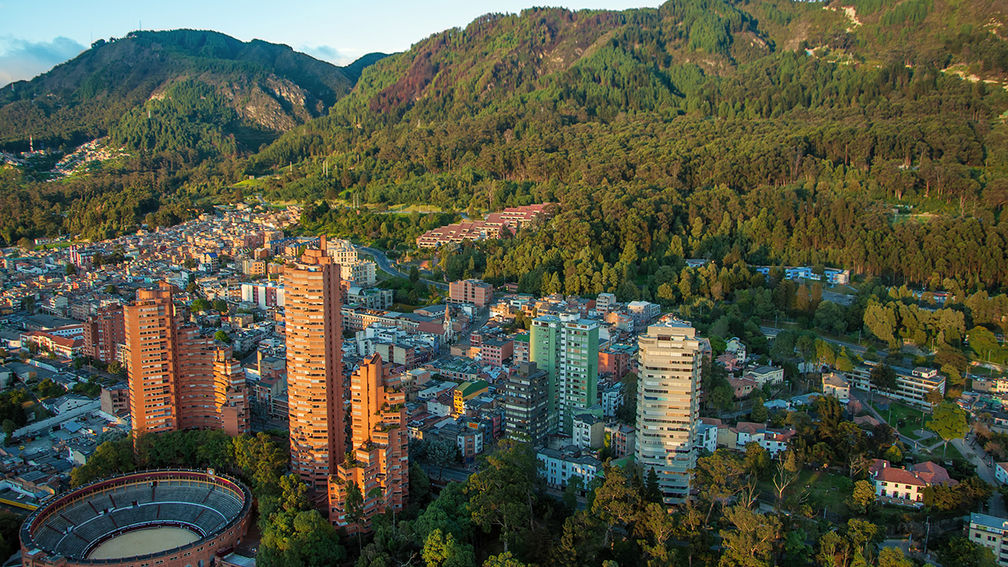
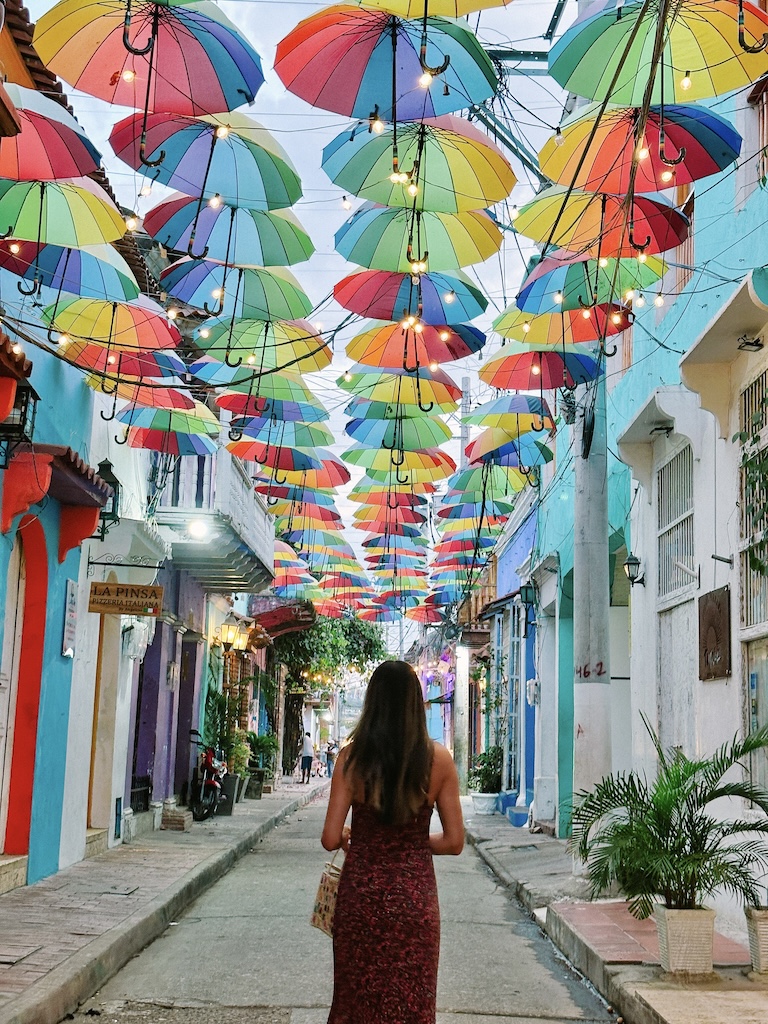
Bogota buzzes with an undeniable urban grit and an 'eternal spring' coolness, set against the dramatic backdrop of the Andes. Its neighborhoods like Chapinero Alto feel sophisticated and modern, while La Candelaria bursts with colorful street art and colonial history. It's a city for walking, exploring museums, and enjoying a vibrant café culture. Cartagena, on the other hand, is pure Caribbean romance. Its walled city glows with bougainvillea, cobblestone streets, and horse-drawn carriages, exuding a palpable sense of history and warmth (both literal and figurative). Getsemaní, just outside the walls, offers a more bohemian, artsy, and lively vibe. Bogota feels like a 'real' working city you visit; Cartagena feels like a designed tourist destination. It really depends on what you're looking for – big city buzz or tropical escape. "Bogota felt like real Colombia, messy and beautiful. Cartagena felt like a postcard, but a really pretty one." Both offer unique, captivating atmospheres that are polar opposites, making them hard to compare directly.
Winner takeaway
- Winner: Tie
- Why: Both cities offer distinctly captivating atmospheres that cater to different travel preferences.
- Who this matters for: Travelers prioritizing specific sensory experiences: urban dynamism vs. romantic tropical escape.
💰 Costs & Budget
Bogota consistently offers better value. A mid-range hotel like Hotel CityFlats in Chapinero might run you COP 200,000-300,000 (approx. $50-75 USD) per night. A delicious lunch at a traditional spot in La Candelaria, like La Puerta Falsa, is easily under COP 30,000 ($8 USD). Even a fancy dinner in Zona T at Andrés Carne de Res (Bogotá D.C.) could be COP 100,000-150,000 ($25-40 USD) per person, still offering better value than comparably high-end places in Cartagena. Local transport via TransMilenio is incredibly cheap, around COP 2,950 ($0.75 USD) per ride. Expect a comfortable daily budget of $40-70 USD excluding major tours. Cartagena's prices are inflated by tourism. Accommodation within the Walled City or Getsemaní, even at a boutique hostel like Casa del Pozo Boutique Hostel, will typically start around COP 250,000-400,000 ($65-100 USD) for a private room, and hotels like Hotel Charleston Santa Teresa can easily exceed COP 1,000,000 ($250 USD). Meals, especially in tourist areas, are pricier; a decent meal in the Walled City could be COP 50,000-80,000 ($13-20 USD). Cocktails are often COP 30,000-45,000 ($8-12 USD). Boat trips to the Rosario Islands cost COP 150,000-250,000 ($40-65 USD) per person, not including lunch or snorkel gear. A comfortable daily budget here is more like $60-100+ USD. "Cartagena just feels like everything is priced for tourists, especially inside the walls. Bogota felt way more authentic and you could find cheap eats everywhere."
Winner takeaway
- Winner: Bogota
- Why: Bogota consistently offers better value across accommodation, food, and local experiences without compromising quality.
- Who this matters for: Budget-conscious travelers, long-term backpackers, digital nomads, and families looking to stretch their peso.
🍽️ Food Scene
Bogota is a true culinary capital, offering an incredible range from high-end gastronomic experiences to humble street food. You can find world-class restaurants in Zona G (Gourmet Zone) like El Chato, which consistently ranks among Latin America's best, or Leo Cocina y Cava, pushing Colombian ingredients. Traditional fare like Ajiaco Santafereno (a hearty chicken and potato soup) is perfected at places like La Puerta Falsa. The city also boasts a burgeoning craft beer scene and fantastic specialty coffee shops. You can easily have a gourmet meal for COP 150,000 ($38 USD) or a delicious local lunch for COP 25,000 ($6 USD). Cartagena shines with its fresh seafood and vibrant Caribbean flavors. Enjoy ceviche from street vendors near Parque de Bolívar for COP 20,000 ($5 USD), or a whole fried fish with coconut rice at La Cevicheria for COP 60,000-90,000 ($15-23 USD). While charming, its fine dining scene, though good (e.g., Carmen Cartagena), doesn't quite match Bogota's breadth or innovation. "I loved the seafood in Cartagena, but Bogota's food scene just felt so much more dynamic and varied. You could eat something different and amazing every night." Bogota simply has a deeper and more experimental culinary landscape.
Winner takeaway
- Winner: Bogota
- Why: Bogota's food scene is vastly more diverse, innovative, and sophisticated, catering to all palates and budgets with world-class options.
- Who this matters for: Serious foodies, gastronomes, and those seeking a wide variety of culinary experiences from high-end to traditional.
🌃 Nightlife
Bogota's nightlife is extensive and varied. Zona T and Parque 93 are home to upscale clubs like Theatron (a massive, multi-room LGBTQ+ club that welcomes everyone) and chic cocktail bars. Chapinero Alto and La Candelaria offer a more bohemian vibe with live music venues and craft breweries. You can dance to reggaeton, salsa, or electronic music until the early hours. A typical beer is COP 10,000-15,000 ($2.50-4 USD), and cocktails around COP 30,000-40,000 ($8-10 USD). Cartagena's nightlife is more concentrated but incredibly lively. Getsemaní is the heart of it, with plazas like Plaza de la Trinidad bursting with street food, music, and impromptu dancing. Salsa clubs like Café Havana offer live bands and an intoxicating atmosphere. The Walled City also has upscale rooftop bars with stunning views. The energy is infectious, making it easy to just wander and find a party. "Bogota's clubs felt more 'big city' and polished, but Cartagena's Getsemaní has an energy you just can't beat for a spontaneous night out. Both are amazing, just different vibes." Both cities offer incredible nightlife, but they cater to different preferences: Bogota for variety and urban sophistication, Cartagena for raw, tropical energy and street-level fun.
Winner takeaway
- Winner: Tie
- Why: Both cities offer exceptional, albeit different, nightlife experiences, making it a matter of personal preference.
- Who this matters for: Party-goers, social butterflies, and anyone looking to experience Colombian music and dance after dark.
🏖️ Beaches & Nature
Bogota is nestled in the Andes, meaning no beaches, but plenty of stunning mountain scenery. Day trips can take you to cloud forests for hiking (e.g., Chicaque Natural Park) or to the high-altitude páramo ecosystems surrounding the city. The iconic Monserrate mountain offers panoramic views of the entire sprawling city. While beautiful in its own right, it's a completely different kind of nature. Cartagena, on the other hand, is a coastal city. Its city beaches like Bocagrande are okay for a quick dip but are often crowded and not pristine. The real draw is the access to the Rosario Islands (Islas del Rosario), a national park about an hour by boat. Here, you'll find crystal-clear turquoise waters, white-sand beaches, and fantastic snorkeling spots. Popular island destinations like Playa Blanca (Barú) or the private islands offer a true Caribbean paradise. A full-day boat trip to the Rosario Islands usually costs between COP 150,000-250,000 ($40-65 USD), often including lunch. "If you want real beaches, Cartagena, hands down. Bogota's nature is cool, but you can't swim in a mountain." For anyone seeking sun, sand, and ocean, Cartagena is the undisputed champion.
Winner takeaway
- Winner: Cartagena
- Why: Cartagena offers direct access to the Caribbean Sea and stunning island beaches, which Bogota simply cannot.
- Who this matters for: Beach lovers, snorkelers, sun-worshippers, and those dreaming of a tropical island escape.
🏛️ Culture & History
Bogota is a treasure trove of culture and history. The Gold Museum (Museo del Oro) is a must-see, housing an unparalleled collection of pre-Hispanic gold artifacts (entry ~COP 4,000 / $1 USD). The Botero Museum features works by Fernando Botero and other international artists, with free entry. La Candelaria neighborhood itself is a living museum, with colonial architecture, vibrant street art, and historic plazas. Bogota also has a more intellectual and political history, evident in its numerous universities, libraries, and protest art. Cartagena's historical appeal is undeniable, centered around its UNESCO-listed Walled City. Walking its ramparts, exploring the Castillo San Felipe de Barajas (entry ~COP 27,000 / $7 USD), and admiring the colorful colonial buildings transports you back in time to the Spanish colonial era. Its history is heavily tied to pirates, trade, and the transatlantic slave trade, giving it a distinct Afro-Caribbean cultural layer, especially noticeable in Getsemaní. "Bogota's museums and street art blew me away, it felt like a deeper dive into Colombia's soul. Cartagena's history is beautiful, but more focused on one period." While both are rich, Bogota offers a broader, more diverse, and intellectually stimulating cultural experience.
Winner takeaway
- Winner: Bogota
- Why: Bogota boasts a wider array of world-class museums, diverse artistic expressions, and a deeper exploration of Colombian history beyond colonialism.
- Who this matters for: History buffs, art enthusiasts, academics, and those seeking a comprehensive understanding of Colombian heritage.
☁️ Weather & Seasons
Bogota, sitting at 2,640 meters (8,660 feet) above sea level, enjoys a perpetually cool, spring-like climate. Daytime temperatures usually hover between 14-20°C (57-68°F), dropping to 8-12°C (46-54°F) at night. While it doesn't have extreme heat, it's known for its unpredictable rain, which can occur any time of year, with slightly wetter seasons from April to May and October to November. You'll need layers, a good jacket, and an umbrella. Cartagena's weather is a stark contrast: hot and humid year-round, with average temperatures between 28-32°C (82-90°F) and high humidity. Its dry season runs from December to April, offering glorious sunshine. The rainy season, from May to November, brings intense but often short-lived downpours, which can be a relief from the heat. "I loved the heat in Cartagena for the beach, but Bogota's cool weather was so much more comfortable for exploring all day without sweating through my clothes." For extended exploration and general comfort, Bogota's milder climate is often preferred, though Cartagena's dry season offers perfect beach weather.
Winner takeaway
- Winner: Bogota
- Why: Bogota's consistently cooler and more comfortable climate makes it easier to explore and enjoy for longer periods without the intense heat and humidity.
- Who this matters for: Travelers who dislike extreme heat, those who prefer walking and outdoor activities without sweating, and visitors from colder climates.
🚨 Safety & Getting Around
Bogota, like any major metropolis, demands a high degree of situational awareness. While tourist areas like Zona T, Chapinero, and parts of La Candelaria are generally safe during the day, petty crime (pickpocketing, phone snatching) is common. Venturing into less-touristed areas, especially at night, requires caution, and it's best to use authorized taxis or ride-hailing apps like Uber or Cabify (average ride within city COP 15,000-30,000 / $4-8 USD). The TransMilenio bus system is efficient but can be crowded. Cartagena's Walled City and Getsemaní are generally very safe for tourists, with a visible police presence. You can comfortably walk around these areas day and night, enjoying the atmosphere. However, beyond the main tourist zones, vigilance is still advised, and petty crime can occur. Taxis are abundant but confirm prices beforehand or use apps like in Bogota (average ride COP 10,000-20,000 / $2.50-5 USD). "I felt way more relaxed walking around Cartagena at night, especially in the Walled City. Bogota, I was always checking my phone and my bag." While both require common sense, Cartagena offers a more relaxed sense of security within its main tourist areas.
Winner takeaway
- Winner: Cartagena
- Why: Cartagena's primary tourist areas (Walled City, Getsemaní) offer a more relaxed and safer environment for visitors, especially for walking around at night.
- Who this matters for: Solo travelers (especially females), families, and those who prioritize a low-stress, walkable, and secure environment.
🏨 Accommodation
Bogota offers an incredibly diverse and value-packed accommodation scene. In Chapinero Alto, you can find stylish boutique hotels like The Click Clack Hotel for COP 350,000 ($90 USD) or comfortable mid-range options for COP 200,000-250,000 ($50-65 USD). La Candelaria boasts charming hostels like Cranky Croc Hostel (dorms from COP 50,000 / $13 USD) and historic guesthouses. For luxury, the Four Seasons Hotel Casa Medina Bogotá is world-class. You get a lot of bang for your buck here. Cartagena's accommodation is undeniably beautiful, with a focus on boutique hotels within the Walled City and Getsemaní. Expect charming colonial buildings converted into luxurious stays, like Hotel Charleston Santa Teresa (from COP 1,000,000 / $250 USD) or Hotel Casa San Agustin. Mid-range options like Hotel Boutique Bovedas de Santa Clara are around COP 400,000-600,000 ($100-150 USD). Budget options are available, but often means sacrificing location or amenities. "Finding a great, affordable hotel in Bogota was so easy, like a really nice place in Chapinero for what a mediocre place cost in Cartagena's Walled City." Bogota wins for sheer variety, value, and options at every price point.
Winner takeaway
- Winner: Bogota
- Why: Bogota provides a wider array of accommodation choices across all price points, consistently offering better value for money and more luxury for less.
- Who this matters for: Budget travelers, luxury seekers wanting more for their dollar, and those looking for diverse neighborhood lodging experiences.
🏞️ Day Trips
Bogota offers fascinating day trips that delve into unique cultural and natural wonders. The Salt Cathedral of Zipaquira, an underground church carved entirely from salt, is a truly awe-inspiring experience (entry COP 60,000 / $15 USD for foreigners, 1.5-hour bus ride from Bogota, approx. COP 10,000). Guatavita Lake, a sacred Muisca site linked to the legend of El Dorado, offers stunning views and indigenous history (tour typically COP 100,000-150,000 / $25-38 USD). Hiking in the nearby Andes at places like Chingaza National Natural Park provides breathtaking natural beauty. Cartagena's day trips are focused on its coastal environment and unique cultural spots. The Rosario Islands are the star, offering pristine beaches, snorkeling, and fresh seafood (full-day boat tours COP 150,000-250,000 / $40-65 USD). The Totumo Mud Volcano (El Totumo), where you can float in a therapeutic mud bath, is a quirky, fun experience (tours around COP 50,000-80,000 / $13-20 USD). For a deeper cultural dive, a trip to San Basilio de Palenque, the first free slave town in the Americas, offers a profound historical and cultural experience. "Bogota's Salt Cathedral was unreal, but nothing beats a day chilling on a Caribbean island from Cartagena." Both cities provide excellent and distinct day trip options that enrich any itinerary.
Winner takeaway
- Winner: Tie
- Why: Both cities offer equally compelling and diverse day trip options that cater to different interests, from unique natural sites to historical and cultural immersions.
- Who this matters for: Travelers who love exploring beyond the city limits and appreciate a variety of natural and cultural excursions.
❓ Frequently Asked Questions
What's the best time of year to visit Bogota vs. Cartagena?
Bogota is fairly consistent year-round due to its altitude, but the driest months (and generally sunniest) are December-February and July-August. Cartagena's dry season, with less rain and lower humidity, runs from December to April, making it ideal for beach activities. Avoid Cartagena during September-November if you're sensitive to heavy rain.
How many days should I spend in each city?
For Bogota, a minimum of 3-4 full days allows you to explore the main museums, La Candelaria, Monserrate, and enjoy its culinary scene. For Cartagena, 3 full days are usually enough to wander the Walled City, explore Getsemaní, and take one day trip to the Rosario Islands. If combining both, allocate 7-10 days for Colombia.
Is it easy to travel between Bogota and Cartagena?
Yes, very easy! Domestic flights between El Dorado (BOG) in Bogota and Rafael Núñez (CTG) in Cartagena are frequent, with multiple daily options from airlines like Avianca, LATAM, and Wingo. The flight duration is approximately 1.5 hours, and tickets can range from $30-80 USD if booked in advance.
Which city is better for solo female travelers?
Cartagena generally feels a bit safer for solo female travelers, especially within the well-lit and tourist-patrolled Walled City and Getsemaní. Bogota requires more vigilance, particularly at night, and careful planning of transport. Both cities, however, offer a vibrant hostel scene and opportunities to meet other travelers.
Which city has better shopping opportunities?
Bogota, as a major capital, offers a much wider range of shopping. From high-end malls like Centro Andino in Zona T to artisan markets in Usaquén and designer boutiques in Chapinero. Cartagena focuses more on souvenirs, emeralds, and local crafts within the Walled City, with fewer large-scale shopping experiences.
Which is better for families with young children?
Cartagena might be slightly better for families due to its relaxed pace, the charm of the Walled City (which feels like a fairytale), and easy access to beaches for kids to play. Bogota can be overwhelming for very young children, though it offers attractions like Maloka Interactive Center or the Botanical Garden. The heat in Cartagena can be a factor for little ones.
What's the main difference in local people/culture?
Bogota's 'Rolos' are often perceived as more reserved, formal, and intellectual, reflecting the city's high-altitude urban environment and status as the capital. Cartagena's 'Costeños' are known for their warm, outgoing, and laid-back Caribbean temperament, with a strong emphasis on music, dance, and a slower pace of life.
Can I find good English speakers in both cities?
In both Bogota and Cartagena, you'll find English speakers in tourist-focused hotels, high-end restaurants, and tour agencies. However, outside these areas, Spanish is predominantly spoken. Bogota, being a larger international hub, might have a slightly higher concentration of English speakers in business and academic sectors.
Ready to plan your Colombia trip?
Get a free custom itinerary for Bogota, Cartagena, or both — built from real traveler insights.
🎟️ Book Tours & Experiences
Hand-picked tours and activities for both destinations — book with free cancellation
Experiences via Viator — free cancellation on most tours