How we built this comparison
This page combines traveler discussion patterns, published price ranges, flight schedules, and seasonal data to help you decide between Bogota and Quito.
- Reviewed 75+ Reddit threads from r/travel, r/solotravel, r/colombia, r/ecuador, r/Bogota, and r/Quito.
- Verified costs and logistics against current booking platforms (Booking.com, Google Flights, Uber, local tour operators).
- Cross-referenced seasonal patterns and weather data from reputable meteorological sources.
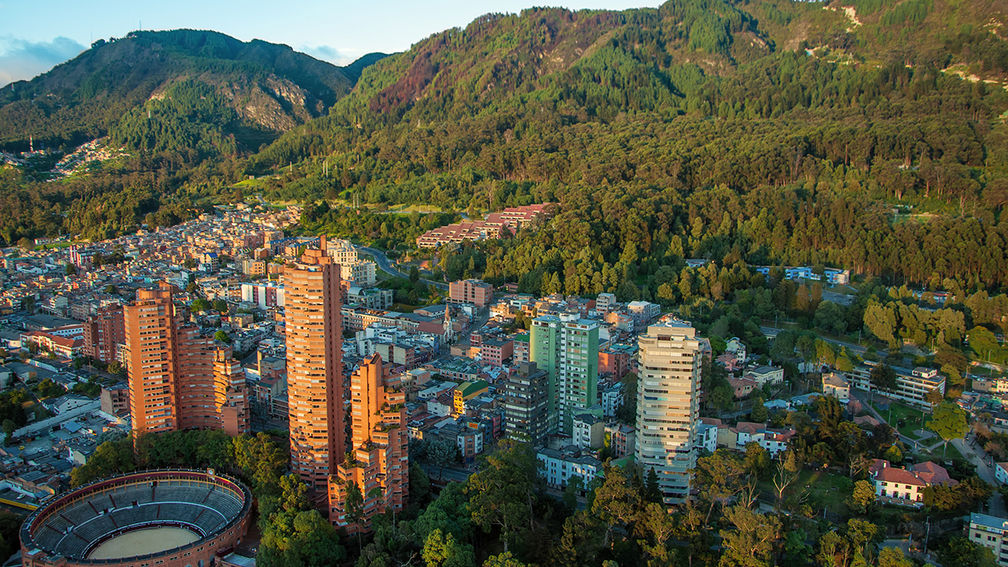
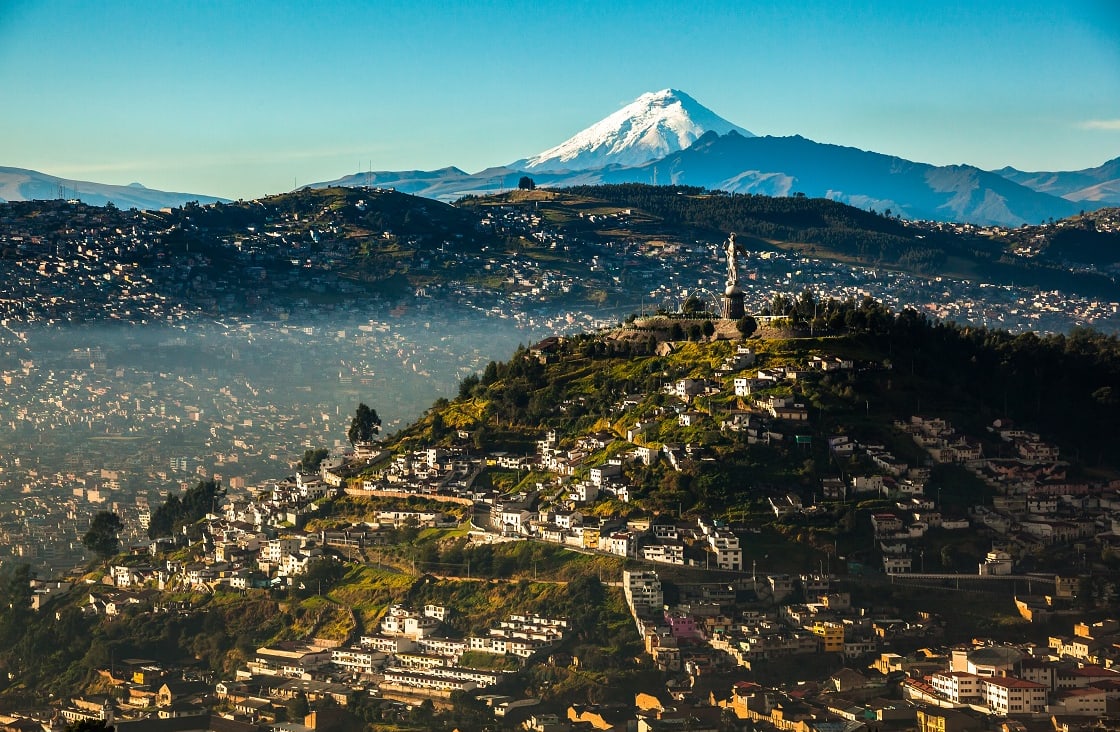
⚡ The TL;DR Verdict
For the urban explorer seeking vibrant nightlife, diverse gastronomy, and extensive museums, Bogota is your pick, budget around $50-80/day. If colonial charm, stunning mountain vistas, and accessible nature excursions are higher on your list, then Quito beckons, with a slightly lower daily budget of $40-70/day. Both offer incredible value and unique South American experiences.
- Choose Bogota: Choose Bogota if you crave a bustling metropolis with world-class dining, an electric nightlife, and a deep dive into Colombian art and history, especially if you're comfortable with a big city's energy.
- Choose Quito: Opt for Quito if you're drawn to beautifully preserved colonial architecture, breathtaking Andean scenery, and easier access to incredible nature like volcanoes and cloud forests, preferring a more relaxed pace.
- Choose Both: Consider doing both if you have 2+ weeks and want to experience the full spectrum of high-altitude South American capitals. A direct flight between them takes about 1.5 hours and costs $150-250 USD, making a combined trip very feasible.
Quick Comparison
| Category | Bogota | Quito | Winner |
|---|---|---|---|
| Food & Drink | Culinary powerhouse with incredible variety, from street food to fine dining. Famous for ajiaco, bandeja paisa, and a thriving craft beer scene. | Focus on traditional Andean flavors. Locro de papa, empanadas, and hornado are staples. Good coffee, but less international variety. | Bogota |
| Nightlife | Electric and diverse, from massive clubs in Zona T to salsa bars in Chapinero. Something for every taste, often going late into the night. | More laid-back, centered around La Mariscal. Features pubs, smaller clubs, and salsa bars, but less intense than Bogota. | Bogota |
| Culture & History | Rich in museums (Gold Museum, Botero Museum), vibrant street art, and historical neighborhoods like La Candelaria. Modern art scene. | UNESCO World Heritage site with one of the best-preserved colonial centers in Latin America. Stunning churches and plazas. | Quito |
| Costs | Generally affordable, with good value for food and transport. Accommodation varies. USD/COP exchange rate favorable for many. | Slightly cheaper overall, especially for local food and public transport. Uses USD, so no exchange rate surprises. | Quito |
| Getting There | El Dorado (BOG) is a major regional hub with more direct international flights, especially from North America and Europe. | Mariscal Sucre (UIO) is well-connected but typically requires a layover for many international routes. | Bogota |
| Getting Around | Extensive TransMilenio bus rapid transit system, frequent taxis, and ride-sharing. Traffic can be very heavy. | Compact historic center is very walkable. Efficient public buses, integrated trolley system, and affordable taxis/ride-sharing. | Quito |
| Accommodation | Vast range from budget hostels to luxury boutique hotels in distinct neighborhoods like Usaquén, Chapinero, or La Candelaria. | Great options, particularly charming boutique hotels in the Old Town and modern choices in La Mariscal and La Floresta. Good value. | Bogota |
| Day Trips & Nature | Monserrate offers city views. Guatavita Lake, Zipaquirá Salt Cathedral are popular. Less immediate access to dramatic nature. | Unbeatable access to Andean peaks (Cotopaxi), cloud forests (Mindo), and volcanoes. TeleferiQo offers stunning city views. | Quito |
| Safety | Generally safe in tourist areas during the day, but petty crime is common. Exercise caution at night, especially in certain zones. | Perceived as slightly safer in its core tourist zones. Petty crime exists, but often feels a bit more relaxed than Bogota. | Quito |
| Weather & Seasons | Cool 'eternal spring' climate, but famously unpredictable and often rainy, especially from April-May and Oct-Nov. | Also 'eternal spring' but often sunnier, with distinct wet (Oct-May) and dry (June-Sept) seasons. Higher altitude. | Quito |
🍽️ Food & Drink
Bogota takes the crown for its sheer culinary diversity and innovation. You can find everything from delicious street-side empanadas for COP 3,000 (~$0.75) to Michelin-level tasting menus at restaurants like El Chato or Leo (expect COP 200,000+ / ~$50+ per person for fine dining). The Zona G and Usaquén areas are packed with high-end options, while La Candelaria offers more traditional and budget-friendly eats. Don't miss the iconic Andrés Carne de Res outside the city for a truly Colombian experience, or explore the burgeoning craft beer scene. Quito's food scene, while authentic and comforting, leans more heavily on traditional Ecuadorian dishes like locro de papa (potato soup) for around $4-7 or hornado (roasted pork) for $8-12. The historic center has many local eateries, but the variety isn't as expansive as Bogota's. "Bogota's food scene absolutely blew my mind, so many incredible restaurants and different cuisines to try. Quito was good but more traditional," commented one traveler on Reddit.
Winner takeaway
- Winner: Bogota
- Why: Bogota offers an unparalleled culinary journey with vast international and local options, from street food to world-class fine dining.
- Who this matters for: Foodies, gourmands, and anyone who loves exploring a city through its diverse flavors.
🌃 Nightlife
Bogota's nightlife is legendary and easily surpasses Quito's in scale and energy. The Zona T (Zona Rosa) is the epicenter, packed with stylish bars, sprawling clubs, and rooftop lounges where you can dance until the early hours. Chapinero and Usaquén also offer fantastic options, from trendy cocktail bars to live music venues and LGBTQ+ friendly spots. Expect to pay around COP 15,000-30,000 (~$4-8) for a cocktail. Quito's nightlife is concentrated primarily in the La Mariscal district, offering a good selection of bars, pubs, and smaller discotecas. You'll find a more relaxed vibe here, with opportunities for salsa dancing or enjoying a craft beer for around $4-6. While enjoyable, it lacks the sheer variety and intensity of Bogota. "If you want to party hard, Bogota is your place. Quito is fun, but it's not on the same level, especially Zona T," a Reddit user aptly put it.
Winner takeaway
- Winner: Bogota
- Why: Bogota boasts a more extensive, diverse, and energetic nightlife scene, catering to every preference imaginable.
- Who this matters for: Party-goers, social butterflies, and those who love dancing the night away.
🏛️ Culture & History
While Bogota has incredible cultural institutions, Quito's historic center is a UNESCO World Heritage site and arguably the best-preserved colonial core in all of Latin America. Walking through its narrow streets feels like stepping back in time, with stunning churches like La Compañía de Jesús (entrance $5) adorned with gold leaf, and the grand Plaza Grande. Bogota offers world-class museums like the Gold Museum (Museo del Oro, COP 20,000 / ~$5 entry) and the Botero Museum (free entry), both located in the charming colonial district of La Candelaria. Bogota also excels in its vibrant street art scene and modern cultural offerings. However, for sheer immersive historical ambiance and architectural grandeur, Quito edges it out. "Quito's Old Town just blew me away. Every corner is a postcard, way more intact than Bogota's Candelaria, though I loved the Gold Museum," shared a traveler online.
Winner takeaway
- Winner: Quito
- Why: Quito's UNESCO-listed historic center provides an unparalleled, immersive experience of colonial architecture and history.
- Who this matters for: History buffs, architecture enthusiasts, and those seeking an authentic colonial experience.
💸 Costs
Quito generally offers a slightly more budget-friendly experience, primarily due to the widespread use of the US Dollar, which can simplify budgeting and remove exchange rate anxieties for many visitors. A typical hostel bed in Quito might run $15-25, while a local meal is $5-10. Bogota, using the Colombian Peso (COP), offers similar value, but can tempt travelers with more upscale options that quickly drive up costs. A hostel in Bogota averages COP 60,000-100,000 (~$15-25), and a good meal COP 20,000-40,000 (~$5-10). Public transport in Bogota (TransMilenio) is very cheap (COP 2,950 / ~$0.75 per ride), comparable to Quito's buses ($0.35). While both are excellent value compared to North America or Europe, Quito often feels like you get a little more for your money on everyday expenses. "Quito felt a bit cheaper day-to-day, especially for food and taxis, plus no currency conversion hassle which was nice," commented a Reddit user.
Winner takeaway
- Winner: Quito
- Why: Quito offers slightly lower everyday costs and uses the US Dollar, simplifying budgeting for many international travelers.
- Who this matters for: Budget-conscious travelers, backpackers, and those who prefer a straightforward currency.
✈️ Getting There
Bogota's El Dorado International Airport (BOG) is one of Latin America's busiest and best-connected hubs. It consistently offers a greater number of direct international flights from major cities in North America (e.g., Miami, NYC, Toronto) and Europe (e.g., Madrid, London). A direct flight from Miami to Bogota can be found for $250-400 USD and takes about 3.5 hours. Quito's Mariscal Sucre International Airport (UIO) is also modern and efficient, but for many international origins, you'll often find flights that involve a layover, frequently in Bogota, Panama City, or Miami. A direct flight from Miami to Quito might be $300-500 USD and takes around 4.5 hours. While both airports are excellent, Bogota simply provides more direct options and often slightly cheaper fares for international arrivals due to its larger hub status. "Getting to Bogota was super easy from pretty much anywhere, way more direct flights than Quito, which often meant an extra stop," a traveler noted.
Winner takeaway
- Winner: Bogota
- Why: Bogota's El Dorado is a larger hub with more direct international flight options, simplifying travel logistics for many.
- Who this matters for: International travelers, those with limited vacation time, and anyone seeking convenience.
🚌 Getting Around
Quito's compact size and excellent public transport make getting around relatively easy and pleasant, especially in the historic center which is best explored on foot. The city also has an integrated public bus and trolley system that efficiently covers most areas for just $0.35 per ride. Taxis and ride-sharing apps like Uber or InDriver are readily available and affordable, with most within-city trips costing $3-8. Bogota, being a much larger and more sprawling city, relies heavily on its TransMilenio bus rapid transit (BRT) system. While efficient for covering long distances, it can be incredibly crowded during peak hours (fares are COP 2,950 / ~$0.75). Traffic in Bogota is notoriously bad, making taxi and ride-sharing (easily COP 15,000-40,000 / ~$4-10 within the city) slow and sometimes frustrating. "Quito was way easier to navigate. I walked almost everywhere in the Old Town, and taxis were cheap. Bogota's traffic was a beast," shared one traveler.
Winner takeaway
- Winner: Quito
- Why: Quito's more compact layout, highly walkable historic center, and manageable traffic make for a less stressful transit experience.
- Who this matters for: Walkers, those who dislike heavy traffic, and travelers prioritizing ease of movement.
🏨 Accommodation
Bogota, as a much larger global city, simply offers a wider and more diverse range of accommodation options, catering to every budget and style imaginable. You can find vibrant hostels in La Candelaria starting from COP 50,000 (~$12), chic boutique hotels in Chapinero for COP 200,000-400,000 (~$50-100), or international luxury chains in Usaquén upwards of COP 600,000 (~$150). Quito also has fantastic choices, with beautifully restored colonial hotels in the historic center (e.g., Hotel Carpe Diem from $60) and modern, comfortable options in La Mariscal or La Floresta (e.g., Casa Gardenia from $80). While Quito excels in charming, atmospheric stays, Bogota’s sheer volume means more choices, more competitive pricing across categories, and a greater selection of modern, international-standard facilities. "Bogota had so many cool, stylish hostels and hotels, felt like I could find exactly what I wanted for any budget and vibe," a Reddit user mentioned.
Winner takeaway
- Winner: Bogota
- Why: Bogota's larger size translates to a significantly broader and more diverse selection of accommodation options across all price points and styles.
- Who this matters for: Travelers with specific accommodation preferences, luxury seekers, and those wanting maximum choice.
⛰️ Day Trips & Nature
Quito is the undisputed champion for immediate and dramatic access to nature and incredible day trips. Within a few hours, you can be hiking near the snow-capped Cotopaxi volcano (tours often $50-80 USD), exploring the biodiversity of the Mindo cloud forest (zip-lining, bird watching, chocolate tours for $40-70 USD), or visiting the unique Mitad del Mundo (Middle of the World, $5 entrance). The TeleferiQo cable car (round trip $8.50) takes you up Pichincha volcano for breathtaking city views and high-altitude hiking. Bogota offers fantastic day trips like the stunning Zipaquirá Salt Cathedral (COP 60,000 / ~$15 entry) and the intriguing Guatavita Lake (COP 20,000 / ~$5 entry) for a dose of Muisca legend. Monserrate (COP 27,000 / ~$7 for cable car) provides iconic city views. However, Bogota requires more effort and travel time to reach truly wild, dramatic natural landscapes. "Quito is just surrounded by insane nature. Cotopaxi was mind-blowing, and Mindo was such a cool contrast. Bogota's day trips were good but not as 'wow'," a traveler shared.
Winner takeaway
- Winner: Quito
- Why: Quito offers unparalleled, easy access to stunning Andean nature, including volcanoes, cloud forests, and unique geographic sites.
- Who this matters for: Nature lovers, hikers, adventure seekers, and those looking for dramatic landscapes.
🛡️ Safety
While both cities require vigilance and common-sense precautions, many travelers perceive Quito to be slightly safer, particularly within its well-patrolled historic center and main tourist districts like La Mariscal. Petty crime, such as pickpocketing and bag snatching, is present in both cities, so always be aware of your surroundings, avoid displaying valuables, and use ride-sharing services at night. Bogota's immense size means that while areas like Zona T, Usaquén, and parts of Chapinero are generally safe, other areas can become sketchy, especially after dark. There are also more reports of express kidnappings (paseo millonario) via unauthorized taxis in Bogota. In both cities, it's wise to leave important documents and excessive cash in your accommodation. A good rule of thumb is to trust your gut and ask locals about safe areas. "I felt a bit more relaxed walking around Quito's Old Town at night than I did in Bogota, though I still took Ubers everywhere after dark in both," a traveler mentioned on Reddit.
Winner takeaway
- Winner: Quito
- Why: Quito's more compact and tourist-focused core often feels a bit more relaxed and manageable in terms of safety perceptions than Bogota's vast expanse.
- Who this matters for: Solo travelers, first-time South America visitors, and those prioritizing a sense of security.
☀️ Weather & Seasons
Both Bogota (2640m) and Quito (2850m) are high-altitude capitals that experience an 'eternal spring' climate, meaning mild temperatures year-round without extreme heat or cold. However, Quito generally boasts more predictable weather and more sunshine. Quito has distinct wet (October to May) and dry (June to September) seasons. During the dry season, you can expect clear, sunny mornings followed by potential afternoon clouds, with temperatures averaging 10-23°C (50-73°F). Bogota, while similar in temperature (10-20°C / 50-68°F), is notoriously rainy and unpredictable throughout the year, with peak rain from April-May and October-November. You can often experience all four seasons in a single Bogota day. If consistent sunshine and clearer mountain views are important to you, Quito, especially during its dry season, is the better bet. "Quito felt like it had more consistent sunny mornings, even in the 'wet' season. Bogota was just a constant gamble with rain, beautiful but damp," a Reddit user commented.
Winner takeaway
- Winner: Quito
- Why: Quito generally offers more predictable weather patterns and sunnier skies, especially during its distinct dry season, compared to Bogota's famously unpredictable and often rainy climate.
- Who this matters for: Sun-seekers, photographers, and those who prefer more predictable outdoor conditions.
❓ Frequently Asked Questions
How long should I spend in Bogota vs Quito?
For Bogota, a minimum of 3-4 full days allows you to explore La Candelaria, visit key museums, and experience the nightlife. For Quito, 3 full days are ideal to see the historic center, take the TeleferiQo, and possibly visit Mitad del Mundo. Add an extra 2-3 days for significant day trips from either city.
Which city is better for acclimatizing to altitude?
Both cities are at high altitude, with Quito slightly higher. Neither is inherently 'better' for acclimatization, as reactions vary. The best approach is to take it easy for your first 24-48 hours in either city, stay hydrated, avoid alcohol, and don't overexert yourself. Listen to your body.
Is it easy to travel between Bogota and Quito?
Yes, it's quite easy. There are multiple daily direct flights between Bogota (BOG) and Quito (UIO) with airlines like Avianca and LATAM. The flight takes approximately 1 hour and 30 minutes, with prices typically ranging from $150-250 USD if booked in advance. It's the most practical way to travel between them.
What's the best time of year to visit each city?
For Quito, the dry season (June to September) offers the most sunshine and clearer views, ideal for outdoor activities. Bogota's weather is less predictable year-round, but generally, December to March and July to August are considered slightly drier. Be prepared for rain in Bogota regardless of the season.
Which city has better markets and shopping?
Bogota offers more extensive and diverse shopping, from high-end malls in Usaquén and Zona T to artisan markets and design boutiques. The Usaquén Flea Market on Sundays is a must-visit. Quito has excellent artisan markets, particularly the Mercado Artesanal La Mariscal, great for souvenirs and local crafts, but less for high-end or modern retail.
Are Bogota and Quito good for solo travelers?
Both cities are popular with solo travelers. Bogota has a very active hostel scene and numerous tours for easy socialization, but requires more vigilance, especially at night. Quito feels a bit more laid-back for solo exploration in its main tourist zones, with good hostel communities. Standard solo travel safety precautions apply to both.
Which city is better for art lovers?
Bogota excels for art lovers. It boasts world-class institutions like the Botero Museum (Colombian and international masters) and the Bogotá Museum of Modern Art (MAMBO). Furthermore, Bogota has an incredibly vibrant and extensive street art scene, particularly in La Candelaria, with numerous guided tours available. Quito has some good galleries but isn't as robust as Bogota in this regard.
What kind of clothing should I pack for Bogota and Quito?
Due to their high altitudes and 'eternal spring' climates, pack layers for both cities. Days can be mild, but evenings get chilly. Include a warm jacket, sweaters, long pants, and comfortable walking shoes. For Bogota, a waterproof jacket or umbrella is essential due to frequent rain. Quito can also get rain, especially in its wet season, so similar preparation is wise.
Ready to plan your Andean adventure?
Get a free custom itinerary for Bogota, Quito, or both — built from real traveler insights.
🎟️ Book Tours & Experiences
Hand-picked tours and activities for both destinations — book with free cancellation
Experiences via Viator — free cancellation on most tours