How we built this comparison
This page combines traveler discussion patterns, published price ranges, flight schedules, and seasonal data to help you decide between Bolivia and Brazil.
- Reviewed 500+ Reddit threads from r/travel, r/solotravel, r/bolivia, r/brasil, and r/backpacking
- Verified costs and logistics against current booking platforms (Booking.com, Skyscanner, Rome2Rio)
- Cross-referenced seasonal patterns and weather data from multiple meteorological sources
⚡ Quick Answers
⚡ The TL;DR Verdict
For most travelers seeking a budget-conscious, culturally deep journey focused on mountains and high-altitude experiences, Bolivia is the clearer choice. Daily budgets typically run $30-50 USD. If your priority is beaches, expansive nature, a lively party scene, and a broader array of food options, Brazil, with a daily budget of $60-100 USD, delivers these experiences on a grander scale.
- Choose Bolivia: Travelers prioritizing extreme budget travel, high-altitude landscapes like the Andes and salt flats, and deep indigenous cultural immersion without significant beach time.
- Choose Brazil: Travelers seeking tropical beaches, large-scale carnivals, diverse gastronomy, and vibrant city nightlife, with a higher travel budget.
- Choose Both: If you have 4-6 weeks and want a complete South American experience, combining the Andean interior with the Brazilian coast offers a journey of extreme contrasts. Consider flying between major hubs like Santa Cruz (Bolivia) and Sao Paulo (Brazil).
Choose Bolivia
Choose Bolivia if you're an intrepid traveler seeking profound cultural immersion and breathtaking high-altitude adventures on a shoestring budget. Explore the surreal landscapes of the Uyuni Salt Flats, trek through the majestic Andes, or delve into indigenous traditions in La Paz and Sucre. It's best for those prioritizing raw authenticity and unparalleled natural beauty over luxury.
Choose Brazil
Opt for Brazil if you crave vibrant energy, iconic beaches, and an intoxicating mix of nature and urban excitement, with a more flexible budget. Indulge in the rhythm of Rio's Copacabana and Ipanema, experience the unparalleled spectacle of Carnival, or explore the vast Amazon rainforest. It's ideal for travelers desiring grand experiences, lively nightlife, and a rich culinary scene.
📊 Visual Scorecard
🌤 When to Visit
Average high temperatures (°C). Green = best months, orange = avoid.
Quick Comparison
| Category | Bolivia | Brazil | Winner |
|---|---|---|---|
| Costs & Budget | Bolivia is a budget traveler's paradise, offering some of the lowest prices in South America for accommodation, food, and transport. | Brazil is significantly more expensive, with costs comparable to Western Europe for many goods and services, especially in major cities. | Bolivia |
| Culture & Heritage | Bolivia retains a strong indigenous heritage, with Aymara and Quechua cultures central to daily life, evident in markets, clothing, and traditions. | Brazil's culture is a blend of European, African, and indigenous influences, expressed through music, dance, and colonial history. | Bolivia |
| Natural Landscapes | Bolivia is defined by its high-altitude Andean peaks, expansive salt flats, and part of the Amazon basin. | Brazil offers vast Amazon rainforest, the Pantanal wetlands, extensive coastline, and the Iguazu Falls. | Brazil |
| Food & Drink | Bolivian cuisine is hearty and carbohydrate-heavy, with potatoes, quinoa, and various meats forming the base. | Brazilian food is diverse and regional, encompassing influences from Portugal, Africa, and indigenous communities, with a focus on meat, seafood, and tropical fruits. | Brazil |
| Nightlife & Entertainment | Bolivia's nightlife is generally more subdued, focused on local pubs, peñas (folk music venues), and some club options in larger cities. | Brazil offers a nightlife experience on a different scale, with samba clubs, electronic music venues, and beach parties in major cities and coastal towns. | Brazil |
| Safety & Security | Bolivia has a lower rate of violent crime compared to Brazil, but petty theft, pickpocketing, and scams are common in tourist areas. | Brazil has higher crime rates, including violent crime, particularly in major cities and favelas, requiring greater vigilance. | Bolivia |
| Getting Around | Bolivia relies heavily on long-distance buses for inter-city travel and local microbuses or teleféricos in cities. | Brazil has an extensive but often slow bus network, with domestic flights being essential for covering long distances. | Tie |
| Accommodation | Bolivia offers very affordable hostels and basic hotels, with limited luxury options outside of La Paz. | Brazil has a wider range of accommodation, from budget hostels to high-end resorts, with prices significantly higher than Bolivia. | Bolivia |
| Beaches & Coastline | Bolivia is landlocked and has no ocean coastline; its water features are limited to high-altitude lakes. | Brazil boasts an extensive, globally recognized coastline with thousands of kilometers of beaches and tropical islands. | Brazil |
| Solo Travel | Bolivia is a popular and relatively easy destination for solo travelers, with a well-trodden Gringo Trail and a generally welcoming atmosphere. | Brazil offers many opportunities for solo travel and socializing, but requires heightened awareness of safety, especially in major cities. | Bolivia |
💰 Costs & Budget
Bolivia presents extreme value for money. A hostel bed in La Paz or Sucre typically costs 60-80 BOB ($9-12 USD), and a local meal like salteñas or a set lunch can be found for…
Bolivia
Brazil
Bolivia presents extreme value for money. A hostel bed in La Paz or Sucre typically costs 60-80 BOB ($9-12 USD), and a local meal like salteñas or a set lunch can be found for 15-25 BOB ($2-4 USD). Long-distance buses, while basic, are inexpensive; a 10-hour journey from La Paz to Uyuni might cost 80-120 BOB ($12-17 USD). Activities like the 3-day Salar de Uyuni tour are a major expense, around 1000-1400 BOB ($145-200 USD), but overall daily spending for a backpacker can easily stay within $30-50 USD.
Brazil, in contrast, requires a larger budget. A hostel bed in Rio de Janeiro can be 80-150 BRL ($16-30 USD), and a simple restaurant meal often starts at 40-70 BRL ($8-14 USD). Domestic flights are frequently necessary due to country size and add up, often costing $50-150 USD for a single leg. Local transport like the metro in Sao Paulo costs 4.40 BRL ($0.90 USD). Even basic goods in supermarkets are priced similarly to developed countries. A daily budget for a budget traveler in Brazil typically ranges from $60-100 USD. For cost-conscious travelers, Bolivia is the clear choice.
- Winner: Bolivia
- Why: Bolivia offers significantly lower prices across all categories, making it far more accessible for budget-conscious travelers.
- Who this matters for: Travelers with strict budgets, backpackers, and those planning extended trips.
🗿 Culture & Heritage
Bolivia stands out for its direct connection to ancient Andean civilizations. Cities like La Paz showcase indigenous Aymara culture prominently, from the Witches Market (Mercado…

Bolivia
Brazil
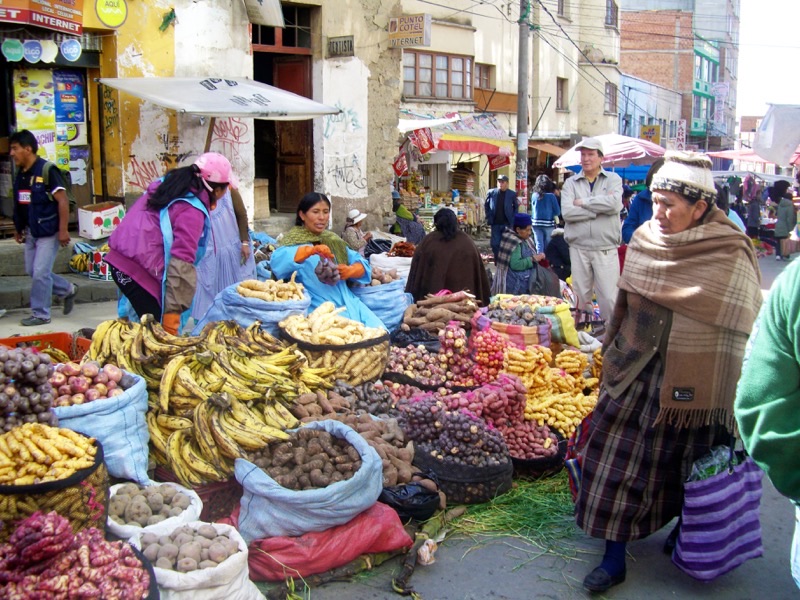
Bolivia stands out for its direct connection to ancient Andean civilizations. Cities like La Paz showcase indigenous Aymara culture prominently, from the Witches Market (Mercado de las Brujas) selling traditional remedies to cholitas (Aymara women) in traditional dress. Sucre, a UNESCO site, offers Spanish colonial architecture, while Potosí's Cerro Rico silver mines tell a story of colonial exploitation. Tiahuanaco, an archaeological site, provides insight into a pre-Inca civilization. Festivals like Alasitas are deeply rooted in local beliefs, and local food reflects centuries of Andean agricultural practices. The cultural experience is tangible and ever-present.
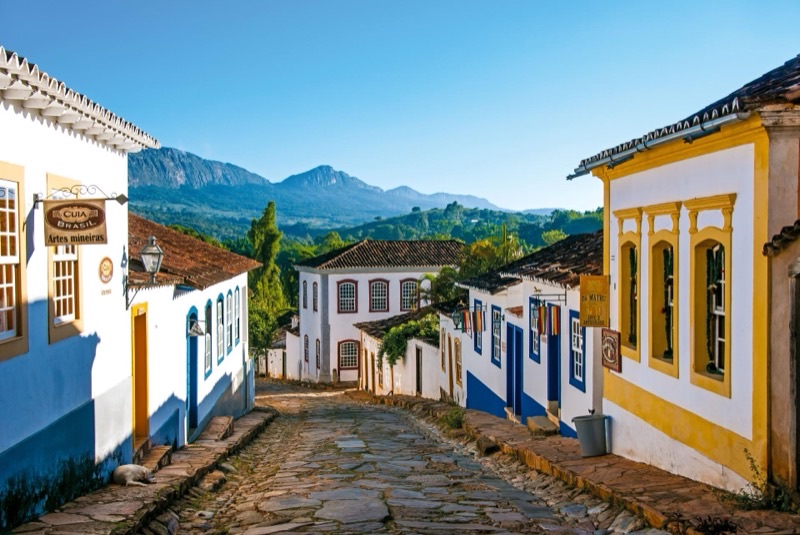
Brazil presents a different cultural landscape, largely shaped by Portuguese colonization and the transatlantic slave trade. Salvador, Bahia, is the epicenter of Afro-Brazilian culture, with Candomblé traditions and capoeira circles. Ouro Preto offers well-preserved colonial Baroque architecture. Rio de Janeiro is known for samba and Carnival, a global event. While there are indigenous groups in Brazil, their cultures are less immediately visible in major tourist areas compared to Bolivia. Brazil’s cultural expressions often feel more overtly performative and accessible, while Bolivia’s are woven into the fabric of daily life. For immersive, direct cultural contact, Bolivia offers a more profound experience.
- Winner: Bolivia
- Why: Bolivia provides a more pervasive and accessible indigenous cultural immersion, deeply woven into daily life and accessible in urban centers.
- Who this matters for: Travelers seeking deep cultural engagement, indigenous experiences, and historical exploration beyond colonial narratives.
⛰️ Natural Landscapes
Bolivia's natural environments are dramatic and specific. The Salar de Uyuni, the world's largest salt flat, provides a surreal landscape of white, hexagonal patterns and…
Bolivia
Brazil
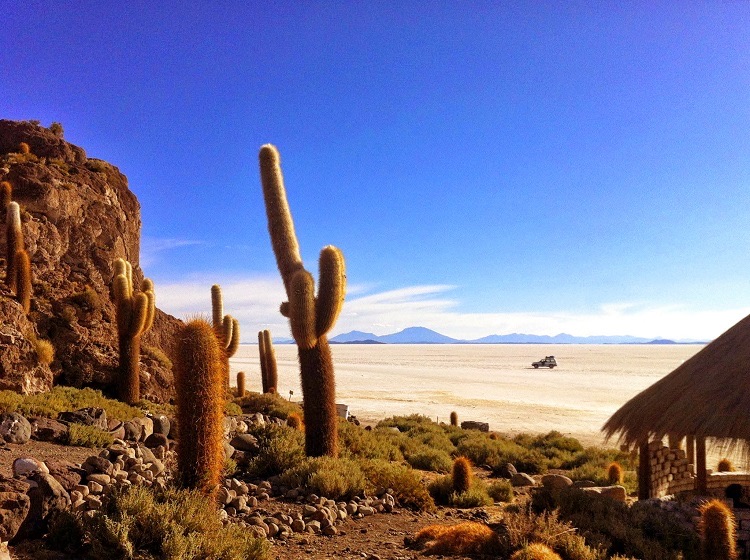
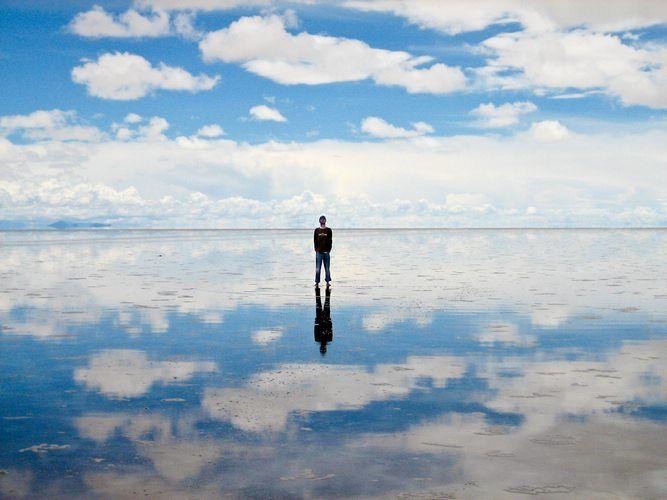
Bolivia's natural environments are dramatic and specific. The Salar de Uyuni, the world's largest salt flat, provides a surreal landscape of white, hexagonal patterns and reflected skies. The Andes mountains dominate, offering trekking opportunities around peaks like Huayna Potosí (6088m). Lake Titicaca, shared with Peru, is the highest navigable lake globally. The country also contains sections of the Amazon basin near Rurrenabaque, where jungle tours allow encounters with wildlife. The extreme altitudes are a constant factor, shaping the flora and fauna.
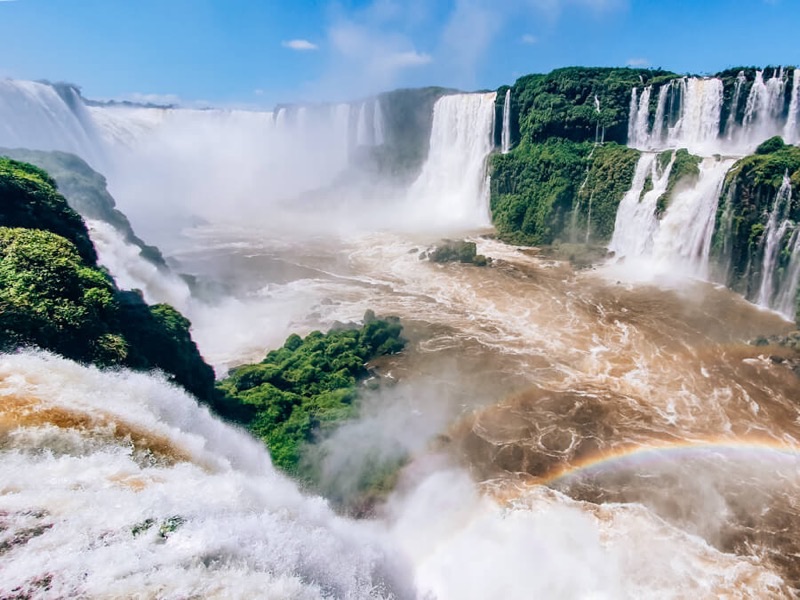
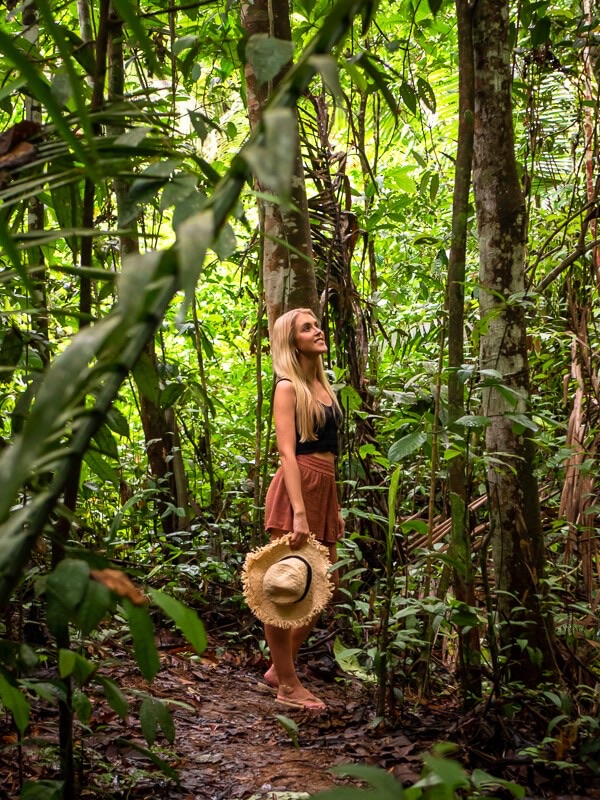
Brazil, by sheer size, offers a wider range of ecosystems and natural wonders. The Amazon rainforest covers a substantial portion, presenting unparalleled biodiversity for flora and fauna. The Pantanal, the world's largest tropical wetland, is a prime location for spotting jaguars, capybaras, and caimans. The country boasts thousands of kilometers of coastline, from the dunes of Lençóis Maranhenses to the cliffs of Praia da Pipa. The Iguazu Falls, on the border with Argentina, are a display of water volume and power. While Bolivia's landscapes are impactful, Brazil’s natural offerings are more varied and include globally significant sites for biodiversity. For sheer scale and variety of iconic natural sites, Brazil wins.
- Winner: Brazil
- Why: Brazil offers a greater diversity of globally recognized natural landscapes, from the Amazon to Iguazu Falls and extensive coastlines.
- Who this matters for: Nature enthusiasts, wildlife photographers, and travelers seeking diverse ecosystems and iconic natural landmarks.
🍽️ Food & Drink
Bolivian food is functional and comforting. Staples include chuño (freeze-dried potato), quinoa, and llama meat. Common dishes are salteñas (baked empanadas, 8-12 BOB/$1-2 USD),…
Bolivia
Brazil
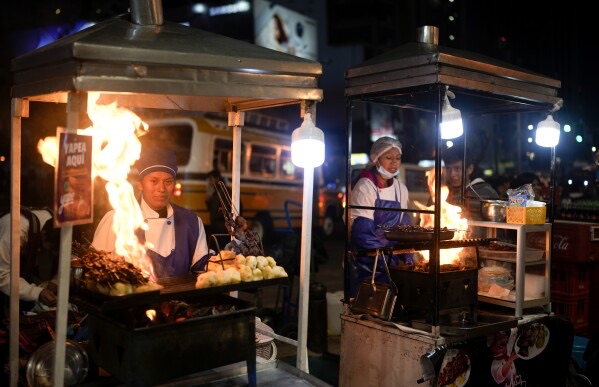
Bolivian food is functional and comforting. Staples include chuño (freeze-dried potato), quinoa, and llama meat. Common dishes are salteñas (baked empanadas, 8-12 BOB/$1-2 USD), anticuchos (skewered beef heart, 10-15 BOB/$1.5-2 USD), and sopa de mani (peanut soup). Meals are often served with rice and a simple salad. While satisfying, the flavors are generally less complex and variety can feel limited outside of major cities. Drinking is often centered around local beers like Paceña or Huari, and singani (grape brandy).
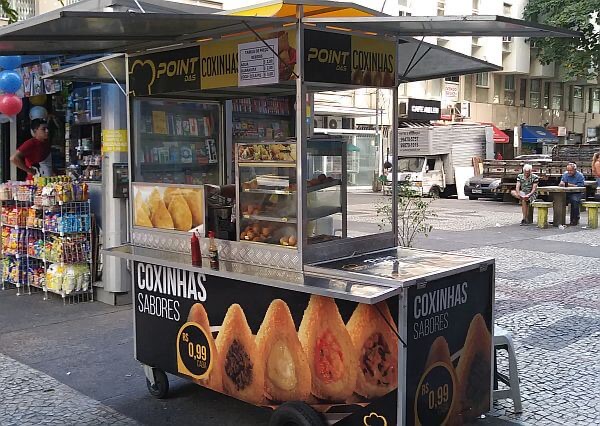
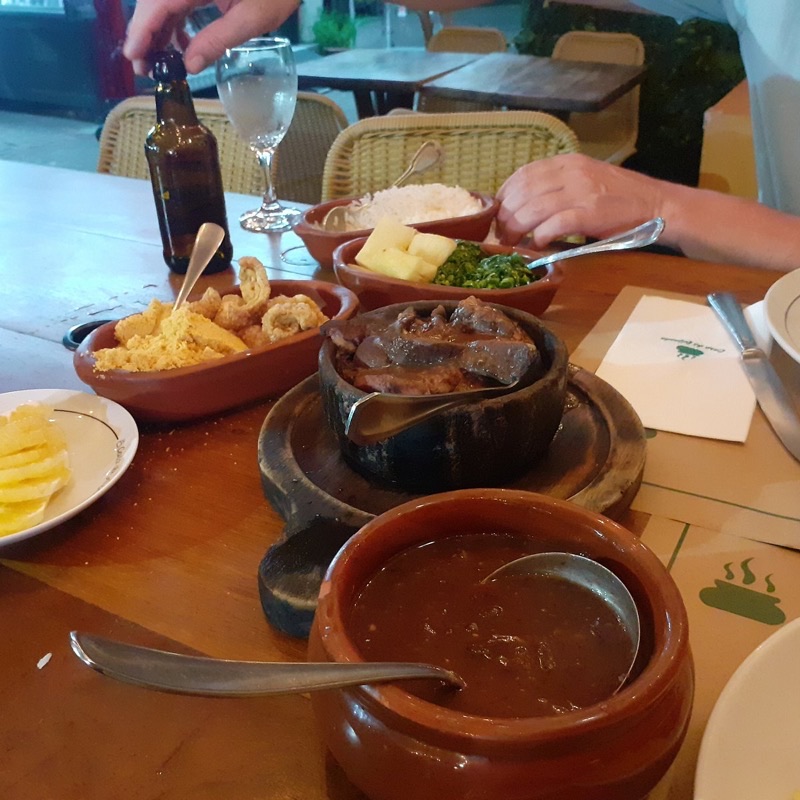
Brazilian cuisine is far more varied and developed, with regional specialities. Feijoada (black bean stew with pork and beef) is a national dish. Churrasco (barbecue) is prominent, especially in the south. Seafood is prevalent along the coast, with dishes like moqueca (fish stew) in Bahia. Street food includes pão de queijo (cheese bread) and acarajé (fried bean fritters) in Salvador. Tropical fruits are abundant and used in juices and desserts. Brazil also has a strong coffee culture and caipirinhas (lime, cachaça, sugar) are a common cocktail. Restaurants, especially in cities like Sao Paulo and Rio, offer a range of international and fine dining options. The breadth of flavors and culinary experiences in Brazil surpasses Bolivia. For food exploration, Brazil is superior.
- Winner: Brazil
- Why: Brazil provides a broader and more sophisticated culinary landscape, with diverse regional dishes, quality ingredients, and a larger restaurant scene.
- Who this matters for: Foodies, travelers who prioritize dining experiences, and those seeking culinary diversity.
💃 Nightlife & Entertainment
Bolivian nightlife is present but generally low-key. In La Paz, the Sopocachi district has several bars and pubs, but large-scale clubs are not common. Peñas, like Peña Paceña in…
Bolivia
Brazil
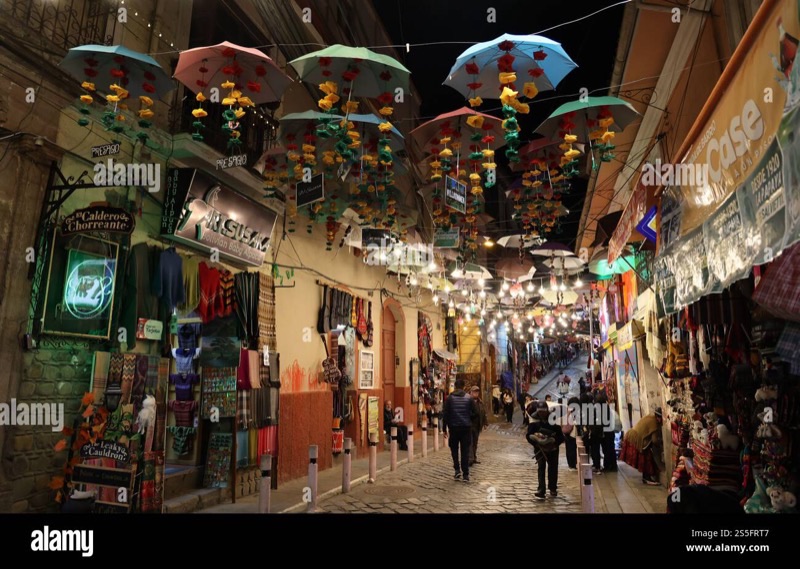
Bolivian nightlife is present but generally low-key. In La Paz, the Sopocachi district has several bars and pubs, but large-scale clubs are not common. Peñas, like Peña Paceña in La Paz, offer traditional music and dance performances, providing a cultural evening experience (entry around 50-80 BOB/$7-12 USD). Cochabamba and Santa Cruz have a younger crowd and slightly more active bar scenes. Nights tend to start and end earlier compared to other South American countries, and options for late-night entertainment are limited outside of a few specific venues.
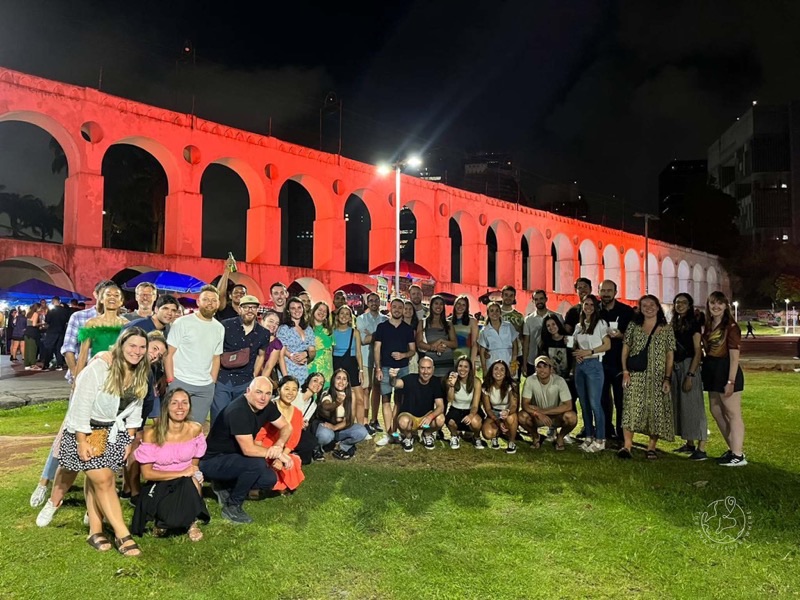
Brazil's nightlife is a major draw. Rio de Janeiro is famous for Lapa, a district filled with samba clubs, live music venues, and street parties under the Arcos da Lapa. Sao Paulo offers a massive club scene with various genres, from electronic to sertanejo. Salvador's Pelourinho district pulses with Afro-Brazilian rhythms. Beach towns like Florianopolis and Buzios also have active scenes, especially during peak season. Carnival is a national event, transforming cities into days-long parties. Brazil offers a consistently high-energy, diverse, and late-night entertainment environment that caters to many preferences. For those seeking lively nights, Brazil is the destination.
- Winner: Brazil
- Why: Brazil provides a significantly more extensive, diverse, and energetic nightlife scene, with world-renowned parties and music.
- Who this matters for: Partygoers, music enthusiasts, and travelers who prioritize late-night entertainment and social events.
🚨 Safety & Security
Bolivia generally feels safer on the ground, especially regarding violent crime. The main concerns for tourists are petty theft, pickpocketing (especially in crowded markets or on…
Bolivia generally feels safer on the ground, especially regarding violent crime. The main concerns for tourists are petty theft, pickpocketing (especially in crowded markets or on buses), and taxi scams. Exercising basic precautions like not displaying valuables, avoiding walking alone at night, and using radio taxis or ride-sharing apps significantly mitigates risks. Protests and roadblocks can occur, impacting travel plans, but rarely target tourists directly. Common sense applies here; for example, the 'Death Road' bike tour has inherent risks related to the activity itself, not local crime. Travelers often report feeling relatively secure in tourist zones.
Brazil, unfortunately, has a reputation for higher crime rates, and this is a legitimate concern for travelers. Petty theft and muggings are common in major cities like Rio de Janeiro and Salvador, particularly on beaches and around tourist sites. Violent crime, including armed robbery, is also a risk. This means a higher level of vigilance is required: avoid favelas without a guide, do not wear expensive jewelry or watches, and be aware of your surroundings, especially after dark. Express kidnappings occur, where victims are forced to withdraw money from ATMs. While millions visit Brazil safely, the threat level is elevated compared to Bolivia, and travelers need to be more cautious. For a generally more relaxed travel experience concerning personal security, Bolivia is the better choice.
- Winner: Bolivia
- Why: Bolivia offers a comparatively lower risk of violent crime, making it a safer option for general travel.
- Who this matters for: Solo travelers, families, and anyone prioritizing personal safety and a low-stress environment.
🚌 Getting Around
In Bolivia, inter-city travel is primarily by bus. These are generally inexpensive but vary in quality, ranging from basic local buses to more comfortable cama (sleeper) services.…
In Bolivia, inter-city travel is primarily by bus. These are generally inexpensive but vary in quality, ranging from basic local buses to more comfortable cama (sleeper) services. A typical 8-hour journey might cost 50-100 BOB ($7-14 USD). While efficient, roads can be rough, and journeys are often long due to mountainous terrain. Domestic flights, mainly with BoA, connect major cities like La Paz, Santa Cruz, and Sucre but are more expensive. Within La Paz, the Mi Teleférico cable car system is an efficient and scenic way to navigate, costing 3 BOB ($0.45 USD) per ride. Taxis are common and inexpensive.
Brazil's size means that while it has an extensive bus network (e.g., a 6-hour journey from Rio to Sao Paulo costs 120-180 BRL/$24-36 USD), covering significant distances often requires domestic flights. Major airlines like LATAM and GOL offer frequent connections, but prices can be high if not booked in advance. Public transport in large cities like Rio and Sao Paulo is effective, with metro systems (single ride 4.40 BRL/$0.90 USD) and bus networks. The challenge in Brazil is the sheer scale of the country, making travel between distant regions time-consuming and potentially costly. Bolivia's compact size and lower costs for ground transport balance Brazil's more developed, but more expensive, flight network. It's a tie, as both have effective systems for their respective geographies.
- Winner: Tie
- Why: Both countries offer functional transport systems; Bolivia with affordable buses for shorter distances, Brazil with a mix of buses and necessary flights for vast distances.
- Who this matters for: Travelers who prioritize efficient movement, whether by budget buses or domestic flights.
🛌 Accommodation
Accommodation in Bolivia is incredibly budget-friendly. Hostels are the backbone of traveler lodging, with a dorm bed typically costing 50-80 BOB ($7-12 USD) in cities like La Paz…
Accommodation in Bolivia is incredibly budget-friendly. Hostels are the backbone of traveler lodging, with a dorm bed typically costing 50-80 BOB ($7-12 USD) in cities like La Paz or Sucre. Private rooms in budget guesthouses can be found for 100-200 BOB ($14-29 USD). Even mid-range hotels are often under $50 USD. While luxury options are scarce, a few higher-end hotels exist in La Paz (e.g., Hotel Rosario) or Santa Cruz. Standards are generally basic but clean. Booking ahead, especially for popular tours like Uyuni, is advisable, though last-minute finds are common.
Brazil's accommodation landscape is far more varied but also more expensive. A dorm bed in a popular hostel in Rio or Sao Paulo can range from 80-150 BRL ($16-30 USD). Budget private rooms often start at 200 BRL ($40 USD), while mid-range hotels frequently exceed 300-500 BRL ($60-100 USD). Major cities and popular beach destinations offer a wide array of luxury hotels, resorts, and boutique stays, with prices reflecting their quality and location (e.g., beachfront hotels in Copacabana). Prices surge significantly during Carnival or other major events. For travelers seeking maximum value for their money, Bolivia is the clear winner. If a broader range of quality and luxury is desired, and budget is less of a concern, Brazil has more to offer.
- Winner: Bolivia
- Why: Bolivia provides significantly cheaper accommodation options across all categories, making it much more accessible for budget travelers.
- Who this matters for: Budget travelers, backpackers, and those seeking to maximize trip duration with minimal spending on lodging.
🏖️ Beaches & Coastline
Bolivia, being landlocked, simply does not offer ocean beaches. Its major water body is Lake Titicaca, which, while scenic and culturally important (e.g., Isla del Sol), does not…
Bolivia, being landlocked, simply does not offer ocean beaches. Its major water body is Lake Titicaca, which, while scenic and culturally important (e.g., Isla del Sol), does not serve as a beach destination in the traditional sense. The high altitude means cold water, and the shorelines are more rugged than sandy. Any desire for a classic beach vacation will not be met within Bolivia's borders. The country is focused on mountains, salt flats, and jungle rivers, not coastal relaxation.
Brazil, conversely, is defined by its coastline. From the iconic urban beaches of Copacabana and Ipanema in Rio de Janeiro to the vast, undeveloped stretches of the Northeast, there are thousands of kilometers of sandy shores. Destinations like Florianopolis offer surfing, while Fernando de Noronha is known for its marine life and protected coves. Praia do Forte in Bahia provides calm waters and sea turtle conservation. Whether you seek lively city beaches with vendors and music, remote stretches for relaxation, or prime spots for water sports, Brazil delivers on every front. For any traveler prioritizing beaches or coastal activities, Brazil is the only viable option.
- Winner: Brazil
- Why: Brazil offers an extensive and globally recognized coastline with a vast array of beaches, whereas Bolivia is landlocked.
- Who this matters for: Beach lovers, surfers, sunbathers, and anyone prioritizing ocean-based activities and coastal relaxation.
🚶♀️ Solo Travel
Bolivia is a common choice for solo backpackers, especially on the 'Gringo Trail' that connects La Paz, Sucre, Potosí, and Uyuni. Hostels are plentiful and serve as easy hubs for…
Bolivia is a common choice for solo backpackers, especially on the 'Gringo Trail' that connects La Paz, Sucre, Potosí, and Uyuni. Hostels are plentiful and serve as easy hubs for meeting other travelers for tours or onward journeys. The relatively low cost of travel means solo expenses are manageable. While Spanish is helpful, many tour operators and hostel staff have some English. The overall atmosphere feels generally less intimidating for solo individuals compared to Brazil, with a lower perceived risk of violent crime. Getting around by bus is straightforward, and group tours are easy to arrange, providing built-in companionship. This makes it a straightforward destination for individuals venturing alone.
Brazil is also a viable solo travel destination, particularly for those seeking social interaction. Hostels in major cities like Rio and Sao Paulo are social hubs, making it easy to meet people. However, the safety concerns in Brazil are a more significant factor for solo travelers, particularly women. Navigating cities alone at night requires caution, and displaying valuables is not recommended. The language barrier (Portuguese) can be more pronounced than Spanish in Bolivia, although English is understood in major tourist areas. While solo travelers can have an excellent time in Brazil, it demands a higher level of vigilance and preparation. Bolivia offers a more relaxed and less demanding experience for those traveling alone.
- Winner: Bolivia
- Why: Bolivia offers a generally safer and more budget-friendly environment for solo travelers, with an established backpacking route and easy social connections.
- Who this matters for: First-time solo travelers, those on a tight budget, and individuals prioritizing security and ease of meeting other travelers.
🎯 The Decision Framework
Choose Bolivia If…
- You want a deep dive into indigenous Andean culture.
- Your daily travel budget is under $50 USD.
- You prioritize extreme high-altitude landscapes like salt flats and mountains.
- You prefer hearty, simple, and inexpensive local food.
- You are comfortable with long-distance bus travel on varying road conditions.
- You are seeking a destination with lower rates of violent crime.
- You want to explore pre-Inca ruins and colonial silver mines.
- You prefer smaller, more intimate nightlife scenes over large clubs.
Choose Brazil If…
- You dream of relaxing on extensive tropical beaches.
- You want to experience globally recognized festivals like Carnival.
- You prioritize a diverse and sophisticated culinary scene.
- You seek extensive and energetic nightlife options in major cities.
- You are prepared for a daily budget of $60-100 USD or more.
- You want to explore vast ecosystems like the Amazon and Pantanal.
- You are interested in Afro-Brazilian culture and colonial history in cities like Salvador.
- You are comfortable with flying internally to cover large distances.
📅 Sample Itineraries
Weekend in Bolivia (3 Days)
💡 Utilize La Paz's extensive Mi Teleférico system not just for sightseeing, but also as an affordable and efficient way to travel between different city zones, costing only about $0.50 per ride.
Weekend in Brazil (3 Days)
💡 For navigating Rio's public transport, purchase a 'Rio Card' at metro stations. It allows cashless travel on buses and the metro, and can save time and offer minor discounts on multiple journeys.
One Week in Bolivia (7 Days)
💡 Book your Salar de Uyuni tour in advance with a reputable agency, especially during peak travel seasons, to ensure quality and safety on this multi-day excursion.
One Week in Brazil (7 Days)
💡 For Iguaçu Falls, consider dedicating a full day to both the Brazilian and Argentine sides if time allows, as they offer complementary and distinct views of the falls' grandeur.
❓ Frequently Asked Questions
How long should I plan for a trip to Bolivia versus Brazil?
For Bolivia, 2-3 weeks allows for a good circuit including La Paz, Sucre, Potosí, and the Salar de Uyuni. To add the Amazon basin, allow 3-4 weeks. For Brazil, due to its size, 2-3 weeks is sufficient for a single region (e.g., Rio and the coast) or 3-4 weeks for a broader multi-city itinerary. A comprehensive Brazil trip could easily fill 5-6 weeks.
What are the typical flight costs from North America to each country?
Flights from major North American cities to La Paz (LPB) or Santa Cruz (VVI) in Bolivia typically range from $600-1000 USD round trip. To Sao Paulo (GRU) or Rio de Janeiro (GIG) in Brazil, flights usually cost $500-900 USD round trip. Prices vary by season and booking lead time, with Brazil sometimes offering slightly cheaper direct routes from major hubs.
What is the best time of year to visit each country?
Bolivia's dry season (May to October) is ideal for clear skies in the Andes and Salar de Uyuni, though nights are cold. Brazil's peak dry season (May to September) is good for most areas, avoiding high humidity, but Carnival (February/March) is a specific draw. The Amazon is always humid and rainy, but July-October is relatively drier.
Is it easy to travel between Bolivia and Brazil?
Direct travel overland can be done via bus, but it's a long journey, often taking 24+ hours from Santa Cruz, Bolivia, to Sao Paulo, Brazil. The most practical way to connect the two is by flying, often requiring a stopover in a regional hub like Lima or Bogota, as direct flights are limited.
What are the visa requirements for US citizens for Bolivia and Brazil?
As of recent changes, US citizens no longer require a visa for tourist stays in Bolivia of up to 90 days. For Brazil, US citizens do require an eVisa for tourist stays, which can be applied for online and typically costs around $80 USD. Always check the latest embassy requirements before travel.
What are the common health concerns for travelers in each country?
In Bolivia, altitude sickness is a primary concern, especially in La Paz (3,640m). Travelers should acclimatize slowly. Yellow fever vaccination is recommended for Amazon regions. In Brazil, yellow fever is also recommended for some areas, along with dengue fever precautions. Both countries require standard travel vaccinations and mosquito protection.
Which country is better for adventure activities?
Both offer adventure, but of different types. Bolivia has high-altitude trekking (e.g., Condoriri), mountain biking (Death Road), and jungle safaris. Brazil excels in water sports (surfing, diving), waterfall rappelling, and rainforest expeditions. For high-altitude, rugged adventures, Bolivia wins. For diverse water and rainforest activities, Brazil is better.
Are English speakers common in either country?
In Bolivia, English is not widely spoken outside of specific tourist hotels and tour agencies in major hubs. Basic Spanish is very helpful. In Brazil, English proficiency is slightly higher in major tourist cities like Rio and Sao Paulo, but Portuguese is the national language, and knowing some basic phrases is beneficial. In both, smaller towns will have minimal English.
Ready to plan your South America trip?
Get a free custom itinerary for Bolivia, Brazil, or both — built from real traveler insights.
👥 Travelers Also Compared
🎟️ Book Tours & Experiences
Hand-picked tours and activities for both destinations — book with free cancellation
Experiences via Viator — free cancellation on most tours