How we built this comparison
This page combines traveler discussion patterns, published price ranges, flight schedules, and seasonal data to help you decide between Bolivia and Chile.
- Reviewed 50+ Reddit threads from r/travel, r/solotravel, r/Bolivia, and r/Chile.
- Verified costs and logistics against current booking platforms and recent traveler reports.
- Cross-referenced seasonal patterns and weather data for optimal travel timing.
⚡ Quick Answers
⚡ The TL;DR Verdict
For most travelers seeking a lower budget and more off-the-beaten-path experiences, Bolivia is the clear choice. Chile offers more developed infrastructure and higher comfort at a significantly increased cost. Pick Bolivia for rugged exploration, Chile for smoother, scenic travel.
- Choose Bolivia: Travelers prioritizing budget, a deep dive into indigenous cultures, and extreme high-altitude natural settings, especially solo backpackers or adventurous couples.
- Choose Chile: Travelers seeking modern amenities, excellent infrastructure, diverse landscapes from desert to glaciers, and a more comfortable travel experience, typically those with a mid-range or higher budget.
- Choose Both: If you have 3-4 weeks and want to experience both extremes of South America. Combine the Salar de Uyuni from Bolivia with the Atacama Desert and Santiago in Chile for a comprehensive trip.
Choose Bolivia
Choose Bolivia for an unparalleled journey into raw Andean culture and surreal landscapes on a shoestring budget. Best for adventurous backpackers and culture enthusiasts, you'll explore the Salar de Uyuni, navigate La Paz's bustling Witches' Market, and experience authentic indigenous life. Prepare for high altitudes and basic amenities, but be rewarded with unforgettable, truly off-the-beaten-path adventures.
Choose Chile
Opt for Chile if your priority is breathtaking natural beauty coupled with comfort and top-tier infrastructure. This destination is best for travelers seeking refined experiences, from stargazing in the Atacama Desert to wine tasting in the Casablanca Valley or trekking in Patagonia's Torres del Paine. Expect higher prices but enjoy modern amenities and seamless travel across incredibly diverse regions.
📊 Visual Scorecard
🌤 When to Visit
Average high temperatures (°C). Green = best months, orange = avoid.
Quick Comparison
| Category | Bolivia | Chile | Winner |
|---|---|---|---|
| Costs & Budget | Bolivia is one of South America's most affordable countries, allowing for extended travel on a tight budget. | Chile is among the most expensive countries in South America, with costs approaching Western Europe or North America. | Bolivia |
| Nature & Landscapes | Bolivia presents extreme high-altitude environments, the vast Salar de Uyuni, and Amazon rainforest sections. | Chile offers a wider range of terrains, from the arid Atacama Desert to the glaciers of Patagonia and Easter Island's remote geology. | Chile |
| Culture & History | Bolivia retains a strong indigenous heritage, visible in its markets, festivals, and daily life, alongside preserved colonial cities. | Chile's culture is more European-influenced, with modern urban centers, but also offers unique island histories and Patagonian traditions. | Bolivia |
| Food & Drink | Bolivian food is hearty, often simple, based on staples like potatoes, corn, and meat, with excellent street food options. | Chilean cuisine features fresh seafood, a strong emphasis on wine, and a more developed restaurant scene. | Chile |
| Safety & Health | Bolivia requires high awareness for petty crime and has significant altitude sickness risks. | Chile is generally safer for petty crime but has experienced periods of civil unrest; altitude is a factor in specific regions. | Tie |
| Getting Around | Bolivia relies heavily on intercity buses; roads can be rough, and travel times long due to terrain and conditions. | Chile has a more developed transport network, with better quality roads, frequent bus services, and reliable domestic flights. | Chile |
| Accommodation | Bolivia offers basic to mid-range accommodations, often with less emphasis on amenities, but at very low prices. | Chile provides a broader range of lodging, from hostels to luxury hotels, with better standards and amenities at higher price points. | Chile |
| Altitude & Acclimatization | Bolivia presents significant altitude challenges, with many major cities and attractions above 3,500m. | Chile has altitude in specific regions like the Atacama, but most of the country is at sea level or moderate elevation. | Bolivia |
| Nightlife & Entertainment | Bolivia's nightlife is more localized, with a few options in major cities, often closing earlier. | Chile, particularly Santiago, has a developed and diverse nightlife scene, with many bars, clubs, and live music venues. | Chile |
| Solo Travel | Bolivia is excellent for solo budget travelers, easy to meet others in hostels and tours, though safety requires vigilance. | Chile is generally safe for solo travelers, offers good infrastructure, but can be more challenging for meeting others outside of hostels due to higher costs. | Bolivia |
💰 Costs & Budget
In Bolivia, a budget traveler can easily get by on $30-50 USD per day, including hostel accommodation, local transport, and meals from local markets or street vendors. A private…
Bolivia
Chile
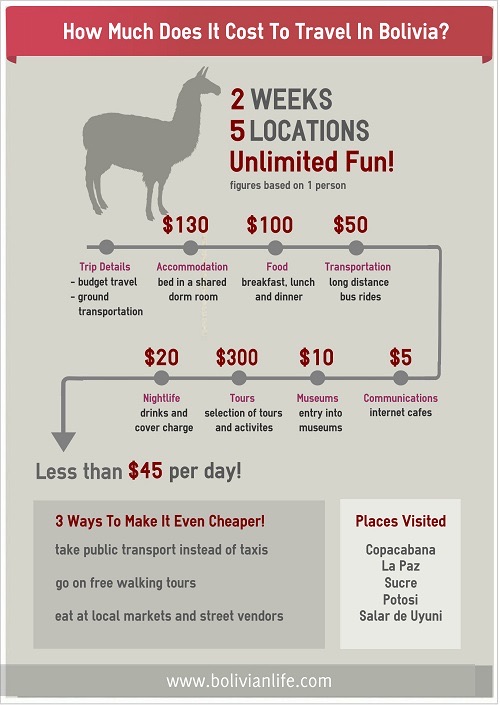
In Bolivia, a budget traveler can easily get by on $30-50 USD per day, including hostel accommodation, local transport, and meals from local markets or street vendors. A private room in a mid-range hotel in La Paz might cost 200-300 BOB ($29-43 USD), while a hearty 'almuerzo' (lunch set menu) is around 20-30 BOB ($3-4 USD). Buses for long distances, like La Paz to Uyuni, typically cost 80-150 BOB ($11-22 USD). Activities like a 3-day Salar de Uyuni tour are often the biggest expense, ranging from 700-1100 BOB ($100-160 USD), but still represent great value for the experience.
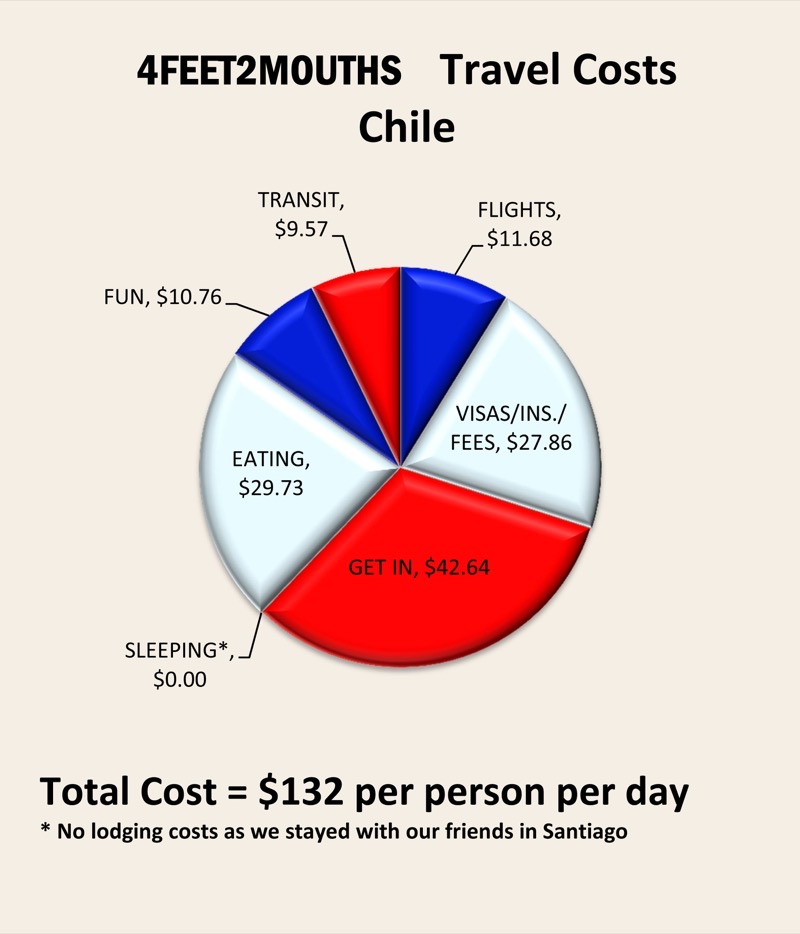
Chile requires a significantly higher budget. A budget traveler should plan for $70-100 USD per day, while a mid-range traveler will spend $100-150 USD daily. Hostel beds in Santiago or San Pedro de Atacama are often $25-40 USD (23,000-37,000 CLP). A basic restaurant meal can easily be 8,000-15,000 CLP ($9-16 USD), and a grocery shop for self-catering will still feel pricier than in Bolivia. Intercity buses from Santiago to San Pedro de Atacama can cost 30,000-50,000 CLP ($32-54 USD). Tours in the Atacama, like to Valle de la Luna, typically cost 15,000-25,000 CLP ($16-27 USD) each, not including park entrance fees. Bolivia offers substantially more travel time for your money.
- Winner: Bolivia
- Why: Bolivia provides a significantly lower cost of travel, allowing for longer trips and more experiences on a budget.
- Who this matters for: Budget travelers, backpackers, and anyone seeking maximum value for their travel funds.
⛰️ Nature & Landscapes
Bolivia's natural environments are dramatic, dominated by the Andes mountain range and the Altiplano. The Salar de Uyuni is its most famous destination, a vast salt flat with…
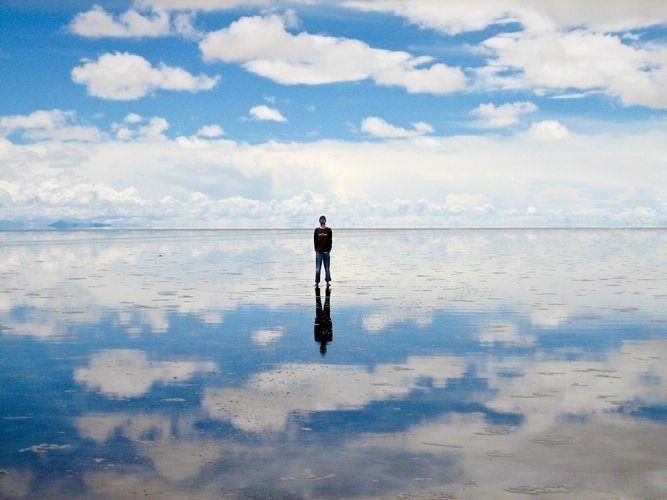
Bolivia
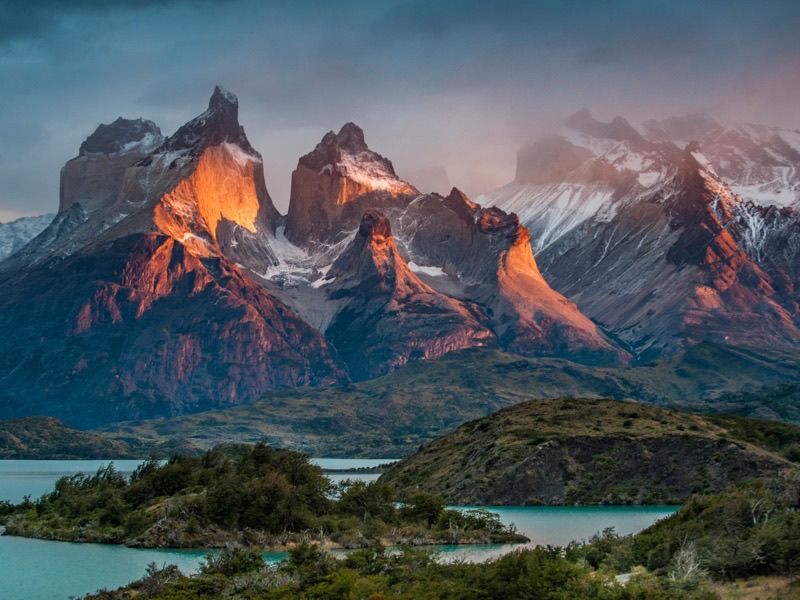
Chile
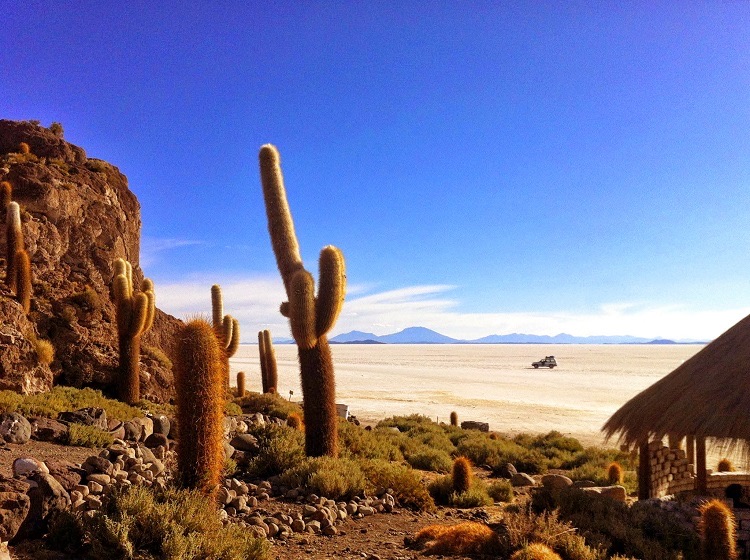
Bolivia's natural environments are dramatic, dominated by the Andes mountain range and the Altiplano. The Salar de Uyuni is its most famous destination, a vast salt flat with surreal landscapes, colorful lagoons, and active volcanoes, often explored over 3 days from Uyuni or Tupiza. Lake Titicaca near Copacabana offers high-altitude lake scenery and island visits. Further east, the Amazon basin around Rurrenabaque provides jungle and pampas experiences with diverse wildlife. The landscape is generally rugged, with high elevations defining much of the experience, requiring acclimatization in places like La Paz (3,640m) and Potosi (4,090m).
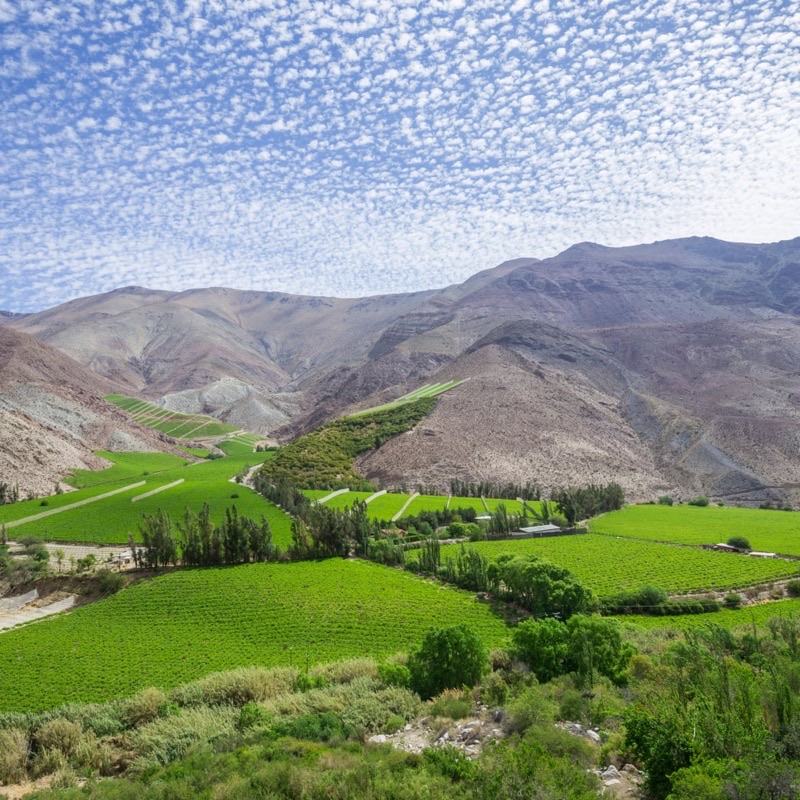
Chile's natural environments are incredibly diverse, stretching from the driest desert in the world, the Atacama, in the north, through fertile valleys and central Mediterranean climates, down to the cold glaciers and mountains of Patagonia in the south. The Atacama Desert around San Pedro de Atacama offers moon-like valleys, geysers, and high-altitude lagoons. Torres del Paine National Park in Patagonia is a premier trekking destination with granite peaks, ice fields, and azure lakes. The Elqui Valley is known for clear night skies and vineyards. Easter Island (Rapa Nui), though remote, adds a unique geological and archaeological dimension. Chile provides a breadth of environments unmatched by Bolivia within a single country.
- Winner: Chile
- Why: Chile's geographical length provides an unparalleled range of natural environments, from extreme desert to Patagonian glaciers, appealing to varied outdoor interests.
- Who this matters for: Travelers who want diverse outdoor activities, specific extreme environments (desert, glaciers), and expansive national parks.
🗿 Culture & History
Bolivia offers a deep immersion into indigenous Andean cultures, particularly Aymara and Quechua traditions, which are highly visible and integrated into daily life. Cities like…
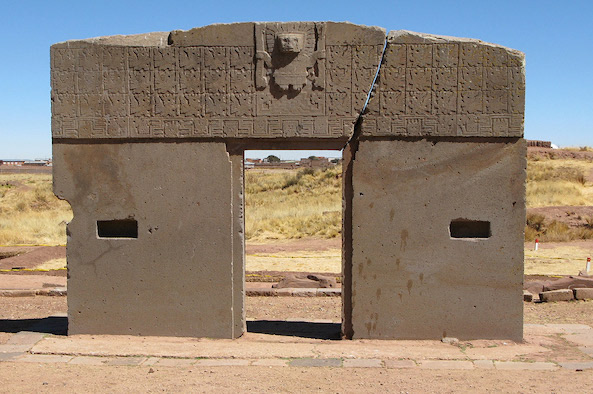
Bolivia
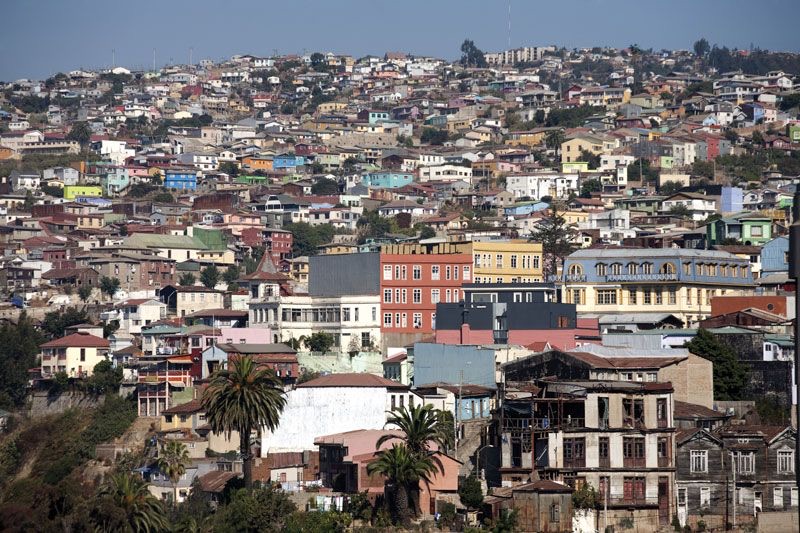
Chile
Bolivia offers a deep immersion into indigenous Andean cultures, particularly Aymara and Quechua traditions, which are highly visible and integrated into daily life. Cities like La Paz host markets such as Mercado de las Brujas (Witches Market) where traditional healers practice. Sucre, a UNESCO site, is known for its well-preserved colonial architecture and white buildings. Potosi, another UNESCO site, gives insight into the brutal colonial silver mining history at Cerro Rico. Indigenous languages are commonly spoken alongside Spanish, and traditional dress is frequently seen. Festivals like Carnival in Oruro (though intense) are profound cultural experiences.
Chile's culture is more Westernized, particularly in its central and southern regions. Santiago has a developed art scene, museums like Museo de la Memoria y los Derechos Humanos, and a modern urban atmosphere. Valparaiso offers a bohemian feel with colorful hillsides and street art. The island of Chiloé has unique wooden churches and distinct folklore. Patagonia presents a gaucho culture, though less prevalent than in Argentina. While Chile has a compelling history, especially its recent political past, the day-to-day cultural display feels less ancient and less overtly indigenous than in Bolivia. Bolivia provides a more immediate connection to pre-colonial traditions.
- Winner: Bolivia
- Why: Bolivia offers a more profound and visible immersion into ancient indigenous traditions and well-preserved colonial history.
- Who this matters for: Travelers seeking authentic cultural encounters, ancient traditions, and well-preserved colonial architecture.
🍽️ Food & Drink
Bolivian food is generally comforting and carb-heavy, designed to provide energy at high altitudes. Staples include papas (potatoes), maize, and various meats. Popular dishes…
Bolivia
Chile
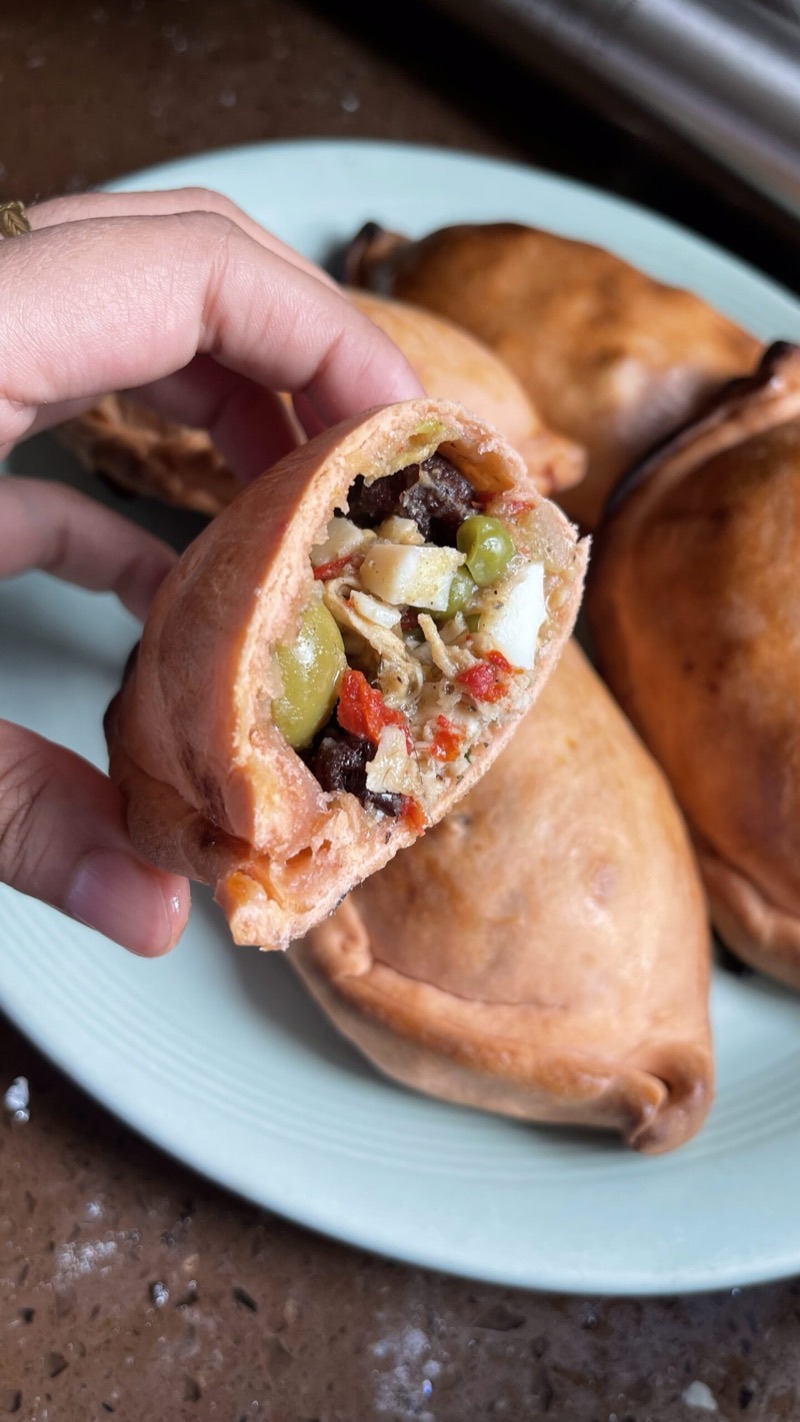
Bolivian food is generally comforting and carb-heavy, designed to provide energy at high altitudes. Staples include papas (potatoes), maize, and various meats. Popular dishes include Salteñas (savory baked empanadas, often eaten for breakfast), Pique Macho (a large plate of beef, sausage, fries, onions, peppers), and Anticuchos (skewered beef hearts). Street food is abundant and extremely affordable; a salteña costs around 6-8 BOB ($0.85-1.15 USD). Drinks often include Chicha (fermented corn beer) and various fruit juices. While not known for gourmet dining, the food is filling and offers real local flavor.
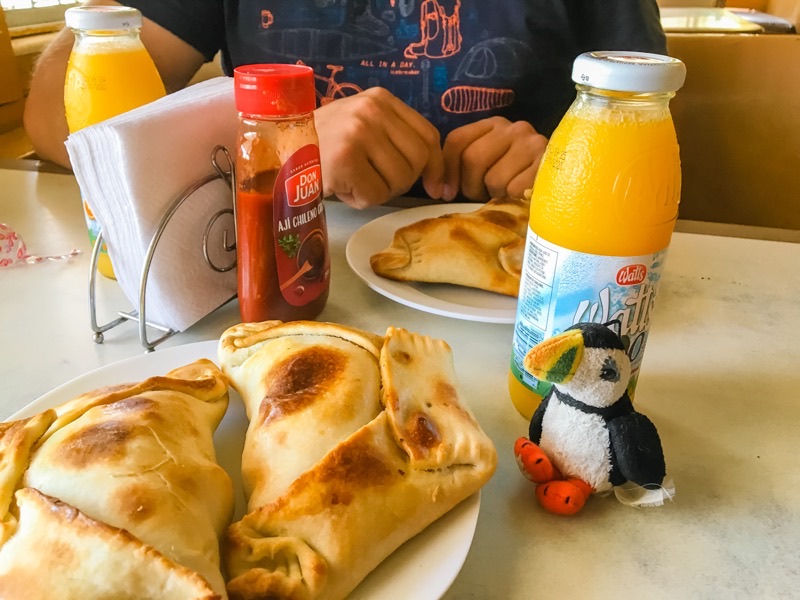
Chilean cuisine is more diverse and generally higher quality, especially for seafood lovers. Due to its long coastline, fresh fish and shellfish are prominent. Ceviche is common, as are dishes like Pastel de Jaiba (crab pie) and seafood empanadas. Chile is also a major wine producer, with excellent vineyards in the Colchagua and Maipo valleys, making wine tasting a popular activity. Santiago has a developed restaurant scene offering international and contemporary Chilean dishes. Empanadas, particularly with cheese or Pino (meat and onion), are popular. Completo (Chilean hot dog with many toppings) is a common street snack. While more expensive, Chile offers a wider array of refined dining and specific culinary experiences, especially around wine and seafood.
- Winner: Chile
- Why: Chile provides a more refined and diverse culinary experience, particularly for seafood and wine, with a better developed restaurant culture.
- Who this matters for: Foodies, wine enthusiasts, and those who appreciate fresh seafood and varied dining options beyond basic staples.
🚨 Safety & Health
Bolivia, particularly in larger cities like La Paz and Santa Cruz, requires travelers to be vigilant for petty theft, pickpocketing, and bag snatching, especially in crowded…
Bolivia
Chile
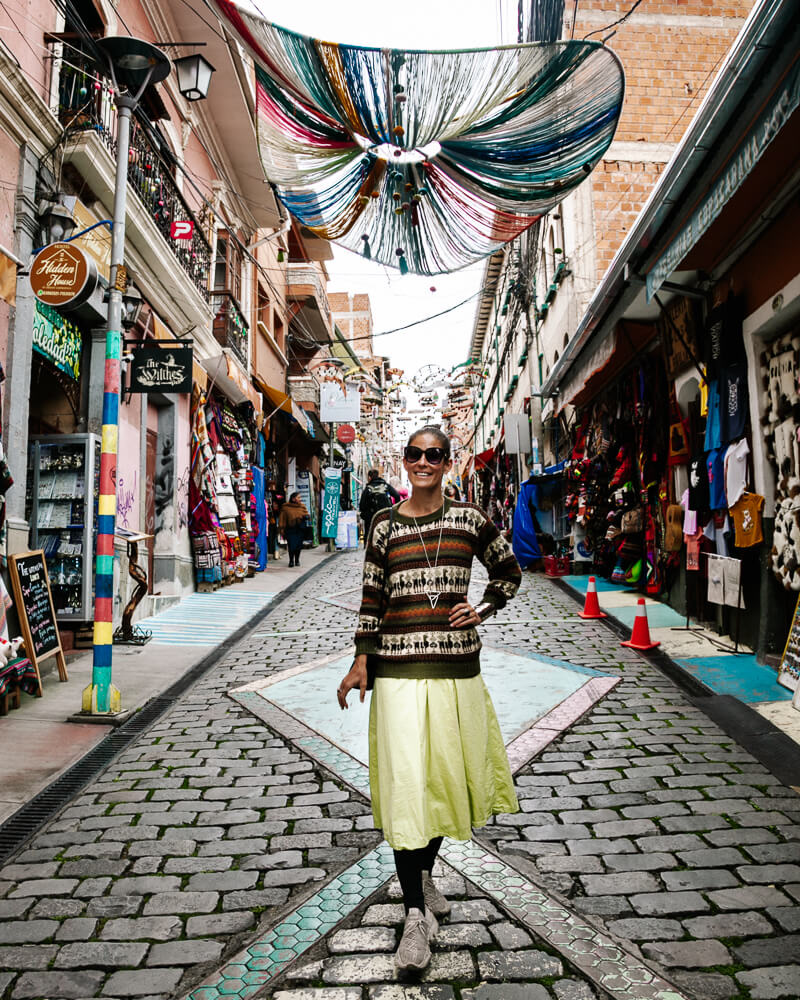
Bolivia, particularly in larger cities like La Paz and Santa Cruz, requires travelers to be vigilant for petty theft, pickpocketing, and bag snatching, especially in crowded markets and on public transport. Fake taxis are a known issue; use radio taxis or ride-sharing apps. Road safety standards on intercity buses can be variable, with night buses sometimes feeling less secure. A major health consideration is altitude sickness (soroche) due to many population centers being at high elevation; proper acclimatization is essential. Tap water is generally not safe to drink, and stomach issues can occur from street food if one is not careful. Medical facilities are basic outside major cities.
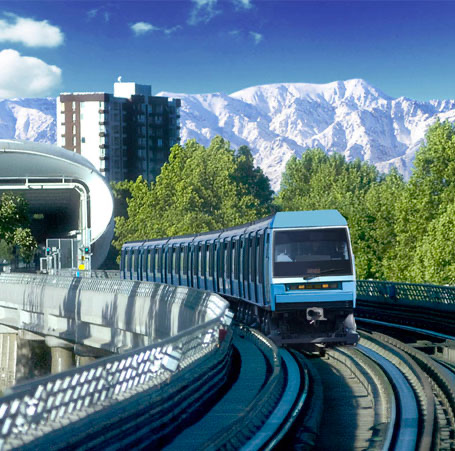
Chile is generally considered safer than Bolivia for travelers, with lower rates of petty crime in most tourist areas, though pickpocketing still occurs in Santiago and Valparaiso. Civil unrest and protests have occurred in recent years, particularly in Santiago, which can disrupt travel and require avoiding certain areas. Road infrastructure is better, and bus travel is generally more comfortable and safer. Altitude is a concern in specific northern regions like the Atacama Desert (San Pedro de Atacama is 2,400m, but excursions go much higher) and parts of the Andes, but not nationwide. Tap water is generally safe to drink in most cities. Medical facilities are more developed, particularly in Santiago. Both countries demand traveler awareness, but for different primary reasons.
- Winner: Tie
- Why: Both countries present distinct safety and health considerations that balance out, with Bolivia having higher everyday crime risk and altitude, and Chile having potential for civil unrest.
- Who this matters for: Travelers concerned about personal safety, health risks, and infrastructure reliability.
🚌 Getting Around
Getting around Bolivia primarily involves buses. Services range from basic 'flota' buses to slightly more comfortable 'bus cama' (sleeper) options for longer overnight journeys.…
Getting around Bolivia primarily involves buses. Services range from basic 'flota' buses to slightly more comfortable 'bus cama' (sleeper) options for longer overnight journeys. Roads, especially off major routes, can be unpaved, winding, and poorly maintained, leading to slower travel times and sometimes challenging conditions. For example, the ride from La Paz to Uyuni by bus takes 8-10 hours. Domestic flights are available between major cities like La Paz, Santa Cruz, and Uyuni (e.g., La Paz to Uyuni is about a 1-hour flight), but can be more expensive and less frequent. Within cities, shared minibuses (micros) and taxis are common. The experience is often part of the adventure, but requires patience.
Chile boasts a significantly better transport infrastructure. Intercity buses are modern, comfortable, and frequent, connecting almost all major towns and tourist destinations. Companies like Turbus or Pullman Bus offer various classes, including comfortable 'salon cama' seats. The Pan-American Highway (Ruta 5) provides excellent road conditions for self-driving or bus travel. Domestic flights are a popular and efficient way to cover long distances, with carriers like LATAM and Sky Airline connecting Santiago to places like Calama (for Atacama) or Punta Arenas (for Patagonia) in 2-4 hours. Car rentals are a viable option for exploring regions like the Atacama or Patagonia. Public transport in cities like Santiago (Metro) is efficient and expansive. Chile offers a much smoother and more reliable travel experience.
- Winner: Chile
- Why: Chile's transport infrastructure is more developed, comfortable, and reliable, making travel between destinations more efficient and less challenging.
- Who this matters for: Travelers who prioritize comfort, efficiency, and reliability in their transportation options, or those considering self-driving.
🏨 Accommodation
Accommodation in Bolivia is generally basic but functional, especially outside of La Paz. Hostels are plentiful, with dorm beds costing around 50-100 BOB ($7-14 USD) and private…
Accommodation in Bolivia is generally basic but functional, especially outside of La Paz. Hostels are plentiful, with dorm beds costing around 50-100 BOB ($7-14 USD) and private rooms from 140-250 BOB ($20-36 USD). Amenities might be limited, and hot water can sometimes be inconsistent. In Sucre, you can find charming colonial hotels at reasonable prices, like Hotel de Sucre for around 350 BOB ($50 USD) a night. Booking ahead is often not strictly necessary outside of peak season, but it is advised for major cities. Expect simple comfort rather than luxury, but prices reflect this modest offering.
Chile offers a much wider range of accommodation types, from budget hostels to boutique hotels and high-end resorts. Hostel dorms in Santiago or Valparaiso typically range from 20,000-35,000 CLP ($22-38 USD), while private rooms in mid-range hotels can be 70,000-120,000 CLP ($75-130 USD). In tourist areas like San Pedro de Atacama or Puerto Natales, prices can be higher, with basic cabins or guesthouses starting around 40,000 CLP ($43 USD). Standards are generally higher across all price points compared to Bolivia, with more consistent hot water, better Wi-Fi, and more Western amenities. Online booking platforms are widely used, and booking in advance, particularly for popular areas like Patagonia or Easter Island, is important. Chile provides a more comfortable and varied lodging experience.
- Winner: Chile
- Why: Chile offers higher quality, more diverse, and more consistently comfortable accommodation options across various price points.
- Who this matters for: Travelers who prioritize comfort, reliable amenities, and a wider choice in lodging styles, regardless of budget.
🏔️ Altitude & Acclimatization
Altitude is a central and unavoidable aspect of travel in Bolivia. La Paz sits at 3,640m (11,942 ft), making it the highest de facto capital in the world. Potosi is even higher at…
Altitude is a central and unavoidable aspect of travel in Bolivia. La Paz sits at 3,640m (11,942 ft), making it the highest de facto capital in the world. Potosi is even higher at 4,090m (13,420 ft). Many of the country's main attractions, including Lake Titicaca and the Salar de Uyuni tours, involve spending time at elevations above 3,800m. Acclimatization is crucial: travelers should plan for at least 1-2 full days in La Paz before undertaking strenuous activities, ascend gradually, stay hydrated, and avoid alcohol initially. Coca leaves are commonly used to alleviate symptoms. Altitude sickness can range from mild headaches to severe, debilitating conditions, so preparation and awareness are paramount for any traveler.
In Chile, altitude is a factor primarily in the northern Atacama region and specific Andean passes. San Pedro de Atacama itself is at 2,400m (7,900 ft), which is manageable for most. However, many popular excursions from San Pedro, such as to the El Tatio geysers or high-altitude lagoons, involve ascents to 4,300m (14,000 ft) or higher. Acclimatization in San Pedro for a day or two before these high-altitude tours is advisable. The rest of Chile, including Santiago and Patagonia, is generally at much lower elevations or sea level, posing no altitude issues. Bolivia's pervasive high altitude requires a different approach to travel planning and physical preparation, making it a more defining characteristic of the travel experience.
- Winner: Bolivia
- Why: Bolivia offers a more consistent and impactful high-altitude experience, demanding specific preparation and offering access to extreme high-elevation landscapes.
- Who this matters for: Adventurous travelers who specifically seek high-altitude experiences and are prepared for the physiological challenges.
🌃 Nightlife & Entertainment
Bolivia's nightlife is generally low-key compared to its neighbors. La Paz has the most options, with some bars and clubs in areas like Sopocachi or Sagarnaga Street (though…
Bolivia's nightlife is generally low-key compared to its neighbors. La Paz has the most options, with some bars and clubs in areas like Sopocachi or Sagarnaga Street (though Sagarnaga caters mostly to tourists). Live music venues playing traditional Andean folk music (peñas) can be found. Sucre and Santa Cruz also have some bars and discotecas, but generally, things close earlier than in other South American countries. Potosi and Uyuni are not known for their nightlife, with most activity centered around tour group dinners. For travelers seeking a lively party scene, Bolivia might feel somewhat limited.
Chile offers a much more developed and active nightlife. Santiago has numerous districts dedicated to entertainment. Barrio Bellavista is famous for its concentration of bars, pubs, and clubs, catering to various tastes. Barrio Lastarria and Barrio Italia offer more relaxed wine bars, cafes, and restaurants. Valparaiso has a bohemian, artistic scene with many bars and live music venues in its historic hillsides. Even smaller cities and tourist hubs like San Pedro de Atacama have a few relaxed bars. Chilean cities provide a broader and more diverse range of options for evening entertainment, from casual drinks to dancing until late, making it a stronger choice for those who enjoy going out.
- Winner: Chile
- Why: Chile, especially Santiago, provides a much wider and more developed array of nightlife options, from casual bars to dance clubs and live music.
- Who this matters for: Travelers who enjoy active nightlife, diverse bar scenes, and opportunities for late-night entertainment.
🚶♀️ Solo Travel
Bolivia is a fantastic destination for solo travelers, particularly backpackers on a budget. The hostel scene is strong, making it easy to meet other travelers for shared tours…
Bolivia is a fantastic destination for solo travelers, particularly backpackers on a budget. The hostel scene is strong, making it easy to meet other travelers for shared tours (like the Salar de Uyuni or jungle trips) or onward travel. The low cost of living means solo travel does not incur a significant 'single supplement' premium. While safety requires vigilance, particularly against petty theft and in isolated areas, common sense precautions are usually sufficient. The prevalence of Spanish and indigenous languages can be a barrier, but many hostel staff and tour guides speak English. The adventure factor means solo travelers often find themselves in shared experiences, fostering connection. Many travelers move along the 'Gringo Trail' making it easier to find companions.
Chile is also a good option for solo travelers, especially those who prefer comfort and better infrastructure. It is generally considered safer in terms of violent crime, although petty theft is still a concern in major cities. The higher costs can make budgeting for single rooms or solo tours more impactful. While hostels are available, the overall travel style can sometimes feel less communal than in Bolivia, especially if opting for mid-range hotels. However, the excellent public transport and ease of navigation make independent exploration straightforward. Meeting other solo travelers is possible in hostels or on popular tours in places like the Atacama, but it might require more effort than in Bolivia. Bolivia wins for its budget-friendliness and inherent communal travel style for solo explorers.
- Winner: Bolivia
- Why: Bolivia is more budget-friendly and inherently encourages social interaction through its hostel network and shared tour experiences, ideal for solo backpackers.
- Who this matters for: Solo backpackers, budget-conscious travelers, and those looking to easily connect with other travelers on their journey.
🎯 The Decision Framework
Choose Bolivia If…
- You want to travel on $30-50 USD per day and stretch your money further.
- You seek deep immersion in indigenous Andean cultures and traditional markets.
- You are excited by extreme high-altitude landscapes like the Salar de Uyuni.
- You are comfortable with more basic infrastructure and a rugged travel style.
- You enjoy the challenge of high altitude and are prepared for acclimatization.
- You prioritize unique historical sites like Potosi and Sucre.
- You are a solo backpacker looking to easily meet other travelers.
- You want to experience a less developed, more 'raw' side of South America.
Choose Chile If…
- You prefer a daily budget of $70-150 USD for comfort and higher standards.
- You want to experience an extreme diversity of landscapes: desert, wine valleys, and Patagonia.
- You value modern infrastructure, comfortable buses, and reliable domestic flights.
- You are keen on seafood, fine wine, and a more developed restaurant scene.
- You prefer generally lower crime rates and a more Westernized travel experience.
- You want access to high-quality accommodation and services.
- You enjoy an active and varied nightlife, especially in major cities like Santiago.
- You are interested in trekking in world-renowned parks like Torres del Paine.
📅 Sample Itineraries
Weekend in Bolivia (3 Days)
💡 Save money on local transport by utilizing La Paz's extensive Teleférico network; a multi-ride card can reduce costs to less than $0.50 per trip.
Weekend in Chile (3 Days)
💡 To save on wine tours, consider taking a local bus to Pirque and visiting Concha y Toro winery independently; entry and basic tasting is about $25, much less than organized tours.
One Week in Bolivia (7 Days)
💡 Book your Salar de Uyuni tour directly from Uyuni rather than La Paz; you'll often get a slightly better price (saving $10-20) and have more choice of local operators.
One Week in Chile (7 Days)
💡 In San Pedro de Atacama, rent a bike for $10-15 for a day to explore closer attractions like Pukará de Quitor or the Cejar Lagoon, saving on organized tour costs.
❓ Frequently Asked Questions
Which country is cheaper for a backpacker, Bolivia or Chile?
Bolivia is significantly cheaper. A backpacker can comfortably manage on $30-50 USD per day for accommodation, food, and local transport. In Chile, a similar budget traveler should plan for $70-100 USD daily due to higher costs for food, accommodation, and activities.
What are the main altitude considerations for each country?
Bolivia has widespread high altitude; La Paz is at 3,640m, and many tours (like Uyuni) go above 4,000m. Acclimatization for 1-2 days is crucial. Chile's altitude is mainly in the Atacama Desert region, where excursions can reach over 4,300m, but major cities like Santiago are at low elevation.
How long should I plan for a trip to each country?
For Bolivia, 2-3 weeks allows for a good circuit including La Paz, Lake Titicaca, Sucre, Potosi, and the Salar de Uyuni. For Chile, due to its size and diverse regions, 3-4 weeks is recommended to cover the Atacama, Santiago/Valparaiso, and a major Patagonian area like Torres del Paine.
Is it easy to combine a trip to Bolivia and Chile?
Yes, it is common to combine them, especially connecting the Salar de Uyuni in Bolivia with the Atacama Desert in Chile. Many 3-day Salar de Uyuni tours from Bolivia can drop you at the Chilean border for onward travel to San Pedro de Atacama, making for a smooth transition.
What is the best way to travel between cities in Bolivia versus Chile?
In Bolivia, intercity buses are the primary mode, often on rough roads; domestic flights are available but less frequent. In Chile, the bus network is modern and extensive, with comfortable vehicles, and domestic flights are frequent and reliable for covering long distances.
Which country offers better options for outdoor activities?
Both offer excellent outdoor options. Bolivia excels with high-altitude treks, unique landscapes like the salt flats, and Amazon jungle tours. Chile provides a greater diversity, from desert explorations and volcano climbs in the Atacama to world-class trekking and mountaineering in Patagonia's Torres del Paine.
What are the common languages spoken in each country?
In Bolivia, Spanish is official, but indigenous languages like Aymara and Quechua are widely spoken, especially outside major cities. In Chile, Spanish is the official and dominant language. English proficiency is generally higher in tourist-oriented areas of Chile compared to Bolivia.
Which country is better for shopping for local crafts and souvenirs?
Bolivia is generally superior for traditional crafts and souvenirs, particularly in markets like Mercado de las Brujas in La Paz or the artisan shops in Sucre. You'll find alpaca wool goods, indigenous textiles, and silver items at good prices. Chile has some craft markets, but the selection and traditional feel are less pronounced.
Ready to plan your South America trip?
Get a free custom itinerary for Bolivia, Chile, or both — built from real traveler insights.
👥 Travelers Also Compared
🎟️ Book Tours & Experiences
Hand-picked tours and activities for both destinations — book with free cancellation
Experiences via Viator — free cancellation on most tours