How we built this comparison
This page combines traveler discussion patterns, published price ranges, flight schedules, and seasonal data to help you decide between Bolivia and Colombia.
- Reviewed 100+ Reddit threads from r/travel, r/solotravel, r/Bolivia, r/Colombia, and r/SouthAmerica.
- Verified costs and logistics against current booking platforms like Booking.com, Skyscanner, and local bus operators.
- Cross-referenced seasonal patterns and weather data for key regions in both countries.
⚡ Quick Answers
⚡ The TL;DR Verdict
For most travelers seeking varied landscapes, established tourist infrastructure, and active social scenes, Colombia is the clear choice. It offers coastal relaxation, coffee farm experiences, and well-trodden routes. Bolivia is better for adventurers on a tighter budget who want raw, less commercialized experiences and dont mind altitude challenges.
- Choose Bolivia: You prioritize extreme natural scenery, deep indigenous culture, a very low budget, and dont mind rougher travel with high altitudes.
- Choose Colombia: You want diverse experiences from beaches to mountains, a more developed tourist infrastructure, better nightlife, and are willing to spend slightly more.
- Choose Both: If you have 4-6 weeks, you can combine the two, flying from La Paz to Bogota (approx. $250-400 USD, 4-5 hours flight time with a connection).
Choose Bolivia
Opt for Bolivia if you're an intrepid, budget-conscious traveler craving truly unique, less commercialized adventures. Explore the otherworldly Uyuni Salt Flats, brave the Yungas Road by mountain bike, or delve into indigenous culture in La Paz's Witches' Market, all while enjoying incredibly low travel costs. It's best for those who thrive on high-altitude challenges and rugged exploration.
Choose Colombia
Colombia is ideal for travelers desiring a vibrant mix of culture, comfort, and diverse landscapes without extreme ruggedness. Wander through Cartagena's colorful Old City, experience Medellín's transformed Comuna 13, or relax on Caribbean beaches, enjoying excellent infrastructure and lively nightlife. It's best for those seeking a more developed tourist experience, active social scenes, and are comfortable with a slightly higher budget.
📊 Visual Scorecard
🌤 When to Visit
Average high temperatures (°C). Green = best months, orange = avoid.
Quick Comparison
| Category | Bolivia | Colombia | Winner |
|---|---|---|---|
| Overall Costs | Significantly cheaper for accommodation, food, and transport, allowing for a deep budget trip. | Moderately priced, with higher costs in popular tourist areas like Cartagena and Medellin. | Bolivia |
| Natural Landscapes | Offers extreme and otherworldly landscapes, from high-altitude salt flats to Amazonian lowlands and rugged Andes. | Features diverse geography including Caribbean coast, Andes, Amazon, and fertile coffee regions. | Bolivia |
| Historical & Cultural Sites | Deep indigenous (Aymara, Quechua) heritage with ancient ruins, colonial cities, and active traditional markets. | Rich colonial history, pre-Columbian artifacts, and diverse regional cultures including Afro-Caribbean influences. | Tie |
| Local Cuisine | Hearty, often starchy, and meat-centric food, including unique street snacks. | Diverse regional dishes, including soups, stews, arepas, and a strong coffee culture. | Colombia |
| Nightlife & Social Scene | Limited but present options, mostly concentrated in La Paz and Santa Cruz, with a more local focus. | Active and varied nightlife in major cities, from salsa clubs to modern bars and electronic music venues. | Colombia |
| Safety & Security | Generally safe in tourist areas but petty crime and political unrest can occur; altitude sickness is a health concern. | Improved significantly, but still requires vigilance, especially in major cities; political and criminal issues in remote areas. | Colombia |
| Transportation & Logistics | Relatively basic and slow bus infrastructure, but flights connect major cities. Altitude impacts travel plans. | Modern bus networks, extensive domestic flight options, and increasingly urban public transport. | Colombia |
| Beaches & Coastal Access | Landlocked country with no ocean access; some lakeside beaches on Lake Titicaca. | Extensive Caribbean and Pacific coastlines with diverse beach experiences. | Colombia |
| Altitude & Climate | Predominantly high altitude, leading to cold temperatures and requiring acclimatization; tropical in the lowlands. | Diverse climates from tropical coasts to high Andean páramos, with varied altitudes. | Colombia |
| Solo Traveler Experience | Requires more independence and can be less set up for solo backpackers, but offers raw experiences. | Well-established backpacker trail, easy to meet other travelers, good infrastructure for solo exploration. | Colombia |
💸 Overall Costs
Bolivia consistently provides travel experiences at a lower price point. A typical hostel bed costs around 50-100 BOB ($7-14 USD), a local meal (like an Almuerzo Ejecutivo) is…
Bolivia
Colombia
Bolivia consistently provides travel experiences at a lower price point. A typical hostel bed costs around 50-100 BOB ($7-14 USD), a local meal (like an Almuerzo Ejecutivo) is 15-30 BOB ($2-4 USD), and long-distance bus travel is inexpensive (e.g., La Paz to Uyuni for 80-120 BOB or $11-17 USD). Activities like the 3-day Uyuni Salt Flats tour range from 700-1200 BOB ($100-175 USD), including food and basic lodging. Daily expenses for a budget traveler can easily be kept to $30-50 USD.
Colombia is more expensive but still affordable by Western standards. Hostel beds in Bogota or Medellin run 45,000-80,000 COP ($12-21 USD), while a decent meal in a local restaurant is 20,000-40,000 COP ($5-10 USD). Bus travel is efficient but costs more; Bogota to Medellin on a comfortable bus might be 80,000-120,000 COP ($21-32 USD). Popular activities like a coffee tour are 60,000-100,000 COP ($16-26 USD). Budget travelers should plan for $45-75 USD per day. Bolivia is the destination for anyone needing to extend their budget to the maximum.
- Winner: Bolivia
- Why: Bolivia offers a significantly lower cost of living and travel, making it suitable for strict budgeters.
- Who this matters for: Budget-conscious backpackers and long-term travelers.
⛰️ Natural Landscapes
Bolivias natural environment is dramatic and often feels untouched. The Salar de Uyuni is its most famous draw, a vast expanse of salt that transforms into a mirror during the wet…
Bolivia
Colombia
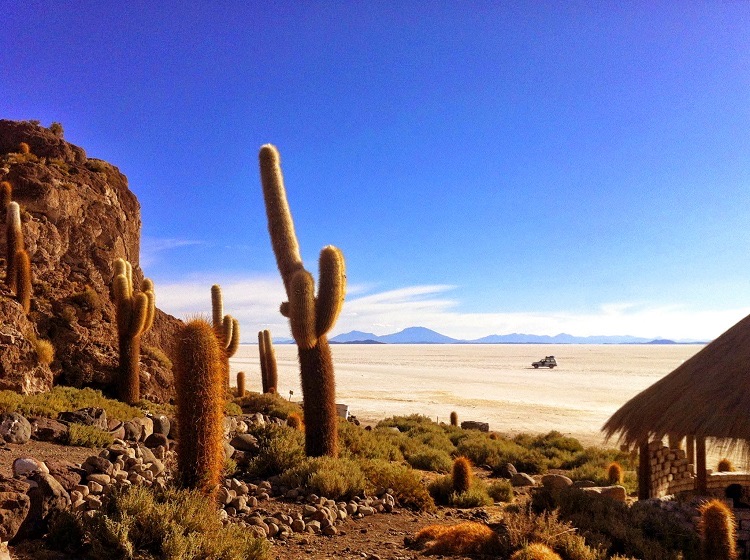
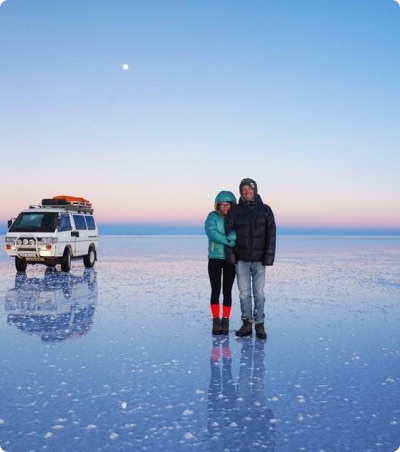
Bolivias natural environment is dramatic and often feels untouched. The Salar de Uyuni is its most famous draw, a vast expanse of salt that transforms into a mirror during the wet season, surrounded by colored lagoons and active volcanoes. Other highlights include the high-altitude Andes, like climbing Huayna Potosi near La Paz, and the Amazon basin accessed from Rurrenabaque, where you can see caimans, monkeys, and anacondas. Lake Titicaca, shared with Peru, is a serene high-altitude lake. The sheer scale and raw power of these landscapes are a major draw.
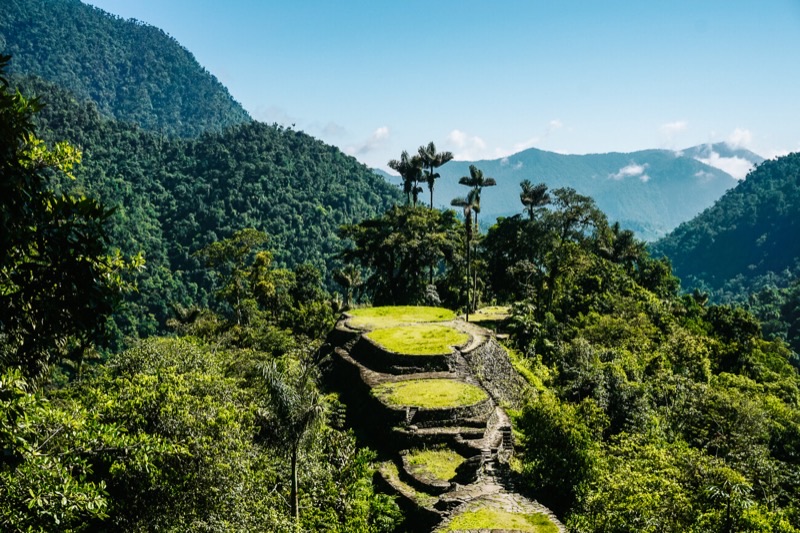
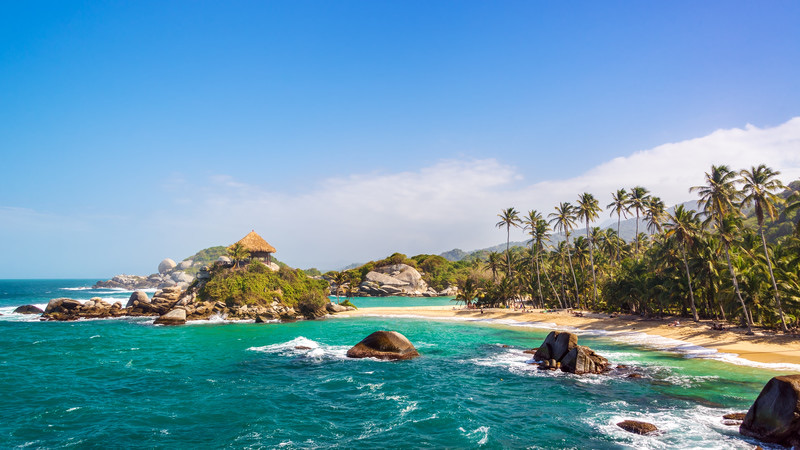
Colombia presents a wider variety of natural environments, though perhaps less extreme in any single category. It has Caribbean beaches like those in Tayrona National Natural Park, the lush coffee region around Salento, the Amazonas region near Leticia, and several Andean mountain ranges. While Colombia has beautiful mountains and parks, it doesnt have a single, globally recognized natural wonder on par with the Uyuni Salt Flats. The Cocora Valley, with its tall wax palms, is a signature Colombian landscape. Bolivia wins for its singular, impactful, and less commercialized natural phenomena.
- Winner: Bolivia
- Why: Bolivia delivers truly unique and visually striking natural wonders, particularly the Salar de Uyuni and high-altitude Andean environments.
- Who this matters for: Photographers, adventurers seeking extreme environments, and those looking for unique geological formations.
🏛️ Historical & Cultural Sites
Bolivias cultural heritage is heavily influenced by its indigenous populations. Potosi, a UNESCO World Heritage site, provides a stark look into colonial silver mining history and…
Bolivia
Colombia
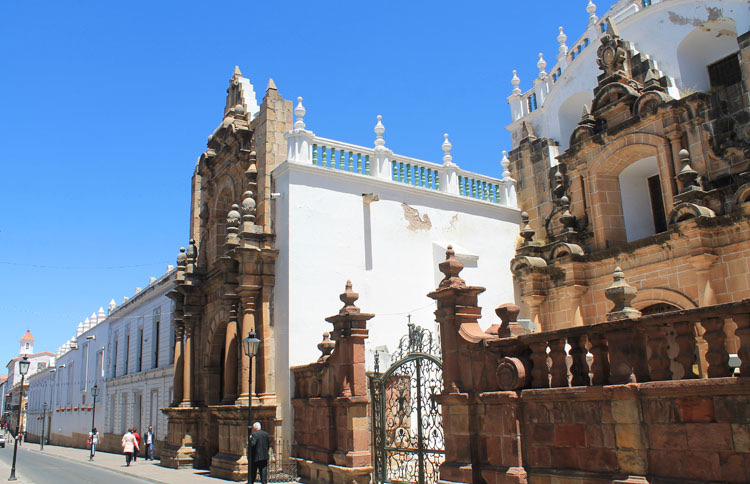
Bolivias cultural heritage is heavily influenced by its indigenous populations. Potosi, a UNESCO World Heritage site, provides a stark look into colonial silver mining history and its impact on the indigenous people. Tiwanaku, near Lake Titicaca, features significant pre-Inca ruins. La Paz offers museums like the National Museum of Ethnography and Folklore, and the Witches Market (Mercado de las Brujas) provides a glimpse into traditional beliefs and remedies. The culture feels very present and lived, with traditional dress and languages common outside major cities.
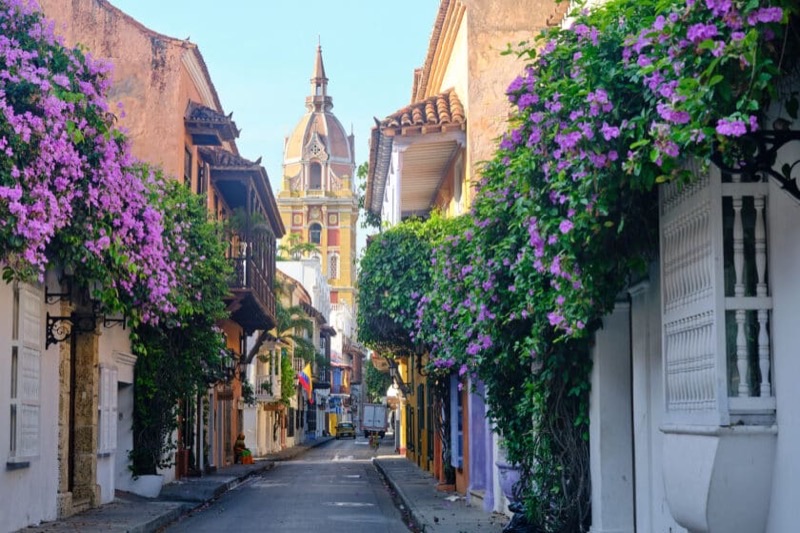
Colombia boasts well-preserved colonial cities like Cartagena, a UNESCO site with colorful architecture and formidable fortifications. Bogota has the Gold Museum (Museo del Oro) housing an extensive collection of pre-Hispanic gold artifacts, and La Candelaria district offers historical architecture and street art. San Agustin and Tierradentro contain ancient burial sites and monolithic sculptures. The country also has strong Afro-Caribbean cultural expressions along its coast. Both countries provide a wealth of historical and cultural depth, catering to different interests. Bolivas cultural presence is more visibly indigenous, while Colombias is more broadly colonial and regional.
- Winner: Tie
- Why: Both countries offer distinct and equally compelling historical and cultural experiences, appealing to different historical interests.
- Who this matters for: Travelers interested in either indigenous history (Bolivia) or colonial and pre-Columbian artifacts (Colombia).
🍲 Local Cuisine
Bolivian food is primarily comfort food designed for cold, high-altitude climates. Expect a lot of potatoes, rice, and meat. Signature dishes include salteñas (baked empanadas…

Bolivia
Colombia
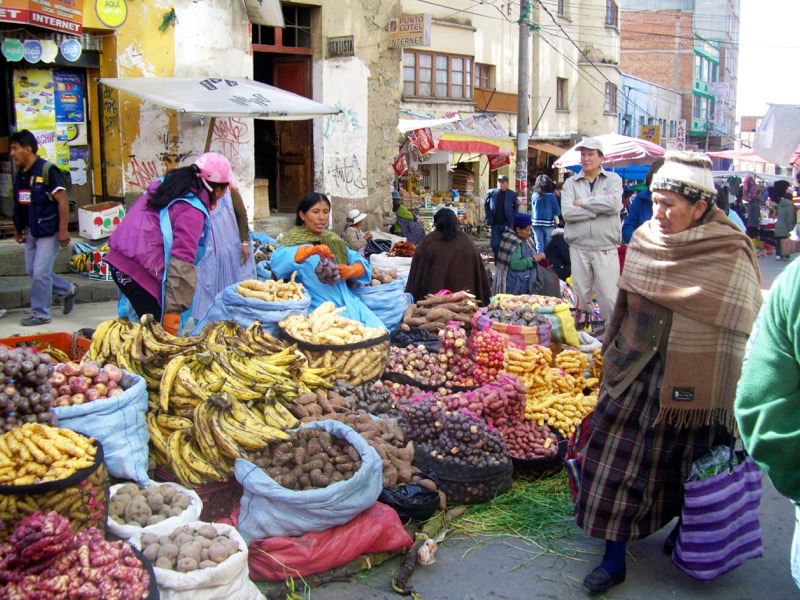
Bolivian food is primarily comfort food designed for cold, high-altitude climates. Expect a lot of potatoes, rice, and meat. Signature dishes include salteñas (baked empanadas with a sweet and savory gravy), anticuchos (beef heart skewers), and plato paceño (a plate with corn, potato, fava beans, and cheese). While filling and inexpensive, the range of flavors can be less varied than in other South American nations. Vegetarians might find options limited outside of major cities, though quinoa is widely available. Street food is common and very affordable.
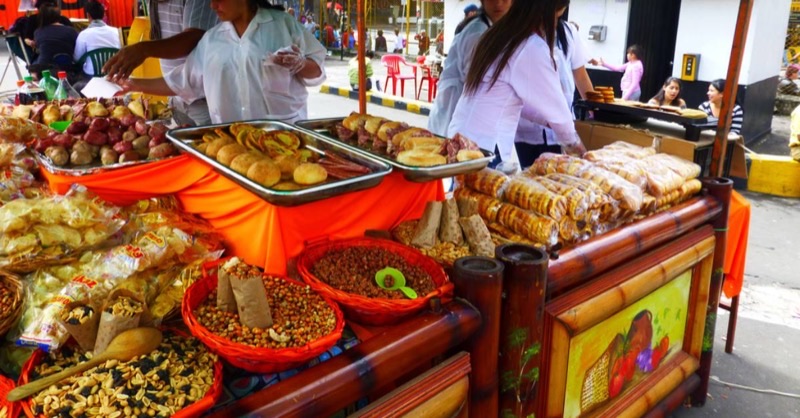
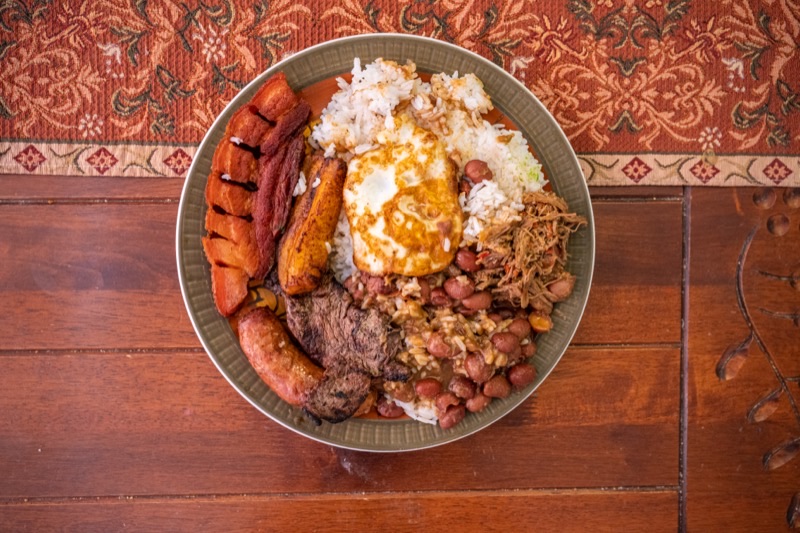
Colombian cuisine is more diverse due to its varied geography. Ajiaco (a chicken and potato soup), Bandeja Paisa (a large platter with rice, beans, meat, egg, and plantain), and arepas (corn cakes, often filled) are staples. The Caribbean coast offers fresh seafood, while the coffee region features local produce. Colombia also has an established coffee culture, with excellent cafes in cities like Bogota and Medellin, offering high-quality brews. The fruit selection is also extensive and delicious. Colombia provides a broader, more consistently enjoyable culinary experience for most palates. While Bolivia offers unique, satisfying dishes, Colombias range and quality are generally higher.
- Winner: Colombia
- Why: Colombia offers a broader range of regional dishes, fresh ingredients, and a developed coffee culture that appeals to more palates.
- Who this matters for: Food enthusiasts, those seeking culinary variety, and coffee lovers.
🍻 Nightlife & Social Scene
Bolivias nightlife is more subdued and less tourist-oriented. In La Paz, you can find bars and some clubs, particularly around Calle Sagarnaga or Sopocachi, like Diesel Nacional…

Bolivia

Colombia
Bolivias nightlife is more subdued and less tourist-oriented. In La Paz, you can find bars and some clubs, particularly around Calle Sagarnaga or Sopocachi, like Diesel Nacional or Malegria, which cater to a mixed crowd. Santa Cruz also has a more active party scene due to its warmer climate and larger population. However, outside these main cities, options are scarce. Socializing often happens in hostels or through tours, rather than in dedicated nightlife venues. For those seeking a quiet evening or a local experience, it is sufficient, but it doesnt offer extensive choices.
Colombia excels in nightlife. Medellin, especially the El Poblado district, is famous for its bars and clubs, with options ranging from reggaeton to electronic music. Bogota offers a sophisticated scene in areas like Zona T and Chapinero, with a mix of pubs, cocktail bars, and larger clubs. Cali is renowned as the salsa capital, with numerous salsa schools and dance halls (salsotecas) where locals and tourists dance until late. Cartagena on the coast provides lively spots with Caribbean rhythms. Colombia provides a more established, diverse, and accessible social scene for travelers seeking entertainment after dark. You will find more opportunities to dance, mingle, and experience varied music genres.
- Winner: Colombia
- Why: Colombia offers a significantly more developed, diverse, and energetic nightlife, particularly in its major cities.
- Who this matters for: Party-goers, social travelers, and those interested in dancing or live music.
🛡️ Safety & Security
Bolivia is generally considered safe for tourists, especially in well-trafficked areas. Petty crime like pickpocketing is common in markets and crowded places, particularly in La…
Bolivia is generally considered safe for tourists, especially in well-trafficked areas. Petty crime like pickpocketing is common in markets and crowded places, particularly in La Paz and Santa Cruz. Express kidnappings (short-term abductions for ATM withdrawals) have been reported, though less frequently in tourist zones. Political protests and roadblocks can disrupt travel. A significant health consideration is altitude sickness (soroche), which affects many travelers in high-altitude cities like La Paz (3,640m) and Potosi (4,090m). Travelers need to acclimatize slowly and stay hydrated.
Colombia has made tremendous strides in improving safety over the last two decades. While its past reputation lingers, major tourist destinations like Bogota, Medellin, Cartagena, and the Coffee Region are generally secure, with visible police presence. Petty crime (pickpocketing, bag snatching) is still prevalent in cities, especially after dark. Express kidnappings and scams involving spiked drinks (scopolamine) are known risks, particularly in nightlife settings. Remote areas, especially near borders or coca cultivation zones, may still carry risks of organized crime or guerilla activity. Overall, Colombia offers a more consistently secure feeling in its main tourist circuits, with fewer broad disruptions. However, both countries require common sense precautions and situational awareness.
- Winner: Colombia
- Why: Colombia offers a more established and consistently managed tourist safety environment, particularly within popular travel routes, despite past reputation.
- Who this matters for: First-time South American travelers, those concerned about political instability, and travelers sensitive to health risks from altitude.
🚌 Transportation & Logistics
Bolivian transportation relies heavily on buses, which can be older, slower, and sometimes less comfortable than those in neighboring countries. Roads, especially in mountainous…
Bolivian transportation relies heavily on buses, which can be older, slower, and sometimes less comfortable than those in neighboring countries. Roads, especially in mountainous regions or the Amazon, can be unpaved or poorly maintained, leading to long travel times (e.g., La Paz to Santa Cruz can be 18-24 hours by bus). Domestic flights connect major cities like La Paz, Santa Cruz, and Sucre but are more expensive. Navigating public transport within cities often involves local minibuses or shared taxis. The altitude can make physical movement more tiring for newcomers. Logistics often require more patience and flexibility due to less developed infrastructure.
Colombia has a more developed and modern transportation infrastructure. Its long-distance bus network is extensive, with comfortable and reliable services connecting most cities (e.g., Expreso Bolivariano, Berlinas). Domestic flights are frequent and relatively affordable, with airlines like Avianca, Latam, and Viva Air connecting hubs like Bogota, Medellin, and Cartagena in short times (e.g., Bogota to Medellin 1 hour flight). Major cities like Bogota and Medellin have efficient public transport systems (TransMilenio and Metro, respectively). Overall, traveling around Colombia is faster, more comfortable, and generally more reliable, allowing for smoother itinerary planning. The ease of getting around makes Colombia a less stressful option for those with limited time.
- Winner: Colombia
- Why: Colombia provides a more modern, extensive, and efficient transportation network, making travel between destinations smoother and faster.
- Who this matters for: Travelers with limited time, those seeking comfort in transit, and individuals who prefer well-established logistical systems.
🏖️ Beaches & Coastal Access
Bolivia is a landlocked country, meaning it has no direct access to oceans. While Lake Titicaca offers some lakeside 'beaches' and opportunities for relaxation by the water, these…
Bolivia is a landlocked country, meaning it has no direct access to oceans. While Lake Titicaca offers some lakeside 'beaches' and opportunities for relaxation by the water, these are not comparable to traditional ocean beaches. Copacabana on Lake Titicaca provides a calm, high-altitude lakeside experience, but it is not for swimming or sunbathing in the way a coastal beach is. For those seeking coastal relaxation, Bolivia offers no options.
Colombia has extensive coastlines on both the Caribbean and Pacific. The Caribbean coast is particularly popular, with iconic destinations like Cartagena offering city beaches and nearby Rosario Islands for snorkeling and clear waters. Tayrona National Natural Park provides secluded beaches backed by jungle, ideal for hiking and relaxation. Palomino offers a laid-back backpacker vibe with tubing down a river to the ocean. The Pacific coast, though less developed for tourism, offers remote beaches and whale watching opportunities. Colombia is the only choice for anyone prioritizing beach experiences. It provides numerous options for coastal activities, from resort relaxation to eco-tourism.
- Winner: Colombia
- Why: Colombia has extensive and varied ocean coastlines on both the Caribbean and Pacific, while Bolivia is landlocked.
- Who this matters for: Beach lovers, snorkelers, divers, and those seeking coastal relaxation.
🌡️ Altitude & Climate
Bolivia is largely defined by its high altitude. La Paz sits at 3,640 meters (11,942 ft), making it the highest de facto capital city in the world. Many key attractions like Uyuni…
Bolivia is largely defined by its high altitude. La Paz sits at 3,640 meters (11,942 ft), making it the highest de facto capital city in the world. Many key attractions like Uyuni and Potosi are also at extreme elevations (over 4,000m). Travelers must plan for acclimatization to avoid altitude sickness, which can cause headaches, nausea, and fatigue. Temperatures in the altiplano are generally cool to cold, especially at night, requiring warm clothing. The Amazon lowlands (e.g., Rurrenabaque) are hot and humid year-round, offering a stark contrast.
Colombia, due to its varied topography, offers a broader range of climates and altitudes. Bogota is high at 2,640 meters (8,660 ft), requiring some acclimatization but generally less severe than Bolivias higher cities. Medellin has a mild, spring-like climate at around 1,500 meters (4,900 ft), while Cartagena and the Caribbean coast are hot and humid. The coffee region has pleasant, temperate weather. Travelers can easily move between different climate zones to suit their preferences. This diversity makes Colombia more adaptable for those who struggle with extreme altitudes or prefer a specific type of weather. Colombias climate diversity means travelers can choose their ideal temperature, avoiding prolonged exposure to extreme altitudes if desired.
- Winner: Colombia
- Why: Colombia offers a wider range of altitudes and climates, allowing travelers to choose their preferred environment and avoid extreme altitudes if necessary.
- Who this matters for: Travelers sensitive to high altitudes, those preferring specific climates (hot, temperate), and those seeking varied weather experiences.
🚶 Solo Traveler Experience
Solo travel in Bolivia is absolutely possible, but it requires a bit more initiative. The backpacker trail is less defined than in Colombia, meaning fewer large groups of solo…
Solo travel in Bolivia is absolutely possible, but it requires a bit more initiative. The backpacker trail is less defined than in Colombia, meaning fewer large groups of solo travelers congregating. While hostels exist in major cities, they might not always have the same level of organized social activities. Meeting other travelers often happens on multi-day tours, like the Uyuni Salt Flats trip. English is less widely spoken than in Colombia, which can add a layer of challenge for non-Spanish speakers. It suits a solo traveler who is confident, self-reliant, and looking for a less 'packaged' experience. Expect to make your own fun and connections.
Colombia is a popular destination for solo travelers due to its well-trodden backpacker route, abundant hostels, and friendly local population. Cities like Medellin, Bogota, and Cartagena have numerous hostels that are specifically designed for solo travelers to meet and socialize, often offering organized tours and activities. English is more commonly spoken in tourist-heavy areas, making communication easier. The transportation network is reliable, simplifying solo navigation. Overall, Colombia provides a more comfortable, social, and logistically simpler experience for solo adventurers, especially those new to independent travel in South America. The established infrastructure and social opportunities in Colombia provide a smoother experience for most solo travelers.
- Winner: Colombia
- Why: Colombia offers a more established and comfortable solo travel experience with better infrastructure, more social opportunities, and easier navigation.
- Who this matters for: First-time solo travelers, those looking for social interaction, and individuals who prefer easier logistics.
🎯 The Decision Framework
Choose Bolivia If…
- You want to see the otherworldly Salar de Uyuni and its surreal landscapes.
- Your budget is extremely tight, aiming for under $50 USD per day.
- You are interested in a deep immersion into indigenous Andean culture.
- You dont mind rougher travel conditions for authentic experiences.
- You want to hike or trek in high-altitude mountains like the Cordillera Real.
- You are comfortable speaking basic Spanish or using translation apps frequently.
- You want to explore the Amazon from a less-trafficked entry point like Rurrenabaque.
- You prefer fewer crowds and a less tourist-saturated environment.
Choose Colombia If…
- You want to experience warm Caribbean beaches and island life.
- You are looking for active nightlife, especially salsa dancing.
- You want to taste diverse regional cuisines and specialty coffee.
- You prioritize comfortable and efficient travel between destinations.
- You prefer a more established tourist infrastructure with more English speakers.
- You enjoy street art, colonial architecture, and modern city amenities.
- You want to explore coffee farms and learn about coffee production.
- You are looking for a country that has significantly improved its safety for tourists.
📅 Sample Itineraries
Weekend in Bolivia (3 Days)
💡 Book your Salar de Uyuni tour upon arrival in Uyuni to compare operators, but consider booking flights to Uyuni in advance for better prices.
Weekend in Colombia (3 Days)
💡 In Bogotá, use ride-sharing apps like Uber or Cabify for safe and convenient transportation, especially at night, as local taxis can sometimes overcharge.
One Week in Bolivia (7 Days)
💡 For the Salar de Uyuni tour, bring plenty of warm layers, especially for the high-altitude nights, and a good sleeping bag liner if you're sensitive to cold in basic accommodations.
One Week in Colombia (7 Days)
💡 When in Medellín, purchase a Medellín Metro card for convenient and inexpensive public transportation, including the cable cars which offer views of the city's hillside communities.
❓ Frequently Asked Questions
Which country is safer for female solo travelers?
While both countries require vigilance, Colombia generally feels more secure for female solo travelers in its main tourist circuits, due to better infrastructure and a more established backpacker route. Bolivia is safe in tourist areas but requires more independent navigation, and petty crime is present in both. Always prioritize personal safety and common sense.
What are the typical flight times and costs from the US?
From major US hubs (e.g., Miami, New York), direct flights to Bogota or Medellin, Colombia, typically take 4-6 hours and cost $300-600 USD round trip. Flights to La Paz or Santa Cruz, Bolivia, usually involve at least one stop, taking 8-12 hours total, and cost $500-900 USD round trip.
Is it possible to combine a trip to both Bolivia and Colombia?
Yes, it is possible if you have at least 3-4 weeks. You would typically fly between a major city in one country and the other, for example, from La Paz to Bogota. This flight usually takes 4-5 hours with a connection and costs approximately $250-400 USD one-way.
Which country is better for adventure sports?
Both offer adventure, but with different focuses. Bolivia is known for high-altitude trekking, mountain biking (Death Road), and Amazon jungle tours. Colombia offers excellent paragliding, whitewater rafting, diving on its coasts, and extensive hiking in its diverse national parks. Colombias adventure options are more varied and accessible across different climates.
How do the altitudes compare for travel comfort?
Bolivia has significantly higher average altitudes in its main tourist areas. La Paz (3,640m) and Potosi (4,090m) are among the highest cities in the world, requiring careful acclimatization. Colombia has cities like Bogota at 2,640m, which is high but generally less severe, and many popular areas like Medellin and Cartagena are at lower, comfortable elevations.
Which country offers better digital nomad infrastructure?
Colombia is a stronger contender for digital nomads. Cities like Medellin and Bogota have a developed coworking scene, reliable high-speed internet, a larger expatriate community, and more comfortable living amenities. Bolivias infrastructure for digital nomads is less developed, with internet access potentially slower and less consistent outside major centers.
What is the best time of year to visit each country?
For Bolivia, the dry season (May to October) is generally preferred for trekking and the Uyuni Salt Flats. For Colombia, the dry seasons (December to March and July to August) are ideal for most regions, though the Caribbean coast is warm year-round. Given their varied climates, specific regional timing is important.
Which destination is more suitable for vegetarians?
Colombia offers more variety and easier access to vegetarian options due to its more diverse cuisine and larger city restaurant scenes. While Bolivia does have some vegetarian dishes, its traditional food is often meat-heavy, and finding varied plant-based meals, especially outside La Paz, can be more challenging. Colombias fruit and vegetable markets are also more abundant.
Ready to plan your South America trip?
Get a free custom itinerary for Bolivia, Colombia, or both — built from real traveler insights.
👥 Travelers Also Compared
🎟️ Book Tours & Experiences
Hand-picked tours and activities for both destinations — book with free cancellation
Experiences via Viator — free cancellation on most tours