How we built this comparison
This page combines traveler discussion patterns, published price ranges, flight schedules, and seasonal data to help you decide between Bolivia and Japan.
- Reviewed 50+ Reddit threads from r/travel, r/solotravel, r/JapanTravel, and r/BoliviaTravel.
- Verified costs and logistics against current booking platforms like Google Flights, Booking.com, and local tour operators.
- Cross-referenced seasonal patterns and weather data for optimal travel timing.
⚡ Quick Answers
⚡ The TL;DR Verdict
For most travelers seeking convenience, diverse experiences, and efficiency, Japan is the clear winner, though it costs more. Those with a specific desire for raw adventure, low budgets, and patience will find Bolivia rewarding.
- Choose Bolivia: Travelers prioritizing extreme budget travel, high-altitude treks, raw cultural immersion, and off-grid exploration should pick Bolivia.
- Choose Japan: Travelers who value efficiency, safety, exceptional food, varied activities, and modern conveniences will prefer Japan.
- Choose Both: To experience both ends of the travel spectrum, allocate at least 2 weeks for Japan and 1.5-2 weeks for Bolivia, focusing on distinct regional experiences in each.
Choose Bolivia
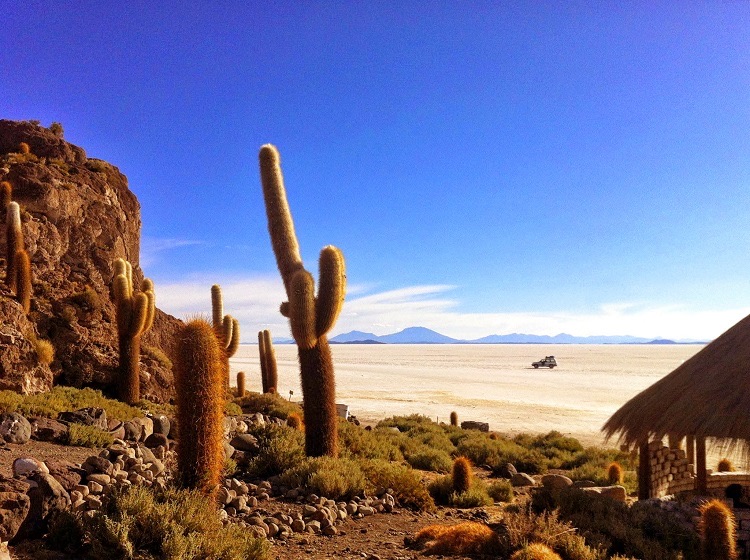
Choose Bolivia if you're a thrill-seeking budget traveler yearning for raw adventure and deep cultural immersion. It's best for those ready to navigate high-altitude treks in the Cordillera Real, witness the otherworldly Uyuni Salt Flats, and explore bustling La Paz markets without breaking the bank. Embrace the challenge for an unforgettable, authentic experience.
Choose Japan
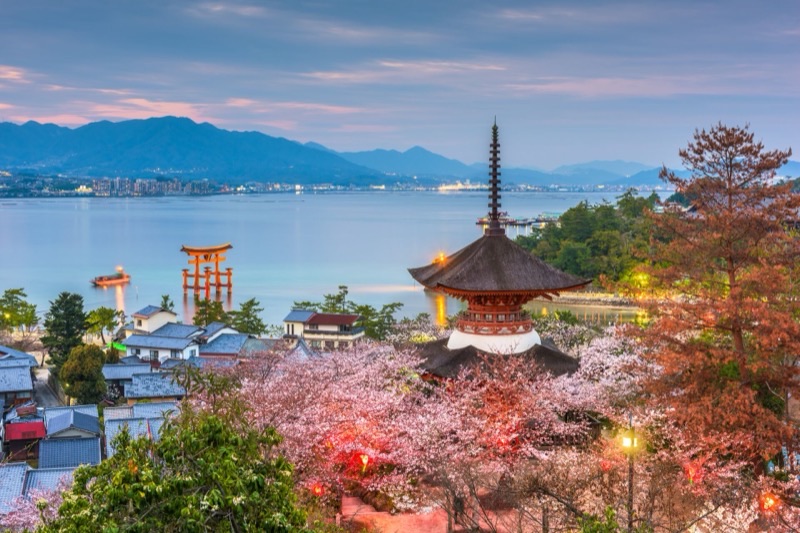
Opt for Japan if your ideal trip involves seamless efficiency, unparalleled safety, and a rich blend of ancient tradition with cutting-edge modernity. It's best for foodies eager to savor Michelin-starred cuisine in Tokyo or Kyoto, explore tranquil temples, and effortlessly navigate diverse landscapes via bullet train. Prepare for a higher budget, but an impeccably curated journey.
📊 Visual Scorecard
🌤 When to Visit
Average high temperatures (°C). Green = best months, orange = avoid.
Quick Comparison
| Category | Bolivia | Japan | Winner |
|---|---|---|---|
| Costs & Budget | Bolivia offers extremely low daily expenses for accommodation, food, and transport, making it a top budget destination. | Japan is a higher-cost destination, with major expenses for accommodation and transport, though food can be reasonable. | Bolivia |
| Getting There | Flights to Bolivia typically involve multiple layovers and can take 18-24 hours from major US hubs, with costs varying. | Flights to Japan are often direct from major US cities, taking 10-14 hours, but can be more expensive. | Tie |
| Getting Around | Bolivia relies on long-distance buses and shared taxis, which are inexpensive but can be slow and less comfortable. | Japan boasts an extensive, efficient, and punctual rail network, complemented by local subways and buses. | Japan |
| Food & Drink | Bolivia offers hearty, meat-heavy, and carbohydrate-based traditional dishes that are very inexpensive. | Japan features a diverse and refined culinary landscape, from street food to Michelin-starred dining, with emphasis on fresh ingredients. | Japan |
| Accommodation | Bolivia has basic hostels and guesthouses, with limited luxury options, all at low prices. | Japan provides a wide range of accommodation, from capsule hotels and traditional ryokans to modern business hotels, offering good value and cleanliness. | Japan |
| Nature & Scenery | Bolivia offers extreme, high-altitude landscapes like salt flats, active volcanoes, and the Amazon basin. | Japan presents varied natural beauty, from volcanic mountains and lush forests to beaches and cherry blossom gardens. | Bolivia |
| Culture & History | Bolivia provides a deep immersion into indigenous Andean cultures, ancient ruins, and colonial heritage. | Japan has a long, intricate history of emperors, samurai, and Shinto-Buddhist traditions, reflected in temples and modern customs. | Tie |
| Safety & Health | Bolivia requires vigilance against petty crime and has significant health considerations due to altitude. | Japan is one of the safest countries globally, with minimal crime and high standards of public health. | Japan |
| Solo Travel | Bolivia is feasible for solo travelers, particularly backpackers, who are comfortable with rugged conditions and meeting others in hostels. | Japan is excellent for solo travelers due to its safety, efficiency, and respect for personal space, making it easy to navigate independently. | Japan |
| Nightlife & Entertainment | Bolivia has a more relaxed, localized nightlife scene centered on bars and peñas, especially in La Paz. | Japan offers a diverse and energetic nightlife, from karaoke and themed bars to late-night izakayas and neon-lit districts. | Japan |
💰 Costs & Budget
Bolivia is one of the most budget-friendly destinations globally. A traveler can comfortably get by on $40-70 USD per day. Hostel beds cost around 50-80 BOB ($7-11 USD), a local…
Bolivia
Japan
Bolivia is one of the most budget-friendly destinations globally. A traveler can comfortably get by on $40-70 USD per day. Hostel beds cost around 50-80 BOB ($7-11 USD), a local meal like a salteña or plato paceño is 10-25 BOB ($1.50-3.50 USD), and local transport via micro or colectivo is 2-5 BOB ($0.30-0.70 USD). Activities like the Uyuni Salt Flats tour cost around 700-1200 BOB ($100-170 USD) for a 3-day trip, including basic food and accommodation.
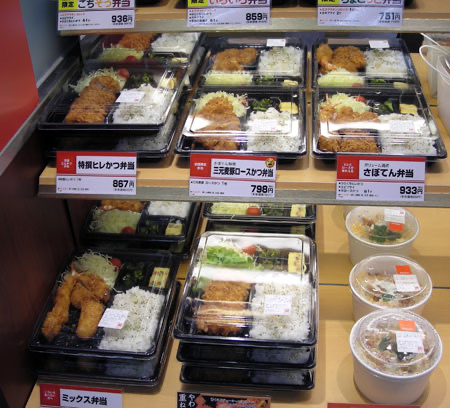
Japan generally requires a higher budget, typically $90-160 USD per day for independent travelers. Hostel dorms cost 3,000-5,000 JPY ($20-35 USD), while budget hotel rooms start around 7,000 JPY ($50 USD). Food can be economical if you stick to convenience store meals or local ramen shops, with a bowl of ramen costing 800-1,200 JPY ($5.50-8 USD). The biggest expense is often transportation, with a 7-day Japan Rail Pass costing around 50,000 JPY ($340 USD). For those watching their spending, Bolivia is the clear choice.
- Winner: Bolivia
- Why: Bolivia allows travelers to extend their trips significantly with very low daily spending across all categories.
- Who this matters for: Budget travelers, backpackers, and those planning extended trips.
✈️ Getting There
Traveling to Bolivia usually involves flights to La Paz (LPB) or Santa Cruz (VVI) from a major US gateway like Miami or Houston. Total travel time averages 18-24 hours, including…
Bolivia
Japan
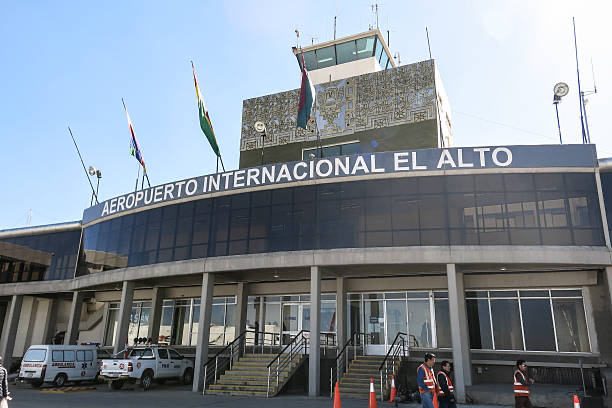
Traveling to Bolivia usually involves flights to La Paz (LPB) or Santa Cruz (VVI) from a major US gateway like Miami or Houston. Total travel time averages 18-24 hours, including layovers in cities such as Bogota, Lima, or Panama City. Round trip airfares typically range from $700-$1200 USD, though prices fluctuate based on season and booking lead time. Travelers must account for the time difference and potential altitude sickness upon arrival in La Paz.
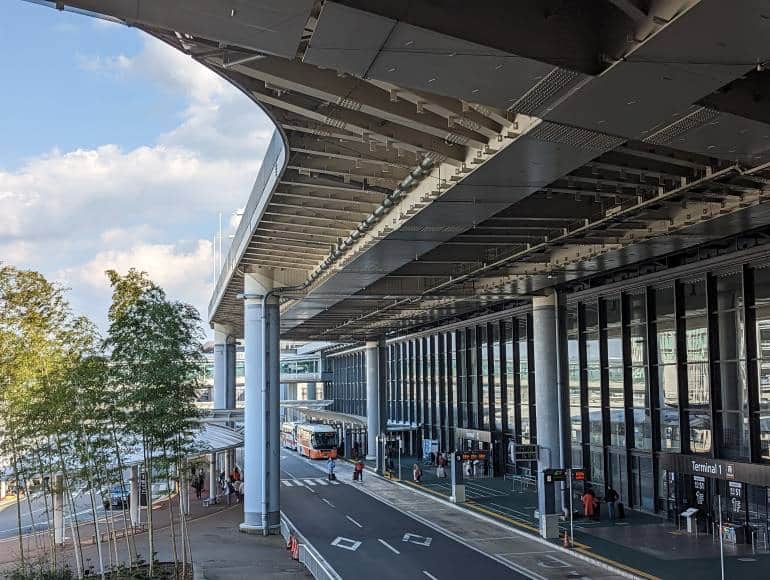
Getting to Japan is generally more straightforward, with direct flights available from major US cities like Los Angeles (LAX) or New York (JFK) to Tokyo (NRT/HND). Flight times average 10-14 hours. Round trip airfares often fall between $800-$1500 USD, depending on the season. While flight duration is shorter, the time difference can be substantial, leading to jet lag. Both destinations require significant travel time and expense, making them a tie in terms of overall effort.
- Winner: Tie
- Why: Both destinations require substantial time and financial commitment for long-haul flights from North America.
- Who this matters for: All travelers, as initial flight logistics and cost are primary planning considerations.
🚌 Getting Around
In Bolivia, intercity travel primarily involves long-distance buses. These are very affordable, for example, a bus from La Paz to Uyuni costs around 80-150 BOB ($11-21 USD) for a…
Bolivia
Japan
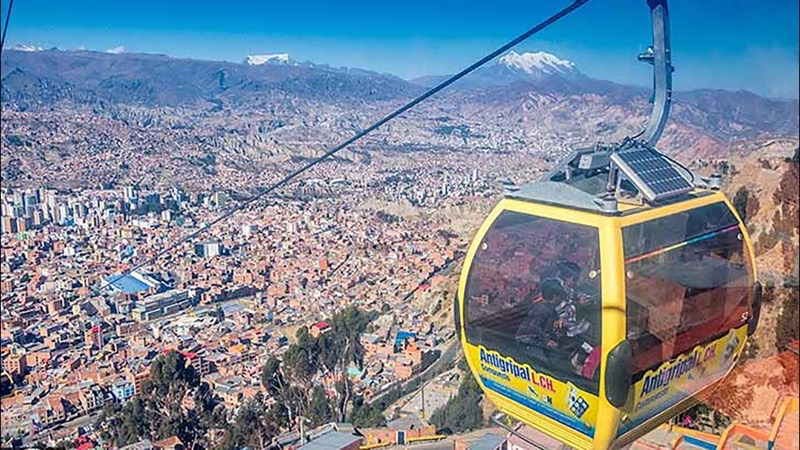
In Bolivia, intercity travel primarily involves long-distance buses. These are very affordable, for example, a bus from La Paz to Uyuni costs around 80-150 BOB ($11-21 USD) for a 9-12 hour journey. Within cities, colectivos (shared vans) and micros (small buses) are the norm, costing 2-5 BOB ($0.30-0.70 USD) per ride. While cheap, road conditions can be rough, and schedules are flexible. Travel takes patience and a willingness to deal with less developed infrastructure.
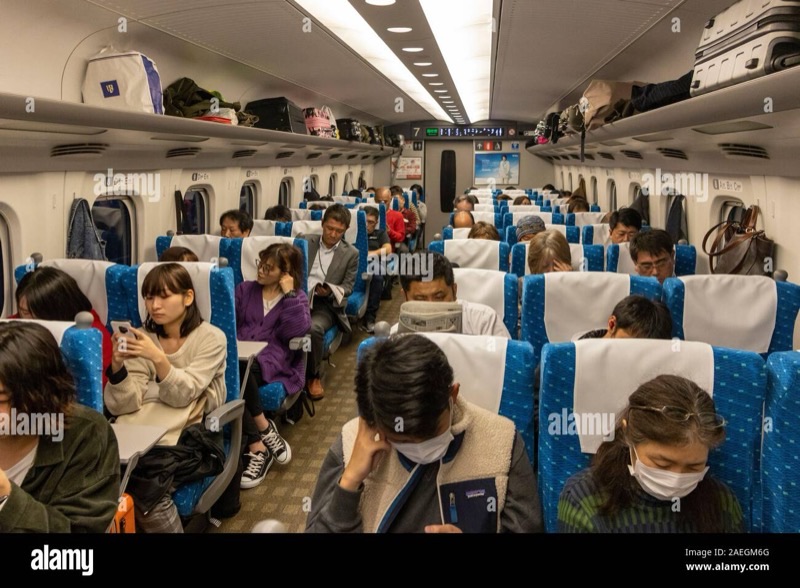
Japan has one of the best public transportation systems globally. The Shinkansen (bullet train) connects major cities rapidly and reliably; for example, Tokyo to Kyoto takes about 2.5 hours and costs around 13,000 JPY ($90 USD) one-way without a rail pass. City subway and bus networks are extensive, clean, and punctual, with fares typically 170-300 JPY ($1.20-2 USD) per ride. English signage is common in major tourist areas. For efficiency, comfort, and reliability, Japan is unmatched.
- Winner: Japan
- Why: Japan provides a truly efficient, comfortable, and expansive public transport system, making travel smooth.
- Who this matters for: Travelers who prioritize convenience, speed, and comfort in their daily movements.
🍜 Food & Drink
Bolivian food is largely traditional and comforting, focusing on potatoes, rice, corn, and various meats. Standout dishes include Salteñas (savory baked empanadas, 8-15 BOB / $1-2…
Bolivia
Japan
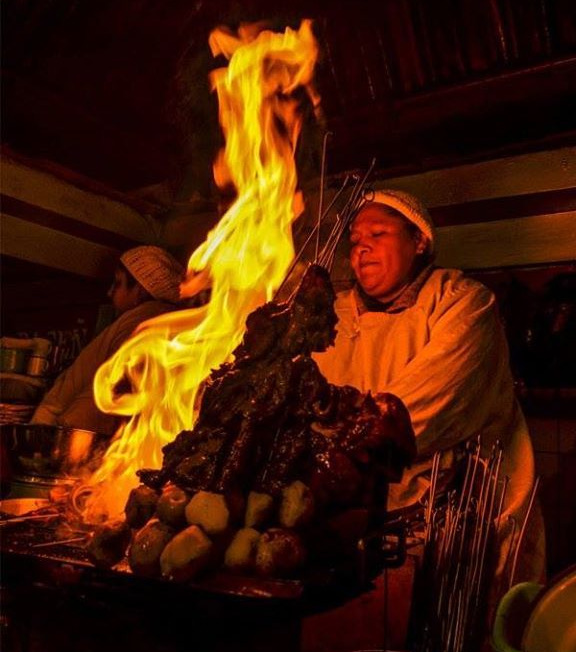
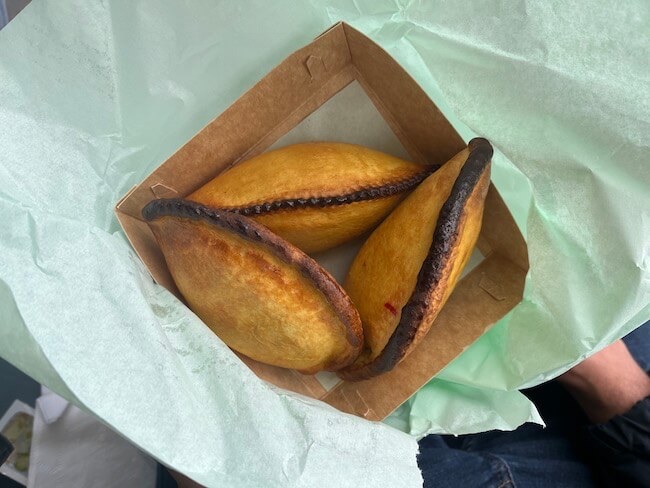
Bolivian food is largely traditional and comforting, focusing on potatoes, rice, corn, and various meats. Standout dishes include Salteñas (savory baked empanadas, 8-15 BOB / $1-2 USD), Anticuchos (grilled beef heart skewers, 10-15 BOB / $1.50-2 USD), and Lomo Montado (steak with fried egg and rice). Vegetarians might find options limited outside of major cities. Drink options include local beers (Paceña, Huari) and Singani, a grape brandy. While basic, the food is filling and extremely affordable.
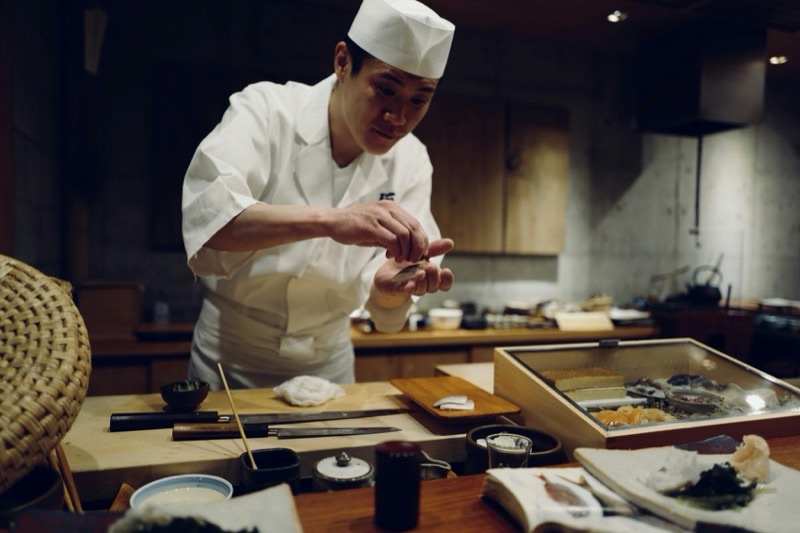
Japan is a culinary destination with unparalleled diversity and quality. From street food like takoyaki (octopus balls, 600 JPY / $4 USD) and yakitori (grilled skewers, 200 JPY / $1.40 USD each) to high-end sushi and ramen shops (1,000-1,500 JPY / $7-10 USD), the options are extensive. Specific regional dishes, intricate presentation, and fresh ingredients are hallmarks. Vending machines offer a wide array of beverages, and sake is widely available. The sheer variety and quality of dining experiences give Japan a significant edge.
- Winner: Japan
- Why: Japan offers an incredible range of specific, high-quality dishes and dining experiences across all price points.
- Who this matters for: Foodies, adventurous eaters, and travelers who consider cuisine a central part of their travel experience.
🏨 Accommodation
Bolivian accommodation leans towards budget-friendly hostels and guesthouses. In cities like La Paz, a private room in a decent hostel can cost 100-200 BOB ($14-28 USD). Basic…
Bolivia

Japan
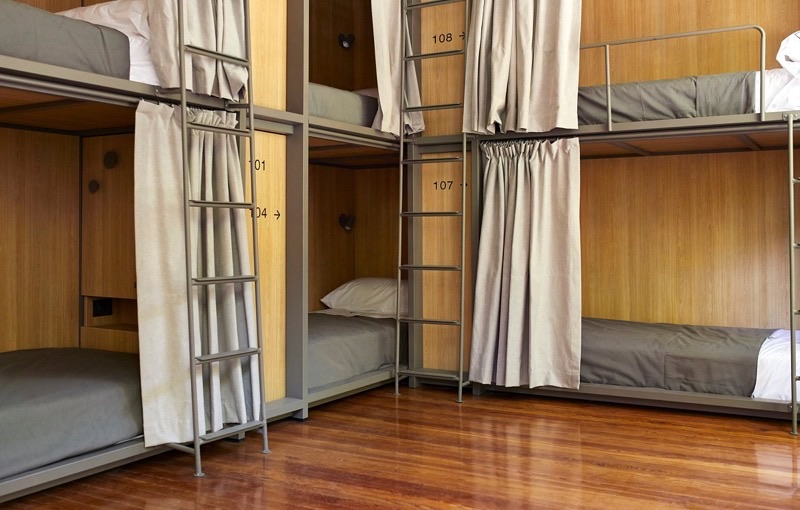
Bolivian accommodation leans towards budget-friendly hostels and guesthouses. In cities like La Paz, a private room in a decent hostel can cost 100-200 BOB ($14-28 USD). Basic hotels are available but might lack consistent amenities. Options like Loki Hostel La Paz or Wild Rover are popular for backpackers, providing social environments. Luxury accommodation is present in major cities but is not as prevalent or refined as in other countries. Generally, you get what you pay for: basic, functional, and very affordable.
Japan offers excellent accommodation options across various budgets. Capsule hotels provide a unique experience for 3,000-5,000 JPY ($20-35 USD) per night. Business hotels, even budget chains like Toyoko Inn or APA Hotel, are consistently clean and efficient, starting around 7,000-10,000 JPY ($50-70 USD). Traditional ryokans (Japanese inns) offer a cultural immersion with tatami rooms and sometimes onsen access, costing 10,000-30,000 JPY ($70-200 USD) per person, often including meals. The quality, variety, and cleanliness of Japanese accommodation make it a superior choice.
- Winner: Japan
- Why: Japan provides consistently clean, efficient, and diverse accommodation options that cater to many preferences and budgets, often with better value for quality.
- Who this matters for: Travelers who prioritize comfort, cleanliness, and a range of unique lodging experiences.
🏞️ Nature & Scenery
Bolivia's natural environments are characterized by extreme altitude and raw, untouched expanses. The Salar de Uyuni, the worlds largest salt flat, is a surreal destination with…
Bolivia's natural environments are characterized by extreme altitude and raw, untouched expanses. The Salar de Uyuni, the worlds largest salt flat, is a surreal destination with unique photo opportunities and is often combined with tours through the Reserva Eduardo Avaroa, showcasing colorful lagoons, active volcanoes like Licancabur, and geysers. Lake Titicaca, shared with Peru, is the highest navigable lake globally. The country also includes parts of the Amazon rainforest and cloud forests in the Yungas region. These environments demand physical preparation due to altitude but reward visitors with sights unlike almost any other place on Earth.
Japan offers a different kind of natural appeal, often more manicured or easily accessible. Mount Fuji stands as an iconic peak, surrounded by lakes. Hokkaido provides colder landscapes and winter sports. Okinawa has subtropical islands and coral reefs. Many national parks like Shiretoko and Yakushima showcase dense forests and unique wildlife. While Japan has beautiful landscapes, Bolivias natural environments are fundamentally more extreme, remote, and singularly impactful for adventure seekers. Bolivia wins for its raw, grand scale and distinctive geological features.
- Winner: Bolivia
- Why: Bolivia offers more extreme, otherworldly, and grand-scale natural environments that are globally distinctive.
- Who this matters for: Adventure seekers, hikers, photographers, and those looking for truly unique geographical features.
🏛️ Culture & History
Bolivia offers a journey into the heart of Andean indigenous culture, particularly Aymara and Quechua traditions. In La Paz, the Witches Market provides insight into ancient…
Bolivia offers a journey into the heart of Andean indigenous culture, particularly Aymara and Quechua traditions. In La Paz, the Witches Market provides insight into ancient beliefs. Tiwanaku, near Lake Titicaca, contains ruins of a significant pre-Incan civilization. The colonial architecture of Sucre, a UNESCO site, showcases Spanish influence. Interactions with local communities are often direct and unmediated, offering a raw experience of traditions that continue to shape daily life. The countrys history of Spanish conquest and indigenous resistance is evident everywhere.
Japan presents a deeply refined and ancient cultural experience. Kyoto alone hosts hundreds of temples and shrines, like Kiyomizu-dera and Fushimi Inari-taisha, reflecting centuries of Shinto and Buddhist practices. Samurai history is palpable in castles like Himeji. Tokyo offers a blend of ancient traditions in areas like Asakusa and modern pop culture. Geisha districts, tea ceremonies, and meticulously preserved gardens are common. Both countries offer profound cultural and historical insights, but their approaches and aesthetics differ, leading to a tie based on individual preference.
- Winner: Tie
- Why: Both countries offer deep, distinct, and fascinating cultural and historical experiences that cater to different interests.
- Who this matters for: Historians, anthropologists, and travelers who seek deep engagement with local traditions and past civilizations.
🛡️ Safety & Health
Travel in Bolivia requires awareness of surroundings. Petty crime like pickpocketing is common in crowded areas of cities such as La Paz. Bus travel at night can pose risks, and…
Travel in Bolivia requires awareness of surroundings. Petty crime like pickpocketing is common in crowded areas of cities such as La Paz. Bus travel at night can pose risks, and fake taxi scams occur. Health considerations are significant, primarily due to high altitude. La Paz is over 3,600 meters (12,000 feet) above sea level, necessitating acclimatization to avoid altitude sickness. Access to quality medical care is limited outside major cities. Travelers must exercise caution and plan for health needs, including vaccinations and altitude medication.
Japan has an extremely low crime rate, making it one of the safest countries for travelers. Incidents of petty theft are rare, and violent crime is almost nonexistent. Public transportation is safe at all hours. Healthcare infrastructure is modern and efficient, though expensive without travel insurance. While natural disasters like earthquakes are a consideration, public safety measures are robust. The peace of mind regarding personal safety and health infrastructure in Japan is a major advantage for any traveler.
- Winner: Japan
- Why: Japan provides an exceptionally safe environment with minimal crime and highly developed public health infrastructure.
- Who this matters for: Solo travelers, families, and those who prioritize personal security and reliable healthcare access.
🚶♀️ Solo Travel
Solo travel in Bolivia is common among backpackers. Hostels provide easy opportunities to meet other travelers for group tours, such as the Uyuni Salt Flats. Navigating…
Solo travel in Bolivia is common among backpackers. Hostels provide easy opportunities to meet other travelers for group tours, such as the Uyuni Salt Flats. Navigating independently requires some Spanish language skills and a willingness to use local transport. Safety concerns, especially for solo females, mean vigilance is necessary, particularly at night. The adventurous nature of the country means solo travelers should be self-reliant and prepared for potential logistical challenges. It is a rewarding but demanding solo experience.
Japan is an ideal destination for solo travelers. Its safety allows for comfortable exploration at any time. The efficient public transport system makes independent navigation simple, even without extensive Japanese language skills, due to good signage. Many restaurants cater to solo diners with counter seating. The culture values personal space and privacy. While it can be more expensive, the ease, safety, and lack of social pressure make Japan a top choice for those traveling alone. The overall experience is far less stressful for a solo adventurer.
- Winner: Japan
- Why: Japan offers unparalleled safety, efficiency, and a culture that supports independent exploration, making solo travel straightforward and low-stress.
- Who this matters for: First-time solo travelers, those seeking independence without excessive challenge, and female solo travelers.
🌃 Nightlife & Entertainment
Bolivian nightlife is generally more low-key, centered around traditional peñas (live music venues featuring folk music) and local bars, particularly in La Paz and Santa Cruz. In…
Bolivian nightlife is generally more low-key, centered around traditional peñas (live music venues featuring folk music) and local bars, particularly in La Paz and Santa Cruz. In La Paz, areas like Calle Sagarnaga have options for tourists. Clubs exist, but they are not as numerous or as high-energy as in other major cities globally. The focus is often on inexpensive drinks and socializing. Safety considerations mean discretion is advised, and it is best to travel in groups or use reliable transportation. It is an authentic but not necessarily wild experience.
Japan excels in nightlife and entertainment options. Tokyo districts like Shibuya and Shinjuku are illuminated with neon, offering everything from multi-story karaoke parlors (typically 1,000-3,000 JPY / $7-20 USD per hour) and themed bars to izakayas (Japanese pubs) that stay open late. Osaka also has a lively entertainment scene around Dotonbori. Pachinko parlors provide a unique gaming experience. The sheer variety of venues, the safety, and the energetic atmosphere make Japan a superior choice for those seeking extensive nightlife. Japan provides entertainment for every taste and budget.
- Winner: Japan
- Why: Japan provides an extensive, diverse, and exceptionally safe range of nightlife and entertainment options, from quiet bars to loud clubs.
- Who this matters for: Partygoers, those seeking varied evening entertainment, and travelers who appreciate unique themed venues.
🎯 The Decision Framework
Choose Bolivia If…
- You want extreme budget travel, ideally under $50 USD per day.
- You are seeking high-altitude trekking and truly unique geological formations.
- You prioritize raw, unfiltered cultural immersion with indigenous communities.
- You are comfortable with less developed infrastructure and slower travel.
- You want to visit the world largest salt flat, the Salar de Uyuni.
- You prefer to escape the crowds and experience less touristy destinations.
- You are learning Spanish and want to practice with locals.
- You are an adventurous eater who appreciates hearty, inexpensive traditional dishes.
Choose Japan If…
- You prioritize exceptional safety and reliability in all aspects of travel.
- You want highly efficient and punctual public transportation.
- You are a foodie seeking refined, diverse, and high-quality culinary experiences.
- You appreciate unique accommodation like capsule hotels and traditional ryokans.
- You are interested in ancient temples, samurai history, and modern pop culture.
- You want a wide range of nightlife and entertainment options, from karaoke to themed bars.
- You value cleanliness, order, and excellent customer service.
- You are a solo traveler seeking ease of navigation and a low-stress experience.
📅 Sample Itineraries
Weekend in Bolivia (3 Days)
💡 To save on local transport, utilize La Paz's Teleferico system. A 3-day tourist pass costs about $2, offering unlimited rides across its various lines and excellent city panoramas.
Weekend in Japan (3 Days)
💡 Purchase a Suica or Pasmo IC card (~¥1000 deposit, then load money) upon arrival for seamless travel on trains and buses in Tokyo. It saves time and hassle with individual tickets.
One Week in Bolivia (7 Days)
💡 When booking a Salar de Uyuni tour, check with multiple agencies in advance and ensure the vehicle and guide have good reviews. Paying slightly more for a reputable operator can significantly improve safety and experience.
One Week in Japan (7 Days)
💡 Purchase a Japan Rail Pass (if applicable to your itinerary) before arriving in Japan. It can offer significant savings on long-distance train travel, especially between major cities like Tokyo, Kyoto, and Osaka.
❓ Frequently Asked Questions
What is the typical flight time from the US to Bolivia vs Japan?
Flights from major US hubs to Bolivia (e.g., La Paz) typically involve 1-2 layovers and take 18-24 hours total. Flights to Japan (e.g., Tokyo) are often direct from the US west coast, taking 10-14 hours, or 14-18 hours from the east coast.
How do daily budgets compare between Bolivia and Japan?
A comfortable daily budget for Bolivia is $40-70 USD, covering basic accommodation, meals, and local transport. For Japan, expect to spend $90-160 USD per day for similar comfort levels, with transport and accommodation being the main cost drivers.
Is altitude sickness a major concern in Bolivia?
Yes, altitude sickness (soroche) is a significant concern in Bolivia, especially in La Paz (3,640m) and areas like Uyuni. It is important to acclimatize slowly, stay hydrated, avoid alcohol, and consult a doctor about medication like Diamox before your trip.
What are the most popular travel routes in each country?
In Bolivia, popular routes include the La Paz-Uyuni-Potosi-Sucre circuit, and Lake Titicaca. In Japan, the Golden Route (Tokyo-Kyoto-Osaka) is most popular, with extensions to Hiroshima or Hakone.
What are the food options like for vegetarians in each country?
Vegetarian options in Bolivia can be challenging, often limited to rice, potatoes, and eggs, though larger cities offer more. Japan offers more variety with dishes like vegetable tempura, tofu, and specific vegetarian ramen, especially in larger cities and Buddhist temple towns.
Which country is better for adventure activities?
Bolivia is better for rugged adventure activities such as trekking in the Andes, mountain biking the Death Road, and multi-day tours of the Salar de Uyuni. Japan offers hiking (e.g., Mount Fuji), skiing, and some water sports, but Bolivia provides a more extreme adventure focus.
Do I need to speak the local language in Bolivia or Japan?
Basic Spanish is highly recommended for Bolivia to navigate daily interactions and public transport, though English is understood in some tourist-focused businesses. In Japan, English is more prevalent in major cities and tourist areas, but learning a few basic Japanese phrases is appreciated and helpful.
What is the best time of year to visit each country?
The dry season (May to October) is best for Bolivia, offering clear skies for high-altitude treks. For Japan, spring (March-May) for cherry blossoms and autumn (September-November) for foliage are ideal, though winter offers skiing and summer has festivals.
Ready to plan your South America or East Asia trip?
Get a free custom itinerary for Bolivia, Japan, or both — built from real traveler insights.
👥 Travelers Also Compared
🎟️ Book Tours & Experiences
Hand-picked tours and activities for both destinations — book with free cancellation
Experiences via Viator — free cancellation on most tours