How we built this comparison
This page combines traveler discussion patterns, published price ranges, flight schedules, and seasonal data to help you decide between Bolivia and Jordan.
- Reviewed 100+ Reddit threads from r/travel, r/solotravel, r/Bolivia, r/Jordan, etc.
- Verified costs and logistics against current booking platforms and recent traveler reports.
- Cross-referenced seasonal patterns, weather data, and geopolitical advisories for relevant information.
⚡ Quick Answers
⚡ The TL;DR Verdict
For most travelers seeking rugged adventure on a lean budget, Bolivia is the clear choice. It delivers raw, high-altitude experiences and distinct cultural immersion at a fraction of Jordan's cost. Jordan is for those prioritizing ancient historical sites and a more comfortable, if pricier, desert exploration, with daily budgets usually starting around $70-120 compared to Bolivia's $40-80.
- Choose Bolivia: Pick Bolivia if you seek intense natural landscapes, challenging treks, and an authentic, budget-friendly South American experience, tolerating less comfort.
- Choose Jordan: Pick Jordan for iconic historical sites like Petra, accessible desert safaris in Wadi Rum, and a generally more refined, yet pricier, travel experience in the Middle East.
- Choose Both: Consider both if you have 4-6 weeks and a larger budget, aiming to see both South American extremes and Middle Eastern antiquity, accepting significant travel time between.
Choose Bolivia
Choose Bolivia if you're a hardcore budget adventurer craving raw, high-altitude thrills like the Uyuni Salt Flats or the Yungas Road. It's best for those seeking deep cultural immersion in La Paz's vibrant markets and challenging treks in the Andes, where your dollar stretches significantly further for truly unique, off-the-beaten-path experiences.
Choose Jordan
Opt for Jordan if ancient wonders and comfortable desert exploration are your priority. It's perfect for history enthusiasts who dream of exploring Petra's iconic Treasury, stargazing from a luxury camp in Wadi Rum, and floating in the Dead Sea, offering a more refined and accessible experience, albeit at a higher cost.
📊 Visual Scorecard
🌤 When to Visit
Average high temperatures (°C). Green = best months, orange = avoid.
Quick Comparison
| Category | Bolivia | Jordan | Winner |
|---|---|---|---|
| Costs & Budget | Significantly cheaper for almost everything, from food to accommodation and transport. Daily budget $30-80 USD. | Noticeably more expensive, especially for entrance fees and guided tours. Daily budget $70-150 USD. | Bolivia |
| Nature & Landscapes | Extreme diversity: high-altitude salt flats, Andes mountains, Amazon rainforest, deserts. Often remote and rugged. | Iconic desert landscapes, canyons, unique Dead Sea, and limited coastal areas. More accessible. | Bolivia |
| Culture & History | Strong indigenous Aymara and Quechua cultures, colonial architecture, traditional markets, Tiahuanaco ruins. | Ancient Nabataean city of Petra, Roman ruins, biblical sites, desert dwelling Bedouin culture. | Jordan |
| Food Scene | Hearty, meat-and-potato focused, cheap street food like salteñas, anticuchos. Limited international options outside major cities. | Middle Eastern cuisine with strong Levantine influences, flavorful mezze, mansaf, knafeh. Good vegetarian options. | Jordan |
| Accommodation | Basic, budget-friendly hostels and guesthouses are common. Luxury options are few and far between. | Range from budget hostels to mid-range hotels and desert camps. More comfort and international chains. | Jordan |
| Getting Around | Primarily long-distance buses; shared taxis (collectivos) for shorter routes. Roads can be rough. Internal flights available. | Mainly organized tours, taxis, or rental cars. JETT buses connect major cities. Roads are well-maintained. | Jordan |
| Safety & Logistics | Higher risks of petty crime, bus accidents, and altitude sickness. Less police presence. Spanish is essential. | Generally very safe with low crime rates. Petra and Wadi Rum are safe. Geopolitical context requires awareness. | Jordan |
| Solo Travel Suitability | Great for meeting other backpackers, but challenging with language barriers and higher safety awareness needed. | Very welcoming to solo travelers, easy to join tours, good English support, but can be pricier for single supplements. | Jordan |
| Getting There (Flights) | Long and often multi-stop flights from North America/Europe, typically 15-20+ hours and $900-1400. | Generally long flights from North America (15-20+ hours, $800-1200), shorter from Europe (4-6 hours, $200-500). | Tie |
| Activities & Adventure | High-altitude trekking, mountain biking the Death Road, Amazon jungle tours, multi-day salt flat expeditions. | Exploring Petra, desert safaris in Wadi Rum, floating in the Dead Sea, snorkeling/diving in Aqaba. | Bolivia |
💰 Costs & Budget
Bolivia is a top pick for budget travelers in South America. A hostel bed in La Paz or Sucre can be found for 70-100 BOB (around $10-15 USD), while a basic lunch often costs 20-35…
Bolivia
Jordan
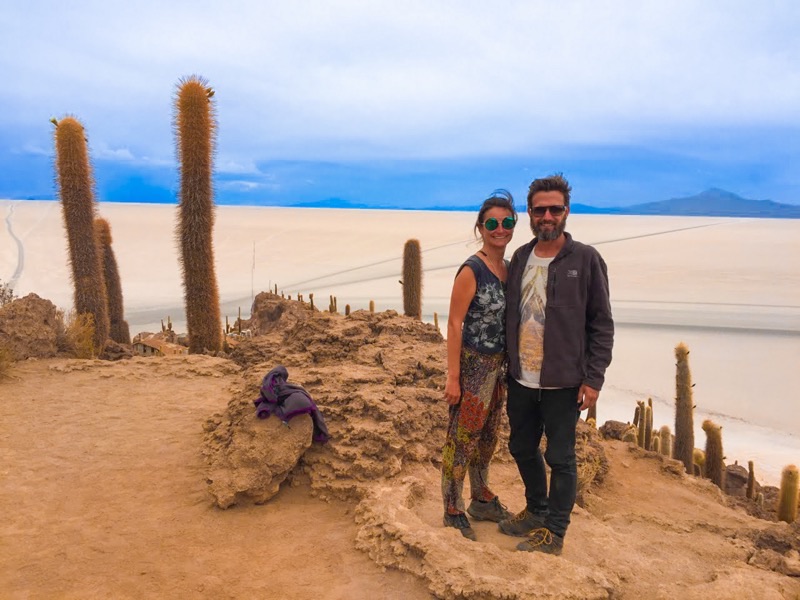
Bolivia is a top pick for budget travelers in South America. A hostel bed in La Paz or Sucre can be found for 70-100 BOB (around $10-15 USD), while a basic lunch often costs 20-35 BOB ($3-5 USD). Intercity bus travel between major cities like La Paz and Uyuni averages 80-150 BOB ($12-22 USD). Even multi-day tours, like the three-day Salar de Uyuni trip, typically run 800-1200 BOB ($115-175 USD), including food and basic lodging. This destination allows for extensive travel without rapidly draining funds, making it suitable for long-term backpackers or those with limited spending capacity. Groceries are cheap, and street food provides excellent value.
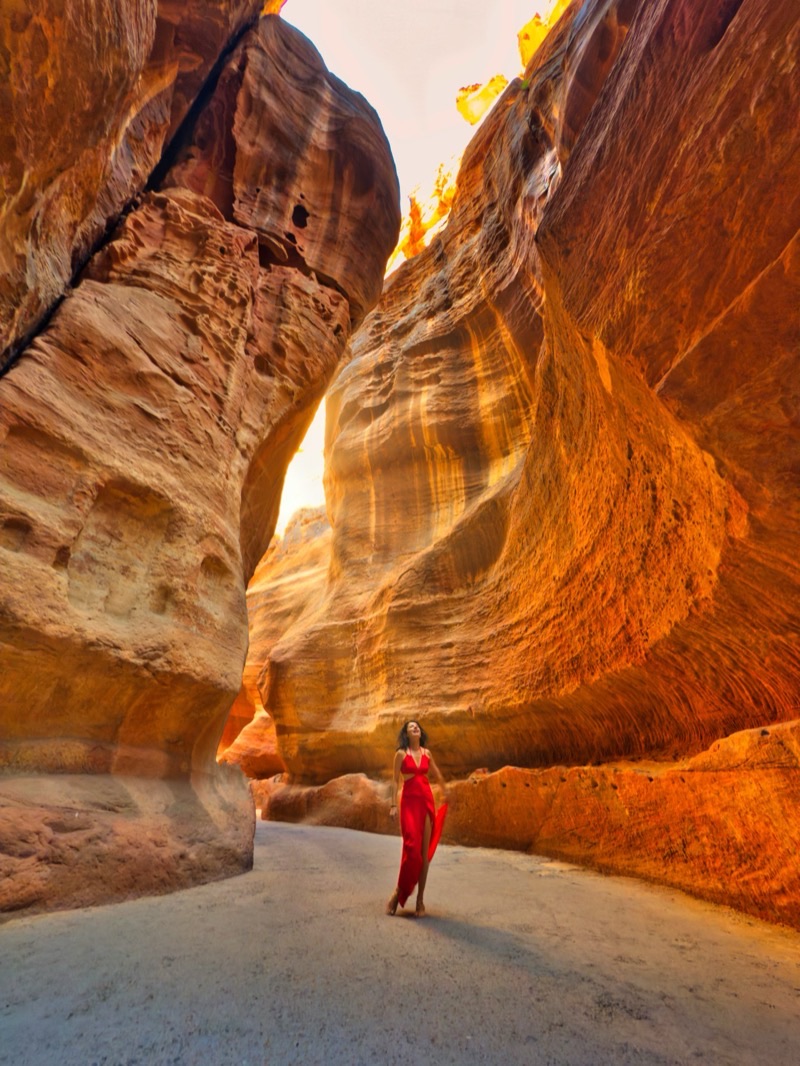
Jordan presents a different financial picture. A hostel bed in Amman often starts at 15-25 JOD ($21-35 USD), and a simple meal at a local restaurant like Hashem Restaurant can be 5-10 JOD ($7-14 USD). The main cost driver is entry fees: Petra is 50 JOD ($70 USD) for a one-day pass, or 75 JOD ($106 USD) for a two-day pass without the Jordan Pass. The Jordan Pass, which includes Petra and visa fees for many nationalities, is 70-80 JOD ($99-113 USD). A Wadi Rum jeep tour, often a half or full day, costs 50-70 JOD ($70-99 USD) per vehicle. Public transport outside Amman is less developed, making taxis or organized tours more common and pricier. For travelers prioritizing saving money, Bolivia offers substantially more mileage for each dollar.
- Winner: Bolivia
- Why: Bolivia offers a dramatically lower cost of travel across all categories, allowing budgets to stretch much further.
- Who this matters for: Backpackers, long-term travelers, and anyone prioritizing budget above comfort.
⛰️ Nature & Landscapes
Bolivia presents an extreme range of natural environments. The Salar de Uyuni is its most iconic landscape, a vast white expanse punctuated by 'islands' of cacti and mirror-like…
Bolivia
Jordan
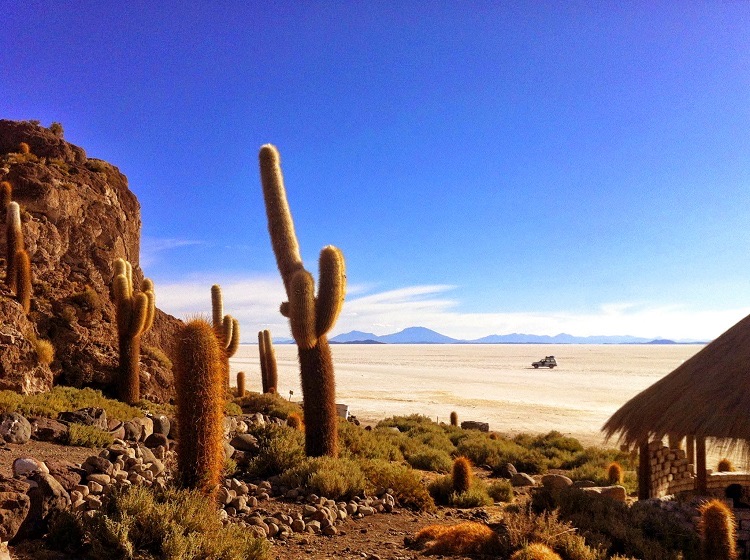
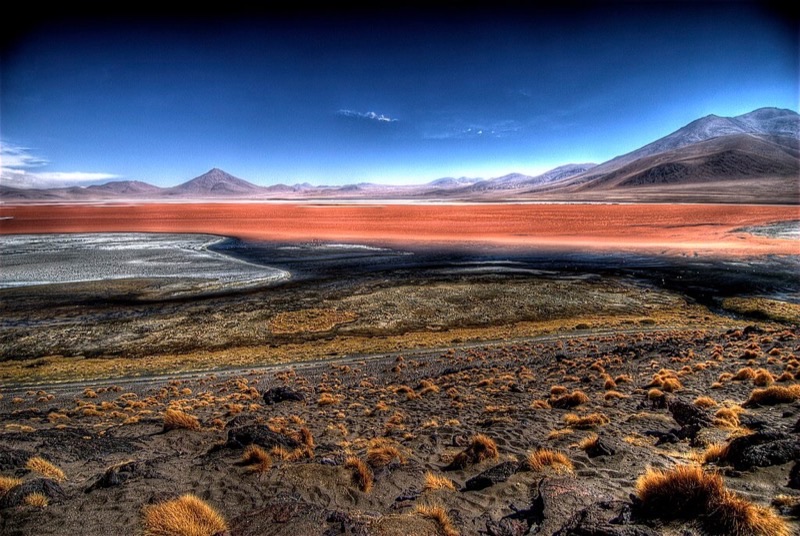
Bolivia presents an extreme range of natural environments. The Salar de Uyuni is its most iconic landscape, a vast white expanse punctuated by 'islands' of cacti and mirror-like reflections during the wet season. The Andes mountains offer climbing opportunities for peaks like Huayna Potosí (6088m), and trekking in areas like the Cordillera Real. Further east, the Amazon basin near Rurrenabaque provides jungle and pampas tours with opportunities to see wildlife such as capybaras, caimans, and monkeys. The Laguna Colorada, a red-hued lake populated by flamingos, is another visual standout in the southwest. These areas are generally untouched, requiring basic infrastructure and often multi-day trips to reach.
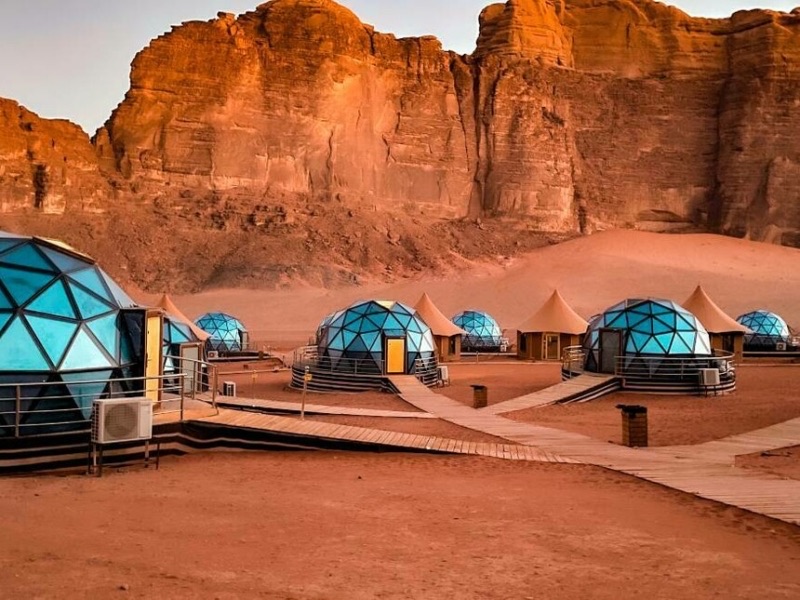
Jordan's natural appeal centers on its desert environments. Wadi Rum, the 'Valley of the Moon,' is a dramatic landscape of sandstone mountains and red dunes, explored via jeep safaris or camel treks, with options for overnight stays in Bedouin camps. The Dead Sea, a hypersaline lake, offers the distinct experience of floating effortlessly due to its high mineral content. Dana Biosphere Reserve presents hiking trails through canyons and mountains, offering ecological diversity. While impressive, Jordan's natural areas are primarily arid, and their overall variety is less extreme than Bolivia's. For travelers seeking raw, diverse, and often challenging encounters with wild nature, Bolivia provides a broader spectrum of experiences.
- Winner: Bolivia
- Why: Bolivia offers a wider and more extreme array of natural environments, from high-altitude salt flats and mountains to Amazon jungle.
- Who this matters for: Adventure seekers, photographers, and those who prioritize diverse ecological experiences.
🏛️ Culture & History
Bolivia's cultural landscape is dominated by its indigenous heritage, particularly the Aymara and Quechua peoples. This is evident in the traditional clothing worn by cholitas in…
Bolivia
Jordan
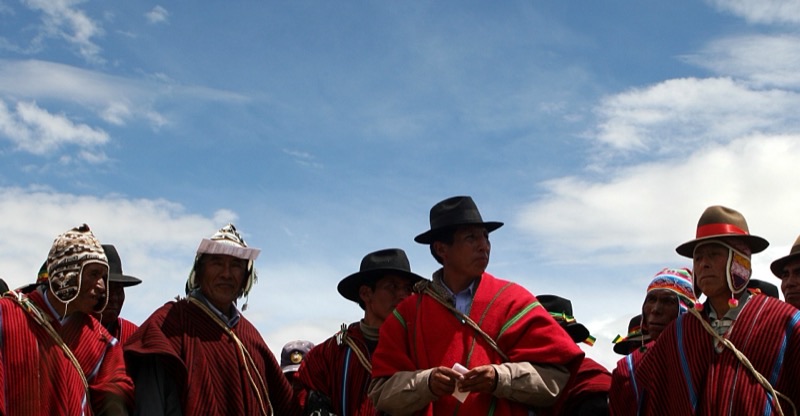
Bolivia's cultural landscape is dominated by its indigenous heritage, particularly the Aymara and Quechua peoples. This is evident in the traditional clothing worn by cholitas in La Paz, the bustling Witches Market, and the deeply ingrained spiritual practices. Colonial history is visible in the architecture of Sucre, a UNESCO site, and Potosí, with its Cerro Rico silver mines. Pre-Columbian history is represented by the Tiahuanaco ruins, an important archaeological site near Lake Titicaca. The country offers a tangible sense of living history, where ancient traditions blend with contemporary life, albeit with less monumental preservation than Jordan. Cultural immersion often involves local interactions and observing daily life.
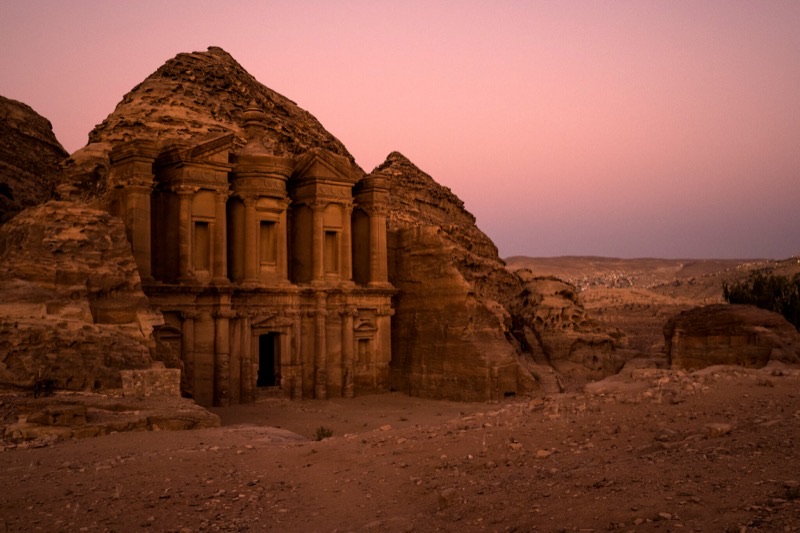
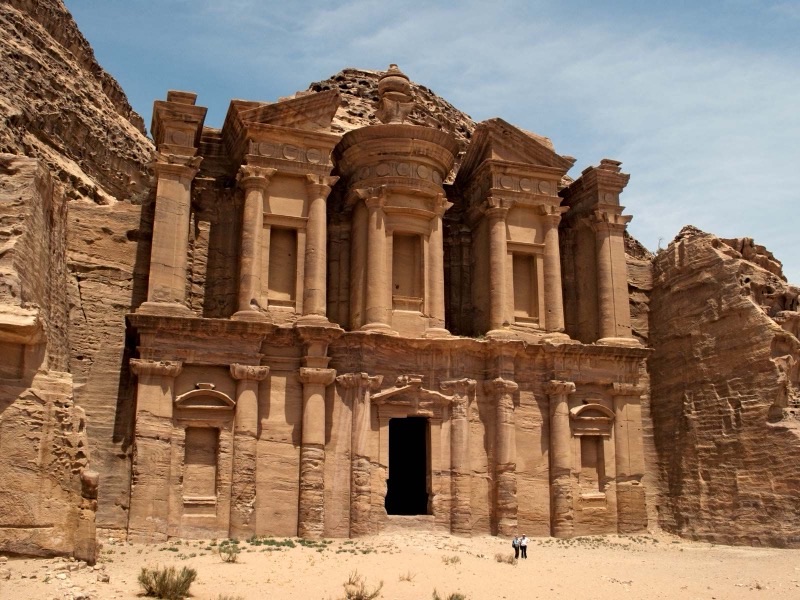
Jordan excels in presenting preserved ancient history on a grand scale. Petra, the Nabataean 'rose city,' is an archaeological wonder with its rock-cut architecture, notably Al-Khazneh (The Treasury) and Ad Deir (The Monastery). Jerash boasts some of the best-preserved Roman ruins outside Italy, including a grand Oval Plaza and Roman theaters. Lesser-known sites like Umm Qais (ancient Gadara) and Ajloun Castle offer further historical exploration. The Bedouin culture in Wadi Rum provides a living, if somewhat commercialized, experience of desert traditions. Jordan's historical sites are generally well-preserved and equipped for tourism, making them highly accessible and impactful. For travelers whose primary interest lies in exploring magnificent ancient civilizations, Jordan provides a more focused and historically preserved journey.
- Winner: Jordan
- Why: Jordan's historical sites, particularly Petra and Jerash, are exceptionally well-preserved and globally renowned for their scale and grandeur.
- Who this matters for: History buffs, archaeology enthusiasts, and those seeking iconic ancient architectural marvels.
🍲 Food Scene
Bolivian cuisine is generally robust and designed for sustenance, often featuring potatoes, corn, and various meats. Staples include salteñas (savory baked pastries with meat and…

Bolivia
Jordan
Bolivian cuisine is generally robust and designed for sustenance, often featuring potatoes, corn, and various meats. Staples include salteñas (savory baked pastries with meat and vegetables), anticuchos (grilled beef heart skewers), and piques a lo macho (a large platter of beef, sausage, fries, and eggs). Vegetarian options can be scarce outside of larger cities like La Paz or Santa Cruz. Dining out at a local 'comedor' for a set lunch (almuerzo) is a common and affordable experience, typically costing 15-25 BOB ($2-4 USD). While not known for its gastronomic innovation, Bolivian food provides fuel for adventure and a taste of local life. The flavors are straightforward and comforting.
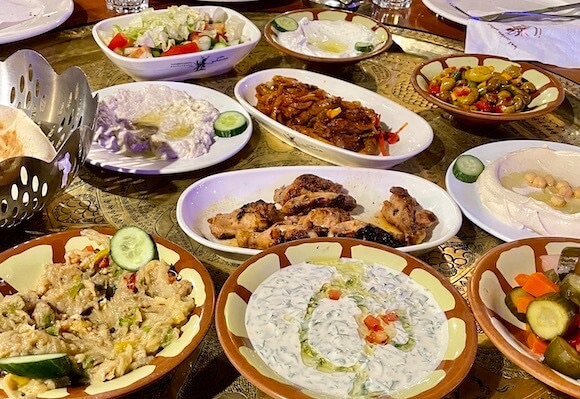
Jordanian food is a highlight of any trip, deeply rooted in Levantine tradition. Mezze platters are common, featuring hummus, baba ghanoush, labneh, and various salads like tabbouleh and fattoush. Mansaf, the national dish, is a rich lamb stew cooked in fermented dried yogurt sauce and served with rice. Shawarma is widely available and delicious. Sweet treats like knafeh (a cheese pastry soaked in syrup) are popular. Restaurants like Hashem Restaurant in Amman are famous for their authentic, affordable meals, costing 5-10 JOD ($7-14 USD). Vegetarian options are plentiful and flavorful, with many dishes centered around legumes and vegetables. The overall quality, variety, and accessibility of delicious food make Jordan a standout for culinary exploration, offering a more refined and diverse taste experience.
- Winner: Jordan
- Why: Jordanian cuisine offers greater variety, more refined flavors, and better options for diverse dietary preferences, with many highly regarded dishes.
- Who this matters for: Foodies, those with dietary restrictions (especially vegetarians), and travelers who prioritize culinary exploration.
🛌 Accommodation
Accommodation in Bolivia leans heavily towards the functional and budget-conscious. Hostels in La Paz like Wild Rover or Loki Hostel offer dormitory beds for 70-100 BOB ($10-15…
Bolivia

Jordan
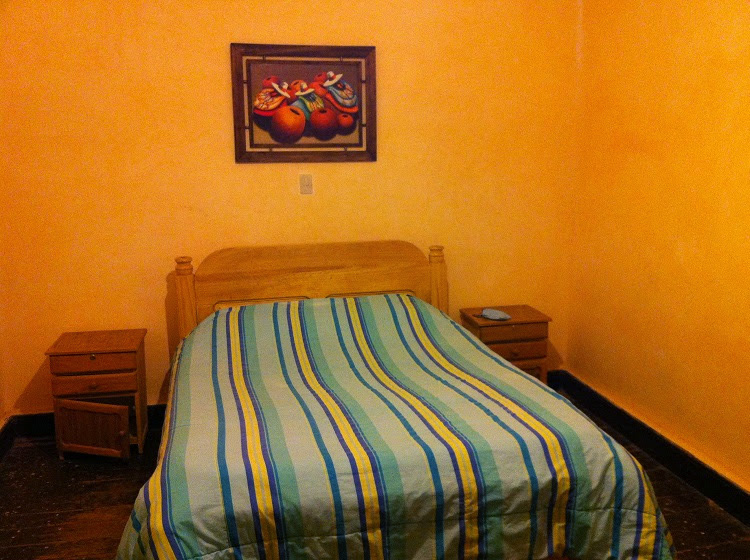
Accommodation in Bolivia leans heavily towards the functional and budget-conscious. Hostels in La Paz like Wild Rover or Loki Hostel offer dormitory beds for 70-100 BOB ($10-15 USD) with social atmospheres. Private rooms in basic guesthouses can be found for 150-250 BOB ($22-35 USD). While comfortable enough, amenities often remain minimal. Hot water can be inconsistent, especially in smaller towns or at higher altitudes. During multi-day tours, particularly to the Salar de Uyuni, lodging is very rustic, sometimes without heating or private bathrooms, reflecting the remote nature of the region. For travelers accustomed to basic comforts, Bolivia offers good value for money but rarely provides luxury.
Jordan offers a more developed and comfortable range of accommodation. Hostels in Amman or Aqaba typically cost 15-25 JOD ($21-35 USD) for a dorm bed. Mid-range hotels in Amman are available for 50-100 JOD ($70-140 USD). A highlight in Jordan is the opportunity to stay in Bedouin camps in Wadi Rum, which range from basic tents to more luxurious glamping options with private bathrooms, costing anywhere from 30-200 JOD ($42-280 USD) per night. This provides a distinct desert experience. Even in Petra, there are hotels catering to various budgets, including comfortable options for those wanting to be close to the site entrance. Jordan generally provides a higher standard of comfort and a wider selection of lodging styles, including unique experiences like desert glamping.
- Winner: Jordan
- Why: Jordan provides a wider range of accommodation choices, generally higher standards of comfort, and distinct experiences like desert glamping.
- Who this matters for: Travelers who prioritize comfort, unique lodging experiences, and more developed tourist infrastructure.
🚌 Getting Around
Traveling around Bolivia largely relies on its extensive, albeit sometimes challenging, bus network. Long-distance buses connect most major cities, with journeys like La Paz to…
Traveling around Bolivia largely relies on its extensive, albeit sometimes challenging, bus network. Long-distance buses connect most major cities, with journeys like La Paz to Sucre taking 10-12 hours and costing 80-120 BOB ($12-18 USD). Night buses are common. Roads, especially in mountainous or remote areas, can be unpaved or poorly maintained, making for bumpy and slow rides. 'Collectivos' (shared taxis) are used for shorter distances. Internal flights on airlines like BOA or Amaszonas offer faster but more expensive alternatives between major hubs, e.g., La Paz to Santa Cruz might cost 350-600 BOB ($50-85 USD). While cheap, Bolivian transport requires patience and a tolerance for varying safety standards. It feels more authentic but less efficient.
Jordan's transport system is generally more efficient and comfortable. JETT buses provide reliable, air-conditioned connections between main tourist centers like Amman, Petra, and Aqaba, with a trip from Amman to Petra costing around 10-15 JOD ($14-21 USD). For flexibility, renting a car is a popular option, with well-maintained roads and clear signage. This allows for independent exploration of sites like the Dead Sea or Wadi Rum. Taxis are readily available in cities, and ride-sharing apps like Careem operate in Amman. Within Wadi Rum, specific jeep tours are the only way to explore the desert. While more expensive than Bolivia, Jordan's transport is more comfortable and less time-consuming, making it a better experience for those who value convenience and efficiency.
- Winner: Jordan
- Why: Jordan offers more comfortable, efficient, and well-maintained transport options, including reliable bus services and good roads for rental cars.
- Who this matters for: Travelers prioritizing comfort, efficiency, and independent exploration via rental car.
🚨 Safety & Logistics
Bolivia presents a few logistical and safety challenges. Petty crime, such as pickpocketing, is common in crowded areas like markets and bus terminals in La Paz or Santa Cruz.…
Bolivia presents a few logistical and safety challenges. Petty crime, such as pickpocketing, is common in crowded areas like markets and bus terminals in La Paz or Santa Cruz. Road safety can be a concern, with bus accidents occasionally reported due to poor road conditions or reckless driving. Altitude sickness (soroche) is a significant factor for travelers arriving in high-altitude cities like La Paz (3,640m) or Potosí (4,090m); acclimatization is crucial. English is not widely spoken outside of major tourist-focused establishments, making basic Spanish skills highly beneficial. Navigating requires a degree of street smarts and self-reliance, and independent travel often means adapting to local, sometimes chaotic, ways of doing things.
Jordan is generally considered a very safe destination for tourists. Crime rates are low, and the main tourist areas like Petra and Wadi Rum are well-managed and secure. While it shares borders with politically unstable regions, tourist zones are far from these areas, and the country maintains a stable internal environment. The Jordanian authorities are diligent about tourist safety. English is commonly spoken in hotels, tourist sites, and by tour guides, making communication easier for many travelers. While always prudent to be aware of surroundings, especially in crowded souqs, the overall experience is one of welcome and security. For travelers concerned about ease of navigation and a lower perceived risk, Jordan provides a more relaxed environment.
- Winner: Jordan
- Why: Jordan offers a generally more secure and less challenging environment for travelers, with lower crime rates and better tourist infrastructure.
- Who this matters for: Solo female travelers, first-time international travelers, and those prioritizing a secure and hassle-free trip.
🚶♀️ Solo Travel Suitability
Bolivia is a popular destination for solo backpackers, particularly those on a longer South American journey. Hostels in La Paz and Sucre are excellent for meeting fellow…
Bolivia is a popular destination for solo backpackers, particularly those on a longer South American journey. Hostels in La Paz and Sucre are excellent for meeting fellow travelers, forming groups for tours, and sharing experiences. However, solo travel here requires a higher degree of self-reliance. Language can be a significant barrier without basic Spanish, making independent navigation and local interactions more difficult. Safety awareness, particularly regarding petty theft and bus travel, is crucial. While rewarding, solo travel in Bolivia often means being more on guard and managing logistics independently, which can be part of the adventure for experienced travelers but a challenge for novices. It is a place where you will find many other solo travelers doing the same thing.
Jordan is exceptionally welcoming to solo travelers, both male and female. The local hospitality is prominent, and many tour operators cater to individuals, making it easy to join groups for Petra, Wadi Rum, or Dead Sea excursions. English is widely spoken in tourist areas and by guides, reducing communication hurdles. While generally safe, solo female travelers should still dress modestly out of respect for local customs. The main drawback for solo travelers can be the higher costs, as single supplements for tours or accommodation can add up. Despite this, the ease of navigation, friendly locals, and the ability to join organized activities without much prior planning make Jordan a more comfortable and less logistically complex choice for solo adventurers seeking historical immersion without significant safety concerns or language barriers.
- Winner: Jordan
- Why: Jordan is generally more straightforward and safer for solo travelers, with strong local hospitality and widespread English in tourist zones.
- Who this matters for: First-time solo travelers, solo female travelers, and those who prefer less logistical complexity.
✈️ Getting There (Flights)
Getting to Bolivia typically involves significant travel time and multiple connections for most international travelers. From major North American hubs like New York or Los…
Getting to Bolivia typically involves significant travel time and multiple connections for most international travelers. From major North American hubs like New York or Los Angeles, flights to La Paz (LPB) or Santa Cruz (VVI) usually take 15-20+ hours, often with two layovers in cities like Bogotá, Lima, or Miami. Fares generally range from $900-1400 USD. From European cities like Madrid or London, flights also average 12-18 hours with at least one stop, costing $700-1100 USD. There are no direct long-haul flights from North America or Europe, making the journey an endurance test regardless of your starting point. Booking well in advance is advisable to secure better prices and preferred routes.
Accessing Jordan also involves considerable travel, though it varies significantly by origin. From North American cities, flights to Amman (AMM) are similarly long, usually 15-20+ hours with one or two stops, often via Europe or the Gulf states, with fares ranging from $800-1200 USD. However, for European travelers, Jordan is considerably more accessible. Direct flights from major European cities like London, Rome, or Frankfurt can be as short as 4-6 hours, with budget airlines offering fares from $200-500 USD, making it a viable short-haul trip. While North American travelers face similar long-haul journeys to both, the excellent connections and short flight times from Europe give Jordan an advantage for a significant portion of international tourists. However, considering the overall global traveler base, the flight times and costs from major Western markets are comparable.
- Winner: Tie
- Why: Both destinations require long-haul flights for many international travelers, with similar duration and cost from North America.
- Who this matters for: Travelers coming from North America who face equally long journeys, or those from Europe who find Jordan significantly more accessible.
🧗 Activities & Adventure
Bolivia is a playground for serious adventure seekers. The most famous activity is mountain biking the 'Death Road' (Yungas Road), a thrilling descent from high altitude.…
Bolivia is a playground for serious adventure seekers. The most famous activity is mountain biking the 'Death Road' (Yungas Road), a thrilling descent from high altitude. High-altitude trekking in the Andes, including multi-day climbs up peaks like Huayna Potosí or treks in the Cordillera Real, attracts experienced hikers. Amazon jungle and pampas tours from Rurrenabaque offer wildlife viewing and river excursions. The multi-day Salar de Uyuni tour combines extraordinary landscapes with off-road adventure. For those seeking unique, sometimes physically demanding, and often raw experiences in nature, Bolivia delivers in abundance. These activities are usually budget-friendly and cater to a backpacker crowd who enjoy getting off the paved road.
Jordan offers a different set of compelling activities, primarily centered around its historical and desert landscapes. The main attraction is exploring the ancient city of Petra, which can involve extensive walking and hiking to sites like The Monastery. Wadi Rum provides opportunities for jeep tours, camel rides, and overnight stays in Bedouin camps, offering a distinct desert experience. Floating in the Dead Sea is a unique and relaxing activity. In Aqaba, on the Red Sea, snorkeling and diving reveal coral reefs. While certainly engaging, Jordan's adventures are generally less physically extreme and more focused on exploration of its iconic sites rather than high-octane adrenaline sports. For travelers seeking intense, physically challenging, and often remote outdoor adventures, Bolivia provides more options.
- Winner: Bolivia
- Why: Bolivia offers a wider array of physically demanding and high-adrenaline adventure activities, from extreme biking to high-altitude mountaineering.
- Who this matters for: Adrenaline junkies, experienced trekkers, and those who prioritize challenging outdoor activities.
🎯 The Decision Framework
Choose Bolivia If…
- You want to explore the world's largest salt flat, Salar de Uyuni.
- You seek high-altitude trekking and mountaineering in the Andes.
- Your budget is tight, aiming for $30-80 USD per day.
- You are interested in deep immersion with indigenous Andean cultures.
- You enjoy challenging travel that offers raw, unfiltered experiences.
- You want to ride down the famous 'Death Road' on a mountain bike.
- You are comfortable with basic amenities and slower travel pace.
- You want to venture into the Amazon basin on a budget.
Choose Jordan If…
- You want to explore the ancient city of Petra and its rock-cut architecture.
- You dream of a desert safari and overnight stay in Wadi Rum.
- You want to float in the mineral-rich waters of the Dead Sea.
- Your budget allows for $70-150 USD per day.
- You are keen on exploring well-preserved Roman ruins like Jerash.
- You prefer generally safer travel with better tourist infrastructure.
- You want to experience Levantine cuisine and Middle Eastern hospitality.
- You are comfortable renting a car for independent exploration.
📅 Sample Itineraries
Weekend in Bolivia (3 Days)
💡 To save money on transport in La Paz, utilize the Teleférico system; it's efficient and offers scenic views for less than $1 per trip.
Weekend in Jordan (3 Days)
💡 Purchase the Jordan Pass before arrival; it includes your visa fee and entry to over 40 attractions, including Petra, saving you money and time.
One Week in Bolivia (7 Days)
💡 When booking the Uyuni Salt Flats tour, choose a reputable operator even if it costs slightly more, as safety standards can vary significantly. Budget an extra $10-20 for park entry fees.
One Week in Jordan (7 Days)
💡 Haggling is expected in markets, especially in Amman and around Petra. Aim for 20-30% off the initial asking price for souvenirs or non-fixed price items.
❓ Frequently Asked Questions
What are the main altitude considerations for Bolivia?
Bolivia has many high-altitude areas like La Paz (3,640m) and Potosí (4,090m). Travelers often experience altitude sickness. It is recommended to spend at least 2-3 days acclimatizing upon arrival, drink plenty of water, and avoid strenuous activity immediately. Coca leaves or pills can help manage symptoms.
Is the Jordan Pass worth it for visitors?
Yes, for most visitors staying 3 nights or more, the Jordan Pass is highly recommended. It includes entry to over 40 attractions, including Petra, Jerash, and Wadi Rum, and waives the visa fee (40 JOD/$56 USD) for eligible nationalities. A 1-day Petra pass plus visa already exceeds the pass cost of 70-80 JOD ($99-113 USD).
How safe is solo female travel in Bolivia versus Jordan?
Jordan is generally considered safer for solo female travelers, with a lower crime rate and a welcoming culture. Modest dress is advised. Bolivia requires more vigilance due to higher petty crime rates and less developed infrastructure. Basic Spanish skills are more critical in Bolivia for solo navigation.
What is the best way to get from Amman to Petra?
The most common and reliable way is via JETT bus, which costs about 10-15 JOD ($14-21 USD) and takes approximately 3-4 hours. Alternatively, you can rent a car for flexibility or hire a private taxi, which will be significantly more expensive (around 70-90 JOD/$99-127 USD one-way).
Can I visit the Amazon rainforest from Bolivia?
Yes, you can. Rurrenabaque in northern Bolivia is a gateway to both the Madidi National Park (jungle tours) and the Beni Biological Station (pampas tours). Multi-day tours typically last 3-4 days and cost 1200-2000 BOB ($175-290 USD), offering opportunities to see capybaras, monkeys, and caimans.
What are the visa requirements for US citizens for both countries?
For Bolivia, US citizens can obtain a visa on arrival at major entry points for approximately $160 USD, valid for 90 days. For Jordan, US citizens can obtain a visa on arrival for 40 JOD ($56 USD) or purchase the Jordan Pass in advance, which includes the visa fee if staying at least 3 nights.
How much Spanish is needed for Bolivia?
Basic conversational Spanish is highly recommended for travel in Bolivia. While some tour operators and hotels in major tourist hubs may have English-speaking staff, outside these areas, English is rarely spoken. Knowing phrases for directions, ordering food, and bus tickets will greatly enhance your experience.
What are the driving conditions like in Jordan?
Driving in Jordan is generally straightforward with good road conditions, especially on major routes connecting cities and tourist sites. Signage is often in both Arabic and English. Driving in Amman can be chaotic, but outside the capital, it is relatively calm. A 4x4 is not necessary unless venturing off-road in specific desert areas.
Ready to plan your South American or Middle Eastern trip?
Get a free custom itinerary for Bolivia, Jordan, or both — built from real traveler insights.
👥 Travelers Also Compared
🎟️ Book Tours & Experiences
Hand-picked tours and activities for both destinations — book with free cancellation
Experiences via Viator — free cancellation on most tours