How we built this comparison
This page combines traveler discussion patterns, published price ranges, flight schedules, and seasonal data to help you decide between Bolivia and Uruguay.
- Reviewed 50+ Reddit threads from r/travel, r/solotravel, r/Bolivia, r/Uruguay, and r/SouthAmerica.
- Verified costs and logistics against current booking platforms like Booking.com, Skyscanner, and local bus sites.
- Cross-referenced seasonal patterns and weather data from meteorological sources.
⚡ Quick Answers
⚡ The TL;DR Verdict
For most budget-conscious adventurers seeking deep cultural experiences and dramatic landscapes, Bolivia is the clear winner. Uruguay provides a laid-back, European-influenced escape for those prioritizing comfort and coastal relaxation with a higher daily spend, typically $80-120 per day compared to Bolivas $35-65.
- Choose Bolivia: Pick Bolivia if you are a backpacker, an altitude enthusiast, a culture seeker interested in indigenous traditions, or someone who wants big adventure on a modest budget.
- Choose Uruguay: Choose Uruguay for a relaxed beach holiday, a taste of sophisticated South American life, excellent food, or if you are comfortable with a higher travel budget.
- Choose Both: Travel both if you have at least a month in South America and want to experience both the Andean interior and Atlantic coast. Combine with Peru or Argentina for logical overland routes.
Choose Bolivia
Choose Bolivia if you're a budget-conscious adventurer seeking profound cultural immersion and jaw-dropping landscapes. This destination is best for backpackers and photographers eager to explore the otherworldly Uyuni Salt Flats, trek the majestic Andes, or delve into vibrant indigenous markets in La Paz and Sucre, offering immense experiences for minimal spend.
Choose Uruguay
Opt for Uruguay if you desire a relaxed, European-influenced escape with a higher budget for comfort and gastronomy. Best for travelers who appreciate sophisticated city life in Montevideo, pristine beaches in Punta del Este, or the charming historic streets of Colonia del Sacramento, complete with excellent wine and culinary experiences.
📊 Visual Scorecard
🌤 When to Visit
Average high temperatures (°C). Green = best months, orange = avoid.
Quick Comparison
| Category | Bolivia | Uruguay | Winner |
|---|---|---|---|
| Costs & Budget | One of South Americas most affordable countries, offering budget-friendly travel across all categories. | South Americas most expensive country, with prices comparable to Western Europe or the USA. | Bolivia |
| Nature & Landscapes | Extreme altitude, salt flats, Andes mountains, Amazon jungle, Lake Titicaca, a diverse range of dramatic natural features. | Coastal beaches, rolling hills, plains, and wetlands dominate the landscape, with a focus on Atlantic shoreline. | Bolivia |
| Culture & History | Deep indigenous roots, colonial history, Aymara and Quechua traditions, vibrant markets, high-altitude cities. | European influence, strong gaucho traditions, colonial towns, and a laid-back, sophisticated South American culture. | Bolivia |
| Food & Drink | Hearty, simple Andean cuisine; salteñas, soups, grilled meats; less vegetarian options. | Excellent beef, pasta, pizza, chivitos; strong European culinary influence; good wine and craft beer scene. | Uruguay |
| Safety & Health | Higher rates of petty crime, altitude sickness risk, varying road safety, need for caution. | Generally very safe, low crime rates, good healthcare, relaxed atmosphere. | Uruguay |
| Getting Around | Buses are primary transport, often slow and basic; domestic flights for speed; cable cars in La Paz. | Efficient bus network connects major towns; car rental is an option; compact cities are walkable. | Uruguay |
| Accommodation | Budget hostels and guesthouses are prevalent; basic amenities; limited luxury options. | Wide range from hostels to luxury hotels; strong presence of boutique guesthouses and Airbnb rentals. | Uruguay |
| Beaches & Relaxation | No oceanic coastline; Lake Titicaca offers lakeside relaxation, but no traditional beaches. | Extensive Atlantic coastline with popular beach towns like Punta del Este, Jose Ignacio, and La Pedrera. | Uruguay |
| Nightlife | Decent options in La Paz and Santa Cruz, mostly local bars and some clubs, less outside major cities. | Lively in Montevideo, especially Ciudad Vieja and Pocitos; Punta del Este offers high-energy clubs in summer. | Uruguay |
| Getting There | Flights to La Paz (LPB) or Santa Cruz (VVI) from North America usually involve 1-2 stops, 10-15+ hours. | Flights to Montevideo (MVD) from North America also typically 1-2 stops, 10-14+ hours. | Tie |
💰 Costs & Budget
Bolivia offers truly budget-friendly travel. A hostel bed in La Paz or Sucre might cost BOB 70-100 ($10-15 USD). Street food like salteñas is BOB 5-8 ($0.70-1.20 USD). A sit-down…
Bolivia
Uruguay
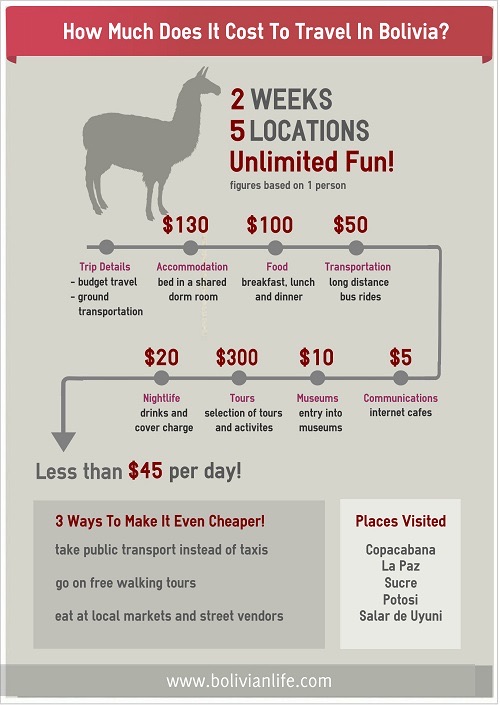
Bolivia offers truly budget-friendly travel. A hostel bed in La Paz or Sucre might cost BOB 70-100 ($10-15 USD). Street food like salteñas is BOB 5-8 ($0.70-1.20 USD). A sit-down meal at a local comedor is BOB 20-35 ($3-5 USD). Overnight buses are common and cheap, for example La Paz to Uyuni is BOB 100-150 ($15-22 USD). Activities like a 3-day Salar de Uyuni tour average BOB 700-1000 ($100-145 USD). A daily budget of $35-50 USD is comfortable for a backpacker. Expect to pay around $60-90 USD per day for mid-range travel, including private rooms and nicer meals.
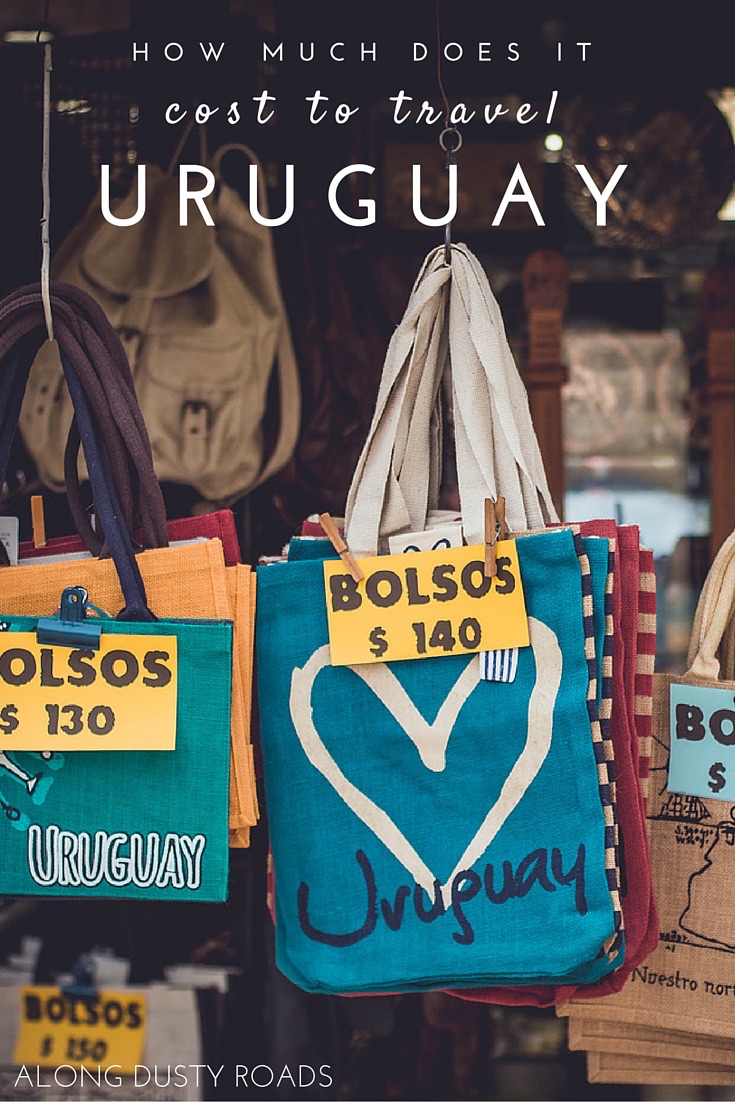
Uruguay is significantly more expensive. A hostel bed in Montevideo or Colonia del Sacramento can be UYU 800-1200 ($20-30 USD). A basic restaurant meal costs UYU 600-1000 ($15-25 USD), while a chivito sandwich is UYU 400-600 ($10-15 USD). Intercity buses are efficient but costly; Montevideo to Colonia is UYU 400-550 ($10-14 USD). Activities like exploring museums or taking a ferry can add up quickly. A budget traveler should plan on $60-90 USD per day, while mid-range travelers often spend $100-150 USD daily. Groceries are also costly, so cooking your own meals helps. For your money, Bolivia wins on pure cost savings by a landslide.
- Winner: Bolivia
- Why: Bolivia consistently provides travel experiences at a fraction of Uruguays cost, making it ideal for budget travelers.
- Who this matters for: Backpackers, long-term travelers, anyone prioritizing affordability above all else.
🏞️ Nature & Landscapes
Bolivia offers a collection of extreme and varied natural landscapes. The Salar de Uyuni, the worlds largest salt flat, provides a surreal, alien environment that attracts…
Bolivia
Uruguay
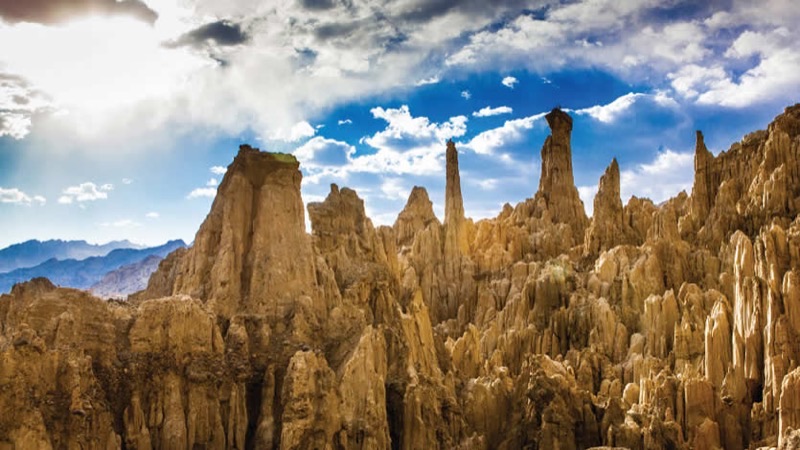
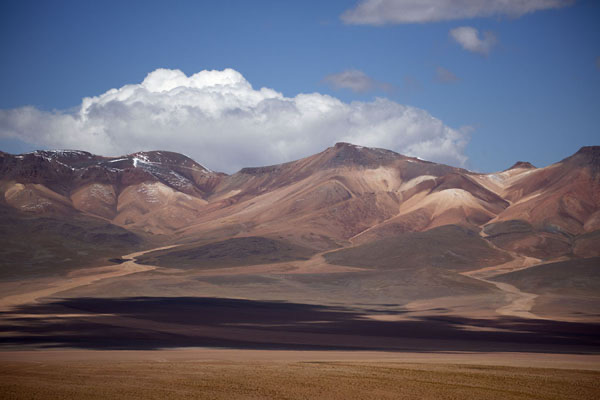
Bolivia offers a collection of extreme and varied natural landscapes. The Salar de Uyuni, the worlds largest salt flat, provides a surreal, alien environment that attracts visitors globally. The Andes mountains dominate much of the country, with peaks like Huayna Potosi offering high-altitude trekking. Lake Titicaca, shared with Peru, is the highest navigable lake globally. The country also includes sections of the Amazon rainforest, accessible via Rurrenabaque, where you can find wildlife such as caimans, monkeys, and anacondas. The Eduardo Avaroa Andean Fauna National Reserve showcases colored lagoons and geysers. The sheer scale and variety of Bolivas natural settings are unparalleled in South America.
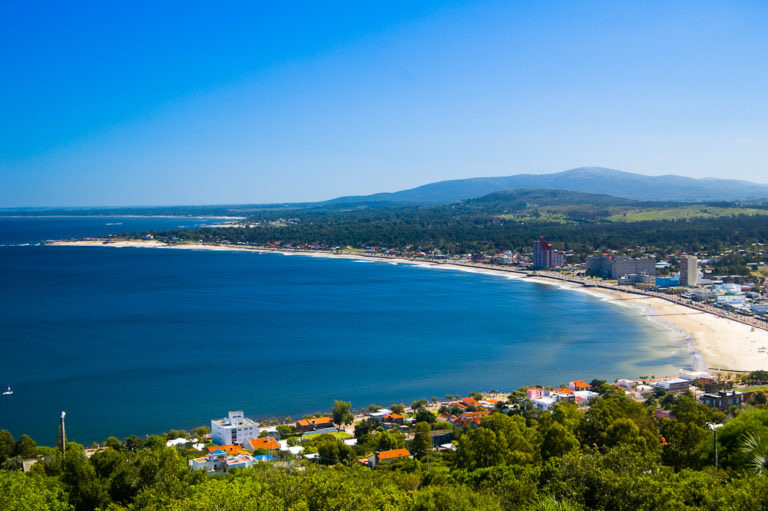
Uruguays natural landscapes are gentler and centered on its Atlantic coast. Punta del Este is famous for its beaches like Playa Brava and Playa Mansa, attracting sun-seekers. Cabo Polonio is a remote, protected coastal village with dunes and sea lions. Inland, the country features rolling grasslands (pampas) and wetlands, particularly along the Rio Uruguay. While pleasant for relaxation and coastal activities, Uruguay does not possess the dramatic geological features or extreme ecosystems found in Bolivia. For those seeking diverse, dramatic, and adventurous natural settings, Bolivia is the clear choice.
- Winner: Bolivia
- Why: Bolivia presents a much wider array of extreme, diverse, and spectacular natural environments, from salt flats to high Andes and Amazon jungle.
- Who this matters for: Adventure seekers, photographers, hikers, and those looking for unique geographical formations.
🗿 Culture & History
Bolivias culture is deeply rooted in its indigenous heritage, with a significant portion of its population identifying as Aymara or Quechua. This is evident in everyday life, from…
Bolivia

Uruguay
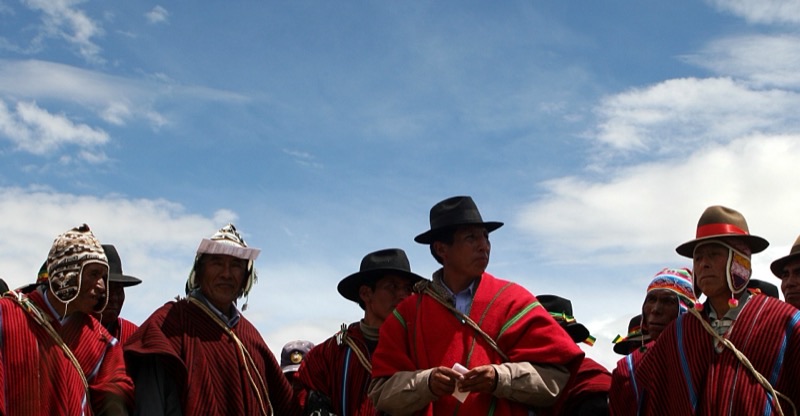
Bolivias culture is deeply rooted in its indigenous heritage, with a significant portion of its population identifying as Aymara or Quechua. This is evident in everyday life, from the traditional dress seen in La Pazs Witches Market to the language spoken in rural areas. Colonial history is visible in cities like Sucre, a UNESCO site, and Potosi, known for its silver mines and complex past. Ancient ruins like Tiwanaku offer insights into pre-Columbian civilizations. The cultural experience in Bolivia is raw, immersive, and often confronts visitors with a different way of life, including rituals, beliefs, and a strong sense of community that have persevered through centuries. Festivals are frequent and colorful.
Uruguay has a culture largely shaped by European immigration, primarily from Italy and Spain. Its historical sites, such as the Barrio Historico in Colonia del Sacramento, a UNESCO site, reflect its colonial past with charming cobblestone streets and architecture. Montevideo offers museums and theaters, showcasing its literary and artistic contributions. Gaucho traditions are present in the countryside, particularly in areas like Tacuarembo, with strong ties to cattle ranching and horsemanship. However, the indigenous presence is far less visible than in Bolivia. While refined and pleasant, Uruguays cultural landscape is less distinct and less challenging than Bolivas. Bolivia wins for depth and indigenous cultural immersion.
- Winner: Bolivia
- Why: Bolivia offers a more profound and accessible indigenous cultural experience, coupled with a compelling colonial history.
- Who this matters for: Anthropology enthusiasts, history buffs, travelers seeking deep cultural immersion.
🍽️ Food & Drink
Bolivian cuisine is generally hearty and carbohydrate-heavy, designed to sustain workers in high altitudes. Staples include potatoes, corn, quinoa, and various meats. Salteñas,…
Bolivia

Uruguay
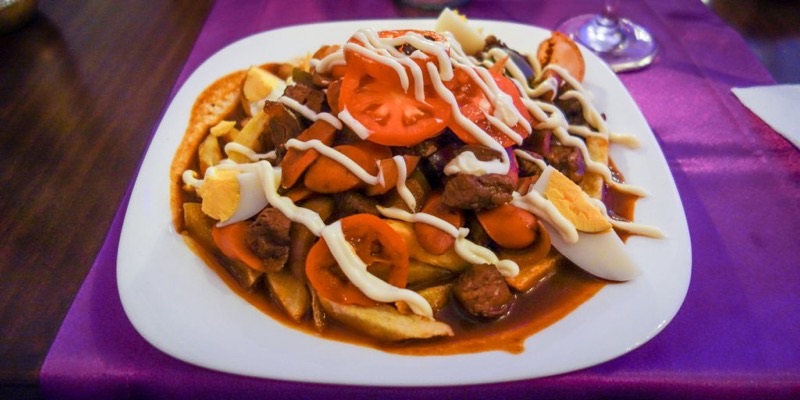
Bolivian cuisine is generally hearty and carbohydrate-heavy, designed to sustain workers in high altitudes. Staples include potatoes, corn, quinoa, and various meats. Salteñas, baked empanadas, are a national breakfast obsession and are delicious. Sopa de maní (peanut soup) is a local favorite, and anticuchos (grilled beef heart skewers) are common street food. Vegetarian options can be limited outside of larger cities like La Paz. While flavorful and authentic, the food scene is not as varied or sophisticated as some other South American nations. Drinks often include refreshing fruit juices and mate de coca.
Uruguayan food reflects its European heritage, with a strong emphasis on high-quality beef, pasta, and pizza. Asado, a barbecue of various cuts of meat, is a national ritual, often enjoyed at places like Mercado del Puerto in Montevideo. The chivito, a massive steak sandwich, is a must-try. Uruguayan wines, particularly Tannat varietals, are gaining international recognition. The craft beer scene has also grown significantly. Dessert options are plentiful, with dulce de leche being prominent. For foodies, Uruguay offers a more diverse, higher-quality, and more refined culinary experience than Bolivia. Uruguay takes the prize for general food appeal.
- Winner: Uruguay
- Why: Uruguay provides a more diverse, higher-quality, and generally more appealing culinary landscape with excellent beef, wine, and European influences.
- Who this matters for: Foodies, meat-eaters, wine enthusiasts, those who prioritize restaurant dining.
🚨 Safety & Health
Bolivia, while generally welcoming, requires travelers to exercise caution. Petty crime like pickpocketing is common in crowded areas of cities like La Paz and Santa Cruz. Fake…

Bolivia
Uruguay
Bolivia, while generally welcoming, requires travelers to exercise caution. Petty crime like pickpocketing is common in crowded areas of cities like La Paz and Santa Cruz. Fake taxi scams and express kidnappings can occur, so using reputable transport is vital. Altitude sickness (soroche) is a serious concern in high-altitude areas like La Paz, Potosi, and Uyuni; acclimatization is crucial. Road safety standards are not always high, especially on rural routes or overnight buses. Demonstrations and roadblocks can disrupt travel plans. Travelers need to be aware of their surroundings, avoid walking alone at night, and keep valuables secure.
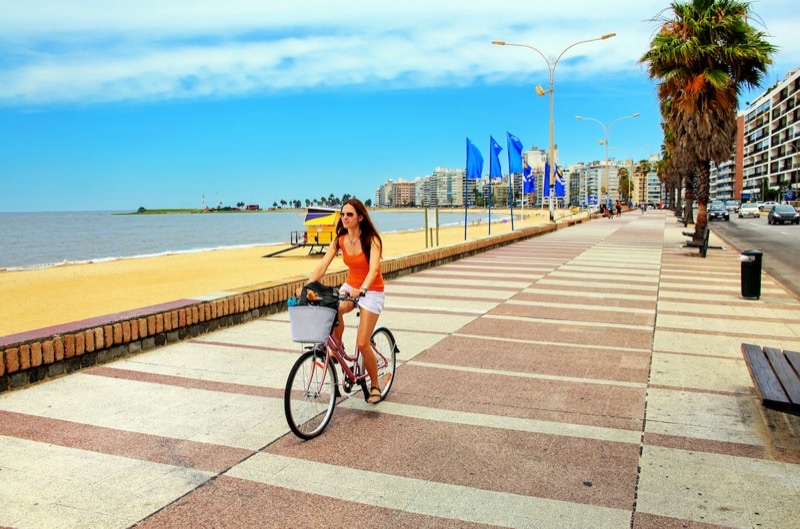
Uruguay is considered one of the safest countries in South America. Crime rates, including petty crime, are significantly lower than in many neighboring nations. While big cities like Montevideo have some areas where caution is advised at night, general daytime exploration is relaxed. The healthcare system is good, particularly in Montevideo. Public transport is reliable and safe. Travelers can generally feel more at ease exploring cities and coastal towns. The relaxed atmosphere translates to fewer safety concerns overall, making it a less stressful destination for many. Uruguay is the winner for traveler safety and peace of mind.
- Winner: Uruguay
- Why: Uruguay boasts significantly lower crime rates and a generally more relaxed, safer environment for travelers.
- Who this matters for: Solo female travelers, families, those who prioritize personal security and peace of mind.
🚌 Getting Around
Getting around Bolivia primarily involves long-distance buses, which can be slow, sometimes uncomfortable, and have varying safety standards. For example, a bus from La Paz to…
Getting around Bolivia primarily involves long-distance buses, which can be slow, sometimes uncomfortable, and have varying safety standards. For example, a bus from La Paz to Sucre can take 12-14 hours. Domestic flights, such as with BOA (Boliviana de Aviacion), connect major cities like La Paz, Santa Cruz, and Uyuni, offering a quicker but more expensive option. Within La Paz, the Mi Teleferico cable car system is an efficient, cheap (BOB 3 / $0.45 USD per ride), and scenic way to navigate the city. Taxis are widely available but require price negotiation. Road conditions can be poor, especially off major routes.
Uruguay has an excellent and efficient bus network operated by companies like COT and Copsa, connecting all major towns and cities reliably. A bus from Montevideo to Colonia del Sacramento takes about 2.5 hours and costs around UYU 400-550 ($10-14 USD). Car rental is a viable and popular option for exploring the coast or interior, with good road infrastructure. Cities like Montevideo and Colonia are compact and very walkable, and local buses are easy to use in the capital. Taxis and ride-sharing apps like Uber are readily available in urban areas. The overall experience of internal travel is smoother and more comfortable. Uruguay takes this category for convenience and comfort.
- Winner: Uruguay
- Why: Uruguay offers a more comfortable, efficient, and reliable public transport network, along with better road infrastructure for car rentals.
- Who this matters for: Travelers prioritizing comfort, efficiency, and personal vehicle use, those on tighter schedules.
🏨 Accommodation
Bolivia excels in budget accommodation. Hostels like Wild Rover La Paz or Loki Hostel La Paz offer dorm beds for BOB 70-100 ($10-15 USD) and private rooms for BOB 150-250 ($22-36…
Bolivia excels in budget accommodation. Hostels like Wild Rover La Paz or Loki Hostel La Paz offer dorm beds for BOB 70-100 ($10-15 USD) and private rooms for BOB 150-250 ($22-36 USD). Guesthouses are also common, providing basic but clean rooms. Amenities are often simple, and hot water can be inconsistent outside of mid-range hotels. Higher-end hotels exist in major cities but are less numerous and often feel dated compared to international standards. For those seeking affordability and a social atmosphere, there are plenty of choices. Finding quality private rooms for under $40 USD is very possible.
Uruguay has a more developed and varied accommodation sector. Hostels in Montevideo or Punta del Este might cost UYU 800-1200 ($20-30 USD) for a dorm and UYU 1600-2400 ($40-60 USD) for a private room. The country features many charming boutique hotels, particularly in Colonia del Sacramento, where you can find colonial-style guesthouses for UYU 2000-4000 ($50-100 USD). Luxury hotels are present in Montevideo and Punta del Este. Airbnb is popular and provides many options for apartments or homes. The overall quality, comfort, and range of choices are higher, catering to diverse preferences and budgets, albeit at a higher price point. Uruguay offers better accommodation options.
- Winner: Uruguay
- Why: Uruguay provides a broader spectrum of accommodation options, generally higher quality, and more comfortable stays.
- Who this matters for: Travelers seeking comfort, luxury, or a wider choice of lodging styles, including boutique and mid-range hotels.
🏖️ Beaches & Relaxation
Bolivia is a landlocked country and does not have an oceanic coastline. While Lake Titicaca offers beautiful lakeside settings, particularly around Copacabana, these are not…
Bolivia is a landlocked country and does not have an oceanic coastline. While Lake Titicaca offers beautiful lakeside settings, particularly around Copacabana, these are not traditional sandy beaches for swimming or sunbathing in the same way an ocean coast is. Relaxation in Bolivia often comes from tranquil mountain towns, thermal springs like Aguas Calientes, or the quiet of the Amazon basin, not from beach-based activities. The focus is more on activity and exploration than passive relaxation by the water. If your idea of relaxation involves lounging on a beach, Bolivia does not provide it.
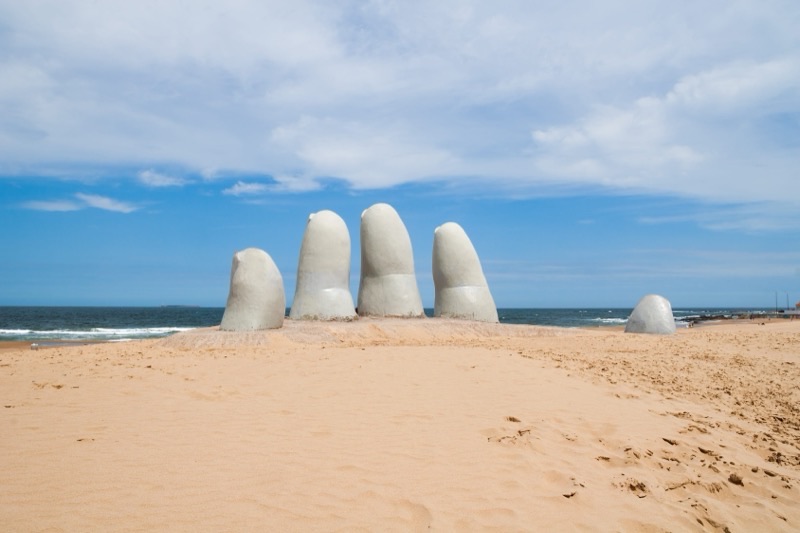
Uruguay is known for its Atlantic coastline and beach towns. Punta del Este is a glamorous resort city with wide sandy beaches like Playa Brava (known for La Mano sculpture) and Playa Mansa. Jose Ignacio offers a more upscale, bohemian beach experience. Further east, towns like La Pedrera and Cabo Polonio provide more rustic, wilder beaches and a laid-back atmosphere. These areas are perfect for sunbathing, swimming, surfing, and enjoying fresh seafood by the ocean. The beach culture is central to Uruguayan summer life. For anyone seeking a beach holiday or general coastal relaxation, Uruguay is the undisputed champion.
- Winner: Uruguay
- Why: Uruguay possesses an extensive and famous Atlantic coastline with numerous beach towns perfect for relaxation and water activities.
- Who this matters for: Beach lovers, sun worshippers, surfers, and anyone prioritizing coastal relaxation.
🍻 Nightlife
Bolivian nightlife is concentrated in La Paz and Santa Cruz. In La Paz, Calle Sagarnaga and the surrounding areas have bars and pubs catering to both locals and travelers. Clubs…
Bolivian nightlife is concentrated in La Paz and Santa Cruz. In La Paz, Calle Sagarnaga and the surrounding areas have bars and pubs catering to both locals and travelers. Clubs playing cumbia and reggaeton can be found, but the scene is not known for its intensity or variety. Santa Cruz, being warmer, has a somewhat more active club scene. Outside these major hubs, nightlife is minimal, often limited to small local bars (peñas) that feature traditional music. Alcohol is cheap; a local beer like Paceña costs BOB 15-25 ($2-3.50 USD) in a bar. It is a more low-key experience.
Uruguay offers a more developed and sophisticated nightlife. Montevideo has a range of options, from traditional tango and candombe shows in Ciudad Vieja to modern bars and clubs in areas like Pocitos and Carrasco. The Mercado del Puerto also has bars serving medio y medio (a mix of sparkling and white wine) and local beers. During the summer months (December to February), Punta del Este transforms into a major party destination, attracting people from across South America with its beach clubs and high-energy discos that stay open late. Beer prices are higher, often UYU 150-250 ($4-6 USD) for a craft beer. Uruguay provides a more dynamic and varied nightlife experience, especially if you visit during peak season. Uruguay takes this category.
- Winner: Uruguay
- Why: Uruguay offers a more diverse, energetic, and sophisticated nightlife, particularly in Montevideo and Punta del Este.
- Who this matters for: Party-goers, social travelers, those seeking late-night entertainment and a lively atmosphere.
✈️ Getting There
Reaching Bolivia from North America usually involves connecting flights. The main international airports are El Alto International (LPB) near La Paz and Viru Viru International…
Reaching Bolivia from North America usually involves connecting flights. The main international airports are El Alto International (LPB) near La Paz and Viru Viru International (VVI) in Santa Cruz. Typical flight routes from major US cities like Miami, Houston, or New York will have at least one layover, often in Bogota, Lima, or Panama City. Total travel time usually ranges from 10 to 15+ hours, depending on the layover duration. Airfare can range from $600 to $1000+ USD return. From Europe, flights might connect via Madrid or Miami, with similar travel times. Overland travel from Peru or Chile is common for backpackers.
Getting to Uruguay from North America also requires connecting flights to Carrasco International Airport (MVD) in Montevideo. Common layover cities include Santiago, Buenos Aires, Panama City, or Sao Paulo. Total flight duration is similar to Bolivia, typically 10 to 14+ hours. Airfare generally falls in the $700 to $1200+ USD return range. From Europe, direct flights from Madrid are available, otherwise connections via other South American hubs. Overland travel from Argentina or Brazil is very popular, especially ferries from Buenos Aires to Colonia del Sacramento. Both countries present similar logistical challenges and flight durations from major international hubs. This category is a tie.
- Winner: Tie
- Why: Both countries require similar flight times and connections from major international hubs.
- Who this matters for: All travelers, as flight logistics affect initial trip planning equally for both.
🎯 The Decision Framework
Choose Bolivia If…
- You crave dramatic, high-altitude landscapes like the Salar de Uyuni.
- You are a budget-conscious traveler aiming for under $50 USD per day.
- You want deep immersion in indigenous Andean cultures.
- You enjoy rugged adventure activities like mountain climbing or jungle treks.
- You prefer less-traveled paths and raw, authentic experiences.
- You do not mind basic amenities and potentially challenging travel logistics.
- You are fascinated by colonial history in places like Sucre and Potosi.
Choose Uruguay If…
- You seek relaxing beach holidays and coastal vibes.
- You appreciate a more European-influenced, sophisticated culture.
- You prioritize comfort, safety, and efficient travel infrastructure.
- You are a food enthusiast looking for excellent beef, wine, and varied cuisine.
- You enjoy lively nightlife, especially in summer season beach towns.
- You are comfortable with a daily travel budget of $80+ USD.
- You prefer walkable cities and charming colonial towns like Colonia del Sacramento.
- You want to combine your trip with visits to Buenos Aires via ferry.
📅 Sample Itineraries
Weekend in Bolivia (3 Days)
💡 To save money on long-distance travel, book night buses between major cities like La Paz and Uyuni, which also saves on a night's accommodation. A semi-cama ticket can cost around $20-30.
Weekend in Uruguay (3 Days)
💡 To save on dining, look for 'menú ejecutivo' (executive menu) deals during lunchtime in Montevideo, which offer a multi-course meal at a fixed, lower price, often around $15-20.
One Week in Bolivia (7 Days)
💡 Carry small denominations of Bolivian Bolivianos (BOB) as many smaller vendors and taxis do not accept large bills or cards. This prevents issues with change, especially in markets.
One Week in Uruguay (7 Days)
💡 Many shops and restaurants in Uruguay offer a VAT refund for tourists when paying with foreign credit cards. Always ask if this applies, as it can save you 18-22% on purchases and dining.
❓ Frequently Asked Questions
Is Bolivia or Uruguay better for solo travelers?
Uruguay is generally safer and easier for solo travelers due to its low crime rates and efficient transport. Bolivia offers a backpacker trail with many other solo travelers but requires more caution regarding personal safety and altitude sickness. Both have active hostel scenes for meeting people.
What is the best time of year to visit Bolivia vs Uruguay?
For Bolivia, May to October is the dry season, ideal for visiting the Salar de Uyuni and trekking, though nights are cold. Uruguay is best from December to February for beach weather, but it is also peak season with higher prices. Shoulder seasons (spring/fall) offer good weather and fewer crowds in Uruguay.
Which country offers more adventure activities?
Bolivia is the clear winner for adventure. It offers Death Road biking, high-altitude treks on peaks like Huayna Potosi, jungle tours in Rurrenabaque, and the multi-day Salar de Uyuni tour. Uruguay is more about relaxed coastal activities like surfing or horseback riding on beaches.
How do the people compare in Bolivia and Uruguay?
Bolivians are often described as reserved but welcoming, with strong indigenous pride, especially outside major cities. Uruguayans are generally laid-back, friendly, and proud of their European heritage and relaxed lifestyle, similar to Argentinians but perhaps less overtly expressive. Both are hospitable.
Can I easily travel between Bolivia and Uruguay?
Direct travel is not straightforward due to the distance. You would likely need a flight, often connecting through Santiago or Buenos Aires, which takes 6-8+ hours. Overland travel would involve multiple long bus journeys through Paraguay or Argentina, taking several days. They are not easily combined in a short trip.
Which country is better for shopping for local crafts?
Bolivia is much better for local crafts. La Pazs Witches Market and Calle Sagarnaga offer a huge array of indigenous textiles, alpaca wool products, carvings, and traditional remedies at budget prices. Uruguay has some artisan markets, but the selection is smaller and generally more expensive, with less distinct local styles.
Are English speakers common in either country?
In both Bolivia and Uruguay, English is not widely spoken outside of tourist-focused businesses, major hotels, and some tour guides. Learning basic Spanish phrases is highly recommended for both destinations to navigate daily interactions, especially in Bolivia where indigenous languages are also prevalent.
What is the internet and connectivity like?
Uruguay generally has better and more reliable internet connectivity, especially in urban areas and major tourist spots, with good 4G coverage. Bolivias internet can be slower and less consistent, particularly outside of La Paz and Santa Cruz, though it is improving. Expect better Wi-Fi in Uruguayan accommodations.
Ready to plan your South America trip?
Get a free custom itinerary for Bolivia, Uruguay, or both — built from real traveler insights.
👥 Travelers Also Compared
🎟️ Book Tours & Experiences
Hand-picked tours and activities for both destinations — book with free cancellation
Experiences via Viator — free cancellation on most tours