How we built this comparison
This page combines traveler discussion patterns, published price ranges, flight schedules, and seasonal data to help you decide between Bologna and Florence.
- Reviewed 50+ Reddit threads from r/travel, r/solotravel, r/ItalyTravel, r/Bologna, and r/Florence.
- Verified costs and logistics against current booking platforms like Booking.com, Trenitalia, and major airline sites.
- Cross-referenced seasonal patterns and weather data with local event calendars for optimal travel advice.
⚡ The TL;DR Verdict
Choose Bologna if you're a food lover, seeking authentic Italian life, and want better value. Opt for Florence if iconic art, luxury shopping, and rolling Tuscan hills are your priority. Bologna travelers can expect to spend €80-140 / $85-150 per day, while Florence typically demands €120-200 / $130-215 per day.
- Choose Bologna: For the serious food enthusiast, the budget-conscious traveler, or anyone wanting a more 'real' Italian city experience away from peak tourist crowds. It's fantastic for solo travelers and those who love a lively, student-town vibe without being overwhelming.
- Choose Florence: Ideal for first-time Italy visitors, art and history buffs, luxury shoppers, and those dreaming of postcard-perfect Tuscan landscapes. If you're okay with larger crowds and a slightly higher price tag for world-class sights, Florence is your pick.
- Choose Both: Absolutely! They're just 35-40 minutes apart by high-speed train. Allocate 2-3 full days for Bologna and 3-4 full days for Florence (including a day trip). This combination gives you the best of both worlds: culinary delights and Renaissance masterpieces.
Quick Comparison
| Category | Bologna | Florence | Winner |
|---|---|---|---|
| Food Scene | Unrivaled culinary capital, home of ragù, tortellini, mortadella. Authentic, unpretentious, and affordable. | Home to Bistecca alla Fiorentina, lampredotto, truffle dishes. High-end dining and delicious street food, but can be tourist-trap heavy. | Bologna |
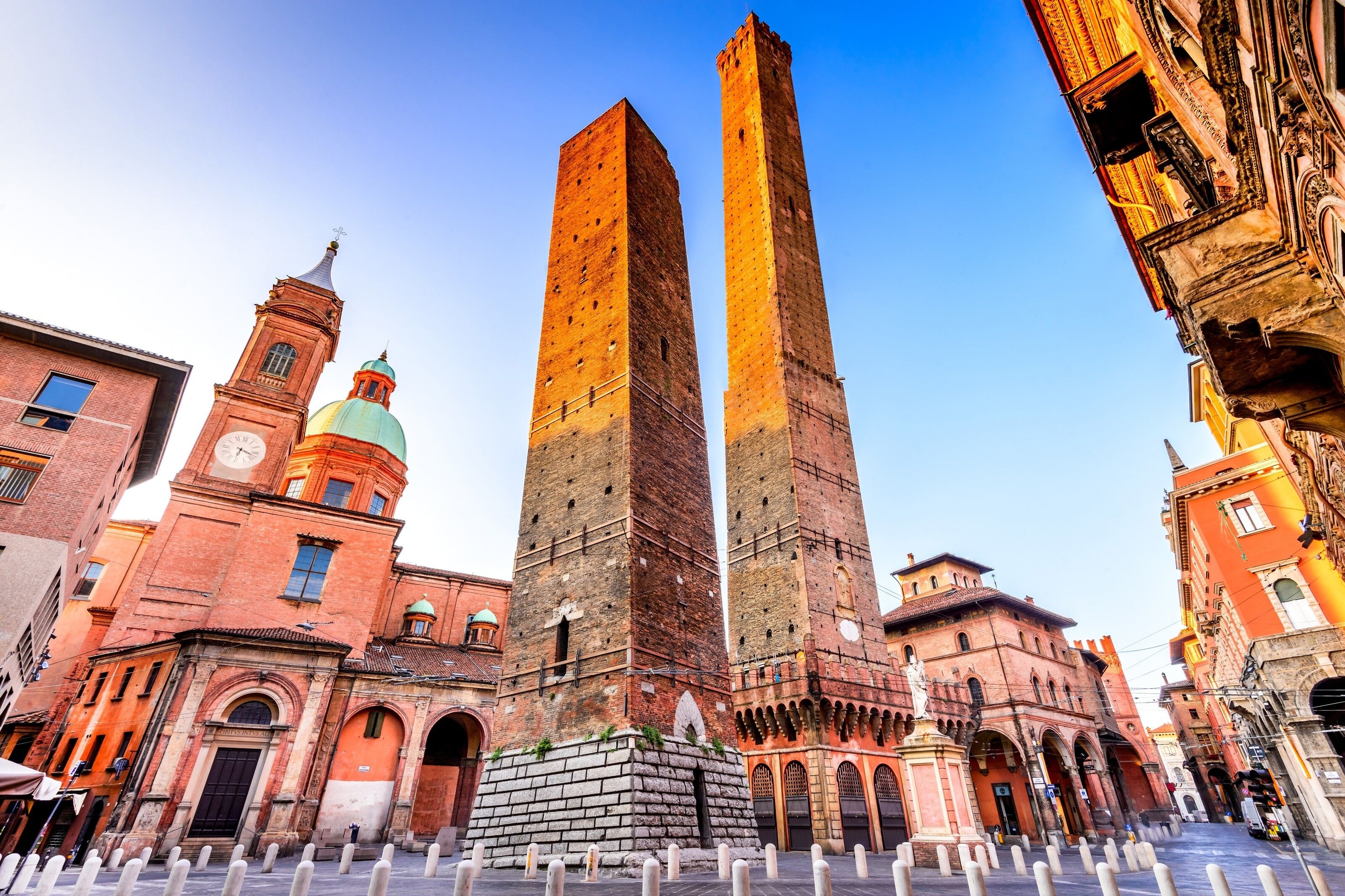
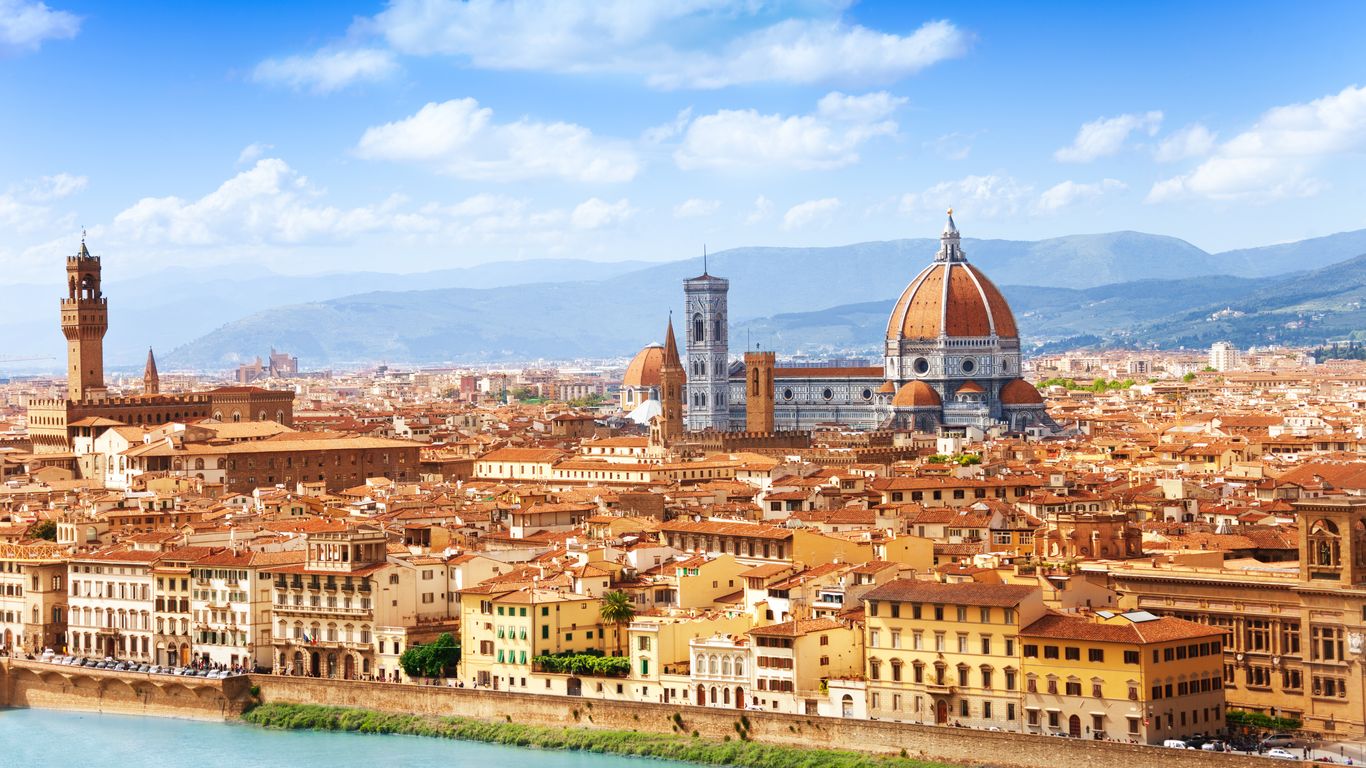
| Culture & Art | Rich history as a university town, medieval porticoes, Two Towers, lesser-known but beautiful churches, and a vibrant local arts scene. | The heart of the Renaissance, home to iconic masterpieces like David, the Uffizi Gallery, Duomo, and countless historical sites. | Florence |
| Costs & Budget | Generally 20-30% more affordable across accommodation, food, and activities. Excellent value for money. | Higher prices for accommodation, dining, and main attractions due to its popularity. Budgeting requires more careful planning. | Bologna |
| Getting There | Bologna Guglielmo Marconi Airport (BLQ) is a major hub, well-connected to Europe. Excellent train connections across Italy. | Florence Peretola Airport (FLR) is smaller but convenient. Excellent train connections, especially to Rome and Milan. | Tie |
| Getting Around | Highly walkable, compact historic center. Efficient bus system for longer distances. Less traffic congestion. | Very walkable historic center, largely pedestrianized. Efficient bus system for areas outside the core. ZTL can be tricky for drivers. | Tie |
| Accommodation | Better value, wider range of options from budget to luxury, often with more space and character. | Higher prices, especially in the historic center. Options can be smaller, book up quickly, and require reservations far in advance. | Bologna |
| Day Trips | Gateway to Emilia-Romagna's 'Motor Valley' (Ferrari, Lamborghini) and culinary towns like Modena and Parma. | Perfect base for exploring Tuscany's iconic hill towns (Siena, San Gimignano), Chianti vineyards, and Pisa. | Florence |
| Nightlife | Vibrant and authentic, thanks to its large student population. Lively aperitivo scene, numerous bars, and cultural events. | More sophisticated and tourist-oriented. Fewer late-night clubs, but good wine bars and cocktail lounges, especially in Oltrarno. | Bologna |
| Shopping | Known for local artisanal products, food markets, and independent boutiques, offering unique, regional finds. | A paradise for luxury fashion, high-end leather goods, and fine Italian craftsmanship, with both big brands and local artisans. | Florence |
| Solo Travel | Very safe, welcoming, and easy to navigate. Lively student atmosphere makes it easy to meet people. Great for independent exploration. | Safe and generally easy, but can feel more tourist-heavy and sometimes overwhelming. Meeting locals might require more effort. | Bologna |
🍝 Food Scene
Bologna, known as 'La Grassa' (The Fat One), truly lives up to its name. This city is a gastronomic paradise, where every meal feels like a celebration. You'll find authentic tagliatelle al ragù (not 'spaghetti bolognese'!), tortellini, mortadella, and parmigiano reggiano at every corner. Head to the Quadrilatero market area for artisanal cheeses, cured meats, and fresh pasta. A fantastic pasta dish at a trattoria like Trattoria dal Biassanot will set you back about €12-18 ($13-19), while a simple piadina from a street vendor is €4-6 ($4.50-6.50). Dining here feels incredibly local and unpretentious. Florence has its culinary gems too, notably the massive Bistecca alla Fiorentina, often costing €50-80 ($54-87) for a shared steak at places like Trattoria Mario (expect queues!). You'll also find excellent gelato and lampredotto (tripe sandwich) for around €4-5 ($4.50-5.50). However, Florence's food scene can be more tourist-oriented, requiring a bit more effort to find truly authentic, fairly priced spots compared to Bologna. "Bologna's food scene just hits different, it's not trying too hard like some places in Florence can be." The sheer variety and consistent quality, even in casual eateries, makes Bologna the clear winner for foodies.
Winner takeaway
- Winner: Bologna
- Why: Bologna's food scene is consistently authentic, high-quality, and more affordable, earning its title as Italy's culinary capital.
- Who this matters for: Serious foodies, budget travelers, and anyone seeking a truly authentic Italian dining experience.
🏛️ Culture & Art
Florence is undeniably a global heavyweight in art and culture, the very cradle of the Renaissance. It boasts the Uffizi Gallery (€25 / $27 for entrance), housing masterpieces by Botticelli, Leonardo, and Michelangelo, and the Accademia Gallery (€16 / $17) with Michelangelo's David. The Florence Duomo, with Brunelleschi's Dome, is an architectural marvel (climb costs €30 / $32, including Baptistery and Bell Tower). Every street corner here feels like a museum. Bologna, while less globally renowned, offers a different, equally rich cultural tapestry. It's home to the oldest university in the Western world, the University of Bologna, and its charming medieval porticoes (a UNESCO World Heritage site). You can climb the Asinelli Tower for panoramic views (€5 / $5.50) or explore the anatomical theater in the Archiginnasio. The city has a strong independent music and arts scene, and its history is deeply tied to learning and social movements. While Bologna provides a fascinating, lived-in cultural experience, Florence's sheer density of world-changing art and architecture is unparalleled. "Florence's art just hits you, it's overwhelming in the best way. Bologna is cool, but it's not the David."
Winner takeaway
- Winner: Florence
- Why: Florence's unparalleled collection of Renaissance art and architectural masterpieces makes it a global cultural beacon.
- Who this matters for: Art historians, first-time Italy visitors, and anyone looking to be awestruck by iconic masterpieces.
💰 Costs & Budget
Bologna consistently offers better value for money, making it a fantastic option for budget-conscious travelers. You can find a decent double room in a central hotel for €80-120 ($85-130) per night, or a nice Airbnb for similar prices. A sit-down meal with wine can be €20-30 ($21-32), and a coffee (espresso) is often just €1.20 ($1.30). Many of its attractions, like wandering the porticoes or exploring the Quadrilatero, are free. Florence, on the other hand, comes with a higher price tag. A comparable hotel room will likely be €120-180 ($130-195) per night, and a meal can easily jump to €30-50 ($32-54) per person, especially near major sights. Entrance fees to the Uffizi and Accademia add up quickly. While both cities have free activities like walking around, Florence's popularity means everything from a gelato to a souvenir is priced higher. Transportation in both is primarily walking, saving on costs. For a daily budget, Bologna averages €80-140 ($85-150), while Florence often requires €120-200 ($130-215). "Bologna just feels like you get more for your euro, Florence you're paying the tourist premium for everything."
Winner takeaway
- Winner: Bologna
- Why: Bologna is significantly more affordable across all major travel categories, providing excellent value without compromising quality.
- Who this matters for: Budget travelers, long-term visitors, and those who prefer to spend less on essentials to splurge on experiences.
✈️ Getting There
Both Bologna and Florence are exceptionally well-connected, making them easy to reach. Bologna's Guglielmo Marconi Airport (BLQ) is a significant international airport with numerous direct flights from across Europe and some transatlantic connections. It's just a 15-minute 'Marconi Express' monorail ride (€11 / $12 one-way) to the central train station. Bologna Centrale is one of Italy's busiest train stations, a major hub connecting high-speed lines from Milan, Venice, Florence, Rome, and Naples. Florence Peretola Airport (FLR) is smaller but very close to the city center (a 20-minute tram ride, €1.50 / $1.60). However, it has fewer direct international routes, often requiring a layover in another European city. Florence Santa Maria Novella (SMN) train station is also a central hub for high-speed trains, making travel from other major Italian cities very straightforward. A high-speed train from Rome to Florence takes about 1.5 hours and costs €30-50 ($32-54), while Rome to Bologna is 2 hours and similar in price. From Milan, both are around 1 hour. "Honestly, getting to either is a breeze with the Frecciarossa trains. Bologna's airport is a bit bigger, but Florence's is super close to the city center."
Winner takeaway
- Winner: Tie
- Why: Both cities offer excellent accessibility via major airports and high-speed rail networks, making them equally convenient entry points to Italy.
- Who this matters for: All travelers, as both cities are highly accessible from major Italian and European hubs.
🚶 Getting Around
Both Bologna and Florence are wonderfully walkable cities, making it easy to explore their historic centers on foot. In Bologna, the famous porticoes provide shade or shelter from rain, guiding you through the city's main attractions, from Piazza Maggiore to the Two Towers and the university district. For longer distances, or to reach areas outside the immediate center, Bologna has a reliable and easy-to-use bus system (TPL). A single bus ticket costs around €1.50 ($1.60). Florence's historic center is also compact and largely pedestrianized, particularly around the Duomo, Ponte Vecchio, and Uffizi. You'll spend most of your time here walking. Florence has a comprehensive ATAF bus system and a modern tram line for reaching areas like the Oltrarno or Fiesole. One important note for drivers: both cities have ZTLs (Limited Traffic Zones) that restrict car access to the historic centers, enforced by cameras, which can lead to hefty fines if you're not careful. "You really don't need a car in either city, just comfortable shoes. Public transport is fine for the odd longer hop." For the typical tourist, walking is king in both destinations, making them equally easy to navigate.
Winner takeaway
- Winner: Tie
- Why: Both cities are highly walkable with efficient public transport for longer distances, ensuring easy exploration without a car.
- Who this matters for: All travelers, particularly those who prefer walking and relying on public transport.
🏨 Accommodation
When it comes to accommodation, Bologna generally offers more bang for your buck and a less competitive booking environment. You can find charming boutique hotels like Hotel Commercianti or quirky Airbnbs in the historic center for €90-140 ($97-150) a night. There are also plenty of reliable mid-range options and welcoming B&Bs. Because Bologna is less dominated by international tourism, you often get more space and a more authentic feel in your chosen lodging. Florence, being a major tourist magnet, sees higher demand and thus higher prices. A comparable hotel in its historic center, such as Hotel Pitti Palace al Ponte Vecchio, might easily start at €150-250 ($162-270) per night, especially during peak season. Budget options are scarce, and even hostels can be pricier. Booking well in advance (3-6 months) is highly recommended for Florence, particularly if you're traveling during spring or fall. "In Bologna, I got a huge apartment for what I'd pay for a tiny hotel room in Florence. Seriously, the value is amazing." The difference in price-to-quality ratio makes Bologna a more appealing choice for those prioritizing comfort and budget.
Winner takeaway
- Winner: Bologna
- Why: Bologna offers significantly better value for accommodation with a wider range of options and less competitive pricing than Florence.
- Who this matters for: Budget travelers, those seeking better value for their money, and visitors looking for less crowded lodging options.
🗺️ Day Trips
Florence is the undisputed champion for iconic day trips, largely due to its proximity to the breathtaking Tuscan countryside. From Florence, you can easily reach Siena and San Gimignano by bus (around €8-10 / $8.50-11 one-way, 1-1.5 hours), Pisa (train, €9-12 / $9.50-13 one-way, 1 hour), or enjoy a guided Chianti wine tour (€70-120 / $75-130). The rolling hills, medieval towns, and vineyards are quintessential Italy for many travelers. Bologna also offers excellent day trip opportunities, especially for food and car enthusiasts. You can visit Modena (birthplace of balsamic vinegar and Ferrari, train €5-8 / $5.50-8.50 one-way, 20 mins) for a Ferrari museum tour (€22 / $24) or a balsamic vinegar tasting. Parma (home of Parmigiano Reggiano and Prosciutto di Parma, train €8-12 / $8.50-13 one-way, 1 hour) is another fantastic culinary destination. Ferrara (train €5-8 / $5.50-8.50, 30 mins) is a beautiful walled city. While Bologna's day trips offer unique, deep dives into Italian culture and industry, Florence's proximity to world-famous, picture-postcard Tuscan sights often wins out for a broader appeal. "Tuscany from Florence is just classic. Siena and San Gimignano are must-sees. Bologna's day trips are cool, especially for food, but less iconic visually."
Winner takeaway
- Winner: Florence
- Why: Florence serves as the ideal springboard for exploring world-famous Tuscan landscapes, iconic hill towns, and wine regions.
- Who this matters for: First-time Italy visitors, landscape photographers, wine lovers, and those seeking classic Tuscan experiences.
🌙 Nightlife
Bologna, as a major university city, boasts a lively and authentic nightlife scene that often caters more to locals and students than to tourists. The area around Via Zamboni is particularly bustling, with countless bars and pubs offering affordable drinks and a great aperitivo culture (typically 6-9 PM, where you buy a drink, around €8-12 / $8.50-13, and get access to a generous buffet). You'll find everything from traditional osterias for a glass of local wine to modern cocktail bars and a few late-night clubs. It feels spontaneous and unpretentious. Florence's nightlife is more geared towards a slightly older or more tourist-centric crowd. The Oltrarno district, particularly around Santo Spirito, offers some excellent wine bars (enoteche) and cocktail lounges that can be sophisticated but also pricier. While there are some clubs, they tend to be fewer and more spread out compared to Bologna's concentrated student areas. Florence can feel a bit quieter after 10-11 PM, especially mid-week. "Bologna's nightlife is just so much more 'real' and buzzing. Florence has some nice bars, but it's not the same vibe at all." If you're looking to mingle, enjoy lively street scenes, and experience a genuinely local night out, Bologna is the clear winner.
Winner takeaway
- Winner: Bologna
- Why: Bologna's large student population fuels a vibrant, authentic, and affordable nightlife with a strong aperitivo culture.
- Who this matters for: Younger travelers, solo travelers looking to socialize, and those who enjoy a lively, local night out.
🛍️ Shopping
Florence is a shopper's dream, especially if you're interested in luxury fashion, high-quality leather goods, and exquisite artisanal crafts. The famed Ponte Vecchio is lined with jewelry shops, while Via de' Tornabuoni hosts international luxury brands like Gucci and Prada. For leather, the San Lorenzo Market (though touristy, haggle!) and numerous workshops in the Oltrarno district offer everything from bags to jackets. High-quality leather items can range from €100 ($108) for a small bag to €500+ ($540+) for a jacket. Florence also excels in bespoke artisan workshops, from shoemakers to papermakers. Bologna offers a different kind of shopping experience, focusing more on local specialties and independent boutiques. Via dell'Indipendenza has major Italian and international brands, but the real gems are found in the Quadrilatero market for food products (e.g., balsamic vinegar, mortadella, cheese) and smaller streets for unique clothing and home goods. While Bologna is great for foodie souvenirs and unique local finds, it can't compete with Florence's scale and reputation for high-end fashion and artisanal crafts. "If you want real Italian leather or designer stuff, Florence is it. Bologna is more for amazing food souvenirs and cool local boutiques, but not the same prestige." The global recognition and sheer concentration of luxury and artisan goods in Florence make it the winner.
Winner takeaway
- Winner: Florence
- Why: Florence reigns supreme for luxury fashion, high-quality leather goods, and a vast array of artisanal crafts.
- Who this matters for: Fashion enthusiasts, luxury shoppers, and those seeking high-quality Italian leather and artisanal goods.
🚶♀️ Solo Travel
Bologna is an absolute gem for solo travelers. Its reputation as a safe, friendly, and laid-back city is well-deserved. The vibrant university population means there's always something happening, and the atmosphere is generally welcoming and inclusive. It's easy to strike up conversations, especially at aperitivo time, and the smaller scale of the city makes it less intimidating to navigate alone. You'll feel comfortable dining solo in trattorias or grabbing a coffee in a bustling piazza. "I felt completely at ease exploring Bologna alone, even at night. People were friendly, and it never felt too touristy or overwhelming." Florence is also generally safe for solo travelers, but its immense popularity can make it feel more crowded and less intimate. The sheer volume of tourists can sometimes make it harder to connect with locals, and while there are many beautiful sights to see, the experience can feel more transactional if you're not actively seeking out local interactions. Dining alone in popular Florentine restaurants might sometimes feel less natural due to the busy, often tourist-focused environment. For a more relaxed, authentic, and socially engaging solo trip, Bologna shines.
Winner takeaway
- Winner: Bologna
- Why: Bologna offers a safer, more welcoming, and more authentically local experience, making it ideal for solo exploration and meeting people.
- Who this matters for: Solo travelers, those looking for a relaxed and authentic Italian experience, and individuals who enjoy mingling with locals.
❓ Frequently Asked Questions
What's the best time of year to visit Bologna and Florence?
Spring (April-May) and Fall (September-October) offer the best weather, fewer crowds than summer, and pleasant temperatures for walking and outdoor dining. Summer (July-August) can be very hot and crowded, especially in Florence, while winter (November-March) is cooler and quieter, perfect for indoor attractions but with shorter daylight hours.
How many days should I spend in each city?
For Bologna, 2-3 full days are ideal to explore its culinary scene, porticoes, and towers without rushing. For Florence, plan 3-4 full days to truly appreciate its art, museums, and allow for a day trip to Tuscany. If combining both, a week is a good duration.
Is English widely spoken in Bologna and Florence?
In Florence, especially in tourist areas, English is widely spoken in hotels, restaurants, and attractions. In Bologna, while many people in the service industry speak English, it's generally less prevalent than in Florence. Learning a few basic Italian phrases will be greatly appreciated in Bologna and enhance your experience in both cities.
Can I do a day trip from Florence to Bologna, or vice versa?
Absolutely! Thanks to Italy's efficient high-speed train network, Bologna and Florence are only 35-40 minutes apart. A day trip is very feasible from either city, allowing you to sample the highlights of the other. For instance, you could spend a morning in Bologna enjoying its food and a late afternoon in Florence visiting a museum.
Which city is better for families with children?
Florence might have a slight edge for families due to more universally recognizable attractions like the Duomo and David, plus activities like carousel rides in Piazza della Repubblica. However, Bologna's relaxed atmosphere, abundant parks, and delicious, kid-friendly food (pasta!) also make it a great family destination. Bologna is less overwhelming.
Which city feels more 'authentic' Italian?
Bologna generally feels more authentic. Its vibrant local life, strong university presence, and focus on regional cuisine create an atmosphere where Italian daily life is more evident, with fewer large tourist groups. Florence, while stunning, can feel more geared towards international tourism, especially around its major sights.
What are the local specialties I must try in each city?
In Bologna, you must try tagliatelle al ragù, tortellini in brodo, mortadella, and crescentine with cured meats. In Florence, don't miss Bistecca alla Fiorentina, lampredotto, ribollita (a hearty bread and vegetable soup), and cantucci with Vin Santo.
Are there good cooking classes available in both cities?
Yes, both cities offer excellent cooking classes! In Bologna, you can learn to make fresh pasta like tortellini and tagliatelle. In Florence, classes often focus on Tuscan cuisine, including pasta, sauces, and sometimes even a market visit. Prices typically range from €80-150 ($85-160) per person for a half-day class.
Ready to plan your Emilia-Romagna & Tuscany trip?
Get a free custom itinerary for Bologna, Florence, or both — built from real traveler insights.
🎟️ Book Tours & Experiences
Hand-picked tours and activities for both destinations — book with free cancellation
Experiences via Viator — free cancellation on most tours