How we built this comparison
This page combines traveler discussion patterns, published price ranges, flight schedules, and seasonal data to help you decide between Bonaire and Aruba.
- Reviewed 100+ Reddit threads from r/travel, r/solotravel, r/aruba, r/bonaire, and r/diving for authentic traveler insights.
- Verified costs and logistics against current booking platforms (e.g., Google Flights, Booking.com, TripAdvisor, local tour operators) in late 2023 / early 2024.
- Cross-referenced seasonal patterns, weather data, and official tourism board information to ensure accuracy and relevance.
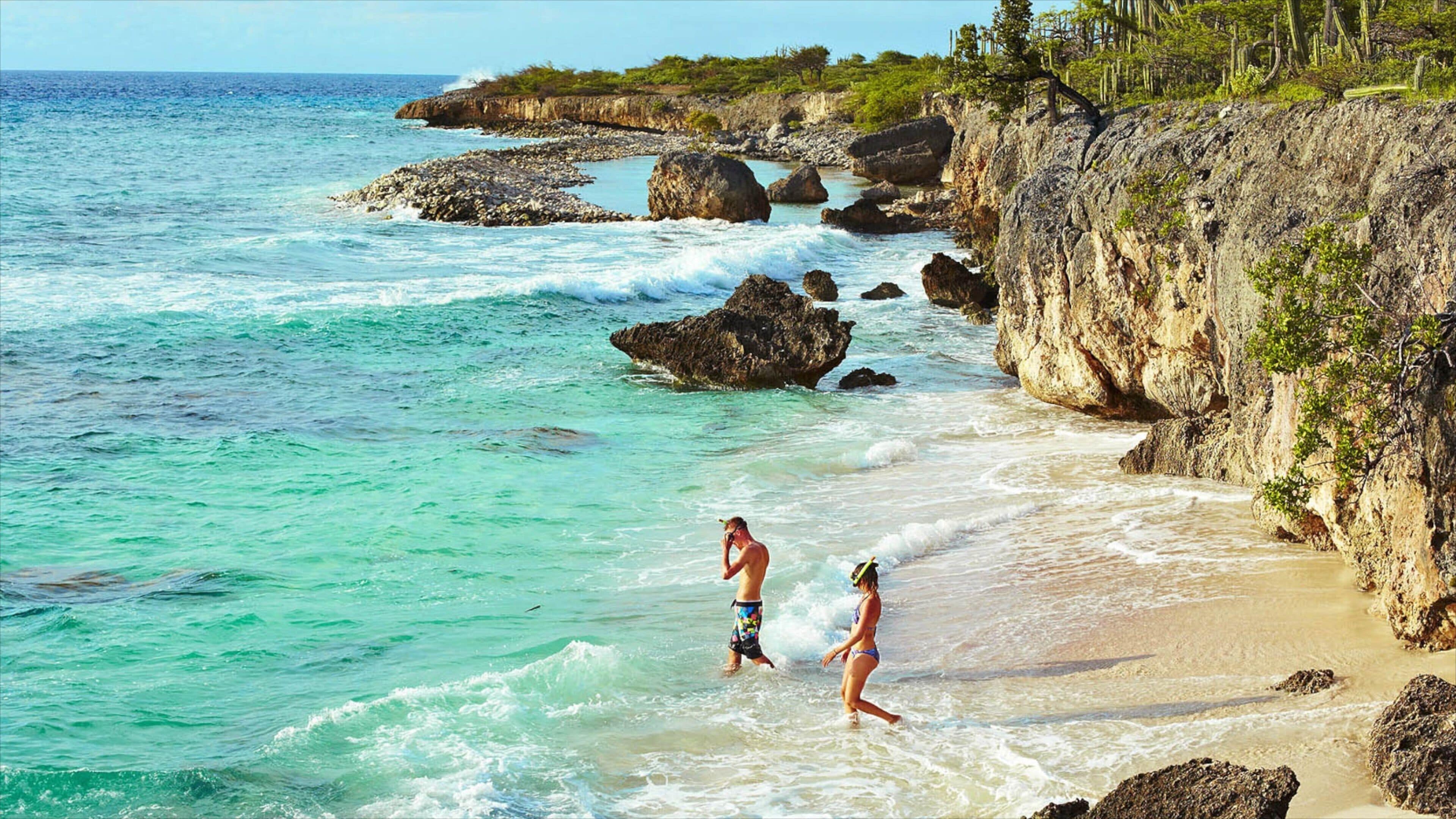
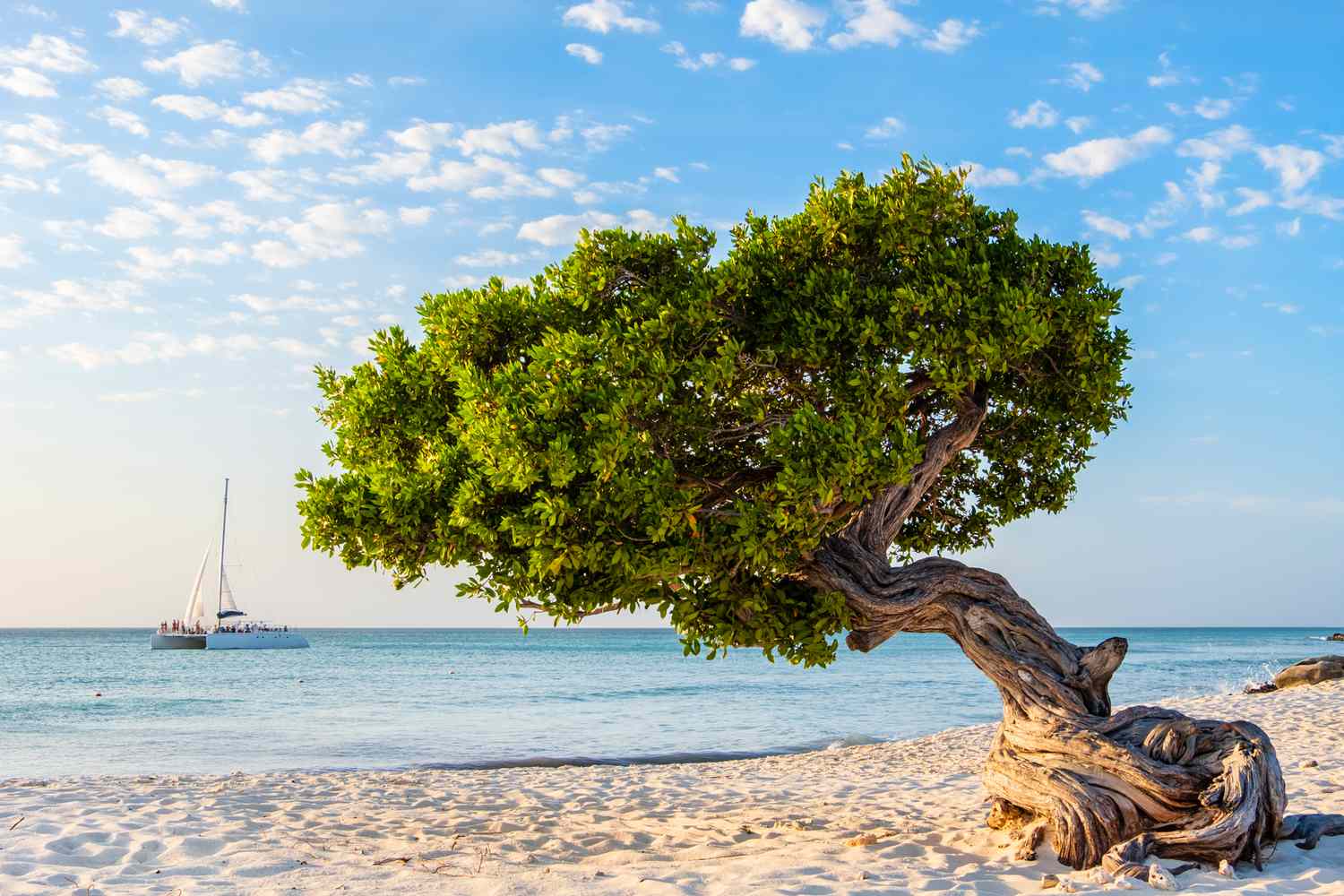
⚡ The TL;DR Verdict
Choosing between Bonaire and Aruba boils down to your travel style. Bonaire is a serene diver's dream, ideal for those seeking an active, nature-focused escape with a calmer pace, budgeting around $150-250/day. Aruba offers a more classic resort vacation, perfect for beach lovers, families, and those desiring vibrant nightlife and diverse dining, typically costing $200-400+/day.
- Choose Bonaire: Active travelers, divers/snorkelers, nature enthusiasts, those seeking quiet relaxation and a focus on sustainability. Great for self-catering budgets and independent exploration.
- Choose Aruba: Beach fanatics, luxury seekers, families, couples looking for romantic getaways, nightlife lovers, and those who prefer an all-inclusive or resort experience with abundant amenities.
- Choose Both: If you have 10+ days, consider a multi-island trip. Fly into Aruba (AUA) for easier access, spend 3-4 days enjoying its beaches and dining, then take the short 25-minute inter-island flight (EZAir or Divi Divi Air, ~$100-150 round trip) to Bonaire (BON) for 5-7 days of diving and tranquility before flying out of BON or back to AUA.
Quick Comparison
| Category | Bonaire | Aruba | Winner |
|---|---|---|---|
| Beaches & Water Activities | Rugged, natural, and pristine beaches, ideal for entry into world-class diving and snorkeling directly from shore. Focus on underwater beauty. | Expansive, powdery white-sand beaches, calm turquoise waters perfect for swimming, sunbathing, and a wide array of motorized water sports. | Aruba |
| Food & Dining | Authentic local flavors, fresh seafood, casual eateries, and food trucks. More modest in price and presentation. | Diverse international cuisine, high-end fine dining, American chains, and a lively restaurant scene catering to all tastes and budgets, from casual to luxurious. | Aruba |
| Nightlife & Entertainment | Quiet, relaxed evenings with local bars, live music at small venues, and a focus on intimate, low-key social gatherings. | Bustling casinos, vibrant nightclubs, live music venues, and a more energetic party atmosphere, especially in the high-rise hotel zone. | Aruba |
| Culture & History | A laid-back Dutch Caribbean feel, with a strong focus on nature conservation and a visible history of salt production and slavery. | A vibrant blend of Dutch, Caribbean, and Latin American influences, with a rich colonial past and a strong emphasis on 'one happy island' tourism. | Tie |
| Costs & Budget | Generally more affordable for accommodation and self-catering, especially for divers. Activity costs are competitive. | Higher overall costs for accommodation, dining, and activities, especially in the high-rise hotel zone. Can be done on a budget but requires more effort. | Bonaire |
| Getting There & Flights | Fewer direct flights, often requiring a connection through Aruba or Curacao, leading to longer travel times from North America. | Numerous direct flights from major US and Canadian cities, making it highly accessible and offering shorter, more convenient travel. | Aruba |
| Getting Around | Rental car (truck preferred for divers) is essential for exploring and accessing dive sites. No public transport. | Good public bus system, readily available taxis, and rental cars for broader exploration; walking is feasible in key tourist areas. | Aruba |
| Accommodation | Boutique hotels, dive resorts, guesthouses, and apartments, often with a focus on self-catering and direct access to dive sites. | Wide range of options from large all-inclusive resorts and high-rise hotels to boutique hotels, vacation rentals, and budget-friendly guesthouses. | Aruba |
| Nature & Outdoor Activities | Unparalleled diving and snorkeling, windsurfing, kitesurfing, and exploring salt flats and caves. Pure, untouched nature. | Diverse water sports, exploring Arikok National Park's desert landscape, natural pools, and off-roading adventures. | Bonaire |
| Safety & Vibe | Extremely safe, quiet, and laid-back atmosphere. A true escape from the hustle and bustle, with a very local feel. | Generally very safe, but busier and more tourist-oriented. A 'one happy island' vibe with a resort-focused, lively energy. | Bonaire |
🏖️ Beaches & Water Activities
Bonaire's beaches, like Pink Beach or Lac Bay, are less about sprawling sand and more about access to the reef. The real draw is the diving and snorkeling; with over 80 marked shore dive sites, you can simply rent a truck, drive up, and jump in. The waters are calm, currents minimal, and visibility often exceeds 100 feet. It's truly a diver's paradise, but not a 'lounge all day on a postcard beach' destination. Aruba, on the other hand, boasts world-famous stretches like Eagle Beach and Palm Beach, consistently ranked among the best globally. Here, you'll find soft, fine sand, shallow, crystal-clear water, and every water sport imaginable from parasailing to jet skiing. While Aruba has some decent snorkeling, it pales in comparison to Bonaire's reef health and accessibility. "Aruba's beaches are gorgeous for relaxing, but after a few days, I really missed Bonaire's reef life right off the shore. So much more to see." A snorkeling tour in Aruba might cost $50-80, whereas a single shore dive entry in Bonaire is free once you have your dive tag ($45/year).
Winner takeaway
- Winner: Aruba
- Why: Aruba wins for classic, beautiful sandy beaches perfect for relaxation and varied water sports, catering to a broader audience than Bonaire's dive-centric shores.
- Who this matters for: Beach loungers, families with small children, and those who prioritize traditional beach activities and aesthetics.
🍽️ Food & Dining
Bonaire's food scene is charmingly local and unpretentious. You'll find excellent fresh fish at places like Zeezicht or more traditional Krioyo (Creole) dishes at local spots like Maiky Snack. Food trucks, especially along the waterfront, offer delicious and affordable options like lionfish burgers or satay. Expect to pay $15-30 for a main course at a mid-range restaurant. For a truly unique experience, try a multi-course dinner at Brass Boer Bonaire (reservations essential, budget $150+ per person). Aruba, however, is a culinary powerhouse in the Caribbean. From high-end establishments like Elements or The Flying Fishbone (known for its toes-in-the-sand dining) to popular casual spots and American chains, the variety is staggering. You can indulge in fresh seafood, Italian, Asian, and more. A mid-range dinner might cost $30-60 per person, while fine dining can easily exceed $100. "We loved the food trucks on Bonaire, way better than expected, but Aruba's sheer variety and quality for a splurge night out is unmatched." Both islands have good supermarkets for self-catering, but Aruba's selection is generally wider.
Winner takeaway
- Winner: Aruba
- Why: Aruba offers a significantly wider range of dining experiences, from casual to fine dining, with diverse international cuisines that appeal to varied palates.
- Who this matters for: Foodies, those seeking diverse culinary experiences, and travelers who enjoy upscale dining or familiar chain restaurants.
💃 Nightlife & Entertainment
Bonaire's nightlife aligns with its tranquil daytime vibe. Evenings are typically spent enjoying a quiet dinner, perhaps a drink at a beach bar like Karel's Beach Bar, or mingling with fellow divers. You might find live music at some restaurants or small local venues, but don't expect thumping clubs. The focus is on relaxation and enjoying the natural sounds of the island. Most places close by 11 PM or midnight. Aruba, in stark contrast, offers a full spectrum of evening entertainment. The high-rise hotel area is dotted with casinos where you can try your luck, and many resorts host live music, cultural shows, and themed parties. There are several nightclubs, like Gusto or The Club House, that stay open late, especially on weekends. Bars ranging from laid-back pubs to lively dance spots cater to all preferences. "Aruba's nightlife is pretty tame if you're used to Vegas, but fun for a resort vibe. Bonaire is basically lights out after dinner." A cocktail in Aruba might run you $12-18, while in Bonaire, it's closer to $8-15.
Winner takeaway
- Winner: Aruba
- Why: Aruba clearly wins for its diverse and energetic nightlife, featuring casinos, nightclubs, and live entertainment options that keep the party going.
- Who this matters for: Party-goers, casino enthusiasts, and those who enjoy a lively social scene after dark.
🏛️ Culture & History
Both islands share a Dutch colonial past, but their cultural expressions differ significantly. Bonaire's culture is deeply intertwined with its natural environment and conservation efforts. Exploring Rincon, the oldest village, offers a glimpse into traditional Bonairian life, complete with colorful houses and local crafts. The salt pans with their historical slave huts are a poignant reminder of its past. The overall vibe is incredibly relaxed and genuinely local. Aruba, while also Dutch Caribbean, has a more cosmopolitan and Americanized feel due to its larger tourism industry. Oranjestad, the capital, features colorful Dutch colonial architecture alongside modern malls. The Archaeological Museum Aruba provides insights into the island's indigenous history, and festivals like Carnival showcase a vibrant blend of influences. "Bonaire felt more authentic and untouched culturally, like stepping back in time a bit. Aruba is more polished, but still has charm." While Bonaire offers a more 'unfiltered' cultural experience focused on its roots and nature, Aruba presents a more accessible and diverse cultural tapestry, often packaged with tourist appeal. A visit to the Bonaire Museum in Rincon is about $5, while Aruba's museums are similarly priced.
Winner takeaway
- Winner: Tie
- Why: Both islands offer unique cultural experiences; Bonaire provides an authentic, nature-focused insight into its past, while Aruba delivers a diverse, vibrant, and more accessible cultural blend reflecting its broader tourism.
- Who this matters for: Travelers interested in either authentic local experiences and conservation (Bonaire) or a vibrant, diverse cultural blend with historical insights (Aruba).
💸 Costs & Budget
Bonaire tends to be the more budget-friendly option, particularly if you're a diver and opt for self-catering accommodations. A mid-range apartment or dive resort might cost $100-250/night. Groceries are reasonably priced, allowing you to save significantly on meals (e.g., $50-70/day for two self-catering meals). A two-tank boat dive typically costs $100-140, but shore diving, a major draw, is free after purchasing your annual STINAPA nature tag ($45). Car rentals are essential and run about $40-60/day. Aruba, while offering budget options, generally has a higher price tag. Mid-range hotels in the high-rise area can start at $200-400+/night, with luxury resorts significantly more. Dining out is also more expensive, with casual meals starting at $20-30 and fine dining easily hitting $60-100+ per person. Activities like snorkeling tours ($50-80) or UTV rentals ($150-200/day) add up. "Bonaire definitely felt easier on the wallet, especially since we cooked most of our meals and did shore dives. Aruba felt like every little thing had a tourist upcharge." Overall, a comfortable daily budget for Bonaire is $150-250, whereas Aruba is closer to $200-400+, depending heavily on accommodation and dining choices.
Winner takeaway
- Winner: Bonaire
- Why: Bonaire offers a more budget-friendly experience, especially for active travelers who self-cater and utilize the abundant, free shore diving opportunities.
- Who this matters for: Budget-conscious travelers, divers, and those who prefer self-catering or more independent travel styles.
✈️ Getting There & Flights
Aruba's Queen Beatrix International Airport (AUA) is a major hub, boasting direct flights from numerous North American cities, including Miami (MIA), New York (EWR/JFK), Atlanta (ATL), Charlotte (CLT), Toronto (YYZ), and more, on airlines like American, Delta, United, JetBlue, and Air Canada. Flight times from the East Coast US are typically 3.5-5 hours. This makes Aruba incredibly easy to reach. Bonaire's Flamingo International Airport (BON) has fewer direct options. While there are seasonal direct flights from some US cities (e.g., Atlanta on Delta, Newark on United), many travelers will connect through Aruba (AUA) or Curacao (CUR). The inter-island flights (Divi Divi Air or EZAir) are short (25 minutes) but add a layer of complexity and cost ($100-150 round trip). Total travel time from the East Coast to Bonaire often ranges from 6-9+ hours with a connection, compared to 4-6 hours for a direct flight to Aruba. "Getting to Aruba was a breeze, direct flight and done. Bonaire meant an extra hop, which was a bit of a hassle after a long travel day." Prices for flights can fluctuate, but generally, direct flights to Aruba are more frequent and often more competitive.
Winner takeaway
- Winner: Aruba
- Why: Aruba offers significantly better air accessibility with more direct flights from major international hubs, resulting in shorter and more convenient travel times.
- Who this matters for: Travelers prioritizing ease of access, shorter flight times, and direct routes without layovers.
🚗 Getting Around
On Bonaire, renting a vehicle is almost mandatory. There's no public bus system, and taxis are limited and expensive for daily use. For divers, a 'dive truck' (pickup truck) is highly recommended to easily transport tanks and gear to the numerous shore dive sites. Roads are generally well-maintained, but some paths to dive sites can be unpaved. Rental cars average $40-60/day. Scooters are also an option for non-divers. In Aruba, getting around is much more versatile. The Arubus public transport system is efficient and covers most major tourist areas and towns, with fares around $2.60 USD per ride or $10 for a day pass. Taxis are plentiful and metered, making short trips easy. Rental cars are readily available for those wanting to explore Arikok National Park or more remote beaches, costing around $50-70/day. In popular zones like Palm Beach, you can easily walk between resorts, restaurants, and shops. "In Bonaire, we literally couldn't do anything without the rental truck. In Aruba, we just hopped on the bus to go downtown, which was super convenient." For flexibility and diverse options, Aruba has the edge.
Winner takeaway
- Winner: Aruba
- Why: Aruba provides more diverse and convenient transportation options, including public buses and readily available taxis, making it easier to get around without a rental car.
- Who this matters for: Travelers who prefer not to rent a car, those on a budget, and resort guests who want easy access to local attractions.
🏨 Accommodation
Bonaire's accommodation scene caters primarily to divers and independent travelers. You'll find numerous dedicated dive resorts like Buddy Dive Resort or Captain Don's Habitat, which often include dive packages. Boutique hotels and guesthouses, such as Harbour Village or Delfins Beach Resort, offer a more intimate experience. Many visitors opt for self-catering apartments or villas, which are plentiful and often more affordable ($100-250/night for a mid-range option). There are no large all-inclusive resorts. Aruba's offerings are far more extensive and diverse. The high-rise hotel zone on Palm Beach is home to major international chains like Hyatt, Marriott, and Hilton, many of which are all-inclusive. The low-rise area on Eagle Beach offers slightly quieter, but still luxurious, resorts. Beyond these, you'll find charming boutique hotels, a plethora of vacation rentals, and budget-friendly guesthouses. "Bonaire felt like every place was geared towards divers, which was great for us, but if you just want a big resort with all the bells and whistles, Aruba is it." A standard resort room in Aruba can range from $200-500+ per night, with all-inclusive options adding significantly to the cost. Aruba's sheer variety and resort amenities push it ahead.
Winner takeaway
- Winner: Aruba
- Why: Aruba provides a much wider and more luxurious range of accommodation options, including numerous high-rise resorts and all-inclusive packages that cater to diverse preferences and budgets.
- Who this matters for: Luxury travelers, families, couples seeking resort amenities, and those who prefer all-inclusive packages.
🐠 Nature & Outdoor Activities
Bonaire is an ecological marvel, largely thanks to its pioneering conservation efforts. The entire coastline is a protected marine park, offering some of the best shore diving and snorkeling in the world. Lac Bay is a renowned spot for windsurfing and kitesurfing, attracting enthusiasts globally due to its shallow, consistent winds. The Washington Slagbaai National Park covers a significant portion of the island, home to flamingos, iguanas, and unique desert flora. Exploring the salt flats, slave huts, and caves offers a different kind of natural beauty. Snorkeling at 1000 Steps or Wayaka II in Washington Slagbaai is breathtaking. Aruba's nature is best experienced in Arikok National Park, covering nearly 20% of the island. It's a rugged, desert-like landscape with cacti, unique rock formations, and hidden coves like Dos Playa. Highlights include the Natural Pool (Conchi), accessible by 4x4, and numerous hiking trails. Water sports like paddleboarding, kayaking, and fishing are popular, but the underwater world, while nice, doesn't rival Bonaire's. "Bonaire's nature felt raw and focused on the sea, while Aruba was more about the desert landscape and adventurous drives. For true underwater magic, Bonaire wins hands down." A guided tour into Arikok costs around $100-150, while Bonaire's STINAPA tag ($45/year) grants access to all marine parks and Washington Slagbaai.
Winner takeaway
- Winner: Bonaire
- Why: Bonaire's world-class marine park, unparalleled diving/snorkeling, and focus on ecological preservation make it the undisputed winner for nature enthusiasts.
- Who this matters for: Divers, snorkelers, windsurfers, kitesurfers, and those who prioritize pristine marine environments and natural exploration.
😌 Safety & Vibe
Bonaire is renowned for its exceptional safety. Crime rates are among the lowest in the Caribbean, and visitors often feel comfortable leaving doors unlocked (though not recommended for valuables). The island's vibe is incredibly relaxed and tranquil; the pace of life is slow, and there's a strong sense of community. It's truly a place to unwind and disconnect, with little to no hawkers or aggressive sales pitches. The local population is friendly and welcoming. Aruba is also considered one of the safest islands in the Caribbean, particularly in the main tourist zones. Violent crime is rare, but petty theft, especially from rental cars or unattended beach bags, can occur. The 'one happy island' motto is genuinely reflected in its friendly locals and welcoming atmosphere. However, it's a much busier and more commercialized destination than Bonaire, with a more pronounced tourist infrastructure. "Bonaire felt like stepping back in time to a genuinely peaceful place. Aruba was safe, but definitely more 'touristy' and bustling, especially around the resorts." While both are safe, Bonaire's almost palpable sense of peace and lack of commercial pressure gives it the edge for a truly serene and stress-free experience.
Winner takeaway
- Winner: Bonaire
- Why: Bonaire offers an exceptionally safe, incredibly peaceful, and genuinely laid-back atmosphere, making it a true escape from modern stresses.
- Who this matters for: Travelers seeking ultimate relaxation, peace and quiet, and a very low-key, stress-free environment.
❓ Frequently Asked Questions
Is Bonaire or Aruba better for families?
Aruba generally caters better to families due to its calm, wide sandy beaches like Palm Beach, numerous family-friendly resorts with kids' clubs and pools, and a broader range of activities like mini-golf, water parks, and varied dining options suitable for all ages. Bonaire is great for older, active families who enjoy diving/snorkeling and nature exploration.
Which island is better for a romantic getaway?
Both can be romantic, but Aruba edges out Bonaire with its luxurious resorts, fine dining options (like toes-in-the-sand dinners), sunset cruises, and vibrant nightlife perfect for couples seeking a more upscale and lively romantic experience. Bonaire offers a quieter, more intimate romance for couples who love diving and serene natural beauty.
Do I need to speak Dutch on either island?
No, English is widely spoken and understood on both Bonaire and Aruba, especially in tourist areas, hotels, and restaurants. Papiamento is the local language, and Dutch is the official language, but you'll have no trouble communicating in English.
What's the weather like in Bonaire vs. Aruba?
Both islands enjoy a consistent, warm, and sunny climate year-round with average temperatures around 82°F (28°C). They are outside the main hurricane belt, making them reliable destinations during hurricane season. Bonaire can be a bit windier, which is great for windsurfing, while Aruba's breezes provide a comfortable respite from the sun.
Are there all-inclusive resorts on Bonaire?
No, Bonaire does not have large, traditional all-inclusive resorts like Aruba. Its focus is more on independent travel, boutique hotels, and dive resorts. Some resorts might offer meal plans, but full all-inclusive packages with unlimited food, drinks, and activities are not a common feature.
Which island is better for snorkeling?
Bonaire is significantly better for snorkeling. Its entire coastline is a protected marine park, offering incredibly healthy reefs and abundant marine life accessible directly from shore at numerous marked sites. While Aruba has some decent snorkeling spots, they don't compare to the pristine and easily accessible underwater world of Bonaire.
Can you island-hop between Bonaire, Aruba, and Curacao?
Yes, island hopping between the ABC islands (Aruba, Bonaire, Curacao) is common and relatively easy. Local airlines like Divi Divi Air and EZAir offer short, frequent flights between the islands, typically costing $100-150 round trip. This allows travelers to experience the distinct personalities of each island.
What's the best time to visit Bonaire or Aruba?
Both islands are excellent year-round destinations due to their location outside the hurricane belt. High season generally runs from mid-December to April, offering cooler temperatures and lower humidity. May to November is considered low season, with slightly warmer weather, but fewer crowds and potentially better deals on flights and accommodations.
Ready to plan your ABC Islands trip?
Get a free custom itinerary for Bonaire, Aruba, or both — built from real traveler insights.
🎟️ Book Tours & Experiences
Hand-picked tours and activities for both destinations — book with free cancellation
Experiences via Viator — free cancellation on most tours