How we built this comparison
This page combines traveler discussion patterns, published price ranges, flight schedules, and seasonal data to help you decide between Bonaire and Curacao.
- Reviewed 100+ Reddit threads from r/travel, r/solotravel, r/diving, r/CaribbeanTravel.
- Verified costs and logistics against current booking platforms and official tourism sites.
- Cross-referenced seasonal patterns, weather data, and local business information.
⚡ The TL;DR Verdict
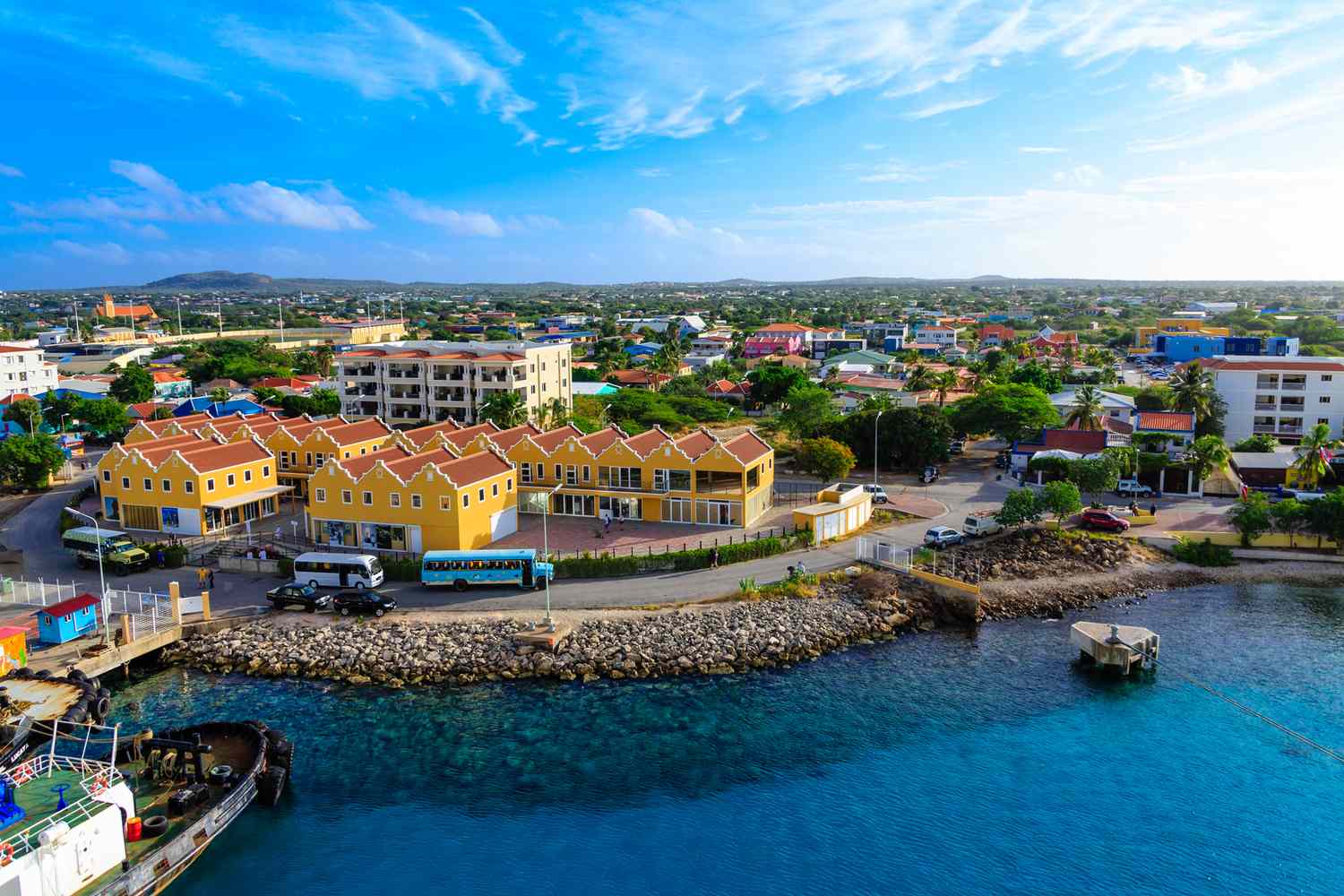
For divers, snorkelers, and those seeking serene relaxation, Bonaire is your clear winner with a daily budget of $150-$300. If you crave a more diverse cultural experience, lively nightlife, and a wider range of activities beyond the water, Curacao offers excellent value at $120-$280 per day.
- Choose Bonaire: Choose Bonaire if your primary goal is world-class shore diving, snorkeling, windsurfing, or simply unwinding in a quiet, nature-focused environment away from crowds.
- Choose Curacao: Opt for Curacao if you want a more bustling island experience with a rich history, diverse cuisine, vibrant nightlife, varied beaches, and better connectivity for flights.
- Choose Both: Consider doing both if you have at least 10-14 days. Fly between the islands (Divi Divi Air, EZ Air, Aruba Airlines for ~$100-150 one-way) for a few days in each, experiencing the best of both worlds.
Quick Comparison
| Category | Bonaire | Curacao | Winner |
|---|---|---|---|
| Beaches & Water Activities | Unparalleled shore diving/snorkeling, pristine coral reefs, dedicated marine park, excellent windsurfing/kitesurfing. | Numerous picturesque coves, diverse beaches (sandy, rocky), good snorkeling, some diving, more boat excursions. | Bonaire |
| Food & Dining | Smaller selection, focus on fresh seafood and local cuisine, some excellent hidden gems, casual vibe. | Wide array of international and local options, vibrant culinary scene, more fine dining, better street food. | Curacao |
| Nightlife & Entertainment | Extremely laid-back, quiet bars, early closing, focus on relaxed dinners and sunset drinks. | Lively clubs, beach bars, casinos, live music, bustling atmosphere, more options, especially in Willemstad. | Curacao |
| Culture & History | Subtle Dutch influence, focus on nature and conservation, rich indigenous and colonial history, but less visible. | Vibrant blend of Dutch, African, and Latin influences, UNESCO World Heritage capital (Willemstad), numerous museums, strong cultural identity. | Curacao |
| Costs & Budget | Generally slightly higher overall due to import costs, limited budget options for accommodation and dining, car rental essential. | Wider range of budget to luxury, more competition, good local food options, better public transport in some areas. | Tie |
| Getting There & Flights | Smaller airport (BON), fewer direct international flights, often requires connecting through Curacao or Aruba. | Larger international airport (CUR), more direct flights from major hubs, better connectivity. | Curacao |
| Getting Around | Car rental is absolutely essential for exploring, easy to navigate, uncrowded roads. | Car rental highly recommended for full exploration, public transport limited but exists in Willemstad, more traffic. | Bonaire |
| Accommodation | Primarily smaller boutique hotels, dive resorts, guesthouses, apartments; fewer large chain resorts. | Wide range from large all-inclusive resorts to boutique hotels, guesthouses, and budget apartments; more options. | Curacao |
| Nature & Activities (Non-Water) | Washington Slagbaai National Park, Pekelmeer Flamingo Sanctuary, donkey sanctuary, rugged desert landscapes. | Christoffel National Park, Shete Boka National Park, caves, Hato Caves, more varied hiking, Ostrich Farm. | Curacao |
| Safety & Vibe | Extremely safe, relaxed, quiet, tranquil, friendly locals, sense of community. | Generally safe in tourist areas, more bustling, can feel more 'urban' in Willemstad, some petty crime. | Bonaire |
🏖️ Beaches & Water Activities
Bonaire is hands down the 'Diver's Paradise' of the Caribbean. Its entire coastline is a protected marine park, meaning pristine reefs are accessible directly from shore at sites like 1000 Steps or Karpata. A typical shore dive costs just your tank refill (around $10-$15 USD) if you have your own gear and truck rental ($40-$60/day). Snorkeling at places like Klein Bonaire is breathtaking, feeling like swimming in an aquarium. Curacao, while beautiful, has more varied beaches like Cas Abao or Grote Knip, which are stunning for swimming and sunbathing but generally require boat trips for the best diving experiences, costing around $80-$100 USD per two-tank dive. Shore snorkeling is decent, but not on Bonaire's level. For windsurfing, Lac Bay in Bonaire is world-renowned, offering ideal conditions for all skill levels with rentals starting at $60-$80 for a few hours. "Honestly, Bonaire's convenience for diving changed my life. Just rent a truck, grab tanks, and you're at a world-class site in minutes. Curacao was fun, but I spent more time on boats." - r/diving
Winner takeaway
- Winner: Bonaire
- Why: Bonaire offers unparalleled access to world-class marine life and dedicated water sports infrastructure, especially for divers and windsurfers.
- Who this matters for: Scuba divers, snorkelers, windsurfers, kitesurfers, and nature enthusiasts.
🍽️ Food & Dining
Curacao boasts a much more diverse and vibrant culinary scene, a reflection of its multicultural heritage. In Willemstad, you'll find everything from upscale dining at Kome to authentic local fare at Plasa Bieu (Old Market), where you can get a hearty goat stew (kabritu stoba) for about ANG 20-30 ($11-$17 USD). Pietermaai district offers trendy restaurants and bars. Bonaire's dining scene is smaller but has some fantastic spots like Brass Boer (high-end, reservable months in advance) or At Sea for exquisite seafood, with main courses often $35-$50 USD. For more casual options, local food trucks (truki pan) are great for late-night snacks, but the overall variety doesn't compare to Curacao. Bonaire excels at fresh catch, but Curacao offers a broader gastronomic adventure, including more international influences like Indonesian and Surinamese cuisine. "Curacao's food scene blew me away – so many different flavors and price points. Bonaire was good, but after a week, I felt like I'd tried everything." - r/travel
Winner takeaway
- Winner: Curacao
- Why: Curacao's larger population and diverse cultural background translate into a significantly wider and more varied culinary landscape.
- Who this matters for: Foodies, those who enjoy trying new cuisines, and travelers looking for diverse dining options.
🌃 Nightlife & Entertainment
If you're looking to dance until the early hours or spend an evening at a casino, Curacao is your island. Willemstad, particularly the Pietermaai district and Mambo Beach Boulevard, offers numerous bars, clubs, and live music venues. Popular spots like Chill Beach Bar & Grill or Wet & Wild Beach Club at Mambo Beach often have parties and events, especially on weekends, with drinks costing around ANG 10-15 ($5.50-$8.50 USD). Casinos, like those at Renaissance Curacao Resort, provide a different form of evening entertainment. Bonaire's nightlife is much more subdued. Think casual drinks at waterfront bars like Karel's Beach Bar in Kralendijk, enjoying the sunset and a quiet dinner. Most places close by 10-11 PM, and there's no real 'club' scene. It's perfect for early risers who want to be refreshed for morning dives. "Bonaire's nightlife is basically 'eat dinner, have one drink, go to bed.' Curacao has actual options if you want to party a bit." - r/solotravel
Winner takeaway
- Winner: Curacao
- Why: Curacao offers a significantly more active and diverse nightlife, catering to those seeking social evenings and entertainment beyond quiet dinners.
- Who this matters for: Party-goers, those who enjoy live music, casinos, and a lively evening social scene.
🏛️ Culture & History
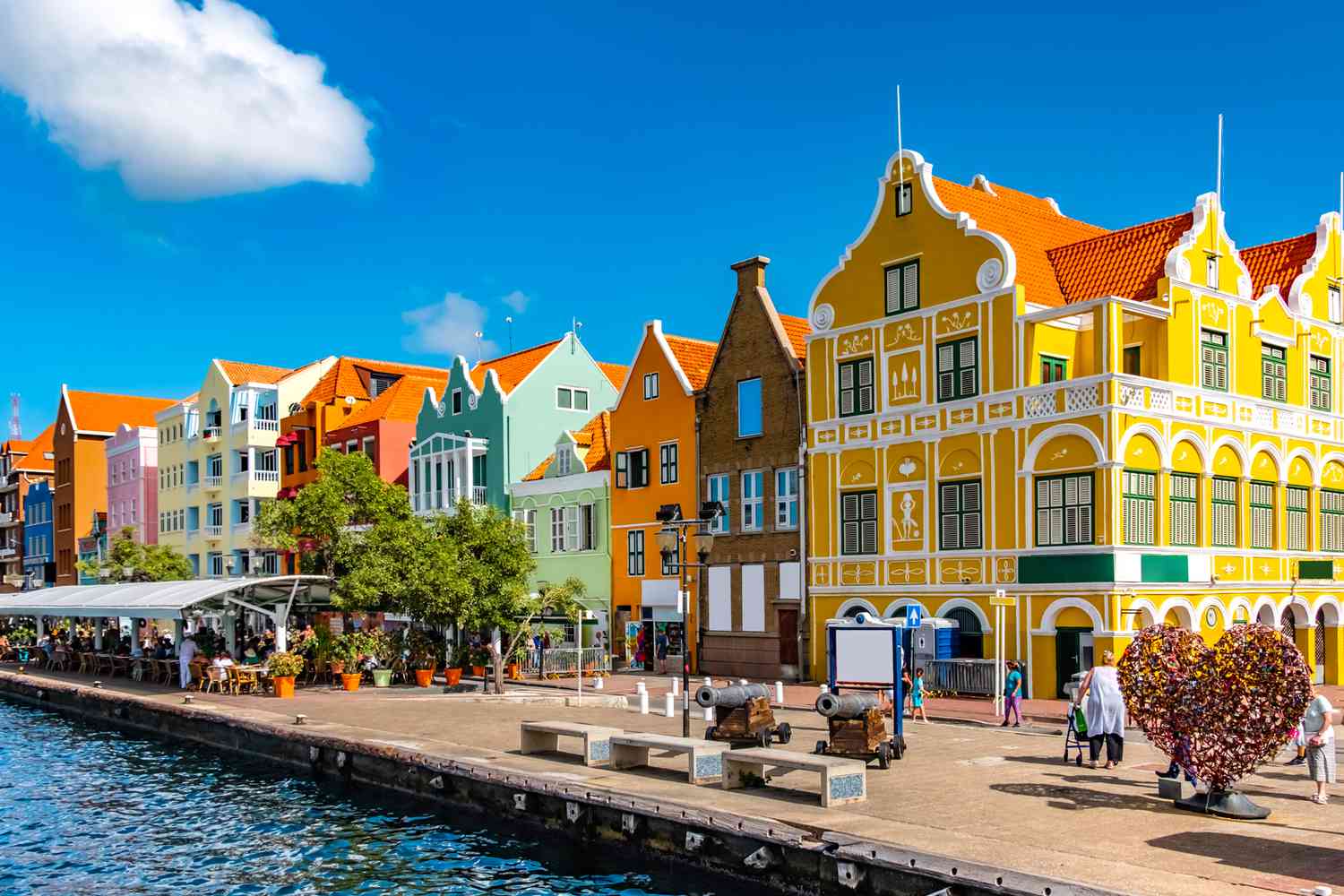
Curacao's capital, Willemstad, is a UNESCO World Heritage site, famous for its pastel-colored Dutch colonial architecture along the St. Anna Bay. Walking through Punda and Otrobanda, crossing the Queen Emma Pontoon Bridge, feels like stepping into a vibrant painting. The Kura Hulanda Museum offers a poignant insight into the island's slave trade history, with admission around ANG 15 ($8.50 USD). The blend of languages (Papiamentu, Dutch, English, Spanish) and the diverse food reflect its rich cultural tapestry. Bonaire's cultural footprint is less immediately visible. While it shares a Dutch heritage and a similar language (Papiamentu), its history is more tied to its salt industry (evident in the historic salt pyramids and slave huts) and its commitment to marine conservation. The Washington Slagbaai National Park preserves some indigenous history, but it doesn't have the grand historical landmarks or the bustling cultural pulse of Willemstad. "Curacao felt like a mini-Europe with a Caribbean twist, especially in Willemstad. Bonaire was more about the quiet nature, less about the visible history." - r/travel
Winner takeaway
- Winner: Curacao
- Why: Curacao's UNESCO-listed capital, diverse population, and numerous museums offer a much richer and more accessible cultural and historical experience.
- Who this matters for: History buffs, culture seekers, architecture enthusiasts, and those interested in diverse local traditions.
💰 Costs & Budget
Both islands are relatively expensive compared to other Caribbean destinations, largely due to import duties and reliance on tourism. Bonaire can feel slightly pricier for everyday items and budget accommodation. A typical mid-range hotel might cost $180-$250/night, and meals are often $25-$40. Car rental is non-negotiable at $40-$60/day. Curacao offers a broader spectrum. You can find guesthouses for $80-$120/night, and local meals at Plasa Bieu are a steal at $10-$17 USD. However, upscale resorts and fine dining in Curacao can easily match or exceed Bonaire's prices. For a mid-range traveler, a daily budget of $150-$300 USD is realistic for Bonaire, while Curacao can range from $120 for budget-conscious travelers to $280 for mid-range comfort. The key difference is Curacao's ability to cater to a tighter budget if you seek out local spots, whereas Bonaire has fewer 'true' budget alternatives beyond self-catering. "I found Bonaire a bit harder to do on a budget; everything felt a step up price-wise. Curacao, I could save a lot eating local." - r/travel
Winner takeaway
- Winner: Tie
- Why: While both are pricy, Curacao offers more opportunities for budget-conscious travelers through local eateries and a wider range of accommodation, balancing out higher-end options.
- Who this matters for: Budget travelers, value seekers, and those who want more control over their daily expenses.
✈️ Getting There & Flights
Getting to Curacao (CUR) is generally easier and often cheaper. Hato International Airport (CUR) serves as a larger hub with more direct flights from major North American cities like Miami (MIA, ~2.5 hrs, American Airlines, United), Atlanta (ATL, ~4 hrs, Delta), and Toronto (YYZ, ~5 hrs, Air Canada, WestJet). Round-trip flights from the US typically range from $450-$800, depending on your origin and season. Bonaire's Flamingo International Airport (BON) is smaller. While it has some direct flights from Newark (EWR, United) and Atlanta (ATL, Delta), many travelers find themselves connecting through Curacao or Aruba. The inter-island flights are short (20-30 min) and cost around $100-$150 one-way with regional carriers like Divi Divi Air or EZ Air, but they add an extra layer of logistics and potential delays. So, for sheer convenience and often lower airfare, Curacao wins. "Getting to Bonaire almost always meant an extra hop for me, which adds travel time and stress. Curacao was a direct shot from Miami." - r/travel
Winner takeaway
- Winner: Curacao
- Why: Curacao's larger airport and more extensive network of direct international flights make it a more accessible and often more economical choice for air travel.
- Who this matters for: Travelers prioritizing direct flights, shorter travel times, and potentially lower airfare.
🚗 Getting Around
On Bonaire, renting a pickup truck is almost a rite of passage, especially for divers. It's essential for carrying tanks and gear for shore dives, and exploring the island's many remote spots, including Washington Slagbaai National Park. Roads are generally well-maintained and uncrowded, making driving a pleasure. Car rentals typically cost $40-$60 USD per day. Taxis are available but expensive for extensive use. Curacao is a larger island with more traffic, especially in and around Willemstad. While public transportation (small buses called 'konvoois' and larger 'buskies') exists, it's not comprehensive enough for independent exploration beyond the main city areas. To truly experience the island's diverse beaches and attractions, a rental car (budget around $35-$55 USD/day) is highly recommended. Parking can also be more challenging in Willemstad. Bonaire's small size and specific needs make car rental a seamless and necessary part of the experience, whereas in Curacao, it's a convenience that comes with more urban driving challenges. "Bonaire's driving was so chill, just cruise around in my truck, pull over for a dive. Curacao, I felt like I was in a city, definitely more to deal with." - r/solotravel
Winner takeaway
- Winner: Bonaire
- Why: Bonaire's small size, low traffic, and essential truck rental system make self-exploration straightforward and stress-free.
- Who this matters for: Independent travelers, divers, and those who prefer to explore at their own pace without urban traffic.
🏨 Accommodation
Curacao offers a significantly broader array of accommodation options to suit every budget and travel style. You can find large, all-inclusive resorts like Sunscape Curacao Resort or Renaissance Curacao Resort, perfect for families or those who prefer everything in one place, with prices starting around $250-$400+ per night. There are also numerous charming boutique hotels in the Pietermaai district, mid-range guesthouses, and budget-friendly apartments. Bonaire's accommodation scene is more specialized, focusing heavily on dive resorts such as Buddy Dive Resort or Divi Flamingo Beach Resort, which often include dive packages. You'll also find lovely independent guesthouses and apartments, but fewer large, conventional resorts. While there are quality options, the sheer volume and diversity on Curacao give it an edge. A typical mid-range stay in Bonaire might cost $180-$250/night for a good guesthouse, whereas Curacao offers similar quality for slightly less or significantly more luxury for a similar price. "I loved the small, personal feel of my guesthouse in Bonaire, but Curacao had so many different kinds of places – I could actually find a true budget spot or a fancy resort." - r/travel
Winner takeaway
- Winner: Curacao
- Why: Curacao provides a much wider and more diverse range of accommodation options, from budget-friendly to luxury resorts, catering to all traveler types.
- Who this matters for: Travelers seeking specific types of lodging (all-inclusive, luxury, budget), or those needing more choice.
🌳 Nature & Activities (Non-Water)
While Bonaire is famed for its underwater nature, Curacao offers a more diverse range of terrestrial natural attractions and unique activities. Christoffel National Park, the largest national park on the island, offers challenging hikes to the highest point (Mount Christoffel), with stunning panoramic views. Entrance is around ANG 25 ($14 USD). Shete Boka National Park on the rugged north coast showcases dramatic waves crashing into limestone caves and blowholes, an amazing sight for around ANG 10 ($5.50 USD). You can also explore the Hato Caves, a fascinating underground world. Bonaire's main terrestrial attraction is Washington Slagbaai National Park, a vast wilderness for hiking, birdwatching, and exploring rugged coastlines, but it requires a 4x4. The Pekelmeer Flamingo Sanctuary and the Donkey Sanctuary are unique photo opportunities. While Bonaire's nature is raw and beautiful, Curacao simply has more variety in its accessible land-based activities and natural phenomena beyond its marine park. "Curacao's national parks felt more 'active' with the hiking and cave exploring. Bonaire was beautiful, but felt more about driving through." - r/CaribbeanTravel
Winner takeaway
- Winner: Curacao
- Why: Curacao offers a greater variety of accessible natural parks, hiking trails, and unique land-based attractions beyond its coastal offerings.
- Who this matters for: Hikers, nature photographers, birdwatchers, and those seeking adventure beyond water sports.
🚨 Safety & Vibe
Bonaire exudes an incredibly safe and relaxed vibe, often described as 'sleepy' or 'tranquil.' Petty crime is rare, and serious crime is almost unheard of. Travelers feel comfortable leaving their dive gear in the back of their unlocked trucks while exploring, though common sense precautions are always advised. The local community is genuinely friendly, and the pace of life is incredibly slow, fostering a strong sense of peace and security. Curacao is generally safe, particularly in tourist-heavy areas like Willemstad, Mambo Beach, and Jan Thiel. However, being a larger island with a more urban feel, it does experience more petty crime (e.g., car break-ins, pickpocketing) than Bonaire. Travelers should be more vigilant, especially at night or in less populated areas. While friendly, the atmosphere is more bustling and less uniformly 'laid-back' than Bonaire. For an unparalleled sense of safety and tranquility, Bonaire is the clear winner. "Bonaire felt like stepping back in time to a truly safe, friendly Caribbean. Curacao was fine, but I was definitely more aware of my surroundings." - r/travel
Winner takeaway
- Winner: Bonaire
- Why: Bonaire offers an exceptional level of safety and an overwhelmingly tranquil, stress-free atmosphere that is hard to match.
- Who this matters for: Solo travelers, families with young children, those seeking ultimate relaxation and peace of mind.
❓ Frequently Asked Questions
Which island is better for a family vacation?
Bonaire is fantastic for families with a focus on nature, especially if your kids are into snorkeling or diving; it's very safe and easy to navigate. Curacao offers more varied activities beyond the water, like museums, land parks, and larger resorts with kids' clubs, making it a better choice for families seeking diverse entertainment.
Can you do a day trip between Bonaire and Curacao?
While technically possible via a short flight (20-30 minutes) on regional airlines like Divi Divi Air or EZ Air, a day trip is not recommended due to flight schedules and the time it takes to truly appreciate either island. It's better to plan at least 2-3 nights on each if you want to visit both.
Is English spoken in Bonaire and Curacao?
Yes, English is widely spoken in both Bonaire and Curacao, especially in tourist areas, hotels, and restaurants. The official languages are Dutch and Papiamentu, and Spanish is also commonly understood, especially in Curacao.
What is the best time of year to visit?
Both islands enjoy a warm, dry, and sunny climate year-round due to their location outside the hurricane belt. The peak season is typically December to May, offering slightly cooler temperatures and less rain. June to November is warmer with a higher chance of short rain showers, but still excellent for travel.
Do I need a passport to visit Bonaire or Curacao?
Yes, U.S. citizens need a valid passport for entry into both Bonaire and Curacao. The passport must be valid for at least six months beyond your intended departure date. Always check the latest entry requirements before travel.
Which island is better for solo travelers?
Bonaire offers an incredibly safe and peaceful environment, ideal for solo travelers focused on diving, nature, and quiet relaxation. Curacao, with its bustling capital, more diverse activities, and vibrant nightlife, might appeal more to solo travelers seeking social interaction and a wider range of experiences.
What currency is used?
Bonaire officially uses the U.S. Dollar (USD). Curacao uses the Antillean Guilder (ANG), but the U.S. Dollar is widely accepted in most tourist establishments. It's often helpful to have some ANG for smaller purchases or local markets in Curacao.
Are there all-inclusive resorts on both islands?
Curacao has a good selection of all-inclusive resorts, particularly along the southern coast, catering to various budgets and preferences. Bonaire has fewer traditional all-inclusive options, with most resorts focusing on dive packages that might include meals but not typically a full all-inclusive experience.
Ready to plan your ABC Islands trip?
Get a free custom itinerary for Bonaire, Curacao, or both — built from real traveler insights.
🎟️ Book Tours & Experiences
Hand-picked tours and activities for both destinations — book with free cancellation
Experiences via Viator — free cancellation on most tours