How we built this comparison
This page combines traveler discussion patterns, published price ranges, flight schedules, and seasonal data to help you decide between Bordeaux and Burgundy.
- Reviewed 50+ Reddit threads from r/travel, r/solotravel, r/France, and r/wine for authentic traveler experiences and advice.
- Verified costs for accommodation, transport, and attractions against current booking platforms (e.g., Booking.com, SNCF, major tour operators).
- Cross-referenced seasonal patterns, weather data, and major event calendars to determine best times to visit.
- Utilized personal travel experience and local insights from connections in both regions.
⚡ The TL;DR Verdict
Choose Bordeaux if you crave a vibrant city base with access to grand châteaux and coastal escapes, on a moderate to high budget (€150-€350+ daily). Pick Burgundy for an intimate, rural wine experience focused on small producers and incredible food, best for those with a car and a moderate budget (€100-€250+ daily).
- Choose Bordeaux: Ideal for urban explorers who enjoy a sophisticated city atmosphere, world-class dining, and iconic wine estates, with the option for Atlantic beach day trips. Great if you prefer public transport or guided tours.
- Choose Burgundy: Perfect for wine purists and food enthusiasts seeking a slower pace, charming medieval villages, and direct engagement with passionate winemakers. A car is essential for exploring off-the-beaten-path.
- Choose Both: If you have at least 10-14 days and want to experience the breadth of French wine and regional culture. Fly into Paris, take the TGV to Dijon (Burgundy), then TGV to Bordeaux, or vice-versa. Focus 4-5 days on each region.
Quick Comparison
| Category | Bordeaux | Burgundy | Winner |
|---|---|---|---|
| Wine Experience | Grand châteaux, structured tours, 'left bank' Cab Sauv blends, 'right bank' Merlot. Iconic, often formal. | Small family domaines, intimate tastings, Pinot Noir & Chardonnay perfection. Terroir-driven, approachable. | Tie |
| Food & Gastronomy | Bustling restaurant scene, seafood (oysters from Arcachon), duck confit, canelés, high-end dining. | Hearty, rustic Burgundian cuisine (beef bourguignon, coq au vin), escargots, Epoisses cheese, Dijon mustard. | Burgundy |
| Overall Costs | Generally higher, especially for accommodation in Bordeaux city and grand château tours. Moderate to high. | More affordable rural accommodation, often cheaper tastings, but car rental is essential. Moderate. | Burgundy |
| Getting There & Around | Excellent TGV links from Paris (2h), international airport. City is walkable, public transport good. Car needed for Médoc/coast. | TGV to Dijon/Beaune (1.5-2h) from Paris. A car is absolutely essential for exploring the wine region. | Bordeaux |
| Accommodation Styles | Chic city hotels, elegant B&Bs, apartments in a vibrant urban setting. Some château hotels outside the city. | Charming gîtes, family-run B&Bs, boutique hotels in medieval towns, vineyard stays. Rural and intimate. | Burgundy |
| Culture & History | UNESCO Port de la Lune, Cité du Vin, grand 18th-century architecture, vibrant arts scene. | Dukes of Burgundy, Hospices de Beaune, medieval abbeys (Cluny, Vézelay), Dijon museums, quaint villages. | Tie |
| Nature & Scenery | Urban parks, nearby Atlantic coast, Dune du Pilat, Landes forest. | Rolling vineyards, picturesque canals, Morvan Regional Natural Park, gentle hills. | Burgundy |
| Day Trips & Activities | St-Émilion, Arcachon/Dune du Pilat, Cognac, Medoc châteaux. City-based activities. | Dijon, Beaune, Cluny, Vézelay, Chablis, countless small wine villages, canal cruises. | Bordeaux |
| Best Season to Visit | Late spring (May/June) for pleasant weather, early autumn (Sept/Oct) for harvest. Summer can be hot. | Late spring (May/June) for lush vineyards, early autumn (Sept/Oct) for harvest. Cooler summers. | Tie |
| Vibe & Atmosphere | Elegant, grand, bustling city life, sophisticated, more international feel. Vibrant nightlife. | Quaint, slow-paced, intimate, rustic charm, deeply traditional, focus on local life. Quieter evenings. | Bordeaux |
🍷 Wine Experience
This is a tough one, as both offer unparalleled experiences but cater to different tastes. Bordeaux shines with its majestic châteaux (e.g., Château Margaux, Château Lafite Rothschild) and grand scale. You're often doing formal, pre-booked tours, sometimes with larger groups, learning about classifications (Grand Cru Classé). Tastings at these estates can range from €50-€200 per person, but the history and architecture are incredible. The Cité du Vin museum (€22-€30) provides a fantastic overview. Burgundy, on the other hand, is all about the 'terroir' and intimate, often impromptu, experiences. You're more likely to meet the winemaker themselves in a small cellar in villages like Volnay, Gevrey-Chambertin, or Puligny-Montrachet. Tastings are generally more affordable, often €20-€60, and focus on the nuances of specific vineyard plots. It feels more personal and less commercial. 'Honestly, Bordeaux felt a bit like a city first, wine region second. Great for foodies too, but Burgundy is where I felt truly immersed in the craft of winemaking,' one Redditor noted. If you prefer polished grandeur, Bordeaux. If you love discovering hidden gems and connecting with producers, Burgundy.
Winner takeaway
- Winner: Tie
- Why: It's a tie because both offer world-class, but distinctly different, wine experiences catering to varying preferences.
- Who this matters for: Wine enthusiasts of all levels, from casual drinkers to serious collectors.
🍽️ Food & Gastronomy
Burgundy truly excels in its hearty, traditional French cuisine, deeply intertwined with its wines. Think rich, slow-cooked dishes like Boeuf Bourguignon and Coq au Vin, often found in charming village restaurants (expect main dishes €18-€30). The region is also famous for its pungent Epoisses cheese, Dijon mustard (don't miss the Maille boutique in Dijon), and of course, escargots. Beaune and Dijon offer fantastic markets and a plethora of excellent eateries, from casual bistros to Michelin-starred establishments like Lameloise in Chagny (tasting menus start around €200-€300). Bordeaux, while a culinary powerhouse with many Michelin stars (e.g., Le Pressoir d'Argent, tasting menus €250-€350), has a more diverse, urban food scene. You'll find incredible oysters from the nearby Arcachon basin, exquisite duck dishes, and the famous canelé pastries, but its regional identity feels slightly less cohesive than Burgundy's comforting, wine-paired fare. 'Burgundy's food felt like a warm hug after a day of wine tasting. Simple, but incredibly flavorful and authentic,' a traveler shared.
Winner takeaway
- Winner: Burgundy
- Why: Burgundy's food is a perfect, authentic complement to its wines, offering a distinct and deeply satisfying regional gastronomy.
- Who this matters for: Foodies who appreciate traditional, hearty French cooking and farm-to-table experiences.
💰 Overall Costs
When comparing overall trip costs, Burgundy tends to be more budget-friendly, especially once you factor in accommodation. In Bordeaux, a decent hotel in the city center can easily run €120-€250 per night (USD $130-$270), and high-end options climb much higher. Wine tours, especially to Grand Cru Classé estates, can be €50-€200+ per person. Meals in the city range from €20 for a casual bistro to €60+ for a nicer dinner. Burgundy offers more affordable gîtes, B&Bs, and charming village hotels for €80-€180 per night (USD $85-$195). Wine tastings are typically €20-€60. The main extra cost for Burgundy is definitely car rental, which is essential, usually €40-€80 per day (USD $45-$90), plus fuel. However, food costs can be slightly lower in rural areas, and many smaller producers offer free or very low-cost tastings if you buy bottles. 'I found Bordeaux accommodations a bit steeper than comparable gîtes in Burgundy, especially in the city center, but Burgundy requires that car rental budget,' a traveler mentioned.
Winner takeaway
- Winner: Burgundy
- Why: Burgundy generally offers better value for accommodation and wine experiences, despite the essential car rental cost.
- Who this matters for: Budget-conscious travelers who still want a high-quality wine and food experience.
🚗 Getting There & Around
Bordeaux is significantly easier to navigate without a car, making it a winner for solo travelers or those uncomfortable driving abroad. You can take a high-speed TGV train from Paris Montparnasse directly to Bordeaux Saint-Jean in just over 2 hours (tickets €30-€80). Bordeaux also has an international airport (BOD) with good connections. The city itself is very walkable, with excellent tram and bus networks. To visit the Médoc châteaux, you'll need a car or join a guided tour (which run €80-€150). Burgundy, while reachable by TGV to Dijon or Beaune (1.5-2 hours from Paris Gare de Lyon, tickets €25-€70), absolutely requires a rental car for any meaningful exploration of the vineyards and villages. Public transport outside of Dijon and Beaune is almost non-existent. Renting a car at Dijon or Beaune train station is highly recommended, costing around €40-€80 per day (USD $45-$90). 'Don't even *think* about doing Burgundy without a car. Public transport is basically non-existent outside the main towns, and you'll miss so much,' cautioned a Redditor.
Winner takeaway
- Winner: Bordeaux
- Why: Bordeaux offers superior accessibility and ease of getting around, especially without a rental car.
- Who this matters for: Travelers without a car, those relying on public transport, or first-time international drivers.
🏨 Accommodation Styles
Burgundy offers a truly charming and authentic range of accommodation that often integrates seamlessly with the wine experience. You'll find beautifully restored gîtes (self-catering cottages) in tiny villages, family-run chambres d'hôtes (B&Bs) where hosts might offer homemade breakfast and local tips, and boutique hotels set amidst vineyards. Staying in places like Beaune (e.g., Hotel Le Cep, rooms €180-€400) or Dijon gives you a town base, but exploring the smaller villages for a gîte (e.g., La Terre d'Or in Pommard, rooms €150-€250) or a château stay (e.g., Château de Gilly in Gilly-lès-Cîteaux, rooms €200-€500) offers a more immersive experience. Bordeaux, as a larger city, provides a more urban hotel landscape – from modern chains to elegant boutique hotels like Le Grand Hôtel de Bordeaux (rooms €250-€800) or stylish apartments. While there are some beautiful château hotels in the surrounding wine region, they are often more spread out and pricier. 'We stayed in a gîte right in the vineyards of Meursault, and it felt like we were living the dream. So much more character than a city hotel,' a traveler noted.
Winner takeaway
- Winner: Burgundy
- Why: Burgundy's accommodation options offer more character, intimacy, and direct vineyard immersion.
- Who this matters for: Travelers seeking unique, charming, and authentic stays, often with a personal touch from local hosts.
🏛️ Culture & History
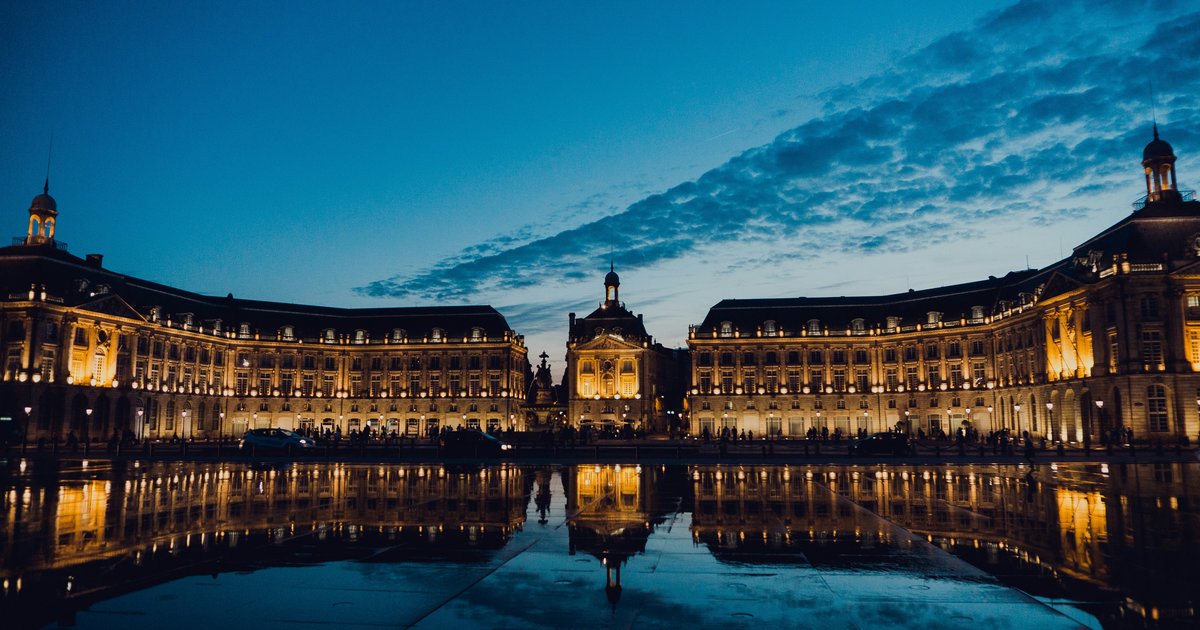
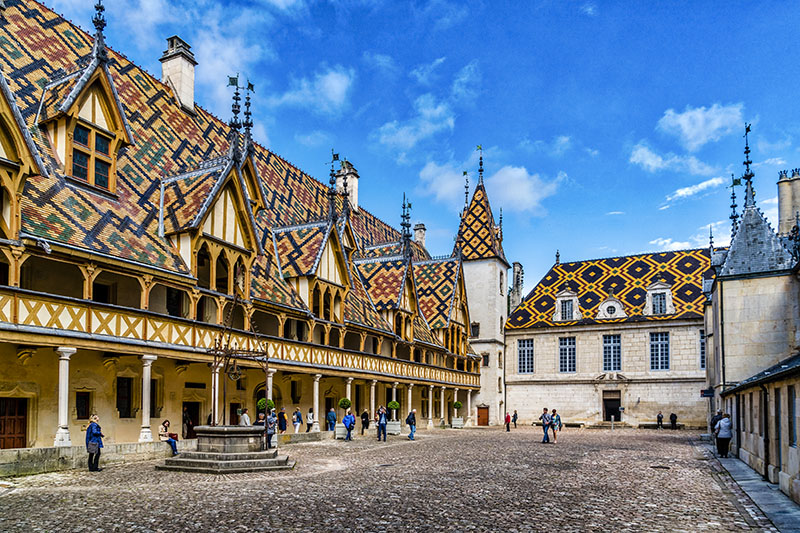
Both regions are steeped in history and culture, making this a deserved tie. Bordeaux, a UNESCO World Heritage site known as 'Port de la Lune,' boasts stunning 18th-century architecture, grand boulevards, and a dynamic contemporary arts scene. The Cité du Vin is an architectural marvel and a must-visit for wine education. You can explore the Grand Théâtre, various museums, and simply wander its elegant streets. Burgundy's history stretches back to the powerful Dukes of Burgundy, with incredible medieval heritage. The Hospices de Beaune (entry €9.50), with its iconic tiled roof, is a highlight. Dijon, the former capital, offers magnificent ducal palace, fine art museums, and charming old town streets. The region is also home to significant Romanesque abbeys like Cluny and Vézelay (both UNESCO sites). 'Bordeaux's elegance is undeniable, but Burgundy's medieval charm and the stories behind places like the Hospices just really stick with you,' one traveler shared. Bordeaux offers grand urban history; Burgundy, a more ancient, rural, and spiritual past.
Winner takeaway
- Winner: Tie
- Why: Both regions offer rich, distinct historical and cultural experiences, appealing to different interests.
- Who this matters for: History buffs, art lovers, and those interested in architectural heritage.
🌳 Nature & Scenery
Burgundy's natural beauty is captivating, defined by its iconic rolling vineyards that stretch across gentle hills and valleys, particularly in the Côte d'Or. This pastoral landscape is interspersed with charming medieval villages, ancient forests, and tranquil canals (like the Canal de Bourgogne), making it ideal for scenic drives, cycling, and leisurely walks. The Morvan Regional Natural Park offers a wilder side with lakes, forests, and hiking trails, a lovely contrast to the manicured vineyards. Bordeaux, while surrounded by famous vineyards, doesn't offer the same kind of diverse natural 'wow' factor immediately around the city. Its major natural draw is the Atlantic coast, about an hour's drive away, featuring stunning beaches and the impressive Dune du Pilat (Europe's tallest sand dune, entry is free, parking €6). However, this requires a dedicated day trip. 'Burgundy in autumn, hands down. The colors are insane, and you feel the harvest buzz everywhere you look. It's just postcard-perfect,' a Redditor exclaimed.
Winner takeaway
- Winner: Burgundy
- Why: Burgundy's core landscape of rolling vineyards and rural charm is more pervasively scenic and integrated into the travel experience.
- Who this matters for: Nature lovers, photographers, cyclists, and those who appreciate serene rural landscapes.
🗺️ Day Trips & Activities
Bordeaux edges out Burgundy slightly due to its diverse range of easily accessible and distinct day trip options. From Bordeaux city, you can take a quick train or bus to the medieval UNESCO village of St-Émilion (about 45 mins, €5-€10), famous for its monolithic church and 'right bank' Merlot wines. Another popular trip is to Arcachon Bay and the stunning Dune du Pilat (about 1 hour drive, €10-€15 for train/bus). For spirits enthusiasts, a trip to Cognac (1.5 hours by train, €15-€25) is also feasible. Burgundy's day trips are more concentrated around wine villages (Gevrey-Chambertin, Vougeot, Meursault, Chablis for white wine lovers) or historical sites like the magnificent Cluny Abbey or the hilltop basilica of Vézelay, often requiring a car. While wonderful, they are less varied in scope than Bordeaux's coastal, urban, and spirit-focused options. 'The Dune du Pilat near Bordeaux is wild, totally unexpected! Great break from wine tasting and a stunning natural wonder,' a traveler mentioned.
Winner takeaway
- Winner: Bordeaux
- Why: Bordeaux offers a wider array of distinct and easily accessible day trip options beyond just wine.
- Who this matters for: Travelers who enjoy diversifying their itinerary with different types of attractions.
☀️ Best Season to Visit
Both regions are spectacular in late spring (May-June) and early autumn (September-October), making it a tie. In late spring, temperatures are pleasant (18-25°C / 64-77°F), vineyards are lush, and tourist crowds are manageable. You'll find long daylight hours perfect for exploring. Early autumn offers the magic of the harvest season (vendange), with vibrant colors, lively activity in the vineyards, and slightly cooler, crisp air (15-22°C / 59-72°F). However, this is peak season, so expect higher prices and more people. Bordeaux can get quite hot in July and August (often exceeding 30°C / 86°F), which might be less comfortable for city exploration, though it's great for beach trips. Burgundy generally has milder summers and cooler evenings, making it more comfortable for outdoor activities throughout summer. 'Burgundy in September is just magical, the colors of the vines turning, the smell of fermentation in the air. Worth the crowds!' a traveler enthused.
Winner takeaway
- Winner: Tie
- Why: Both regions shine during the shoulder seasons (spring and autumn) for their unique charms, though summer heat differs.
- Who this matters for: Anyone sensitive to extreme heat or looking to experience the vibrant harvest season.
✨ Vibe & Atmosphere
Bordeaux exudes an elegant, sophisticated, and bustling urban atmosphere. As a major city, it offers a vibrant nightlife, high-end shopping, grand architecture, and a more international feel. The city center is lively with cafés, wine bars, and cultural events. It feels like a 'mini-Paris' with its grand boulevards and the Garonne riverfront. This dynamic energy is perfect for those who enjoy a lively base with plenty to see and do after the sun sets. Burgundy, in contrast, offers a much slower, more intimate, and rustic charm. It's about quiet contemplation in medieval villages, savoring long meals, and connecting with local producers. Life moves at a gentler pace, and evenings are typically quieter, focusing on gourmet dining or simply enjoying a glass of wine at your gîte. While Dijon and Beaune have some evening life, it's not on the same scale as Bordeaux. 'If you're into high-end shopping and fancy dining, Bordeaux city has more options and a buzz. Burgundy is more about rustic charm and early nights,' one Redditor pointed out.
Winner takeaway
- Winner: Bordeaux
- Why: Bordeaux's vibrant, sophisticated urban energy offers a more dynamic and diverse atmosphere for travelers.
- Who this matters for: City lovers, those seeking lively evenings, and travelers who enjoy a mix of culture, shopping, and dining.
❓ Frequently Asked Questions
Do I need a car for Bordeaux?
Not if you plan to stick mainly to Bordeaux city. The city is very walkable with excellent public transport (trams, buses). For day trips to St-Émilion, public transport works well. However, to fully explore the Médoc wine region or visit the Atlantic coast (Dune du Pilat), a car or guided tour is highly recommended.
Is Burgundy good for solo travelers?
Burgundy can be wonderful for solo travelers who enjoy solitude, slow travel, and are comfortable driving independently. It's safe and welcoming. However, if you prefer guided tours and easily accessible social interactions, Bordeaux might be a slightly better fit due to its larger city environment and more organized group tour options.
What's the main difference in wine styles?
Bordeaux is primarily known for its powerful red blends (Cabernet Sauvignon and Merlot dominant) and sweet white wines (Sauternes). Burgundy is renowned for its single-varietal wines: elegant Pinot Noir for reds and crisp Chardonnay for whites, with an emphasis on 'terroir' – the specific plot of land's influence.
Can I visit both regions on a single trip?
Yes, but allow ample time, ideally 10-14 days. You can fly into Paris, take a TGV to Dijon (Burgundy), explore for 4-5 days, then take another TGV to Bordeaux for 4-5 days, and fly out from Bordeaux. It's a fantastic way to experience both the diverse landscapes and wine cultures of France.
What are the local specialties to try in each region?
In Bordeaux, don't miss fresh Arcachon oysters, duck confit, and the sweet canelé pastry. In Burgundy, you must try Boeuf Bourguignon, Coq au Vin, escargots, and the pungent Epoisses cheese. Both regions offer incredible charcuterie and local bread.
How do I book a wine tasting in Burgundy vs. Bordeaux?
In Bordeaux, it's generally recommended to book château tours and tastings well in advance, especially for larger, more famous estates, often online or through a tour operator. In Burgundy, while some larger domaines can be booked, many smaller producers in villages welcome walk-ins, though calling ahead is always polite, especially for English speakers.
Which region is better for non-wine drinkers?
Bordeaux would likely be more engaging for non-wine drinkers due to its vibrant city life, grand architecture, excellent shopping, diverse culinary scene, and accessible coastal day trips like the Dune du Pilat. Burgundy's charm is very closely tied to its vineyards and wine culture, so a non-drinker might find fewer alternative activities.
What's the language situation for English speakers?
In both regions, especially in tourist-heavy areas, major hotels, and wineries, you'll find English speakers. However, learning a few basic French phrases (hello, thank you, please) will significantly enhance your experience, particularly in Burgundy's smaller, more rural villages where English might be less common.
Ready to plan your unforgettable French wine adventure?
Get a free custom itinerary for Bordeaux, Burgundy, or both — built from real traveler insights, tailored to your budget and interests.
🎟️ Book Tours & Experiences
Hand-picked tours and activities for both destinations — book with free cancellation
Experiences via Viator — free cancellation on most tours