How we built this comparison
This page combines traveler discussion patterns, published price ranges, flight schedules, and seasonal data to help you decide between Borneo and Sumatra.
- Reviewed 50+ Reddit threads from r/travel, r/solotravel, r/Malaysia, and r/Indonesia for genuine traveler experiences and insights.
- Verified costs and logistics against current booking platforms (e.g., Agoda, Skyscanner, local tour operators) and recent traveler blogs.
- Cross-referenced seasonal patterns and weather data with local meteorological sources and long-term climate averages.
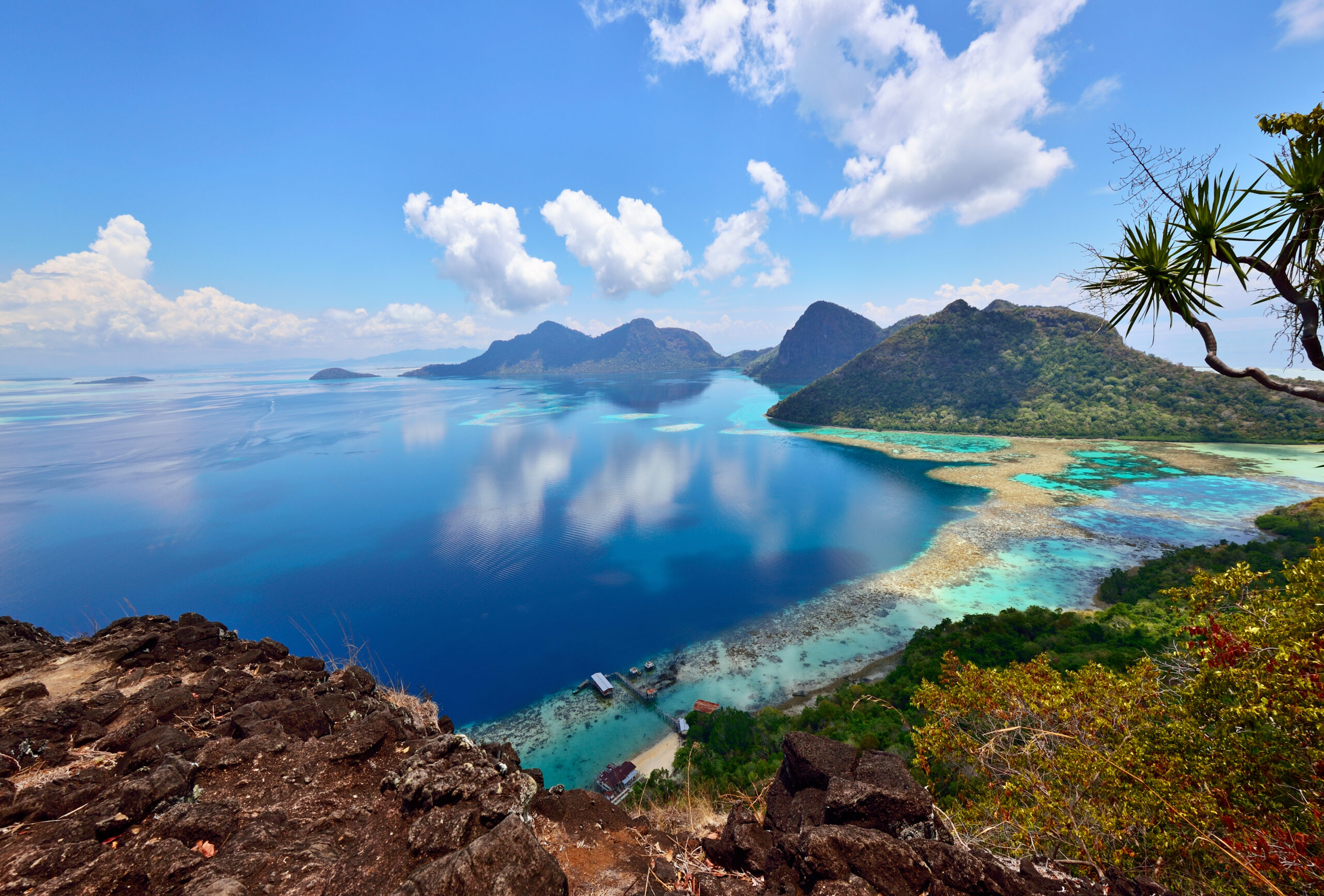
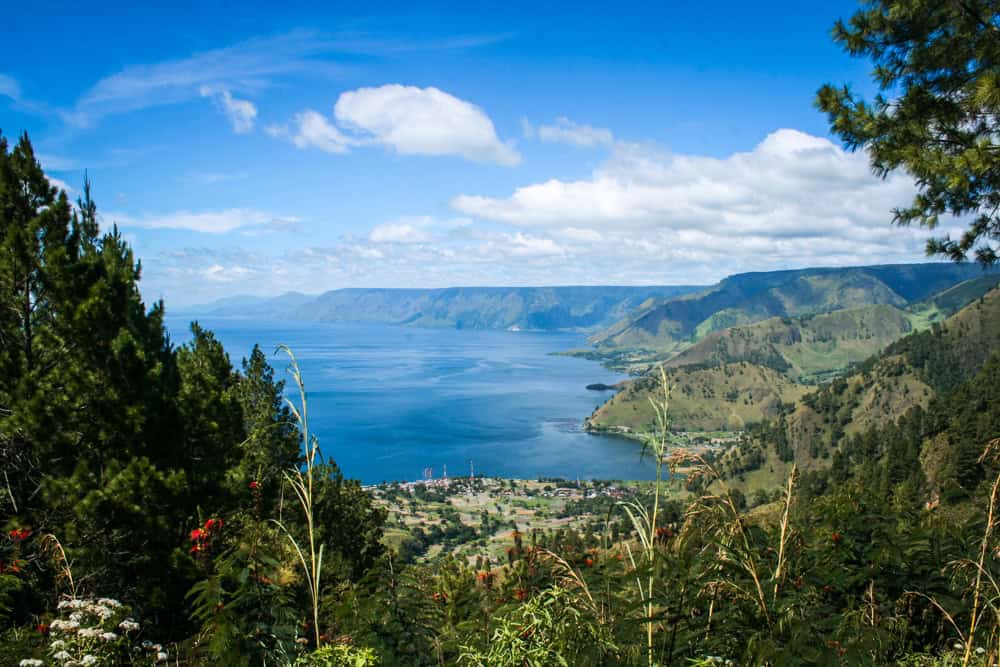
⚡ The TL;DR Verdict
For those craving well-supported wildlife encounters and a smoother travel experience with a slightly higher budget (around $60-100/day), Borneo is your pick. If raw adventure, authentic local immersion, and stretching a tighter budget (around $40-70/day) are your priorities, Sumatra calls.
- Choose Borneo: If you prioritize world-class, accessible wildlife viewing (orangutans, proboscis monkeys), well-developed national parks, and a generally more comfortable and English-speaking travel infrastructure, especially in Malaysian Borneo.
- Choose Sumatra: For the intrepid explorer seeking raw, less-trodden adventure, incredible volcanoes, diverse indigenous cultures, and a significantly lower cost of living, with a willingness to navigate more challenging logistics.
- Choose Both: If you have at least 3-4 weeks and a passion for diverse Southeast Asian nature. Start in Malaysian Borneo for the iconic wildlife, then fly from Kota Kinabalu or Kuala Lumpur to Medan, Sumatra, for volcanic hikes and lake life.
Quick Comparison
| Category | Borneo | Sumatra | Winner |
|---|---|---|---|
| Nature & Wildlife | Unrivaled orangutan encounters, unique proboscis monkeys, diverse national parks like Kinabalu and Mulu, and rich marine life. | Orangutan treks in Bukit Lawang, incredible volcanic landscapes (Mt. Sibayak, Mt. Kerinci), Lake Toba's unique ecosystem, and diverse rainforests. | Borneo |
| Costs & Budget | Generally higher, especially in Malaysian Borneo; accommodation and organized tours are a significant expense. | More budget-friendly across the board, from food and transport to basic accommodation and local activities. | Sumatra |
| Getting There & Around | Good flight connections to major cities (KK, Kuching), domestic flights common, decent road infrastructure. | Entry via Medan, often requires long, sometimes challenging bus/shared van journeys between destinations. | Borneo |
| Beaches & Islands | Stunning islands like Sipadan (world-class diving), beautiful white-sand beaches, and vibrant marine parks. | Fewer pristine beach destinations, though some decent options exist on the west coast, more about lakes than seas. | Borneo |
| Culture & Heritage | Diverse indigenous tribes (Iban, Kadazan-Dusun), historical colonial influence, rich cultural festivals. | Distinct ethnic groups (Batak, Minangkabau), strong Islamic influence, unique architecture, vibrant traditions. | Sumatra |
| Food & Drink | Malaysian-Chinese fusion, fresh seafood, Nasi Lemak, Laksa Sarawak, influenced by diverse communities. | Spicy Padang cuisine, unique Batak dishes, fresh fruit, famous coffee (Mandheling, Gayo), and vibrant street food. | Tie |
| Adventure & Activities | Mount Kinabalu trekking, world-class diving, caving, jungle trekking, river cruises, ziplining. | Volcano trekking (Sibayak, Kerinci), orangutan jungle treks, white-water rafting, lake activities, surfing. | Borneo |
| Accommodation Options | Ranges from budget hostels to luxury resorts, well-established guesthouses, and eco-lodges. | More limited luxury options, strong focus on budget guesthouses and homestays, often simpler facilities. | Borneo |
| Safety & Solo Travel | Generally very safe, good for solo travelers and families, low crime rate, clear tourist infrastructure. | Generally safe, but requires more awareness; less common for solo female travelers, infrastructure less developed. | Borneo |
| Overall Vibe & Pace | More developed, slightly touristy but efficient, balances adventure with comfort, generally faster pace. | Raw, adventurous, slower pace, requires patience and adaptability, less mass tourism, more immersive. | Sumatra |
🐒 Nature & Wildlife
Borneo is an absolute heavyweight for nature lovers, especially if you're chasing those iconic orangutan sightings. Malaysian Borneo, particularly Sabah and Sarawak, offers well-established and ethical viewing opportunities. Places like Sepilok Orangutan Rehabilitation Centre and the Kinabatangan River cruises (2D/1N package typically MYR 500-800 / ~$110-175) almost guarantee close encounters with orangutans, proboscis monkeys, and diverse birdlife. Don't forget the UNESCO-listed Gunung Mulu National Park with its stunning caves and bat exodus. Sumatra counters with its own incredible orangutan experiences in Bukit Lawang (a 2D/1N trek with permits and guides can range from IDR 1,500,000-2,500,000 / ~$95-160), offering a more 'wild' trekking feel. However, outside of Bukit Lawang, the infrastructure for wildlife viewing is less developed compared to Borneo's dedicated conservation efforts. Sumatra excels with its dramatic volcanic landscapes like Mount Sibayak near Berastagi and the majestic Lake Toba, the world's largest volcanic lake. While Sumatra feels wilder, Borneo's sheer variety and accessibility of wildlife encounters give it the edge for many. As one Redditor put it, "Borneo felt like a national geographic doc come to life, everything was so accessible yet still wild."
Winner takeaway
- Winner: Borneo
- Why: Borneo offers more reliable, diverse, and well-managed opportunities for iconic wildlife encounters and national park exploration.
- Who this matters for: First-time jungle adventurers, wildlife photography enthusiasts, and travelers prioritizing guaranteed sightings.
💸 Costs & Budget
Sumatra is undeniably the friendlier option for your wallet. While flights to Medan might be comparable to Kota Kinabalu, daily expenses on the ground are noticeably lower. A basic guesthouse in Sumatra can cost IDR 100,000-250,000 (~$6-16) per night, whereas a similar standard in Malaysian Borneo would be MYR 60-120 (~$13-26). Local meals in Sumatra, like Nasi Padang or street food, often come in at IDR 20,000-40,000 (~$1.30-2.60), making them significantly cheaper than Borneo's average of MYR 15-30 (~$3-7) per meal. Activity costs, while still present, are often negotiated and more flexible in Sumatra. For example, a basic motorbike rental for a day in Sumatra is around IDR 70,000-100,000 (~$4.50-6.50), while in Borneo it's closer to MYR 40-70 (~$8.50-15). The biggest cost disparity comes from organized tours and entry fees to national parks, which are often bundled and pricier in Borneo. "Sumatra was great for my backpacker budget, I could eat like a king for like $5 a day," shared a budget traveler on r/solotravel. If you're looking to stretch your travel funds, Sumatra offers more bang for your buck.
Winner takeaway
- Winner: Sumatra
- Why: Sumatra's significantly lower cost of living and less-developed tourism infrastructure lead to generally cheaper prices for almost everything.
- Who this matters for: Budget backpackers, long-term travelers, and those looking to minimize daily spending.
✈️ Getting There & Around
Borneo generally offers a smoother journey. Major hubs like Kota Kinabalu (Sabah) and Kuching (Sarawak) have excellent international connections, especially from Kuala Lumpur (KL to KK is ~2.5 hrs, MYR 100-300 / ~$21-65). Within Malaysian Borneo, domestic flights (e.g., KK to Sandakan, Miri) are efficient and often affordable with airlines like AirAsia or MASwings, saving hours off bus travel. Roads are generally well-maintained, particularly in developed areas, and ride-hailing apps like Grab are widely available. Sumatra, on the other hand, is a bit more of an adventure. Most international travelers fly into Medan Kualanamu International Airport (KNO). From there, getting to key destinations like Bukit Lawang, Lake Toba, or Berastagi involves long bus rides or shared taxis, often on less-than-perfect roads. A trip from Medan to Bukit Lawang can take 3-4 hours by shared minivan (IDR 100,000-150,000 / ~$6.50-10). Journeys between major attractions on Sumatra often consume entire days. While part of Sumatra's charm is its raw, untamed feel, the logistics can be tiring. One Reddit user commented, "Getting around Sumatra really tests your patience, but it's part of the experience. Just don't expect bullet trains or anything."
Winner takeaway
- Winner: Borneo
- Why: Borneo provides more direct flight routes, better internal flight connections, and generally more comfortable and efficient ground transportation.
- Who this matters for: Travelers with limited time, those preferring comfort over rugged journeys, and families.
🏖️ Beaches & Islands
When it comes to stunning coastlines and pristine islands, Borneo steals the show, hands down. Malaysian Borneo boasts some of the world's best diving and snorkeling spots, particularly around the islands off Sabah. Sipadan Island, though strictly regulated with limited permits (often part of a package starting at MYR 2,000-4,000 / ~$430-850 for a multi-day dive resort stay), is consistently ranked as a top dive destination globally. Beyond Sipadan, places like Mabul, Kapalai, and Mataking offer incredible macro and reef diving. Tunku Abdul Rahman Marine Park, easily accessible from Kota Kinabalu, provides lovely day trips for snorkeling and relaxing on islands like Gaya and Sapi. Sumatra's coastline is extensive, but it's less known for idyllic, postcard-perfect beaches. Exceptions include some decent surf spots on the west coast (like the Mentawai Islands, requiring dedicated travel) and quiet stretches around Banda Aceh. However, Sumatra's aquatic focus is more on its spectacular lakes, primarily Lake Toba, which offers a unique freshwater 'beach' experience on Samosir Island, but it's not the same as a tropical ocean getaway. As a diver on r/travel once said, "Sipadan changed my life. Nothing in Sumatra even comes close for marine life, it's just a different league."
Winner takeaway
- Winner: Borneo
- Why: Borneo offers world-class diving and snorkeling, pristine tropical islands, and easily accessible marine parks.
- Who this matters for: Divers, snorkelers, beach lovers, and those seeking island getaways.
🎭 Culture & Heritage
Sumatra presents a more raw and deeply ingrained cultural experience, less influenced by mass tourism. The island is home to distinct ethnic groups like the Batak people around Lake Toba, famous for their unique houses and intricate funeral traditions. Visiting a traditional Batak village on Samosir Island (e.g., Tomok or Ambarita) offers insights into ancient stone chairs and ritual sites. The Minangkabau people of West Sumatra are known for their matrilineal society and stunning buffalo-horn-shaped architecture found in cities like Bukittinggi and Padang. Islamic culture is very prominent across much of Sumatra, creating a different atmosphere from predominantly Christian-influenced areas of Borneo (like parts of Sarawak) or the more secular urban centers. Borneo, particularly Sarawak, offers rich encounters with indigenous tribes like the Iban (headhunters of old) through longhouse visits (e.g., Batang Ai packages around MYR 500-1000 / ~$110-215). However, some of these experiences can feel a bit staged. Sumatra's cultural tapestry feels more integrated into daily life. "Sumatra's culture felt so authentic, just walking through a village on Samosir, you felt generations of history," noted a traveler on r/Indonesia.
Winner takeaway
- Winner: Sumatra
- Why: Sumatra offers a more pervasive and distinct indigenous and religious cultural experience, integrated into everyday life.
- Who this matters for: Cultural anthropologists, travelers seeking deep immersion, and those interested in unique societal structures.
🍜 Food & Drink
This category is a tough call, as both islands offer incredible culinary journeys, each with its own distinct flavors. Borneo, particularly the Malaysian side, boasts a delightful fusion of Malay, Chinese, and indigenous influences. Kuching's Laksa Sarawak is legendary (MYR 8-15 / ~$1.70-3.20), a rich and fragrant noodle soup that's completely different from other Laksa variants. Fresh seafood is abundant, especially in coastal cities like Kota Kinabalu, where you can feast on grilled fish and prawns for reasonable prices. Don't miss out on local dishes like Manok Pansoh (chicken cooked in bamboo) and Kolok Mee. Sumatra, on the other hand, is the birthplace of the world-famous Padang cuisine from West Sumatra. This style involves a spread of various small dishes, often spicy and aromatic, where you only pay for what you eat (a typical meal can be IDR 30,000-60,000 / ~$2-4). The Batak region around Lake Toba has its own unique culinary traditions, including spicy grilled fish. Sumatra is also a coffee lover's paradise, home to renowned varieties like Mandheling and Gayo coffee, offering rich, complex flavors at local warungs for IDR 10,000-20,000 (~$0.65-1.30). "I still dream about the Laksa in Kuching, but then I remember the spice hit from a proper Padang meal, it's a draw for me," confessed a food blogger on r/travel.
Winner takeaway
- Winner: Tie
- Why: Both offer distinct, delicious, and diverse culinary experiences that cater to different palates, making a definitive 'winner' impossible.
- Who this matters for: Foodies, adventurous eaters, and anyone who uses their stomach to guide their travels.
⛰️ Adventure & Activities
Borneo offers a slightly more diverse and accessible range of organized adventure activities. The undisputed highlight is trekking up Mount Kinabalu in Sabah (permits & guide fees starting at MYR 1,000-2,000 / ~$215-430 for 2D/1N, often booked months in advance), Southeast Asia's highest peak, offering breathtaking views. Beyond that, the world-class diving in Sipadan and surrounding islands provides unparalleled underwater exploration. Caving in Gunung Mulu National Park, jungle trekking in Bako National Park, and river cruises on the Kinabatangan River (as mentioned before, typically packaged) are all well-established and popular. Sumatra's adventure scene is raw and thrilling, but often requires more effort to access. Volcano trekking is a major draw, with Mount Sibayak near Berastagi being a popular, relatively easy climb (guide optional, entry ~IDR 10,000 / ~$0.65). The multi-day trek up Mount Kerinci, Indonesia's highest volcano, is a more challenging expedition. Orangutan trekking in Bukit Lawang is a quintessential Sumatran adventure. White-water rafting is also available on rivers like the Alas. While Sumatra offers incredible natural challenges, Borneo's infrastructure and range of 'bucket-list' adventures (Kinabalu, Sipadan) make it slightly more appealing for a broader range of travelers. "If you want organized adventure and don't mind paying, Borneo has it all. Sumatra is more about finding your own adventure," was a common sentiment on r/solotravel.
Winner takeaway
- Winner: Borneo
- Why: Borneo provides a wider variety of iconic, well-organized, and accessible adventure activities, including world-renowned trekking and diving.
- Who this matters for: Adrenaline seekers, hikers, experienced divers, and those seeking iconic natural challenges.
🏨 Accommodation Options
Borneo generally provides a broader and more refined range of accommodation options, catering to various budgets and preferences. In major cities like Kota Kinabalu and Kuching, you'll find everything from clean, modern hostels (MYR 50-80 / ~$11-18 for a dorm bed) and mid-range hotels to luxurious international resorts like Shangri-La Tanjung Aru or Gaya Island Resort. National parks like Kinabalu and Mulu offer well-maintained, government-run guesthouses and chalets. Eco-lodges are also prevalent, especially around wildlife areas like the Kinabatangan River. Sumatra, while having some decent options in larger cities like Medan (e.g., Aryaduta Medan), predominantly caters to budget and mid-range travelers. Guesthouses and homestays are the most common, especially in tourist hubs like Bukit Lawang and Lake Toba, often offering simpler amenities. A private room with a fan in Bukit Lawang might cost IDR 150,000-300,000 (~$10-20), while a similar setup in Borneo might be MYR 70-150 (~$15-32). While characterful, luxury options are scarce outside of Medan. If comfort and variety in lodging are important to you, Borneo has a clear advantage. As one traveler noted, "Borneo gave me options, from a fancy resort near the beach to a rustic eco-lodge in the jungle. Sumatra was more 'whatever guesthouse has a bed'."
Winner takeaway
- Winner: Borneo
- Why: Borneo offers a wider range of accommodation types, from budget to luxury, with generally higher standards of comfort and service.
- Who this matters for: Families, couples seeking comfort, and travelers with specific lodging preferences or higher budgets.
🚶♀️ Safety & Solo Travel
Both destinations are generally safe for tourists, but Borneo offers a slightly more comfortable and less challenging experience, particularly for solo travelers and families. Malaysian Borneo benefits from strong tourism infrastructure, clearer signage (often in English), and a visible police presence in tourist areas. Crime rates are low, and locals are generally very helpful. While some areas near the Sulu Sea (eastern Sabah) have had historical security advisories, these are typically very specific and not near mainstream tourist routes. For solo female travelers, Borneo feels very secure. Sumatra is also generally safe, but requires a higher level of awareness. Scams are rare but can occur, and the less-developed infrastructure means navigation can be more challenging. Solo female travelers might experience more unwanted attention or curious stares, especially outside of major tourist hubs like Bukit Lawang or Lake Toba, due to cultural differences and less exposure to Westerners. While violent crime against tourists is extremely rare, petty theft can occur, as in any destination. "I felt super safe backpacking Borneo alone, people were always helpful. Sumatra was fine too, but I definitely felt more 'on guard', especially after dark in some towns," shared a solo female traveler on r/solotravel.
Winner takeaway
- Winner: Borneo
- Why: Borneo offers a generally more secure and comfortable environment for all travelers, especially solo adventurers and families, with better infrastructure.
- Who this matters for: Solo female travelers, first-time international travelers, and families with young children.
🧘 Overall Vibe & Pace
This is where personal preference truly dictates the winner, but if you're seeking an untamed, authentic Indonesian adventure, Sumatra shines. The overall vibe of Sumatra is one of raw, unpolished beauty. Travel is slower, often bumpy, and requires a good dose of patience and adaptability. This slower pace allows for deeper immersion in local life, from lingering over coffee in a warung to sharing a cramped bus with chickens. You'll find fewer large tour groups and more independent travelers forging their own path. It's a place where you truly 'earn' your experiences, from arduous volcano treks to navigating language barriers. Borneo, particularly the Malaysian side, feels more developed and, at times, a bit more tourist-centric. While still wild and adventurous, the infrastructure for tourism is more established, making for a smoother, often more comfortable journey. You can balance jungle excursions with comfortable hotels and modern amenities. The pace can be quicker, with easier transitions between destinations. "Sumatra really felt like going back in time, in the best way. It wasn't always easy, but every day was an adventure. Borneo was great, but it felt a bit more 'packaged' sometimes," commented a traveler on r/travel, perfectly capturing the essence. If you're after that true 'off-the-beaten-path' feeling, Sumatra delivers.
Winner takeaway
- Winner: Sumatra
- Why: Sumatra offers a more raw, authentic, and immersive travel experience with a slower pace, less mass tourism, and a greater sense of adventure.
- Who this matters for:
❓ Frequently Asked Questions
Which destination is better for seeing orangutans?
Both offer incredible opportunities! Borneo (Sepilok, Kinabatangan River in Sabah) provides more accessible and almost guaranteed sightings due to well-established rehabilitation centers and river cruises. Sumatra (Bukit Lawang) offers a more rugged, multi-day trekking experience in the wilder jungle, often requiring more effort but deeply rewarding.
What's the typical daily budget for Borneo vs Sumatra?
For Borneo, expect to spend around $60-100 USD (MYR 280-470) per day for mid-range travel, including tours. Sumatra is significantly cheaper, often allowing for $40-70 USD (IDR 620,000-1,085,000) per day, making it ideal for budget travelers and longer trips.
Is it safe to travel solo in either Borneo or Sumatra?
Both are generally safe. Borneo, especially Malaysian Borneo, is very comfortable for solo travelers, including solo females, with good infrastructure. Sumatra is safe but requires more street smarts and adaptability; solo female travelers might encounter more curiosity, but serious issues are rare.
Which destination has better beaches and diving?
Borneo is the undisputed champion for beaches and diving. Sabah, in particular, boasts world-class diving spots like Sipadan and beautiful islands in Tunku Abdul Rahman Marine Park. Sumatra's coastline has fewer pristine beaches, though it does offer some surf spots and unique lake experiences like Lake Toba.
What are the main entry points for each island?
For Borneo, the main international airports are Kota Kinabalu (BKI) in Sabah and Kuching (KCH) in Sarawak, both with good connections from Kuala Lumpur and other regional hubs. For Sumatra, the primary international gateway is Kualanamu International Airport (KNO) near Medan.
Are there active volcanoes to hike in either location?
Yes, but Sumatra is the clear winner for volcanic trekking. Mount Sibayak near Berastagi is a popular, relatively easy hike, while Mount Kerinci is a challenging multi-day trek to Indonesia's highest volcano. Borneo's iconic peak is Mount Kinabalu, a non-volcanic granite massif.
Which island is better for cultural immersion?
Sumatra offers a deeper, more integrated cultural immersion with distinct ethnic groups like the Batak and Minangkabau, whose traditions and architecture are evident in daily life. Borneo also has rich indigenous cultures (e.g., Iban longhouses), but some experiences can feel more geared towards tourism.
What's the best time of year to visit Borneo or Sumatra?
For Borneo, the dry season (March to October) is ideal, particularly for Mount Kinabalu treks and wildlife viewing. Sumatra's dry season is generally May to September, best for volcano hikes and orangutan treks, though weather patterns can be localized and unpredictable.
Ready to plan your Southeast Asian adventure?
Get a free custom itinerary for Borneo, Sumatra, or both — built from real traveler insights, tailored to your budget and interests.
🎟️ Book Tours & Experiences
Hand-picked tours and activities for both destinations — book with free cancellation
Experiences via Viator — free cancellation on most tours