How we built this comparison
This page combines traveler discussion patterns, published price ranges, flight schedules, and seasonal data to help you decide between Botswana and Senegal.
- Reviewed 100+ Reddit threads from r/travel, r/solotravel, r/africa, r/Botswana, r/Senegal.
- Verified costs and logistics against current booking platforms and travel forums.
- Cross-referenced seasonal patterns and weather data for optimal travel times.
⚡ Quick Answers
⚡ The TL;DR Verdict
For most travelers seeking a traditional African safari experience, Botswana offers unparalleled wildlife viewing and high-end service, albeit at a premium daily cost starting around $400-500. If you prefer cultural immersion, Atlantic beaches, and a more budget-friendly adventure focused on daily life, Senegal provides an accessible West African journey from $70-150 per day.
- Choose Botswana: You prioritize exclusive, high-quality wildlife safaris with comfortable accommodations and prepared logistics, and you have a substantial budget.
- Choose Senegal: You seek cultural engagement, lively cities, coastal experiences, and are comfortable navigating local transport and a more independent travel style on a moderate budget.
- Choose Both: If you have 3-4 weeks and a large budget, combine them to experience both extreme wildlife and West African culture, flying via a hub like Addis Ababa or Nairobi.
Choose Botswana
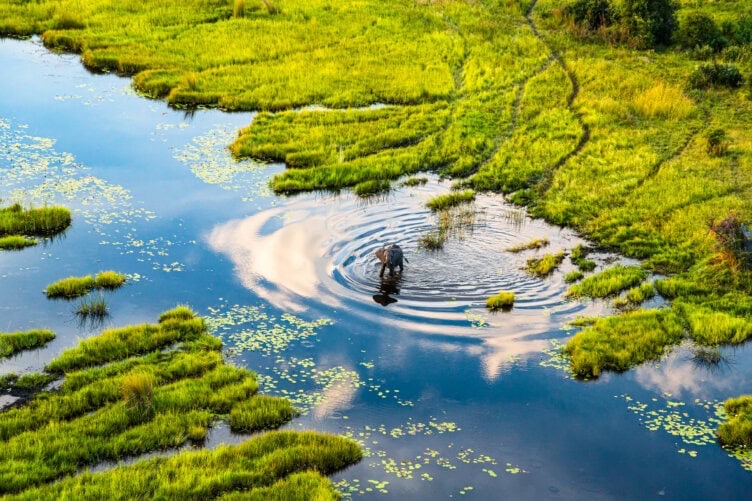
Choose Botswana if your ultimate dream is an unparalleled, high-end wildlife safari, best suited for discerning travelers with a substantial budget. Immerse yourself in the pristine Okavango Delta for intimate mokoro safaris and incredible leopard sightings, or witness colossal elephant herds in Chobe National Park, all from luxurious, expertly guided lodges in private concessions.
Choose Senegal
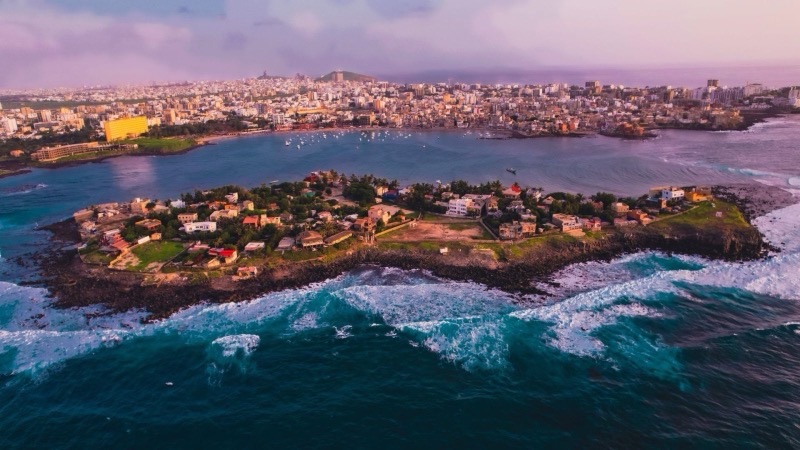
Opt for Senegal if you're an adventurous, culturally curious traveler seeking vibrant West African life, history, and stunning Atlantic coastlines on a more moderate budget. Explore Dakar's bustling markets and world-renowned music scene, delve into Gorée Island's poignant past, or relax by the unique Lac Rose, embracing authentic local interactions and independent travel.
📊 Visual Scorecard
🌤 When to Visit
Average high temperatures (°C). Green = best months, orange = avoid.
Quick Comparison
| Category | Botswana | Senegal | Winner |
|---|---|---|---|
| Wildlife & Nature | Premier safari destination with large animal populations, particularly in the Okavango Delta and Chobe National Park. | Limited large mammal viewing; known for birdlife and coastal ecosystems, with parks like Djoudj and Saloum Delta. | Botswana |
| Costs & Budget | High-end safari focus, leading to significantly higher daily expenditures, often starting at $400-500 per person per day. | More budget-friendly travel is possible, with daily costs ranging from $70-150 for independent travelers using local transport and guesthouses. | Senegal |
| Culture & People | Primarily Tswana culture, often encountered through interactions with lodge staff and limited urban experiences; San culture also present. | Deeply ingrained West African culture with strong Islamic influence, diverse ethnic groups, and vibrant urban and rural life. | Senegal |
| Getting There & Flights | Requires connecting flights, often through Johannesburg (JNB), with internal flights to safari camps being common. | Dakar (DSS) has more direct flight options from Europe and North America, simplifying arrival. | Senegal |
| Getting Around | Primarily organized safari vehicles or charter flights; self-driving a 4x4 is possible but requires experience. | Extensive network of local buses, sept-places (shared taxis), and private taxis; driving can be chaotic. | Senegal |
| Accommodation | Predominantly high-end safari lodges and tented camps, with fewer budget options outside main towns. | Wide range of guesthouses, mid-range hotels, and some luxury resorts, especially along the coast. | Senegal |
| Beaches & Coast | Landlocked country with no ocean access; some riverine areas offer water activities. | Extensive Atlantic coastline with diverse beaches, from urban stretches to tranquil fishing villages. | Senegal |
| Food & Drink | Cuisine often revolves around lodge menus or simple local fare; beef is a staple. | Rich West African cuisine with French influences, known for flavorful stews, fresh seafood, and roadside snacks. | Senegal |
| Safety & Stability | Generally very safe with low crime rates, especially in safari areas; road safety is a consideration. | Relatively stable but with higher petty crime rates in urban areas; political protests can occur in Dakar. | Botswana |
| Solo Travel | Good for solo travelers on organized safaris; independent solo travel can be costly and logistics challenging. | Easier for solo travelers due to accessible transport, guesthouses, and opportunities for social interaction. | Senegal |
🦁 Wildlife & Nature
Botswana stands as a top destination for wildlife, particularly its elephants, lions, and leopards. The Okavango Delta, a UNESCO site, offers mokoro trips (traditional canoe) for…
Botswana
Senegal
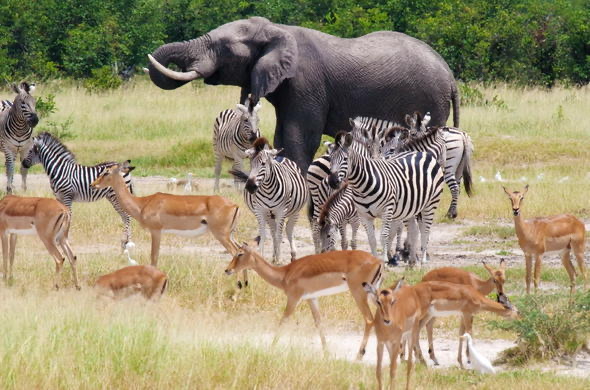
Botswana stands as a top destination for wildlife, particularly its elephants, lions, and leopards. The Okavango Delta, a UNESCO site, offers mokoro trips (traditional canoe) for close-up views of hippos and crocodiles, alongside land safaris. Chobe National Park near Kasane has one of Africa's largest elephant concentrations, with boat safaris on the Chobe River providing excellent photographic opportunities. Costs for a guided safari in these areas are high; a 3-day budget mobile safari might start around 8,000 BWP ($600 USD) per person, while a luxury lodge stay easily exceeds 13,000 BWP ($1000 USD) per night.
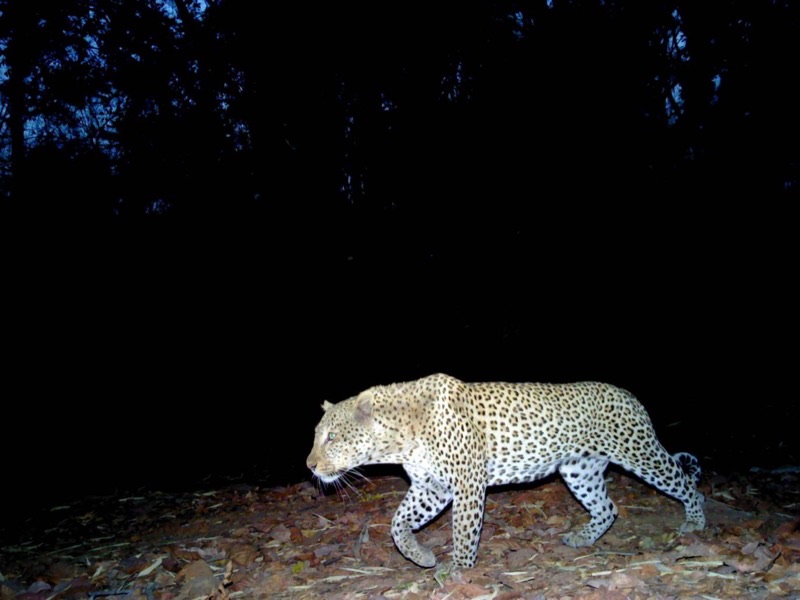
Senegal's natural offerings lean towards birdlife and coastal features rather than the Big Five. Djoudj National Bird Sanctuary, a UNESCO site, hosts millions of migratory birds including pelicans and flamingos, especially during the dry season (November to April). Accessing the park involves a drive from Saint-Louis and a boat trip; entrance fees are around 5,000 XOF ($8 USD). Parc National du Saloum Delta, another UNESCO site, provides mangrove channels and island communities. Fathala Wildlife Reserve, near the Gambian border, is a private park offering a curated safari experience with rhinos and giraffes, though these are introduced species not representative of Senegal's wild fauna. A day trip to Fathala costs about 65,000 XOF ($110 USD) including transport and entry.
Botswana is the clear choice for travelers prioritizing extensive, high-quality African wildlife viewing.
- Winner: Botswana
- Why: Botswana offers an unmatched density and diversity of large African wildlife in natural, expansive environments.
- Who this matters for: Wildlife photographers, safari enthusiasts, and those seeking iconic African animal encounters.
💸 Costs & Budget
Botswana positions itself as a low-volume, high-value safari destination. This means fewer tourists but considerably higher prices. Accommodation in a decent safari lodge in the…

Botswana
Senegal
Botswana positions itself as a low-volume, high-value safari destination. This means fewer tourists but considerably higher prices. Accommodation in a decent safari lodge in the Okavango Delta can cost anywhere from 5,000 BWP to 20,000 BWP ($380-$1500 USD) per person per night, often including all meals and activities. Even budget-conscious travelers opting for mobile safaris will struggle to spend less than 5,500 BWP ($400 USD) per day. Local transport is limited outside main towns, and self-driving requires a 4x4, adding to expenses. Food outside lodges is moderately priced, with a meal in Gaborone costing around 100-200 BWP ($7-15 USD).
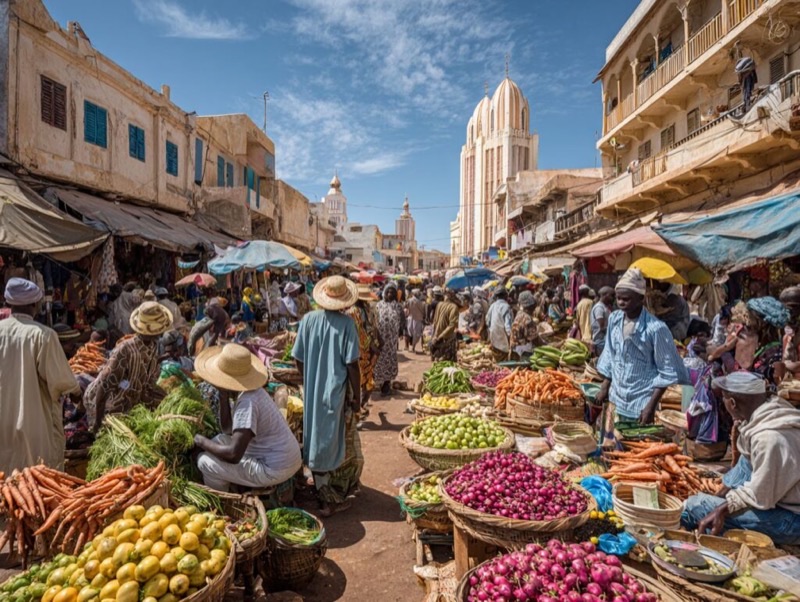
Senegal provides a more accessible travel experience for various budgets. Daily costs for an independent traveler can hover around 40,000-90,000 XOF ($70-150 USD). This includes local guesthouses at 20,000-40,000 XOF ($35-70 USD) per night, street food or local restaurant meals at 3,000-7,000 XOF ($5-12 USD) per dish, and public transport like sept-places (shared taxis) or car rapides (minibuses) which are very inexpensive, often a few hundred XOF for short distances. Private taxis in Dakar might cost 2,000-5,000 XOF ($3-8 USD) per ride. Activities like market visits or beach time are free or low cost, though organized tours add to the budget.
Senegal is the clear victor for travelers seeking a more affordable journey without sacrificing authentic experiences.
- Winner: Senegal
- Why: Senegal offers a wider range of budget-friendly options for accommodation, food, and transport, making it accessible to more travelers.
- Who this matters for: Budget-conscious travelers, backpackers, and those preferring to allocate funds to longer stays or diverse activities.
🎭 Culture & People
Botswana's cultural experience is generally less front-and-center than its wildlife. Tswana culture is the dominant one, and travelers primarily interact with Batswana people…
Botswana
Senegal
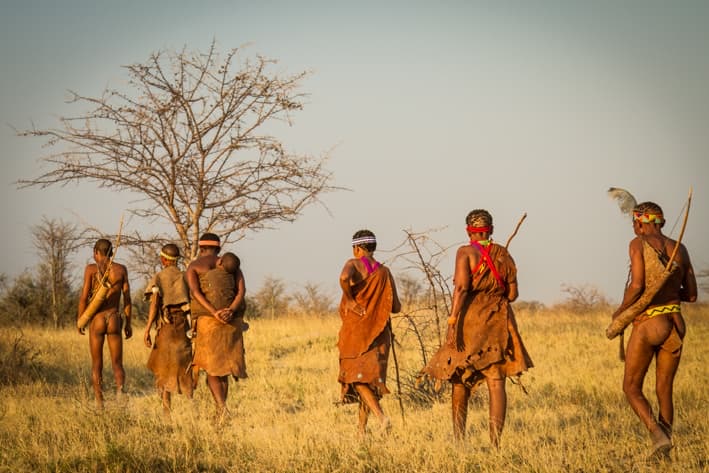
Botswana's cultural experience is generally less front-and-center than its wildlife. Tswana culture is the dominant one, and travelers primarily interact with Batswana people through safari guides and lodge staff. Opportunities for deeper cultural immersion, such as visiting a traditional village or participating in local ceremonies, are less common on typical safari itineraries. There are communities of San people (Bushmen) in the Kalahari, and some tours offer cultural experiences, but these are often curated for tourists and can feel somewhat removed from daily life. Gaborone, the capital, offers museums like the National Museum and Art Gallery for an overview of Botswana's history and art.
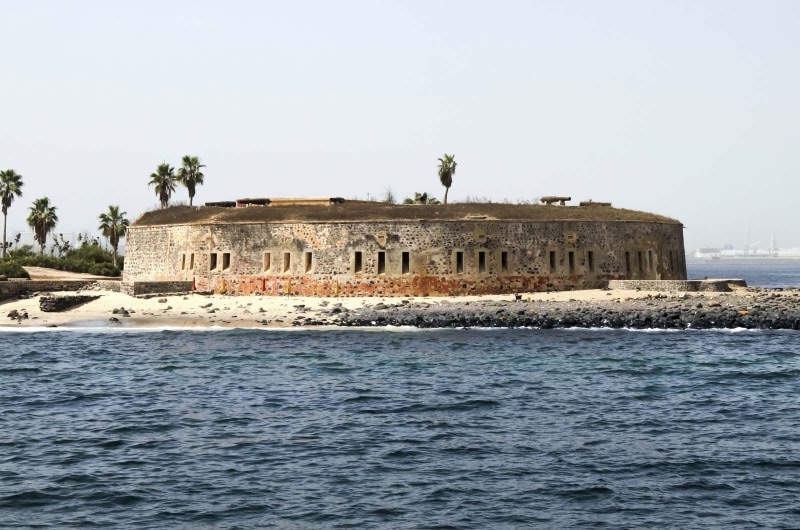
Senegal offers a dense and accessible cultural experience. Dakar, the capital, is a hub of West African art, music, and fashion. Visits to markets like Marché Kermel or Marché Tilène reveal daily life. Goree Island, a UNESCO site just off Dakar, serves as a poignant reminder of the slave trade, with the House of Slaves as its central point. The Mouride Sufi brotherhood holds significant influence, with the Grand Mosque in Touba attracting pilgrims. Griots (storytellers and musicians) play a central role in preserving oral traditions. Learning a few Wolof phrases (like 'Salam alaikum' for hello) opens doors. A visit to a local wrestling match (Lutte Sénégalaise) offers a glimpse into a national passion. Local music clubs in Dakar, like Just 4 You, feature live Mbalax music, a popular Senegalese genre.
Senegal provides a far more direct, pervasive, and varied cultural immersion experience for travelers.
- Winner: Senegal
- Why: Senegal's culture is deeply integrated into daily life and easily accessible, offering constant opportunities for interaction and observation.
- Who this matters for: Travelers seeking authentic cultural exchange, historical insight, and engagement with local communities and traditions.
✈️ Getting There & Flights
Getting to Botswana typically involves a long-haul flight to a major African hub, most commonly Johannesburg (JNB) in South Africa. From JNB, you would take a connecting flight to…
Botswana
Senegal
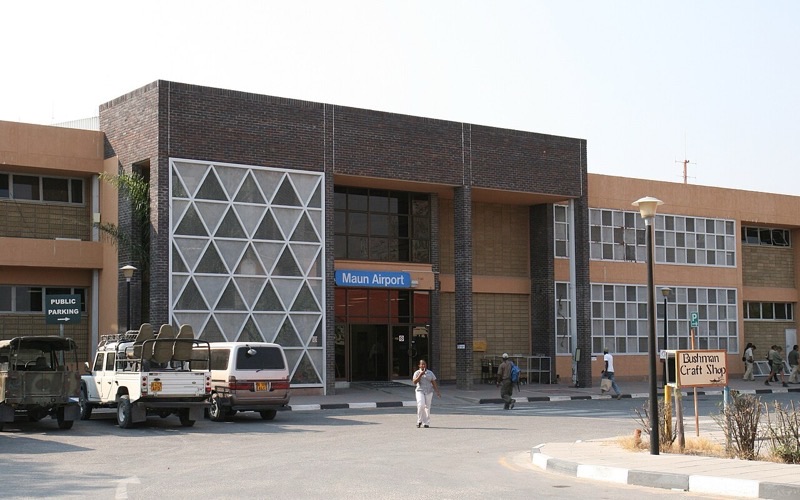
Getting to Botswana typically involves a long-haul flight to a major African hub, most commonly Johannesburg (JNB) in South Africa. From JNB, you would take a connecting flight to Gaborone (GBE), Maun (MUB) for the Okavango Delta, or Kasane (BBK) for Chobe. For example, a flight from London to Maun via Johannesburg can take 15-20 hours, with prices ranging from $1000-$1800 USD round trip, depending on the season and booking time. Once in Maun or Kasane, many safari packages include charter flights (small bush planes) directly to remote camps, which adds significantly to the overall cost and travel time, though it is efficient for reaching secluded areas.
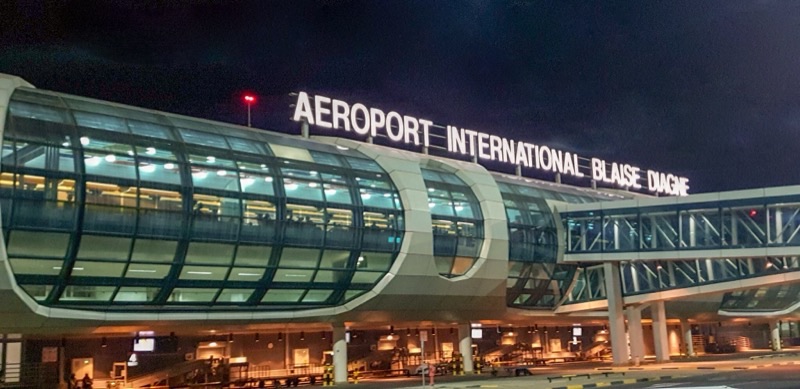
Senegal offers more straightforward international access, particularly to its main airport, Blaise Diagne International Airport (DSS) near Dakar. There are direct flights from major European cities like Paris (Air France, 5.5 hours), Brussels (Brussels Airlines, 6 hours), and Lisbon (TAP Air Portugal, 4 hours). From North America, flights usually involve one stop, for instance, from New York to Dakar can take 10-14 hours. Round-trip flights from Europe often range from $600-$900 USD, and from North America $900-$1400 USD. The airport is about an hour's drive from Dakar, with taxis costing around 20,000-25,000 XOF ($35-45 USD).
Senegal is easier and often cheaper to reach internationally, making for a less complex initial travel leg.
- Winner: Senegal
- Why: Senegal's capital, Dakar, has more direct and frequent international flight connections, reducing travel time and complexity.
- Who this matters for: Travelers prioritizing simpler logistics, shorter travel times, and potentially lower international airfare.
🚗 Getting Around
In Botswana's safari areas, getting around is almost exclusively done through organized tours, using specialized open-sided safari vehicles, or via small charter aircraft between…
Botswana
Senegal
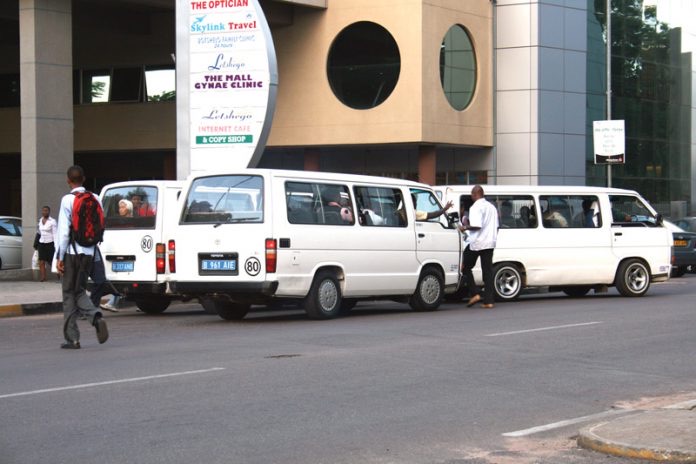
In Botswana's safari areas, getting around is almost exclusively done through organized tours, using specialized open-sided safari vehicles, or via small charter aircraft between lodges. These costs are usually bundled into safari packages. If you opt for self-driving, you absolutely need a well-equipped 4x4, especially for parks like Moremi Game Reserve or the Central Kalahari Game Reserve, where roads are deep sand tracks. Rental of a 4x4 can cost from 1,500 BWP ($115 USD) per day, plus fuel and park fees (around 120 BWP/$9 USD per person per day, and 50 BWP/$4 USD per vehicle per day for residents, higher for non-residents). Distances between towns are long, and roads outside major routes are often dirt.
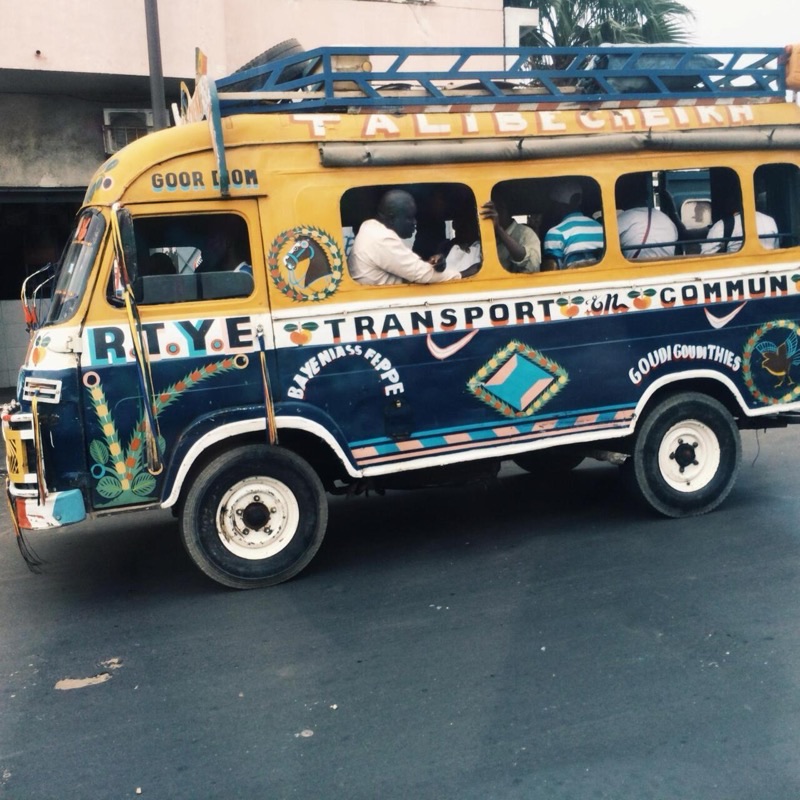
Senegal offers a comprehensive and affordable public transport system. For intercity travel, sept-places (shared 7-seater taxis) operate between all major towns; a ride from Dakar to Saint-Louis (approx. 4 hours) costs around 5,000 XOF ($8 USD). 'Car rapides' are colorful minibuses for shorter, local routes. In cities like Dakar, regular taxis are plentiful, with rides costing 1,000-5,000 XOF ($2-8 USD) depending on distance and negotiation. Ride-sharing apps like Yango are also available. While roads in urban areas can be congested and driving rules fluid, the independence and low cost of local transport are significant advantages for exploring.
Senegal's diverse and inexpensive transport options allow for independent exploration and a more immersive local experience.
- Winner: Senegal
- Why: Senegal's extensive and affordable public transportation network, including shared taxis and local buses, provides greater flexibility for independent travel.
- Who this matters for: Independent travelers, backpackers, and those who enjoy navigating local transport systems and engaging with local people.
🏨 Accommodation
Botswana's accommodation scene in safari areas is dominated by luxury lodges and tented camps. These establishments, like Mombo Camp in Moremi or Sanctuary Chief's Camp, offer…
Botswana's accommodation scene in safari areas is dominated by luxury lodges and tented camps. These establishments, like Mombo Camp in Moremi or Sanctuary Chief's Camp, offer premium services, gourmet meals, and often private game drives, reflected in their prices, which can be 10,000 BWP to 30,000 BWP ($750-$2200 USD) per person per night. More budget-friendly options exist in towns like Maun or Kasane, such as The Old Bridge Backpackers in Maun (around 200 BWP/$15 USD for a dorm, 800 BWP/$60 USD for a private room), but these are primarily jump-off points for safaris, not destinations themselves. Camping in national parks requires booking far in advance and is still relatively expensive, around 400 BWP ($30 USD) per person per night.
Senegal provides a much broader spectrum of accommodation. In Dakar, you can find basic guesthouses (auberges) from 15,000 XOF ($25 USD) per night, comfortable mid-range hotels like Hotel Terrou-Bi from 60,000 XOF ($100 USD), and luxury options. Along the Petite Côte, resort towns like Saly offer beach hotels ranging from 30,000 XOF ($50 USD) to 100,000 XOF ($170 USD) or more. Boutique hotels in Saint-Louis, such as Hôtel de la Poste, offer colonial charm from 45,000 XOF ($75 USD). The variety caters to different budgets and travel styles, from solo backpackers to families seeking comfort.
Senegal wins for its extensive and diverse range of accommodation choices that suit various budgets and preferences.
- Winner: Senegal
- Why: Senegal offers a significantly wider selection of accommodation types and price points, catering to more diverse traveler needs.
- Who this matters for: Travelers with varying budgets, from backpackers to those seeking comfortable mid-range options, and those who dislike feeling restricted to high-end resorts.
🏖️ Beaches & Coast
Botswana, being landlocked, has no ocean beaches. Its water-based experiences are confined to its rivers and deltas. The Okavango Delta, while a major water feature, is for…
Botswana, being landlocked, has no ocean beaches. Its water-based experiences are confined to its rivers and deltas. The Okavango Delta, while a major water feature, is for wildlife viewing and mokoro rides, not swimming or sunbathing. Chobe River cruises offer views of animals drinking, but again, it is not a beach destination. Nxai Pan National Park features ancient fossilized lakebeds, providing a sense of vastness but no water for recreation. For travelers seeking traditional beach leisure, Botswana does not offer this.
Senegal boasts a long and varied Atlantic coastline. Near Dakar, Plage de Ngor provides a popular spot for sunbathing, swimming, and local fish restaurants. Just a short boat ride away, Île de Ngor offers a more relaxed atmosphere. South of Dakar, the Petite Côte stretches for miles, with towns like Saly and Toubab Dialaw offering resort-style beaches and calmer waters, suitable for families. Further south, the Saloum Delta features secluded beaches on islands accessible by pirogue (traditional boat). Surfing is also possible at spots like Yoff Beach near Dakar, with board rentals available for around 5,000 XOF ($8 USD) for an hour. The diverse coastal environment caters to various beach activities and relaxation.
Senegal is the undisputed victor for anyone prioritizing beach access, coastal relaxation, and water sports in their travel plans.
- Winner: Senegal
- Why: Senegal offers a long and accessible Atlantic coastline with a variety of beaches for swimming, sunbathing, and watersports.
- Who this matters for: Beach lovers, surfers, families seeking coastal resorts, and those who want to combine cultural exploration with ocean relaxation.
🍽️ Food & Drink
Botswana's culinary scene for travelers is often centered on safari lodge dining, which typically offers a mix of international and local dishes, often buffet-style. Staple local…
Botswana's culinary scene for travelers is often centered on safari lodge dining, which typically offers a mix of international and local dishes, often buffet-style. Staple local foods include seswaa (slow-cooked shredded beef), pap (maize porridge), and bogobe (sorghum porridge). In towns like Gaborone or Maun, you can find local eateries serving these dishes for around 50-150 BWP ($4-12 USD). Meat, especially beef, is prominent. Vegetarian options outside of larger hotels or specific requests at lodges can be limited. Alcohol is available, with local beers like St Louis Lager being popular. The overall focus is on sustenance and quality ingredients rather than culinary exploration.
Senegal's food culture is a main attraction. Thieboudienne (fish, rice, and tomato sauce with vegetables) is the national dish, found everywhere from street stalls to restaurants for 1,500-4,000 XOF ($2.50-7 USD). Yassa (chicken or fish with caramelized onions and lemon) and Mafe (peanut stew with meat and vegetables) are other popular mainstays. Fresh seafood is abundant along the coast. Street food includes fataya (fried pastries filled with meat or fish) and dibi (grilled lamb or chicken). French influence is seen in bakeries (boulangeries) offering baguettes and pastries. Bissap (hibiscus juice) and bouye (baobab fruit juice) are popular non-alcoholic drinks. Alcohol is available in specific establishments, especially in Dakar. Dining out is a core part of the cultural experience.
Senegal provides a significantly more diverse, flavorful, and accessible culinary experience for the adventurous eater.
- Winner: Senegal
- Why: Senegal offers a deeply flavorful and varied cuisine that is readily accessible and a central part of its cultural identity.
- Who this matters for: Foodies, adventurous eaters, and travelers who consider local cuisine a significant part of their travel experience.
🔒 Safety & Stability
Botswana is widely considered one of Africa's safest countries for travelers. Crime rates are low, particularly in the safari regions where most tourists spend their time. The…
Botswana is widely considered one of Africa's safest countries for travelers. Crime rates are low, particularly in the safari regions where most tourists spend their time. The main concerns for tourists are related to wildlife (staying safe during game drives) and road accidents, especially when driving long distances on unpaved roads. Petty crime like pickpocketing is rare in rural areas but can occur in crowded urban centers like Gaborone. Health safety is a consideration with malaria in some northern areas, requiring prophylaxis. The political environment is stable, and local interactions are generally respectful and welcoming. Following safari guide instructions is key for personal safety.
Senegal is generally stable compared to some West African neighbors, but travelers need to exercise more caution, especially in cities like Dakar. Petty crime, including pickpocketing and bag snatching, is common in crowded markets, bus stations, and tourist areas. Violent crime against tourists is less common but can occur. There have been instances of political protests and demonstrations in Dakar, which can sometimes escalate and disrupt daily life and transport. Avoiding large gatherings and staying informed about local news is advisable. Nightlife in Dakar requires awareness of surroundings. Road safety is a concern due to aggressive driving and poor vehicle maintenance. Malaria is present throughout the country, and mosquito bite prevention is essential.
Botswana edges out Senegal due to its consistently lower crime rates and more predictable travel environment.
- Winner: Botswana
- Why: Botswana has a reputation for being a very safe and secure travel destination, particularly in its primary tourist areas.
- Who this matters for: Solo female travelers, families, first-time Africa visitors, and those who prioritize a very low-risk travel environment.
🧍 Solo Travel
Solo travel in Botswana is very common within the framework of organized safaris. Many lodges and mobile safari operators cater to solo travelers, offering single supplements or…
Solo travel in Botswana is very common within the framework of organized safaris. Many lodges and mobile safari operators cater to solo travelers, offering single supplements or pairing them with other guests. This ensures safety and handles all logistics, but it comes at a higher cost. For example, a single supplement on a 7-day luxury safari could add 30-50% to the per-person shared rate, potentially pushing the total to $8000-$10000 USD. Independent solo travel outside of organized tours, particularly self-driving into remote areas, requires significant planning, a 4x4 vehicle, and a high budget, making it less accessible for many. Opportunities for spontaneous social interaction are mostly limited to other tourists at lodges.
Senegal is well-suited for solo travelers seeking independence and cultural immersion. The extensive public transport network (sept-places, buses) makes getting around alone straightforward and inexpensive. Guesthouses and small hotels often provide communal spaces, fostering interaction with other travelers and locals. Cities like Dakar and Saint-Louis have cafés and markets where it is easy to observe and engage. While exercising common-sense precautions against petty crime is necessary, many solo travelers report positive experiences. Opportunities to learn a few Wolof phrases can significantly enhance interactions. Engaging a local guide for specific city tours (e.g., in Saint-Louis) can be an enriching solo experience, costing around 10,000-20,000 XOF ($17-35 USD) for a half-day.
Senegal provides a more accessible, affordable, and socially engaging environment for solo travelers.
- Winner: Senegal
- Why: Senegal offers greater ease of independent movement, more budget-friendly options, and more opportunities for genuine local interaction for solo travelers.
- Who this matters for: Independent solo travelers, backpackers, and those who enjoy meeting new people and navigating independently.
🎯 The Decision Framework
Choose Botswana If…
- You want to see abundant large wildlife in pristine safari environments.
- You prioritize comfort and luxury in your travel accommodations.
- You prefer having all logistics, including transport and activities, pre-arranged.
- You have a significant budget set aside for an exclusive African experience.
- You are particularly interested in the Okavango Delta and Chobe National Park.
- You value a very low-crime, stable travel environment.
- You are comfortable with guided tours rather than independent exploration.
- You seek an African journey focused almost entirely on nature and wildlife.
Choose Senegal If…
- You seek deep cultural immersion and interaction with local communities.
- You are looking for an affordable West African travel experience.
- You enjoy navigating local public transport and exploring independently.
- You want access to Atlantic beaches and coastal activities.
- You are interested in West African music, art, and history, especially Dakar's scene.
- You appreciate diverse and flavorful local cuisine, including street food.
- You are comfortable with a more rustic travel style and urban density.
- You want to experience a mix of city life, history (Goree Island), and nature (Djoudj).
📅 Sample Itineraries
Weekend in Botswana (3 Days)
💡 Book your safari activities well in advance, especially during peak season (June-October), to secure guides and permits and avoid last-minute price increases of up to 20%.
Weekend in Senegal (3 Days)
💡 When taking taxis in Dakar, always negotiate the price before getting in. A ride across town typically costs between $3 and $7, but drivers may quote higher for tourists.
One Week in Botswana (7 Days)
💡 For safaris, consider all-inclusive packages as they often bundle accommodation, meals, and game activities, saving you money compared to booking each component separately.
One Week in Senegal (7 Days)
💡 When traveling between cities, use 'sept-place' shared taxis for significant savings over private taxis. They depart once full and offer a communal travel experience at about a third of the private fare.
❓ Frequently Asked Questions
What is the typical daily budget for Botswana vs Senegal?
Botswana is significantly more expensive. A typical daily budget for a safari traveler in Botswana starts around $400-500 USD per person, often including accommodation, meals, and activities. In contrast, Senegal can be traveled for $70-150 USD per day for independent travelers, covering guesthouses, local food, and public transport.
Which destination is better for wildlife viewing?
Botswana is unequivocally superior for wildlife viewing. Its national parks, particularly the Okavango Delta and Chobe, host immense populations of elephants, lions, leopards, and many other species. Senegal offers excellent birdwatching at Djoudj National Bird Sanctuary but lacks the large mammal diversity of Botswana.
Are there direct flights from Europe or North America to either country?
Yes, Senegal has more direct flight options, especially from major European cities like Paris, Brussels, and Lisbon, to Dakar (DSS). From North America, flights usually involve one stop. Botswana typically requires connecting flights, often through Johannesburg (JNB), before flying to Gaborone (GBE) or safari hubs like Maun (MUB).
Is it safe to travel solo in Botswana or Senegal?
Botswana is generally very safe for solo travelers, particularly on organized safaris, though independent travel can be costly. Senegal is also suitable for solo travel, offering more opportunities for independent movement and social interaction, but requires more awareness regarding petty crime in urban areas like Dakar.
Which country offers better cultural experiences?
Senegal provides a much richer and more accessible cultural experience. Its vibrant cities, historical sites like Goree Island, strong Islamic and ethnic traditions, and lively music and art scenes are deeply integrated into daily life. Botswana's cultural interactions are generally more limited and often part of curated tours.
What are the primary differences in accommodation options?
Botswana's safari areas feature predominantly high-end, all-inclusive luxury lodges and tented camps, with limited budget choices. Senegal offers a broad range, from inexpensive guesthouses (around 15,000 XOF/$25 USD) and mid-range hotels to luxury resorts, catering to various budgets and preferences.
Can I find good beaches in either country?
Botswana is landlocked and has no ocean beaches; its water activities are centered on rivers and deltas. Senegal, however, boasts an extensive Atlantic coastline with diverse beaches near Dakar (e.g., Plage de Ngor) and along the Petite Côte, suitable for swimming, sunbathing, and watersports.
What local food should I try in each destination?
In Botswana, try seswaa (shredded beef) and pap (maize porridge). In Senegal, staple dishes include Thieboudienne (fish and rice), Yassa (chicken or fish with onions and lemon), and Mafe (peanut stew), alongside fresh seafood and various street foods like fataya.
Ready to plan your African trip?
Get a free custom itinerary for Botswana, Senegal, or both — built from real traveler insights.
👥 Travelers Also Compared
🎟️ Book Tours & Experiences
Hand-picked tours and activities for both destinations — book with free cancellation
Experiences via Viator — free cancellation on most tours