How we built this comparison
This page combines traveler discussion patterns, published price ranges, flight schedules, and seasonal data to help you decide between Bratislava and Budapest.
- Reviewed 50+ Reddit threads from r/travel, r/solotravel, r/Budapest, r/Slovakia, and r/EuropeTravel for firsthand experiences and advice.
- Verified costs and logistics against current booking platforms (Booking.com, Skyscanner, FlixBus, local transport apps) for accuracy.
- Cross-referenced seasonal patterns and weather data from meteorological sources to inform 'best time to visit' recommendations.
- Incorporated local insights from frequent travelers and digital nomads who have lived in or extensively visited both cities.
⚡ The TL;DR Verdict
For budget-conscious travelers seeking a relaxed, walkable experience with easy access to Vienna, Bratislava is your pick (daily budget: €40-60 / $45-65). If you crave vibrant nightlife, grand architecture, diverse cuisine, and a bustling atmosphere with slightly more stretch in your budget, Budapest delivers an epic adventure (daily budget: €60-90 / $65-100). Both offer incredible value compared to Western Europe.
- Choose Bratislava: You're on a tighter budget, prefer a quieter city break, want to combine with Vienna, or enjoy a very walkable old town experience without the crowds.
- Choose Budapest: You're looking for iconic sights, world-class nightlife, thermal baths, a more diverse culinary scene, and don't mind a bigger, busier city feel.
- Choose Both: If you have 5-7 days, combining them makes for an excellent Central European trip. A comfortable train ride connects them in about 2.5-3 hours, making it an easy two-city itinerary.
Quick Comparison
| Category | Bratislava | Budapest | Winner |
|---|---|---|---|
| Costs & Budget | Significantly cheaper for almost everything: accommodation, food, transport, and activities. Great for tight budgets. | Excellent value for a European capital, but generally 20-30% more expensive than Bratislava, especially for popular attractions and nightlife. | Bratislava |
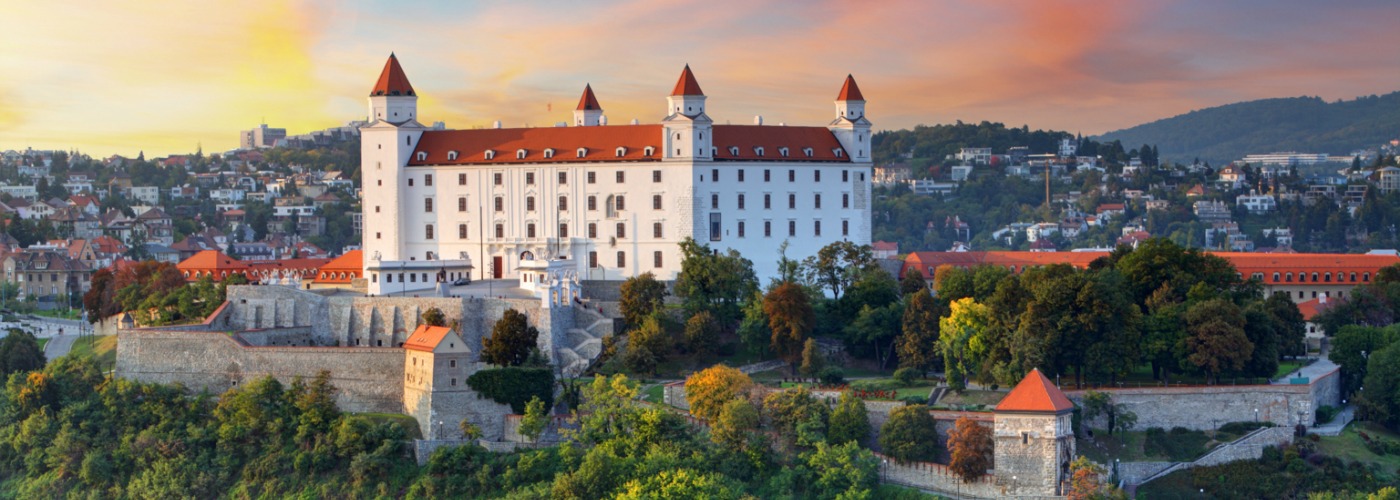
| Culture & History | Compact Old Town, Bratislava Castle, charming cathedrals, and a strong sense of Slovak history, often overshadowed by Vienna's proximity. | Grand, imperial architecture, incredible museums, Jewish Quarter history, thermal bath culture, and a rich, complex past visible everywhere. | Budapest |
| Food & Drink | Hearty Slovak cuisine (bryndzové halušky, kapustnica), good local wines, and decent craft beer scene, but less international variety. | Rich Hungarian gastronomy (goulash, paprikash, lángos), vibrant street food, Michelin-starred restaurants, and excellent wine regions, plus a booming craft beer scene. | Budapest |
| Nightlife | Cozy pubs, some clubs, and a relaxed atmosphere primarily centered in the Old Town. Good for a chill evening. | Legendary ruin bars (Szimpla Kert, Instant-Fogas), massive clubs, spa parties, and a generally wild, diverse nightlife scene. | Budapest |
| Getting There | Bratislava Airport (BTS) is smaller, but Vienna (VIE) is a major hub just 45 mins away. Excellent train/bus connections. | Budapest Ferenc Liszt International Airport (BUD) is a large, well-connected hub with direct flights from many international cities. | Budapest |
| Getting Around | Extremely walkable Old Town, efficient tram/bus system for longer distances. Compact and easy to navigate. | Extensive metro, tram, and bus network. Larger city means public transport is essential, though central areas are walkable. | Bratislava |
| Accommodation | Fewer options than Budapest but generally cheaper, from cozy hostels to boutique hotels in the Old Town. Good value. | Vast array of choices from luxury hotels to bustling hostels and stylish Airbnb apartments. More variety, but popular areas can be pricier. | Budapest |
| Day Trips | Easy access to Vienna (Austria), Devin Castle, Small Carpathians wine region, and the scenic Danubiana Meulensteen Art Museum. | Szentendre (artist village), Esztergom Basilica, Visegrád Castle, and Lake Balaton (further drive). | Bratislava |
| Vibe & Atmosphere | Relaxed, laid-back, charming, and less crowded. Feels authentic and manageable, like a hidden gem. | Grand, bustling, vibrant, energetic, and a true big city feel with a mix of historical elegance and modern edge. | Budapest |
| Safety | Generally very safe, especially in the Old Town. Petty crime like pickpocketing exists but is less prevalent than in larger cities. | Generally safe, but as a large capital, be aware of pickpocketing in crowded tourist areas and on public transport. Scams can occur. | Bratislava |
💰 Costs & Budget
Bratislava is undeniably more budget-friendly. You can find a decent meal in a local restaurant for €8-12 ($9-13), a pint of local beer for €3-4 ($3.20-4.30), and hostel dorms from €15 ($16) or mid-range hotels from €60-80 ($65-87). Public transport is cheap at around €0.90 ($1) for a single ticket. Budapest, while still great value, will see you spending more. A main course at a good restaurant will be 3000-5000 HUF (€8-13 / $9-14), a beer 1000-1500 HUF (€2.50-4 / $2.70-4.30), and hostel dorms from €20 ($22) or hotels from €80-120 ($87-130). Thermal bath entry can be 9000-12000 HUF (€23-30 / $25-33), which adds up. For example, a delicious trdelník (chimney cake) in Bratislava is around €3, while a similar street food item in Budapest like a lángos might be 1500 HUF (€4). Even groceries and basic necessities are noticeably cheaper in Bratislava. "Bratislava felt like stepping back in time cost-wise. My daily budget went way further there." While Budapest offers more 'grand' experiences, Bratislava offers pure affordability.
Winner takeaway
- Winner: Bratislava
- Why: Bratislava wins for sheer affordability across all spending categories, making it ideal for the most budget-conscious travelers.
- Who this matters for: Budget travelers, backpackers, and anyone looking to stretch their Euro.
🏰 Culture & History
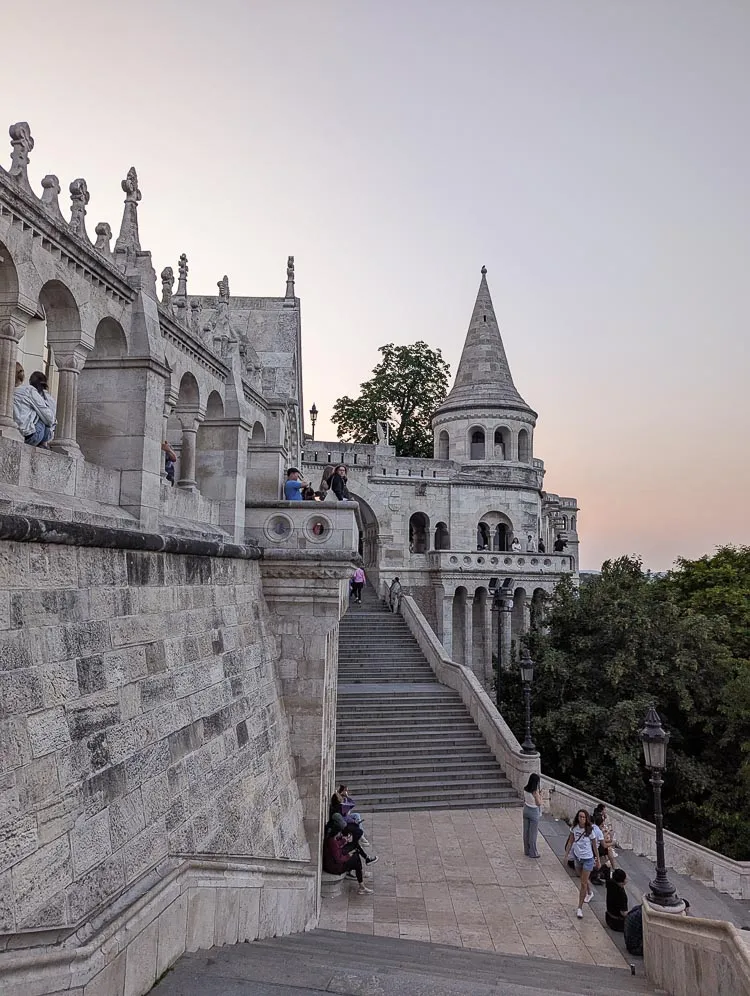
Budapest offers a far grander and more diverse cultural and historical experience. From the majestic Hungarian Parliament Building and the Buda Castle District with Matthias Church and Fisherman's Bastion, to the poignant House of Terror Museum and the impressive Hungarian National Museum, there's a wealth of sites. The thermal bath culture, exemplified by Szechenyi or Gellért Baths, is a unique historical and social experience. The Jewish Quarter tells a compelling story through its synagogues and memorials. Bratislava's historical core, while charming, is much smaller. Bratislava Castle offers great views, St. Martin's Cathedral is beautiful, and the Blue Church is unique, but the sheer volume and scale of Budapest's offerings are unmatched. You can spend days exploring Budapest's past, whereas Bratislava's main historical sites can be covered in a day or two. "Budapest's history is just *everywhere* you look, from the ruin pubs to the grand avenues. Bratislava was cute, but Budapest felt epic."
Winner takeaway
- Winner: Budapest
- Why: Budapest offers a much richer, grander, and more diverse cultural and historical tapestry that can fill days of exploration.
- Who this matters for: History buffs, architecture enthusiasts, and those who appreciate iconic landmarks.
🍽️ Food & Drink
Budapest's culinary scene is a powerhouse. Traditional Hungarian dishes like goulash (gulyás), chicken paprikash (csirkepaprikás), and the iconic street food lángos are incredibly flavorful and widely available. Prices are reasonable, with a hearty goulash costing around 2500-4000 HUF (€6.50-10 / $7-11) at a mid-range spot like Gettó Gulyás. The city also boasts a thriving fine dining scene and a fantastic array of international cuisines. Their craft beer scene is exploding, and Hungarian wines (Eger, Tokaj) are world-class. Bratislava offers comforting Slovak dishes like bryndzové halušky (potato dumplings with sheep cheese), often costing €7-10 ($7.50-11) at places like Slovak Pub. While delicious and authentic, the variety is more limited, and the international dining scene isn't as developed. Bratislava's local wines from the Small Carpathians are lovely, but less globally recognized. "I ate like a king in Budapest for so cheap. The street food alone was worth the trip. Bratislava had good halušky, but that was about it for 'must-try' stuff." Budapest truly excels in both quantity and quality of culinary experiences.
Winner takeaway
- Winner: Budapest
- Why: Budapest offers a more diverse, sophisticated, and globally recognized culinary scene, from traditional delights to fine dining.
- Who this matters for: Foodies, gourmands, and anyone who loves to explore a destination through its cuisine.
🍻 Nightlife
Budapest is famous for its nightlife, and for good reason. The ruin bars, particularly Szimpla Kert and Instant-Fogas, are unique institutions – sprawling, multi-room complexes built into derelict buildings, offering cheap drinks (beers 1000-1500 HUF / €2.50-4) and an unparalleled atmosphere. Beyond these, there are countless clubs, live music venues, and even unique 'Sparties' at the thermal baths. The sheer scale and variety mean there's something for every taste, whether you want a quiet drink or to dance until dawn. Bratislava's nightlife is charming but much smaller in scale. The Old Town has plenty of pubs and bars where you can enjoy a local beer for €3-4, and there are a few clubs like Subclub or Channels, but it doesn't have the same iconic, sprawling, or intense party scene as Budapest. It's more about relaxed evenings and pub crawls. "Budapest's ruin bars are a whole experience in themselves. Bratislava was fine for a couple of beers, but Budapest blew it out of the water for nightlife." If you're looking to party, Budapest is the clear winner.
Winner takeaway
- Winner: Budapest
- Why: Budapest's unique ruin bar culture, diverse club scene, and vibrant energy make it a world-class nightlife destination.
- Who this matters for: Party-goers, young travelers, and anyone seeking memorable evening entertainment.
✈️ Getting There
Budapest Ferenc Liszt International Airport (BUD) is a significant international hub, offering direct flights from numerous cities across Europe, North America, and beyond, often with competitive prices, especially with budget airlines. Getting from BUD to the city center is straightforward, with a direct 100E bus costing around 2200 HUF (€5.50 / $6). Bratislava's airport (BTS) is smaller and serves fewer direct international routes, primarily budget carriers. However, Bratislava's trump card is its proximity to Vienna International Airport (VIE), a major European hub, just a 45-minute bus ride away for about €8-10 ($9-11). So while Bratislava itself might be harder to fly into directly, its access to VIE makes it very accessible. However, considering direct flight options and overall ease for most international travelers, Budapest's own airport connectivity is superior. "It was easier to find direct, cheap flights into Budapest from pretty much anywhere. For Bratislava, I usually flew into Vienna and then bused over, which added time."
Winner takeaway
- Winner: Budapest
- Why: Budapest's larger international airport (BUD) offers more direct flight options from a wider range of global cities.
- Who this matters for: International travelers looking for direct, hassle-free flight connections.
🚶 Getting Around
Bratislava is incredibly easy to navigate on foot. Its Old Town is compact, pedestrian-friendly, and most major sights like Bratislava Castle, St. Martin's Cathedral, and the Blue Church are within easy walking distance. For anything further, like Slavín Memorial or Devin Castle (a day trip), the public transport system (trams and buses) is efficient and affordable, with a single ticket costing around €0.90 ($1). You rarely need more than a few tickets for your entire stay. Budapest, being a much larger city, requires more reliance on its excellent public transport system, which includes metro, trams, and buses. While the central Pest area and Buda Castle District are walkable, getting between districts (e.g., from Szechenyi Baths to the Parliament) almost always involves public transport. A 24-hour travel card costs 2500 HUF (€6.50 / $7), and single tickets are 350 HUF (€0.90 / $1). "Bratislava was a joy to walk around. I barely used public transport. In Budapest, I was constantly on the metro or tram, which was good, but not as carefree." Bratislava's smaller scale makes for a more relaxed and walkable experience.
Winner takeaway
- Winner: Bratislava
- Why: Bratislava's compact Old Town makes it exceptionally walkable, reducing the need for public transport and enhancing the relaxed city experience.
- Who this matters for: Travelers who prefer walking, those with limited mobility, and anyone who enjoys a more leisurely pace.
🛌 Accommodation
Budapest, as a larger and more popular tourist destination, simply offers a far greater variety of accommodation options to suit every budget and style. You can find everything from luxurious five-star hotels like The Ritz-Carlton, Budapest (from €300/night / $325) to vibrant party hostels like Wombat's City Hostel (from €25/night / $27) and a huge selection of mid-range hotels and stylish Airbnb apartments, particularly in the Jewish Quarter or near the Parliament. For example, a well-rated 3-star hotel might start at €80-120 ($87-130). Bratislava has fewer options, but they are generally very good value. Hostels like Wild Elephants Hostel can be found for €15-20 ($16-22), and boutique hotels in the Old Town like Hotel Devin or Radisson Blu Carlton can start from €100-150 ($108-163). While Bratislava is cheaper, Budapest's sheer volume means more choice, more availability, and a wider range of experiences, from quiet riverside stays to lively party districts. "Budapest had so many cool hostels and unique apartments; I felt spoiled for choice. Bratislava had good options, but it was a more limited pool." The diversity and scale of Budapest's accommodation market are superior.
Winner takeaway
- Winner: Budapest
- Why: Budapest offers a significantly wider range of accommodation options, catering to all budgets and travel styles, with more availability.
- Who this matters for: All travelers, but especially those seeking specific types of accommodation or unique stays.
⛰️ Day Trips
Bratislava's strength in day trips lies in its incredible proximity to Vienna, Austria. A mere 45-minute bus or train ride, costing around €8-15 ($9-16), allows you to explore another major European capital in a single day, an unparalleled offering. Beyond Vienna, Devin Castle, perched dramatically above the Danube, is a short bus ride (about €1.50 / $1.60) and offers stunning views and history. The Small Carpathians wine region, with charming towns like Pezinok and Modra, is also easily accessible for wine tasting. The Danubiana Meulensteen Art Museum, an architectural marvel on the Danube, is another unique short trip. Budapest offers excellent day trips too, such as the charming artist village of Szentendre, easily reached by HÉV train for about 700 HUF (€1.80 / $2), or the historical towns of Esztergom and Visegrád along the Danube Bend. However, these destinations, while lovely, don't quite offer the same 'wow' factor or the cross-country capital hopping opportunity that Bratislava provides with Vienna. Lake Balaton is beautiful but requires a longer journey (2-3 hours each way). "The ability to just hop over to Vienna for a day from Bratislava was a game changer for my trip. No other city offers that kind of quick capital-to-capital access." Bratislava truly excels in its day trip potential.
Winner takeaway
- Winner: Bratislava
- Why: Bratislava's unparalleled proximity to Vienna offers a unique, easy, and highly rewarding day trip opportunity to another major European capital.
- Who this matters for: Travelers who want to maximize their itinerary and visit multiple countries/capitals, or those interested in historical castles and wine regions.
✨ Vibe & Atmosphere
Budapest possesses a grand, vibrant, and energetic atmosphere that pulses through its wide boulevards, bustling markets, and lively ruin bars. It feels like a true European capital, with a rich mix of historical gravitas and a modern, youthful edge. There's always something happening, from street performers on Váci Street to a constant buzz in the Jewish Quarter. The city feels alive and significant. Bratislava, by contrast, offers a much more relaxed, laid-back, and charming vibe. Its Old Town feels like a well-preserved secret, easy to explore without the overwhelming crowds found in larger capitals. It's quieter, more intimate, and feels more authentically local in some ways, less geared towards mass tourism. While both have their appeal, Budapest's 'vibe' is more dynamic and offers more diverse experiences, from the serene Danube to the raucous nightlife. "Budapest just felt so alive, like a city with a real pulse. Bratislava was pretty and calm, but Budapest had that energy I was looking for." For a truly immersive and varied urban experience, Budapest wins.
Winner takeaway
- Winner: Budapest
- Why: Budapest offers a more dynamic, grand, and bustling atmosphere with a vibrant energy that captivates and constantly entertains.
- Who this matters for: Travelers who love big cities, vibrant energy, and a constant buzz of activity.
🛡️ Safety
Both cities are generally safe for tourists, but Bratislava edges out Budapest due to its smaller size and lower volume of tourists, which often correlates with lower rates of petty crime. In Bratislava's Old Town, you can feel very comfortable walking around even late at night. The main concerns are typical big-city issues like pickpocketing, especially around crowded tourist spots or on public transport, but these incidents are less frequent. Budapest, being a much larger and more visited capital, unfortunately, experiences more instances of petty crime, particularly pickpocketing in high-traffic areas like the metro, Váci Street, and around popular attractions or ruin bars. There have also been reports of taxi scams or overcharging in tourist traps, though authorities are working to combat this. It requires a slightly higher level of vigilance than Bratislava. "I felt super safe walking around Bratislava at night, even alone. In Budapest, I was a bit more careful, especially on crowded trams." While both are safe, Bratislava's smaller scale lends itself to a slightly more secure feeling for travelers.
Winner takeaway
- Winner: Bratislava
- Why: Bratislava, being a smaller city with fewer crowds, generally feels safer and experiences less petty crime than its larger counterpart.
- Who this matters for: Solo travelers, families, and those who prioritize feeling exceptionally secure in an urban environment.
❓ Frequently Asked Questions
Is Bratislava worth visiting compared to Budapest?
Absolutely! Bratislava offers a charming, laid-back experience at a lower cost. It's perfect for a relaxed city break, especially if you plan to combine it with a trip to Vienna. While less grand than Budapest, its intimate atmosphere and historical Old Town are genuinely delightful.
How many days should I spend in Bratislava vs Budapest?
For Bratislava, 1-2 full days are usually sufficient to see the main sights and soak in the atmosphere. For Budapest, we recommend at least 3-4 full days to fully explore its rich history, enjoy the thermal baths, and experience its vibrant nightlife without feeling rushed.
What's the best way to travel between Bratislava and Budapest?
The most convenient way is by train or bus. Trains take approximately 2.5-3 hours and cost around €15-25 ($16-27). Buses like FlixBus are often slightly cheaper and take a similar amount of time. Both offer comfortable and scenic journeys.
Which city is better for a romantic getaway?
Budapest often takes the lead for romance with its stunning nighttime views of the Danube, grand architecture, and luxurious thermal baths. Bratislava offers a cozy charm, but Budapest's larger scale and iconic settings provide a more classically romantic backdrop.
Can I visit both Bratislava and Vienna as a day trip from Budapest?
Visiting both Bratislava and Vienna as separate day trips from Budapest is possible but very ambitious and would involve a lot of travel time (around 2.5-3 hours each way to Bratislava, and 2.5-3 hours each way to Vienna). It's more practical to choose one for a day trip or, ideally, stay a night in Bratislava and make Vienna a day trip from there.
What are the best times of year to visit Bratislava and Budapest?
Both cities are wonderful in late spring (April-May) and early autumn (September-October) when the weather is pleasant, and crowds are manageable. Summers (June-August) are popular but can be very hot and crowded. Winters offer festive markets but can be very cold.
Which city has better thermal baths?
Budapest is famously the 'City of Baths' and offers a superior thermal bath experience. Iconic baths like Szechenyi and Gellért are grand, historic, and offer a unique cultural experience. While Bratislava has some smaller spa facilities, they don't compare to the scale and tradition of Budapest's offerings.
Is English widely spoken in Bratislava and Budapest?
In both cities, English is widely spoken in tourist areas, hotels, restaurants, and by younger generations. You'll have no problem communicating in central areas. Learning a few basic phrases in Slovak or Hungarian is always appreciated, however.
Ready to plan your Central European trip?
Get a free custom itinerary for Bratislava, Budapest, or both — built from real traveler insights.
🎟️ Book Tours & Experiences
Hand-picked tours and activities for both destinations — book with free cancellation
Experiences via Viator — free cancellation on most tours