How we built this comparison
This comparison was crafted by travel experts leveraging extensive destination knowledge, traveler reviews, and current local insights. We've weighed up everything from budget considerations to cultural experiences to provide a balanced and actionable guide for your trip planning.
- Reddit discussion analysis from r/travel, r/solotravel, and destination-specific subreddits
- Real-time cost data and flight routes
- Seasonal patterns and local insights
⚡ The TL;DR Verdict
Bratislava is better if you want a budget-friendly city break with a lively nightlife, a gritty charm, and easy access to major European hubs. Ljubljana is better if you want a picturesque, highly walkable, and environmentally conscious city with stunning nature nearby and a relaxed, café-centric vibe. Budget: Bratislava is generally 20-30% cheaper overall than Ljubljana.
- Choose Bratislava: Travelers seeking a vibrant nightlife, a more 'real' Central European urban experience, great value for money, historical sites without huge crowds, and proximity to Vienna or Budapest for a multi-city trip. Ideal for backpackers, students, and those on a tighter budget.
- Choose Ljubljana: Travelers who prioritize picturesque scenery, a relaxed pace, outdoor activities, delicious local cuisine, a very safe and clean environment, and stunning natural day trips (like Lake Bled). Perfect for couples, families, and those looking for a charming, walkable city break.
- Budget snapshot: Bratislava offers significantly better value for money across accommodation, food, and activities. Expect to spend 20-30% less in Bratislava than in Ljubljana, making it a top choice for budget-conscious travelers.
Choose Bratislava
Budget-friendly, lively nightlife, historic Old Town, Brutalist architecture, strategic location
Choose Ljubljana
Picturesque charm, green capital, stunning nature, pedestrian-friendly, fantastic food scene
Quick Comparison
| Category | 🏝️ Bratislava | 🏖️ Ljubljana | Winner |
|---|---|---|---|
| Overall Vibe | Gritty charm, vibrant, historical yet modern, compact | Fairytale-like, serene, green, car-free center, relaxed | Depends |
| Budget Friendliness | Excellent value, cheaper food & accommodation | Good value for Western Europe, but pricier than Bratislava | Bratislava |
| Main Attractions | Bratislava Castle, Old Town, St. Martin's Cathedral, UFO Tower | Ljubljana Castle, Triple Bridge, Dragon Bridge, Prešeren Square | Tie |
| Food & Drink | Hearty Slovak cuisine, strong craft beer scene, affordable | Delicious Slovenian dishes, farm-to-table, excellent wines | Ljubljana |
| Nightlife | Lively bars, clubs, popular for stag parties, budget-friendly drinks | Relaxed pubs, wine bars, student-friendly, quieter clubs | Bratislava |
| Nature & Scenery | Danube River, Little Carpathian Mountains nearby, less green in city | Ljubljanica River, Tivoli Park, close to Alps/Lakes, very green city | Ljubljana |
| Getting Around | Walkable Old Town, good public transport (trams, buses) | Extremely walkable, excellent bike culture, car-free center | Ljubljana |
| Day Trips | Devin Castle, Vienna, Budapest (train/bus), Little Carpathians | Lake Bled, Lake Bohinj, Postojna Cave, Predjama Castle, Piran | Ljubljana |
| Safety | Generally safe, minor pickpocketing in tourist areas | Extremely safe, low crime rates, very family-friendly | Ljubljana |
| Accommodation | Budget-friendly hostels, mid-range hotels, apartments | Boutique hotels, charming apartments, quality hostels | Depends |
| Cultural & Historical Sites | Strong Hapsburg & Communist era influence, diverse history | Art Nouveau architecture, Roman heritage, Slovenian identity | Tie |
🏰 Main Attractions & City Vibe
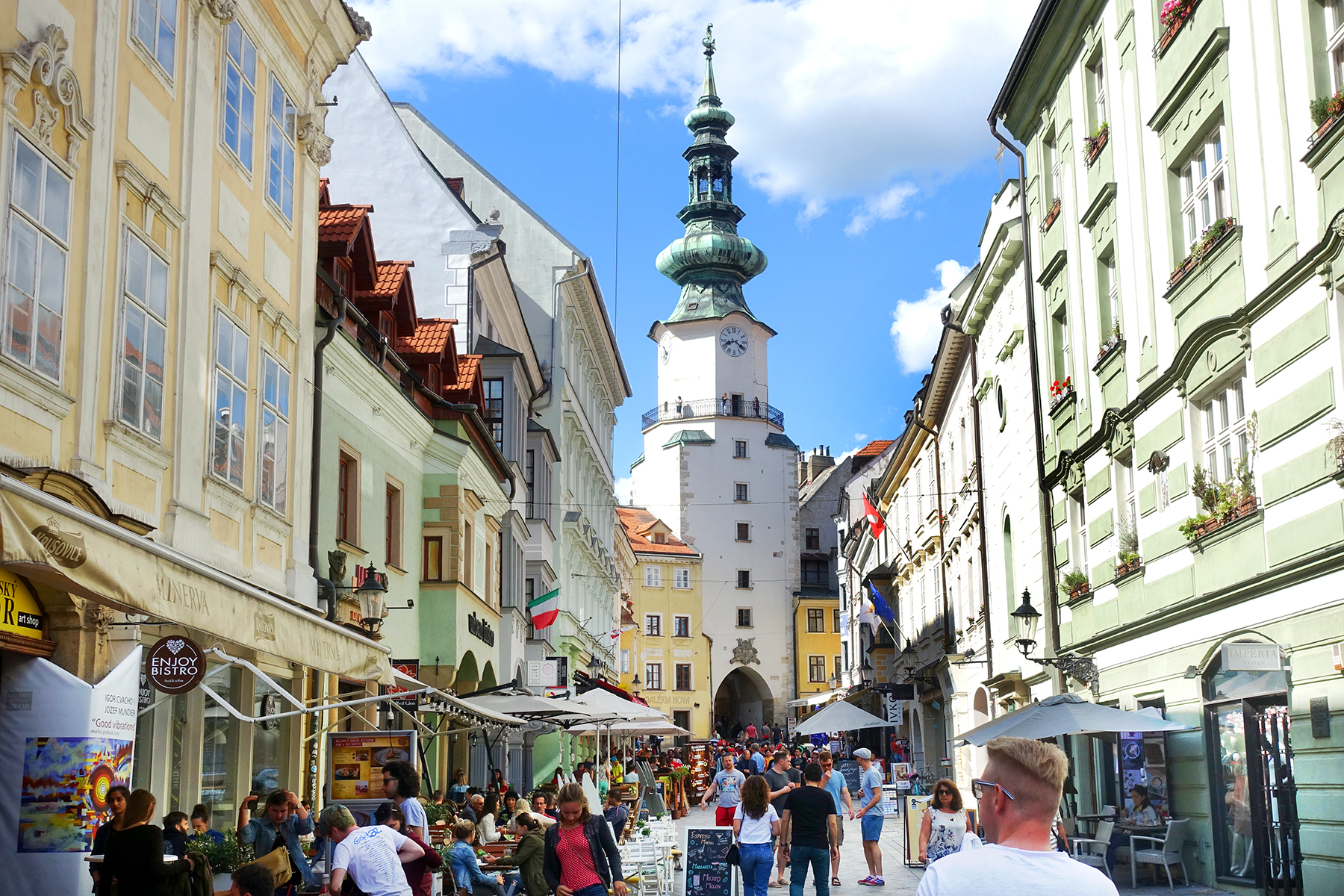
Bratislava offers a captivating mix of old-world charm and Soviet-era remnants. The iconic Bratislava Castle sits atop a hill, offering panoramic views of the city and the Danube River. Below, the pedestrianized Old Town delights with its charming squares, historic buildings like St. Martin's Cathedral, and quirky statues such as Cumil (The Man at Work). For a unique perspective, visit the UFO Observation Deck, a flying saucer-shaped bridge tower with a restaurant and stunning vistas. The city has a lively, unpretentious atmosphere, often bustling with tourists and locals alike.
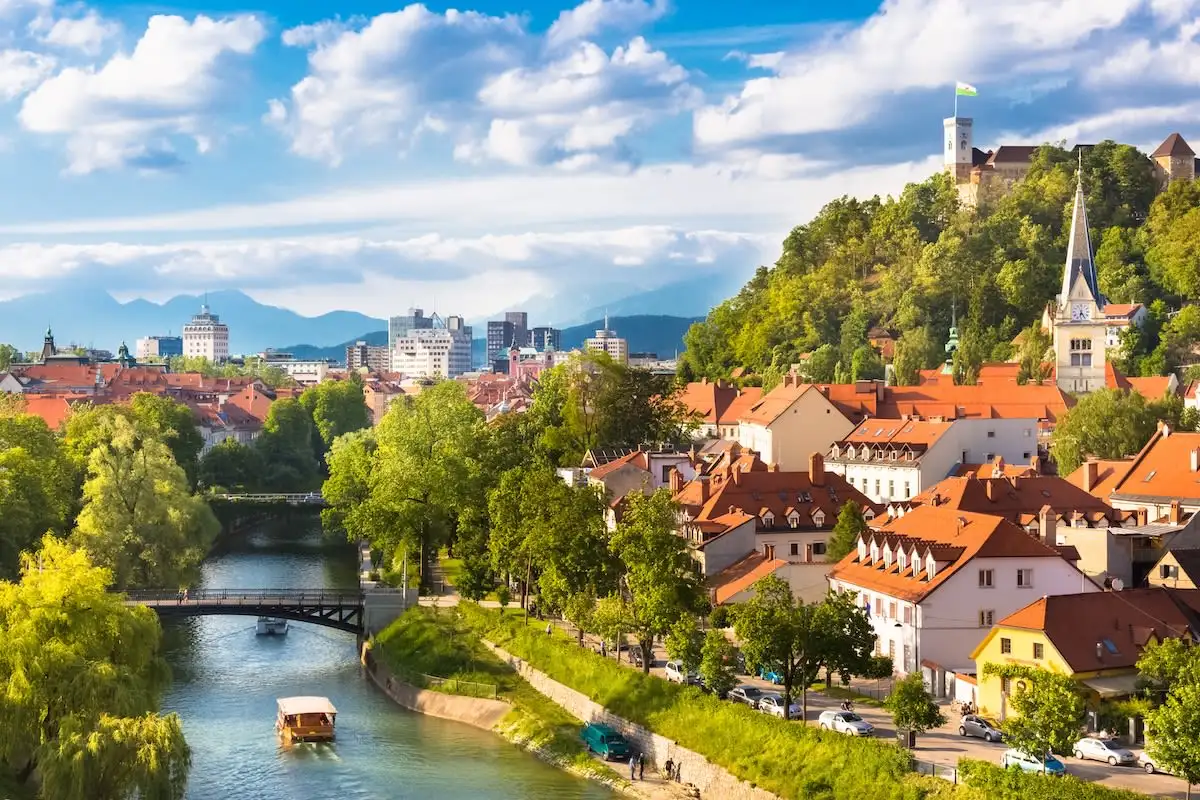
In contrast, Ljubljana exudes a fairytale-like elegance, often described as one of Europe's greenest and most livable capitals. The picturesque Ljubljana Castle watches over the city from a hill, accessible by a funicular. The car-free city center is a joy to explore on foot, with its stunning Art Nouveau architecture, iconic bridges like the Triple Bridge and Dragon Bridge, and the lively riverbanks of the Ljubljanica River. The city feels incredibly relaxed and clean, with a strong emphasis on outdoor cafes and public spaces. Prešeren Square is the heart of the city, always buzzing with activity.
Winner takeaway
- Winner: Depends
- Why: Bratislava appeals to those seeking grit and history, while Ljubljana captivates with picturesque beauty and a serene atmosphere.
- Who this matters for: Matters for travelers prioritizing either authentic urban character or idyllic, picture-perfect scenery.
🍜 Food & Drink Scene
Bratislava's culinary scene offers hearty Slovak comfort food at very reasonable prices. Must-try dishes include Bryndzové Halušky (potato dumplings with sheep cheese and bacon) and Kapustnica (sauerkraut soup). You'll find numerous traditional restaurants in the Old Town, like Flagship or Slovak Pub, where a generous main course might cost €8-€12. The city also boasts a burgeoning craft beer scene, with places like Fabrika The Beer Pub offering local brews for around €3-€4 a pint, making it a haven for budget gourmands and beer enthusiasts.
Ljubljana takes a more refined approach to its gastronomy, focusing on fresh, local, and seasonal ingredients, often with an emphasis on sustainable practices. Slovenian cuisine, while hearty, also incorporates influences from its neighbors. Try Kranjska Klobasa (Carniolan sausage) or Potica (a traditional rolled pastry). The city is home to fantastic farmers' markets, like the Central Market, and a growing number of farm-to-table restaurants. A meal at a mid-range restaurant might cost €15-€25, and local wines, especially from the Goriška Brda region, are excellent and widely available, often for €4-€6 a glass. The 'Open Kitchen' (Odprta kuhna) food market during warmer months is a must-visit for diverse street food.
Winner takeaway
- Winner: Ljubljana
- Why: Ljubljana offers a more diverse, refined, and quality-focused culinary experience with excellent local produce and wines.
- Who this matters for: Matters for foodies and those who prioritize culinary exploration and high-quality local ingredients.
💰 Costs & Budget Friendliness
Bratislava is consistently one of Europe's most budget-friendly capitals. You can find hostel beds for €15-€25, and a decent hotel room often runs €50-€80. Public transport tickets are incredibly cheap at around €0.90 for a 15-minute ride. A full meal at a traditional restaurant can be as low as €8-€12, and a pint of local beer costs €3-€4. Activities like visiting the castle or museums are also affordably priced, usually under €10 per entry. It's an ideal destination for travelers looking to stretch their euros further.
Ljubljana, while still more affordable than Western European capitals, is noticeably pricier than Bratislava. Hostel dorms typically start from €25-€40, and mid-range hotel rooms are usually in the €80-€130 range. Public bus tickets cost around €1.30 per ride (purchased with an Urbana card). A main course at a mid-range restaurant will likely be €15-€25, and a local beer around €4-€5. While definitely not expensive compared to, say, Paris or Rome, budget travelers will feel the difference compared to Bratislava. However, many of the best experiences, like walking through the car-free center or enjoying Tivoli Park, are entirely free.
Winner takeaway
- Winner: Bratislava
- Why: Bratislava offers significantly lower prices across all categories, making it a top choice for budget travelers.
- Who this matters for: Matters most for backpackers, students, and anyone traveling on a strict budget who wants to maximize their travel experience for less.
✈️ Getting There & Around
Bratislava is exceptionally well-connected, especially given its proximity to Vienna. Bratislava's M. R. Štefánik Airport (BTS) serves several budget airlines, but many travelers also fly into Vienna International Airport (VIE) and take a short, cheap bus ride (Flixbus, RegioJet) of about an hour for €5-€10 directly to Bratislava's city center. The city is also a major rail and bus hub, making it easy to combine with trips to Budapest or Prague. Once in Bratislava, the Old Town is highly walkable. For longer distances, an efficient public transport system of trams and buses covers the city, with a 24-hour ticket costing around €4.50.
Ljubljana is served by Jože Pučnik Airport (LJU), which has direct connections to various European cities but often with fewer budget airline options compared to larger hubs. Flights into LJU can sometimes be more expensive. From the airport, an inexpensive public bus (€4) or shuttle will get you to the city center. Ljubljana's city center is famously pedestrianized and incredibly compact, making walking the primary and most enjoyable mode of transport. Biking is also very popular, with the BicikeLJ public bike-sharing system. For trips outside the core, the city has a comprehensive public bus network, with fares loaded onto an 'Urbana' card.
Winner takeaway
- Winner: Bratislava
- Why: Bratislava benefits from its close proximity to a major international hub (Vienna), offering more flexible and often cheaper flight options and excellent regional connectivity.
- Who this matters for: Matters for travelers looking for the most convenient and cost-effective entry points into the region, especially those planning multi-city itineraries.
🛌 Accommodation Options
Bratislava offers a wide array of accommodation choices to suit every budget, with particularly good value for money. You can find well-rated hostels like Freddie Next to Mercury or Hostel Folks starting from €15-€25 per night for a dorm bed. Mid-range hotels, such as the Hotel Devin or Radisson Blu Carlton Hotel, provide comfortable stays for €60-€100 per night, often right in the Old Town or with excellent views of the Danube. Boutique options and numerous Airbnbs are also readily available, often at prices that would be considered budget-tier in Western Europe.
In Ljubljana, accommodation tends to be slightly more upscale and consequently, more expensive. Boutique hotels with charming decor, like Hotel Cubo or Vander Urbani Resort, are popular, with prices typically ranging from €100-€180 per night. There are excellent hostels too, such as Hostel Celica Art (a former prison turned art hostel) or Hostel Tresor, with dorm beds generally costing €25-€40. Apartments and guesthouses are plentiful, providing a comfortable base within easy walking distance of the city center. While the quality is high, budget travelers might need to book further in advance to secure the best deals.
Winner takeaway
- Winner: Depends
- Why: Bratislava offers superior value for money, while Ljubljana provides a higher standard of boutique and unique accommodations.
- Who this matters for: Matters for budget travelers prioritizing cost savings versus those seeking unique or higher-end lodging experiences.
☀️ Best Time to Visit
For Bratislava, the ideal times to visit are late spring (May-June) and early autumn (September-October). During these months, the weather is pleasantly mild, perfect for exploring the Old Town and enjoying outdoor cafes without the peak summer crowds or intense heat. Festivals like the Coronation Days in June bring historical reenactments to life. Winters can be cold and snowy, but the Christmas markets add a festive charm. July and August are warm and busy, but still enjoyable, especially for those interested in summer nightlife and river activities.
Ljubljana is also at its best during late spring (May-June) and early autumn (September-October). The 'Open Kitchen' food market runs from March to October, creating a lively atmosphere. Summer (July-August) is very popular, with numerous outdoor events, concerts, and a vibrant cafe culture along the river, though it can get quite warm and crowded. The city's 'Green Holiday' status means it's beautiful year-round, but spring and autumn offer the most comfortable temperatures for walking and day trips to the Julian Alps. Winter brings Christmas markets and a festive glow, with snow often adding to its charm.
Winner takeaway
- Winner: Tie
- Why: Both cities share similar peak and shoulder seasons with agreeable weather and fewer crowds.
- Who this matters for: Matters for travelers looking for optimal weather and manageable crowd levels.
🏞️ Nature & Day Trips
While Bratislava itself is an urban center, it offers accessible natural escapes. The Danube River is a central feature, with scenic river cruises and cycling paths. Just outside the city, the Little Carpathian Mountains provide hiking and wine-tasting opportunities. A popular day trip is to Devin Castle, a dramatic ruin perched on a cliff overlooking the confluence of the Danube and Morava rivers, offering historical intrigue and beautiful views. However, the dramatic natural landscapes are not as immediately accessible or iconic as those near Ljubljana.
Ljubljana is often praised for its proximity to some of Europe's most breathtaking natural wonders. The city itself is very green, with expansive parks like Tivoli Park. However, the real draw for nature lovers are the day trips: the stunning Lake Bled with its island church and castle, and the serene Lake Bohinj in the Julian Alps. The Postojna Cave and Predjama Castle offer unique underground and historical adventures. These iconic destinations are easily reached by bus or organized tours, making Ljubljana an excellent base for exploring Slovenia's diverse landscapes.
Winner takeaway
- Winner: Ljubljana
- Why: Ljubljana serves as an unparalleled gateway to world-class natural attractions like Lake Bled and the Julian Alps, which are iconic and easily accessible.
- Who this matters for: Matters significantly for outdoor enthusiasts, photographers, and those who prioritize stunning natural beauty and diverse day trip options.
🎉 Nightlife & Entertainment
Bratislava boasts a surprisingly lively and affordable nightlife, making it a popular destination for weekenders and stag parties. The Old Town is packed with numerous pubs, bars, and clubs where you can enjoy local craft beers or cocktails at budget-friendly prices. Streets like Michalská and Ventúrska come alive after dark. For a more unique experience, consider visiting a ruin bar inspired by Budapest's scene, or checking out one of the riverside clubs along the Danube. Bratislava offers a more uninhibited and boisterous evening scene.
Ljubljana's nightlife is more subdued and sophisticated compared to Bratislava, though still vibrant, especially with a large student population. The focus is often on cozy wine bars, jazz clubs, and riverside cafes where locals and tourists enjoy relaxed conversations. Places along the Ljubljanica River are perfect for an evening drink. For those seeking clubs, the alternative cultural center of Metelkova Mesto offers a unique, artsy clubbing experience with a diverse range of music. While it has clubs, Ljubljana leans more towards a relaxed evening out, rather than an all-out party scene.
Winner takeaway
- Winner: Bratislava
- Why: Bratislava offers a more vibrant, diverse, and budget-friendly nightlife, particularly appealing to those looking for a lively party atmosphere.
- Who this matters for: Matters for young travelers, party-goers, and those prioritizing a dynamic and affordable evening entertainment scene.
👮 Safety & Local Etiquette
Bratislava is generally a safe city for tourists. The Old Town and major tourist areas are well-patrolled, and serious crime against tourists is rare. As in any popular destination, be mindful of pickpocketing, especially in crowded areas, on public transport, or in busy bars. It's always wise to keep an eye on your belongings. Slovakian people are generally friendly, but perhaps a bit more reserved than in some other European countries. A simple 'Dobrý deň' (good day) and 'Ďakujem' (thank you) will be appreciated, and it's customary to tip around 10% in restaurants if service isn't included.
Ljubljana is renowned for being one of Europe's safest capitals, with very low crime rates. Tourists can feel extremely comfortable walking around at night, even in quieter areas. Common sense precautions against petty theft are always advisable, but the risk is minimal. Slovenians are known for their politeness and hospitality. Basic Slovenian phrases like 'Dober dan' (good day) and 'Hvala' (thank you) are well-received. Tipping is not as ingrained as in North America, but rounding up or leaving 5-10% for good service in restaurants is common and appreciated.
Winner takeaway
- Winner: Ljubljana
- Why: Ljubljana consistently ranks as one of the safest cities in Europe with remarkably low crime rates, providing an extra layer of comfort for travelers.
- Who this matters for: Matters particularly for solo travelers, families, and anyone who prioritizes a secure and worry-free travel experience.
⚖️ Why Not Both? Or How to Decide
Given their relatively close proximity and differing charms, visiting both Bratislava and Ljubljana on a single trip is a fantastic option for a comprehensive Central European experience. You could fly into Vienna (VIE), take a bus to Bratislava for 2-3 days, then catch a train or bus to Ljubljana (a scenic 6-7 hour journey) for another 3-4 days, before flying out of Ljubljana (LJU) or returning to Vienna. This allows you to contrast Bratislava's energetic, budget-friendly grit with Ljubljana's serene, picturesque elegance, truly offering the best of both worlds.
If you absolutely must choose, consider your priorities. If a lively social scene, historical exploration with a slightly rougher edge, and maximum savings are key, Bratislava is your pick. If you dream of fairytale landscapes, a relaxed and exceptionally beautiful city, farm-to-table dining, and direct access to stunning nature, then Ljubljana should top your list. Think about whether you prefer a bustling city or a serene urban escape, and whether nature or nightlife is more important for your ideal vacation.
Winner takeaway
- Winner: Tie
- Why: Both cities offer unique, complementary experiences, making them excellent choices individually or in combination, depending on traveler preferences.
- Who this matters for: Matters for all travelers, helping them frame their decision based on their core travel interests or encouraging a combined trip.
❓ Frequently Asked Questions
How many days should I spend in Bratislava?
2-3 days are usually sufficient to explore Bratislava's Old Town, visit the castle, and experience its nightlife. If you plan a day trip to Devin Castle, add an extra day.
How many days should I spend in Ljubljana?
3-4 days are ideal for Ljubljana. This allows you enough time to explore the city center, visit the castle, enjoy the riverfront, and take a full day trip to stunning locations like Lake Bled or Postojna Cave.
Which city is better for families?
Ljubljana is generally considered better for families due to its exceptionally safe environment, pedestrian-friendly center, numerous parks (like Tivoli), and easy access to nature. Bratislava is more geared towards a younger, party-oriented crowd, though families can still enjoy it.
Can I easily travel between Bratislava and Ljubljana?
Yes, you can travel between the two cities by bus or train. The journey typically takes 6-7 hours by direct bus (e.g., FlixBus, RegioJet) or a slightly longer, multi-stop train ride, making it a feasible connection for a multi-city trip.
Which city has better weather?
Both cities experience similar continental climates. Summers are warm, and winters are cold with snow. Spring and autumn offer the most pleasant temperatures for sightseeing in both locations.
Is English widely spoken in Bratislava and Ljubljana?
Yes, English is widely spoken in tourist areas, hotels, restaurants, and by younger generations in both cities, so communication should not be an issue for travelers.
Do I need a visa to visit Bratislava or Ljubljana?
Both Slovakia and Slovenia are part of the Schengen Area. Visitors from Schengen countries, the EU, UK, US, Canada, Australia, and many other countries generally do not require a visa for stays up to 90 days.
Are there good vegetarian/vegan options in these cities?
Ljubljana has a more developed and diverse vegetarian/vegan scene, aligning with its farm-to-table ethos and focus on fresh produce. Bratislava also has options, but they might be less numerous or varied outside of specific international restaurants.
Ready to plan your Central European adventure?
Get a free custom itinerary for Bratislava, Ljubljana, or both — built from real traveler insights and expert recommendations.
🎟️ Book Tours & Experiences
Hand-picked tours and activities for both destinations — book with free cancellation
Experiences via Viator — free cancellation on most tours