How we built this comparison
This page combines traveler discussion patterns, published price ranges, flight schedules, and seasonal data to help you decide between Bratislava and Vienna.
- Reviewed 500+ Reddit threads from r/travel, r/solotravel, r/Austria, r/Slovakia, r/Vienna, r/Bratislava for authentic traveler experiences and tips.
- Verified costs and logistics against current booking platforms (Booking.com, Skyscanner, Rome2Rio) and official tourism sites in Q1 2024.
- Cross-referenced seasonal patterns, weather data, and major event calendars to provide optimal visiting times.
⚡ The TL;DR Verdict
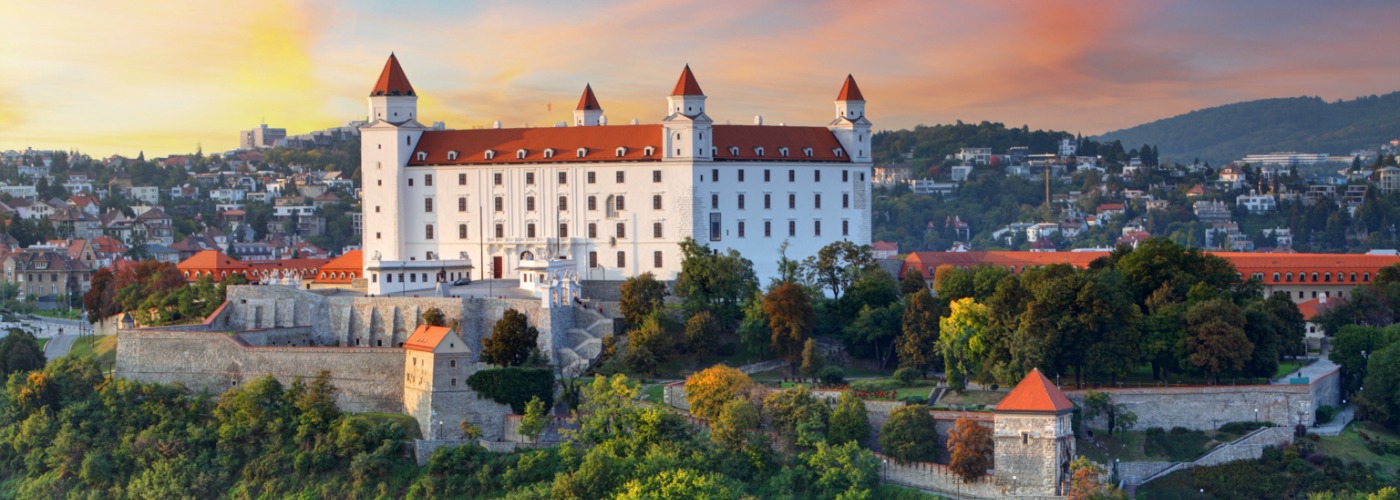
Choose Bratislava for a vibrant, budget-conscious trip focused on nightlife, charming old-world streets, and local flavors with a daily budget of €50-€90 ($55-$100). Opt for Vienna if you crave world-class museums, opera, imperial history, and refined dining, prepared to spend €100-€200+ ($110-$220+) daily. For the best of both, combine them into an unforgettable Central European adventure.
- Choose Bratislava: Perfect for budget travelers, backpackers, and those seeking a lively nightlife, unique local pubs, and a more relaxed, walkable city vibe without the overwhelming crowds or prices of larger capitals.
- Choose Vienna: Ideal for culture vultures, history buffs, classical music lovers, and anyone seeking opulent architecture, world-class art, gourmet dining, and a sophisticated, grand city experience.
- Choose Both: They're less than an hour apart by train! Spend 2-3 days in Bratislava and 3-4 days in Vienna to contrast their distinct personalities, cultures, and price points. It's a fantastic combination for a week-long trip.
Quick Comparison
| Category | Bratislava | Vienna | Winner |
|---|---|---|---|
| Costs & Budget | Significantly more affordable across the board; great value for accommodation, food, and drinks. | One of Western Europe's pricier capitals; expect higher costs for nearly everything. | Bratislava |
| Food & Drink | Hearty, traditional Slovak cuisine; excellent value, craft beer scene, and charming local pubs. | Refined Viennese cuisine, world-famous pastries, coffee culture, and diverse international options. | Vienna |
| Nightlife | Lively, affordable, concentrated in the Old Town with unique ruin bars and traditional pubs. | More sophisticated bar scene, high-end clubs, classical music venues, and wine taverns. | Bratislava |
| Culture & History | Charming Old Town, Bratislava Castle, Devin Castle, and a more intimate sense of Slovak history. | Imperial grandeur, world-class museums, opera, classical music, and Habsburg palaces. | Vienna |
| Getting There & Around | Small, efficient airport; highly walkable Old Town; excellent bus/tram network. | Major international hub (VIE); extensive, efficient public transport (U-Bahn, tram, bus). | Vienna |
| Accommodation | Excellent value for money across all categories, from hostels to boutique hotels. | Wide range of options, from luxury to budget, but expect higher prices for comparable quality. | Bratislava |
| Day Trips | Devin Castle, Small Carpathian Wine Region, Danubiana Meulensteen Art Museum, easily visit Vienna or Budapest. | Wachau Valley, Melk Abbey, Salzburg, Budapest, Bratislava – a wealth of famous options. | Vienna |
| Vibe & Atmosphere | Relaxed, youthful, intimate, and authentic; a charming small capital feel. | Grand, elegant, sophisticated, and imperial; a majestic, cultured atmosphere. | Tie |
| Shopping | Local crafts, unique boutiques, and emerging designer shops, especially in the Old Town. | Luxury brands, major international retailers, traditional markets, and high-end department stores. | Vienna |
| Safety | Very safe city, even at night; low crime rates; typical precautions apply. | One of the safest major cities in Europe; extremely low crime rates; very secure. | Tie |
💰 Costs & Budget
Bratislava is a dream for budget travelers, offering incredible value. A typical meal at a mid-range restaurant like Slovak Pub might cost €8-€15 ($9-$17), while a craft beer is often €3-€4 ($3.30-$4.40). Accommodation in a central 3-star hotel is easily €50-€80 ($55-$90) per night. Public transport is super cheap, with a 24-hour ticket around €3.50 ($3.80). In stark contrast, Vienna can be tough on the wallet. A similar meal might be €15-€30 ($17-$33), and a beer €4.50-€6 ($5-$6.60). A decent 3-star hotel often starts at €90-€150 ($100-$165) per night. Museum entries are typically €15-€20 ($17-$22) each. Even groceries are noticeably pricier. "Vienna is gorgeous but man, my wallet felt it. Bratislava was a breath of fresh air for my budget after that." The difference is palpable, making Bratislava the clear winner for anyone watching their euros.
Winner takeaway
- Winner: Bratislava
- Why: Bratislava offers exceptional value for money, making travel accessible for a wider range of budgets.
- Who this matters for: Budget travelers, backpackers, and those who prefer to save on essentials to splurge on experiences.
🍽️ Food & Drink
Vienna takes the crown for its sheer culinary depth and iconic offerings. You'll find everything from Wiener Schnitzel at Figlmüller (€20-€25, $22-$28) to exquisite Sachertorte at Hotel Sacher or Demel (€6-€8 per slice, $6.60-$8.80), alongside a vibrant modern dining scene and the legendary Viennese coffee houses like Café Central. The quality and variety are top-tier. Bratislava, however, offers a robust and incredibly affordable traditional experience. Try Bryndzové Halušky (sheep cheese dumplings) at Slovak Pub or Funky Punky for around €8-€12 ($9-$13). The craft beer scene has boomed, with places like Dunajský Pivovar (a boat brewery!) offering great brews for €3-€4 ($3.30-$4.40). While Bratislava's food is delicious and great value, Vienna's culinary landscape, from street food to Michelin-starred, is simply more diverse and globally renowned. "You can't beat a proper Wiener Schnitzel and a good coffee house experience in Vienna, it's just different class."
Winner takeaway
- Winner: Vienna
- Why: Vienna boasts a more diverse, internationally renowned, and refined culinary scene with iconic dishes and a strong coffee culture.
- Who this matters for: Foodies, those seeking gourmet experiences, and lovers of classical European pastries and coffee.
🍻 Nightlife
Bratislava is hands down the winner for a vibrant, budget-friendly night out. The Old Town comes alive after dark, with a high concentration of bars and clubs, many with unique themes or tucked away in courtyards. Think places like KC Dunaj for live music and a buzzing atmosphere, or the numerous cozy pubs where a pint costs €3-€4 ($3.30-$4.40). There are even 'ruin-style' bars like Staromestská Pivotéka. It's easy to bar hop and meet people. Vienna's nightlife is more spread out and generally more upscale. You'll find elegant cocktail bars, sophisticated wine taverns (Heuriger) on the outskirts, and a few larger clubs like Pratersauna or Grelle Forelle, where entry can be €10-€20 ($11-$22) and drinks are significantly pricier. While Vienna offers a refined evening, Bratislava offers pure, unpretentious fun. "Bratislava's nightlife is legit, way cheaper than Vienna and everyone's just out to have a good time. We stumbled into so many cool places."
Winner takeaway
- Winner: Bratislava
- Why: Bratislava offers a more concentrated, lively, and significantly more affordable nightlife experience, perfect for bar-hopping and meeting people.
- Who this matters for: Young travelers, backpackers, groups of friends, and those who prioritize a lively, budget-friendly party scene.
🏛️ Culture & History
Vienna is an undisputed cultural powerhouse, overflowing with imperial history and artistic treasures. The Schönbrunn Palace, Hofburg Palace, Belvedere Palace (home to Klimt's 'The Kiss'), and a staggering array of world-class museums like the Kunsthistorisches Museum offer days, if not weeks, of exploration. Attending an opera at the State Opera or a classical concert is a quintessential Viennese experience. Bratislava has its own rich history, centered around the picturesque Old Town, the iconic Bratislava Castle with its panoramic views, and the ruins of Devin Castle, a significant historical site where the Morava meets the Danube. The city's communist past is also visible, offering a different historical perspective. While Bratislava provides a fascinating glimpse into Slovak history, it simply cannot compete with the sheer scale, opulence, and global significance of Vienna's imperial legacy and artistic institutions. "Vienna just hits different with its history. Everywhere you look, it's like a postcard from the Habsburg Empire, literally mind-blowing."
Winner takeaway
- Winner: Vienna
- Why: Vienna offers an unparalleled wealth of world-class museums, magnificent palaces, and a deep, globally significant imperial history and classical music heritage.
- Who this matters for: History buffs, art lovers, classical music enthusiasts, and those seeking grand, opulent cultural experiences.
✈️ Getting There & Around
Vienna wins for overall accessibility and ease of transport, primarily due to Vienna International Airport (VIE), a major European hub with connections worldwide. From VIE, you can reach the city center efficiently via City Airport Train (CAT) for €14 ($15.50) or the S-Bahn for €4.30 ($4.70). Vienna's public transport system, including the U-Bahn (metro), trams, and buses, is exceptionally comprehensive and user-friendly; a 24-hour pass is €8 ($8.80). Bratislava also has an international airport (BTS), mainly serving low-cost carriers, and is easily reachable from VIE by bus in about an hour for around €8-€10 ($8.80-$11). Bratislava's Old Town is highly walkable, making most attractions accessible on foot, while its public transport (trams, buses) is also efficient and very cheap. However, for broader international connectivity and the sheer scale and efficiency of its urban network, Vienna edges it out. "Getting between Vienna and Bratislava is a breeze, just an hour on a RegioJet bus or train. But for flying in from overseas, Vienna's airport is just way more convenient with more options."
Winner takeaway
- Winner: Vienna
- Why: Vienna boasts a major international airport with extensive global connections and an incredibly efficient, comprehensive urban public transport system.
- Who this matters for: International travelers, those prioritizing seamless transit, and visitors planning to explore beyond the immediate city center.
🏨 Accommodation
Bratislava is the clear winner for accommodation value. You can find stylish boutique hotels in the Old Town, like Roset Hotel or Radisson Blu Carlton, for €80-€150 ($90-$165) per night, which would cost twice as much in Vienna. Even well-located 3-star hotels are typically €50-€80 ($55-$90). Hostels offer beds for as little as €15-€25 ($17-$28). The quality for the price is consistently impressive. Vienna has an extensive array of accommodation, from grand luxury hotels like Hotel Imperial to charming guesthouses and modern budget options. However, these come at a premium. A 3-star hotel often starts at €90-€150 ($100-$165), and hostels are typically €25-€45 ($28-$50) per night. While Vienna offers more opulent choices, Bratislava provides superior value for every budget. "We stayed at this super cute boutique hotel in Bratislava for like €70 a night, and it was nicer than the €150 place we got in Vienna. So much more bang for your buck."
Winner takeaway
- Winner: Bratislava
- Why: Bratislava offers significantly better value for accommodation across all price points, allowing travelers to enjoy higher quality for less.
- Who this matters for: Budget-conscious travelers, backpackers, and anyone seeking great comfort and style without breaking the bank.
🏞️ Day Trips
Vienna offers a more diverse and globally renowned selection of day trips. The Wachau Valley, a UNESCO World Heritage site known for its vineyards and picturesque towns like Dürnstein and Melk Abbey, is a stunning choice. Salzburg, birthplace of Mozart, and even Budapest (about 2.5 hours by train) are popular and feasible day trips. Of course, Bratislava itself is a very popular day trip from Vienna, taking less than an hour by train/bus. Bratislava's day trip options are also appealing but less grand. Devin Castle, a historic ruin at the confluence of the Danube and Morava rivers, is a must-see for history lovers and offers great views. The Small Carpathian Wine Region provides lovely wine-tasting opportunities. The Danubiana Meulensteen Art Museum, situated on a peninsula in the Danube, is a unique modern art experience. While Bratislava has charming local excursions, Vienna serves as a better hub for exploring other major European highlights and scenic regions. "From Vienna, we did the Wachau Valley tour and it was just breathtaking, completely different vibe from the city. So many easy options for day trips."
Winner takeaway
- Winner: Vienna
- Why: Vienna provides access to a wider array of world-famous, diverse, and historically significant day trip destinations.
- Who this matters for: Travelers who enjoy exploring beyond the city limits and appreciate scenic landscapes or other famous cities.
✨ Vibe & Atmosphere
The vibe of these two cities couldn't be more different, making it a tie based on personal preference. Bratislava exudes a relaxed, youthful, and unpretentious charm. Its Old Town feels intimate and easy to navigate, with a friendly, welcoming atmosphere. You'll find locals enjoying cafes, students filling pubs, and a genuine, less tourist-centric feel. It's a city where you can easily strike up conversations and feel like a local. Vienna, on the other hand, is defined by its imperial grandeur and sophisticated elegance. The wide boulevards, magnificent palaces, and stately buildings create a majestic, cultured atmosphere. It feels refined, sometimes a bit more formal, but incredibly inspiring and beautiful. It demands admiration, while Bratislava invites participation. "Bratislava felt like a really friendly, laid-back small town, but still a capital. Vienna was just… so grand and impressive, almost overwhelming in its beauty. Both great, but for different moods."
Winner takeaway
- Winner: Tie
- Why: Both cities offer distinct and compelling atmospheres; Bratislava is relaxed and intimate, while Vienna is grand and sophisticated, appealing to different traveler preferences.
- Who this matters for: Depends entirely on personal preference: Bratislava for those seeking a laid-back, local feel; Vienna for those who appreciate grandeur and sophistication.
🛍️ Shopping
Vienna is undoubtedly the superior shopping destination, offering a vast array of options for every taste and budget, though primarily high-end. Mariahilfer Straße is the main shopping artery, packed with international brands and department stores like Peek & Cloppenburg. For luxury, head to Kohlmarkt and Graben with their designer boutiques. Naschmarkt offers a vibrant mix of food stalls and flea market finds. You can find everything from exquisite porcelain (Augarten) to traditional Austrian fashion (Trachten). Bratislava's shopping scene is more modest but has its own charm. The Old Town is dotted with small boutiques selling local crafts, artisan goods, and Slovak souvenirs. Eurovea shopping mall offers international brands, but it's not on the scale of Vienna. For unique, locally made items or a quieter shopping experience, Bratislava is great, but for serious retail therapy and a comprehensive selection, Vienna is unmatched. "If you want proper shopping, you gotta go to Vienna. Bratislava's got cute little shops but Vienna has everything, from designer to big chains."
Winner takeaway
- Winner: Vienna
- Why: Vienna offers a significantly wider range of shopping experiences, from luxury boutiques to major international retailers and bustling markets.
- Who this matters for: Fashion enthusiasts, luxury shoppers, and those seeking extensive retail options and international brands.
🚨 Safety
Both Bratislava and Vienna are incredibly safe cities, consistently ranking among the safest in Europe, making this a tie. In Bratislava, you can feel very comfortable walking around the Old Town and central areas, even late at night. Crime rates are low, and violent crime is rare. The biggest concern might be petty theft or pickpocketing in crowded tourist areas, but this is minimal. Vienna is renowned for its low crime rates and high quality of life. Tourists can explore virtually all parts of the city with confidence, day or night. Public transport is very safe, and the general atmosphere is one of order and security. As with any major city, exercising basic caution (watching your belongings, being aware of your surroundings) is always advisable, but travelers should have no significant safety concerns in either capital. "I felt super safe walking alone in Vienna at night, never had a moment of worry. Bratislava felt just as safe, maybe even more laid back."
Winner takeaway
- Winner: Tie
- Why: Both Bratislava and Vienna are exceptionally safe cities with low crime rates, ensuring a secure and worry-free travel experience for visitors.
- Who this matters for: Solo travelers, families, and anyone who prioritizes a secure and comfortable travel environment.
❓ Frequently Asked Questions
How long is the train ride between Bratislava and Vienna?
The train journey between Bratislava and Vienna is incredibly quick and convenient, typically taking around 1 hour to 1 hour and 15 minutes. Services like RegioJet and ÖBB run frequently throughout the day, making it easy to hop between the two capitals for a day trip or as part of a longer itinerary.
Is Bratislava worth visiting compared to Vienna?
Absolutely! Bratislava offers a charming, more intimate, and significantly more affordable experience than Vienna. While it lacks Vienna's grand scale, it boasts a vibrant Old Town, unique local culture, lively nightlife, and delicious, inexpensive food. It's an excellent contrast and a worthwhile destination in its own right.
Can I do a day trip from Vienna to Bratislava (or vice versa)?
Yes, a day trip between these two cities is very popular and highly recommended. The short train or bus ride (about an hour) makes it entirely feasible. Many travelers base themselves in one city and explore the other for a day, allowing them to experience both distinct Central European vibes.
What's the main difference in atmosphere between the two cities?
Vienna exudes imperial grandeur, sophistication, and a rich classical cultural heritage, with wide boulevards and magnificent palaces. Bratislava, in contrast, offers a more relaxed, youthful, and intimate atmosphere, particularly in its charming, walkable Old Town, feeling more like a large town than a sprawling capital.
Are English speakers common in both Bratislava and Vienna?
Yes, English is widely spoken in both cities, especially in tourist areas, hotels, restaurants, and by younger generations. You'll have no trouble communicating, though learning a few basic phrases in German or Slovak is always appreciated by locals.
What's the best time of year to visit Bratislava and Vienna?
Spring (April-May) and early autumn (September-October) offer the best weather for exploring both cities, with pleasant temperatures and fewer crowds than peak summer. Winter (December) is magical for Christmas markets in both, but expect cold temperatures. Summer (June-August) is warm but can be very crowded, especially in Vienna.
Which city is better for families with children?
Both cities offer family-friendly attractions. Vienna has Schönbrunn Zoo, Prater amusement park, and numerous interactive museums. Bratislava has its castle, Devin Castle, and a more relaxed pace. Vienna might offer slightly more dedicated children's activities, but Bratislava's affordability makes it appealing for families on a budget.
What local currency do they use?
Both Austria (Vienna) and Slovakia (Bratislava) are part of the Eurozone, so the local currency in both cities is the Euro (€). This makes currency exchange and budgeting very straightforward when traveling between them.
Ready to plan your Central Europe trip?
Get a free custom itinerary for Bratislava, Vienna, or both — built from real traveler insights.
🎟️ Book Tours & Experiences
Hand-picked tours and activities for both destinations — book with free cancellation
Experiences via Viator — free cancellation on most tours