How we built this comparison
This page combines traveler discussion patterns, published price ranges, flight schedules, and seasonal data to help you decide between Brazil and Argentina.
- Reviewed 50+ Reddit threads from r/travel, r/solotravel, r/Brazil, r/Argentina, and r/SouthAmericaTravel for authentic traveler experiences and advice.
- Verified costs and logistics against current booking platforms (e.g., Booking.com, Skyscanner, local bus operators) and recent traveler reports (early 2024).
- Cross-referenced seasonal patterns and weather data with common travel itineraries to provide accurate 'best time to visit' recommendations.
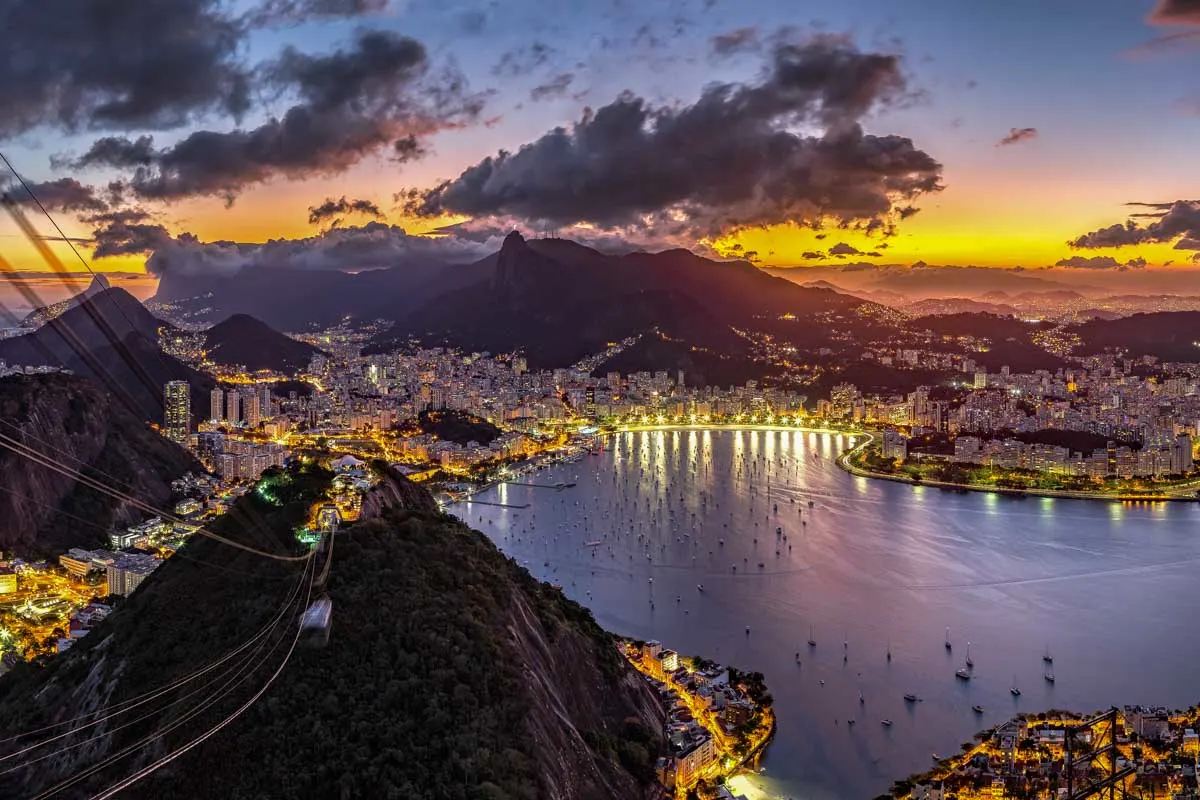
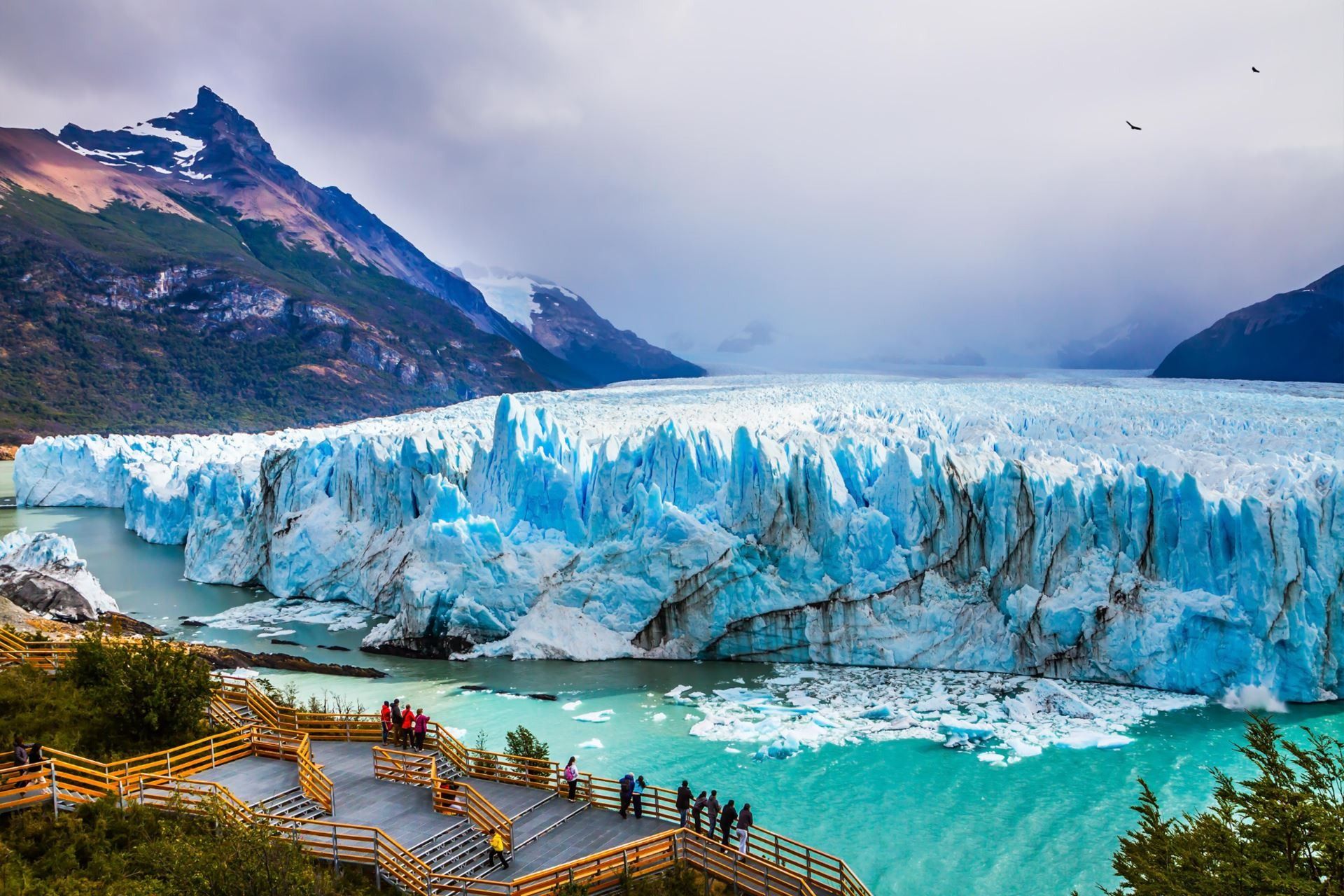
⚡ The TL;DR Verdict
For those craving pulsating beaches, tropical nature, and a party vibe with a slightly higher budget (around $70-100/day), Brazil is your pick. If you're drawn to European-infused cities, world-class steak, and dramatic landscapes that can be explored on a more budget-friendly scale (around $50-80/day, especially with USD cash), Argentina beckons.
- Choose Brazil: You prioritize stunning beaches, vibrant festivals like Carnival, diverse ecosystems (Amazon, Pantanal), and a generally more relaxed, tropical atmosphere, and don't mind spending a bit more.
- Choose Argentina: You're a foodie eager for incredible steak and wine, passionate about tango and European architecture, and dream of exploring dramatic Patagonian landscapes, often with better value for money.
- Choose Both: If you have at least 3-4 weeks, combining both is fantastic. Focus on Rio and the Iguazu Falls (shared border) in Brazil, then cross to Argentina for Buenos Aires and potentially Patagonia. It's a classic South American overland route.
Quick Comparison
| Category | Brazil | Argentina | Winner |
|---|---|---|---|
| Nature & Scenery | Unparalleled diversity: Amazon rainforest, Pantanal wetlands, world-famous beaches (Copacabana, Ipanema), Iguazu Falls, Chapada Diamantina. | Dramatic and grand: Patagonia's glaciers (Perito Moreno), Andes mountains, vast pampas, high-altitude deserts, shared Iguazu Falls. | Brazil |
| Food & Drink | Hearty, diverse cuisine: churrascarias, feijoada, moqueca, açaí, pão de queijo, potent caipirinhas. | Carnivore's paradise: world-renowned steaks, empanadas, Malbec wine, dulce de leche, Italian influences. | Argentina |
| Culture & History | African, indigenous, and Portuguese influences; Carnival, samba, capoeira, colonial towns like Paraty and Salvador. | Strong European (Italian, Spanish) heritage; tango, gaucho culture, Peronism, sophisticated Buenos Aires. | Tie |
| Nightlife & Parties | Legendary party scene: Rio's Lapa, São Paulo's clubs, Carnival, beach parties, live samba. | Vibrant and late-night: Buenos Aires' Palermo Soho/Hollywood, San Telmo milongas, Cordoba student scene. | Brazil |
| Cost of Travel | Generally mid-range to expensive, especially in major cities like Rio and São Paulo. Budget: $70-100/day. | Often more budget-friendly, especially when using USD cash due to exchange rates. Budget: $50-80/day. | Argentina |
| Safety & Solo Travel | High crime rates in major cities, but generally safe with precautions. Solo female travelers need extra awareness. | Similar urban crime concerns, but generally feels slightly safer outside major hubs. Buenos Aires is relatively safe for a big city. | Argentina |
| Getting Around | Extensive bus network (comfortable, long journeys), expensive internal flights, ride-sharing apps (Uber, 99). | Excellent, affordable long-distance buses; expensive internal flights; good public transport in BA, ride-sharing. | Tie |
| Accommodation | Diverse options from budget hostels to luxury resorts and charming pousadas. Prices higher in tourist hotspots. | Good range, from hostels to boutique hotels. More bang for your buck in Argentina, especially with USD cash. | Argentina |
| Best Time to Visit | Year-round options; dry season (May-Sept) for Amazon/Pantanal, summer (Dec-Mar) for beaches/Carnival but hotter. | Varies by region: spring/fall (Sept-Nov, Mar-May) for Mendoza/BA; summer (Dec-Feb) for Patagonia; winter (July-Aug) for skiing. | Tie |
| Unique Experiences | Amazon jungle tours, Pantanal safaris, Carnival, samba lessons, surfing, exploring colonial towns. | Tango lessons/shows, Patagonian glacier trekking, Malbec wine tasting in Mendoza, gaucho estancia visits. | Brazil |
🌳 Nature & Scenery
Brazil's sheer scale of natural diversity is unmatched. You can go from the dense, biodiverse Amazon rainforest (Manaus is a common entry point, tours typically cost R$1500-3000 / $300-600 for 3-5 days) to the wildlife-rich Pantanal (Campo Grande or Cuiabá as bases, R$2000-4000 / $400-800 for 4-5 days, including lodging and activities) to the iconic beaches of Rio de Janeiro. The Lençóis Maranhenses desert with its lagoons is surreal. While Argentina boasts the stunning, monumental landscapes of Patagonia, the Amazon alone, with its unparalleled biodiversity, gives Brazil an edge. Iguazu Falls is spectacular from both sides, but Brazil offers a panoramic view that's hard to beat. As one Redditor put it, "If you want to feel truly tiny and insignificant in the best way, the Amazon is it. Patagonia is epic, but the sheer life in Brazil is wild."
Winner takeaway
- Winner: Brazil
- Why: Brazil offers a greater variety of iconic, globally significant natural wonders from rainforests and wetlands to stunning coastlines.
- Who this matters for: Wildlife enthusiasts, beach lovers, adventurers seeking diverse ecosystems.
🍖 Food & Drink
Argentina takes the crown for its culinary scene, especially if you're a meat-lover. Argentine beef is legendary – a quality steak (bife de chorizo) at a parrilla in Buenos Aires like Don Julio or La Cabrera can range from ARS$20,000-40,000 ($20-40 USD, depending on exchange rate tricks) with wine. Empanadas are ubiquitous and delicious, and the Malbec wine from Mendoza is world-class, with bottles at supermarkets starting from ARS$3,000-6,000 ($3-6 USD). Brazil's food is also fantastic, with incredible churrascarias (all-you-can-eat rodízio for R$80-150 / $15-30) and regional dishes like moqueca (fish stew) and feijoada (black bean stew). The street food scene, from açaí bowls to pão de queijo, is vibrant. But for sheer gastronomic impact and global reputation, Argentina's steak and wine combo is hard to beat. "Dude, I thought I loved steak until I had an Argentine bife de lomo. Game over. And the Malbec? Forget about it." That sums it up perfectly.
Winner takeaway
- Winner: Argentina
- Why: Argentina's world-renowned beef and wine offer a more consistently high-quality and globally celebrated culinary experience.
- Who this matters for: Foodies, wine connoisseurs, meat lovers.
🎭 Culture & History
This is a tough one, as both countries offer incredibly rich and distinct cultural experiences. Brazil's culture is a vibrant, rhythmic fusion of African, indigenous, and Portuguese influences, evident in its music (samba, bossa nova), dance (capoeira), and festivals like Carnival (Rio Carnival tickets can run R$300-2000+ / $60-400+ depending on the sector). Salvador, with its Pelourinho district, is the heart of Afro-Brazilian culture. Argentina, on the other hand, boasts a strong European identity, particularly in Buenos Aires, often called the 'Paris of South America.' Tango, born in its streets, is a profound expression of Argentine soul (tango shows with dinner typically ARS$50,000-100,000 / $50-100 USD). The history of Peronism and the gaucho culture of the pampas add unique layers. Both are fascinating but cater to different tastes. "Brazil's energy is infectious, you feel the rhythm everywhere. Argentina is more contemplative, elegant, and nostalgic." It really depends if you prefer vibrant, rhythmic fusion or sophisticated, European-infused tradition.
Winner takeaway
- Winner: Tie
- Why: Both offer distinct, deep, and globally significant cultural experiences that appeal to different preferences.
- Who this matters for: Travelers interested in history, art, music, and social dynamics.
🎉 Nightlife & Parties
Brazil undeniably takes the crown for its electrifying nightlife. Rio de Janeiro's Lapa district is legendary, with street parties, live samba clubs (like Rio Scenarium, entry R$50-80 / $10-15), and bars spilling onto the streets until dawn. São Paulo offers a more sophisticated, mega-club scene. And of course, Carnival, especially in Rio or Salvador, is the ultimate party experience on the planet. Argentina's nightlife, particularly in Buenos Aires, is also fantastic and goes incredibly late, often not starting until midnight. Palermo Soho and Hollywood are packed with trendy bars and clubs (cover charges ARS$5,000-10,000 / $5-10 USD). San Telmo offers traditional milongas (tango dance halls) that are atmospheric and authentic. However, Brazil's energy, especially around its music and festivals, feels more inherently joyous and widespread. "Brazilian parties just hit different. There's a joy, a freedom in the way people dance and celebrate that's infectious. Argentina is cool, but Brazil is pure euphoria."
Winner takeaway
- Winner: Brazil
- Why: Brazil's nightlife, from its street parties and samba clubs to the unparalleled Carnival, offers a more energetic, widespread, and iconic party experience.
- Who this matters for: Party-goers, music lovers, social butterflies.
💰 Cost of Travel
Argentina is significantly more budget-friendly for travelers right now, primarily due to its economic situation. The 'Blue Dollar' exchange rate means you can get almost double the official rate for USD cash, making everything from accommodation to food incredibly cheap. A nice dinner in Buenos Aires might cost ARS$15,000-25,000 ($15-25 USD) compared to R$100-150 ($20-30 USD) in Brazil. Hostel dorms in Argentina can be found for ARS$8,000-15,000 ($8-15 USD), while in Brazil they're typically R$70-120 ($14-24 USD). Internal flights can be pricey in both, but long-distance buses are a solid option. However, Patagonia tours and flights can be expensive in Argentina, balancing things somewhat. Brazil, particularly Rio and São Paulo, tends to be more expensive, similar to Western European cities for daily expenses. "If you're smart with the Blue Dollar, Argentina feels like a steal. Brazil is beautiful, but my wallet felt it more, especially in Rio."
Winner takeaway
- Winner: Argentina
- Why: Argentina's favorable 'Blue Dollar' exchange rate for USD cash makes daily expenses considerably cheaper for tourists.
- Who this matters for: Budget travelers, those looking to maximize their travel funds.
🛡️ Safety & Solo Travel
Both countries require travelers to be vigilant, especially in large cities. Brazil has a reputation for higher crime rates, particularly in urban centers like Rio and São Paulo, with muggings and petty theft being common. Favelas are generally safe to visit with organized tours but should not be wandered into alone. Solo female travelers often report catcalling and harassment, but many successfully navigate the country with caution. Argentina, while not without its issues (pickpocketing in tourist areas of Buenos Aires like La Boca or San Telmo), generally feels a notch safer. Buenos Aires is a vast city but many neighborhoods like Palermo and Recoleta are very walkable at night. Outside the capital, especially in places like Mendoza or Patagonia, the safety perception is much higher. "I felt more at ease walking around Palermo at night in BA than I did in some parts of Rio. Still, gotta keep your wits about you everywhere."
Winner takeaway
- Winner: Argentina
- Why: Argentina, particularly outside its capital, generally has a slightly lower perception of risk and feels more manageable for solo travelers.
- Who this matters for: Solo travelers, first-time South America visitors, safety-conscious individuals.
🚌 Getting Around
Both Brazil and Argentina offer robust transportation options, making this a tie. Brazil's bus network is vast and comfortable, covering huge distances between major cities – a 10-hour overnight bus from Rio to Foz do Iguaçu might cost R$250-400 ($50-80). Internal flights with companies like LATAM, Gol, and Azul are convenient but can be pricey, often R$300-800 ($60-160) for a short hop if not booked far in advance. Within cities, ride-sharing apps like Uber and 99 are prevalent and affordable. Argentina also boasts an excellent, high-quality long-distance bus system, with Cama (sleeper) buses offering great comfort for journeys like Buenos Aires to Mendoza (ARS$25,000-50,000 / $25-50 USD). Internal flights are crucial for reaching Patagonia but are also expensive. Buenos Aires has a good subway (Subte) system. "Honestly, both countries have great buses, though Brazil's distances feel even more epic. Internal flights suck in both for the price, but you can get by." The quality and availability are comparable, making both easy to navigate.
Winner takeaway
- Winner: Tie
- Why: Both countries offer comprehensive and generally reliable public transport systems (especially buses) suited for long-distance travel, alongside effective ride-sharing in cities.
- Who this matters for: Budget travelers, those who prefer overland travel, efficiency-minded visitors.
🏨 Accommodation
While both offer a spectrum of accommodation, Argentina wins on value, largely due to the exchange rate. In Buenos Aires, you can find stylish boutique hotels in Palermo for ARS$50,000-100,000 ($50-100 USD) per night that would easily cost double in a comparable Brazilian city. Hostels are plentiful and often well-regarded, with dorms around ARS$8,000-15,000 ($8-15 USD). Even mid-range hotels often offer fantastic deals. Brazil has beautiful options, from charming pousadas (guesthouses) in colonial towns like Paraty (R$200-500 / $40-100) to luxury beachfront resorts in Bahia, but you'll pay more for the equivalent quality. Hostel prices in Rio can be R$70-120 ($14-24) for a dorm bed. "My hostel in Palermo was nicer and half the price of anything similar I found in Rio. Your money just goes further in Argentina, especially for lodging."
Winner takeaway
- Winner: Argentina
- Why: Argentina generally offers better value for money in accommodation, with higher quality for equivalent prices, especially when paying with USD.
- Who this matters for: Budget-conscious travelers, those seeking good value for comfortable stays.
☀️ Best Time to Visit
This category is a tie because both countries are massive and their optimal travel times are entirely dependent on the specific regions you wish to visit. Brazil, being largely tropical, has a dry season (May to September) that's ideal for the Amazon and Pantanal, with less rain and lower humidity. However, the summer months (December to March) are perfect for beaches and Carnival, although it can be very hot and humid. Argentina, spanning from tropical north to subpolar south, has more distinct seasons. Spring (September to November) and Fall (March to May) are excellent for Buenos Aires and Mendoza, offering pleasant weather. Summer (December to February) is peak season for Patagonia, when trails are open and temperatures are milder. Winter (June to August) is for skiing in the Andes. "You can't just pick one 'best time' for either. Brazil needs a plan for wet/dry season depending on what you want. Argentina needs one for north/south. Do your research!" It's crucial to align your travel dates with your desired activities and regions in both destinations.
Winner takeaway
- Winner: Tie
- Why: Both countries are so vast and climatically diverse that 'best time to visit' is highly dependent on specific regions and activities, making a general winner impossible.
- Who this matters for: Travelers with specific seasonal preferences for activities like hiking, beach-going, or wildlife viewing.
✨ Unique Experiences
Brazil edges out Argentina slightly due to the sheer distinctiveness and global fame of its top experiences. An Amazon jungle tour (e.g., from Manaus, a 3-day basic tour costs R$1500-2000 / $300-400) offers unparalleled wildlife viewing and immersion in the world's largest rainforest. The Pantanal offers arguably the best wildlife safari outside of Africa. Carnival, especially in Rio or Salvador, is a bucket-list event unlike any other on Earth. Argentina counters with the breathtaking Perito Moreno Glacier trek (around ARS$50,000-80,000 / $50-80 USD, plus park entry), unforgettable tango shows in Buenos Aires, and world-class wine tasting in Mendoza (winery tours ARS$20,000-40,000 / $20-40 USD). Both offer incredible unique moments, but Brazil's combination of the Amazon, Pantanal, and Carnival feels more globally unique and diverse in its offerings. "I mean, trekking a glacier was insane, but nothing compares to the sheer energy of Carnival or spotting a jaguar in the Pantanal. Brazil just has more 'wow' moments for me."
Winner takeaway
- Winner: Brazil
- Why: Brazil offers a wider array of truly globally unique and iconic experiences, from the Amazon and Pantanal to the spectacle of Carnival.
- Who this matters for: Adventure seekers, cultural enthusiasts, those looking for 'once-in-a-lifetime' moments.
❓ Frequently Asked Questions
Which country is better for a honeymoon?
For a vibrant, romantic, and adventurous honeymoon, Brazil offers stunning beaches, luxurious resorts in places like Fernando de Noronha or Bahia, and the option to explore vibrant cities or the Amazon. Argentina offers a more sophisticated, culinary-focused romantic escape, especially in Buenos Aires with its tango and fine dining, or a dramatic adventure in Patagonia. It depends on your style – lively and tropical vs. elegant and adventurous.
Is it possible to visit both Iguazu Falls from both countries?
Absolutely, and it's highly recommended! The Brazilian side (Foz do Iguaçu) offers incredible panoramic views, while the Argentine side (Puerto Iguazú) allows for closer, more immersive experiences, including walking over the Devil's Throat. You can cross the border easily by bus or taxi, often within a single day or over two days to fully appreciate both perspectives.
Which country is better for hiking and trekking?
Argentina, particularly Patagonia, is a hiker's paradise, offering some of the world's most dramatic and iconic treks around El Chaltén (Fitz Roy) and El Calafate (Perito Moreno). Brazil has fantastic hiking opportunities in places like Chapada Diamantina, Serra da Bocaina, and around Rio, but Argentina's landscapes are generally more geared towards serious multi-day trekking.
How important is speaking Portuguese/Spanish?
While English is understood in major tourist areas, speaking some basic Portuguese in Brazil and Spanish in Argentina will significantly enhance your experience. Brazilians appreciate any effort to speak Portuguese, and it opens up more local interactions. In Argentina, Spanish is almost essential outside of Buenos Aires' main tourist spots. Google Translate is your best friend in both!
What about visa requirements?
Visa requirements vary greatly by nationality. Many nationalities, including most of Europe, do not require a visa for tourist stays in both Brazil and Argentina. However, citizens of countries like the USA, Canada, and Australia may need an electronic visa or pre-arranged visa for Brazil, while Argentina is often visa-free. Always check the latest requirements with the respective embassy or consulate well before your trip.
Which country is better for beaches?
Brazil hands down. With thousands of miles of coastline, Brazil offers an incredible diversity of beaches, from the iconic urban sands of Copacabana and Ipanema in Rio to the idyllic, pristine shores of Fernando de Noronha, Jericoacoara, and the Bahian coast. Argentina has some coastal towns, but they don't compare to Brazil's world-famous beach culture and beauty.
Is it easy to get around with public transport in the cities?
Yes, both countries have good public transport in their major cities. Buenos Aires boasts an efficient subway (Subte) and extensive bus network (colectivos). Rio de Janeiro and São Paulo have good metro systems and buses. Ride-sharing apps like Uber and 99 (Brazil) or Cabify/Uber (Argentina) are also widely available and affordable, offering convenient alternatives to traditional taxis.
Which destination is better for a first-time South America traveler?
For a first-timer, Argentina might feel slightly more accessible and less overwhelming, especially Buenos Aires with its European feel and generally lower perceived risk. However, Brazil offers an incredibly vibrant and rewarding experience if you're prepared for its scale and energy. For an easier introduction, consider focusing on key hubs like Buenos Aires and then perhaps a short trip to Iguazu Falls from the Argentine side.
Ready to plan your South America trip?
Get a free custom itinerary for Brazil, Argentina, or both — built from real traveler insights.
🎟️ Book Tours & Experiences
Hand-picked tours and activities for both destinations — book with free cancellation
Experiences via Viator — free cancellation on most tours