How we built this comparison
This page combines traveler discussion patterns, published price ranges, flight schedules, and seasonal data to help you decide between Brazil and Chile.
- Reviewed 50+ Reddit threads from r/travel, r/solotravel, r/Brazil, r/Chile, and r/SouthAmerica for traveler experiences and tips.
- Verified costs and logistics against current booking platforms like Google Flights, Booking.com, and local tour operators.
- Cross-referenced seasonal patterns and weather data for optimal travel timing and activity planning.
⚡ The TL;DR Verdict
For most travelers seeking a more straightforward adventure with incredible scenery and a higher comfort level, Chile is the clearer choice. It offers efficient travel and predictable experiences. Brazil suits those who chase big, loud experiences, accept logistical challenges, and prioritize budget savings over convenience.
- Choose Brazil: You want big parties, beaches, intense nature, and a lower daily spend, and are prepared for a less structured journey.
- Choose Chile: You prioritize awe-inspiring landscapes, efficient infrastructure, outdoor activities, and are okay with slightly higher costs.
- Choose Both: If you have at least 3-4 weeks, combining both allows for a diverse South American adventure, but requires significant travel between.
Choose Brazil
Opt for Brazil if you crave vibrant chaos, a lower daily budget, and unforgettable cultural immersion. It's best for adventurers eager to dance through Carnival, relax on the iconic beaches of Rio, or explore the vast Amazon, even if it means navigating a less predictable journey. Embrace the energy, the people, and the intense natural beauty.
Choose Chile
Choose Chile for an unparalleled journey through awe-inspiring, well-preserved landscapes, perfect for the organized adventurer willing to spend a bit more. It's best for those who prioritize efficient travel to hike the dramatic peaks of Patagonia, explore the otherworldly Atacama Desert, or enjoy wine tours near Santiago with stunning Andean backdrops. Experience nature's grandeur with comfort and ease.
Quick Comparison
| Category | Brazil | Chile | Winner |
|---|---|---|---|
| Costs & Budget | Generally more budget-friendly for food, local transport, and basic accommodation, but flights can be pricey. | Higher costs for activities, food, and lodging, especially in popular regions like Patagonia. Overall more expensive. | Brazil |
| Nature & Outdoors | Amazon rainforest, Pantanal wetlands, Iguazu Falls, diverse coastline. Big, wild, and requires specific planning. | Andes mountains, Patagonia, Atacama Desert, fjords. Dramatic, accessible, and well-organized for outdoor pursuits. | Chile |
| Food & Drink | Meat-focused (churrasco), feijoada, fresh juices, tropical fruits, caipirinhas. Diverse regional styles. | Seafood, empanadas, pastel de choclo, wine. Simpler, hearty, and relies on fresh local ingredients. | Brazil |
| Nightlife & Parties | Carnaval, samba, electronic music, beach parties. Energetic and goes late. Rio and Salvador are hotspots. | Bars, pubs, live music in Santiago and Valparaiso. More laid-back, fewer large-scale events. | Brazil |
| Culture & History | Colonial architecture, Afro-Brazilian heritage, Indigenous influences. Portuguese language, diverse religions. | Indigenous Mapuche culture, colonial Spanish heritage, political history. Strong European influence, Spanish language. | Brazil |
| Beaches | Copacabana, Ipanema, Florianopolis, Northeastern beaches. Warm waters, lively scenes, long stretches of sand. | Central Coast beaches near Santiago, colder water, less focus on beach culture. Patagonia has rugged coastal areas. | Brazil |
| Safety & Logistics | Higher crime rates in urban areas, requires vigilance, language barrier (Portuguese). | Generally safer, especially outside major cities. Efficient public transport, Spanish language widely spoken. | Chile |
| Getting Around | Vast distances, frequent internal flights, extensive but slow bus network, ride-shares in cities. | Efficient long-distance buses, good road network, internal flights for extreme distances. Santiago metro is excellent. | Chile |
| Accommodation | Wide range from budget hostels to luxury hotels, local pousadas. Variable quality. | Hostels, boutique hotels, eco-lodges. Higher prices for comparable quality, especially in Patagonia. | Brazil |
| Solo Travel | Social, easy to meet people, but higher safety concerns and language barrier. Party-focused. | Safer, easier to navigate, good for independent outdoor pursuits. Can be less overtly social. | Chile |
💸 Costs & Budget
Brazil generally allows for a lower daily budget, especially if you stick to local eateries and public transport. A budget traveler can manage on R$250-400 (about $50-80 USD) per…
Brazil
Chile
Brazil generally allows for a lower daily budget, especially if you stick to local eateries and public transport. A budget traveler can manage on R$250-400 (about $50-80 USD) per day, staying in hostels (R$80-150, $16-30 USD), eating at 'prato feito' lunch spots (R$30-50, $6-10 USD), and using buses. For example, a caipirinha in Rio costs R$15-25 ($3-5 USD). Inter-city flights, however, can quickly add up, easily costing R$500-1000 ($100-200 USD) for domestic routes like Rio to Salvador, offsetting some daily savings.
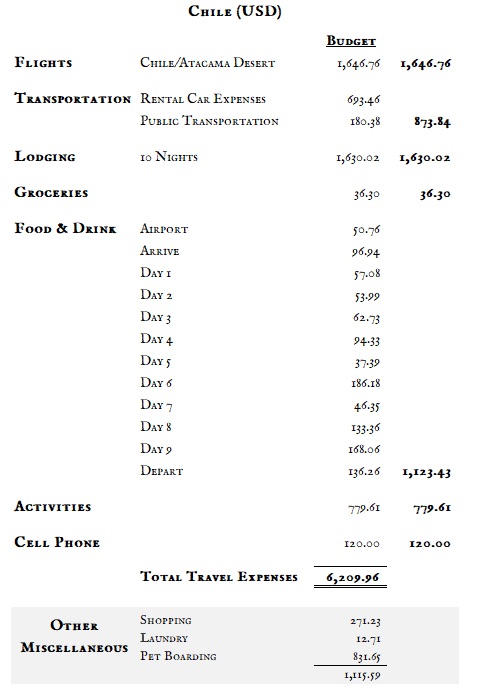
Chile is noticeably more expensive, particularly for popular tourist routes and activities. A daily budget of CLP 60,000-90,000 (about $70-100 USD) is more realistic for budget travelers. Hostel beds often start at CLP 15,000-25,000 ($17-28 USD), and a basic restaurant meal might cost CLP 8,000-15,000 ($9-17 USD). Activities like trekking in Torres del Paine can run into hundreds of dollars for park entry and guided tours. While Santiago offers some good value for food, regions like San Pedro de Atacama or Patagonia will push your budget significantly higher. For most travelers, Brazil offers more room for budget flexibility.
- Winner: Brazil
- Why: Brazil allows a lower daily spend on essentials like food and local transport, making it more accessible for budget travelers.
- Who this matters for: Budget-conscious travelers and those who plan extensive stays.
⛰️ Nature & Outdoors
Brazil offers immense natural settings, often on a grand scale. The Amazon rainforest presents an unparalleled experience for wildlife and river excursions, though it requires…
Brazil
Chile
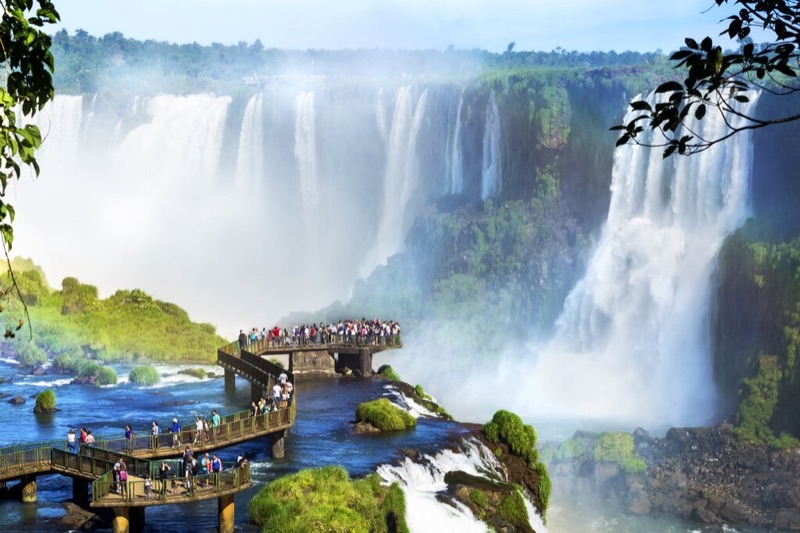
Brazil offers immense natural settings, often on a grand scale. The Amazon rainforest presents an unparalleled experience for wildlife and river excursions, though it requires guided tours and is not a casual visit. The Pantanal is a prime spot for jaguar and capybara sightings, an intense wildlife safari destination. Iguazu Falls, shared with Argentina, is an absolute spectacle. The country has a huge coastline with varied beach ecosystems. These places are geographically diverse but often demand internal flights or long bus rides, making them separate destinations within a trip. For instance, a 3-day Pantanal tour costs around R$1500-2500 (about $300-500 USD).
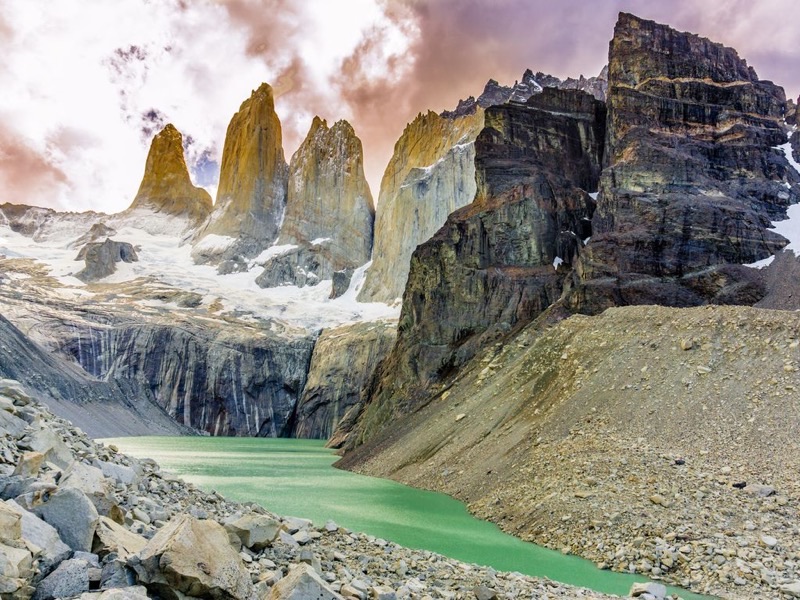
Chile excels in dramatic, accessible outdoor experiences, particularly in its Andes regions. Patagonia, with destinations like Torres del Paine National Park, offers some of the world's premier trekking, glacier viewing, and mountaineering. The Atacama Desert provides otherworldly landscapes for stargazing, geysers, and high-altitude lagoons. The Chilean Lake District has snow-capped volcanoes and deep blue lakes. These natural areas are often well-equipped with infrastructure for tourism, including established trails and tour operators. For example, a 4-day 'W' trek in Torres del Paine can cost upwards of $600-1000 USD including accommodation, transport, and food. Chile wins for its organized, varied, and truly iconic outdoor experiences.
- Winner: Chile
- Why: Chile offers more varied and accessible dramatic landscapes, from the Atacama to Patagonia, with well-developed infrastructure for outdoor activities.
- Who this matters for: Trekkers, adventure sports enthusiasts, and photographers.
🍖 Food & Drink
Brazilian food is a flavor explosion, particularly for meat lovers and those who enjoy tropical produce. 'Churrascarias' like Fogo de Chão or smaller local rodízios offer endless…
Brazil
Chile
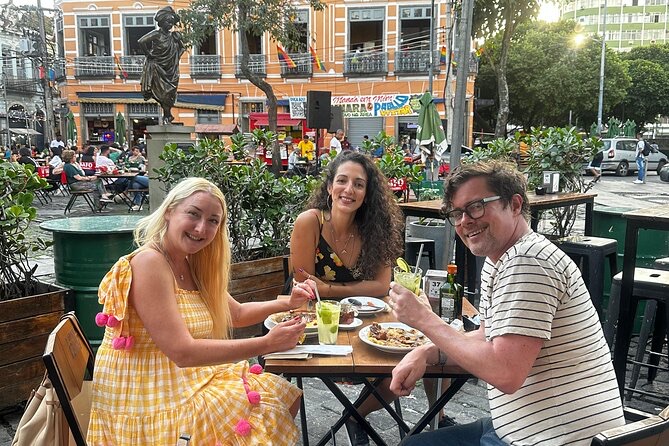
Brazilian food is a flavor explosion, particularly for meat lovers and those who enjoy tropical produce. 'Churrascarias' like Fogo de Chão or smaller local rodízios offer endless cuts of grilled meat for R$80-150 ($16-30 USD). 'Feijoada', a black bean and pork stew, is a staple. Street food like 'pão de queijo' (cheese bread) for R$5-10 ($1-2 USD) and 'coxinha' (chicken croquettes) are everywhere. The fresh juices from açaí, passion fruit, or mango are outstanding. Bahia offers distinct Afro-Brazilian cuisine like 'moqueca' (seafood stew). The regional variation is significant, providing new culinary discoveries in each city.
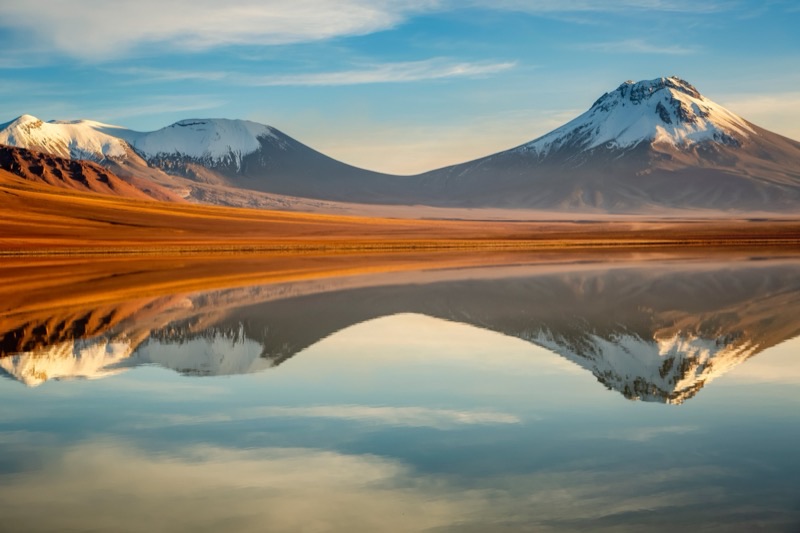
Chilean food is generally simpler, focusing on fresh ingredients, especially seafood along its long coastline. 'Ceviche' and 'pastel de jaiba' (crab pie) are popular. Empanadas, particularly those with 'pino' (meat, onion, egg, olive), are a national snack, costing around CLP 2,000-4,000 ($2-5 USD). 'Pastel de choclo' (corn pie) is a comforting classic. Chile is renowned for its wine, with excellent vineyards around Santiago like Concha y Toro offering tours and tastings for CLP 20,000-30,000 ($22-34 USD). While good, Chilean cuisine lacks the sheer variety and bold flavors found across Brazil. Brazil offers a more exciting and diverse culinary journey.
- Winner: Brazil
- Why: Brazil presents a more varied and intense flavor profile with its diverse regional dishes, meat culture, and fresh tropical produce.
- Who this matters for: Foodies, meat eaters, and those seeking bold flavors.
🎉 Nightlife & Parties
Brazilian nightlife is legendary for its energy and scale. Rio de Janeiro is a prime example, with samba clubs in Lapa, beach kiosks serving caipirinhas late, and large-scale…
Brazil
Chile
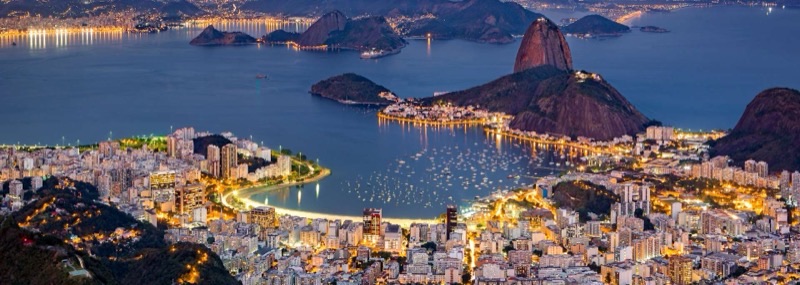
Brazilian nightlife is legendary for its energy and scale. Rio de Janeiro is a prime example, with samba clubs in Lapa, beach kiosks serving caipirinhas late, and large-scale block parties (blocos) during Carnaval. Salvador is the epicenter of Afro-Brazilian music and dance, with daily street parties and drumming circles. São Paulo offers a sophisticated club scene, from electronic music venues to jazz bars. A night out in Rio might cost R$100-200 ($20-40 USD) for drinks and entry. The atmosphere is generally open and enthusiastic, making it easy to join in.
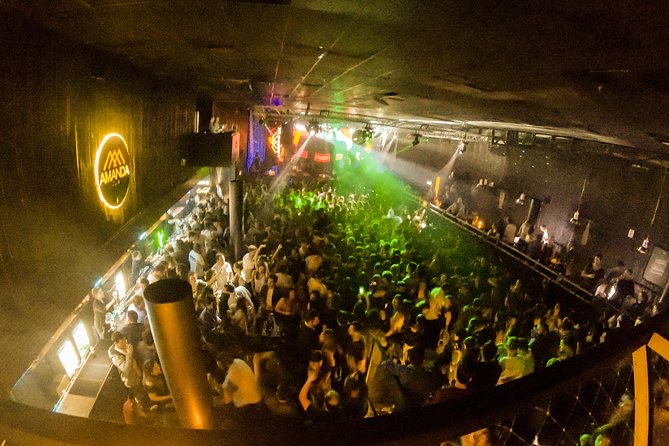
Chilean nightlife, while present, does not match the intensity or scale of Brazil. Santiago has a growing bar and club scene, particularly in neighborhoods like Barrio Bellavista, where you can find live music or dance clubs. Valparaiso offers a bohemian atmosphere with smaller bars and pubs. A beer might cost CLP 3,000-5,000 ($3-6 USD). It is generally more focused on smaller gatherings and social drinking, rather than massive street celebrations. While you can certainly find a good time, it is a more contained experience. Brazil wins for its sheer celebratory spirit and variety of options.
- Winner: Brazil
- Why: Brazil's nightlife is characterized by its unparalleled energy, large-scale events like Carnaval, and a pervasive culture of music and dance.
- Who this matters for: Party-goers, music lovers, and those seeking vibrant social scenes.
🏛️ Culture & History
Brazil's culture is a rich mix of Indigenous, African, and European influences, primarily Portuguese. Cities like Salvador da Bahia are global centers for Afro-Brazilian culture,…
Brazil
Chile
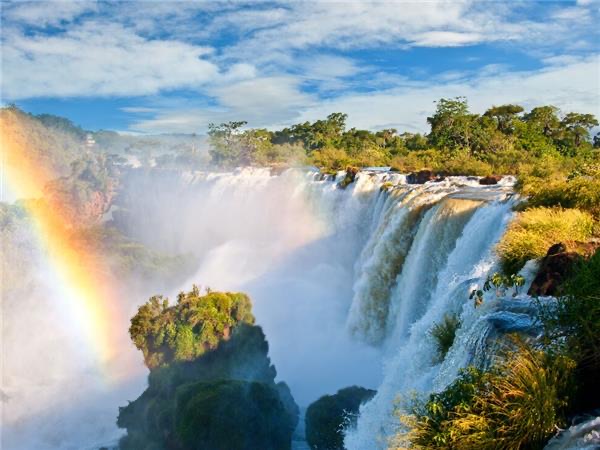
Brazil's culture is a rich mix of Indigenous, African, and European influences, primarily Portuguese. Cities like Salvador da Bahia are global centers for Afro-Brazilian culture, with Candomblé ceremonies and Capoeira rodas. Ouro Preto offers well-preserved colonial Baroque architecture, a UNESCO site where you can explore historic churches and mines for R$20-50 ($4-10 USD). The language barrier can be significant as Portuguese is the national language. Brazilian music and art forms are deeply ingrained in daily life, providing constant exposure to its distinct identity. The vastness of the country means cultural experiences vary significantly by region.
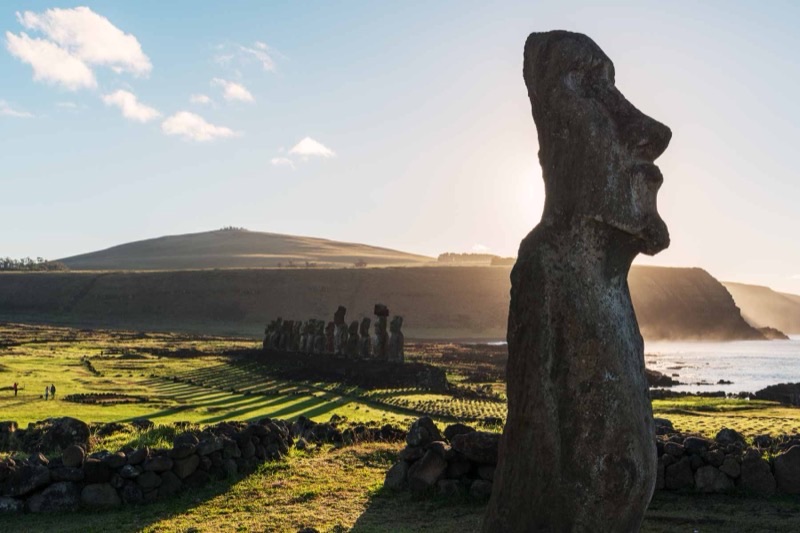
Chile's culture is predominantly Spanish colonial with strong Indigenous Mapuche roots, particularly in the south. Santiago offers museums like the Museo de la Memoria y los Derechos Humanos (free entry), detailing its recent political history. Valparaiso, a UNESCO World Heritage site, is known for its colorful hillside houses and street art. The Atacama Desert holds ancient geoglyphs and archaeological sites. The Chilean identity is distinct but perhaps less immediately effusive than Brazil's. Spanish is the official language. While both countries offer compelling cultural insights, Brazil's diverse origins create a more visibly dynamic and varied cultural landscape for travelers to engage with.
- Winner: Brazil
- Why: Brazil offers a more visibly distinct and diverse cultural experience, heavily influenced by its African and Indigenous heritage, expressed through music, religion, and historic architecture.
- Who this matters for: History buffs, anthropology enthusiasts, and those interested in diverse cultural fusions.
🏖️ Beaches
Brazil is synonymous with beaches, from the iconic urban sands of Copacabana and Ipanema in Rio de Janeiro to the pristine, warm-water paradises of the Northeast. The beaches are…
Brazil is synonymous with beaches, from the iconic urban sands of Copacabana and Ipanema in Rio de Janeiro to the pristine, warm-water paradises of the Northeast. The beaches are central to Brazilian social life, with vendors selling everything from caipirinhas to bikinis. Northeastern states like Bahia and Pernambuco (Porto de Galinhas, Maragogi) feature natural pools, coral reefs, and year-round warm temperatures suitable for swimming. Fernando de Noronha, though more expensive, offers some of the world's most beautiful and preserved beaches. A coconut water costs R$10-15 ($2-3 USD) on the beach. The variety ranges from lively city beaches to secluded, undeveloped stretches.
Chile's coastline is extensive, but its beaches are typically cooler due to the Humboldt Current and the southern latitude. While cities like Viña del Mar and Valparaiso have beaches, they are more for strolling and enjoying the views than swimming or sunbathing in warm water. Places like Pichilemu are known for surfing, but the water remains cold. Further south, the coastline becomes rugged and dramatic, more about scenery than sandy relaxation. If you are looking for classic beach relaxation, warm water, and a vibrant beach culture, Brazil is the clear choice.
- Winner: Brazil
- Why: Brazil offers an abundance of warm-water beaches, vibrant beach culture, and diverse coastal environments perfect for swimming and relaxation.
- Who this matters for: Sun-seekers, swimmers, surfers, and those who enjoy beachside social scenes.
🚧 Safety & Logistics
Safety in Brazil requires a higher degree of awareness. Major cities like Rio and São Paulo have areas with significant crime rates, including petty theft and occasional more…
Safety in Brazil requires a higher degree of awareness. Major cities like Rio and São Paulo have areas with significant crime rates, including petty theft and occasional more serious incidents. Travelers need to avoid displaying valuables, be cautious after dark, and research safe neighborhoods. Learning some basic Portuguese is helpful as English is not widely spoken outside of major tourist hubs. Public transport can be chaotic but is generally extensive. Domestic flights are often necessary for long distances, adding to logistical complexity. Taxis and ride-shares like Uber are available but verify prices and routes.
Chile is generally considered one of the safer countries in South America, particularly outside of certain areas in Santiago. Petty crime like pickpocketing can occur in busy tourist zones, but violent crime is less common. The country has a well-developed and efficient public transport system, including a clean metro in Santiago (CLP 800-1000, $1 USD per ride). Spanish is the official language, which is common for most travelers. Logistically, Chile is more straightforward to navigate, with good road infrastructure and reliable bus services for inter-city travel. For a less stressful experience, Chile is preferable.
- Winner: Chile
- Why: Chile offers a more predictable and generally safer travel environment, with clearer logistics and a more common language for many travelers.
- Who this matters for: Solo travelers, first-time international travelers, and those prioritizing ease of navigation.
🚌 Getting Around
Getting around Brazil typically involves covering vast distances. Internal flights are often essential for major jumps like Rio to Manaus (approx. 4-5 hours flight, R$800-1500 or…
Getting around Brazil typically involves covering vast distances. Internal flights are often essential for major jumps like Rio to Manaus (approx. 4-5 hours flight, R$800-1500 or $160-300 USD). The bus network is extensive but can be slow, with journeys often lasting 12+ hours. For example, Rio to São Paulo is a 6-hour bus ride (R$100-200, $20-40 USD). Within cities, ride-sharing apps like Uber are common and reasonably priced, but traffic can be intense. Navigating public transport in major cities can be confusing without local knowledge or Portuguese language skills. Expect longer travel times between destinations.
Chile offers a more streamlined experience for getting around. Its long, narrow shape means excellent long-distance bus services connect most major cities efficiently. For example, Santiago to Valparaiso is a 1.5-hour bus ride (CLP 5,000-8,000, $6-9 USD). For reaching Patagonia or the Atacama, internal flights are common, such as Santiago to Punta Arenas (approx. 3.5 hours flight, CLP 50,000-100,000, $55-110 USD). Santiago boasts a modern and clean metro system. The road infrastructure is generally good, making self-driving an option in some regions. Chile wins for its efficiency and ease of inter-city travel.
- Winner: Chile
- Why: Chile offers more efficient and predictable transportation options, with a better developed long-distance bus network and excellent urban public transit.
- Who this matters for: Travelers covering multiple regions, those on tighter schedules, and those who prefer less logistical friction.
🏨 Accommodation
Brazil provides a broad spectrum of accommodation options, often with better value at the lower and mid-range compared to Chile. Hostels in major cities like Rio or São Paulo…
Brazil provides a broad spectrum of accommodation options, often with better value at the lower and mid-range compared to Chile. Hostels in major cities like Rio or São Paulo average R$80-150 ($16-30 USD) per night for a dorm bed. Mid-range hotels can be found for R$250-500 ($50-100 USD), often including breakfast. 'Pousadas' (guesthouses) are common, offering local charm. For example, a decent pousada in Paraty might cost R$200-350 ($40-70 USD). Quality can vary significantly, so research is important. Airbnbs are widely available and can be a good option for groups or longer stays, offering competitive pricing especially outside peak season.
Chilean accommodation tends to be pricier for similar levels of comfort. Hostel dorms typically start at CLP 15,000-25,000 ($17-28 USD) in Santiago, but can rise to CLP 25,000-40,000 ($28-45 USD) in places like San Pedro de Atacama or Puerto Natales. Mid-range hotels often start at CLP 60,000 ($68 USD) and go up. Eco-lodges are popular in natural areas but come with a higher price tag. Finding budget accommodation in peak season in Patagonia can be challenging and expensive, with options easily exceeding $100 USD per night for even basic private rooms. For better value across categories, Brazil offers more.
- Winner: Brazil
- Why: Brazil generally provides more budget-friendly and diverse accommodation options, with better value for money across various price points.
- Who this matters for: Budget travelers, those seeking good value, and travelers planning extended trips.
🧍 Solo Travel
Solo travel in Brazil can be a deeply rewarding social experience, especially if you are outgoing and enjoy meeting people. Hostels are plentiful and active, making it easy to…
Solo travel in Brazil can be a deeply rewarding social experience, especially if you are outgoing and enjoy meeting people. Hostels are plentiful and active, making it easy to connect with others. The party atmosphere and friendly locals (though often speaking only Portuguese) facilitate social interactions. However, solo travelers need to be extra vigilant regarding personal safety, particularly at night in urban areas or when carrying valuables. Navigating public transport and dealing with occasional scams requires confidence. It is a country that rewards independent, adaptable solo travelers willing to embrace a little chaos.
Chile is often cited as one of the best countries in South America for solo travel due to its relative safety and efficient infrastructure. It is easy to navigate independently, whether by public transport or joining organized tours for specific activities like trekking. Hostels are common and offer opportunities to meet fellow travelers, though the overall social scene might be less intense than in Brazil. The language barrier is less pronounced for Spanish speakers. For instance, solo trekking in Torres del Paine is well-supported. The predictability and lower stress of logistics make Chile a more comfortable choice for many solo travelers, especially those new to the region.
- Winner: Chile
- Why: Chile offers a generally safer environment and more straightforward logistics for solo travelers, making independent exploration less stressful.
- Who this matters for: First-time solo travelers, women traveling alone, and those prioritizing safety and ease.
🎯 The Decision Framework
Choose Brazil If…
- You want to experience Carnaval or major street parties.
- You crave diverse, intense tropical nature like the Amazon or Pantanal.
- Your budget for daily expenses is tighter (aiming for $50-80/day).
- You enjoy vibrant beach culture and warm ocean swimming.
- You are excited by bold, varied flavors and a meat-centric cuisine.
- You are comfortable navigating a country with a significant language barrier (Portuguese).
- You prioritize loud, social experiences over quiet, reflective ones.
Choose Chile If…
- You dream of trekking through dramatic mountains and glaciers in Patagonia.
- You prefer a safer, more predictable travel environment.
- You want to explore otherworldly desert landscapes and stargaze in the Atacama.
- You appreciate efficient public transport and well-organized tourist infrastructure.
- You are keen on world-class wine tasting experiences.
- You plan to self-drive and explore at your own pace on good roads.
- Your daily budget is more flexible (aiming for $70-120/day) for activities.
❓ Frequently Asked Questions
Which country is better for adventure sports?
Chile wins for adventure sports, particularly trekking, climbing, and mountaineering in Patagonia and the Lake District. Kayaking in the fjords or sandboarding in the Atacama are also popular. Brazil offers surfing and paragliding, but Chile's offerings are more diverse and organized for serious adventurers.
What is the typical flight time from North America?
Direct flights from major North American cities to Brazil (e.g., Miami to São Paulo/Rio) average around 8-9 hours. To Chile (e.g., Miami to Santiago) also averages about 8-9 hours, sometimes slightly longer due to geographical distance. Both require similar flight commitments.
Which country offers better value for luxury travel?
Brazil provides more accessible luxury experiences for the price point. High-end hotels in Rio or boutique pousadas in places like Trancoso often cost less than comparable luxury lodges in Chile's Patagonia or Atacama regions. Expect to pay $200-500 USD per night for luxury in Brazil versus $400-1000+ USD in Chile's premium areas.
Is it possible to travel between Brazil and Chile easily?
Traveling between Brazil and Chile typically requires a flight, as the land distance is significant. A direct flight from Santiago to São Paulo takes about 4 hours and costs around $200-400 USD. Cross-country bus journeys are impractical due to the Andes and vast distances, taking multiple days and transfers.
Which country is better for a two-week trip?
For a two-week trip, Chile is generally a better fit. You can realistically explore two distinct regions like Santiago/Valparaiso and either the Atacama or Patagonia without feeling rushed. Brazil's vastness means two weeks might only allow you to scratch the surface of one or two regions, requiring more internal travel.
What are the best times to visit each country?
Brazil is best visited during its dry season (May to September) for most regions, though the Northeast is good year-round. Carnaval is in February/March. Chile's Patagonia is best in summer (December to March), while the Atacama and Central Valley are good year-round. Santiago is pleasant in spring/fall (September-November, March-May).
How much does a typical meal cost in each country?
In Brazil, a local 'prato feito' lunch or street food can cost R$30-50 ($6-10 USD). A mid-range restaurant meal is R$80-150 ($16-30 USD). In Chile, a basic meal is CLP 8,000-15,000 ($9-17 USD), while a mid-range restaurant might be CLP 20,000-35,000 ($22-40 USD). Chile is consistently pricier for dining.
Which country has better English comprehension among locals?
Chile generally has higher English comprehension, especially in tourist-focused areas and Santiago. In Brazil, English is less commonly spoken outside of major hotels and international tourist spots, requiring more effort with Portuguese or translation apps to communicate effectively with locals.
Ready to plan your South America trip?
Get a free custom itinerary for Brazil, Chile, or both — built from real traveler insights.
🎟️ Book Tours & Experiences
Hand-picked tours and activities for both destinations — book with free cancellation
Experiences via Viator — free cancellation on most tours