How we built this comparison
This page combines traveler discussion patterns, published price ranges, flight schedules, and seasonal data to help you decide between Brazil and Croatia.
- Reviewed 500+ Reddit threads from r/travel, r/solotravel, etc.
- Verified costs and logistics against current booking platforms for 2023-2024
- Cross-referenced seasonal patterns and weather data for optimal travel times
⚡ The TL;DR Verdict
For most first-time long-haul travelers seeking a simpler, safer European experience with clear coastal attractions, Croatia is the more straightforward pick. Expect daily expenses around $90-200. Brazil appeals to those craving extensive land exploration, deeper cultural immersion, and who are comfortable navigating more complex environments; budget roughly $60-150 per day.
- Choose Brazil: You prioritize expansive natural areas, unique culture, an active nightlife scene, and a lower overall daily spend, provided youre comfortable with a higher safety awareness.
- Choose Croatia: You seek a focus on coastal activities, island hopping, historical towns, and a generally safer, more predictable European travel experience with excellent infrastructure.
- Choose Both: Consider both if you have a minimum of 4-6 weeks for travel and are prepared for two distinct, long-haul journeys. This allows proper time to experience each nations primary offerings without rushing.
Choose Brazil
Choose Brazil if you're an intrepid explorer yearning for vast, untamed landscapes like the Amazon or Pantanal, alongside a vibrant, unique culture found in Rio's samba schools or Salvador's historic streets. This destination is best for adventurous travelers eager for deep cultural immersion and an active nightlife, who are comfortable navigating more complex environments with a daily budget around $60-150.
Choose Croatia
Croatia is ideal for travelers prioritizing a serene, picturesque European escape focused on stunning coastal beauty and ancient history. Best for those seeking seamless island hopping along the Dalmatian Coast, exploring Dubrovnik's ancient walls, or relaxing on pristine beaches, all within a generally safer, well-structured environment. Expect a predictable experience with daily expenses from $90-200.
Quick Comparison
| Category | Brazil | Croatia | Winner |
|---|---|---|---|
| Costs & Budget | Generally lower daily expenses for food, local transport, and some activities. Accommodation varies but budget options exist. | Higher daily costs, especially for accommodation and peak season activities. Food and transport are moderately priced by European standards. | Brazil |
| Beaches & Coastline | Immense coast with diverse beaches: urban, remote, surf spots. Water temperatures are consistently warm. | Adriatic coast with clear, calm waters, pebble or rock beaches, and numerous islands. Summers are warm. | Tie |
| Safety & Security | Requires a higher level of situational awareness, especially in large cities. Pickpocketing and petty crime are common. | Generally considered very safe, with low crime rates. Major concerns are typically related to tourist scams or crowded areas. | Croatia |
| Food & Drink | Hearty, meat-focused cuisine with Portuguese, African, and indigenous influences. Abundant fresh fruits and juice. | Mediterranean diet with strong Italian and Balkan influences. Seafood is prominent, especially along the coast. | Brazil |
| Culture & History | Post-colonial history with African, Portuguese, and indigenous influences. Known for music, dance, and religious syncretism. | Ancient European history spanning Roman, Venetian, Austro-Hungarian, and Slavic periods. Prominent medieval towns and Roman ruins. | Croatia |
| Getting There & Flights | Long-haul flights, typically 10-12 hours from North America or Europe. Direct flights mostly to Rio and Sao Paulo. | Long-haul from North America (10-12+ hours with layovers) or shorter flights from Europe (2-4 hours). Major airports in Zagreb, Split, Dubrovnik. | Tie |
| Getting Around | Domestic flights for long distances. Buses are extensive. Ride-sharing in cities. Navigating can be complex. | Well-connected bus network. Ferry system for islands. Rental cars are popular. Smaller distances, easier to traverse. | Croatia |
| Nature & Outdoors | Expansive biodiversity: Amazon rainforest, Iguazu Falls, Pantanal wetlands, diverse landscapes. | Coastal beauty, national parks with lakes and waterfalls, mountains, and numerous islands. | Brazil |
| Nightlife & Entertainment | Known for late-night parties, live music (samba, bossa nova), and a general festive atmosphere. | Coastal towns offer lively bar scenes and clubs, especially on islands like Hvar. Zagreb has a varied urban nightlife. | Brazil |
| Accommodation | Wide range from budget hostels to luxury hotels. Boutique pousadas are a good mid-range option. | Hostels, guesthouses, and apartments are common. Hotels can be pricier, especially in popular coastal areas. | Tie |
💰 Costs & Budget
Brazil offers a more budget-friendly experience for most travelers. Expect to spend $60-150 USD per day for a comfortable trip, excluding major tours like the Amazon. A filling…
Brazil
Croatia
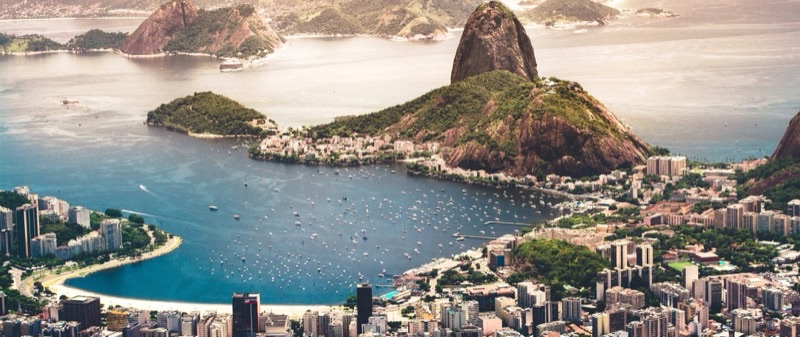
Brazil offers a more budget-friendly experience for most travelers. Expect to spend $60-150 USD per day for a comfortable trip, excluding major tours like the Amazon. A filling meal at a local 'churrascaria' can cost R$40-70 ($8-14 USD), and a caipirinha is often R$15-25 ($3-5 USD). Public transport in cities like Rio de Janeiro costs around R$4.50 ($0.90 USD) per ride. Hostels are typically $15-30 USD per night, while mid-range hotels can be $50-100 USD. Activities like visiting Christ the Redeemer are R$85-110 ($17-22 USD).
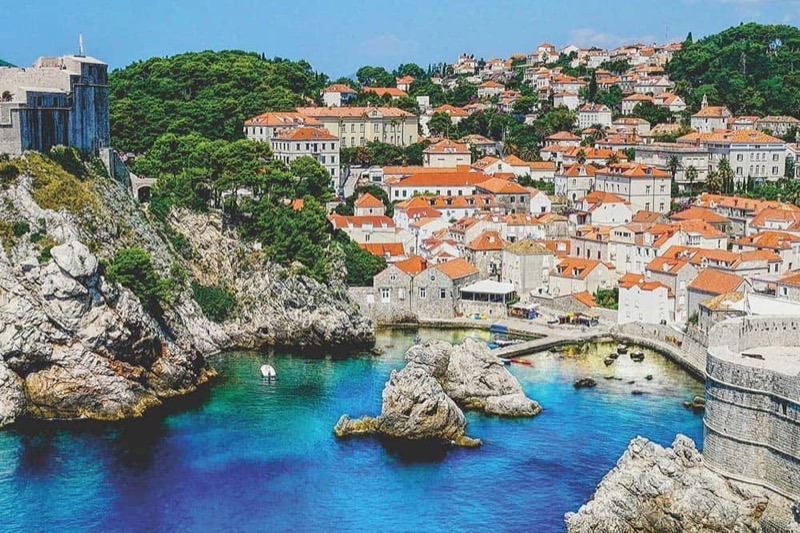
Croatia generally requires a larger budget, particularly if traveling during the high season (June-August). A daily budget of $90-200 USD is a realistic expectation. A meal at a typical restaurant in Split might be €15-25 ($16-27 USD), and a local beer around €4-6 ($4-6.50 USD). Public transport in cities like Dubrovnik costs around €2-3 ($2-3.20 USD) per ride. Hostels can be €25-50 ($27-54 USD) per night, with mid-range hotels in popular areas like Dubrovnik or Hvar easily reaching €100-200+ ($108-216+ USD). Entrance to Plitvice Lakes National Park can be €10-40 ($11-43 USD) depending on the season. Brazil wins for general affordability, allowing funds to stretch further.
- Winner: Brazil
- Why: Brazil provides a lower cost of living and travel, making it easier for budget-conscious travelers to experience more.
- Who this matters for: Budget travelers, long-term travelers, and those seeking value for money.
🏖️ Beaches & Coastline
Brazils coastline stretches over 7,400 kilometers, offering an immense variety of beaches. From the iconic Copacabana and Ipanema in Rio de Janeiro, known for their lively…
Brazil
Croatia
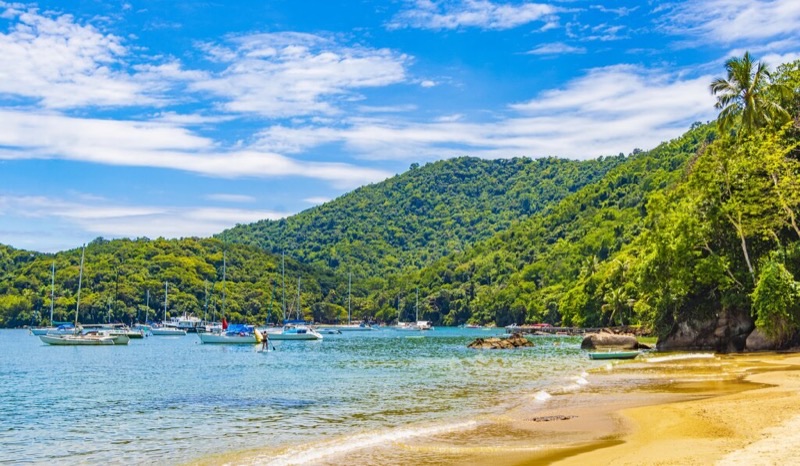
Brazils coastline stretches over 7,400 kilometers, offering an immense variety of beaches. From the iconic Copacabana and Ipanema in Rio de Janeiro, known for their lively atmosphere, vendor activity, and soft sand, to the remote, undeveloped stretches of Jericoacoara in the northeast or the dramatic cliffs of Praia da Pipa. The water is consistently warm, suitable for swimming and surfing year-round. Many beaches offer casual food and drink service directly on the sand. The sheer scale and variety, including freshwater beaches along the Amazon, provide options for every preference, from solitude to social gatherings.
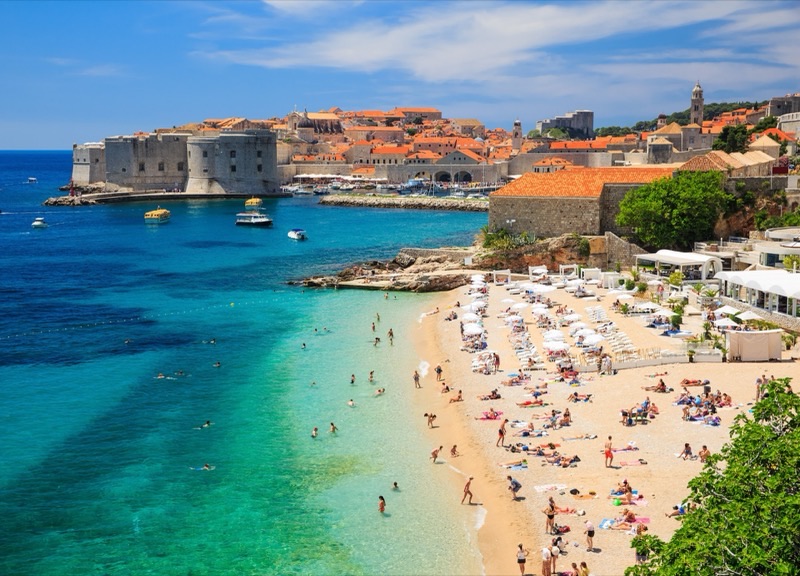
Croatias Adriatic coastline is known for its crystal-clear, calm waters and dramatic limestone cliffs dropping into the sea. While sandy beaches are rare, its pebble and rock beaches, like Zlatni Rat on Brac or Punta Rata in Brela, are popular for swimming and sunbathing. Island hopping is a primary activity, with places like Hvar, Korcula, and Vis offering secluded coves and charming coastal towns. The water is warm from June to September, ideal for snorkeling, kayaking, and sailing. The visual contrast of ancient towns against the blue sea provides a different kind of appeal. Both countries offer excellent beach experiences, but with different characteristics, leading to a tie based on preference.
- Winner: Tie
- Why: Both nations offer distinct and excellent beach experiences catering to different preferences for sand, water clarity, and activity.
- Who this matters for: Beach lovers, water sports enthusiasts, and sunbathers.
🚨 Safety & Security
Brazil, particularly its major cities like Rio de Janeiro, Sao Paulo, and Salvador, requires a heightened sense of caution regarding personal safety. Petty crime such as…
Brazil

Croatia
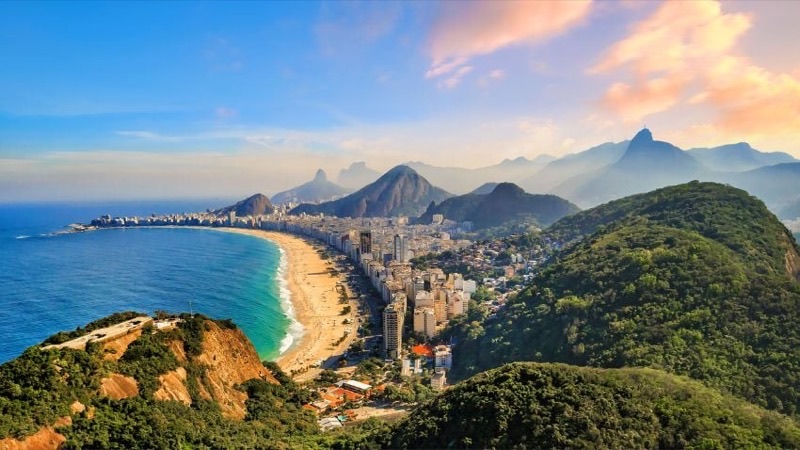
Brazil, particularly its major cities like Rio de Janeiro, Sao Paulo, and Salvador, requires a heightened sense of caution regarding personal safety. Petty crime such as pickpocketing and street theft is common, especially in tourist areas and public transport. Serious crime can also occur. It is advisable to avoid displaying expensive items, be cautious after dark, and research safe neighborhoods. Using ride-sharing apps like Uber or 99 is generally safer than street taxis. Tourist police are present, but prevention through awareness is key. Many travelers suggest keeping valuables out of sight and carrying only essential cash.
Croatia is recognized as a very safe country for travelers. Violent crime is rare, and petty theft is mainly confined to crowded tourist hotspots during peak season, where standard precautions against pickpocketing are sufficient. Walking alone at night in most towns and cities is not generally a concern. The main safety considerations might involve navigating busy roads or being aware of uneven cobblestones in old towns. The low crime rate contributes significantly to a relaxed travel experience. Croatia offers a notably more secure environment, allowing for easier exploration without constant vigilance.
- Winner: Croatia
- Why: Croatia provides a significantly safer travel environment, allowing for more relaxed exploration without constant high-level vigilance.
- Who this matters for: Solo travelers, families with children, and those prioritizing a low-stress travel experience.
🍽️ Food & Drink
Brazilian food is comforting and robust, often centered around meat, rice, and beans. Feijoada, a black bean and pork stew, is a national dish. Rodizio-style churrascarias offer…
Brazil
Croatia
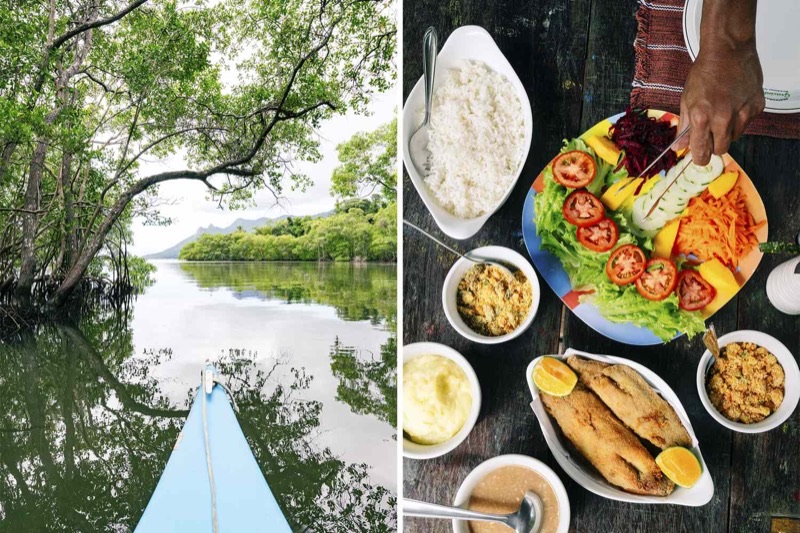
Brazilian food is comforting and robust, often centered around meat, rice, and beans. Feijoada, a black bean and pork stew, is a national dish. Rodizio-style churrascarias offer all-you-can-eat grilled meats for around R$80-150 ($16-30 USD). Street food includes pão de queijo (cheese bread) and coxinha (shredded chicken croquettes) for R$5-10 ($1-2 USD). The country excels in fresh tropical fruits like açaí, passion fruit, and mango, served as juices or smoothies. Caipirinhas, made with cachaça, lime, and sugar, are the national drink, costing R$15-25 ($3-5 USD). The regional variety is considerable, from Bahias African-influenced moqueca to the Amazonian pirarucu fish dishes.
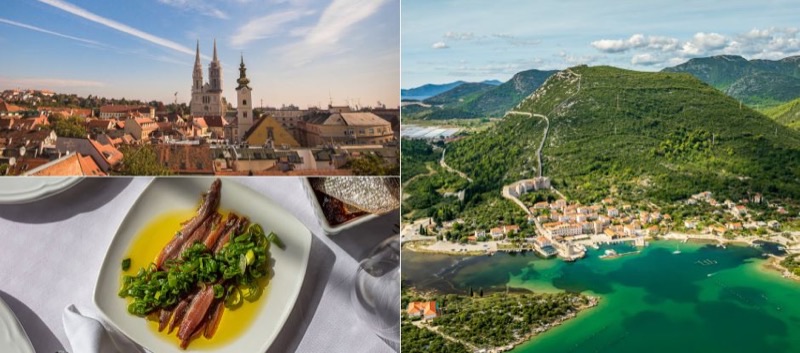
Croatian cuisine is heavily influenced by its Mediterranean and Balkan neighbors. Along the coast, fresh seafood is king, with dishes like 'peka' (meat or octopus cooked under a bell-shaped lid) or grilled fish being popular, costing around €20-40 ($22-43 USD). Inland, you find more meat dishes, pasta, and risottos. Truffles are a specialty in Istria, often served with pasta for €15-30 ($16-32 USD). Local wines are gaining recognition, and rakija (fruit brandy) is a common spirit. Street food is less prevalent than in Brazil, but bakeries offer pastries like burek for €2-4 ($2-4.30 USD). While Croatia offers quality ingredients, Brazils broader flavor profile and widespread availability of affordable, satisfying meals give it an edge.
- Winner: Brazil
- Why: Brazil offers a wider array of distinct flavors, more prominent street food culture, and generally more affordable dining experiences.
- Who this matters for: Food explorers, budget eaters, and those who prioritize hearty, diverse meals.
🏛️ Culture & History
Brazil presents a relatively younger, post-colonial history shaped by Portuguese colonization, the transatlantic slave trade, and indigenous cultures. This fusion is evident in…
Brazil
Croatia
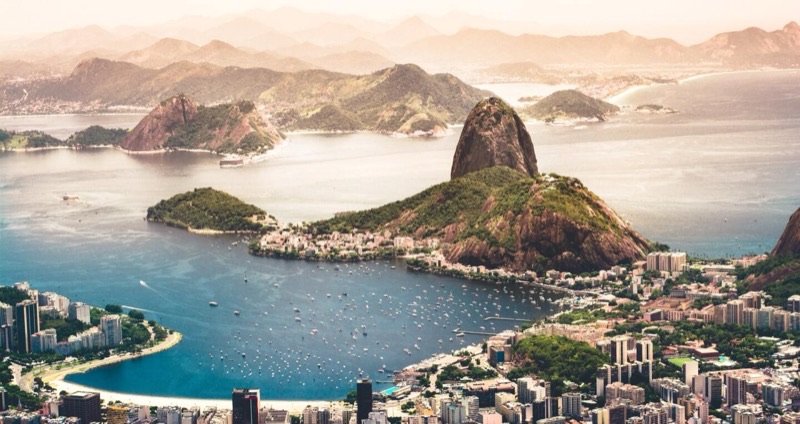
Brazil presents a relatively younger, post-colonial history shaped by Portuguese colonization, the transatlantic slave trade, and indigenous cultures. This fusion is evident in its music (samba, bossa nova), dance (capoeira), and religious practices (Candomblé, Umbanda). Historic centers like Pelourinho in Salvador, with its colorful colonial architecture, and Ouro Preto, a UNESCO site known for its baroque art, offer glimpses into this past. Carnival is a major cultural event, drawing millions. The culture feels alive, evolving, and deeply rooted in its diverse ethnic makeup, but its historical sites are largely from the colonial era, lacking the ancient depth of Europe.
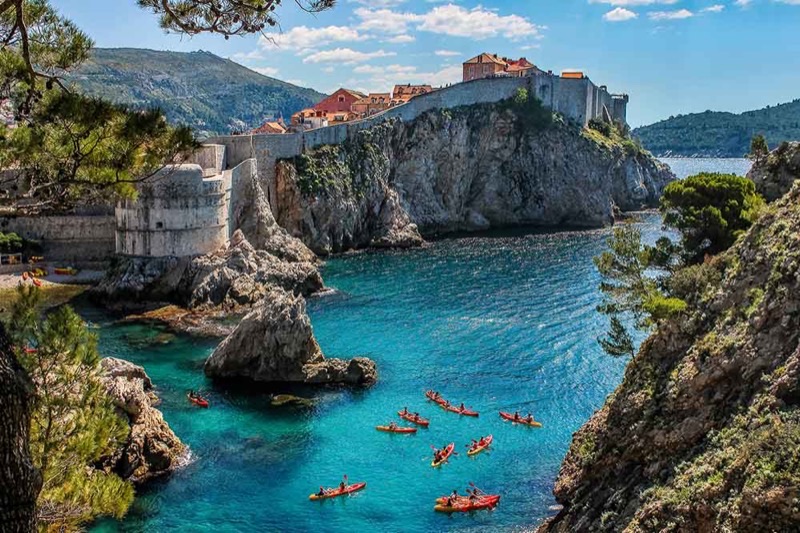
Croatia boasts a history that dates back to ancient times, with layers of Roman, Byzantine, Venetian, and Austro-Hungarian rule visible across its territory. Diocletians Palace in Split, a living Roman ruin, and the intact medieval city walls of Dubrovnik are primary examples. Pula Arena, a well-preserved Roman amphitheater, hosts concerts today. The old towns of Rovinj, Zadar, and Trogir present medieval architecture and traditions. Its history is physically preserved in numerous UNESCO-listed sites and readily accessible historical narratives. The narrative feels more foundational and ancient, providing a clearer historical journey. Croatia wins for its density of well-preserved, multi-era historical sites and accessible cultural narratives.
- Winner: Croatia
- Why: Croatia offers a more concentrated and ancient historical narrative, with numerous well-preserved Roman and medieval sites.
- Who this matters for: History buffs, architecture enthusiasts, and those seeking to explore ancient European civilizations.
✈️ Getting There & Flights
Travel to Brazil usually involves long-haul flights into major hubs like Sao Paulo (GRU) or Rio de Janeiro (GIG). From major North American cities like New York or Miami, direct…
Travel to Brazil usually involves long-haul flights into major hubs like Sao Paulo (GRU) or Rio de Janeiro (GIG). From major North American cities like New York or Miami, direct flights can take 8-10 hours, costing $700-1200+ USD round trip. From European cities like London or Paris, direct flights are typically 10-12 hours, costing €600-1000+ ($650-1080+ USD) round trip. Flight availability and prices fluctuate significantly by season, with peak demand around Carnival. Internal flights within Brazil, for example from Rio to Iguazu Falls, can add considerable cost and travel time.
Travel to Croatia from North America is also long-haul, typically 10-12+ hours with at least one layover in a major European hub like Frankfurt or Amsterdam, costing $800-1300+ USD round trip. From within Europe, Croatia is easily accessible with numerous budget airline options (e.g., Ryanair, Wizz Air) offering 2-4 hour flights to Zagreb (ZAG), Split (SPU), or Dubrovnik (DBV) for as low as €50-200 ($54-216 USD) round trip. This accessibility from Europe is a major advantage for many travelers. Both destinations require significant travel time from distant continents, but Croatias easier access from within Europe balances the comparison.
- Winner: Tie
- Why: Both require significant travel time from major distant regions, but Croatias easy access from within Europe balances its longer US flight times.
- Who this matters for: All travelers, especially those planning from different continents or within Europe.
🗺️ Getting Around
Getting around Brazil often involves a combination of domestic flights for covering vast distances between major regions (e.g., Rio to Manaus is over 4 hours by plane). Brazils…
Getting around Brazil often involves a combination of domestic flights for covering vast distances between major regions (e.g., Rio to Manaus is over 4 hours by plane). Brazils bus network is extensive and generally comfortable for inter-city travel, but journeys can be long (e.g., Rio to Sao Paulo is 6 hours). Within cities, ride-sharing apps like Uber and 99 are popular, affordable, and safer than traditional taxis. Public transport systems in large cities vary in quality and safety. Road conditions can be variable, and driving oneself is often discouraged for first-time visitors due to traffic patterns and navigation challenges.
Croatia is significantly smaller, making internal travel much simpler. An efficient and affordable bus network connects most towns and cities (e.g., Split to Dubrovnik is around 4.5 hours). The Adriatic coast and its islands are well-served by a comprehensive ferry system (e.g., Jadrolinija) that allows for easy island hopping, with tickets costing €5-20 ($5.40-21.60 USD) for short routes. Rental cars are a very popular option, offering flexibility to explore scenic routes, and roads are generally well-maintained. Distances are manageable, making it easy to visit multiple regions within a shorter timeframe. Croatia offers a more straightforward and less time-consuming experience for internal movement.
- Winner: Croatia
- Why: Croatias smaller size, efficient bus and ferry networks, and popular rental car options make internal travel significantly easier and quicker.
- Who this matters for: Travelers who prefer efficiency, independent exploration, and minimal travel time between destinations.
🌳 Nature & Outdoors
Brazil offers unparalleled natural diversity on a grand scale. The Amazon rainforest, a global ecological power, provides opportunities for wildlife spotting, river tours, and…
Brazil offers unparalleled natural diversity on a grand scale. The Amazon rainforest, a global ecological power, provides opportunities for wildlife spotting, river tours, and forest treks. Iguazu Falls, on the border with Argentina, is a series of over 275 waterfalls, offering a scale and power that rivals few natural sites. The Pantanal, the worlds largest tropical wetland, is a prime location for seeing jaguars, capybaras, and caimans. The Chapada Diamantina offers canyons, caves, and natural pools. Brazils natural attractions are vast, varied, and often require multi-day excursions to fully appreciate, offering experiences from dense jungle to semi-arid landscapes.
Croatia provides remarkable natural beauty concentrated along its coast and in its national parks. Plitvice Lakes National Park, a UNESCO site, features a series of terraced lakes connected by waterfalls, with wooden walkways allowing close access. Krka National Park also has impressive waterfalls. The Paklenica National Park offers hiking and climbing in the Velebit mountains. The Adriatic Sea itself, with its thousands of islands and islets, provides countless coves for swimming and snorkeling. While Croatias nature is undeniably beautiful and accessible, it does not match the sheer scale, ecological diversity, or unique biomes found in Brazil. Brazil wins for its immense and globally significant natural wonders.
- Winner: Brazil
- Why: Brazil possesses natural attractions of unparalleled scale and ecological significance, from the Amazon to Iguazu Falls.
- Who this matters for: Adventure travelers, wildlife enthusiasts, and those seeking awe-inspiring natural landscapes.
nightlife Nightlife & Entertainment
Brazils nightlife is legendary, especially in cities like Rio de Janeiro and Sao Paulo. Lapa in Rio is famous for its arches and numerous bars and clubs offering live samba and…
Brazils nightlife is legendary, especially in cities like Rio de Janeiro and Sao Paulo. Lapa in Rio is famous for its arches and numerous bars and clubs offering live samba and forró music until the early hours. Street parties, particularly during Carnival, are common and extend late into the night. Sao Paulos diverse neighborhoods like Vila Madalena and Consolação host everything from sophisticated cocktail bars to underground clubs. Drinks are generally affordable, and the atmosphere is open and social. Expect to party until 4 or 5 AM regularly. This pervasive, late-night social energy is a core part of the experience.
Croatia offers a lively nightlife, particularly during the summer months in coastal towns and islands. Hvar is known as a party island, with beach clubs like Carpe Diem and Veneranda drawing crowds. Split and Dubrovnik also have a range of bars and clubs, often within historic settings. Zagreb, the capital, provides a more varied urban nightlife scene with pubs, clubs, and cultural events. While enjoyable and active, Croatias nightlife generally starts and ends earlier than Brazils, and the scale of spontaneous street gatherings is smaller outside of specific festivals. Brazil wins for its consistent, energetic, and culturally integrated late-night scene.
- Winner: Brazil
- Why: Brazil offers a more pervasive, energetic, and culturally integrated late-night scene with abundant live music and street gatherings.
- Who this matters for: Party-goers, music lovers, and those who thrive in social, late-night environments.
🏨 Accommodation
Brazil offers a broad spectrum of accommodation. Hostels in major cities like Rio can range from R$70-150 ($14-30 USD) per night for a dorm bed. Mid-range hotels typically cost…
Brazil offers a broad spectrum of accommodation. Hostels in major cities like Rio can range from R$70-150 ($14-30 USD) per night for a dorm bed. Mid-range hotels typically cost R$250-500 ($50-100 USD), with a good selection of boutique 'pousadas' in smaller towns or beach destinations offering character and comfort for similar prices. Luxury options are available but can be very expensive. Booking in advance, especially during high season or major events like Carnival, is important. Service quality can vary, but many establishments are well-regarded.
Croatia also provides diverse lodging. Hostels are readily available in cities and popular islands, costing €25-50 ($27-54 USD) per night for a dorm. Private apartments (sobe) and guesthouses are a popular and often affordable choice, typically €50-100 ($54-108 USD) per night for a double room, especially outside peak season. Hotels, particularly in Dubrovnik or Hvar during summer, can be significantly pricier, starting from €100-200+ ($108-216+ USD) and going much higher. Airbnb is widely used. While Brazil offers more budget-friendly options on average, Croatias apartment and guesthouse market provides excellent value and often personal service. Both offer compelling options depending on budget and travel style, resulting in a tie.
- Winner: Tie
- Why: Both nations offer extensive accommodation choices, with Brazil providing more budget-friendly options while Croatia excels in private apartment and guesthouse value.
- Who this matters for: All travelers, from backpackers to luxury seekers.
🎯 The Decision Framework
Choose Brazil If…
- You want to dance samba in Rio de Janeiro until sunrise.
- You are fascinated by the sheer scale of the Amazon rainforest and its ecosystems.
- You want to experience Carnival in person, with its street parties and parades.
- You prioritize trying unique regional dishes like moqueca or acarajé.
- You seek an extensive, diverse coastline with consistently warm water for swimming.
- You are comfortable with a higher level of urban navigation and safety awareness.
- You want your travel budget to stretch further, allowing for more experiences.
- You are interested in Afro-Brazilian culture and its historical impact.
Choose Croatia If…
- You dream of island hopping across the Adriatic Sea with clear water.
- You want to walk along ancient Roman ruins and medieval city walls.
- You prioritize a very safe and generally predictable travel environment.
- You seek a relaxed pace with good infrastructure for independent travel.
- You enjoy a Mediterranean diet with fresh seafood and local wines.
- You prefer pebble beaches and calm, incredibly clear waters for swimming.
- You want to easily travel between European countries as part of a larger trip.
- You are eager to explore national parks with lakes and waterfalls like Plitvice.
❓ Frequently Asked Questions
Which destination is better for solo female travelers?
Croatia is generally a much safer choice for solo female travelers due to its low crime rates and well-developed tourist infrastructure. You can walk alone in most cities at night with minimal concern. Brazil requires a higher degree of vigilance, especially in large cities; it is recommended to use ride-sharing apps and avoid walking alone after dark.
What are the best times of year to visit each country?
For Croatia, late spring (May-June) and early autumn (September) offer pleasant weather, fewer crowds, and lower prices than peak summer. For Brazil, the dry season (May-September) is ideal for the Amazon and Pantanal. Rio de Janeiro is good year-round, but Carnival (Feb/March) is a major draw despite being hot and busy.
How do language barriers compare?
In Croatia, English is widely spoken in tourist areas, especially by younger generations. Knowing basic Croatian phrases is helpful but not essential for most interactions. In Brazil, Portuguese is the official language, and English proficiency is less common outside of major hotels and tourist hubs. A translation app or basic Portuguese phrases are very beneficial.
Are day trips easily arranged in both places?
Yes, both countries offer easy day trip options. In Croatia, popular day trips include Plitvice Lakes from Zagreb or Split, or boat tours to nearby islands from coastal cities. In Brazil, you can easily arrange trips to Sugarloaf Mountain or Christ the Redeemer from Rio, or tours to the Brazilian side of Iguazu Falls from Foz do Iguaçu.
What kind of natural scenery difference should I expect?
Brazil offers immense, diverse natural features including the worlds largest rainforest (Amazon), colossal waterfalls (Iguazu), and vast wetlands (Pantanal). Croatia features stunning Adriatic coastline, thousands of islands, and inland national parks known for terraced lakes and waterfalls like Plitvice. Brazil provides scale, Croatia provides concentrated coastal beauty.
How accessible are these countries for travelers with mobility limitations?
Croatia, particularly its newer infrastructure and some major historical sites, is becoming more accessible, though old town cobblestones can be challenging. Brazil generally presents more difficulties due to uneven sidewalks, limited ramp access in many areas, and older public transport systems. Research specific venues in advance for either location.
What is the typical flight time from the US to each destination?
From major US hubs (e.g., New York, Miami), a direct flight to Rio de Janeiro or Sao Paulo, Brazil, typically takes 8-10 hours. Flights to Croatia (e.g., Zagreb, Split, Dubrovnik) from the US usually involve one layover in Europe and take a total of 10-14 hours.
Which country is better for adventure sports?
Brazil provides more options for large-scale adventure, including jungle trekking in the Amazon, surfing on numerous coastlines, paragliding in Rio, and river rafting. Croatia offers excellent sea kayaking, rock climbing in areas like Paklenica, white-water rafting, and diving in the Adriatic, but on a smaller, more focused scale.
Ready to plan your South America or Adriatic trip?
Get a free custom itinerary for Brazil, Croatia, or both — built from real traveler insights.
🎟️ Book Tours & Experiences
Hand-picked tours and activities for both destinations — book with free cancellation
Experiences via Viator — free cancellation on most tours