How we built this comparison
This page combines traveler discussion patterns, published price ranges, flight schedules, and seasonal data to help you decide between Brazil and Ecuador.
- Reviewed 100+ Reddit threads from r/travel, r/solotravel, r/brazil, r/ecuador, r/southamerica
- Verified costs and logistics against current booking platforms like Booking.com, Skyscanner, and local bus sites
- Cross-referenced seasonal patterns and weather data from meteorological sources for optimal travel times
⚡ Quick Answers
⚡ The TL;DR Verdict
Most travelers seeking a big, diverse adventure with beaches, music, and city energy should lean towards Brazil, budgeting around $60-100 per day. For those preferring Andean landscapes, accessible Amazon, and a calmer pace with fewer crowds, Ecuador is a solid choice, typically costing $40-70 daily.
- Choose Brazil: If you prioritize expansive beaches, major city celebrations, extensive nightlife, and a diverse range of natural sites across a massive landmass, Brazil is your pick. It suits travelers who plan for longer trips and enjoy larger crowds.
- Choose Ecuador: If you want mountains, readily accessible Amazon rainforest, the Galapagos, and colonial cities without extensive internal travel, Ecuador is ideal. It works for budget-conscious explorers and those with less time, seeking a more concentrated experience.
- Choose Both: Combining both requires at least 4-6 weeks and a significant budget, likely involving a flight between Guayaquil/Quito and São Paulo/Rio. Focus on distinct regions in each, like Brazil's coast and Ecuador's Andes/Galapagos.
📊 Visual Scorecard
🌤 When to Visit
Average high temperatures (°C). Green = best months, orange = avoid.
Quick Comparison
| Category | Brazil | Ecuador | Winner |
|---|---|---|---|
| Costs & Budget | Generally more expensive, especially in major cities like Rio and São Paulo. Transport costs add up. | More budget-friendly, particularly for food and local transport. Galapagos is a major exception. | Ecuador |
| Nature & Wildlife | Pantanal, Amazon, Iguaçu Falls. Extensive but requires significant travel and planning. | Galapagos Islands, Amazon, Andes. Compact and diverse, with easier access to distinct ecosystems. | Ecuador |
| Beaches | Thousands of kilometers of coastline, from famous city beaches to secluded paradises. | Pacific coast beaches, generally less developed than Brazil's, and the unique Galapagos beaches. | Brazil |
| Culture & History | Portuguese colonial history, Afro-Brazilian heritage, samba, Carnival. | Andean indigenous heritage, Spanish colonial architecture, Kichwa traditions. | Brazil |
| Food & Drink | Diverse regional cuisine from feijoada to moqueca, with plenty of street food and fresh fruits. | Andean staples like ceviche and hornado, with a focus on fresh ingredients. | Brazil |
| Nightlife & Entertainment | Internationally famous for samba clubs, beach parties, and mega-carnivals. | Lively in major cities and backpacker towns, but on a smaller scale. | Brazil |
| Getting There & Around | Longer international flights, extensive internal flights due to size. Buses for shorter distances. | Shorter international flights, excellent and affordable bus network for internal travel. | Ecuador |
| Safety | Requires constant vigilance, higher crime rates in major cities, especially at night. | Generally safer than Brazil, but petty crime is still a concern in tourist areas. | Ecuador |
| Accommodation | Wide range from hostels to luxury hotels, but prices are higher in tourist hotspots. | Good value for money across hostels and mid-range hotels, fewer luxury options. | Ecuador |
| Solo Travel | Large country can feel isolating, but hostels are social. Safety requires extra attention. | Smaller country with well-trodden Gringo Trail, easier to meet people, generally safer. | Ecuador |
💸 Costs & Budget
Brazil's daily costs for a mid-range traveler often sit between $60-100 USD. A hostel dorm in Rio can be R$75-125 ($15-25 USD), a basic meal (prato feito) R$25-40 ($5-8 USD), and…
Brazil
Ecuador
Brazil's daily costs for a mid-range traveler often sit between $60-100 USD. A hostel dorm in Rio can be R$75-125 ($15-25 USD), a basic meal (prato feito) R$25-40 ($5-8 USD), and long-distance buses are pricey, e.g., Rio to São Paulo for R$150-250 ($30-50 USD) for a 6-hour trip. Activities like Sugarloaf Mountain are R$160 ($32 USD). Taxis and Ubers in cities are reasonable but add up.
Ecuador is more economical, with a typical mid-range daily budget of $40-70 USD. A hostel dorm in Quito is $10-20 USD, and a full set lunch (almuerzo) costs $3-5 USD. Local city buses are $0.35 USD. Intercity buses are much cheaper, like Quito to Baños for $4-6 USD. The exception is the Galapagos Islands, where a 5-day cruise starts around $1500-2500 USD, plus flights from the mainland ($300-500 USD return). Without the Galapagos, Ecuador is a clear winner for budget travel. tabiji verdict: Ecuador wins for most budget-conscious travelers, offering more value for daily expenses outside of the Galapagos.
- Winner: Ecuador
- Why: Ecuador provides a lower daily cost for accommodation, food, and local transportation, making it more accessible for backpackers.
- Who this matters for: Travelers prioritizing stretched budgets for longer trips or those wanting to experience South America without high daily expenses.
🐒 Nature & Wildlife
Brazil offers the Pantanal for jaguar spotting and extensive birdlife (3-5 day tours typically $500-1000 USD), a large portion of the Amazon basin (Manaus or Belém access,…

Brazil
Ecuador
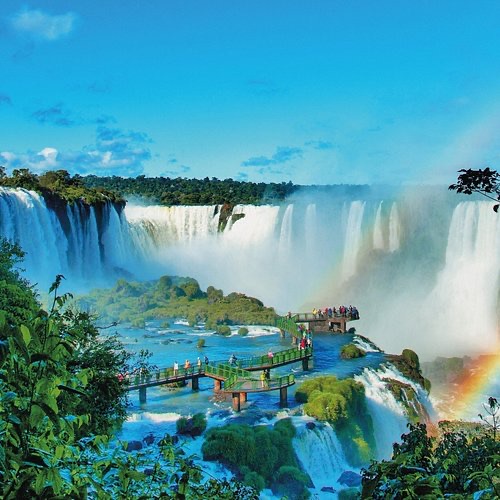
Brazil offers the Pantanal for jaguar spotting and extensive birdlife (3-5 day tours typically $500-1000 USD), a large portion of the Amazon basin (Manaus or Belém access, multi-day tours $300-800 USD), and the imposing Iguaçu Falls (entry R$90-110/$18-22 USD). These are geographically separate, demanding significant internal flights or long bus rides. For instance, flying from Rio to Manaus can take 4-5 hours.
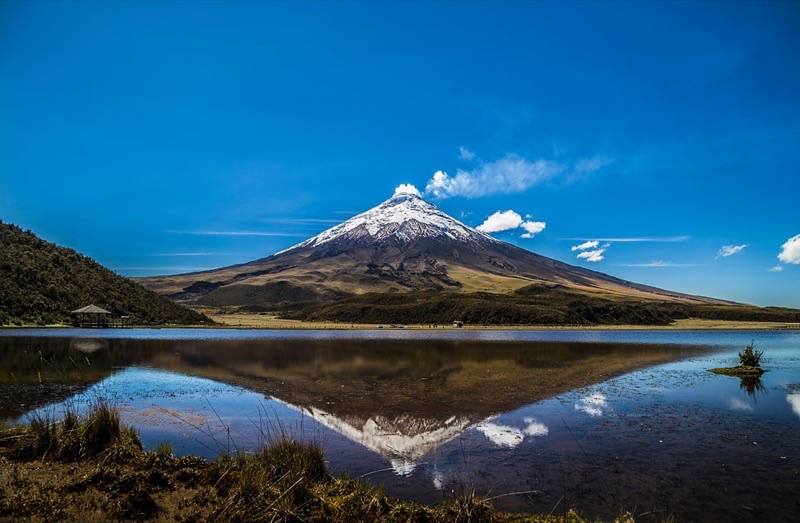
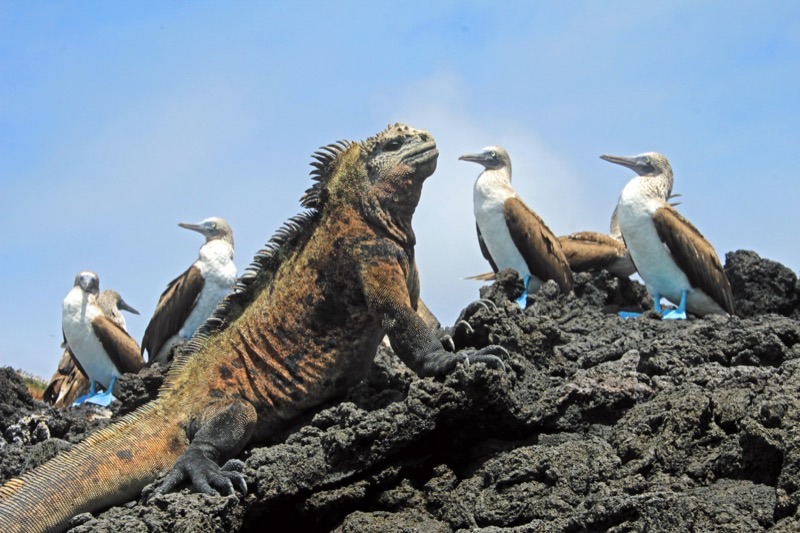
Ecuador holds the Galapagos Islands, a wildlife haven with unique species (flights $300-500, cruises $1500-2500+ for 5 days), a accessible section of the Amazon rainforest (Tena or Misahualli, 3-day lodge stays $200-400 USD), and the high Andes with volcanoes like Cotopaxi (day trips $50-100 USD). These areas are relatively close to each other, allowing for easier transitions between distinct ecosystems. The sheer concentration of unique wildlife in the Galapagos, coupled with easier access to other natural wonders, makes it a top choice. tabiji verdict: Ecuador provides a more concentrated and unique natural experience, especially with the Galapagos, requiring less extensive travel between diverse ecosystems.
- Winner: Ecuador
- Why: Ecuador's compact size allows for quicker access to its diverse natural areas, including the unparalleled Galapagos Islands, the Andes, and the Amazon.
- Who this matters for: Nature enthusiasts and wildlife photographers who value unique biodiversity and minimal travel time between natural attractions.
🏖️ Beaches
Brazil's coastline is extensive, offering varied beach experiences. Rio de Janeiro has Copacabana and Ipanema, known for social activity. The Northeast, like Salvador's Praia do…
Brazil

Ecuador
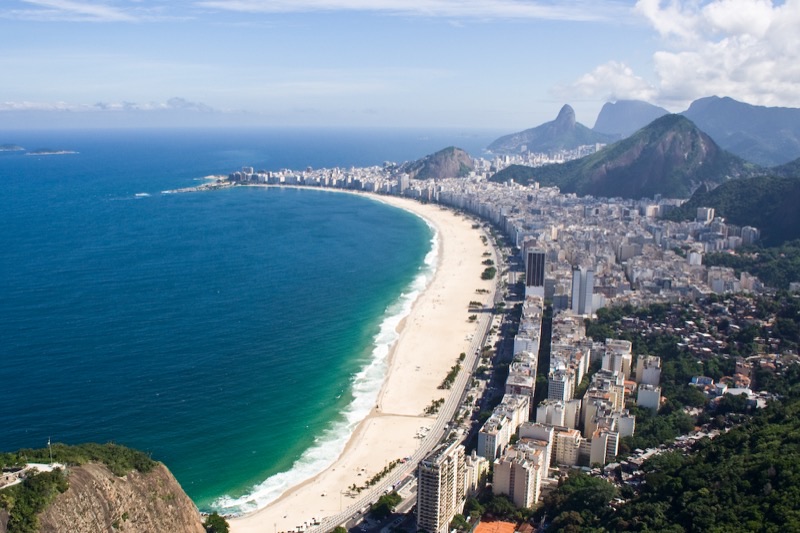
Brazil's coastline is extensive, offering varied beach experiences. Rio de Janeiro has Copacabana and Ipanema, known for social activity. The Northeast, like Salvador's Praia do Porto da Barra or Jericoacoara (4x4 transfer needed from Fortaleza, around R$150-200/$30-40 USD), offers warm waters and distinct cultural influences. Florianópolis in the south provides many options, from surf breaks to calm bays. A simple caipirinha on the beach costs R$15-25 ($3-5 USD). The range of beach types, from party spots to serene stretches, is enormous.
Ecuador's Pacific coast has beaches like Montañita, a surf town with a lively backpacker scene (hostel dorms $10-15 USD, surf lessons $20-30 USD per hour). Other options include Olón and Ayampe for calmer vibes. The Galapagos Islands also offer exceptional beaches, like Tortuga Bay in Santa Cruz, where you can see marine iguanas and sharks. While nice, Ecuador's mainland beaches lack the sheer variety, infrastructure, and iconic status of Brazil's. tabiji verdict: Brazil is the clear choice for beach enthusiasts, offering a greater quantity and diversity of coastal experiences.
- Winner: Brazil
- Why: Brazil boasts an immense, diverse coastline with world-renowned urban beaches, secluded coves, and a more developed beach culture.
- Who this matters for: Travelers whose trip primarily involves beach relaxation, water sports, and beachside entertainment.
🗿 Culture & History
Brazil's cultural landscape is shaped by its Portuguese colonial past and strong Afro-Brazilian heritage, especially evident in Salvador, Bahia, a UNESCO site with its Pelourinho…
Brazil
Ecuador
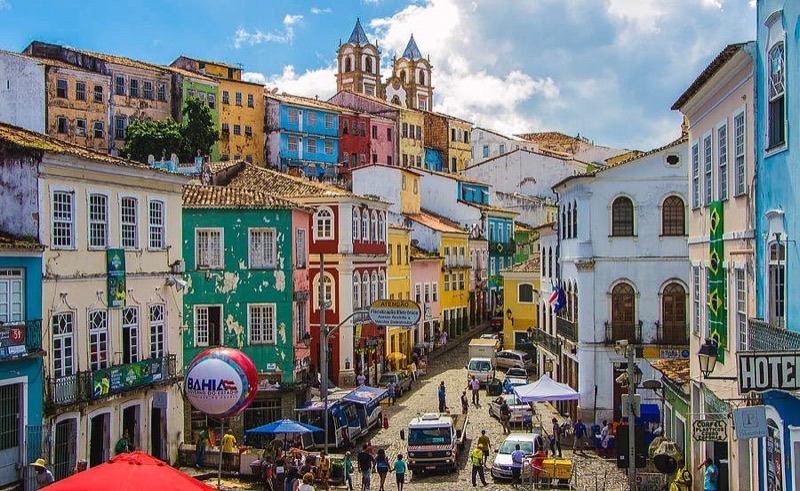
Brazil's cultural landscape is shaped by its Portuguese colonial past and strong Afro-Brazilian heritage, especially evident in Salvador, Bahia, a UNESCO site with its Pelourinho district (street food acarajé R$10-15/$2-3 USD). Rio de Janeiro hosts Carnival, a massive annual celebration (entry to Sambadrome starts from R$300/$60 USD). Minas Gerais offers well-preserved colonial towns like Ouro Preto, with baroque architecture. The national identity revolves around samba, futebol, and a relaxed attitude towards life.
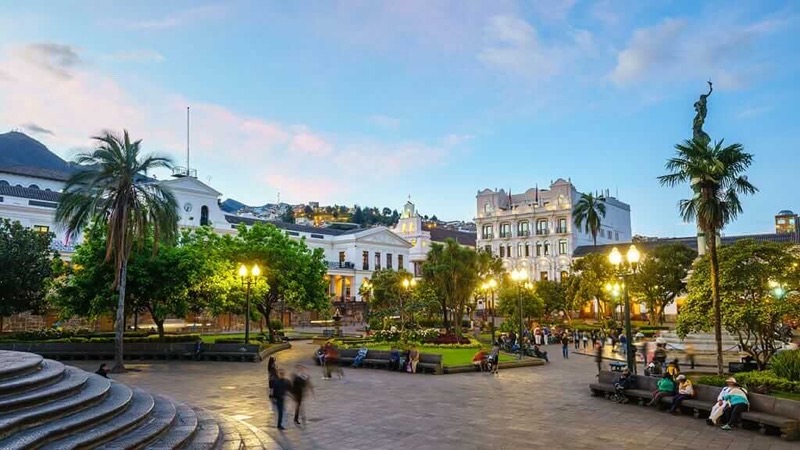
Ecuador offers deep indigenous roots, particularly in the Andes. Quito's historic center is a UNESCO site, with well-preserved colonial buildings like the Compañía de Jesús church. Otavalo hosts a large indigenous market where textiles and crafts are sold (expect to pay $10-50+ USD for quality items). The Kichwa culture is present throughout the highlands. While Ecuador's colonial history is strong and its indigenous cultures compelling, Brazil's scale and influence, particularly with Afro-Brazilian traditions and the global impact of Carnival and samba, give it a broader cultural reach. tabiji verdict: Brazil offers a more globally recognized and expansive cultural experience, particularly with its Afro-Brazilian roots and celebrations.
- Winner: Brazil
- Why: Brazil's extensive colonial history, unique Afro-Brazilian culture, and internationally recognized festivals like Carnival provide a broader and more impactful cultural experience.
- Who this matters for: Travelers interested in large-scale cultural events, historical cities with a distinct architectural style, and significant Afro-diasporic influences.
🍽️ Food & Drink
Brazilian food is as varied as its regions. In Rio, try a feijoada (R$40-70/$8-14 USD) or a pastel de feira (R$8-12/$1.60-2.40 USD). In Bahia, moqueca (fish stew) and acarajé are…

Brazil
Ecuador
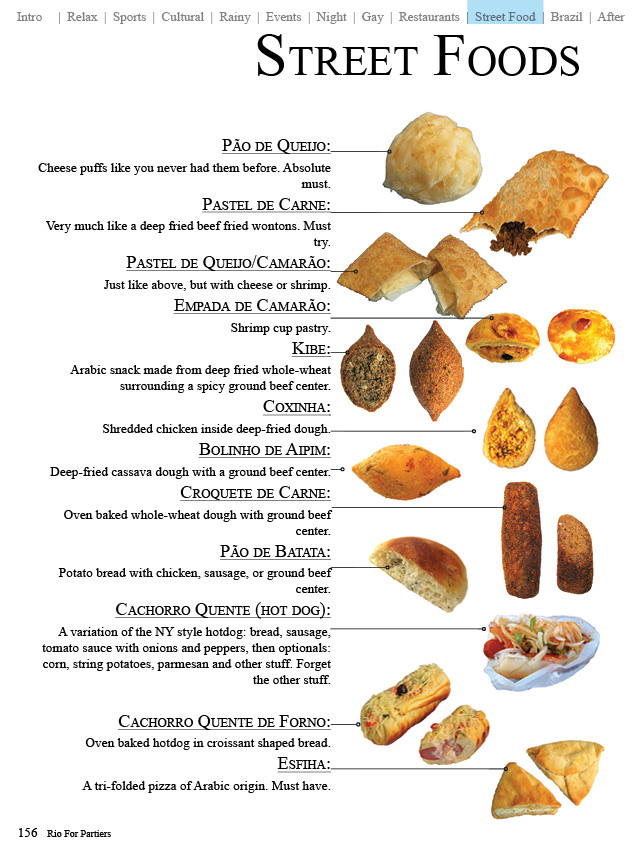
Brazilian food is as varied as its regions. In Rio, try a feijoada (R$40-70/$8-14 USD) or a pastel de feira (R$8-12/$1.60-2.40 USD). In Bahia, moqueca (fish stew) and acarajé are staples. The churrascaria (all-you-can-eat grilled meats) experience is a must, starting from R$80-150 ($16-30 USD). Fresh fruit juices are everywhere. The coffee is exceptional. The sheer variety and availability of different culinary experiences, from sophisticated restaurants in São Paulo to simple beachside shacks, are impressive.
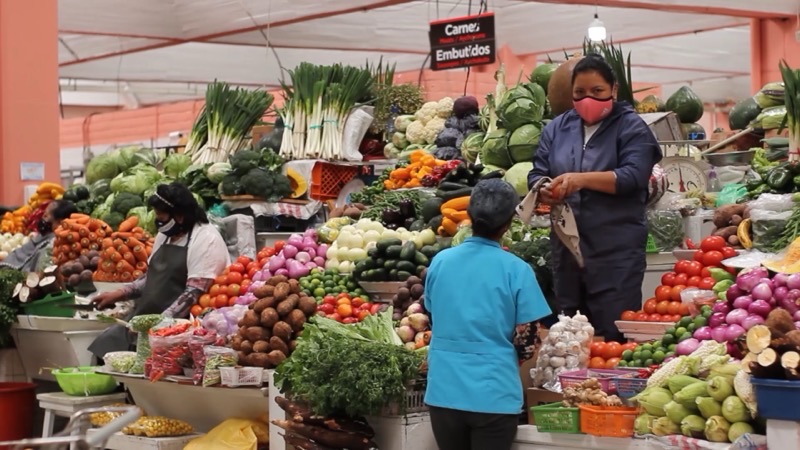
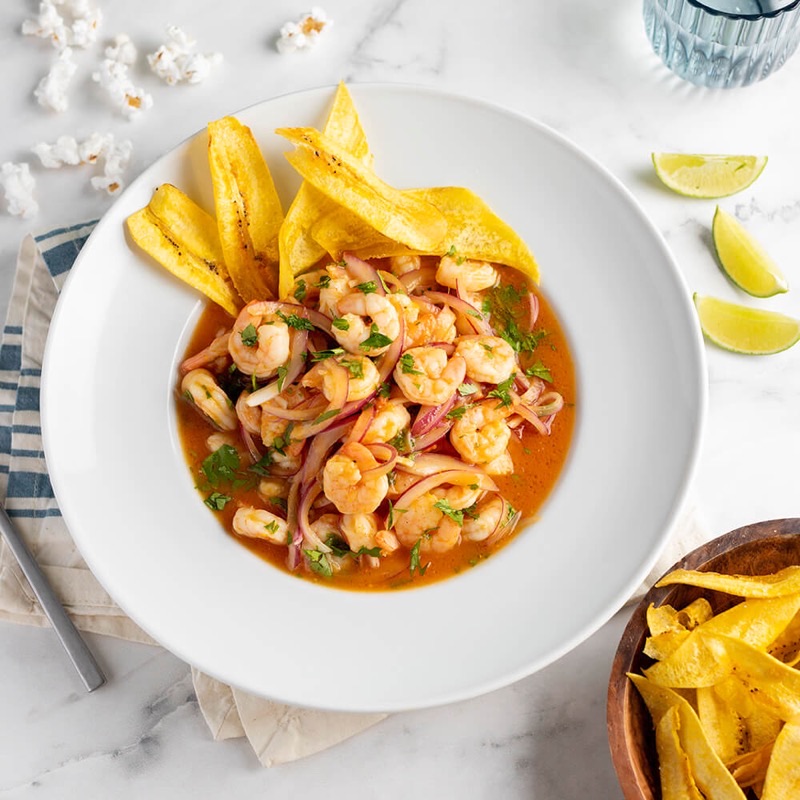
Ecuadorian cuisine features Andean staples like hornado (roasted pig, $5-10 USD), locro de papa (potato soup), and humitas (steamed corn cakes). On the coast, ceviche is popular, though different from Peruvian versions (fish ceviche $6-12 USD). Empanadas and salchipapas are common street foods ($1-3 USD). While the food is fresh and wholesome, it can be less varied and sometimes less seasoned than Brazilian dishes. Finding exceptional dining experiences outside of Quito or Guayaquil can be harder. tabiji verdict: Brazil offers a more dynamic and internationally recognized culinary scene with greater regional diversity and dining options.
- Winner: Brazil
- Why: Brazil's cuisine offers a wider range of flavors, ingredients, and dining experiences across its regions, from fine dining to street food.
- Who this matters for: Food enthusiasts who seek diverse culinary experiences, specific regional dishes, and a thriving restaurant scene.
🎉 Nightlife & Entertainment
Brazil's nightlife is legendary. Rio de Janeiro's Lapa district is famed for its street parties and samba clubs, with live music starting around R$30-60 ($6-12 USD) cover. São…
Brazil's nightlife is legendary. Rio de Janeiro's Lapa district is famed for its street parties and samba clubs, with live music starting around R$30-60 ($6-12 USD) cover. São Paulo has a massive club scene covering every genre. Even smaller cities and beach towns have active bar scenes, often with live music. During Carnival, the entire country transforms into a celebration. Beers in bars generally cost R$10-20 ($2-4 USD). The energy and scale of Brazilian nightlife are unparalleled in South America.
Ecuador's nightlife is present but on a smaller scale. Quito's La Mariscal district has bars and clubs, with beer prices around $3-5 USD. Montañita on the coast is a popular backpacker party spot, especially on weekends, with clubs playing reggaeton and electronic music. Baños also offers some relaxed bars. While you can find places to go out, it generally lacks the intensity, variety, and cultural significance of Brazil's nightlife. tabiji verdict: Brazil is the destination for anyone prioritizing energetic and extensive nightlife, from samba to massive street parties.
- Winner: Brazil
- Why: Brazil is known for its extensive and energetic nightlife, offering everything from iconic samba clubs and street parties to massive annual celebrations.
- Who this matters for: Travelers who prioritize late-night entertainment, dancing, and experiencing vibrant social scenes.
✈️ Getting There & Around
Getting to Brazil from North America or Europe typically involves longer direct flights. A direct flight from New York (JFK) to São Paulo (GRU) is around 9-10 hours, often costing…
Getting to Brazil from North America or Europe typically involves longer direct flights. A direct flight from New York (JFK) to São Paulo (GRU) is around 9-10 hours, often costing $600-1000+ USD. Internal travel across Brazil is often done by domestic flights (e.g., Rio to Salvador can be 2 hours, $100-200 USD), as bus journeys can be extremely long (e.g., Rio to Iguaçu is 24+ hours, R$300-500/$60-100 USD). Roads are generally good but distances are vast.
Ecuador benefits from shorter international flight times. A direct flight from New York (JFK) to Quito (UIO) is typically 5.5-6 hours, costing $400-800 USD. Internally, Ecuador has an excellent, affordable, and comprehensive bus network. Almost any destination can be reached by bus within a day or less (e.g., Quito to Baños is 3-4 hours, $4-6 USD). Distances are manageable, making overland travel efficient. While flights to the Galapagos are an additional cost, mainland travel is simple. tabiji verdict: Ecuador is easier and cheaper to navigate internally, making it a smoother travel experience for covering multiple regions.
- Winner: Ecuador
- Why: Ecuador offers shorter international flight times from major hubs and a highly efficient, affordable, and comprehensive internal bus network for easy exploration.
- Who this matters for: Travelers with limited time or budget who want to explore multiple regions without extensive internal flights or long journeys.
🛡️ Safety
Brazil, particularly its major cities like Rio de Janeiro and São Paulo, has higher reported crime rates. Pickpocketing, muggings, and express kidnappings are concerns. Travelers…
Brazil, particularly its major cities like Rio de Janeiro and São Paulo, has higher reported crime rates. Pickpocketing, muggings, and express kidnappings are concerns. Travelers must avoid displaying valuables, use reputable transport, and be cautious, especially after dark. Favelas generally require guided tours. Instances of petty theft are common, and violent crime, while often localized, can impact tourists. It demands a high level of situational awareness.
Ecuador is generally considered safer than Brazil, though petty crime like pickpocketing is common in crowded areas like markets (e.g., Otavalo) and bus terminals. Quito and Guayaquil have areas that are less safe after dark. However, violent crime against tourists is less frequent than in Brazil. Standard precautions are sufficient: do not walk alone at night in unfamiliar areas, use licensed taxis, and keep valuables out of sight. The overall feeling of security is higher in Ecuador. tabiji verdict: Ecuador provides a more relaxed travel environment with fewer significant safety concerns for diligent travelers.
- Winner: Ecuador
- Why: Ecuador has generally lower rates of violent crime and a less pervasive street crime issue compared to Brazil's major urban centers.
- Who this matters for: Solo travelers, first-time South American visitors, or those who prefer a less demanding safety environment.
🛌 Accommodation
Brazil offers a diverse accommodation landscape, from lively hostels (dorm bed in Rio $15-25 USD) to international hotel chains and boutique pousadas. In high-demand areas or…
Brazil offers a diverse accommodation landscape, from lively hostels (dorm bed in Rio $15-25 USD) to international hotel chains and boutique pousadas. In high-demand areas or during peak season (like Carnival), prices can surge dramatically. A mid-range hotel in Rio might cost $80-150+ USD per night. Options are plentiful, but budget travelers need to book ahead or be flexible to find deals, especially in major cities or popular beach towns like Florianópolis or Jericoacoara.
Ecuador provides better value for money in accommodation. Hostel dorms in Quito or Baños are typically $10-20 USD, while a private room in a mid-range hotel often costs $40-80 USD. Even charming haciendas in the countryside can be found for reasonable prices. Luxury options exist, particularly in Quito and on the Galapagos, but the mid-range and budget segments offer excellent quality for the price. The overall cost-to-quality ratio makes Ecuador a strong contender. tabiji verdict: Ecuador delivers superior value in accommodation, allowing travelers to secure comfortable stays without stretching their budget.
- Winner: Ecuador
- Why: Ecuador provides better value for money across all accommodation types, with comfortable and well-maintained options at lower price points.
- Who this matters for: Budget-conscious travelers and those seeking good quality private rooms or boutique stays without excessive costs.
🚶♀️ Solo Travel
Solo travel in Brazil can be rewarding but demands a higher level of awareness. The large distances mean more planning and potentially expensive internal flights. While hostels…
Solo travel in Brazil can be rewarding but demands a higher level of awareness. The large distances mean more planning and potentially expensive internal flights. While hostels are plentiful and good for meeting other travelers (e.g., Che Lagarto in Rio or Selina in Florianópolis), safety concerns are amplified for solo individuals, especially women. Going out alone at night requires caution. However, Brazilians are generally friendly and helpful, making interactions easy for those who speak some Portuguese.
Ecuador is well-suited for solo travelers. Its compact size and efficient bus network make independent navigation simple. The 'Gringo Trail' (Quito-Baños-Montañita) means a steady flow of backpackers, making it easy to meet others in hostels (e.g., Community Hostel in Quito, Great Hostels Backpackers in Baños). The lower overall crime rate compared to Brazil provides a greater sense of security. Locals are generally welcoming. Language (Spanish) is more widely useful for travel across Latin America. tabiji verdict: Ecuador is a more approachable and safer destination for solo travelers, facilitating easier connections and independent exploration.
- Winner: Ecuador
- Why: Ecuador's smaller size, well-established backpacker route, and generally lower safety risks make it a more straightforward and social destination for solo adventurers.
- Who this matters for: First-time solo travelers, those on a tighter budget, and individuals prioritizing ease of meeting other travelers.
🎯 The Decision Framework
Choose Brazil If…
- You want to dance until sunrise at Lapa's street parties.
- You dream of seeing Iguaçu Falls from both Brazilian and Argentinian sides.
- You have an extensive period (3+ weeks) to explore distinct regions.
- You are determined to experience Carnival, even if it means higher costs.
- You crave sun-drenched beaches with lively crowds and vibrant energy.
- You want to taste diverse regional dishes like moqueca and feijoada.
- You are comfortable navigating a country where Portuguese is the primary language.
- You want to attend a major futebol match at Maracanã Stadium.
Choose Ecuador If…
- You prioritize seeing the unique wildlife of the Galapagos Islands.
- You want to trek in the Andes, perhaps around Cotopaxi volcano.
- You are on a tighter budget and want your money to go further daily.
- You prefer smaller, more concentrated travel experiences.
- You want to explore the Amazon rainforest without extensive travel time.
- You want to easily travel between cities by affordable public buses.
- You speak Spanish and want to practice it in a welcoming environment.
- You seek less crowded beaches and smaller, relaxed surf towns.
📅 Sample Itineraries
Weekend in Brazil (3 Days)
💡 To save on transport, consider using Rio's metro system; a single fare is around $1.50 and connects many tourist spots efficiently.
Weekend in Ecuador (3 Days)
💡 Look for 'almuerzo' or 'merienda' (lunch/dinner set menus) at local eateries; they offer a full meal for $3-7, a significant saving.
One Week in Brazil (7 Days)
💡 Domestic flights in Brazil can be expensive; booking well in advance or using local budget airlines like GOL or LATAM can save up to 30%.
One Week in Ecuador (7 Days)
💡 Buses are the main mode of intercity transport in Ecuador; always buy tickets at the terminal to avoid inflated prices, typically costing $1-2 per hour of travel.
❓ Frequently Asked Questions
What is the typical daily budget for a backpacker in each country?
In Brazil, backpackers should budget $40-70 USD per day for hostels, street food, and local transport. In Ecuador, a daily budget of $30-50 USD is more typical, offering good value for similar expenses, excluding the Galapagos where costs are much higher.
How long should I plan to spend in each country?
For a good introduction to Brazil, plan at least 2-3 weeks to cover 2-3 major regions like Rio, Salvador, and Iguaçu. For Ecuador, 10-14 days can cover Quito, Baños, and a part of the Amazon, while adding the Galapagos requires another 5-7 days.
Which country is better for adventure activities?
Both offer adventure. Brazil has excellent surfing, paragliding in Rio, and jungle treks in the Amazon. Ecuador stands out with volcano climbing (Cotopaxi), white-water rafting near Baños, and world-class diving in the Galapagos. Ecuador's compact nature makes accessing these activities easier.
Is English widely spoken in Brazil or Ecuador?
In both countries, English is not widely spoken outside of major tourist hubs and high-end hotels. Learning basic Portuguese for Brazil or Spanish for Ecuador is highly recommended to enhance your travel experience and interactions with locals.
What are the best times of year to visit each country?
Brazil is best visited during its dry season (May to September) for most regions, though the Northeast is good year-round. Ecuador's weather varies by region; the Andes are best June-September, Amazon December-March, and the coast/Galapagos are good year-round with slight variations.
How do domestic flights compare in cost and availability?
Domestic flights in Brazil are common but can be expensive ($100-300+ USD per segment) due to vast distances and fewer budget airlines. In Ecuador, domestic flights are mainly for the Galapagos ($300-500 USD return) or between Quito and Guayaquil ($50-100 USD), with other destinations primarily served by buses.
Which country has better hiking opportunities?
Ecuador offers superior hiking opportunities, particularly in the Andes, with trails around Cotopaxi, Quilotoa Loop (3-day trek), and Cajas National Park. Brazil has some great hikes in national parks like Chapada Diamantina, but the sheer number and accessibility of high-altitude treks make Ecuador a better choice for serious hikers.
What is the currency used in each country?
Brazil uses the Brazilian Real (BRL). Ecuador uses the US Dollar (USD) as its official currency, simplifying currency exchange for many international travelers.
Ready to plan your South America trip?
Get a free custom itinerary for Brazil, Ecuador, or both — built from real traveler insights.
👥 Travelers Also Compared
🎟️ Book Tours & Experiences
Hand-picked tours and activities for both destinations — book with free cancellation
Experiences via Viator — free cancellation on most tours