How we built this comparison
This page combines traveler discussion patterns, published price ranges, flight schedules, and seasonal data to help you decide between Brazil and Mexico.
- Reviewed 100+ Reddit threads from r/travel, r/solotravel, r/mexicotravel, r/brazil, r/digitalnomad
- Verified costs and logistics against current booking platforms like Google Flights, Booking.com, and ADO/GOL/LATAM sites
- Cross-referenced seasonal patterns and weather data for optimal travel timing
⚡ The TL;DR Verdict
For most first-time travelers seeking ease, varied activities, and a more predictable experience, Mexico edges out Brazil. Expect to spend $50-100 USD per day there. Brazil suits those looking for a bigger adventure, larger scale nature, and a party scene, with a daily budget around $40-80 USD.
- Choose Brazil: You want grand natural spectacles, a vibrant carnival culture, large cities with distinct identities, and are comfortable with longer travel times and a bit more logistical planning.
- Choose Mexico: You prioritize pre-Columbian history, diverse regional food, convenient short flights from North America, and a mix of developed beach resorts and traditional towns.
- Choose Both: To experience both, plan at least three weeks. Start with Mexico for its accessibility, then fly to Brazil for a different South American immersion. This requires significant budget and time commitment.
Choose Brazil
Choose Brazil if you crave monumental natural wonders and an unparalleled party atmosphere. It's best for adventurous travelers eager to explore the Amazon, witness the powerful Iguazu Falls, or immerse themselves in Rio's Carnival or Salvador's vibrant Afro-Brazilian culture. Expect big experiences for a daily budget around $40-80 USD.
Choose Mexico
Mexico is perfect for first-time international travelers and those seeking a delightful blend of culture, history, and relaxation. It's best for exploring ancient Mayan ruins like Chichen Itza, savoring authentic street tacos in Mexico City or Oaxaca, and unwinding on the stunning beaches of Tulum or Cancun. Expect a predictable yet vibrant experience for $50-100 USD daily.
Quick Comparison
| Category | Brazil | Mexico | Winner |
|---|---|---|---|
| Costs & Budget | Lower daily expenses for food and transport, mid-range accommodation similar to Mexico, long-haul flights more expensive. | Affordable food and local transport, mid-range accommodation slightly higher, flights from North America often cheaper. | Brazil |
| Beaches & Coastlines | Extensive Atlantic coastline, iconic city beaches, secluded natural coves, and large stretches of undeveloped sand. | Caribbean white sand beaches, Pacific surf spots, resort development, cenotes as an alternative. | Brazil |
| Food & Drink | Hearty, diverse regional cuisine, strong African and Portuguese influences, excellent tropical fruits and street snacks. | Globally recognized cuisine, regional variations, street food culture, and sophisticated dining scenes. | Mexico |
| Culture & History | Portuguese colonial architecture, strong Afro-Brazilian heritage, indigenous influences, vibrant music and dance. | Ancient Mesoamerican civilizations, Spanish colonial cities, rich indigenous traditions, Day of the Dead celebrations. | Mexico |
| Nightlife & Parties | Legendary samba clubs, large-scale street parties, beach kiosks, and diverse music scenes across major cities. | Lively bars and clubs in major cities and resorts, traditional cantinas, mariachi performances. | Brazil |
| Nature & Wildlife | Amazon rainforest, Pantanal wetlands, Iguazu Falls, diverse ecosystems and endemic species. | Cloud forests, deserts, volcanoes, cenotes, marine life, monarch butterfly sanctuaries. | Brazil |
| Safety & Logistics | Requires awareness in urban areas, less tourist infrastructure outside main hubs, Portuguese language barrier. | Generally safer in tourist zones, good infrastructure, Spanish is widely spoken, ease of travel from North America. | Mexico |
| Getting Around | Extensive bus network for long distances, ride-shares in cities, domestic flights are costly. | Excellent long-distance bus system, affordable domestic flights, readily available ride-shares and taxis. | Mexico |
| Accommodation Options | Diverse range from budget hostels to boutique hotels, pousadas (guesthouses), and luxury resorts. | Extensive options from hostels to large resorts, boutique hotels, Airbnbs, and traditional haciendas. | Mexico |
| Solo Travel Experience | Social atmosphere, friendly locals, but requires higher vigilance, language barrier can be isolating. | Well-trodden routes, established hostel networks, easier communication, generally safer for independent exploration. | Mexico |
💸 Costs & Budget
Brazil generally offers a lower daily cost of living for travelers once you are there, though flights to Brazil from North America or Europe are typically more expensive and…
Brazil
Mexico
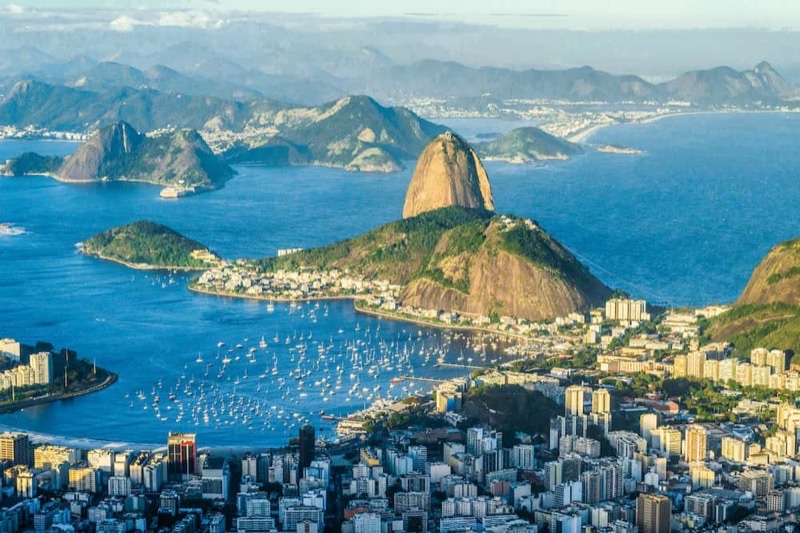
Brazil generally offers a lower daily cost of living for travelers once you are there, though flights to Brazil from North America or Europe are typically more expensive and longer. For example, a budget traveler can manage on $40-60 USD per day for hostels, local food (like a 'prato feito' for BRL 25-40, roughly $5-8 USD), and public transport. Mid-range accommodation in cities like Rio de Janeiro or Salvador can cost BRL 200-400 ($40-80 USD) per night. Intercity buses are efficient but can add up; a 10-hour bus from Rio to São Paulo costs around BRL 150-250 ($30-50 USD).
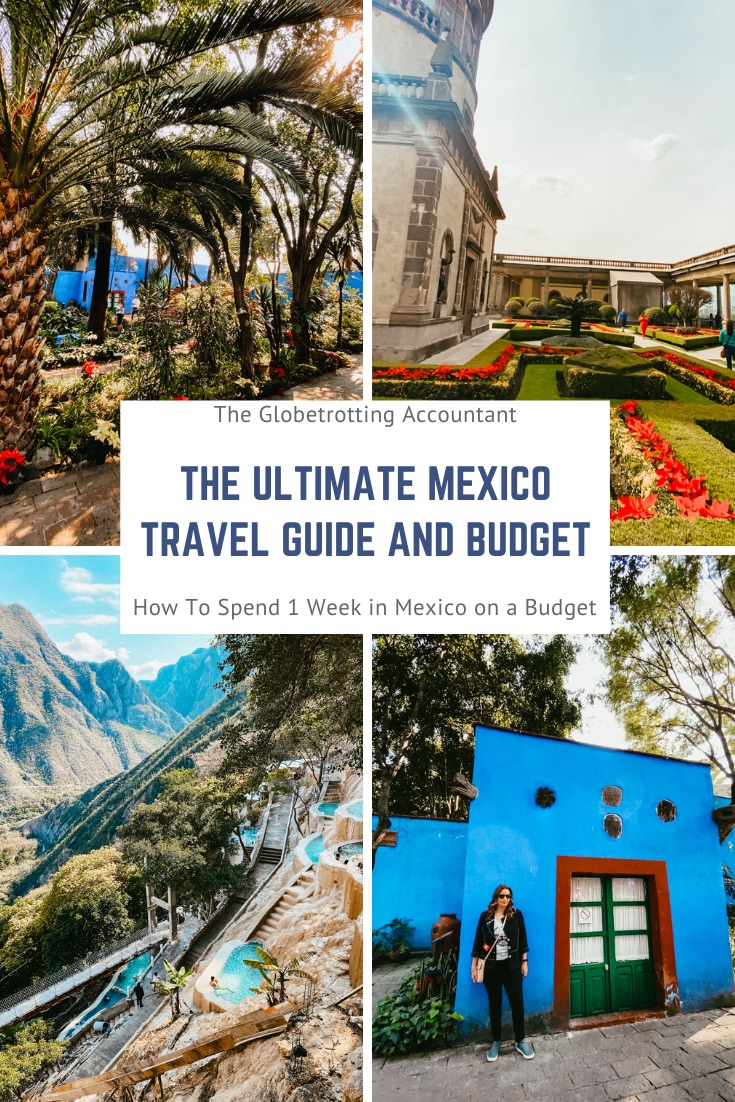
Mexico presents good value, especially in less tourist-heavy areas. From the US, flights to Cancun or Mexico City can be found for $300-600 USD return. Daily budget for Mexico can range from $50-100 USD. Street food tacos cost MXN 15-30 ($0.80-1.60 USD) each, and a meal at a casual restaurant might be MXN 180-350 ($10-20 USD). Hostels are typically MXN 300-600 ($17-34 USD), while mid-range hotels often start at MXN 900-1800 ($50-100 USD). ADO buses for intercity travel are reliable; a trip from Cancun to Tulum is around MXN 150-200 ($8-11 USD). Mexico offers good value, but Brazil's on-the-ground costs provide more stretch for your dollar.
- Winner: Brazil
- Why: Brazil offers a lower daily expenditure for food, activities, and local transport, compensating for higher initial flight costs.
- Who this matters for: Travelers on a tighter daily budget, especially after arrival.
🏖️ Beaches & Coastlines
Brazil's coastline, over 7,400 kilometers long, holds an unmatched diversity of beaches. Rio de Janeiro's Copacabana and Ipanema are famous for their energy, vendors, and…
Brazil
Mexico
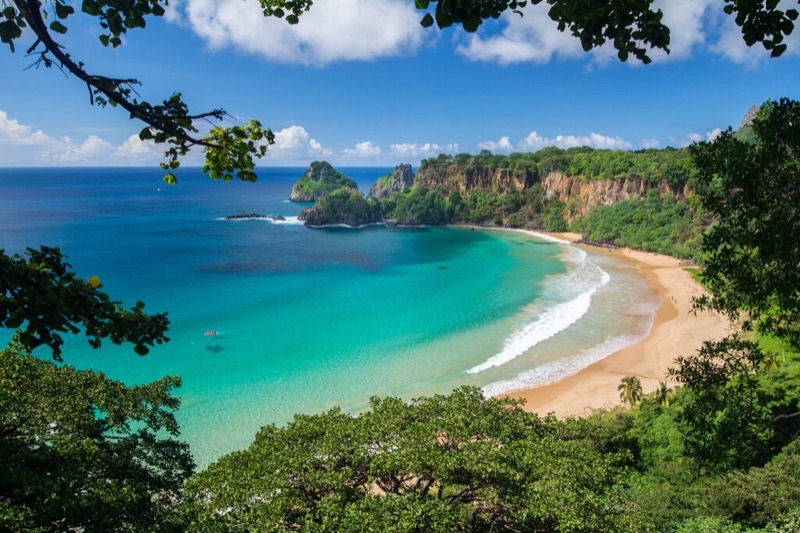
Brazil's coastline, over 7,400 kilometers long, holds an unmatched diversity of beaches. Rio de Janeiro's Copacabana and Ipanema are famous for their energy, vendors, and people-watching. Further north, places like Jericoacoara offer immense dunes and lagoons, while the Fernando de Noronha archipelago presents protected marine life and pristine coves suitable for snorkeling and diving. Bahia's coast around Salvador has calm, warm waters and coconut groves. The sheer scale and variety, from urban stretches to remote, undeveloped paradises like those in the Northeast, set Brazil apart.
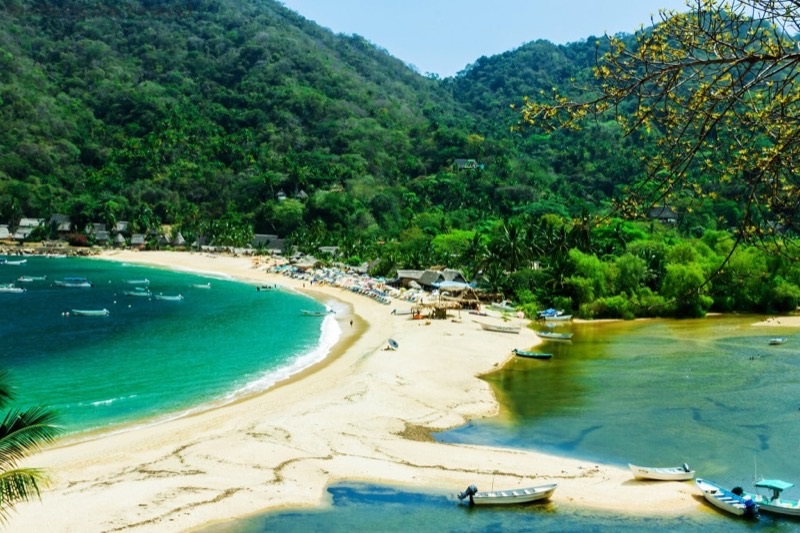
Mexico offers a different beach experience. The Caribbean coast, particularly around Cancun, Playa del Carmen, and Tulum, is known for its white sand, clear turquoise waters, and extensive resort infrastructure. Pacific coast areas like Puerto Escondido and Sayulita are popular for surfing and a more laid-back atmosphere. While Mexico's cenotes, natural swimming holes, are a unique draw, its ocean beaches, though appealing, often come with significant development or lack the grand, untamed feel of many Brazilian stretches. For consistent natural beach beauty and variety, Brazil is the stronger option.
- Winner: Brazil
- Why: Brazil's coastline offers unparalleled length, diversity, and natural beauty, from iconic city beaches to remote, protected paradises.
- Who this matters for: Beach enthusiasts, surfers, and those seeking both lively and secluded coastal experiences.
🌮 Food & Drink
Brazilian food is comforting and diverse regionally. Common dishes include Feijoada (a black bean and meat stew), Moqueca (fish stew, especially from Bahia), and Pão de Queijo…

Brazil
Mexico
Brazilian food is comforting and diverse regionally. Common dishes include Feijoada (a black bean and meat stew), Moqueca (fish stew, especially from Bahia), and Pão de Queijo (cheese bread). Street food options like Acarajé (fried black-eyed pea fritters) in Salvador, or Coxinhas (chicken croquettes) across the country, are plentiful and affordable. Brazil also excels in tropical fruits and fresh juices. While Brazilian churrascarias (steakhouses) offer a good dining experience, the general food scene outside of high-end restaurants in major cities can feel less varied and sophisticated than Mexico's.
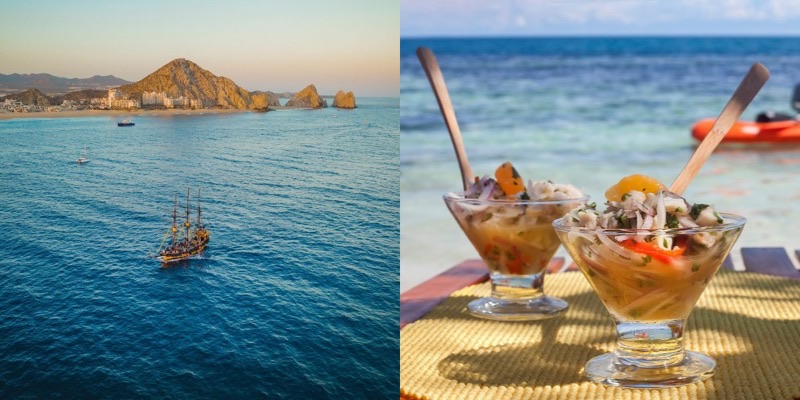
Mexican cuisine holds UNESCO heritage status for good reason. Its regional diversity is immense, from the mole sauces of Oaxaca to the cochinita pibil of Yucatán and the seafood of Baja California. Street food culture is central, with endless varieties of tacos, tamales, sopes, and quesadillas available for a few dollars. Mexico City and Oaxaca City, in particular, have thriving culinary scenes, from casual markets like Mercado de San Juan to Michelin-starred restaurants. The depth, complexity, and widespread accessibility of high-quality, flavorful food across all budget levels give Mexico the edge. This is a food destination.
- Winner: Mexico
- Why: Mexico's cuisine is globally recognized for its incredible diversity, depth of flavor, and widespread availability of excellent food at all price points.
- Who this matters for: Foodies, culinary adventurers, and travelers who want every meal to be an experience.
🗿 Culture & History
Brazil's cultural identity is a blend of indigenous, Portuguese, and African influences. Colonial towns like Ouro Preto and Paraty display well-preserved baroque architecture. The…
Brazil
Mexico
Brazil's cultural identity is a blend of indigenous, Portuguese, and African influences. Colonial towns like Ouro Preto and Paraty display well-preserved baroque architecture. The Afro-Brazilian heritage is particularly strong in Salvador, Bahia, visible in Candomblé traditions, capoeira, and local music. Carnival is a major cultural event, showcasing samba and regional styles. While Brazil has a captivating history, its indigenous past is less visibly preserved in grand structures compared to Mexico, and its cultural narrative tends to focus more on the colonial and post-colonial eras.
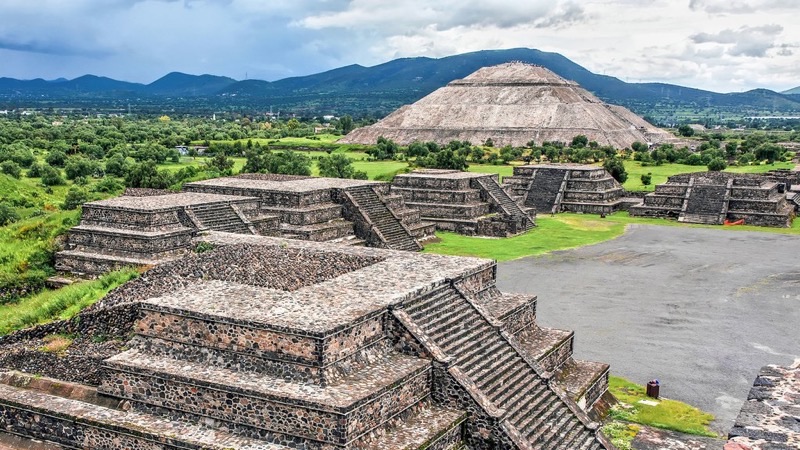
Mexico's history spans thousands of years, with major pre-Columbian civilizations like the Maya, Aztec, and Zapotec leaving behind extensive archaeological sites such as Chichen Itza, Teotihuacan, and Palenque. These sites offer direct access to ancient cultures. Spanish colonial cities like San Miguel de Allende, Oaxaca City, and Guanajuato are UNESCO sites, preserving stunning architecture and traditions. Indigenous cultures remain active and prominent, with unique handicrafts, languages, and festivals like Dia de los Muertos. The sheer number of well-preserved historical sites and the continued presence of indigenous traditions make Mexico a deeper dive for history and culture enthusiasts.
- Winner: Mexico
- Why: Mexico offers a more extensive and visibly preserved record of ancient civilizations and colonial history, alongside prominent living indigenous cultures.
- Who this matters for: History buffs, archaeology enthusiasts, and those seeking active indigenous cultural experiences.
🎉 Nightlife & Parties
Brazil is known for its energetic nightlife. Rio de Janeiro's Lapa neighborhood is famous for its arcades, live samba clubs like Rio Scenarium, and street parties under the Arcos…
Brazil
Mexico
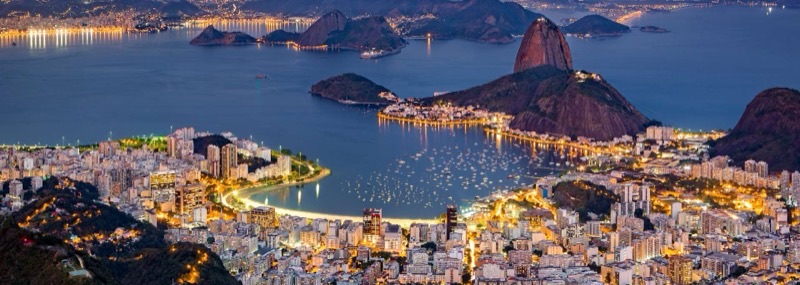
Brazil is known for its energetic nightlife. Rio de Janeiro's Lapa neighborhood is famous for its arcades, live samba clubs like Rio Scenarium, and street parties under the Arcos da Lapa. São Paulo offers a vast array of sophisticated clubs, underground electronic music venues, and rooftop bars. Beach kiosks in Rio stay open late, providing drinks and snacks. Beyond the big cities, Salvador's Pelourinho district pulses with Afro-Brazilian rhythms. Carnival, of course, is the ultimate party, drawing millions with street parades and elaborate balls. Brazilians know how to party, and the atmosphere is generally inclusive and high-energy.
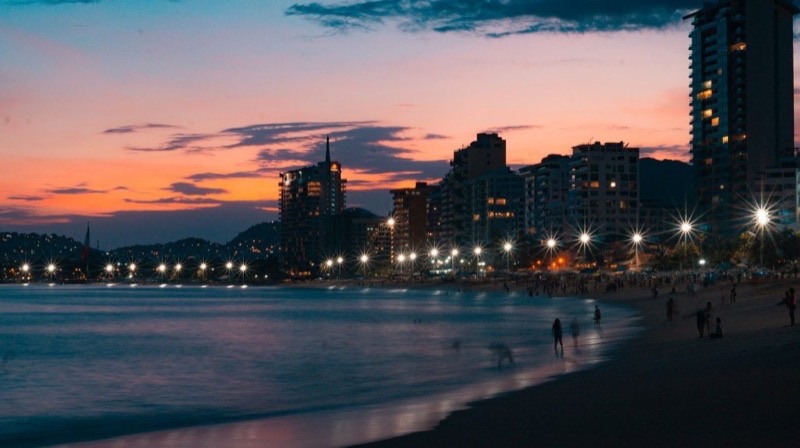
Mexico offers a solid nightlife, particularly in major cities like Mexico City and Guadalajara, and resort towns such as Cancun and Playa del Carmen. Mexico City has a diverse club scene in areas like Roma Norte and Condesa, with options ranging from high-end lounges to casual bars. Cancun's Hotel Zone has large nightclubs like Coco Bongo. However, outside of these specific areas, nightlife can be more subdued, focusing on traditional cantinas with mariachi music. While Mexico has its moments, the scale, intensity, and pervasive music and dance culture of Brazil give it an edge for consistent and varied party experiences.
- Winner: Brazil
- Why: Brazil's nightlife is an integral part of its cultural fabric, offering a more intense, diverse, and consistently energetic party experience, epitomized by its samba and carnival culture.
- Who this matters for: Party-goers, music lovers, and those looking for lively social evenings.
🐒 Nature & Wildlife
Brazil is home to immense natural wonders. The Amazon rainforest covers a significant portion of the country, providing unparalleled opportunities for wildlife spotting, from…
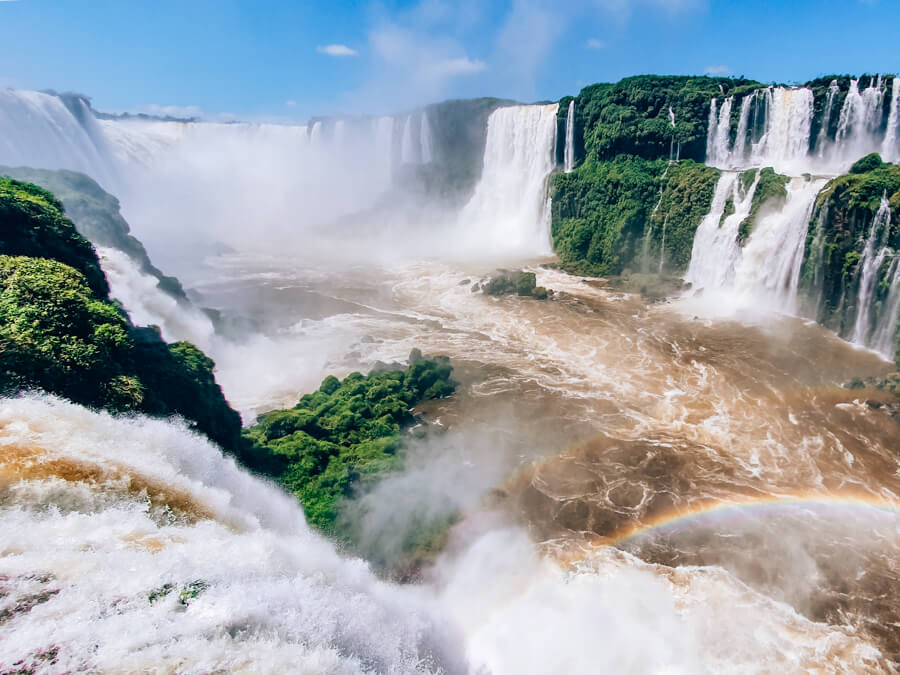
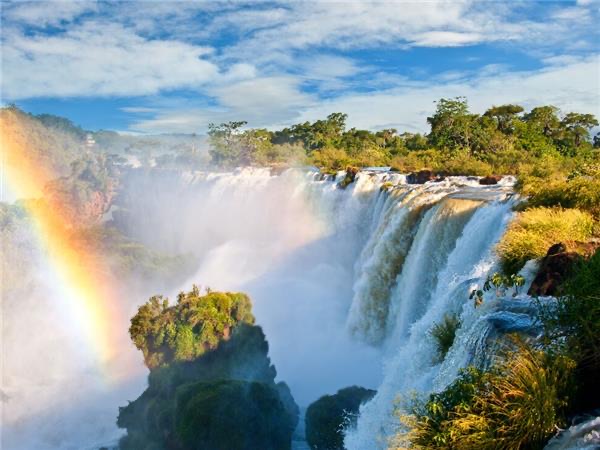
Brazil is home to immense natural wonders. The Amazon rainforest covers a significant portion of the country, providing unparalleled opportunities for wildlife spotting, from jaguars and monkeys to diverse bird species. The Pantanal, the world's largest tropical wetland, offers higher chances of seeing large mammals and caimans than the Amazon due to its more open landscape. Iguazu Falls, on the border with Argentina, is a powerful natural spectacle. The country also has extensive Atlantic Forest, chapadas (tablelands) with waterfalls, and unique biomes like the cerrado. Its scale of biodiversity is among the highest globally.
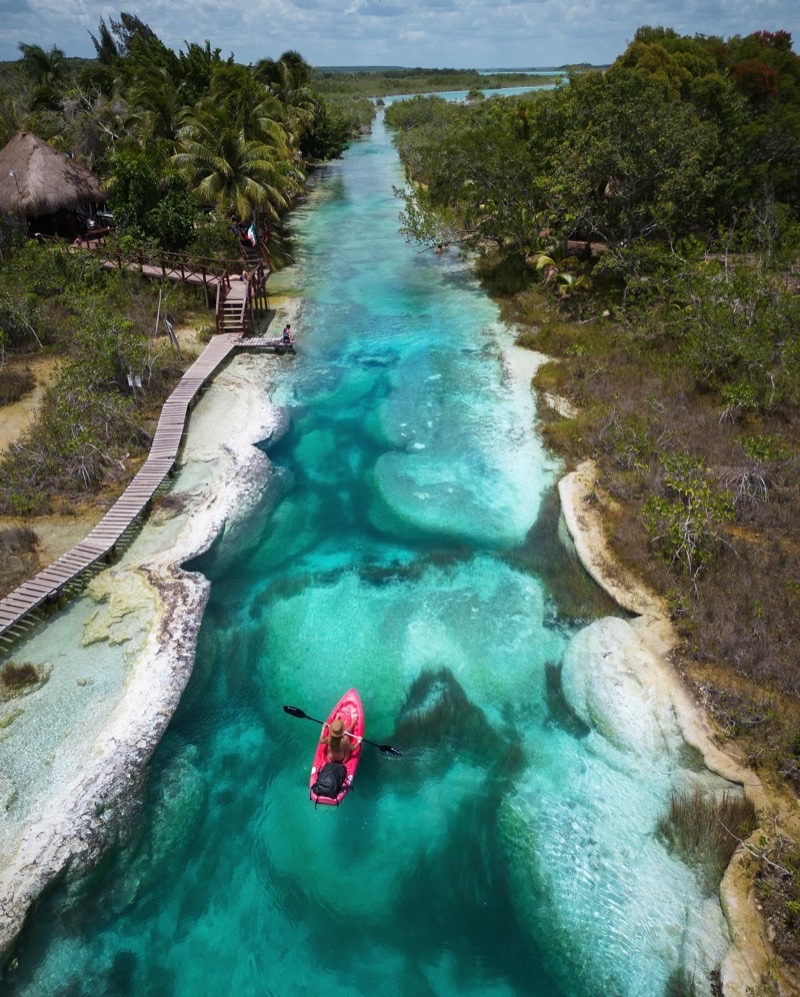
Mexico presents diverse natural landscapes, including deserts in the north, cloud forests in Chiapas, and active volcanoes in the central highlands. The Yucatán Peninsula's cenotes are a unique geological feature for swimming and diving. Marine life is prominent in Baja California, where whale watching is popular, and the Mesoamerican Barrier Reef on the Caribbean coast offers good snorkeling. Monarch butterfly sanctuaries in Michoacán are a seasonal marvel. While Mexico's natural offerings are varied and impressive, Brazil's sheer scale of iconic, biodiverse ecosystems like the Amazon and Pantanal, combined with the power of Iguazu Falls, gives it the win for grand natural experiences.
- Winner: Brazil
- Why: Brazil hosts iconic, large-scale natural phenomena like the Amazon and Pantanal, offering unparalleled biodiversity and grand natural spectacles.
- Who this matters for: Wildlife photographers, nature enthusiasts, and those seeking large-scale natural wonders.
🛡️ Safety & Logistics
Brazil has a reputation for higher crime rates in major cities, particularly Rio and São Paulo. Pickpocketing and petty theft are common, especially in crowded tourist areas or…
Brazil has a reputation for higher crime rates in major cities, particularly Rio and São Paulo. Pickpocketing and petty theft are common, especially in crowded tourist areas or during large events. Specific favelas (slums) can be dangerous. It requires a higher level of situational awareness, avoiding certain areas at night, and not openly displaying valuables. The Portuguese language can be a barrier outside of major tourist hubs, making independent travel more challenging for non-Portuguese speakers. Public transport safety varies, and long-distance travel, while efficient, needs careful planning.
Mexico, while having its own safety concerns, particularly in certain border regions or areas associated with cartel activity, is generally safe for tourists in established destinations. Cancun, Playa del Carmen, Tulum, Mexico City (especially Roma, Condesa), Oaxaca, and San Miguel de Allende are well-traveled and have good tourist police presence. Petty crime exists, but violent crime against tourists is less common in these areas. Spanish is widely spoken, making communication easier for many international travelers. The tourist infrastructure is well-developed, and internal travel via ADO buses is comfortable and safe. The overall ease of navigation and a more predictable safety environment give Mexico the advantage.
- Winner: Mexico
- Why: Mexico offers a more predictable safety environment in its popular tourist destinations and better-developed tourist infrastructure, making logistics easier.
- Who this matters for: First-time international travelers, those concerned about safety, and travelers who prefer easier logistics.
🚗 Getting Around
Brazil's large size means getting around often involves long distances. The intercity bus system is comprehensive and generally comfortable, connecting most major cities and…
Brazil's large size means getting around often involves long distances. The intercity bus system is comprehensive and generally comfortable, connecting most major cities and towns. A bus from São Paulo to Rio takes about 6 hours and costs BRL 100-150 ($20-30 USD). Domestic flights are a faster option but can be expensive, especially if not booked well in advance. Airlines like LATAM and GOL offer extensive routes. Within cities, ride-sharing apps (Uber, 99) and taxis are common and reasonably priced. However, the sheer distances within Brazil mean that moving between distinct regions eats significantly into travel time and budget.
Mexico's size is more manageable for travelers. The ADO bus system is a standout, offering comfortable, air-conditioned, and reliable services across the country at good prices; a 5-hour trip from Mexico City to Puebla costs around MXN 250-350 ($14-20 USD). Domestic flights on airlines like Volaris and VivaAerobus are often affordable, connecting major hubs quickly. Ride-sharing apps (Uber, DiDi) are prevalent and budget-friendly in cities. The relatively shorter distances between popular destinations and the efficiency of its transport network make Mexico easier to navigate for travelers seeking to cover multiple regions without excessive travel time or cost.
- Winner: Mexico
- Why: Mexico's more compact geography and efficient, affordable transportation network make internal travel significantly easier and less time-consuming.
- Who this matters for: Travelers planning to visit multiple regions or those with limited time for internal transit.
🏨 Accommodation Options
Brazil offers a spectrum of accommodation. Hostels are common in tourist areas, with dorm beds costing BRL 50-100 ($10-20 USD). Mid-range hotels and 'pousadas' (charming…
Brazil offers a spectrum of accommodation. Hostels are common in tourist areas, with dorm beds costing BRL 50-100 ($10-20 USD). Mid-range hotels and 'pousadas' (charming guesthouses, especially outside major cities) are plentiful, typically BRL 200-400 ($40-80 USD). In larger cities like Rio and São Paulo, international hotel chains are present, and luxury options are available but can be expensive. Airbnb is also a strong option. Finding unique, high-quality stays at the mid-range level is possible, but consistency can vary between regions.
Mexico has a highly developed tourism infrastructure, leading to a wider and more consistent array of accommodation choices. From budget hostels (MXN 300-600 or $17-34 USD) to expansive all-inclusive resorts in Cancun and Riviera Maya, to boutique hotels in colonial cities like Oaxaca and San Miguel de Allende (MXN 1800-3600 or $100-200 USD), the options are extensive. Traditional haciendas offer a unique cultural stay. Airbnb is very popular and widely available across price points. The sheer volume and variety, coupled with consistent quality across many regions, give Mexico a slight edge, making it easier to find accommodation that fits specific needs and budgets.
- Winner: Mexico
- Why: Mexico offers a more extensive and consistently high-quality range of accommodation options across all budget types, from resorts to boutique hotels and hostels.
- Who this matters for: All travelers, especially those seeking specific types of lodging or a wide array of choices.
🚶♀️ Solo Travel Experience
Solo travel in Brazil can be rewarding for an experienced traveler. Brazilians are generally social and welcoming, making it easy to meet people in hostels, bars, and on tours.…
Solo travel in Brazil can be rewarding for an experienced traveler. Brazilians are generally social and welcoming, making it easy to meet people in hostels, bars, and on tours. However, safety concerns are more pronounced, especially in cities at night, requiring constant awareness. The language barrier (Portuguese) can make navigating independently and interacting with locals more challenging for those without Spanish or Portuguese. While hostels are good for meeting others, the country's vastness means longer travel times alone, and some areas are less set up for solo backpackers than others.
Mexico is a more accessible and generally easier destination for solo travelers. The well-established gringo trail, particularly in the Yucatán Peninsula and central highlands, means there are many other solo travelers and well-run hostels like Hostel Mundo Joven Catedral in Mexico City. The widespread use of Spanish makes communication easier for many, fostering more independent exploration. While common sense safety precautions are always needed, popular tourist areas are generally safer for solo exploration, even at night. The ease of getting around via public transport and the abundance of group tours make Mexico a more comfortable and less isolating solo travel destination.
- Winner: Mexico
- Why: Mexico's established tourist routes, prevalent Spanish language, and generally more predictable safety environment make it a more comfortable and accessible choice for solo travelers.
- Who this matters for: First-time solo travelers, those who prefer easier logistics, and travelers without prior South American experience.
🎯 The Decision Framework
Choose Brazil If…
- You want to experience a huge, raw, and diverse natural landscape.
- You prioritize grand parties and vibrant street culture, especially Carnival.
- You are comfortable with Portuguese and navigating a less tourist-heavy infrastructure.
- You want your daily budget to stretch further after the flight.
- You are seeking unique Afro-Brazilian cultural experiences and music.
- You want to visit large-scale natural wonders like Iguazu Falls or the Pantanal.
- You are an experienced traveler seeking a bigger adventure with more challenge.
- You want to explore iconic urban beaches like Copacabana and Ipanema.
Choose Mexico If…
- You want shorter, more affordable flights from North America.
- You are passionate about ancient Mesoamerican history and archaeological sites.
- You prioritize world-class, diverse regional cuisine and street food.
- You prefer a well-established tourist infrastructure and easier logistics.
- You are comfortable speaking Spanish or want to practice it.
- You seek a mix of resort relaxation and cultural city exploration.
- You want to explore unique natural features like cenotes or monarch butterfly sanctuaries.
- You are a first-time international solo traveler seeking a more manageable experience.
❓ Frequently Asked Questions
Which country is cheaper for a two-week trip?
For a two-week trip, Mexico will generally be cheaper due to significantly lower flight costs from North America. While daily expenses in Brazil can be slightly less, a round-trip flight from New York to Cancun might cost $400-600 USD, whereas to Rio it could be $700-1100 USD. This initial savings makes Mexico more budget-friendly overall for a shorter trip.
Is it easy to travel between destinations in each country?
In Mexico, travel between popular destinations is straightforward due to the extensive and reliable ADO bus system. A typical 4-5 hour bus ride costs about $15-25 USD. Brazil also has a good bus network, but distances are much larger, making internal travel more time-consuming. A 10-hour bus ride can cost $30-50 USD, and domestic flights are often necessary for crossing regions, adding to the budget.
Which country has better food for vegetarians?
Mexico tends to be easier for vegetarians. Many traditional dishes are naturally plant-based or can be easily adapted, with plentiful fresh vegetables and fruits. Tacos with beans, cheese, and vegetables are common. Brazil, while having excellent fruits, often centers its cuisine around meat and fish, making it slightly more challenging to find varied vegetarian options outside of major cities.
What are the typical flight times from the USA?
Flights from major US cities to Mexico City or Cancun typically range from 3 to 5 hours. To Brazil, direct flights from US hubs like Miami or New York to São Paulo or Rio de Janeiro are much longer, usually taking 8 to 10 hours.
Which country is better for nature enthusiasts?
Brazil takes the lead for nature enthusiasts due to its unparalleled biodiversity and grand natural features. It holds a significant portion of the Amazon Rainforest, the Pantanal wetlands for wildlife viewing, and the immense Iguazu Falls. While Mexico has varied landscapes, Brazil offers larger, more iconic natural experiences.
How safe are these countries for female solo travelers?
Mexico is generally considered more accessible for female solo travelers in its well-trodden tourist areas like Oaxaca, San Miguel de Allende, and the Yucatán Peninsula. Brazil requires a higher degree of caution due to more prevalent street crime, especially in major cities, and the language barrier (Portuguese) can add to isolation for non-speakers. Both require common sense safety measures.
Can I use English in either country?
In major tourist areas and resorts in both countries, you will find English speakers, particularly in hotels and tour companies. However, outside of these specific zones, Spanish is essential in Mexico, and Portuguese is essential in Brazil. Having basic phrases in the local language will greatly improve your experience in both.
Which country is better for historical sites?
Mexico is superior for historical sites, particularly pre-Columbian archaeology. It is home to famous ancient cities like Chichen Itza, Teotihuacan, and Palenque, alongside numerous well-preserved Spanish colonial cities. Brazil's historical sites focus more on its Portuguese colonial past and Afro-Brazilian heritage, with fewer ancient ruins.
Ready to plan your Latin America trip?
Get a free custom itinerary for Brazil, Mexico, or both — built from real traveler insights.
🎟️ Book Tours & Experiences
Hand-picked tours and activities for both destinations — book with free cancellation
Experiences via Viator — free cancellation on most tours