How we built this comparison
This page combines traveler discussion patterns, published price ranges, flight schedules, and seasonal data to help you decide between Brazil and Morocco.
- Reviewed 100+ Reddit threads from r/travel, r/solotravel, r/Brazil, r/Morocco, etc.
- Verified costs and logistics against current booking platforms (Booking.com, Skyscanner, Rome2Rio)
- Cross-referenced seasonal patterns and weather data from NOAA and local meteorological services
⚡ Quick Answers
⚡ The TL;DR Verdict
For most travelers seeking substantial cultural immersion without breaking the bank, Morocco is the stronger pick, offering an accessible introduction to North Africa at a daily budget of $40-100 USD. Brazil, while offering immense natural beauty and vibrant city life, demands a higher daily spend of $60-150 USD and more careful planning, making it better suited for those prioritizing specific experiences like Carnival or the Amazon.
- Choose Brazil: You want epic beaches, high-energy nightlife, vast natural landscapes like the Amazon or Iguazu Falls, and a more relaxed, less intense cultural interaction.
- Choose Morocco: You seek ancient medinas, desert adventures, a rich Berber and Arab culture, unique souk shopping, and a generally more budget-friendly experience with shorter travel times from Europe.
- Choose Both: If you have 4+ weeks and a flexible budget, combine them. Start with Morocco for its cultural intensity, then shift to Brazil for its expansive nature and coastal appeal, experiencing two very different travel styles.
Choose Brazil
Choose Brazil if you crave the electric energy of Rio's Carnival, sun-drenched days on Copacabana beach, or awe-inspiring adventures into the Amazon rainforest or Iguazu Falls. It's best for travelers seeking grand-scale natural beauty and vibrant city life, who are comfortable with a daily budget of $60-150 USD and prefer a more independent, less intense cultural dive.
Choose Morocco
Opt for Morocco to dive headfirst into ancient medinas like Fes, haggle for treasures in Marrakech's bustling souks, and embark on unforgettable Sahara desert treks. This destination is best for culture enthusiasts and budget-conscious explorers seeking an accessible introduction to North Africa's rich Berber and Arab heritage, typically on a daily budget of $40-100 USD.
📊 Visual Scorecard
🌤 When to Visit
Average high temperatures (°C). Green = best months, orange = avoid.
Quick Comparison
| Category | Brazil | Morocco | Winner |
|---|---|---|---|
| Costs & Budget | Brazil is generally more expensive than its South American neighbors, particularly in major cities; expect higher accommodation and transport prices. | Morocco offers significant value for money; local food, transport, and guesthouses are budget-friendly, especially outside tourist hotspots. | Morocco |
| Getting There & Flights | Flights to Brazil from North America or Europe are generally long-haul (8-12 hours) and can be expensive, primarily landing in Rio or Sao Paulo. | Morocco is easily accessible from Europe with short, frequent, and affordable flights (2-4 hours); flights from North America are typically 8-10 hours with a layover. | Morocco |
| Culture & Heritage | Brazil's culture is a blend of Indigenous, Portuguese, and African influences, visible in its music, dance, cuisine, and religious practices; it feels expansive and diverse. | Morocco offers a deep dive into Berber, Arab, and Islamic traditions, with ancient medinas, souks, and strong religious and social customs; it feels historically layered and intimate. | Morocco |
| Food & Drink | Brazilian food features meat-heavy dishes like churrasco, tropical fruits, seafood, and a strong coffee culture; drinks often involve cachaça. | Moroccan cuisine emphasizes aromatic tagines, couscous, pastries, and mint tea; food is generally savory and spiced, with a focus on fresh ingredients. | Morocco |
| Beaches & Coastlines | Brazil boasts thousands of kilometers of diverse coastline, from urban beaches like Copacabana to secluded, undeveloped stretches and island paradises. | Morocco's coastline offers a mix of Atlantic and Mediterranean beaches, with surf spots, fishing villages, and some developed resorts, but generally less iconic. | Brazil |
| Safety & Security | Brazil has a reputation for higher crime rates in major cities, requiring constant vigilance, especially at night and in certain neighborhoods. | Morocco is generally safe for tourists, though petty crime and aggressive touts can be issues, particularly in crowded medinas. | Morocco |
| Nature & Outdoors | Brazil offers unparalleled natural diversity, including the Amazon Rainforest, Iguazu Falls, Pantanal wetlands, and Atlantic Forest parks. | Morocco's natural landscape features the vast Sahara Desert, the Atlas Mountains for hiking, and some striking coastal rock formations. | Brazil |
| Nightlife & Entertainment | Brazil is famous for its lively, late-night party scene, particularly in Rio and Salvador, with samba clubs, live music, and beach parties. | Morocco's nightlife is generally more subdued, focused on traditional music, shisha lounges, and restaurants; alcohol consumption is less prevalent. | Brazil |
| Getting Around | Brazil relies heavily on long-distance buses between cities and domestic flights for efficiency, with limited city metro systems. | Morocco has an efficient national train network connecting major cities, plus affordable grand taxis and buses for local travel. | Morocco |
| Accommodation | Brazil offers a range from hostels to luxury hotels, with a focus on guesthouses (pousadas) in smaller towns; prices vary widely by location. | Morocco excels with traditional riads and guesthouses (dars) offering unique, atmospheric stays, alongside budget hostels and modern hotels. | Morocco |
💸 Costs & Budget
Brazil's major cities like Rio de Janeiro and Sao Paulo command prices comparable to parts of Western Europe or North America. A hostel bed in Ipanema might cost R$80-150 ($16-30…
Brazil

Morocco
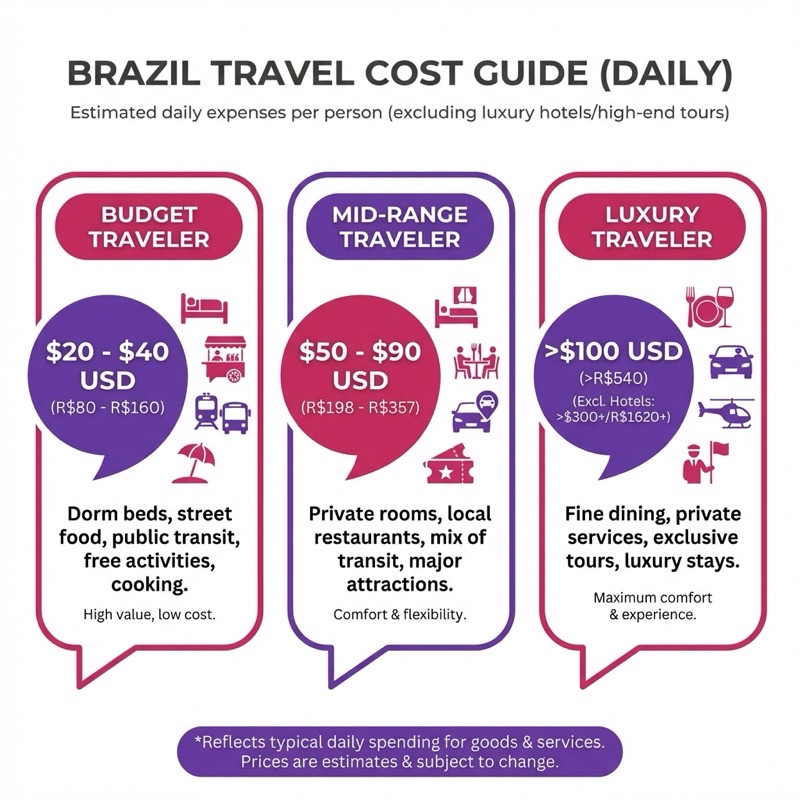
Brazil's major cities like Rio de Janeiro and Sao Paulo command prices comparable to parts of Western Europe or North America. A hostel bed in Ipanema might cost R$80-150 ($16-30 USD), while a mid-range hotel runs R$300-600 ($60-120 USD). A decent meal in a casual restaurant is R$40-80 ($8-16 USD), and domestic flights, especially to remote areas like Manaus or Foz do Iguacu, can be R$400-1000 ($80-200 USD) round trip. Public transport in cities like the Rio Metro costs R$6.50 ($1.30 USD) per ride.
Morocco provides a more budget-conscious travel experience. A riad guesthouse in Marrakech or Fes often costs MAD 250-500 ($25-50 USD) for a private room, with hostels around MAD 80-120 ($8-12 USD). Street food like a bowl of harira or a brochette can be MAD 10-30 ($1-3 USD), while a tagine in a sit-down restaurant is MAD 60-100 ($6-10 USD). Train travel between major cities, for instance, Marrakech to Fes, costs MAD 190-250 ($19-25 USD) for a comfortable 2nd class ticket. Your daily spend will stretch further in Morocco. Morocco offers better value for money, allowing for longer trips or more comfortable stays on a similar budget.
- Winner: Morocco
- Why: Morocco consistently offers lower prices for accommodation, food, and local transport, making it more accessible for budget travelers.
- Who this matters for: Budget-conscious travelers, backpackers, and those planning extended trips.
✈️ Getting There & Flights
Flying to Brazil, especially from North America or Europe, involves a substantial time commitment. A direct flight from New York (JFK) to Sao Paulo (GRU) is around 9-10 hours,…
Brazil
Morocco
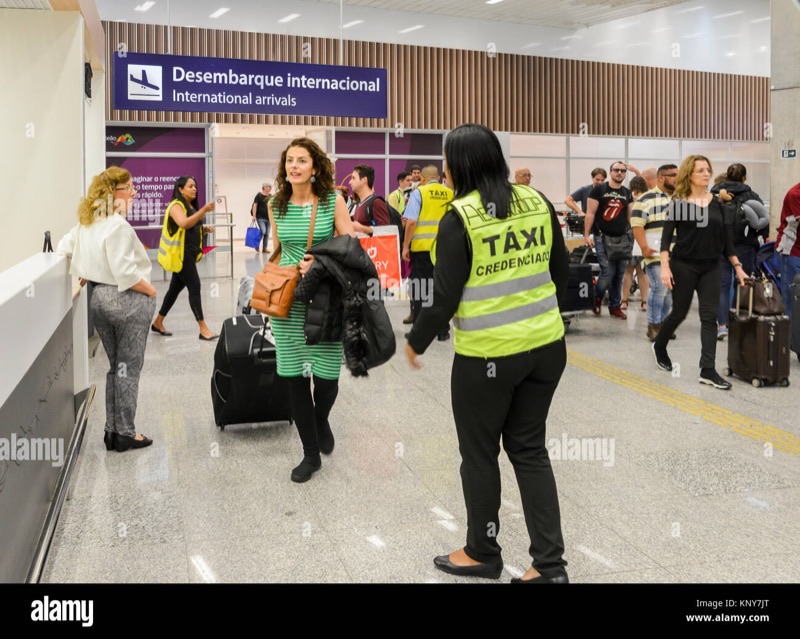
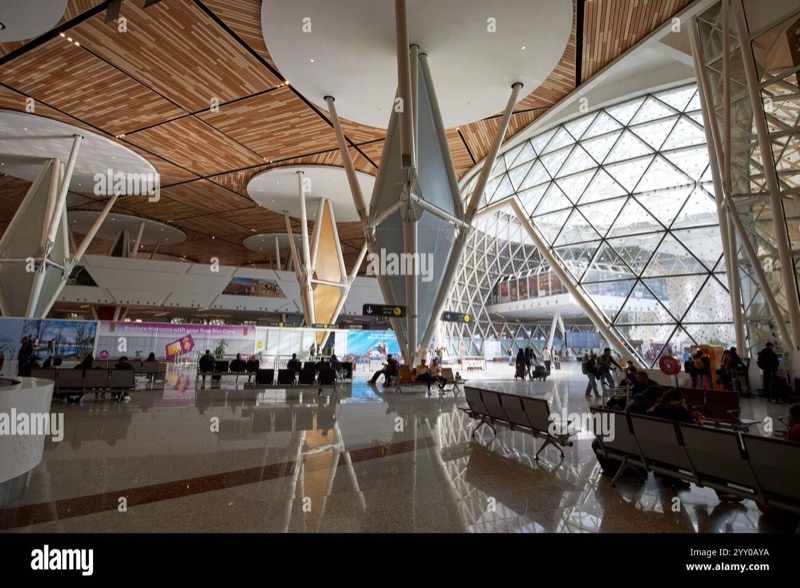
Flying to Brazil, especially from North America or Europe, involves a substantial time commitment. A direct flight from New York (JFK) to Sao Paulo (GRU) is around 9-10 hours, costing $700-1200 USD round trip. From London (LHR) to Rio de Janeiro (GIG), it's about 11-12 hours, with prices in the $800-1500 USD range. These are major international hubs, and onward domestic flights are often necessary to reach other destinations like Salvador or Manaus, adding time and cost.
Morocco benefits greatly from its proximity to Europe. Flights from Madrid (MAD) to Marrakech (RAK) are just 2-3 hours and can be found for $50-150 USD round trip on budget airlines. From Paris (CDG) to Casablanca (CMN) takes about 3 hours, with prices around $100-250 USD. From North America, a flight from New York (JFK) to Casablanca (CMN) typically involves a layover in Europe and totals 8-10 hours, costing $600-900 USD. This makes Morocco a much quicker and often cheaper destination for many international travelers. Morocco wins due to significantly shorter and more affordable flight options, particularly for European travelers.
- Winner: Morocco
- Why: Morocco's geographical location makes it far more accessible and cheaper to reach for a large portion of international travelers, especially from Europe.
- Who this matters for: Travelers with limited vacation time, those on a tighter flight budget, and European residents.
🏛️ Culture & Heritage
Brazil's cultural expressions are often extroverted and communal, centered around music like samba and bossa nova, and festivals such as Carnival, particularly in Rio de Janeiro…
Brazil
Morocco
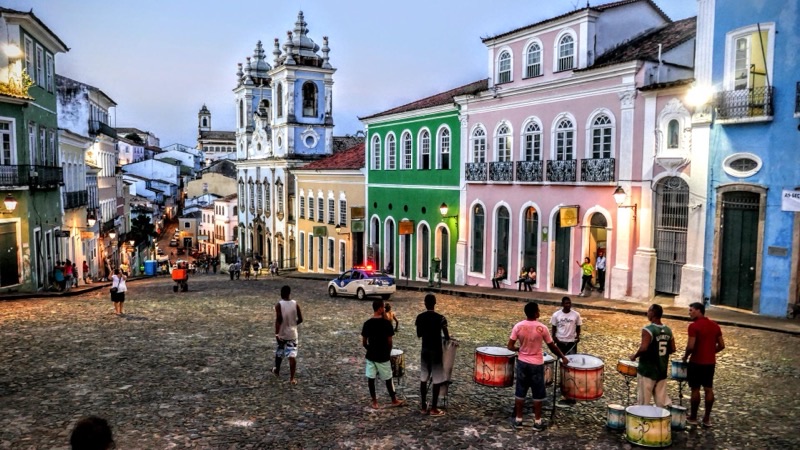
Brazil's cultural expressions are often extroverted and communal, centered around music like samba and bossa nova, and festivals such as Carnival, particularly in Rio de Janeiro or Salvador. The colonial architecture in cities like Ouro Preto contrasts with the modernism of Brasilia. Capoeira, Candomble, and the regional traditions of the Northeast showcase African heritage. While there are museums like MASP in Sao Paulo, much of Brazilian culture is experienced outdoors, in street life, at local bars, and on beaches. The cultural experience is broad and often lively, but can feel less concentrated in historical sites.
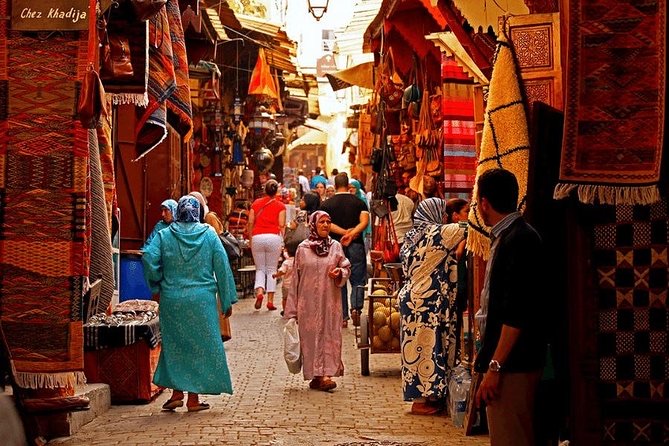
Morocco presents a more immediate and pervasive historical cultural immersion. The medinas of Fes, Marrakech, and Meknes are UNESCO sites, where life has continued for centuries amidst narrow alleys, tanneries, and artisans workshops. Djemaa el-Fna square in Marrakech becomes a storytelling, music, and food spectacle each evening. Islamic architecture, from the Hassan II Mosque in Casablanca to the Ali Ben Youssef Madrasa, is prominent. Berber traditions are evident in the Atlas Mountains and desert regions, through music, textiles, and hospitality. The daily call to prayer shapes the rhythm of life. Morocco provides a more consistently immersive historical and traditional cultural experience. Morocco offers a denser, more historically preserved, and intensely immersive cultural experience that permeates daily life.
- Winner: Morocco
- Why: Morocco's ancient medinas, pervasive traditions, and historic sites offer a more concentrated and immediately accessible cultural immersion.
- Who this matters for: History buffs, travelers seeking deep cultural immersion, and those interested in Islamic and Berber heritage.
🍲 Food & Drink
Brazilian culinary experiences often revolve around regional specialties. In the South, churrascarias offer rodizio-style barbecued meats, where you can eat unlimited picanha,…
Brazil
Morocco
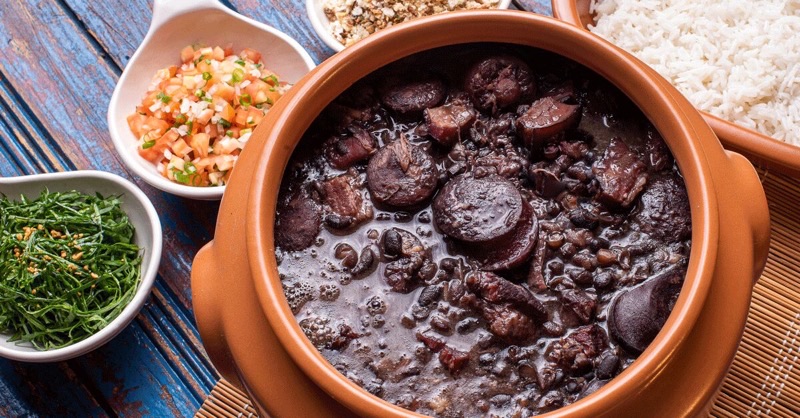
Brazilian culinary experiences often revolve around regional specialties. In the South, churrascarias offer rodizio-style barbecued meats, where you can eat unlimited picanha, costela, and linguiça for R$80-150 ($16-30 USD). The Northeast boasts moqueca, a seafood stew, and acarajé, a fried bean cake, often found as street food for R$10-20 ($2-4 USD). Pao de queijo, coxinha, and feijoada are national staples. The drink scene is dominated by the caipirinha, a lime and cachaça cocktail, typically R$20-35 ($4-7 USD) at bars in Rio. While delicious, the variety might not feel as consistently exotic to some palates.
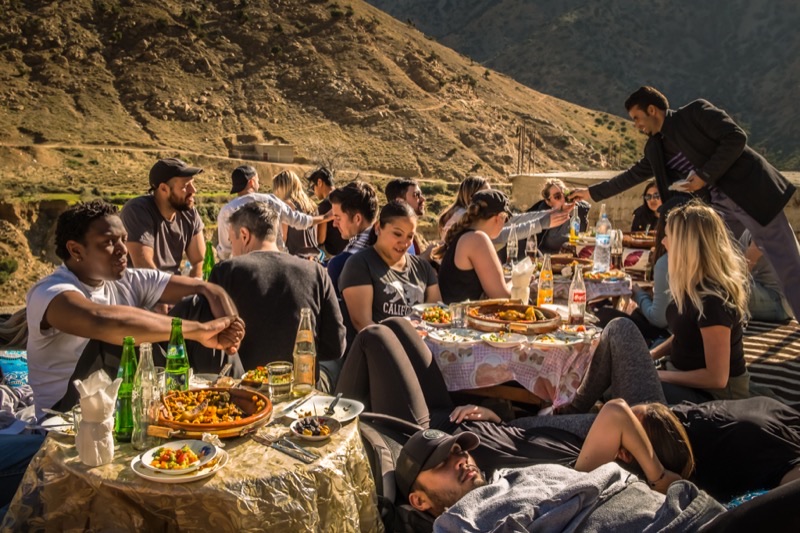
Moroccan food offers a constant discovery of flavors and textures. Tagines, slow-cooked stews with meat or vegetables, are ubiquitous, served in ceramic pots, costing MAD 60-100 ($6-10 USD). Couscous is a Friday tradition. Pastries like chebakia and ghriba are sweet and aromatic, found in souks for MAD 5-10 ($0.50-1 USD) each. Harira soup is a staple, especially during Ramadan. The mint tea ritual is central to hospitality. Spices like cumin, saffron, ginger, and turmeric are key. Vegetarian options are plentiful and often more varied than in Brazil. The sheer depth of unique flavor profiles and the centrality of food to the cultural experience make Moroccan cuisine consistently engaging. Morocco provides a more distinct and universally appealing culinary journey for those seeking new flavors.
- Winner: Morocco
- Why: Moroccan cuisine offers a wider range of distinct, aromatic, and deeply cultural dishes that are often more accessible and consistently satisfying for travelers.
- Who this matters for: Foodies, adventurous eaters, vegetarians, and those seeking unique culinary traditions.
🏖️ Beaches & Coastlines
Brazil's coastline is legendary. Rio de Janeiro's Copacabana and Ipanema beaches are famous for their lively atmosphere, kiosks, and people-watching. Further north, the Northeast…
Brazil

Morocco
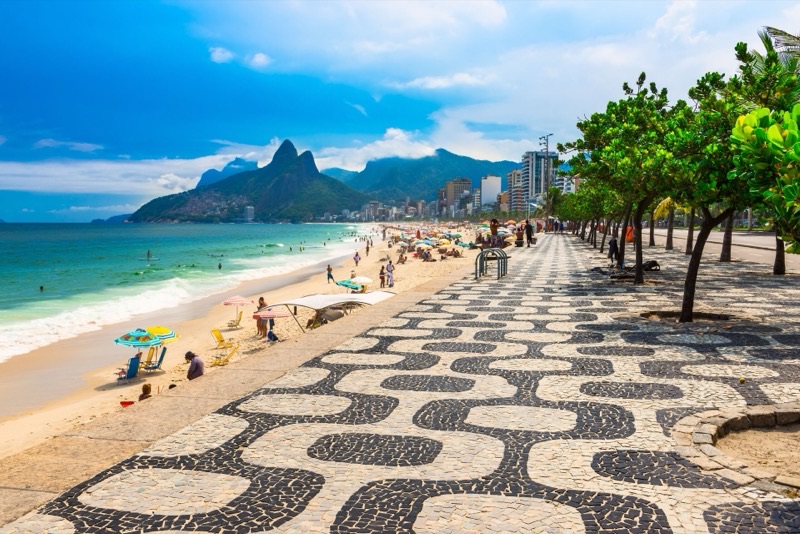
Brazil's coastline is legendary. Rio de Janeiro's Copacabana and Ipanema beaches are famous for their lively atmosphere, kiosks, and people-watching. Further north, the Northeast region offers pristine, warm-water beaches like Praia do Forte near Salvador or the dunes of Jericoacoara. Fernando de Noronha, an archipelago, is a conservation area with some of the world's best diving and untouched beaches like Sancho Bay. Brazil's beach culture is ingrained in daily life, with beach volleyball, futevôlei, street vendors, and a relaxed, social atmosphere that extends from early morning until sunset. The sheer scale and variety of Brazilian beaches are hard to match.
Morocco has two distinct coastlines. The Atlantic coast, particularly around Essaouira and Taghazout, is known for its strong winds and surf breaks. Essaouira itself is a charming fortified city with a fishing port and a broad sandy beach, often windy, where camel rides are common. Agadir is a more resort-focused destination with a long, flat beach. The Mediterranean coast around Tetouan offers calmer waters, but these areas are less developed for international tourism. While Moroccan beaches offer pleasant relaxation and good surfing, they lack the iconic status, consistent warmth, and pervasive social scene that define Brazil's coastal experience. Brazil simply has more iconic, diverse, and culturally significant beaches that are central to its identity.
- Winner: Brazil
- Why: Brazil's beaches are more numerous, diverse, iconic, and culturally integrated, offering everything from urban excitement to pristine natural beauty.
- Who this matters for: Beach lovers, surfers, sunbathers, and travelers who enjoy a lively coastal atmosphere.
🛡️ Safety & Security
Travel in Brazil, particularly in large cities like Rio, Sao Paulo, and Salvador, demands awareness. Pickpocketing, bag snatching, and occasional armed robberies are concerns,…
Travel in Brazil, particularly in large cities like Rio, Sao Paulo, and Salvador, demands awareness. Pickpocketing, bag snatching, and occasional armed robberies are concerns, especially after dark or in less-trafficked areas. Tourists are advised to avoid displaying expensive items, be cautious with phones on the street, and use ride-sharing apps like Uber rather than hailing taxis. Favelas, while offering tours, should generally be visited with caution and local guidance. While many travelers visit Brazil without incident, the need for constant vigilance can be tiring, impacting the overall sense of relaxation. For example, incidents in Copacabana, though infrequent, are a reminder to secure belongings.
Morocco is broadly considered a safe destination for tourists. The main safety concerns are petty theft, like pickpocketing in the crowded souks of Marrakech or Fes, and aggressive touts or unsolicited guides. Female travelers might experience unwanted attention, though this is usually verbal and easily managed by dressing respectfully and being assertive. Violent crime against tourists is rare. Using common sense, keeping valuables secure, and being firm but polite with persistent vendors usually prevents problems. Public transport like ONCF trains are safe and efficient. The overall feeling of security for a tourist in Morocco is considerably higher than in Brazil. Morocco offers a significantly lower perceived risk and fewer serious safety concerns for the average tourist.
- Winner: Morocco
- Why: Morocco provides a more secure and relaxed travel environment, with fewer serious crime concerns than Brazil's major urban centers.
- Who this matters for: Solo travelers, first-time international travelers, and those prioritizing personal security and peace of mind.
🌳 Nature & Outdoors
Brazil's natural attractions are on a grand scale. The Amazon Rainforest, accessible via Manaus, offers jungle treks, river cruises, and wildlife spotting for jaguars, monkeys,…
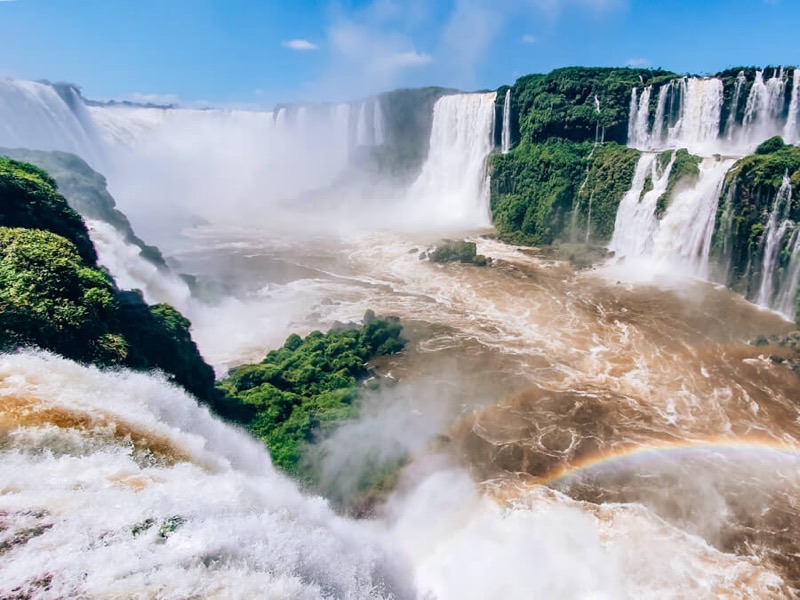
Brazil's natural attractions are on a grand scale. The Amazon Rainforest, accessible via Manaus, offers jungle treks, river cruises, and wildlife spotting for jaguars, monkeys, and diverse bird species. Iguazu Falls, on the border with Argentina, is a powerful spectacle of over 275 waterfalls, far surpassing many other famous cascades in sheer volume and beauty. The Pantanal, the world's largest tropical wetlands, is a prime location for spotting capybaras, caimans, anacondas, and diverse birdlife. Coastal national parks like Lençóis Maranhenses present unique desert landscapes with seasonal lagoons. Chapada Diamantina offers waterfalls, caves, and tabletop mountains. The sheer biodiversity and scale are immense.
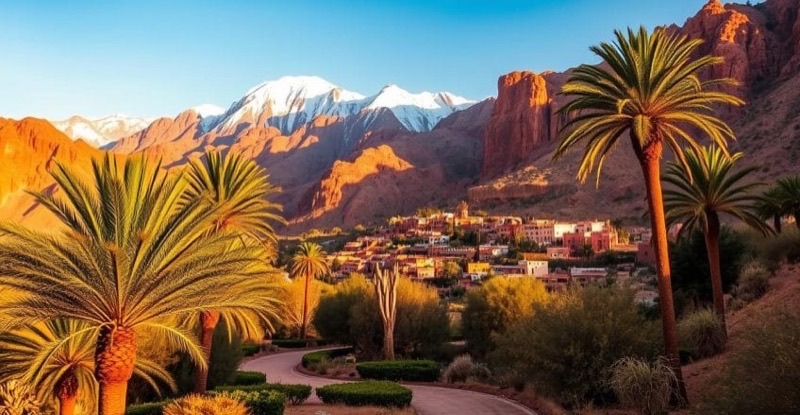
Morocco's nature is equally dramatic but different. The Sahara Desert, with its Erg Chebbi and Erg Chigaga dunes, offers camel treks and desert camps under clear skies, often departing from towns like Merzouga or Zagora. The Atlas Mountains provide hiking opportunities, from day trips to multi-day treks, reaching peaks like Toubkal. The Todra and Dades Gorges feature impressive rock formations. While these landscapes are undeniably striking and offer unique experiences, they do not match the sheer biological diversity or the iconic status of Brazil's major natural landmarks. Brazil's natural landscapes are more varied, grander in scale, and host significantly higher biodiversity, making it the stronger choice for nature enthusiasts. Brazil offers a more diverse and globally significant range of natural wonders.
- Winner: Brazil
- Why: Brazil's natural environments, from the Amazon to Iguazu Falls, are unmatched in scale, biodiversity, and iconic status.
- Who this matters for: Wildlife enthusiasts, adventure travelers, hikers, and those seeking awe-inspiring natural landmarks.
🌃 Nightlife & Entertainment
Brazil's nightlife is legendary for its energy and exuberance. Rio de Janeiro's Lapa district comes alive with samba clubs like Rio Scenarium, where live bands play until dawn.…
Brazil's nightlife is legendary for its energy and exuberance. Rio de Janeiro's Lapa district comes alive with samba clubs like Rio Scenarium, where live bands play until dawn. Beach kiosks in Copacabana and Ipanema host parties with caipirinhas and music. Sao Paulo offers a vast array of sophisticated clubs, live music venues, and bars in areas like Vila Madalena. Salvador is known for its Afro-Brazilian rhythms and street parties, especially during Carnival. The entire country seems to have a rhythm, and social gatherings often extend well into the night, making it easy to find a party, a dance floor, or a relaxed bar scene any day of the week. Prices for drinks can range from R$20-50 ($4-10 USD) depending on the venue.
Morocco's nightlife is a different experience. In major cities like Marrakech and Casablanca, there are some hotels and clubs that cater to tourists and offer alcohol, but these are generally more exclusive and less integrated into local life. Traditional entertainment often involves storytelling, snake charmers, and musicians in squares like Djemaa el-Fna, which winds down by midnight. Shisha lounges and cafes are common for socializing. Alcohol consumption is less widespread, and many local establishments do not serve it. For a traveler seeking late-night dancing, bustling bars, and a pervasive party atmosphere, Morocco will feel quiet. Brazil provides a much more dynamic and accessible nightlife experience for those seeking to party. For those seeking late-night parties, dancing, and a generally extroverted social scene after dark, Brazil is the clear choice.
- Winner: Brazil
- Why: Brazil's nightlife is a core part of its culture, offering widespread, high-energy parties, live music, and dancing until late hours.
- Who this matters for: Party-goers, music lovers, social travelers, and anyone wanting to experience a lively evening scene.
🚃 Getting Around
Getting around Brazil typically involves a mix of methods. For inter-city travel, long-distance buses are extensive and relatively comfortable, but journeys can be very long…
Getting around Brazil typically involves a mix of methods. For inter-city travel, long-distance buses are extensive and relatively comfortable, but journeys can be very long (e.g., Rio to Salvador can be 26+ hours, costing R$300-500 or $60-100 USD). Domestic flights are often necessary for covering vast distances quickly, but they add significantly to the budget. Within major cities, metro systems exist in Rio, Sao Paulo, and Belo Horizonte, costing around R$6.50 ($1.30 USD) per ride. Ride-sharing apps like Uber are widely used and recommended for safety and convenience. Navigating Brazil requires planning and often means substantial travel time or budget for flights.
Morocco boasts an impressive and affordable national train system (ONCF) that connects key cities like Casablanca, Rabat, Fes, and Marrakech. A 2nd class ticket from Marrakech to Fes (7-8 hours) costs around MAD 190-250 ($19-25 USD) and is a comfortable experience. For shorter distances and smaller towns, grand taxis (shared taxis) and CTM/Supratours buses are efficient and inexpensive, costing MAD 50-150 ($5-15 USD) for a few hours journey. Within cities, petit taxis are metered and cheap. The transport network is well-developed, easy to understand, and budget-friendly, making independent travel straightforward. Morocco's public transport network is more integrated, efficient, and budget-friendly, making internal travel smoother. Morocco offers a more user-friendly and cost-effective transportation system for travelers.
- Winner: Morocco
- Why: Morocco's extensive and efficient train network, combined with affordable buses and taxis, makes inter-city travel simpler and more budget-friendly.
- Who this matters for: Independent travelers, those on a budget, and people who prefer not to fly frequently within a country.
🛌 Accommodation
Accommodation in Brazil ranges from very basic hostels to high-end resorts. In major cities, a good hostel dorm bed can be R$80-150 ($16-30 USD), while a mid-range hotel often…
Accommodation in Brazil ranges from very basic hostels to high-end resorts. In major cities, a good hostel dorm bed can be R$80-150 ($16-30 USD), while a mid-range hotel often starts at R$300-600 ($60-120 USD). Pousadas, which are charming guesthouses, are common in beach towns and smaller cities, offering a local feel. Airbnb is popular, but prices can fluctuate significantly based on season and location. While options are plentiful, the unique, culturally immersive stays are less consistently available at an affordable price point than in Morocco. For example, a quality pousada in Paraty might cost R$250-400 ($50-80 USD).
Morocco truly shines in its accommodation offerings, particularly with its traditional riads and dars. These guesthouses are converted traditional homes, often with central courtyards, rooftop terraces, and intricate tilework, providing an authentic and atmospheric experience. A comfortable room in a beautiful riad in Fes or Marrakech can be found for MAD 400-800 ($40-80 USD). Hostels are plentiful for MAD 80-120 ($8-12 USD). Even modern hotels are generally well-priced compared to Western standards. The value, character, and level of service offered by Moroccan riads make them a highlight of any trip. Morocco's unique riad accommodations offer superior cultural immersion and value. Morocco provides more distinctive, atmospheric, and value-for-money accommodation options.
- Winner: Morocco
- Why: Morocco's traditional riads and dars offer a unique, authentic, and often luxurious stay at a price point that provides exceptional value.
- Who this matters for: Travelers seeking unique, culturally immersive accommodation, couples, and those desiring good value for money.
🎯 The Decision Framework
Choose Brazil If…
- You want to experience Carnival in Rio or Salvador.
- You dream of exploring the Amazon Rainforest by boat.
- You seek expansive, lively beaches for sunbathing and socializing.
- You enjoy high-energy nightlife with samba and live music.
- You appreciate vast natural wonders like Iguazu Falls or the Pantanal.
- You are interested in Afro-Brazilian culture and heritage.
- You are comfortable with a higher daily travel budget.
- You prefer a more laid-back cultural interaction.
Choose Morocco If…
- You want to wander through ancient, labyrinthine medinas.
- You are keen on camel trekking and sleeping in the Sahara Desert.
- You appreciate intricate Islamic architecture and traditional craftsmanship.
- You love savory, aromatic tagines and mint tea culture.
- You seek an affordable and efficient public transport system.
- You prioritize personal safety and a more relaxed travel environment.
- You enjoy bargaining for goods in traditional souks.
- You want to stay in atmospheric riads and guesthouses.
📅 Sample Itineraries
Weekend in Rio de Janeiro (3 Days)
💡 Purchase a 'Rio Card' for local buses and metro upon arrival; it saves time and offers slightly cheaper fares than single tickets, costing around $20 for a loaded card.
Weekend in Marrakech (3 Days)
💡 For navigating the medina, download an offline map like Maps.me. This will save you from getting lost and potentially paying for unnecessary guides, allowing you to explore freely.
One Week in Brazil (7 Days)
💡 When eating at 'kilo' restaurants (buffets priced by weight), aim for lighter, fresh options. This can be a cost-effective lunch, often around $10-15, allowing you to try various local dishes without ordering a full meal.
One Week in Morocco (7 Days)
💡 For intercity travel, opt for CTN or Supratours buses. They are reliable, comfortable, and significantly cheaper than private taxis, costing around $10-20 for a several-hour journey between major cities like Marrakech and Fes.
❓ Frequently Asked Questions
What is the average daily budget for a comfortable trip to Brazil versus Morocco?
For Brazil, plan on $60-150 USD per day for a comfortable mid-range trip, including accommodation, food, and transport. In Morocco, you can manage a similar comfort level for $40-100 USD per day, with excellent value found in local guesthouses and street food.
Which country is better for solo female travelers regarding safety?
Morocco is generally considered safer for solo female travelers, though harassment from touts can occur. Dressing modestly and being assertive helps. Brazil, particularly its major cities, requires higher vigilance due to higher petty crime rates, making Morocco a less stressful option for many.
Are flights significantly cheaper to one country over the other?
Yes. From Europe, flights to Morocco are significantly cheaper and shorter (2-4 hours) than to Brazil (10-12 hours). From North America, both require substantial travel time, but Morocco often involves a cheaper connecting flight through Europe, making the total cost potentially lower.
What is the best time of year to visit each country?
For Brazil, visit during the dry season (May to September) for less rain and cooler temperatures in the south, though the Northeast is good year-round. For Morocco, spring (March to May) and autumn (September to November) offer pleasant temperatures for exploring cities and the desert, avoiding summer heat and winter chill.
How easy is it to get around without knowing the local language?
In both countries, English is understood in major tourist areas. However, knowing some basic Portuguese in Brazil or French/Darija Arabic in Morocco (especially for smaller towns) greatly enhances the experience. Google Translate is a helpful tool in both.
Which country has more unique shopping experiences?
Morocco offers a more distinctive shopping experience with its ancient souks in cities like Fes and Marrakech, where you can find handcrafted leather goods, ceramics, textiles, and spices. Brazil has regional crafts and fashion, but less of a pervasive, traditional market culture.
Are there good vegetarian food options in Brazil and Morocco?
Morocco generally offers more accessible and flavorful vegetarian options, with many tagines and couscous dishes being vegetable-based. Brazil can be challenging outside of major cities, often relying on side dishes; look for 'comida por quilo' restaurants for more choice.
Ready to plan your next adventure?
Get a free custom itinerary for Brazil, Morocco, or both — built from real traveler insights.
👥 Travelers Also Compared
🎟️ Book Tours & Experiences
Hand-picked tours and activities for both destinations — book with free cancellation
Experiences via Viator — free cancellation on most tours