How we built this comparison
This page combines traveler discussion patterns, published price ranges, flight schedules, and seasonal data to help you decide between Brazil and Peru.
- Reviewed 70+ Reddit threads from r/travel, r/solotravel, r/Brazil, r/PeruTravel, r/backpacking.
- Verified costs and logistics against current booking platforms like Booking.com, Kayak, and local bus/tour operators.
- Cross-referenced seasonal patterns and weather data from meteorological sources for accuracy.
⚡ Quick Answers
⚡ The TL;DR Verdict
For most travelers seeking varied experiences with an emphasis on beaches, nightlife, and grand scale, Brazil is the stronger pick, though it requires a larger budget, around $70-120 per day. Peru suits those prioritizing ancient history, mountain treks, and a more budget-conscious adventure, with daily costs often closer to $40-80.
- Choose Brazil: Travelers who prioritize extensive beach time, lively nightlife, diverse music scenes, and experiencing large, modern cities combined with natural wonders like Iguazu Falls.
- Choose Peru: Travelers focused on ancient civilizations, high-altitude trekking, Andean culture, and a generally more affordable journey through historical sites and natural landscapes.
- Choose Both: If you have 3-4 weeks and a healthy budget, combining a classic Peru itinerary (Lima, Cusco, Machu Picchu) with a segment of Brazil (Rio, Iguazu) offers a comprehensive South American journey.
Choose Brazil
Choose Brazil if you crave a high-energy vacation filled with iconic beaches, pulsating nightlife, and grand natural wonders. Best for those who want to experience the samba rhythms of Rio de Janeiro, relax on Copacabana, and witness the breathtaking power of Iguazu Falls. Be ready for a larger budget, typically $70-120 per day, to fully embrace its diverse allure.
Choose Peru
Opt for Peru if your journey prioritizes profound ancient history, exhilarating mountain treks, and rich Andean culture. It's best for adventurers eager to hike the legendary Inca Trail to Machu Picchu, explore the historic streets of Cusco, and discover the Sacred Valley's vibrant traditions. Enjoy a more budget-friendly trip, often around $40-80 daily, making profound exploration accessible.
📊 Visual Scorecard
🌤 When to Visit
Average high temperatures (°C). Green = best months, orange = avoid.
Quick Comparison
| Category | Brazil | Peru | Winner |
|---|---|---|---|
| Culture & History | Afro-Brazilian heritage, colonial architecture, samba, Carnival, Capoeira. Portuguese influence. | Inca and pre-Inca civilizations, Andean traditions, Quechua language, Spanish colonial impact. | Peru |
| Beaches | Thousands of kilometers of coastline, iconic city beaches, tropical islands, surf spots, clear waters. | Pacific coast beaches, generally colder water, known for surfing, some lesser-known resort areas. | Brazil |
| Food Scene | Diverse regional cuisines, churrasco, feijoada, acarajé, tropical fruits, strong street food culture. | Andean staples, ceviche, lomo saltado, Aji de Gallina, global reputation for fine dining, distinct regional dishes. | Peru |
| Nightlife & Entertainment | Legendary parties, samba clubs, diverse music genres, large-scale events, beach kiosks. | Lively bar scenes in major cities, pisco sours, folk music peñas, generally less intense than Brazil. | Brazil |
| Nature & Outdoors | Amazon rainforest, Iguazu Falls, Pantanal wetlands, extensive coastline, diverse ecosystems. | Andes mountains, Amazon rainforest, Lake Titicaca, Colca Canyon, diverse high-altitude landscapes. | Tie |
| Costs & Budget | Generally more expensive, especially in major cities like Rio and Sao Paulo. Varies by region. | More budget-friendly, good value for money, especially outside Lima and tourist hubs. | Peru |
| Getting There & Around | Major international airports, extensive domestic flight network, long-distance buses, city metro/bus systems. | Lima is main hub, good bus network, trains to Machu Picchu, internal flights for long distances. | Tie |
| Accommodation | Wide range from hostels to luxury hotels, 'pousadas' (guesthouses), Airbnb common. Prices higher in tourist zones. | Hostels, guesthouses, boutique hotels, budget-friendly options widely available. Luxury options in Lima and Cusco. | Peru |
| Safety & Security | Reputation for high crime in major cities, pickpocketing, street crime. Requires vigilance. | Generally safer than Brazil, pickpocketing in tourist areas, some petty crime, political stability concerns at times. | Peru |
| Weather & Seasons | Tropical/subtropical, diverse climates; summer (Dec-Feb) hot and humid, winter (Jun-Aug) milder. Rain varies. | Coastal desert (Lima), Andean highlands (dry/wet seasons), Amazon rainforest (hot/humid). Diverse microclimates. | Tie |
🏛️ Culture & History
Brazil's cultural landscape is dominated by its Afro-Brazilian heritage, visible in Salvador's Pelourinho district with its colonial buildings and Candomblé traditions. Rio de…
Brazil
Peru
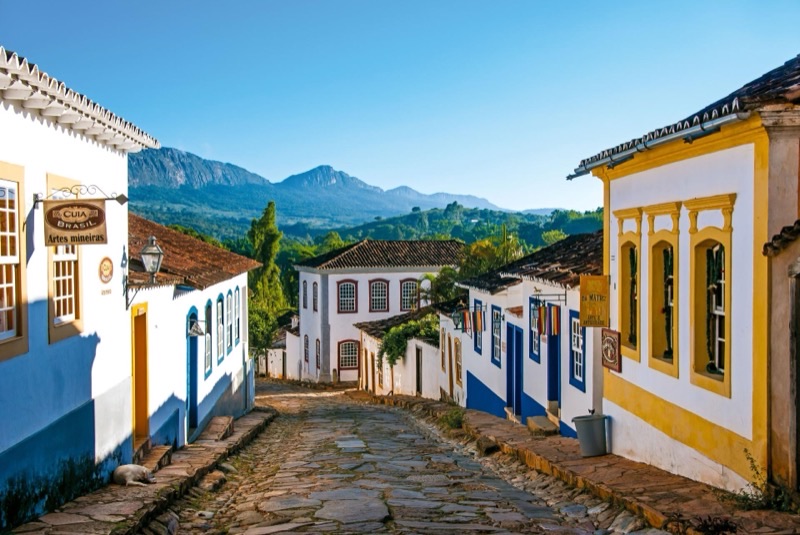
Brazil's cultural landscape is dominated by its Afro-Brazilian heritage, visible in Salvador's Pelourinho district with its colonial buildings and Candomblé traditions. Rio de Janeiro showcases Portuguese colonial architecture and the globally known Carnival celebrations. The cultural narrative often involves a fusion of indigenous, African, and European elements, resulting in expressive music forms like samba and bossa nova, alongside martial arts like Capoeira. While Brazil has its historical sites, such as the Jesuit missions in Rio Grande do Sul, the focus tends to be on living culture and post-colonial developments rather than ancient ruins.
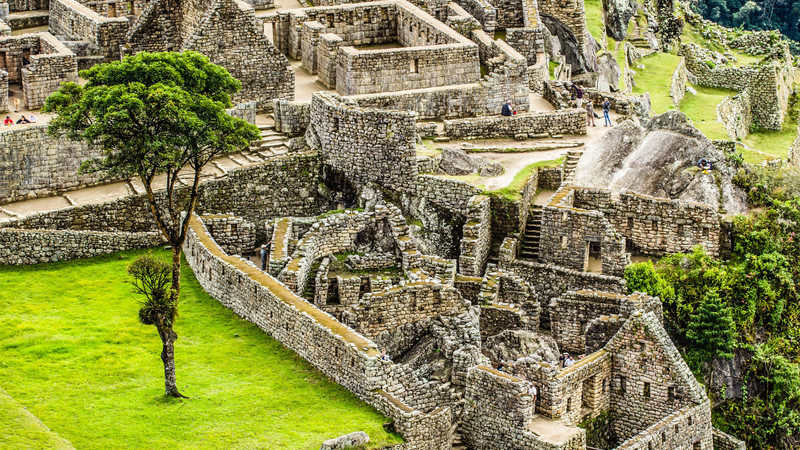
Peru is synonymous with its pre-Columbian past, particularly the Inca Empire. Cusco, the former Inca capital, is a city built on Inca foundations, with sites like Sacsayhuaman and Qorikancha demonstrating sophisticated stonework. The Sacred Valley is dotted with agricultural terraces and ruins such as Pisac and Ollantaytambo, leading to Machu Picchu, an Andean citadel. Beyond the Inca, Peru holds older civilizations like the Nazca (Nazca Lines) and Moche (Huaca del Sol y de la Luna). The Andean highlands maintain strong indigenous traditions, languages like Quechua, and a deep connection to ancient practices. A typical tour to Machu Picchu costs around S/800-1500 (USD $220-410) for transport and entry.
Tabiji verdict: For travelers prioritizing ancient history and visible remnants of pre-colonial civilizations, Peru presents a more focused and profound experience.
- Winner: Peru
- Why: Peru offers a direct, tangible connection to ancient, sophisticated civilizations, particularly the Inca, with sites like Machu Picchu dominating the historical narrative.
- Who this matters for: History buffs, archeology enthusiasts, and those seeking indigenous cultural immersion.
🏖️ Beaches
Brazil's coastline stretches for over 7,000 kilometers, offering an immense variety of beach experiences. Rio de Janeiro alone boasts globally known beaches like Copacabana and…
Brazil
Peru
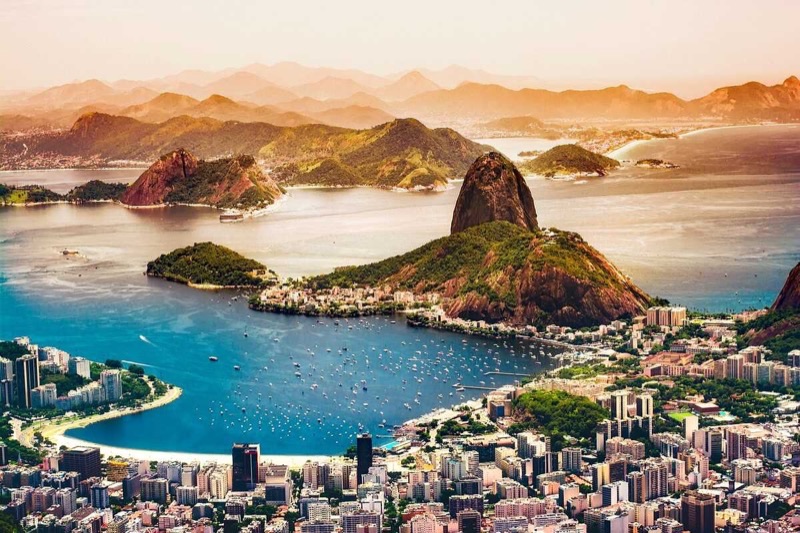
Brazil's coastline stretches for over 7,000 kilometers, offering an immense variety of beach experiences. Rio de Janeiro alone boasts globally known beaches like Copacabana and Ipanema, where daily life unfolds on the sand, from vendors selling 'caipirinhas' (R$20-30 / USD $4-6) to locals playing 'frescobol'. Further south, Florianópolis in Santa Catarina is known for its numerous surf spots and calmer lagoons. The northeast features warmer waters and coral reefs in places like Porto de Galinhas, while paradisiacal islands like Fernando de Noronha (requires an environmental tax of R$90-180 / USD $18-36 per day) offer pristine conditions and marine life. The atmosphere is generally lively and social.
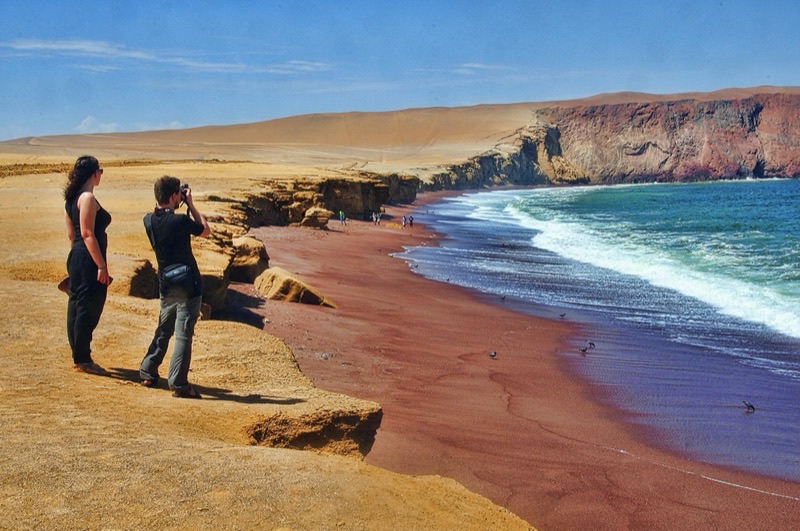
Peru's beaches, while extensive, present a different character. The Humboldt Current brings colder waters, making swimming less inviting for some. Northern Peru, particularly Mancora, is a popular destination for sun-seekers and surfers, with warmer waters and a more relaxed, party-oriented vibe. Huanchaco, near Trujillo, is famous for its 'caballitos de totora' reed boats and consistent waves. Lima's Costa Verde offers city beaches, but they are primarily for surfing or enjoying the view from clifftop restaurants, not typically for swimming or sunbathing. Beach towns in Peru are generally smaller and more focused on specific activities rather than broad leisure.
Tabiji verdict: Brazil is the undeniable winner for beach quality, variety, and the overall sun-and-sand experience.
- Winner: Brazil
- Why: Brazil has significantly more diverse, warmer, and globally recognized beaches, catering to a wider range of preferences from city breaks to remote islands.
- Who this matters for: Beach lovers, sunbathers, surfers, and those who enjoy a lively coastal atmosphere.
🍽️ Food Scene
Brazilian cuisine is a reflection of its diverse ethnic influences, with significant African, Portuguese, and indigenous contributions. 'Feijoada', a black bean and pork stew, is…
Brazil
Peru
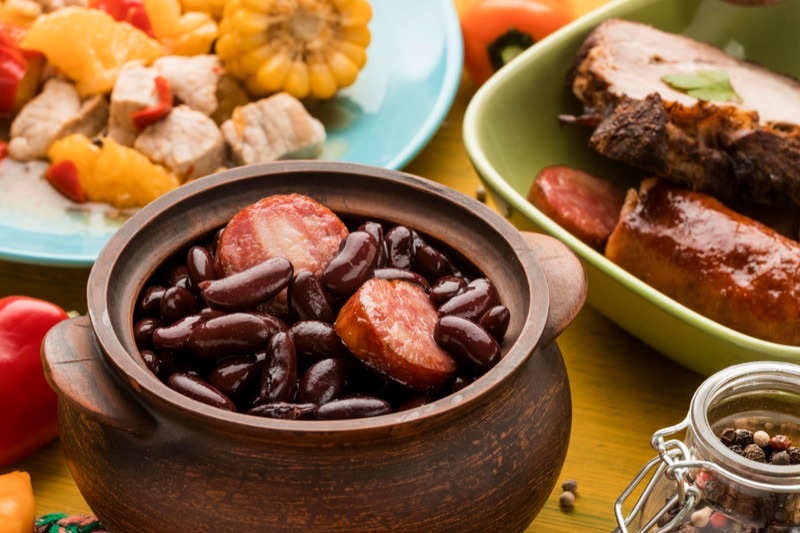
Brazilian cuisine is a reflection of its diverse ethnic influences, with significant African, Portuguese, and indigenous contributions. 'Feijoada', a black bean and pork stew, is a national dish, often served on Wednesdays and Saturdays. 'Churrasco' (barbecue) is a cornerstone, especially in the south, where 'rodízio' style steakhouses offer endless cuts of meat (R$80-150 / USD $16-30 per person). In Bahia, 'acarajé' (fried bean fritters with shrimp) is a popular street food. The Amazon region contributes unique fish and fruits. Street food, like 'pão de queijo' (cheese bread) for R$5 (USD $1) or 'pastel' (fried pastry) for R$10 (USD $2), is common.
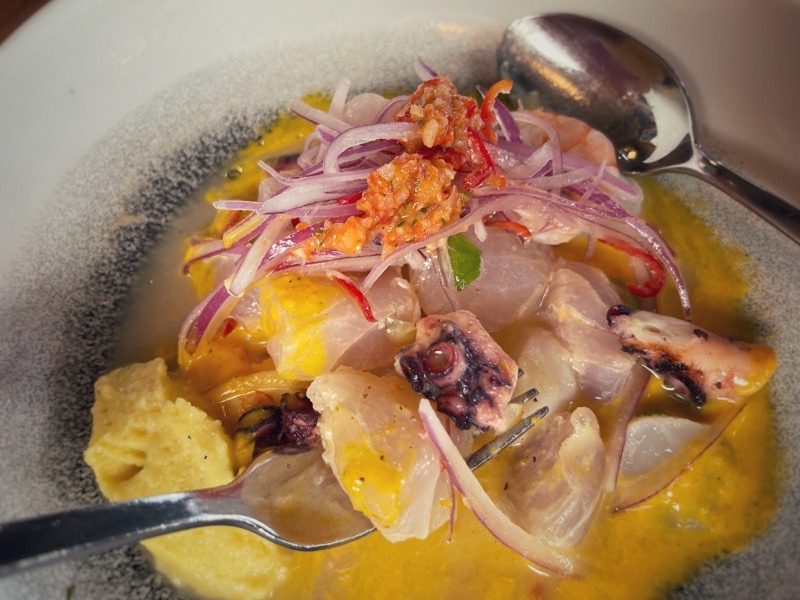
Peru's food scene has gained global recognition, consistently ranking among the best in the world. Its coastal location, Andean mountains, and Amazonian jungle provide a wealth of ingredients. 'Ceviche' (raw fish cured in lime juice) is a coastal staple, found from humble stalls to high-end restaurants. 'Lomo Saltado' (stir-fried beef with onions, tomatoes, and fries) and 'Aji de Gallina' (creamy chicken stew) are popular comfort foods. Lima boasts restaurants like Central and Maido, which are frequently listed among the world's top dining establishments, though a tasting menu can cost upwards of S/700 (USD $190). Street food, like 'anticuchos' (grilled heart skewers) for S/5-8 (USD $1.40-2.20), is also widely available.
Tabiji verdict: Peru offers a more refined, diverse, and globally influential culinary experience, making it the winner for food enthusiasts.
- Winner: Peru
- Why: Peru has a more sophisticated and diverse culinary tradition, with global recognition for both traditional dishes and high-end dining experiences.
- Who this matters for: Foodies, culinary adventurers, and those interested in world-class gastronomy.
💃 Nightlife & Entertainment
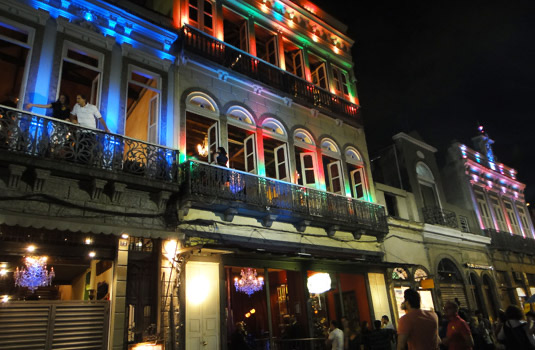
Brazil is synonymous with large-scale parties and a pervasive culture of music and dancing. Rio de Janeiro's Lapa district is famed for its samba clubs and street parties under…
Brazil
Peru
Brazil is synonymous with large-scale parties and a pervasive culture of music and dancing. Rio de Janeiro's Lapa district is famed for its samba clubs and street parties under the Arcos da Lapa, with cover charges around R$30-60 (USD $6-12). Sao Paulo offers an extensive club scene, from electronic music to live 'forró' and 'sertanejo' venues in areas like Vila Madalena. Beach kiosks in cities like Rio and Florianópolis transform into casual social hubs after dark, serving drinks and snacks. Carnival is the zenith of Brazilian entertainment, attracting millions and featuring elaborate parades and street blocks.
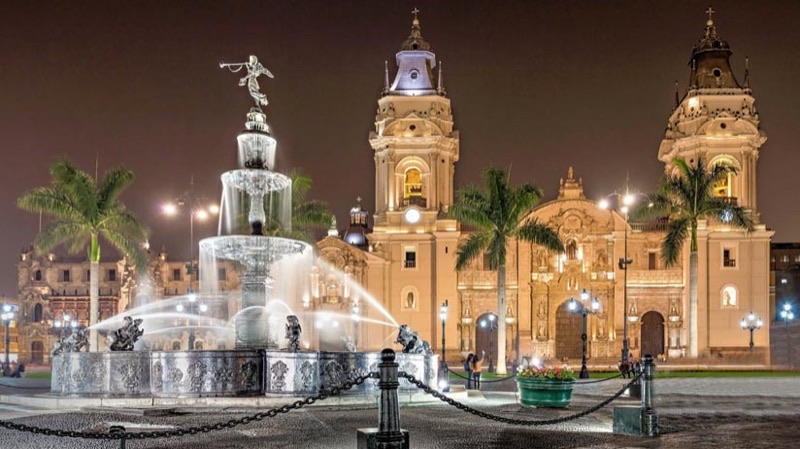
Peru's nightlife is more localized and generally less overwhelming. Lima's Miraflores and Barranco districts are the main hubs, with a mix of modern bars, pubs, and clubs. 'Pisco Sours' (S/20-35 / USD $5.50-9.50) are the national drink, found everywhere. In Cusco, the Plaza de Armas area has numerous bars and discotheques catering to tourists and locals alike, often playing a mix of international pop and Latin hits. 'Peñas' offer live Peruvian folk music and dance, providing a more cultural evening experience. While lively, Peruvian nightlife is typically less about massive public events and more about intimate gatherings or established venues.
Tabiji verdict: Brazil clearly wins for its sheer scale, energy, and variety of nightlife and entertainment options.
- Winner: Brazil
- Why: Brazil offers a more intense, diverse, and globally recognized nightlife scene, from large festivals to dedicated samba clubs.
- Who this matters for: Party-goers, music lovers, and those looking for high-energy social experiences.
🌳 Nature & Outdoors
Brazil's natural offerings are grand and diverse. The Amazon rainforest covers a substantial portion of the country, providing opportunities for boat trips, wildlife spotting…
Brazil

Peru
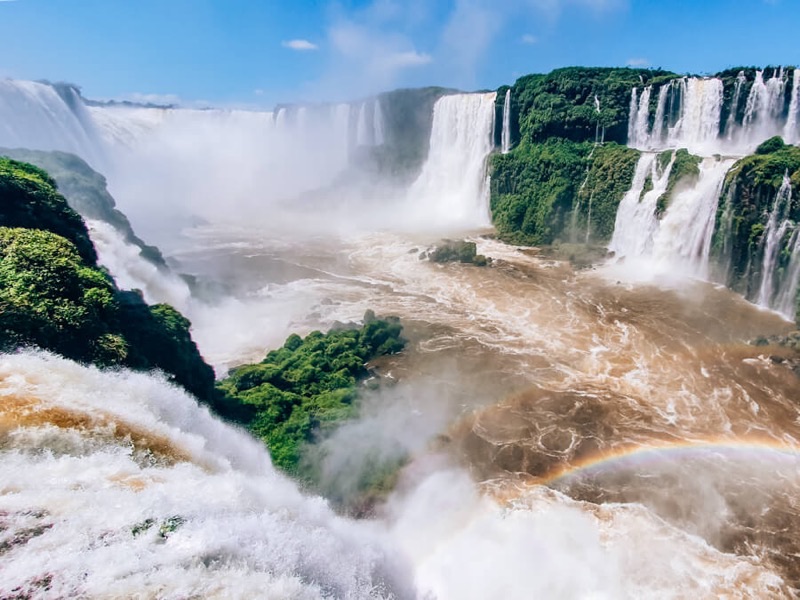
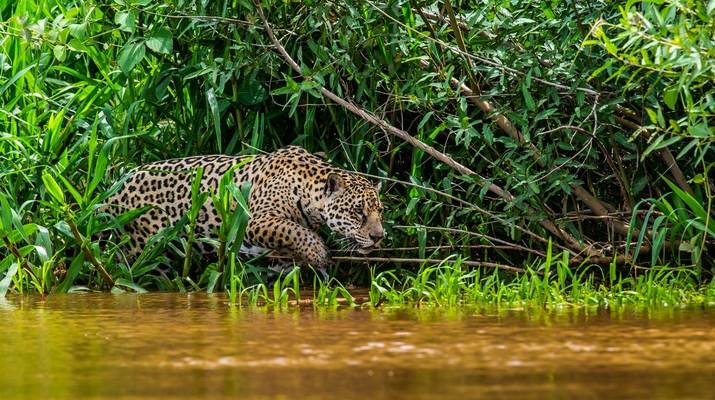
Brazil's natural offerings are grand and diverse. The Amazon rainforest covers a substantial portion of the country, providing opportunities for boat trips, wildlife spotting (jaguars, monkeys, macaws), and staying in jungle lodges (3-day tours from Manaus typically R$1500-3000 / USD $300-600). Iguazu Falls, shared with Argentina, is a collection of hundreds of waterfalls, offering immense scale and power. The Pantanal wetlands are a prime destination for wildlife viewing, particularly for caiman, capybara, and various bird species. The country's long coastline also features national parks like Lençóis Maranhenses with its seasonal freshwater lagoons.
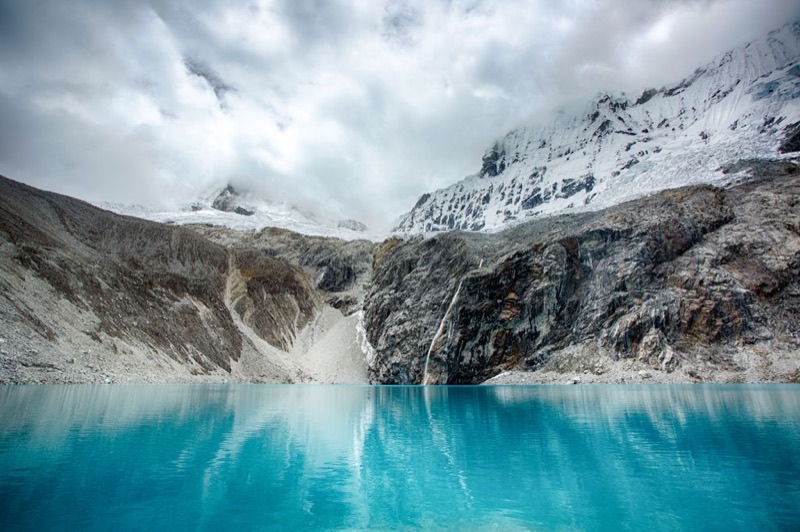
Peru is equally rich in natural beauty, defined by the Andes mountain range. Treks like the Inca Trail (4-day permits around S/2500-3500 / USD $680-950) or alternative routes like Salkantay lead through dramatic high-altitude landscapes to Machu Picchu. The Peruvian Amazon, though smaller than Brazil's portion, is biodiverse, with Iquitos and Puerto Maldonado serving as gateways to jungle lodges. Lake Titicaca, the highest navigable lake in the world, offers unique cultural experiences on its floating Uros islands. Colca Canyon is deeper than the Grand Canyon and is known for condor sightings. The landscapes often feel more rugged and extreme.
Tabiji verdict: Both countries offer unparalleled natural experiences, making a definitive winner impossible and dependent on individual preferences.
- Winner: Tie
- Why: Both countries offer grand, unique natural attractions that cater to different types of outdoor enthusiasts, from jungles to high mountains.
- Who this matters for: Hikers, wildlife enthusiasts, landscape photographers, and those seeking grand natural spectacles.
💰 Costs & Budget
Brazil is generally a more expensive destination, particularly in major cities and popular tourist areas. Accommodation in Rio de Janeiro can range from R$150 (USD $30) for a…
Brazil is generally a more expensive destination, particularly in major cities and popular tourist areas. Accommodation in Rio de Janeiro can range from R$150 (USD $30) for a hostel dorm to R$400-800 (USD $80-160) for a mid-range hotel. A meal in a decent restaurant might cost R$60-100 (USD $12-20), while a 'prato feito' (set lunch) is R$25-40 (USD $5-8). Long-distance bus travel is efficient but can be costly; a 6-hour bus ride from Rio to São Paulo costs around R$120-200 (USD $24-40). Internal flights are often necessary due to distances and add significantly to the budget. A daily budget for a mid-range traveler often sits between R$350-600 (USD $70-120).
Peru offers a more budget-friendly experience, making it popular with backpackers. Hostel dorms in Lima or Cusco can be found for S/35-60 (USD $10-16), while mid-range hotels are S/150-300 (USD $40-80). A meal at a local 'menu del día' restaurant costs S/10-20 (USD $2.70-5.50), with higher-end meals in tourist areas around S/40-80 (USD $11-22). Long-distance buses are the primary mode of transport and are quite affordable; a 22-hour bus from Lima to Cusco can cost S/80-150 (USD $22-40) for a comfortable seat. The main expense is often the Machu Picchu trip. A daily budget for a mid-range traveler is often S/150-300 (USD $40-80).
Tabiji verdict: Peru offers a significantly better value for money for most travelers, especially those on a budget.
- Winner: Peru
- Why: Peru provides a more affordable travel experience for accommodation, food, and local transportation compared to Brazil's higher average costs.
- Who this matters for: Budget travelers, backpackers, and those looking to stretch their travel funds.
✈️ Getting There & Around
Brazil has several major international airports, with São Paulo (GRU) and Rio de Janeiro (GIG) being the primary entry points. Direct flights from North America (e.g., Miami to…
Brazil has several major international airports, with São Paulo (GRU) and Rio de Janeiro (GIG) being the primary entry points. Direct flights from North America (e.g., Miami to São Paulo) take around 8-9 hours, costing USD $600-1000 round trip. Due to the country's vast size, domestic flights are often necessary for inter-state travel, with carriers like LATAM, GOL, and Azul operating extensive networks (e.g., Rio to Salvador R$300-600 / USD $60-120). Long-distance buses are also comprehensive and comfortable, though journeys can be very long. Major cities have metro systems (Rio, São Paulo) and extensive bus networks (R$4-5 / USD $0.80-1 per ride).
Peru's main international gateway is Lima (LIM). Direct flights from North America (e.g., Miami to Lima) take around 5-6 hours, costing USD $400-800 round trip. The country relies heavily on long-distance buses for inter-city travel, with many reputable companies like Cruz del Sur and Oltursa offering comfortable, sometimes luxury, services. Prices are reasonable (e.g., Lima to Cusco S/80-150 / USD $22-40). For longer distances or time-sensitive travel, domestic flights are available between major hubs like Lima, Cusco, and Iquitos. The train to Machu Picchu (Inca Rail or PeruRail) is a specific and somewhat costly transport method, starting from S/200 (USD $55) one-way.
Tabiji verdict: Both countries offer functional but distinct transport systems; Brazil for its internal flights, Peru for its comprehensive bus network.
- Winner: Tie
- Why: Both countries have well-developed transportation networks tailored to their geography; Brazil for air travel over vast distances, Peru for extensive bus routes.
- Who this matters for: Travelers prioritizing either internal air travel for speed (Brazil) or budget-friendly, scenic bus journeys (Peru).
🏨 Accommodation
Brazil offers a broad spectrum of accommodation. Hostels in major cities like Rio or São Paulo cost R$80-150 (USD $16-30) for a dorm bed. Mid-range hotels typically start from…
Brazil offers a broad spectrum of accommodation. Hostels in major cities like Rio or São Paulo cost R$80-150 (USD $16-30) for a dorm bed. Mid-range hotels typically start from R$300-600 (USD $60-120) per night. 'Pousadas', which are guesthouses, are popular in smaller towns and beach destinations, offering a more local feel. Airbnb is widely used and provides many options, particularly for longer stays. Prices can surge dramatically during major events like Carnival or New Year's Eve, where a standard room can double or triple in cost. Booking in advance is crucial for peak seasons.
Peru is generally more accommodating for budget travelers. Hostel dorm beds in Lima, Cusco, or Arequipa range from S/35-60 (USD $10-16). Budget-friendly private rooms in guesthouses or simple hotels are often S/80-150 (USD $22-40). Mid-range hotels, especially boutique options, are available from S/180-300 (USD $50-80). Luxury hotels in Lima (e.g., Miraflores) or Cusco (e.g., near Plaza de Armas) can cost S/400-800+ (USD $110-220+). Airbnb is also a popular option. Value for money is generally higher in Peru for most accommodation tiers.
Tabiji verdict: Peru offers better value and more accessible budget options for quality accommodation.
- Winner: Peru
- Why: Peru provides more affordable and higher-value accommodation options across various price points, especially for budget-conscious travelers.
- Who this matters for: Budget travelers, backpackers, and those seeking good value for their lodging.
🚨 Safety & Security
Brazil has a reputation for high crime rates, particularly in its large cities. Pickpocketing and bag snatching are common in tourist areas like Copacabana and Ipanema in Rio.…
Brazil has a reputation for high crime rates, particularly in its large cities. Pickpocketing and bag snatching are common in tourist areas like Copacabana and Ipanema in Rio. More serious street crime can occur, especially in less tourist-frequented areas or at night. It is important to be aware of surroundings, avoid displaying expensive items, and use reputable transport. Favelas can be dangerous without a guided tour. While millions travel safely, vigilance is necessary. Travel insurance is highly recommended. The perception of safety can vary significantly by neighborhood and time of day.
Peru is generally considered safer than Brazil, though petty crime like pickpocketing is prevalent in busy tourist zones such as Lima's Miraflores or Cusco's Plaza de Armas. Taxis should be official, and night buses should be booked with reputable companies. Political protests or civil unrest can occasionally occur, particularly in Lima, which might lead to temporary disruptions or road closures; checking local news is wise. While serious crime against tourists is less common, basic precautions like not walking alone at night in poorly lit areas and securing belongings are always recommended. The risk of altitude sickness is a health, not a crime, concern in the Andes.
Tabiji verdict: Peru offers a comparatively safer travel environment, especially outside of specific high-risk areas.
- Winner: Peru
- Why: Peru generally has lower rates of violent crime and a less pervasive street crime issue compared to Brazil, making it feel safer for many travelers.
- Who this matters for: Solo travelers, families, and those with heightened safety concerns.
☀️ Weather & Seasons
Brazil's climate varies widely due to its size. The northeast and Amazon regions are tropical, hot, and humid year-round, with a rainy season (typically Jan-May). Southern Brazil…
Brazil's climate varies widely due to its size. The northeast and Amazon regions are tropical, hot, and humid year-round, with a rainy season (typically Jan-May). Southern Brazil experiences more distinct seasons, with hot summers (Dec-Feb) often exceeding 30°C (86°F) and mild winters (Jun-Aug) with temperatures around 15-25°C (59-77°F). Rio de Janeiro has a tropical climate, hot and humid in summer with afternoon showers, and pleasantly warm in winter. The best time for general travel is during the shoulder seasons (Apr-May, Sep-Oct) or during the dryer, cooler winter months, especially for activities like trekking or city exploration. However, the Pantanal is best visited in the dry season (May-Sep) for wildlife viewing.
Peru's climate is highly varied by region. The coast (Lima) is an arid desert, with mild, cloudy winters (May-Nov) and warm, humid summers (Dec-Apr) rarely exceeding 28°C (82°F). The Andean highlands (Cusco, Machu Picchu) have two main seasons: a dry winter (May-Oct) with sunny days and cold nights, considered the best for trekking, and a wet summer (Nov-Apr) with frequent rain. The Amazon basin is hot and humid year-round, with distinct wet and dry seasons. The dry season (May-Oct) is generally preferred for jungle excursions, as trails are less muddy and wildlife spotting can be easier. Altitude sickness is a consideration in the Andes.
Tabiji verdict: Both countries have highly diverse climates, making the 'best' season entirely dependent on the specific region and activity.
- Winner: Tie
- Why: Both countries offer significantly varied climates depending on the region and time of year, making a single 'winner' for weather impractical.
- Who this matters for: Travelers with specific climate preferences (e.g., dry for hiking, hot for beaches) and those planning trips around specific regional events.
🎯 The Decision Framework
Choose Brazil If…
- You want expansive, famous city beaches like Copacabana and Ipanema.
- You are chasing large-scale parties, live samba, and legendary Carnival celebrations.
- You are interested in exploring distinct Afro-Brazilian culture in cities like Salvador.
- You want to see one of the planet's grandest waterfalls, Iguazu.
- You prioritize experiencing modern, dynamic mega-cities alongside natural wonders.
- You are eager to try diverse regional cuisines, from churrasco to acarajé.
- You have a higher budget, around $70-120 per day, to enjoy amenities and activities.
- You are comfortable navigating a country where Portuguese is the primary language.
Choose Peru If…
- You dream of hiking ancient trails to Machu Picchu and exploring Inca ruins.
- You prioritize a more budget-friendly adventure, often $40-80 per day.
- You are keen on high-altitude trekking in the Andes mountains.
- You want to experience globally recognized, sophisticated Peruvian cuisine.
- You are interested in indigenous Andean cultures and traditional markets.
- You want to visit Lake Titicaca, the world's highest navigable lake, and its unique islands.
- You prefer a generally safer travel environment with less prevalent street crime.
- You are comfortable with Spanish and navigating bus-centric travel.
📅 Sample Itineraries
Weekend in Brazil (3 Days)
💡 Purchase a Rio Card for public transport, saving time and offering discounted fares on buses and metro rides, especially if planning multiple trips per day.
Weekend in Peru (3 Days)
💡 In Cusco, buy a Boleto Turístico for around $40-45 to access multiple sites like Sacsayhuaman and Pisac, saving money compared to individual tickets.
One Week in Brazil (7 Days)
💡 Book domestic flights in Brazil well in advance, especially during peak season, as prices can increase significantly. Consider flying low-cost carriers like Azul or GOL for better deals.
One Week in Peru (7 Days)
💡 When planning your Machu Picchu trip, book train tickets and entry permits several months in advance, especially during the May-October dry season, to ensure availability and preferred times.
❓ Frequently Asked Questions
Which country is better for a two-week trip?
For a two-week trip, Peru is generally easier to manage and offers a more cohesive itinerary focused on Lima, Cusco, and Machu Picchu, with shorter travel times between key sites. Brazil requires more time due to its size; two weeks would limit you to one or two regions, like Rio and Iguazu Falls.
Is it easy to combine Brazil and Peru in one trip?
Combining them requires at least 3-4 weeks. The most common route is a flight between Lima and São Paulo or Rio de Janeiro, taking around 5-6 hours direct and costing USD $300-600 one-way. This allows for distinct experiences in both countries, but budget and time must be generous.
Which country is better for solo female travelers?
Peru is often recommended over Brazil for solo female travelers due to its generally lower crime rates and a more established backpacking circuit. While vigilance is always necessary, many solo female travelers report feeling more comfortable and less targeted in Peru. Always research specific areas and trust your intuition.
What are the visa requirements for US citizens?
As of June 2024, US citizens do not need a visa for tourist stays up to 90 days in both Brazil and Peru. However, it is always wise to check the latest requirements with the respective embassy or consulate closer to your travel date, as policies can change.
Which country has better hiking opportunities?
Peru clearly dominates for hiking, offering world-renowned trails like the Inca Trail, Salkantay, and Lares treks to Machu Picchu, as well as routes in Huascarán National Park. Brazil has some good trails, particularly around Chapada Diamantina or national parks, but they do not match the scale or fame of Peru's Andean treks.
How do the Amazon experiences differ between the two?
Brazil's Amazon is vast, accessible from Manaus, and offers immense scale with the Amazon River as a central feature. Peru's Amazon, accessible from Iquitos or Puerto Maldonado, is known for its high biodiversity and numerous private conservation areas, often providing more intimate wildlife viewing experiences. Both offer jungle lodges and boat excursions, with a 3-day lodge stay costing around USD $300-600 in either country.
Which country is more accessible for non-Spanish/Portuguese speakers?
Both countries will present language barriers outside of major tourist hubs. In tourist areas, English is more commonly spoken in hotels and tour agencies in both. Learning basic Spanish phrases for Peru or Portuguese for Brazil will significantly enhance your experience and ease of communication with locals.
What is the average daily budget for backpackers in each country?
A backpacker in Peru can realistically manage on S/110-180 (USD $30-50) per day, including hostel dorms, local meals, and bus transport, excluding major treks like Machu Picchu. In Brazil, a backpacker budget would be closer to R$250-400 (USD $50-80) per day, reflecting higher costs for accommodation and some food items, particularly in major cities.
Ready to plan your South America trip?
Get a free custom itinerary for Brazil, Peru, or both — built from real traveler insights.
👥 Travelers Also Compared
🎟️ Book Tours & Experiences
Hand-picked tours and activities for both destinations — book with free cancellation
Experiences via Viator — free cancellation on most tours