How we built this comparison
This page combines traveler discussion patterns, published price ranges, flight schedules, and seasonal data to help you decide between Brazil and Portugal.
- Reviewed 50+ Reddit threads from r/travel, r/solotravel, r/Brazil, r/Portugal, and r/digitalnomad
- Verified costs and logistics against current booking platforms like Booking.com, Google Flights, and local tour operators
- Cross-referenced seasonal patterns and weather data from meteorological sources

⚡ Quick Answers
⚡ The TL;DR Verdict
For most travelers seeking a more straightforward, historically rich, and slightly safer European experience without a language barrier, Portugal is the easier pick, especially on a mid-range budget of $70-150 per day. Brazil offers an immense scale of experiences and a lower daily cost of $40-100, but demands more planning and awareness.
- Choose Brazil: You prioritize raw adventure, a bigger party scene, stunning diverse nature, and are comfortable navigating a country with significant size and cultural differences, often on a tighter budget.
- Choose Portugal: You prefer well-preserved historical sites, ease of travel, excellent food and wine, a generally safer environment, and a relaxed pace, with a strong European infrastructure.
- Choose Both: Consider both if you have 4+ weeks to travel, appreciate both sides of the Portuguese-speaking world, and can handle the significant flight time and cultural shifts between the two continents.
Choose Brazil
Opt for Brazil if you crave unparalleled natural wonders like the Amazon rainforest and Iguazu Falls, alongside the vibrant energy of Rio's carnival or São Paulo's bustling nightlife. It's best for intrepid travelers and budget-conscious adventurers eager to explore diverse landscapes and rich culture, willing to navigate a country demanding a bit more awareness for incredible rewards.
Choose Portugal
Portugal is your ideal destination if you seek charming cobblestone streets, historic neighborhoods like Lisbon's Alfama, and world-class wine tasting in the Douro Valley. It's perfect for travelers who prioritize ease of travel, exquisite gastronomy, a sense of safety, and a relaxed pace, indulging in rich history and stunning coastal beauty without breaking the bank.
📊 Visual Scorecard
🌤 When to Visit
Average high temperatures (°C). Green = best months, orange = avoid.
Quick Comparison
| Category | Brazil | Portugal | Winner |
|---|---|---|---|
| Costs & Budget | Significantly cheaper daily costs, especially for food and local transport. Accommodation can vary. | Higher daily costs overall, particularly in popular cities. Still good value compared to other Western European nations. | Brazil |
| Beaches & Coastline | Thousands of kilometers of diverse coastline, from urban famous beaches to remote, wild stretches and island paradises. | Stunning Atlantic coast with dramatic cliffs, golden sands, and colder waters, particularly in the Algarve region. | Brazil |
| Food & Drink | Hearty, meat-focused cuisine with strong regional variations. Fresh fruits and street food are highlights. | Seafood-focused, flavorful, and comforting cuisine. Pastries and wine are exceptional. | Portugal |
| Culture & History | A blend of Indigenous, African, and European influences, with a relatively recent colonial history. Carnival is a major cultural event. | Ancient and extensive history, with Roman, Moorish, and seafaring influences. Well-preserved medieval towns and castles. | Portugal |
| Nightlife & Entertainment | Legendary party scene, especially in Rio and Sao Paulo, with samba, live music, and late-night bars. | Lively bar and club scene in Lisbon and Porto, with fado music as a unique cultural offering. | Brazil |
| Nature & Outdoors | Immense biodiversity, including the Amazon rainforest, Pantanal wetlands, Iguazu Falls, and diverse national parks. | Coastal cliffs, rolling hills, national parks with hiking trails, and the Douro Valley river landscapes. | Brazil |
| Safety & Practicalities | Requires a higher level of vigilance, especially in major cities. Petty crime is common. Local language (Portuguese) is helpful. | Generally safe with low crime rates. English is widely spoken in tourist areas. Easy to navigate. | Portugal |
| Getting Around | Vast distances require long-haul buses or domestic flights. Urban transport varies but often includes buses, metro, and ride-shares. | Compact country with excellent train and bus networks. Cities are walkable with good public transport and ride-shares. | Portugal |
| Accommodation | Wide range from budget hostels to luxury resorts. More budget-friendly options compared to Europe. | Diverse options from boutique hotels to guesthouses. Generally higher prices but good quality, especially outside peak season. | Brazil |
| Flight Logistics | Longer flight times from North America and Europe, often requiring layovers. Visa requirements vary. | Shorter direct flights from North America and Europe. Schengen Area entry is straightforward for many nationalities. | Portugal |
💰 Costs & Budget
Brazil generally offers a more budget-friendly experience, allowing your money to stretch further. A decent hostel bed in Rio de Janeiro or Sao Paulo might cost around BRL 60-120…
Brazil

Portugal
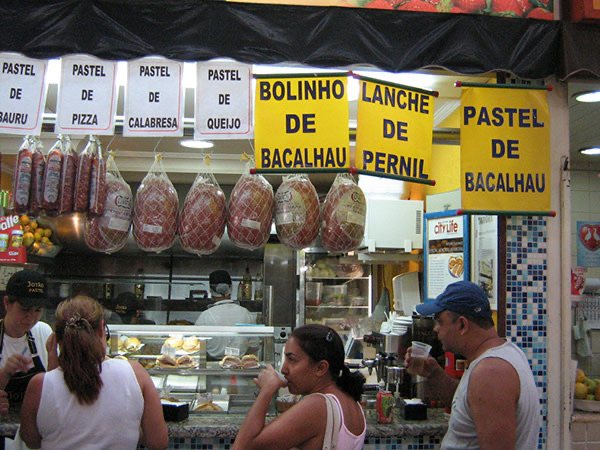
Brazil generally offers a more budget-friendly experience, allowing your money to stretch further. A decent hostel bed in Rio de Janeiro or Sao Paulo might cost around BRL 60-120 ($12-25 USD). A casual meal, like a hearty PFs (Prato Feito) or a large pastel, can be found for BRL 25-50 ($5-10 USD). Local bus fares are typically BRL 4-6 ($0.80-1.20 USD). Entry to attractions like Sugarloaf Mountain or Christ the Redeemer will be a bigger expense, around BRL 100-150 ($20-30 USD) each, but many experiences like beach days are free.
Portugal, while more affordable than many Western European countries, will still demand a higher daily spend. A hostel bed in Lisbon or Porto typically runs EUR 25-40 ($27-43 USD). A petisco (tapas) style meal with a drink might be EUR 15-25 ($16-27 USD), and a decent restaurant dinner can easily hit EUR 30-50 ($32-54 USD). Public transport in cities like Lisbon uses a rechargeable Viva Viagem card, with single metro rides around EUR 1.65 ($1.75 USD). Entry to historical sites like the Belem Tower or Jeronimos Monastery is usually EUR 10-15 ($11-16 USD). Brazil wins on pure affordability for daily expenses.
- Winner: Brazil
- Why: Brazil offers a significantly lower cost of living and travel, making it a better option for budget-conscious explorers.
- Who this matters for: Budget travelers, long-term backpackers, those prioritizing low daily expenses.
🏖️ Beaches & Coastline
Brazil possesses an almost endless coastline, over 7,000 kilometers, with an incredible variety of beaches. From the iconic sands of Copacabana and Ipanema in Rio de Janeiro, with…
Brazil
Portugal
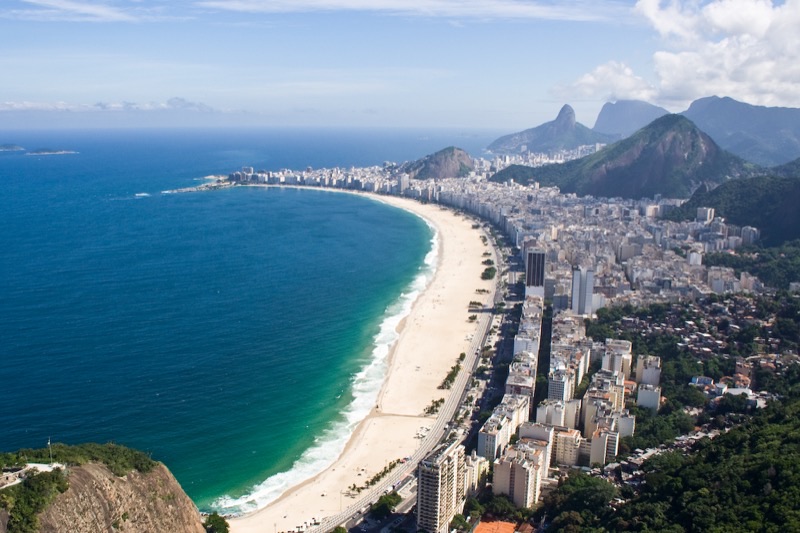
Brazil possesses an almost endless coastline, over 7,000 kilometers, with an incredible variety of beaches. From the iconic sands of Copacabana and Ipanema in Rio de Janeiro, with their energetic atmosphere and street vendors, to the secluded, pristine coves of Fernando de Noronha (requiring a daily environmental preservation tax of about BRL 90-120 or $18-25 USD), Brazil offers every type of beach experience. The northeastern coast has warm, calm waters and natural pools, while the south boasts surf breaks. The sheer scale and diversity of Brazils beaches, often with warmer water temperatures, are hard to match.
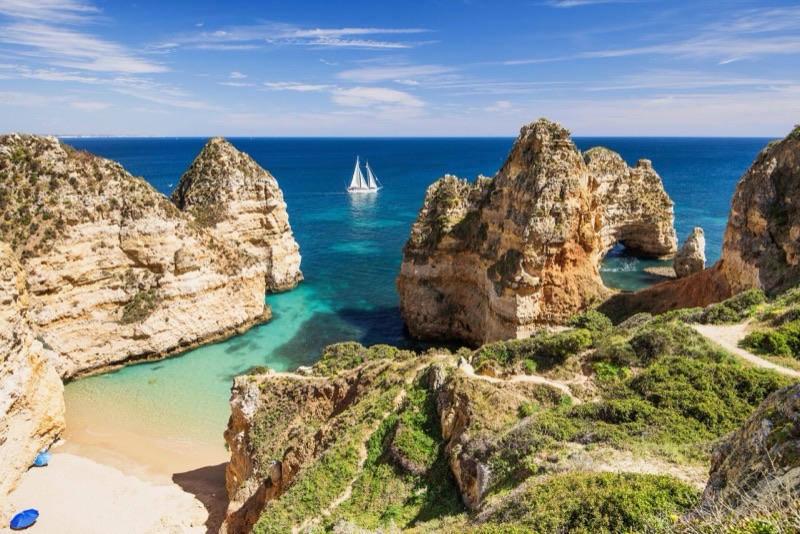
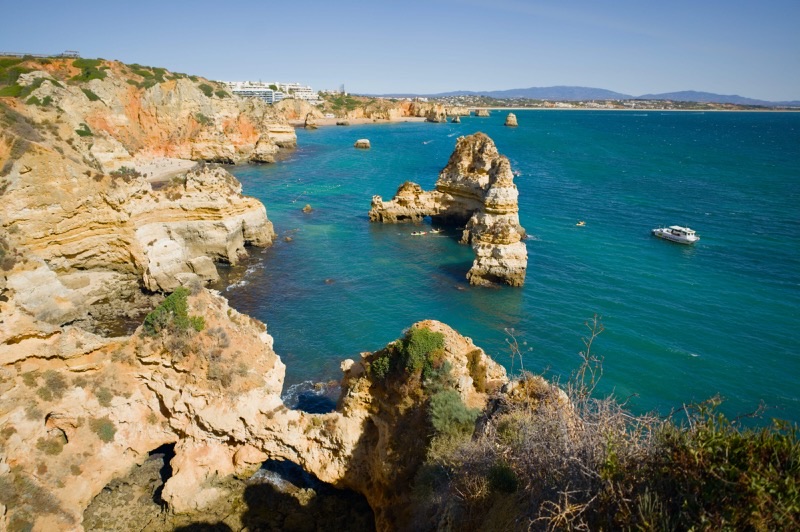
Portugal also offers some truly spectacular beaches, particularly concentrated in the Algarve region, known for its dramatic limestone cliffs, sea caves, and golden sand beaches like Praia da Marinha and Praia de Benagil. The Atlantic coastline further north, near Lisbon and Porto, features expansive surf beaches like Praia do Guincho, popular for watersports, though the water here can be quite cold, even in summer. Accessing Portugals beaches is generally easy, with good infrastructure. However, the overall variety and sheer number of warm water options cannot compete with Brazils offerings. Brazil is the clear leader for beaches.
- Winner: Brazil
- Why: Brazil offers a vastly greater length and variety of coastline, with warmer waters and iconic beach culture.
- Who this matters for: Beach lovers, sun seekers, surfers, those wanting diverse coastal experiences.
🍽️ Food & Drink
Brazilian food is comforting and substantial, often centered around meat, beans, and rice. A churrascaria (Brazilian BBQ) experience can range from BRL 80-200 ($16-40 USD) for an…

Brazil

Portugal
Brazilian food is comforting and substantial, often centered around meat, beans, and rice. A churrascaria (Brazilian BBQ) experience can range from BRL 80-200 ($16-40 USD) for an all-you-can-eat rodizio. Must-try dishes include feijoada (a hearty black bean stew) and moqueca (fish stew), which might cost BRL 60-90 ($12-18 USD) in a good restaurant. Street food like pão de queijo (cheese bread) for BRL 5 ($1 USD) and coxinha (fried chicken croquette) for BRL 8 ($1.60 USD) are readily available. Fresh fruit juices are everywhere. Its a fulfilling cuisine, but perhaps less refined than Portugals.
Portuguese cuisine is a standout, celebrated for its fresh seafood, simple yet incredibly flavorful dishes, and exceptional pastries. Bacalhau (codfish) appears in hundreds of preparations, with a typical bacalhau a bras dish costing EUR 15-25 ($16-27 USD). Grilled sardines, especially in Lisbon during June, are a seasonal treat. The iconic pastel de nata (custard tart) is a pastry dream, usually EUR 1.20-1.50 ($1.30-1.60 USD) at places like Pastéis de Belém. Portugals wine regions, particularly the Douro Valley, produce excellent wines, and a glass of house wine is often EUR 3-5 ($3.20-5.40 USD). The quality, variety, and accessibility of excellent food and wine give Portugal the edge.
- Winner: Portugal
- Why: Portugal offers a more consistently high-quality, diverse, and accessible culinary scene, especially for seafood and wine.
- Who this matters for: Foodies, wine enthusiasts, those who enjoy fresh seafood and delectable pastries.
🏛️ Culture & History
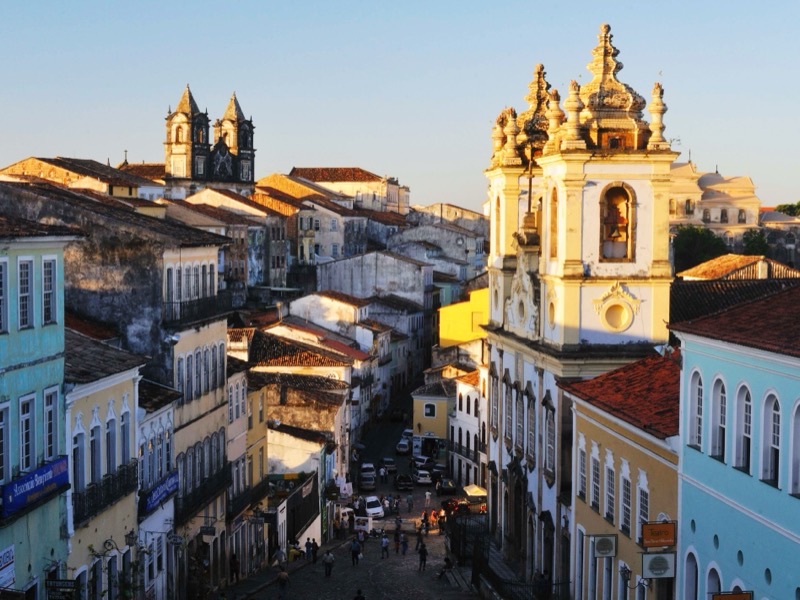
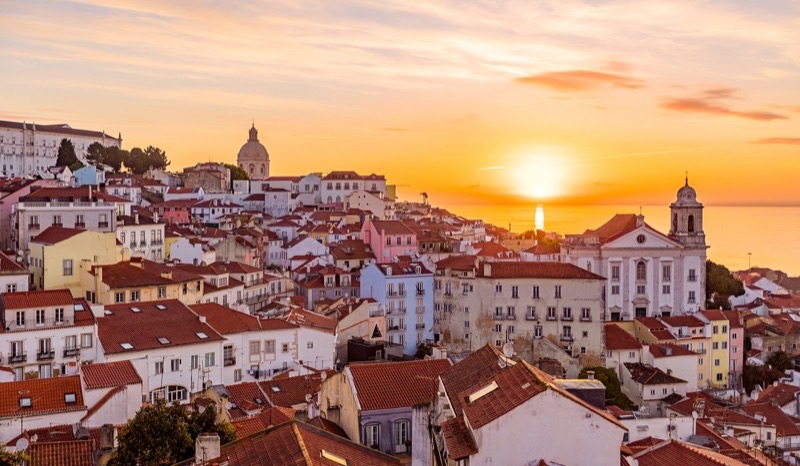
Brazil offers a vibrant, though younger, cultural identity shaped by its colonial past, Indigenous roots, and strong African influence, particularly evident in Salvador. Salvador…
Brazil
Portugal
Brazil offers a vibrant, though younger, cultural identity shaped by its colonial past, Indigenous roots, and strong African influence, particularly evident in Salvador. Salvador is considered the heart of Afro-Brazilian culture, with Candomble religious traditions and capoeira displays. Rio de Janeiros Carnival is a world-famous spectacle, with tickets for the Sambadrome costing BRL 300-2000+ ($60-400+ USD), but street parties are free. Historic colonial towns like Ouro Preto showcase well-preserved baroque architecture. However, Brazils vastness means historical sites are spread out, and many older structures are not as well-maintained as in Europe.
Portugal is a living museum, boasting thousands of years of history visible in its architecture, traditions, and cities. Lisbon offers Moorish castles like Sao Jorge Castle (entry EUR 10 or $11 USD), ancient Roman ruins, and a rich maritime history evident in the Belem Tower and Jeronimos Monastery. Porto, a UNESCO World Heritage site, has medieval alleys and baroque churches. The entire country is dotted with well-preserved castles, monasteries, and ancient sites from various eras. Sintra, with its fairytale palaces like Pena Palace (entry EUR 14 or $15 USD), is easily accessible. Portugals history is more consistently presented and more concentrated, making it easier to absorb. Portugal wins for a deeper and more accessible historical immersion.
- Winner: Portugal
- Why: Portugal provides a more concentrated, accessible, and extensively preserved historical and cultural experience spanning millennia.
- Who this matters for: History buffs, architecture enthusiasts, those interested in ancient European and maritime heritage.
🎉 Nightlife & Entertainment
Brazil is synonymous with celebration and a passionate approach to nightlife. Rio de Janeiro is legendary, with Lapa district offering countless samba clubs and street parties,…

Brazil
Portugal
Brazil is synonymous with celebration and a passionate approach to nightlife. Rio de Janeiro is legendary, with Lapa district offering countless samba clubs and street parties, where a caipirinha might cost BRL 20-30 ($4-6 USD). Sao Paulo has a sophisticated club scene and live music venues. Even smaller cities have energetic local bars where music and dancing are common. The energy is infectious, often extending into the early hours, particularly during Carnival season, where the entire country transforms into a party. The sheer scale and intensity of Brazils nightlife, driven by its musical heritage, are unparalleled.
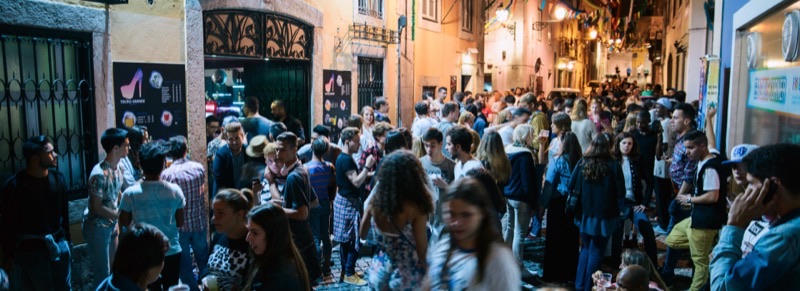
Portugal holds its own with a lively nightlife, particularly in Lisbon and Porto. Lisbons Bairro Alto district comes alive at night with small bars spilling into the streets, where a beer costs around EUR 3-5 ($3.20-5.40 USD). Clubs in areas like Cais do Sodre stay open late. A quintessentially Portuguese experience is an evening of Fado music in Alfama, with dinner and a show costing EUR 30-60+ ($32-65+ USD). While enjoyable and active, Portugals nightlife, even in its biggest cities, doesnt quite match the raw, all-encompassing energy and diverse musical traditions found across Brazil. For a true party experience, Brazil is the winner.
- Winner: Brazil
- Why: Brazil offers an unmatched, energetic, and diverse nightlife scene with world-famous parties and deep musical roots.
- Who this matters for: Partygoers, music lovers, those who enjoy dancing and late-night social experiences.
🏞️ Nature & Outdoors
Brazil is a powerhouse of natural wonders. It contains a significant portion of the Amazon Rainforest, offering tours for spotting wildlife (a multi-day jungle tour might cost BRL…
Brazil is a powerhouse of natural wonders. It contains a significant portion of the Amazon Rainforest, offering tours for spotting wildlife (a multi-day jungle tour might cost BRL 1500-3000+ or $300-600+ USD). The Pantanal, the worlds largest tropical wetland, is a prime spot for jaguar and capybara sightings, with safaris ranging from BRL 1000-2500+ ($200-500+ USD) for a few days. Iguazu Falls, on the border with Argentina, is a geological marvel, with entrance on the Brazilian side around BRL 88 ($18 USD). Chapada Diamantina offers incredible hiking and waterfalls. The sheer scale and raw, untamed nature are immense.
Portugal offers its own compelling natural beauty, primarily focused on its dramatic Atlantic coastline with features like the Praia da Marinha cliffs and the Benagil Cave, accessible by boat tour for EUR 25-40 ($27-43 USD). The Peneda-Gerês National Park in the north provides hiking opportunities, ancient villages, and waterfalls. The Douro Valley offers stunning terraced vineyards along the river, best experienced by a river cruise (EUR 60-100 or $65-108 USD) or scenic drives. While beautiful and accessible, Portugals natural landscapes, though lovely, do not possess the same level of global significance or biodiversity as Brazils vast ecosystems. Brazil is the clear choice for nature enthusiasts.
- Winner: Brazil
- Why: Brazil boasts unparalleled biodiversity and iconic natural landmarks like the Amazon, Pantanal, and Iguazu Falls.
- Who this matters for: Wildlife enthusiasts, adventurers, hikers, those seeking significant natural spectacles.
🚨 Safety & Practicalities
Safety in Brazil is a primary concern for many travelers. While many areas are welcoming, major cities like Rio de Janeiro and Sao Paulo have higher rates of petty crime,…
Safety in Brazil is a primary concern for many travelers. While many areas are welcoming, major cities like Rio de Janeiro and Sao Paulo have higher rates of petty crime, including pickpocketing and muggings. Travelers are advised to avoid displaying valuables, not walk alone at night in unfamiliar areas, and be aware of their surroundings. Learning some basic Portuguese phrases is highly beneficial, as English is not widely spoken outside of major tourist hubs. Public transport can be crowded, and navigating large cities requires common sense precautions. Overall, it demands a higher degree of awareness from the traveler.
Portugal is widely considered a very safe European country, with low crime rates. Travelers can generally feel comfortable exploring cities, even at night, though standard precautions against pickpocketing in crowded tourist areas (like Lisbons tram 28) are always wise. English is spoken by most people working in tourism and by many younger generations, making communication straightforward. Public transport systems are efficient and reliable. Navigating Portugal is comparatively stress-free. For peace of mind and ease of travel, Portugal stands out as the more practical and safer choice for the majority of visitors.
- Winner: Portugal
- Why: Portugal offers a significantly safer and more straightforward travel experience with better English language support.
- Who this matters for: Solo travelers, families, first-time international travelers, those prioritizing safety and ease of navigation.
🚗 Getting Around
Traveling around Brazil presents a challenge due to its immense size. Domestic flights are often necessary for inter-state travel, with prices ranging from BRL 200-800+ ($40-160+…
Traveling around Brazil presents a challenge due to its immense size. Domestic flights are often necessary for inter-state travel, with prices ranging from BRL 200-800+ ($40-160+ USD) depending on distance and booking time. Long-distance buses are an affordable alternative but can involve journeys of 12+ hours for substantial distances. Within cities, public transport like metros in Rio and Sao Paulo are efficient (single ride BRL 6-7 or $1.20-1.40 USD), but buses can be confusing. Ride-sharing apps like Uber and 99 are widely used and inexpensive. The scale of Brazil means significant travel time and planning between destinations.
Portugal is a compact country, making internal travel very efficient. An excellent intercity train network connects major cities like Lisbon and Porto, with tickets often costing EUR 20-35 ($21-38 USD) for a high-speed journey. Buses complement the train network for smaller towns. Within cities, public transport is well-developed; Lisbons metro, trams, and buses are efficient (single ride EUR 1.65 or $1.75 USD). Cities are also very walkable, especially the historical centers. Ride-sharing apps are readily available. The ease, speed, and affordability of getting around Portugal make it a much more pleasant experience for travelers. Portugal is the clear winner here.
- Winner: Portugal
- Why: Portugal offers a highly efficient, affordable, and easy-to-navigate public transport system for both intercity and urban travel.
- Who this matters for: Travelers who prefer efficient logistics, do not want to rent a car, or are on a tighter schedule.
🏨 Accommodation
Accommodation in Brazil offers good value across the board. Hostel dorm beds can be found for BRL 60-120 ($12-25 USD) in major cities. Mid-range hotels or pousadas (guesthouses)…
Accommodation in Brazil offers good value across the board. Hostel dorm beds can be found for BRL 60-120 ($12-25 USD) in major cities. Mid-range hotels or pousadas (guesthouses) often cost BRL 250-500 ($50-100 USD) per night, providing comfortable stays with good amenities. Luxury options are available but still generally more affordable than comparable European counterparts. Booking in advance, especially during Carnival or high season, is crucial as prices can surge. Airbnb is also a popular choice, providing apartments for BRL 150-400 ($30-80 USD) in many areas. The variety and affordability give Brazil an edge here.
Portugal offers a wide array of accommodation, from charming guesthouses and boutique hotels to international chains. Hostel dorm beds in Lisbon or Porto average EUR 25-40 ($27-43 USD). Mid-range hotels typically cost EUR 80-150 ($86-162 USD) per night, offering good standards and often historical settings. Outside of peak season and major cities, prices can drop significantly. Airbnb is also popular but can be more expensive than in Brazil. While Portugals accommodation is of high quality and offers great character, the prices are generally higher than what one would pay for a similar standard in Brazil. Brazil provides better value for money. Brazil takes this category.
- Winner: Brazil
- Why: Brazil generally provides more affordable accommodation options across all categories, from hostels to mid-range hotels.
- Who this matters for: Budget travelers, those seeking longer stays, anyone prioritizing lower lodging costs.
✈️ Flight Logistics
Flights to Brazil, particularly from North America or Europe, are generally longer and can be more expensive. A direct flight from New York to Rio de Janeiro takes around 9-10…
Flights to Brazil, particularly from North America or Europe, are generally longer and can be more expensive. A direct flight from New York to Rio de Janeiro takes around 9-10 hours, while from London it can be 11-12 hours. Round-trip fares from major US hubs typically range from $600-1000+ USD, with layovers common unless flying from a major gateway. Visa requirements for US and Canadian citizens were recently reinstated, requiring an e-visa. This adds a planning step. The overall journey can be quite an undertaking for many travelers.
Flights to Portugal are significantly more convenient for many international travelers. Direct flights from the US East Coast (e.g., New York, Boston) to Lisbon are around 6-7 hours, often available for $500-800+ USD round trip. From major European cities, flights are much shorter, often 2-3 hours. As part of the Schengen Area, many nationalities (including US, Canadian, UK) do not require a visa for stays up to 90 days, simplifying entry. The shorter flight times, often better connectivity, and simpler entry requirements make Portugal a much easier destination to reach. Portugal is the clear winner for flight logistics.
- Winner: Portugal
- Why: Portugal offers shorter, more frequent direct flights from major international hubs and simpler visa requirements for many travelers.
- Who this matters for: Travelers with limited time off, those sensitive to long-haul flights, or those seeking straightforward entry requirements.
🎯 The Decision Framework
Choose Brazil If…
- You want an immersive adventure with immense natural scale (Amazon, Pantanal).
- You are looking for an incredible party scene and vibrant musical culture.
- You are on a tighter budget and want your money to stretch further for daily expenses.
- You love long, warm-water beaches and diverse coastal landscapes.
- You are interested in Afro-Brazilian culture and colonial history.
- You are open to navigating a country with significant cultural differences and a language barrier.
- You enjoy hearty, meat-centric cuisine and fresh tropical fruits.
- You want to experience a truly different side of the Portuguese-speaking world.
Choose Portugal If…
- You prioritize safety, ease of travel, and reliable infrastructure.
- You seek a deep dive into ancient European history and well-preserved medieval towns.
- You appreciate world-class food, particularly seafood, wine, and pastries.
- You prefer shorter flight times and simpler entry requirements from North America or Europe.
- You want an experience where English is widely spoken in tourist areas.
- You enjoy charming cities, picturesque villages, and dramatic coastal scenery.
- You are looking for a relaxing trip with excellent value for a Western European destination.
- You like a country that is easy to navigate by public transport and offers concentrated attractions.
📅 Sample Itineraries
Weekend in Rio de Janeiro (3 Days)
💡 Buy a local SIM card (e.g., Claro or Vivo) upon arrival for around $10-15 to stay connected and use navigation apps efficiently.
Weekend in Lisbon (3 Days)
💡 Get a Viva Viagem card for Lisbon's public transport, load it with 'zapping' credit, and save money on metro, tram, and bus rides compared to single tickets.
One Week in Brazil (7 Days)
💡 Consider domestic flights for longer distances within Brazil to save time, with fares sometimes available for $50-100 if booked in advance.
One Week in Portugal (7 Days)
💡 For budget-friendly meals, look for 'Prato do Dia' (dish of the day) in local restaurants, often including a drink and coffee for $8-12.
❓ Frequently Asked Questions
Which country is cheaper for a two-week trip?
Brazil will generally be cheaper. A mid-range traveler can expect to spend $40-100 USD per day in Brazil for accommodation, food, and local transport, totaling around $560-1400 for two weeks. Portugal, by comparison, will likely cost $70-150 USD per day, or $980-2100 for two weeks, due to higher overall European pricing.
What are the flight times from New York to each country?
A direct flight from New York to Lisbon, Portugal, typically takes around 6-7 hours. For Brazil, a direct flight from New York to Rio de Janeiro or Sao Paulo is longer, usually taking 9-10 hours. Portugal offers a shorter and often more direct journey.
Is it easy to get around if I dont speak Portuguese?
In Portugal, English is widely spoken in tourist areas, hotels, and restaurants, making it relatively easy to navigate without Portuguese. In Brazil, especially outside of major tourist hubs, English is less common, so learning some basic Portuguese phrases is highly recommended for smoother interactions and travel.
Which country offers better options for solo female travelers?
Portugal is generally considered a safer and easier destination for solo female travelers due to its lower crime rates and robust public transport. Brazil requires a higher degree of vigilance and street smarts, especially in larger cities, making Portugal the more comfortable choice for many going alone.
Which destination has better food for vegetarians?
Portugal, with its focus on fresh vegetables and varied side dishes, often has more straightforward vegetarian options, even though seafood is prominent. Brazil can be challenging outside of major cities, as many traditional dishes are meat or fish-based. However, larger Brazilian cities are seeing an increase in vegetarian-friendly restaurants.
What is the best time of year to visit each country for good weather?
For Portugal, late spring (April-May) or early autumn (September-October) offer pleasant temperatures, fewer crowds, and lower prices. For Brazil, the dry season (May-September) is ideal for most regions, especially the Pantanal and Amazon, while coastal areas like Rio are good from May to October, avoiding the peak summer heat and rain.
Are visas required for US citizens for either country?
As of recent changes, US citizens require an e-visa to enter Brazil. Portugal, as part of the Schengen Area, does not require a visa for US citizens for stays up to 90 days within a 180-day period, making entry simpler.
Which country is better for adventure activities like hiking or surfing?
Brazil wins for the sheer scale and variety of adventure. It offers extensive hiking in places like Chapada Diamantina, incredible surf breaks along its vast coastline, and jungle expeditions in the Amazon. Portugal has good hiking in national parks and excellent surf in spots like Nazaré, but Brazil provides a broader range of extreme and diverse outdoor adventures.
Ready to plan your next trip?
Get a free custom itinerary for Brazil, Portugal, or both — built from real traveler insights.
👥 Travelers Also Compared
🎟️ Book Tours & Experiences
Hand-picked tours and activities for both destinations — book with free cancellation
Experiences via Viator — free cancellation on most tours