How we built this comparison
This page combines traveler discussion patterns, published price ranges, flight schedules, and seasonal data to help you decide between Brazil and Scotland.
- Reviewed 50+ Reddit threads from r/travel, r/solotravel, r/Brazil, r/ScotlandTravel, and r/digitalnomad.
- Verified costs and logistics against current booking platforms like Google Flights, Booking.com, and local transport sites.
- Cross-referenced seasonal patterns and weather data from meteorological sources for accuracy.
⚡ Quick Answers
⚡ The TL;DR Verdict
For most travelers seeking a longer trip with more adventure on a mid-range budget, Brazil wins, offering diverse experiences at a lower daily cost. Travelers prioritizing historical sites, comfortable infrastructure, and cooler weather should pick Scotland. Overall, Brazil provides more variety and affordability for an extended stay.
- Choose Brazil: Go for expansive nature, tropical warmth, lively street culture, and a generally lower daily spend. It suits those with more time and a desire for big adventures.
- Choose Scotland: Pick Scotland for ancient castles, dramatic landscapes, whisky culture, and a more structured, easily navigable experience. It is ideal for shorter trips focused on history and outdoors.
- Choose Both: If you have at least 6-8 weeks and a substantial budget, both countries offer distinct experiences. Start with Scotland for a week or two, then head south for a longer Brazil exploration.
Choose Brazil
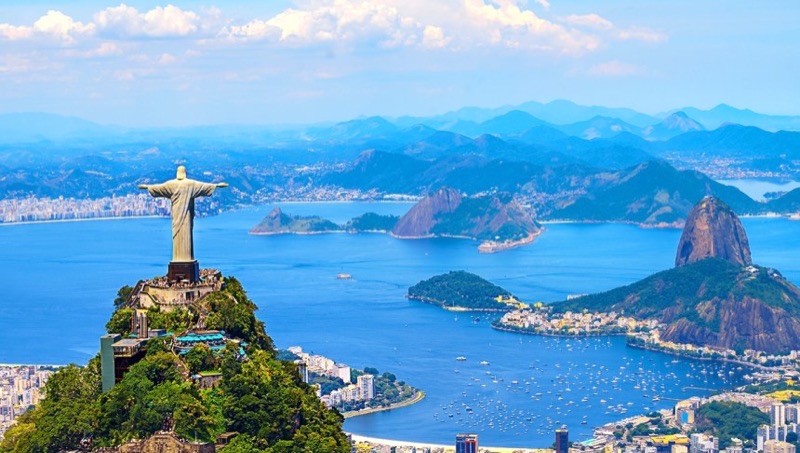
Brazil is ideal for adventure-seeking travelers on a mid-range budget, offering an expansive blend of Amazonian wildlife, the vibrant street culture of Rio de Janeiro, and Bahia's rich Afro-Brazilian heritage. Best for longer trips (3+ weeks), you'll find incredible diversity, lively festivals like Carnival, and a generally lower daily spend for immersive experiences.
Choose Scotland
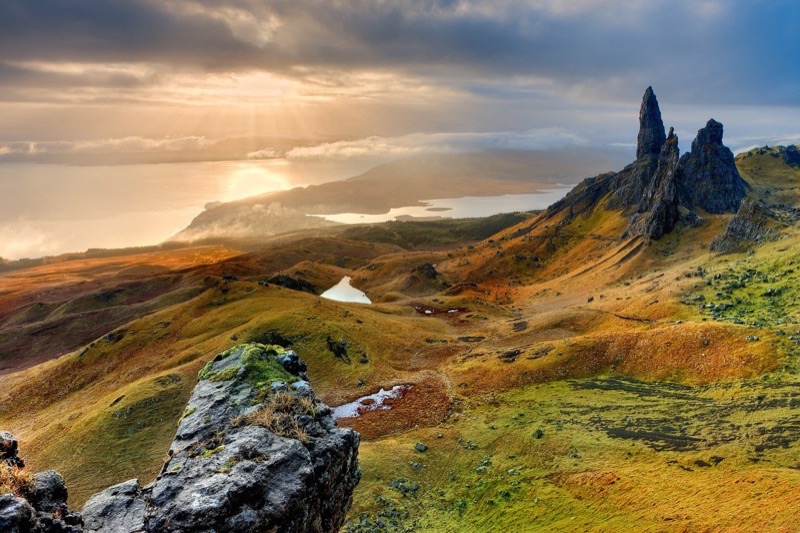
Scotland is perfect for history enthusiasts and those seeking dramatic natural beauty, offering ancient castles like Edinburgh's or Stirling's and the rugged charm of the Scottish Highlands. Best for shorter, easily navigable trips, travelers can indulge in whisky tasting tours, explore historic cities, and enjoy comfortable infrastructure amidst cooler, atmospheric weather.
📊 Visual Scorecard
🌤 When to Visit
Average high temperatures (°C). Green = best months, orange = avoid.
Quick Comparison
| Category | Brazil | Scotland | Winner |
|---|---|---|---|
| Costs & Value | Lower daily expenses for food, transport, and local activities; flights are a major cost. | Higher daily expenses across the board; flights can be cheaper from certain regions. | Brazil |
| Nature & Scenery | Spans Amazon rainforest, Pantanal wetlands, Iguazu Falls, and extensive tropical beaches. | Dramatic Highlands, ancient lochs, rugged coastlines, and islands. | Brazil |
| Food & Drink | Meat-focused dishes, tropical fruits, street food, and fresh juices; caipirinhas are a national drink. | Hearty pub fare, seafood, traditional haggis, and a renowned whisky industry. | Brazil |
| City Life & Nightlife | Energetic street parties, samba clubs, beach bars, and large-scale festivals. | Historic pubs, live music venues, and a relaxed, convivial atmosphere. | Brazil |
| Culture & History | Portuguese colonial past, Afro-Brazilian heritage, Indigenous influences, and modern art. | Ancient castles, clan history, Roman occupation, Jacobite uprisings, and literary figures. | Scotland |
| Getting There & Around | Long-haul flights to major hubs; extensive internal bus network, domestic flights. | Shorter flights from many global cities; good train and bus network, easy car rentals. | Scotland |
| Safety & Health | Higher rates of street crime in major cities; health precautions like mosquito protection are important. | Generally low crime rates; standard European health precautions apply. | Scotland |
| Accommodation | Wide range from budget hostels to luxury resorts, with good value for money. | Hostels, guesthouses, B&Bs, and hotels; generally higher prices, especially in cities. | Brazil |
| Weather & Seasons | Tropical and subtropical climates; generally warm year-round with distinct wet and dry seasons. | Temperate climate; cool summers, cold winters, frequent rain, significant seasonal changes. | Brazil |
| Solo Travel & Socializing | Opportunities to meet people in hostels and at lively events, but safety requires vigilance. | Friendly pub culture and outdoor groups, generally very safe for solo exploration. | Scotland |
💰 Costs & Value
Brazil offers better daily value, assuming international flight costs are handled. A budget traveler can manage on R$250-R$400 ($50-$80 USD) per day, staying in hostels, eating…

Brazil
Scotland
Brazil offers better daily value, assuming international flight costs are handled. A budget traveler can manage on R$250-R$400 ($50-$80 USD) per day, staying in hostels, eating local meals (a 'prato feito' is R$25-R$40, or $5-$8 USD), and using public transport. Mid-range budgets around R$500-R$900 ($100-$180 USD) allow for comfortable hotels, nicer restaurants like a 'churrascaria' (R$80-R$150, or $16-$30 USD), and tours. Key expenses like a caipirinha often cost R$15-R$30 ($3-$6 USD). Internal flights or long-distance buses are needed for extensive travel, adding to overall costs.
Scotland's daily expenses are higher. A budget traveler should plan for at least £90-£150 ($110-$180 USD) per day, covering hostel beds (£30-£50, or $36-$60 USD), supermarket meals, or pub lunches (£12-£20, or $15-$24 USD), and local buses. Mid-range travel means £150-£250 ($180-$300 USD) for comfortable B&Bs, restaurant dinners (£25-£40, or $30-$48 USD), and attraction entries (Edinburgh Castle: £18.50, or $22 USD). A dram of whisky often costs £5-£15 ($6-$18 USD). Scotland is excellent for those who dont mind paying more for reliable services. Brazil provides more travel for your money on a day-to-day basis.
- Winner: Brazil
- Why: Brazil offers significantly lower daily expenses for accommodation, food, and local transport, making a longer trip more feasible.
- Who this matters for: Budget-conscious travelers and those planning extended trips.
🏞️ Nature & Scenery
Brazil offers a scale of natural environments few countries can match. The Amazon rainforest dominates the north, providing opportunities for boat trips from Manaus to spot…
Brazil
Scotland
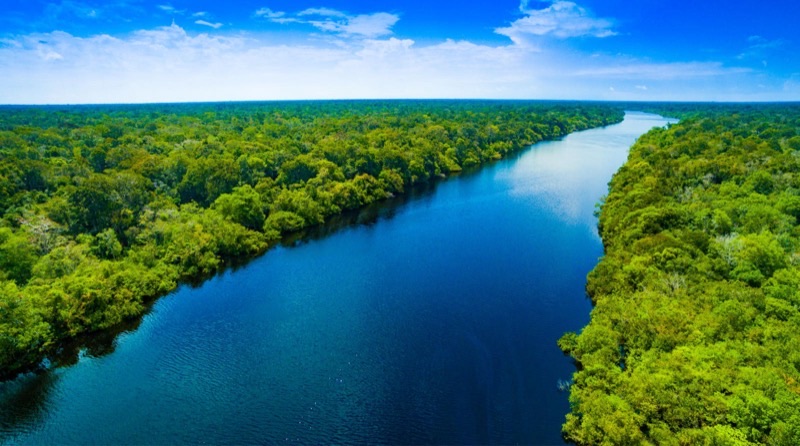
Brazil offers a scale of natural environments few countries can match. The Amazon rainforest dominates the north, providing opportunities for boat trips from Manaus to spot wildlife. The Pantanal wetlands are arguably the best place in South America for observing jaguars, capybaras, and caimans, with tours from Campo Grande or Cuiaba. The Iguazu Falls on the border with Argentina are immense, a powerful display of water. The coastline boasts countless beaches, from Rio de Janeiros Copacabana and Ipanema to the remote dunes of Lençóis Maranhenses and the surf breaks of Florianopolis. The diversity here is immense, from mountains to mangroves.
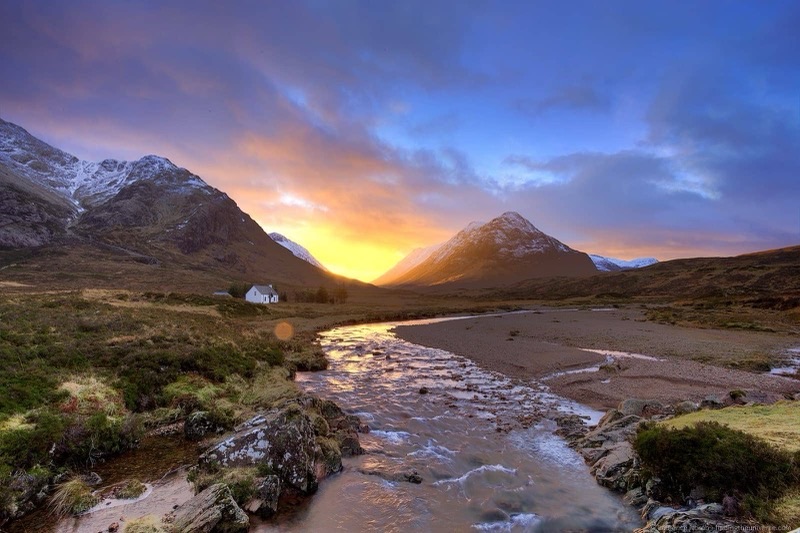
Scotland presents a different kind of natural beauty, defined by its rugged, ancient landscapes. The Highlands offer expansive, treeless mountains, deep glens, and famous lochs like Loch Ness, known for its deep, cold waters. The Isle of Skye provides some of the most dramatic coastal scenery with geological formations like the Old Man of Storr and the Fairy Pools. The Outer Hebrides present remote, windswept beaches and moorland. Scotland's natural appeal is raw, atmospheric, and often feels untouched by time. While both countries have compelling natural spaces, Brazil's sheer size and range of ecosystems offer more diverse experiences. Brazil's nature is more varied and on a grander scale.
- Winner: Brazil
- Why: Brazil's natural environments encompass an unparalleled range, from the Amazon to vast wetlands and tropical beaches.
- Who this matters for: Travelers seeking extreme ecological diversity and large-scale natural wonders.
🍽️ Food & Drink
Brazilian food is a celebration of flavor and regional differences. A 'churrascaria' offers an all-you-can-eat parade of grilled meats like picanha and feijoada, a black bean…
Brazil
Scotland
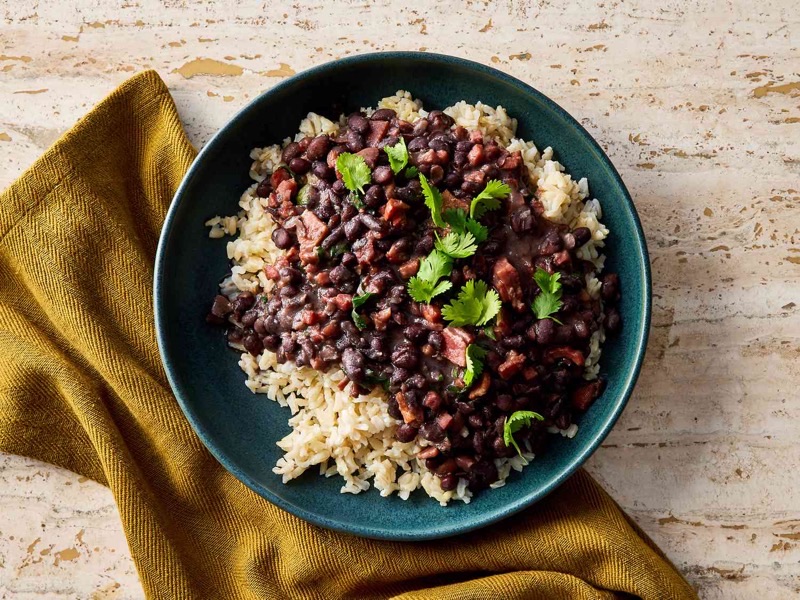
Brazilian food is a celebration of flavor and regional differences. A 'churrascaria' offers an all-you-can-eat parade of grilled meats like picanha and feijoada, a black bean stew, is a staple. Street food includes 'pão de queijo' (cheese bread) and 'coxinha' (chicken croquettes), often R$5-R$10 ($1-$2 USD). Fresh tropical fruits are abundant, and juice bars ('sucos') are everywhere. The caipirinha, made with cachaça, lime, and sugar, is the national cocktail, widely available for R$15-R$30 ($3-$6 USD). Seafood is prominent on the coast, and the Northeastern region has its own distinct, often spicier, dishes.
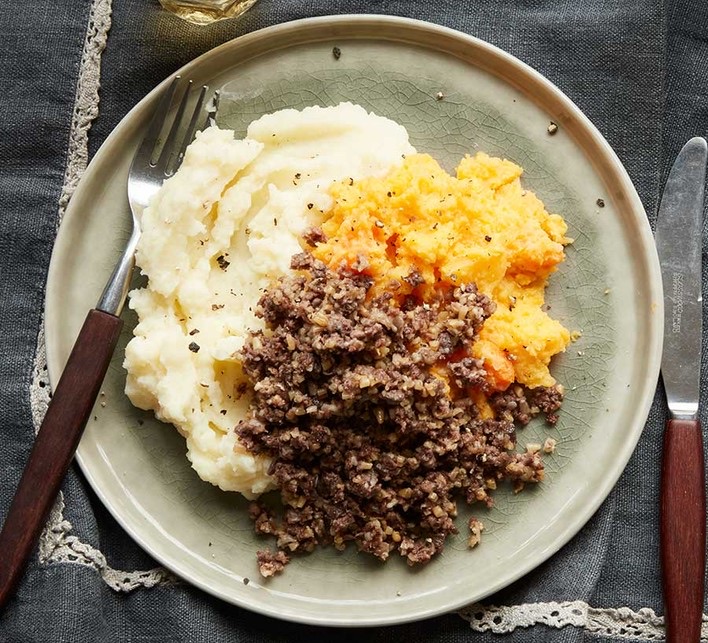
Scottish food centers on hearty, warming dishes, ideal for cooler weather. Haggis, neeps, and tatties is a quintessential meal. Fish and chips are widely available, especially in coastal towns. Scottish salmon and shellfish are excellent. Cullen Skink, a smoked haddock soup, is a local specialty. Pubs serve traditional fare, and a full Scottish breakfast is substantial. The drink scene is dominated by whisky, with distilleries like Glenkinchie or Ardbeg offering tours and tastings. Craft beer is also growing. While Scotland has its strong points, Brazil's culinary landscape is broader and more accessible for daily dining. Brazil wins for its sheer variety and daily accessibility.
- Winner: Brazil
- Why: Brazil provides a greater diversity of flavors, fresh ingredients, and more budget-friendly daily meal options across regions.
- Who this matters for: Food explorers who enjoy diverse street food and meat-centric meals, tropical fruits, and lively drink culture.
🌃 City Life & Nightlife
Brazilian cities, particularly Rio de Janeiro and Sao Paulo, offer an unparalleled energy after dark. In Rio, Lapa is famous for its arches and street parties that spill out of…

Brazil
Scotland
Brazilian cities, particularly Rio de Janeiro and Sao Paulo, offer an unparalleled energy after dark. In Rio, Lapa is famous for its arches and street parties that spill out of samba clubs like Rio Scenarium. Beach kiosks along Copacabana and Ipanema stay open late, serving caipirinhas. Sao Paulo has a sophisticated bar and club scene in neighborhoods like Vila Madalena. Salvador offers street performances and Afro-Brazilian music. Carnival is the ultimate expression of Brazilian celebration, transforming cities into massive, spontaneous parties. The atmosphere is generally open, loud, and encourages participation. Expect late nights and a focus on dancing.
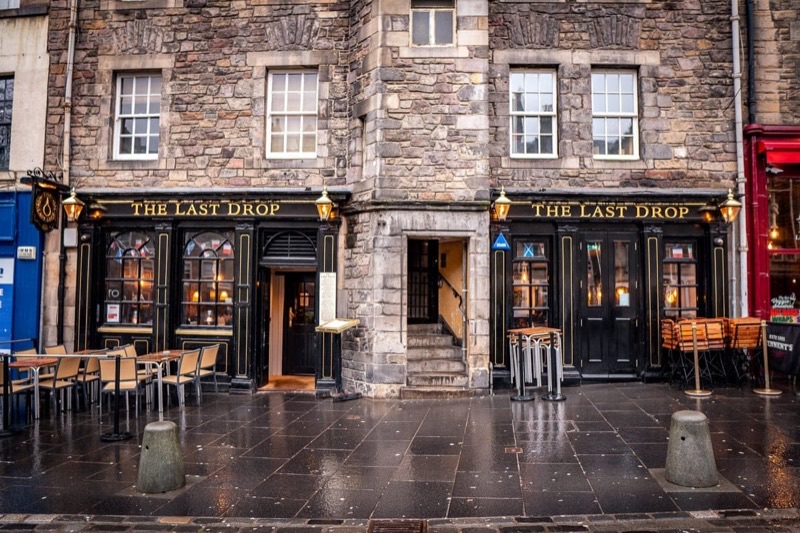
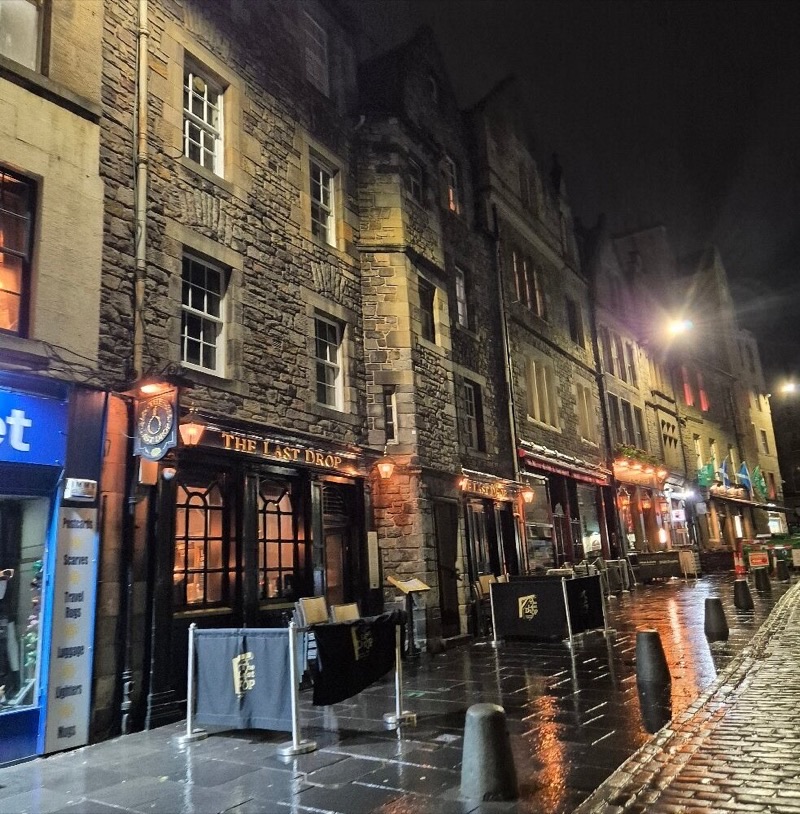
Scottish city life centers on its historic pubs and live music. Edinburgh's Old Town has many traditional pubs with real ales and often folk music sessions. Glasgow is a UNESCO City of Music, with many venues hosting everything from rock to electronic music, and its pub scene is extensive. The nightlife is more focused on indoor venues, though summer evenings can see people socializing outdoors. While Scotland has a friendly, welcoming pub culture, Brazil's nightlife is more outwardly expressive, large-scale, and infused with dance and street energy. Brazil offers a more effusive and engaging city experience.
- Winner: Brazil
- Why: Brazil's city life and nightlife are defined by incredible energy, spontaneous street parties, and deep-rooted music and dance culture.
- Who this matters for: Party-goers, dance enthusiasts, and those seeking vibrant social interaction.
🏛️ Culture & History
Brazil's culture reflects its diverse origins: Indigenous, Portuguese, and African. Colonial architecture is prominent in cities like Salvador and Ouro Preto, both UNESCO sites.…
Brazil

Scotland
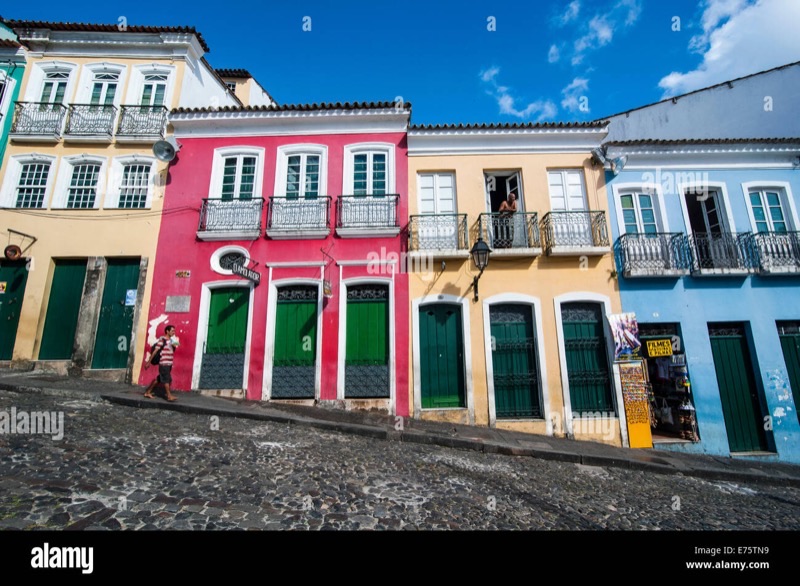
Brazil's culture reflects its diverse origins: Indigenous, Portuguese, and African. Colonial architecture is prominent in cities like Salvador and Ouro Preto, both UNESCO sites. Salvador is a center of Afro-Brazilian culture, with Candomblé traditions and capoeira displays. Indigenous cultures are still present in parts of the Amazon. Modern Brazilian culture encompasses samba, bossa nova, and significant contributions to art and architecture. The history is complex, marked by slavery and independence, with museums like the Museu do Amanha in Rio de Janeiro exploring contemporary issues. However, historical sites are often spread out across a large country.
Scotland's history is dense and visible at every turn. Edinburgh Castle dominates the capital, a site of continuous occupation for centuries. Stirling Castle is another major historical landmark. Roman influence is visible at sites like Antonine Wall. The history of clans, Jacobite rebellions, and figures like Robert the Bruce and Mary Queen of Scots permeates the landscape and storytelling. Museums like the National Museum of Scotland in Edinburgh are exceptional. The country's literary heritage, from Robert Burns to Sir Walter Scott, is deeply ingrained. For travelers prioritizing visible, accessible historical sites and a strong sense of national narrative, Scotland provides a more concentrated experience. Scotland offers a more accessible and concentrated historical experience.
- Winner: Scotland
- Why: Scotland's historical sites are abundant, well-preserved, and easily accessible, providing a deeper dive into ancient and medieval European history.
- Who this matters for: History buffs, enthusiasts of castles and ancient lore, and those preferring easily accessible historical sites.
✈️ Getting There & Around
Getting to Brazil typically involves long-haul flights into major hubs like Sao Paulo (GRU) or Rio de Janeiro (GIG). From the US East Coast, direct flights can be around 9-10…
Getting to Brazil typically involves long-haul flights into major hubs like Sao Paulo (GRU) or Rio de Janeiro (GIG). From the US East Coast, direct flights can be around 9-10 hours, costing $600-$1000 USD round trip. From Europe, flights are longer, 10-12 hours. Once inside Brazil, intercity buses are extensive and relatively affordable, but journeys can be very long (e.g., Rio to Iguazu is 20+ hours). Domestic flights are available from airlines like LATAM and GOL, but can be expensive if not booked far in advance. Traffic in large cities is a significant concern.
Scotland is generally easier to reach, especially from North America and Europe. Direct flights from the US East Coast to Edinburgh (EDI) or Glasgow (GLA) can be 6-7 hours, often costing $500-$800 USD round trip. From major European cities, flights are 1-3 hours and inexpensive. Getting around Scotland is efficient. A good train network connects major cities (e.g., Edinburgh to Glasgow is ~1 hour). Buses are comprehensive, reaching smaller towns. Car rental is straightforward for exploring the Highlands. The compact size of Scotland makes internal travel far less time-consuming. Scotland's transport infrastructure is more comfortable and efficient for visitors. Scotland wins for its convenient and efficient travel options.
- Winner: Scotland
- Why: Scotland offers shorter flight times from many international origins and a highly efficient, compact internal transport system.
- Who this matters for: Travelers with limited time, those sensitive to long flights, and those preferring easy navigation.
🚨 Safety & Health
Brazil presents higher safety concerns, particularly in major cities like Rio de Janeiro, Salvador, and Sao Paulo. Street crime, including pickpocketing and muggings, is common,…
Brazil presents higher safety concerns, particularly in major cities like Rio de Janeiro, Salvador, and Sao Paulo. Street crime, including pickpocketing and muggings, is common, especially at night or in less touristy areas. Travelers should avoid displaying valuables and be aware of their surroundings. Certain areas, like favelas, require guided tours. Health-wise, mosquito-borne illnesses (dengue, Zika) are present in some regions, necessitating repellent and protective clothing. Tap water is generally not safe to drink, and yellow fever vaccination may be required for certain areas. Medical care varies in quality.
Scotland is generally a very safe country for travelers. Crime rates are low, and common sense precautions, like not leaving belongings unattended, are sufficient. Violent crime against tourists is rare. The biggest 'dangers' are often related to weather conditions in the Highlands (e.g., getting lost in fog, slippery paths). Health standards are high, with readily available medical care. Tap water is safe to drink everywhere. No special vaccinations are typically required beyond routine ones. For travelers prioritizing peace of mind and minimal health risks, Scotland is a clear choice. Scotland offers a more secure and worry-free travel environment.
- Winner: Scotland
- Why: Scotland has significantly lower crime rates and a more robust, easily accessible public health infrastructure.
- Who this matters for: Solo travelers, families, and those who prioritize personal security and reliable healthcare access.
🏨 Accommodation
Brazil offers a diverse range of accommodation options, often at better price points than Scotland. Hostels are plentiful in cities and popular beach towns, with dorm beds costing…
Brazil offers a diverse range of accommodation options, often at better price points than Scotland. Hostels are plentiful in cities and popular beach towns, with dorm beds costing R$80-R$150 ($16-$30 USD) per night. Pousadas (guesthouses) are common, offering a more personal touch and often include breakfast, typically R$150-R$300 ($30-$60 USD). Mid-range hotels are widely available for R$250-R$500 ($50-$100 USD), and luxury resorts are found in coastal areas and major cities. Online booking platforms are widely used, and quality is generally good, especially in established tourist areas. Value for money is a key advantage.
Scotland's accommodation landscape is well-developed but typically more expensive. Hostels in cities like Edinburgh or Glasgow average £25-£50 ($30-$60 USD) for a dorm bed. Bed and breakfasts (B&Bs) are a popular choice, particularly outside major cities, offering a cozy experience and often a full Scottish breakfast, usually £80-£150 ($100-$180 USD) per night. Hotels, from budget chains to boutique options, are abundant but costly, especially during peak season or in popular areas like Edinburgh. Accommodation in the Highlands can be limited and pricier. While Scotland's quality is high, Brazil offers more for a given budget. Brazil provides superior value and choice in lodging.
- Winner: Brazil
- Why: Brazil generally provides more affordable and varied accommodation options, offering greater value for traveler budgets.
- Who this matters for: Travelers seeking good value accommodation or those on a tighter budget.
☀️ Weather & Seasons
Brazil's climate is predominantly tropical, meaning warm or hot temperatures year-round, with regional variations and distinct wet and dry seasons. The northeast experiences…
Brazil's climate is predominantly tropical, meaning warm or hot temperatures year-round, with regional variations and distinct wet and dry seasons. The northeast experiences consistent warmth and sunshine. The Amazon region is hot and humid year-round with heavy rainfall. The south, including cities like Curitiba, can have cooler winters but still generally mild. The peak dry season (winter in the southern hemisphere, June-August) is often ideal for travel, especially to the Pantanal or for hiking. For beach lovers, there is always a warm region to visit, although heavy rain showers can occur. The general availability of sunshine and warmth is a major draw.
Scotland has a temperate maritime climate, characterized by cool summers, mild but often wet winters, and frequent weather changes. Average summer temperatures (July-August) are around 15-17°C (59-63°F), while winter averages (December-February) are 2-7°C (36-45°F). Rainfall is common throughout the year, with the west coast receiving more. Spring and autumn can be beautiful but unpredictable. While the long daylight hours in summer are appealing for outdoor activities, the weather can be damp and chilly. For travelers who prioritize consistent warmth and sunshine, Brazil is a far better choice. Brazil offers more reliable warm weather for travel.
- Winner: Brazil
- Why: Brazil offers warm, tropical weather across most regions year-round, making it a better choice for sun-seekers.
- Who this matters for: Travelers who prioritize warm weather, beach activities, and sunshine for their trip.
🚶♀️ Solo Travel & Socializing
Solo travel in Brazil is rewarding but requires more caution, especially regarding personal safety. Hostels are numerous and excellent for meeting other travelers, particularly in…
Solo travel in Brazil is rewarding but requires more caution, especially regarding personal safety. Hostels are numerous and excellent for meeting other travelers, particularly in popular spots like Rio de Janeiro, Florianopolis, or Salvador. Brazilians are generally friendly and welcoming, and striking up conversations, especially with some basic Portuguese, is common. Group tours to attractions like Iguazu Falls or the Amazon also provide social opportunities. However, solo travelers, particularly women, need to be extra vigilant, avoid walking alone at night, and be mindful of belongings. The language barrier can also be a challenge outside major tourist areas.
Scotland is an excellent destination for solo travelers. Its low crime rates mean exploring cities and the countryside alone is generally very safe. The pub culture is naturally social, making it easy to strike up conversations with locals and other travelers. Hostels are plentiful and well-maintained across the country, especially in cities and popular hiking areas like the Isle of Skye. Organized tours, particularly whisky distillery tours or Highland excursions, are popular ways to meet people. The compact size and efficient public transport also make solo navigation simple. For overall ease, security, and natural social opportunities, Scotland stands out. Scotland offers a more comfortable and secure solo travel experience.
- Winner: Scotland
- Why: Scotland is exceptionally safe for solo travelers and its social environment, especially in pubs, facilitates easy interaction.
- Who this matters for: Solo travelers, particularly women, and those prioritizing safety and ease of meeting others in a relaxed setting.
🎯 The Decision Framework
Choose Brazil If…
- You want extensive tropical beaches and year-round warmth.
- You prioritize a lower daily budget for food, drinks, and activities.
- You are looking for electrifying city nightlife and street parties.
- You want to explore the Amazon, Pantanal, or Iguazu Falls.
- You enjoy meat-centric cuisine, tropical fruits, and cachaça.
- You have a longer trip duration (3+ weeks) to justify the long flight.
- You are comfortable with a greater need for safety awareness in urban areas.
- You are interested in Afro-Brazilian culture and Portuguese colonial history.
Choose Scotland If…
- You want to visit ancient castles and explore deep history.
- You prefer cooler weather, dramatic landscapes, and lochs.
- You are keen on whisky distillery tours and pub culture.
- You have a shorter trip duration (1-2 weeks) from Europe or North America.
- You prioritize a very safe and easily navigable travel environment.
- You enjoy hiking and outdoor activities in cooler climates.
- You seek a travel experience with efficient public transport and good infrastructure.
- You appreciate hearty pub food and fresh seafood.
📅 Sample Itineraries
Weekend in Rio de Janeiro (3 Days)
💡 Purchase a 'Rio Card' for public transport to save money and time, costing around R$25 for a loaded card with a few rides.
Weekend in Edinburgh (3 Days)
💡 Book Edinburgh Castle tickets online in advance to skip queues, especially during peak season, saving 30-60 minutes waiting time.
One Week in Brazil (7 Days)
💡 For Iguazu Falls, bring a waterproof bag and wear quick-drying clothes, especially if you plan on taking the boat ride under the falls, which is an extra cost but highly recommended.
One Week in Scotland (7 Days)
💡 Consider purchasing a Historic Scotland Explorer Pass (£35-65 for 3-7 days) if you plan to visit multiple castles and historic sites, as it offers significant savings on entry fees.
❓ Frequently Asked Questions
What is the typical flight time and cost from the US to Brazil versus Scotland?
From the US East Coast, a direct flight to Brazil (e.g., NYC to Rio) takes around 9-10 hours, costing $600-$1000 USD. To Scotland (e.g., NYC to Edinburgh) it is about 6-7 hours, costing $500-$800 USD. West Coast flights are significantly longer for both, often requiring connections.
Which country is more expensive for daily expenses?
Scotland is generally more expensive. A mid-range daily budget for Brazil is about $100-$180 USD, while for Scotland, it is $180-$300 USD. This covers accommodation, food, and local transport, excluding major tours.
What are the main safety considerations for each country?
Brazil has higher rates of street crime in major cities; vigilance with belongings and avoiding certain areas at night is important. Scotland is very safe, with low crime rates, requiring only standard precautions you would take in any city.
Which destination is better for solo female travelers?
Scotland is generally a better choice for solo female travelers due to its very low crime rates and ease of navigation. Brazil can be done solo but requires more heightened awareness and caution, particularly in urban environments and after dark.
What kind of weather can I expect in each country?
Brazil generally offers warm to hot, tropical weather year-round, with distinct wet and dry seasons varying by region. Scotland has a temperate climate with cool summers (15-17°C) and cold, often wet winters (2-7°C), and frequent weather changes throughout the day.
Is English widely spoken in both countries?
In Scotland, English is the primary language, so communication is easy. In Brazil, Portuguese is the official language. While English speakers can be found in major tourist areas, outside of these, knowing some basic Portuguese phrases is highly beneficial for daily interactions.
Which country has better public transportation for tourists?
Scotland has a more efficient and comprehensive public transport system (trains, buses) that is easy to use for tourists. Brazil has an extensive bus network, but journeys can be very long, and urban transport can be challenging in large cities.
What is a recommended minimum trip length for each?
For Scotland, a minimum of 7-10 days allows for a good exploration of Edinburgh, Glasgow, and a taste of the Highlands. For Brazil, due to its size and travel times, at least 2-3 weeks is recommended to experience a few distinct regions without feeling rushed.
Ready to plan your next trip?
Get a free custom itinerary for Brazil, Scotland, or both — built from real traveler insights.
👥 Travelers Also Compared
🎟️ Book Tours & Experiences
Hand-picked tours and activities for both destinations — book with free cancellation
Experiences via Viator — free cancellation on most tours