How we built this comparison
This page combines traveler discussion patterns, published price ranges, flight schedules, and seasonal data to help you decide between Brazil and Senegal.
- Reviewed 50+ Reddit threads from r/travel, r/solotravel, r/brazil, r/Senegal, and related communities.
- Verified costs and logistics against current booking platforms like Google Flights, Booking.com, and local tour operators.
- Cross-referenced seasonal patterns and weather data from meteorological sources for optimal travel times.
⚡ Quick Answers
⚡ The TL;DR Verdict
For most travelers seeking a broader array of activities, more developed infrastructure, and a more straightforward travel experience, Brazil stands out. Senegal offers a more challenging, yet deeply rewarding, journey into West African culture and nature for those on a tighter budget or seeking a less trodden path. Budget travelers can expect to spend $40-100/day in Senegal, while Brazil typically requires $70-150/day.
- Choose Brazil: You want varied landscapes, energetic cities, a well-established tourist circuit, and accessible beaches, all with a lively atmosphere. You are comfortable with mid-range budgets.
- Choose Senegal: You seek a deep dive into West African culture, unique natural experiences, and are comfortable with a more rustic travel style. Your budget is tighter, or you prefer less tourist traffic.
- Choose Both: If you have 4-6 weeks and want to experience both continents. Start with Brazil for its broad appeal, then transition to Senegal for a contrasting cultural immersion.
Choose Brazil
Choose Brazil for an unforgettable journey into diverse landscapes and pulsating culture, ideal for those seeking vibrant city life in Rio de Janeiro, exploring the Amazon rainforest, or relaxing on accessible beaches. It's best for travelers who prioritize developed infrastructure, a wide array of activities, and a lively, straightforward travel experience, comfortable with a mid-range budget.
Choose Senegal
Opt for Senegal if you crave an authentic, deeply rewarding journey into West African culture, perfect for adventurous travelers on a tighter budget or those seeking a less trodden path. Explore the bustling markets of Dakar, discover unique wildlife in Djoudj National Park, and engage with local traditions for an experience that prioritizes cultural immersion over mainstream tourism.
📊 Visual Scorecard
🌤 When to Visit
Average high temperatures (°C). Green = best months, orange = avoid.
Quick Comparison
| Category | Brazil | Senegal | Winner |
|---|---|---|---|
| Costs & Budget | Mid-range daily budget, accommodation can be higher in popular cities, food is reasonably priced. | Budget-friendly, lower costs for local food and transport, accommodation varies. | Senegal |
| Beaches & Coastline | Extensive, varied coastline with city beaches, calm coves, and surfing spots; well-developed infrastructure. | Atlantic coast with fishing villages, surf breaks, and unique pink lake; less developed for tourism. | Brazil |
| Food & Drink | Diverse regional cuisines, rich in flavors from indigenous, European, and African influences, with lively street food and drinks. | Flavorful West African staples, fresh seafood, and unique local beverages, often found in communal settings. | Brazil |
| Nightlife & Entertainment | Legendary parties, live music (samba, bossa nova), active bars, and dance clubs in major cities. | Local live music (mbalax), intimate bars, and social gatherings, often centered around community. | Brazil |
| Culture & History | A blend of indigenous, African, and European influences; colonial architecture, samba, capoeira, and vibrant festivals. | Rich West African heritage, Sufi traditions, colonial history, vibrant markets, and strong oral traditions. | Brazil |
| Nature & Activities | Amazon Rainforest, Iguazu Falls, Pantanal wetlands, diverse national parks for hiking, wildlife viewing, and adventure sports. | Wildlife reserves, national parks (Djoudj, Saloum Delta), Lac Rose, and opportunities for birdwatching and fishing. | Brazil |
| Getting There & Flights | Direct flights from North America and Europe to major hubs, varying flight durations and costs. | Direct flights from Europe, fewer direct from North America, generally shorter flight times from Europe. | Tie |
| Getting Around | Extensive long-distance bus network, city metros, ride-sharing, and domestic flights for efficiency. | Shared taxis (sept-places), local buses, and private car hires, often requiring patience and negotiation. | Brazil |
| Safety & Practicalities | Requires awareness of petty crime in cities, generally safe with precautions; healthcare varies. | Generally safe, but petty crime exists; cultural differences require sensitivity; healthcare is basic outside Dakar. | Tie |
| Accommodation | Wide range of options from hostels to luxury hotels, well-established booking platforms, diverse styles. | Fewer international chains, more local guesthouses, modest hotels, and resort options mainly in coastal areas. | Brazil |
💰 Costs & Budget
Brazil offers a mid-range daily budget experience, typically ranging from $70-150 USD per person per day for a comfortable trip, not including major flights. Accommodation in…
Brazil
Senegal
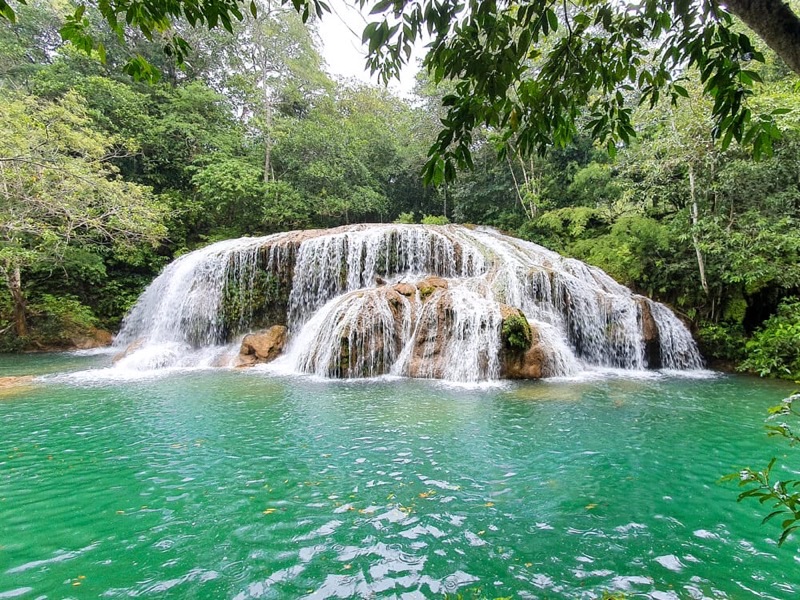
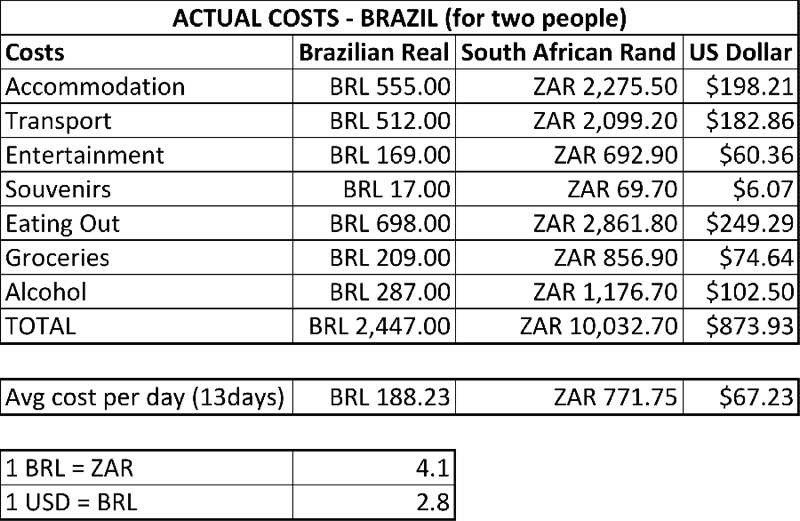
Brazil offers a mid-range daily budget experience, typically ranging from $70-150 USD per person per day for a comfortable trip, not including major flights. Accommodation in cities like Rio de Janeiro or Sao Paulo can cost 200-500 BRL ($40-100 USD) for a decent hostel or budget hotel room. Eating out at a mid-range restaurant costs around 60-120 BRL ($12-24 USD) per meal, while street food like Pao de Queijo or Acaraje costs significantly less, around 5-20 BRL ($1-4 USD). Transport via metro or bus in major cities is affordable, usually 4-7 BRL ($0.80-1.40 USD) per ride. Activities such as Sugarloaf Mountain entrance are around 160 BRL ($32 USD).
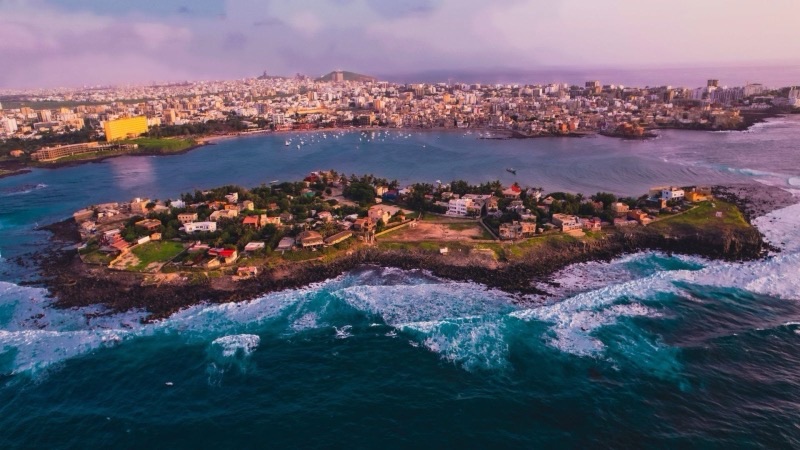
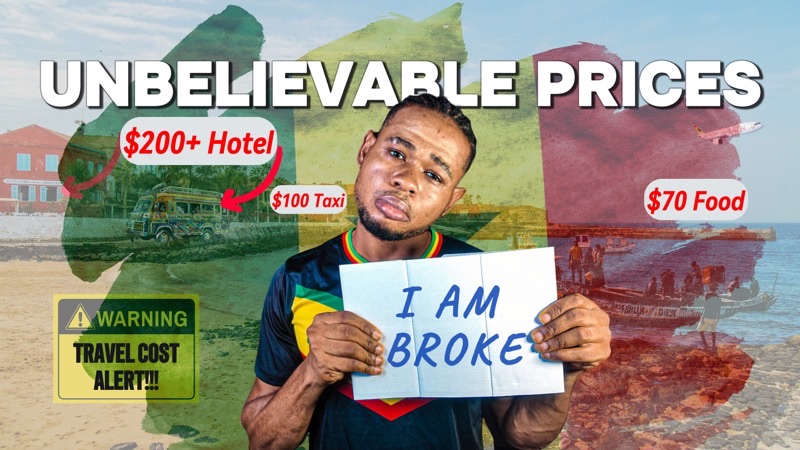
Senegal is generally more budget-friendly, with daily costs for a comfortable trip typically falling between $40-100 USD per person, excluding major flights. Basic guesthouses or small hotels in Dakar or Saint-Louis can be found for 15,000-30,000 XOF ($25-50 USD) per night. Local food, such as Thieboudienne or Yassa, is very inexpensive, often 2,000-5,000 XOF ($3.50-8.50 USD) at local eateries. Street food like brochettes or fataya can be as low as 500-1,000 XOF ($0.85-1.70 USD). Public transport, like shared sept-places taxis, is very cheap, often a few hundred XOF for short distances, but might require negotiation. Entrance fees for sites like Goree Island ferry are around 5,000 XOF ($8.50 USD). Senegal wins on pure cost-effectiveness for everyday expenses.
- Winner: Senegal
- Why: Senegal provides a significantly lower daily spend for accommodation, food, and local transportation.
- Who this matters for: Travelers prioritizing budget and wanting their money to stretch further.
🏖️ Beaches & Coastline
Brazil offers a coastline that stretches for over 7,400 kilometers, providing immense variety. From the iconic sands of Copacabana and Ipanema in Rio de Janeiro, with their active…
Brazil
Senegal
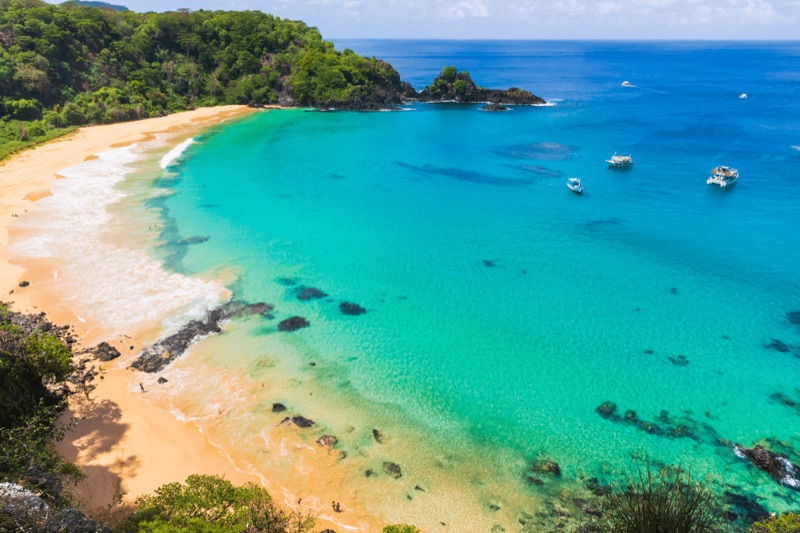
Brazil offers a coastline that stretches for over 7,400 kilometers, providing immense variety. From the iconic sands of Copacabana and Ipanema in Rio de Janeiro, with their active promenades and beach vendors, to the calmer, clear waters of the northeastern beaches like those near Salvador, such as Praia do Forte, there are options for every preference. Surfing is prominent in places like Florianopolis and Maresias. The beaches often come with comprehensive infrastructure: kiosks selling caipirinhas and snacks, chair rentals, and easy public access. Many Brazilian beaches are focal points for social life and sports, active from early morning until sunset.
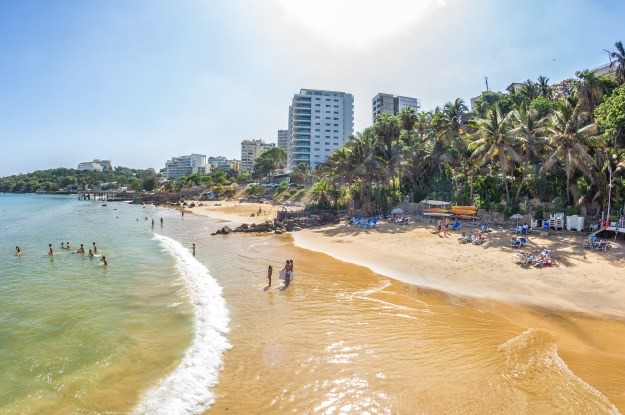
Senegal’s coastline along the Atlantic is different, characterized by long stretches of sand, fishing villages, and powerful surf. The beaches around Dakar, such as Plage de Ngor or Yoff Beach, are popular with locals and surfers, but often lack the polished tourist amenities found in Brazil. Further south, areas like Toubab Dialaw and Saly offer more resort-style options, though still modest by international standards. The country also features the unique Lac Rose, a pink lake known for its salt harvesting, which while not a swimming beach, is a notable coastal phenomenon. Senegal's beaches feel more rugged and less tailored for mass tourism. Brazil takes this category for its sheer diversity, accessibility, and the well-established beach culture.
- Winner: Brazil
- Why: Brazil provides a more extensive and diverse range of beaches with better tourist infrastructure and active social scenes.
- Who this matters for: Beach enthusiasts, families, and those who enjoy a lively beach atmosphere with amenities.
🍽️ Food & Drink
Brazilian cuisine is a melting pot of influences, offering a broad spectrum of flavors. You can find the hearty Feijoada, a black bean and meat stew, in virtually any region,…
Brazil
Senegal
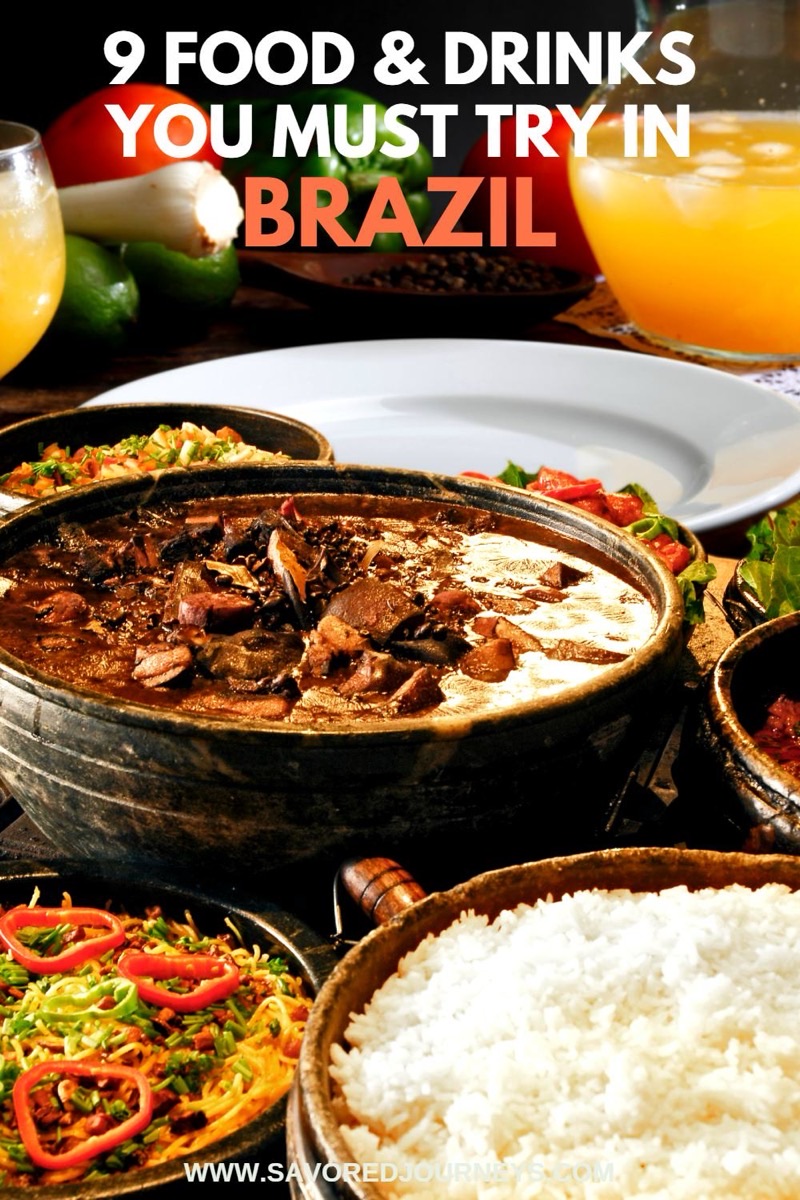
Brazilian cuisine is a melting pot of influences, offering a broad spectrum of flavors. You can find the hearty Feijoada, a black bean and meat stew, in virtually any region, often served on Wednesdays and Saturdays. In Bahia, the Afro-Brazilian influence is strong, with dishes like Moqueca (seafood stew) and Acaraje (fried bean fritters) prominent. The south is known for churrasco (barbecue), with numerous rodizios where meat is served tableside. Street food is abundant, from Coxinhas (chicken croquettes) to Tapioca crepes. Brazil's national drink, the Caipirinha, made with cachaça, lime, and sugar, is a refreshing staple. The fruit juices are also exceptional, with options like Açaí, Acerola, and Graviola.
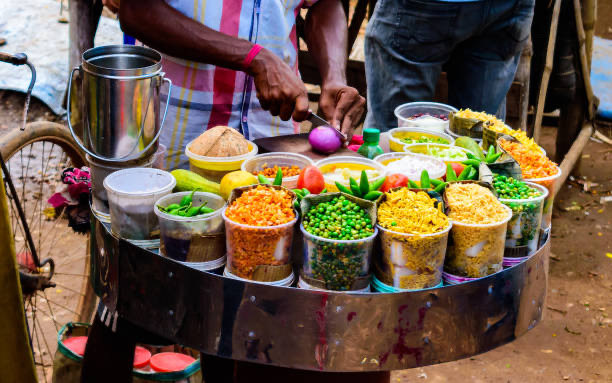
Senegalese food is grounded in West African traditions, with rice, millet, and fish forming the basis of many meals. Thieboudienne, a fish and rice dish with vegetables, is the national dish and a must-try. Yassa, made with chicken or fish marinated in lemon and onions, is another staple. Domoda, a peanut stew, shows the regional influence. Meals are often communal, eaten from a large platter. Fresh seafood is widely available, especially along the coast. For drinks, Bissap (hibiscus juice) and Bouye (baobab fruit juice) are popular, along with strong, sweet coffee. While delicious and authentic, the variety of dishes and dining experiences in Senegal is less extensive than in Brazil. Brazil wins for its immense culinary diversity and the sheer number of accessible dining experiences, from high-end to street food.
- Winner: Brazil
- Why: Brazil offers a wider array of regional cuisines, ingredients, and dining experiences that cater to more palates.
- Who this matters for: Foodies, adventurous eaters, and those who want varied dining options at different price points.
🎉 Nightlife & Entertainment
Brazil is globally known for its energetic nightlife. Rio de Janeiro is the epicenter, with Lapa neighborhood offering dozens of bars, live samba clubs like Rio Scenarium, and…
Brazil
Senegal
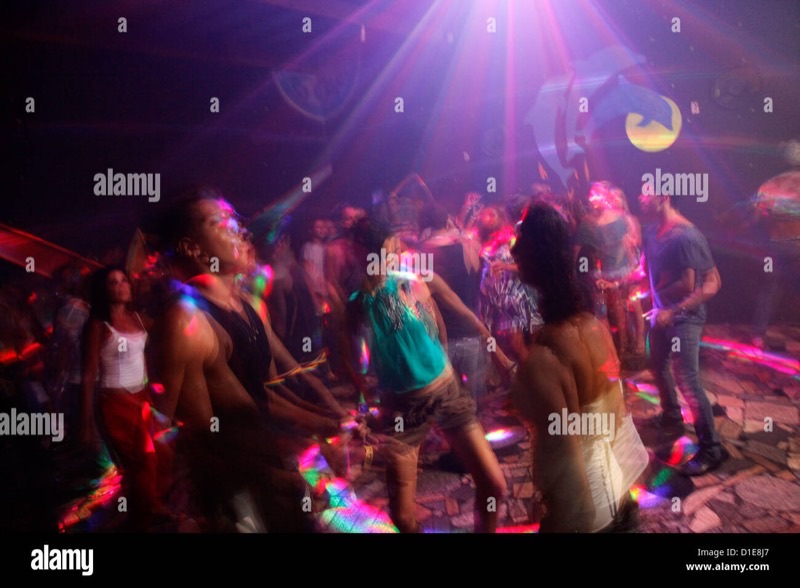
Brazil is globally known for its energetic nightlife. Rio de Janeiro is the epicenter, with Lapa neighborhood offering dozens of bars, live samba clubs like Rio Scenarium, and street parties under the Arcos da Lapa. Sao Paulo features a sophisticated club scene, live music venues, and rooftop bars. Salvador has its own strong Afro-Brazilian rhythms, with drumming circles and street performances, especially in Pelourinho. Carnival is a prime example of Brazil's capacity for large-scale celebration, but even outside of Carnival, music and dancing are integral to the social fabric. Caipirinhas flow freely, and people often stay out until dawn.
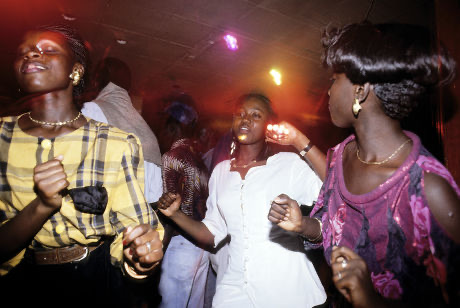
Senegal offers a more localized and less outwardly tourist-oriented nightlife. Dakar has a selection of bars and nightclubs, particularly in areas like Almadies, where you can find live Mbalax music, the countrys popular genre, at venues like Just 4 U. However, the scene is smaller and often more focused on local patrons. Social gatherings at homes or smaller, intimate venues are common. While there are opportunities to experience local music and dance, it requires more effort to find and engage with compared to Brazil. The scale and accessibility of entertainment options in Brazil give it a clear advantage for those seeking active nightlife. Brazil is the undisputed winner for its sheer volume and energy of nightlife options.
- Winner: Brazil
- Why: Brazil provides a more extensive, varied, and easily accessible nightlife scene with options for all preferences.
- Who this matters for: Party-goers, music lovers, and those looking for active social evenings.
🏛️ Culture & History
Brazil's cultural and historical landscape is a product of its diverse origins: indigenous populations, Portuguese colonization, and the forced migration of Africans. This results…

Brazil
Senegal
Brazil's cultural and historical landscape is a product of its diverse origins: indigenous populations, Portuguese colonization, and the forced migration of Africans. This results in a cultural blend seen in its architecture, music, and traditions. Salvador, Bahia, is particularly significant for its Afro-Brazilian heritage, with the pastel-colored buildings of Pelourinho, capoeira circles, and Candomble religious practices. Ouro Preto boasts well-preserved baroque colonial architecture. Rio de Janeiro offers landmarks like Christ the Redeemer and the historic center with its churches and museums. The countrys history of slavery, abolition, and diverse immigration waves are reflected in its national identity and artistic expressions.
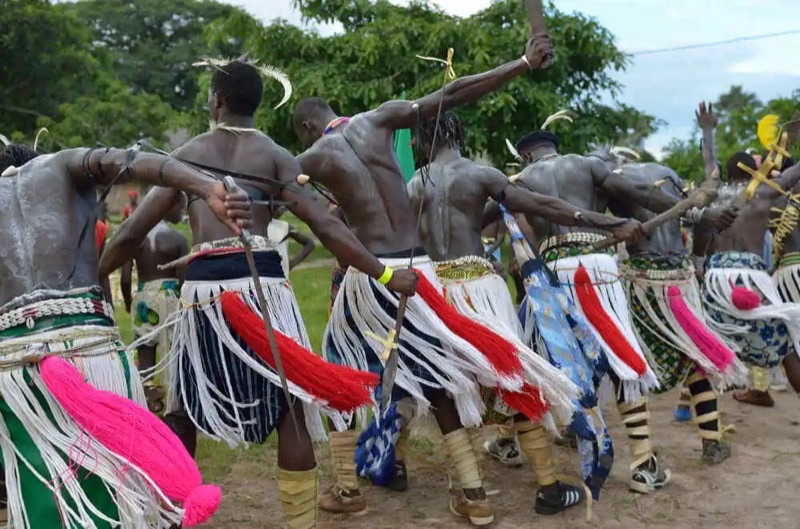
Senegal offers a deep immersion into West African culture and history. Goree Island, a UNESCO World Heritage site near Dakar, stands as a stark reminder of the transatlantic slave trade, with its House of Slaves. Saint-Louis, another UNESCO site, showcases well-preserved French colonial architecture and is known for its jazz festival. The country has a strong Sufi Muslim influence, evident in the Grand Mosque of Touba and the active Murid Brotherhood. Griots, traditional storytellers and musicians, maintain oral traditions. Senegal's markets, like Kermel Market in Dakar, are hubs of daily life and cultural exchange. While Senegal provides a profound and specific cultural experience, Brazil offers a broader and more accessible array of historical sites and cultural expressions, appealing to a wider audience. Brazil edges out Senegal due to the accessibility and scale of its cultural and historical offerings.
- Winner: Brazil
- Why: Brazil offers a more accessible and varied display of historical sites and cultural expressions, from colonial towns to diverse music and dance forms.
- Who this matters for: History buffs, those interested in diverse cultural fusion, and travelers who enjoy exploring historical city centers.
🌳 Nature & Activities
Brazil is home to some of the worlds most remarkable natural wonders. The Amazon Rainforest, while vast, offers accessible entry points for guided tours, river cruises, and…
Brazil is home to some of the worlds most remarkable natural wonders. The Amazon Rainforest, while vast, offers accessible entry points for guided tours, river cruises, and wildlife spotting near Manaus. Iguazu Falls, on the border with Argentina, is a powerful spectacle of cascading water. The Pantanal wetlands are a prime destination for wildlife observation, often surpassing the Amazon for visible animals like capybaras, caimans, and jaguars. Chapada Diamantina offers spectacular hiking with waterfalls and caves. From surfing to paragliding in Rio, adventure activities are abundant. The scale and diversity of Brazils natural landscapes are immense.
Senegal also has natural attractions, though on a smaller scale. Djoudj National Bird Sanctuary is a major stopover for migratory birds, particularly impressive during the dry season. The Saloum Delta National Park, a UNESCO site, features mangrove forests and islands, ideal for boat trips and fishing. Lac Rose, a pink salt lake, is a unique sight. Fathala Wildlife Reserve offers opportunities to see West African wildlife, including giraffes and rhinos. While these sites are compelling, they dont rival the sheer scale, recognition, or diversity of Brazils natural offerings. Brazil is the clear winner for its iconic natural wonders and extensive outdoor activities.
- Winner: Brazil
- Why: Brazil features several globally recognized natural wonders and a much wider range of ecosystems and outdoor activities.
- Who this matters for: Nature lovers, adventure seekers, and those who want to see world-famous natural landmarks.
✈️ Getting There & Flights
Getting to Brazil from North America or Europe is relatively straightforward. Major cities like Rio de Janeiro (GIG) and Sao Paulo (GRU) have direct flights from hubs like Miami,…
Getting to Brazil from North America or Europe is relatively straightforward. Major cities like Rio de Janeiro (GIG) and Sao Paulo (GRU) have direct flights from hubs like Miami, New York, Atlanta, Paris, London, and Lisbon. A direct flight from New York (JFK) to Rio de Janeiro (GIG) typically takes around 9-10 hours, with costs ranging from $800-1200 USD return. From Paris (CDG) to Rio, it is about 11-12 hours, costing around 600-900 EUR. Flight availability is generally good, and competition keeps prices competitive, especially outside peak season.
Senegal’s main international airport is Blaise Diagne International Airport (DSS) near Dakar. From Europe, direct flights are common and relatively short; for example, from Paris (CDG) to Dakar (DSS) takes about 5.5-6 hours, with costs often between 400-700 EUR return. From North America, direct flights are less frequent but available, primarily from New York (JFK) or Washington D.C. (IAD), taking about 7-8 hours, costing around $700-1100 USD return. Connectivity to other African countries is good from Dakar, making it a potential hub for further regional exploration. While Brazil has more flight options from North America, Senegal offers shorter flight times from Europe, making this category a tie depending on your starting point.
- Winner: Tie
- Why: Both destinations offer reasonable flight connectivity, with Brazil having more options from North America and Senegal having shorter flights from Europe.
- Who this matters for: Travelers from different continents, as flight duration and cost vary based on origin.
🚌 Getting Around
Brazil boasts an extensive and efficient long-distance bus network connecting almost every city and town. Companies like Cometa, Itapemirim, and Guanabara offer comfortable,…
Brazil boasts an extensive and efficient long-distance bus network connecting almost every city and town. Companies like Cometa, Itapemirim, and Guanabara offer comfortable, sometimes luxurious, overnight buses with reclining seats. Within major cities, metro systems (Rio, Sao Paulo) are clean and efficient, costing around 4-7 BRL ($0.80-1.40 USD) per ride. Ride-sharing apps like Uber and 99 are widely available and affordable. Domestic flights are also a popular option for covering long distances quickly, though they can add significant cost. Overall, getting around Brazil is relatively easy for independent travelers due to the well-developed infrastructure and clear pricing.
Getting around Senegal is an experience in itself, often involving shared taxis called sept-places or Ndiaga Ndiayes (minibuses). These are very cheap, but often crowded, slow, and depart when full. Negotiating fares is common. Within Dakar, local buses and regular taxis are available. Private car hires with a driver are an option for more comfort and direct routes but are significantly more expensive, costing around 50,000-80,000 XOF ($85-135 USD) per day. Self-driving is not generally recommended due to road conditions, traffic, and local driving habits. Travel between cities can be a lengthy process, testing your patience. Brazil provides a much more comfortable and reliable travel experience between and within cities.
- Winner: Brazil
- Why: Brazil offers a more developed, comfortable, and reliable transportation network across the country and within cities.
- Who this matters for: Travelers who prioritize comfort, efficiency, and ease of independent navigation.
🚨 Safety & Practicalities
Brazil has a reputation for crime, particularly in large cities like Rio de Janeiro and Sao Paulo. However, with common-sense precautions—avoiding walking alone at night in…
Brazil has a reputation for crime, particularly in large cities like Rio de Janeiro and Sao Paulo. However, with common-sense precautions—avoiding walking alone at night in certain areas, not displaying valuables, being aware of surroundings—most travelers have safe trips. Pickpocketing and bag snatching are the most common issues. Tourist police are visible in popular areas. Healthcare facilities are good in major private hospitals but can be expensive without insurance. Language is Portuguese, and English is not widely spoken outside tourist areas. Visas are required for some nationalities, including US citizens.
Senegal is generally considered safe for travelers, with a friendly population. Petty crime, such as pickpocketing, can occur in crowded markets or busy city areas like Dakar. Scams are also present, particularly around tourist sites. Cultural norms, especially regarding dress and interactions in Muslim-majority areas, should be respected. Healthcare facilities are basic outside of Dakar, where some private clinics offer better services. French is the official language, and Wolof is widely spoken; English is not common. Visas are not required for many nationalities for short stays. Both countries require similar levels of awareness and precautions, making it a tie in terms of practical safety considerations, but with different nuances.
- Winner: Tie
- Why: Both destinations require travelers to exercise similar levels of caution regarding petty crime and cultural awareness, though specific challenges differ.
- Who this matters for: All travelers, as safety is a universal concern requiring individual vigilance.
🏨 Accommodation
Brazil offers a broad spectrum of accommodation options catering to every budget and style. In major cities, you can find numerous hostels, budget hotels, boutique guesthouses…
Brazil offers a broad spectrum of accommodation options catering to every budget and style. In major cities, you can find numerous hostels, budget hotels, boutique guesthouses (pousadas), and international luxury chains. For example, a bed in a well-regarded hostel in Rio can be 80-150 BRL ($16-30 USD), a mid-range hotel room 300-600 BRL ($60-120 USD), and high-end options upward of 1000 BRL ($200 USD). Online booking platforms are comprehensive and reliable. Pousadas, especially in coastal towns or smaller historic cities, provide charming, locally run stays. Quality and service standards are generally consistent.
Senegal’s accommodation landscape is less developed for international tourism. In Dakar, you will find a mix of modest local hotels, some international chain hotels (like Radisson Blu), and guesthouses (auberges). A budget guesthouse room can be 15,000-30,000 XOF ($25-50 USD), while a mid-range hotel might be 40,000-70,000 XOF ($65-120 USD). Outside of Dakar, options become more limited, often consisting of basic guesthouses or eco-lodges, particularly in national parks or rural areas. The coastal strip around Saly offers some larger, resort-style hotels. While authentic experiences are available, the overall variety, comfort, and ease of booking are generally lower than in Brazil. Brazil wins due to its extensive and varied accommodation choices, catering to a wider range of traveler preferences and budgets with greater ease of booking.
- Winner: Brazil
- Why: Brazil features a much wider and more diverse selection of accommodation types, from budget to luxury, with robust booking infrastructure.
- Who this matters for: All travelers, especially those who value choice, comfort, and ease of finding suitable lodging.
🎯 The Decision Framework
Choose Brazil If…
- You want to experience world-famous Carnival celebrations.
- You dream of seeing Iguazu Falls or the Amazon Rainforest.
- You enjoy active city beaches like Copacabana with amenities.
- You seek extensive nightlife and live music, especially samba.
- You prefer comfortable and widespread public transportation options.
- You are interested in diverse regional cuisines and street food.
- You want a mix of adventure, culture, and relaxation options.
- You prefer well-established tourist infrastructure and clear pricing.
Choose Senegal If…
- You want a deep immersion into authentic West African culture.
- You are comfortable with a more budget-friendly daily spend.
- You seek unique natural sites like Lac Rose and bird sanctuaries.
- You are interested in the history of the transatlantic slave trade at Goree Island.
- You enjoy communal meals and a less commercialized travel experience.
- You are proficient in French or comfortable navigating with limited English.
- You prefer a destination with fewer mass tourists and a more local feel.
- You are looking for a unique travel challenge and an off-the-beaten-path adventure.
📅 Sample Itineraries
Weekend in Rio de Janeiro (3 Days)
💡 For local transport, purchase a 'RioCard' upon arrival. It saves time and allows seamless travel on buses and metro for about $1.50 per ride.
Weekend in Dakar & Gorée (3 Days)
💡 Negotiate taxi fares before starting your journey in Dakar; a ride across the city typically costs $3–$7 depending on distance.
One Week in Brazil (7 Days)
💡 Book internal flights well in advance for better prices; airlines like LATAM and GOL offer frequent connections between major cities, often saving $50-100 per flight.
One Week in Senegal (7 Days)
💡 For longer distances, opt for 'sept-place' shared taxis which are much cheaper than private taxis, usually costing $5-15 for a few hours journey between cities like Dakar and Saly.
❓ Frequently Asked Questions
Which country is safer for solo female travelers?
Both countries require vigilance. In Brazil, solo female travelers should be cautious in large cities, avoid walking alone at night, and be aware of their belongings. Senegal is generally safe, but harassment or unwanted attention can occur, especially in busy areas. Dress modestly, particularly outside tourist zones. For both, having local contacts or staying in well-reviewed accommodations helps. Neither is without its challenges, but with smart planning, both are manageable.
What is the typical flight time from the USA to each country?
From major East Coast US cities like New York, a direct flight to Dakar, Senegal, takes approximately 7-8 hours. A direct flight to Rio de Janeiro, Brazil, from the same origin is longer, usually around 9-10 hours. Flight times can increase with layovers, so always check direct routes for efficiency.
What are the visa requirements for US citizens for Brazil and Senegal?
For US citizens, Brazil typically requires a visa, which can often be applied for electronically (e-visa). However, rules can change, so verify with the Brazilian consulate. Senegal generally does not require a visa for US citizens for stays up to 90 days. Always check current visa policies before planning your trip, as they are subject to change.
Which country is better for wildlife viewing?
Brazil offers more prominent and diverse wildlife viewing opportunities. The Pantanal wetlands are particularly known for visible wildlife like jaguars, capybaras, and caimans. The Amazon rainforest also hosts incredible biodiversity. Senegal has its own unique wildlife, especially birds at Djoudj National Bird Sanctuary and some reserves, but it does not compare to the scale and variety offered by Brazil.
What are the main language differences?
In Brazil, Portuguese is the official and widely spoken language. English proficiency is limited outside of major tourist areas. In Senegal, French is the official language, a legacy of colonization, and Wolof is the most common local language. Knowing some basic French or Wolof phrases will be very helpful in Senegal, while basic Portuguese is beneficial in Brazil.
How do the climates differ throughout the year?
Brazil, being a large country, has diverse climates. The northeast is tropical with a dry season and a rainy season, while the south experiences more temperate seasons. Senegal has a tropical climate with a distinct dry season (November to May, around 25-30°C) and a rainy season (June to October, hotter and more humid, around 30-35°C). Travel during the dry season is usually more comfortable for most activities in Senegal.
Can I use credit cards widely in both countries?
In Brazil, credit cards are widely accepted in major cities at hotels, restaurants, and larger shops. ATMs are common for cash withdrawals. In Senegal, credit card acceptance is less common, primarily limited to higher-end hotels and restaurants in Dakar. Cash (CFA Franc - XOF) is king, especially outside the capital. Always carry smaller denominations.
Which destination is more suitable for families with young children?
Brazil generally offers a more family-friendly experience with established tourist infrastructure, diverse child-appropriate activities (beaches, parks, gentle nature tours), and readily available amenities. Senegal can be more challenging for families with young children due to less developed infrastructure, hotter climate, and a different pace of travel. Brazil provides more ease and options for families.
Ready to plan your South America or West Africa trip?
Get a free custom itinerary for Brazil, Senegal, or both — built from real traveler insights.
👥 Travelers Also Compared
🎟️ Book Tours & Experiences
Hand-picked tours and activities for both destinations — book with free cancellation
Experiences via Viator — free cancellation on most tours