How we built this comparison
This page combines traveler discussion patterns, published price ranges, flight schedules, and seasonal data to help you decide between Brazil and South Korea.
- Reviewed 50+ Reddit threads from r/travel, r/solotravel, etc.
- Verified costs and logistics against current booking platforms (Booking.com, Skyscanner, Google Flights)
- Cross-referenced seasonal patterns and weather data from meteorological sources
⚡ Quick Answers
⚡ The TL;DR Verdict
For most travelers seeking a more budget-friendly, spontaneous adventure with expansive nature and lively experiences, Brazil is the stronger pick, often costing around $40-100 per day. Those prioritizing safety, hyper-efficient systems, and a deep dive into modern and ancient Asian culture will find South Korea's $60-120 daily budget well spent.
- Choose Brazil: Travelers seeking expansive natural beauty, a lower daily budget, and spontaneous, high-energy social interactions should lean toward Brazil.
- Choose South Korea: Travelers who value safety, efficiency, cutting-edge technology, and a well-structured cultural journey with excellent public transport will prefer South Korea.
- Choose Both: Experience both if you have 4-6 weeks and want a complete global perspective, contrasting Latin American warmth with East Asian precision.
Choose Brazil
Brazil is ideal for the adventurous traveler seeking vibrant culture, stunning natural landscapes, and lively social experiences on a more flexible budget. Immerse yourself in the Amazon rainforest, dance to samba in Rio's Lapa neighborhood, or relax on sun-drenched beaches like Copacabana, making it perfect for spontaneous explorers.
Choose South Korea
South Korea is best for travelers who prioritize efficiency, cutting-edge technology, and a deep dive into rich cultural heritage. Explore Seoul's bustling Myeongdong district and ancient Gyeongbokgung Palace, or enjoy the coastal charm of Busan, offering a seamless and enriching journey for the modern explorer and foodie.
📊 Visual Scorecard
🌤 When to Visit
Average high temperatures (°C). Green = best months, orange = avoid.
Quick Comparison
| Category | Brazil | South Korea | Winner |
|---|---|---|---|
| Costs & Budget | Generally lower daily costs, particularly for food and local transport. Accommodation is affordable. | Higher daily costs, especially for accommodation and imported goods, but public transport is economical. | Brazil |
| Food & Drink | Rich, diverse cuisine with strong African and European influences; excellent street food and fresh fruits. Caipirinhas are a staple. | Flavorful, spicy, and often healthy dishes focused on fermentation and communal dining. K-BBQ and street food are highlights. | South Korea |
| Culture & History | Portuguese colonial past, Indigenous and African influences, expressive arts (samba, capoeira), and world-famous festivals. | Ancient dynasties, Confucian traditions, K-pop and modern tech trends, a distinct blend of old and new. | South Korea |
| Nature & Beaches | Vast, diverse ecosystems including rainforests, wetlands, and extensive coastline with famous beaches. | Mountainous terrain, volcanic islands, and scenic coastal areas, though on a smaller scale. | Brazil |
| Nightlife & Entertainment | Legendary nightlife with samba clubs, live music venues, and vibrant street parties in major cities. | Dynamic, late-night scene with diverse clubs, bars, and karaoke rooms, particularly in Seoul's districts. | Tie |
| Safety & Solo Travel | Requires vigilance and awareness, especially in major cities. Pickpocketing and petty crime are concerns. | Extremely safe with low crime rates, even in large cities. Public transport is secure and reliable. | South Korea |
| Getting There | Direct flights from North America and Europe typically range from 9-12 hours to major hubs like Sao Paulo or Rio. | Longer flights from North America and Europe, usually 12-16 hours direct to Seoul. | Brazil |
| Getting Around | Extensive bus network for intercity travel, local buses and ride-shares in cities. Domestic flights for long distances. | World-class public transport systems (subways, buses, high-speed trains) are highly efficient and easy to use. | South Korea |
| Accommodation | Diverse options from budget hostels to luxury hotels, often with good value, especially outside peak season. | Wide range of choices, but generally higher prices, with unique stays like 'hanoks' and 'love motels'. | Brazil |
| Weather & Seasons | Tropical climate with regional variations; generally warm year-round, but with distinct wet and dry seasons. | Four distinct seasons with hot, humid summers and cold, dry winters; spring and autumn are ideal. | Tie |
💰 Costs & Budget
Brazil offers a more budget-friendly experience for travelers, especially outside major tourist hubs like Rio de Janeiro and Sao Paulo. You can find quality meals for R$30-60…
Brazil
South Korea
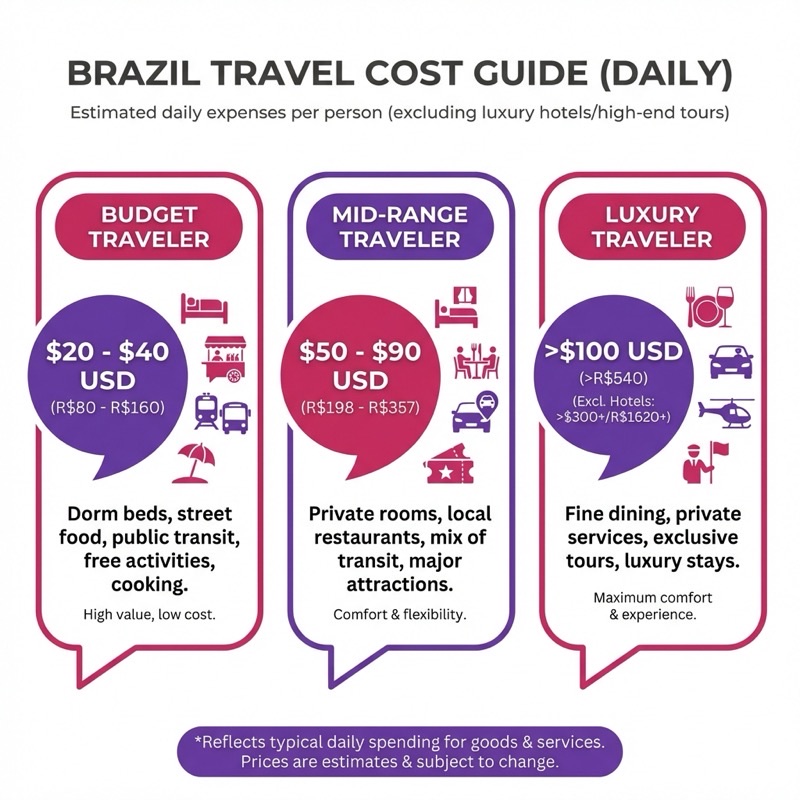
Brazil offers a more budget-friendly experience for travelers, especially outside major tourist hubs like Rio de Janeiro and Sao Paulo. You can find quality meals for R$30-60 ($6-12) at a 'prato feito' lunch spot, and local beers are often R$10-15 ($2-3). Accommodation in a decent hostel can be R$80-150 ($16-30) per night, while mid-range hotels often start at R$300 ($60). Local bus fares are typically R$4-6 ($0.80-$1.20). Activities like visiting Christ the Redeemer might cost R$100-120 ($20-24), but many beaches and parks are free. A daily budget of $40-100 is realistic for comfortable travel, particularly if you eat local and use public transport.
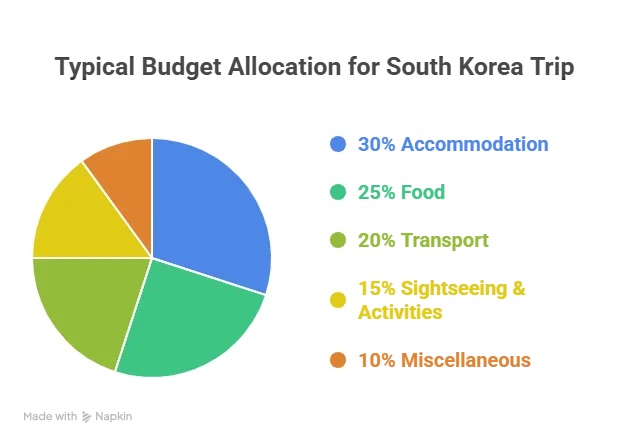
South Korea presents a higher cost structure. A basic meal at a local restaurant like a 'gimbap' or 'bibimbap' place will be around KRW 8,000-15,000 ($6-11), while a sit-down meal with drinks can easily reach KRW 30,000-50,000 ($22-37). Accommodation is a significant expense, with hostels typically KRW 30,000-50,000 ($22-37) and mid-range hotels starting around KRW 100,000-200,000 ($75-150). Public transport like the Seoul subway is very efficient and relatively cheap, with single fares around KRW 1,350 ($1). Entrance fees for palaces like Gyeongbokgung are minimal, around KRW 3,000 ($2.20). Expect a daily budget of $60-120 to travel comfortably. Brazil provides more stretch for your dollar, making it the clear winner for budget-conscious travelers.
- Winner: Brazil
- Why: Brazil consistently offers lower prices across most categories, allowing for a more extended or richer trip on a similar budget.
- Who this matters for: This matters most for long-term travelers, backpackers, or anyone aiming to maximize their experiences without overspending.
🍽️ Food & Drink
Brazilian food is hearty and flavorful, with regional variations. In the Southeast, dishes like 'feijoada' (black bean stew with pork), 'pão de queijo' (cheese bread), and…
Brazil
South Korea
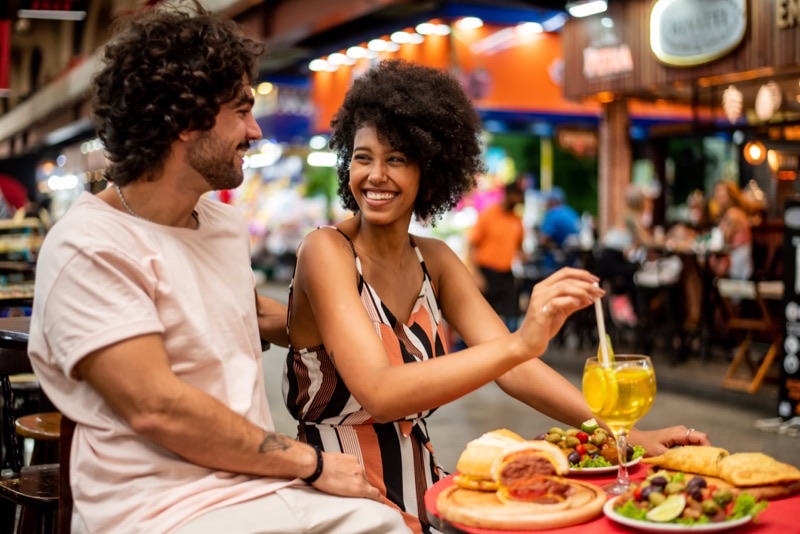
Brazilian food is hearty and flavorful, with regional variations. In the Southeast, dishes like 'feijoada' (black bean stew with pork), 'pão de queijo' (cheese bread), and 'churrasco' (barbecue) are common. Along the coast, fresh seafood is abundant, and in Bahia, African-influenced dishes like 'acarajé' (fried bean fritters) are popular street food, costing around R$15-25 ($3-5). Fresh fruit juices ('sucos') and 'açaí' bowls are also widely available and refreshing. The national drink, 'caipirinha', made with cachaça, lime, and sugar, is a must-try, typically R$20-35 ($4-7) in bars. Meals tend to be substantial and comforting.
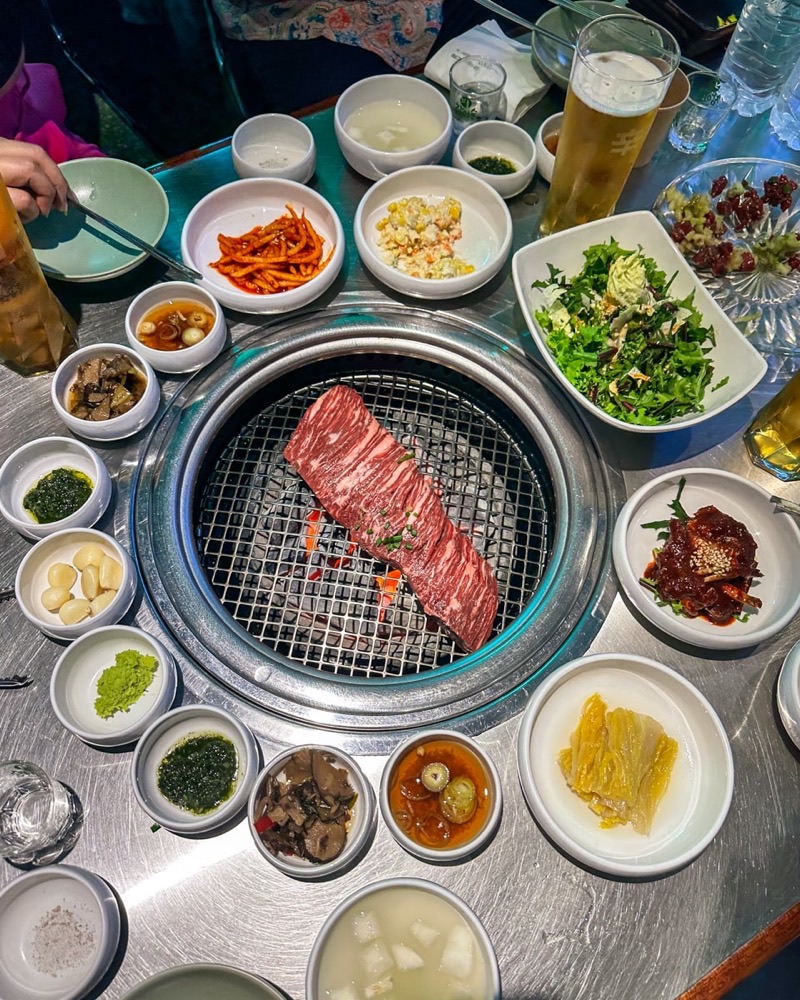
South Korean food offers a profound depth of flavor, often incorporating spicy, savory, and fermented elements. Staples include 'kimchi' (fermented cabbage), 'bibimbap' (mixed rice bowl), 'bulgogi' (marinated grilled beef), and 'tteokbokki' (spicy rice cakes). Street food markets, like Gwangjang Market in Seoul, are a paradise for trying various dishes for KRW 3,000-10,000 ($2.20-7.50). 'Korean barbecue' (Samgyeopsal or Galbi) is a communal experience, often costing KRW 20,000-40,000 ($15-30) per person. South Korea also has a strong cafe culture and unique alcoholic beverages like 'soju' and 'makgeolli'. The complexity, variety, and health-focused aspects of Korean cuisine give it an edge. South Korea edges out Brazil with its intricate flavors, diverse options, and profound cultural integration through food.
- Winner: South Korea
- Why: South Korea's cuisine provides a more unique, complex, and globally influential gastronomic experience with a stronger emphasis on fermented foods and communal dining.
- Who this matters for: This matters most for adventurous eaters, foodies, and those looking for culturally significant meal experiences.
🏛️ Culture & History
Brazil's cultural landscape is a product of its Portuguese colonial history, a significant African diaspora, and Indigenous roots. Cities like Salvador in Bahia showcase a strong…

Brazil
South Korea
Brazil's cultural landscape is a product of its Portuguese colonial history, a significant African diaspora, and Indigenous roots. Cities like Salvador in Bahia showcase a strong Afro-Brazilian heritage with 'candomblé' ceremonies and 'capoeira' circles. Rio de Janeiro is synonymous with Carnival, a massive annual celebration of music and dance, and the iconic Christ the Redeemer statue. Historical towns such as Ouro Preto offer architectural marvels from the gold rush era. Brazilian culture is expressive, musical, and deeply connected to its land and people. Visiting a 'samba school' can provide insight into the preparations for Carnival, costing around R$80-150 ($16-30) for a rehearsal or show.
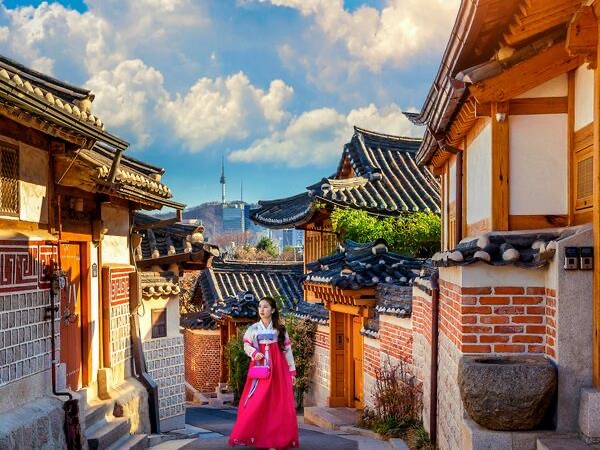
South Korea offers a fascinating contrast between ancient traditions and hyper-modernity. Palaces like Gyeongbokgung and Changdeokgung in Seoul, along with traditional villages like Bukchon Hanok Village, provide tangible links to Joseon Dynasty history. The DMZ (Demilitarized Zone) offers a sobering and unique insight into contemporary geopolitical divisions, with tours costing around KRW 60,000-90,000 ($45-67). K-pop, K-dramas, and the thriving esports scene demonstrate its influence on global youth culture. Temples like Bulguksa in Gyeongju showcase ancient Buddhist artistry. The meticulous preservation of heritage alongside rapid technological advancement makes South Korea's cultural depth arguably more compelling and accessible for a general tourist. South Korea's precise blend of ancient heritage and modern global influence makes its cultural offering more distinct and readily explorable.
- Winner: South Korea
- Why: South Korea provides a more structured and accessible exploration of its deep historical roots combined with a globally influential modern culture.
- Who this matters for: This matters most for history buffs, those interested in East Asian traditions, and fans of modern pop culture phenomena.
🏖️ Nature & Beaches
Brazil boasts an immense natural endowment. The Amazon Rainforest, the Pantanal wetlands (the world's largest), and the Iguazu Falls (shared with Argentina) are major draws. The…
Brazil
South Korea
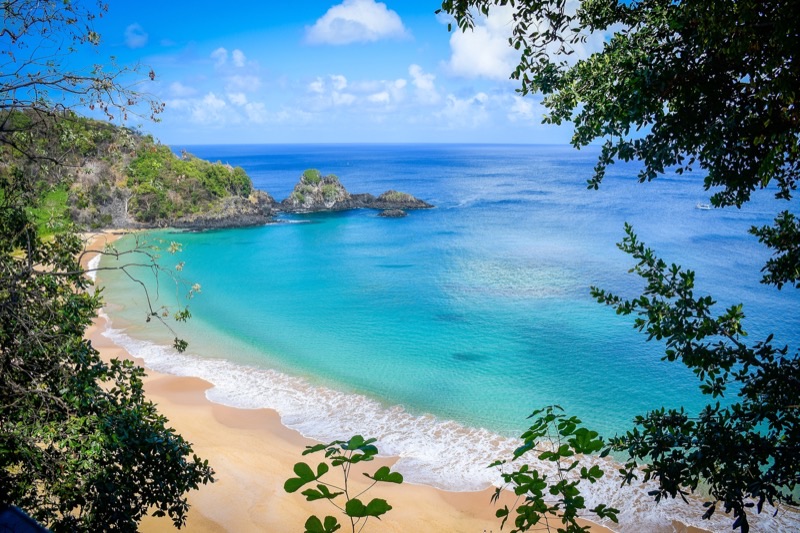
Brazil boasts an immense natural endowment. The Amazon Rainforest, the Pantanal wetlands (the world's largest), and the Iguazu Falls (shared with Argentina) are major draws. The coastline spans thousands of kilometers, featuring iconic urban beaches like Copacabana and Ipanema in Rio, and more secluded, raw beauty in places like Fernando de Noronha (a protected archipelago, expensive flights/fees, around R$200-300 / $40-60 for environmental fees) or the untouched beaches of Bahia. Trekking in Chapada Diamantina or exploring the dunes of Lençóis Maranhenses offers vastly different landscapes. The sheer scale and biodiversity of Brazil's natural spaces are unparalleled. A boat trip in the Amazon can range from R$500-2000 ($100-400) for multi-day tours.
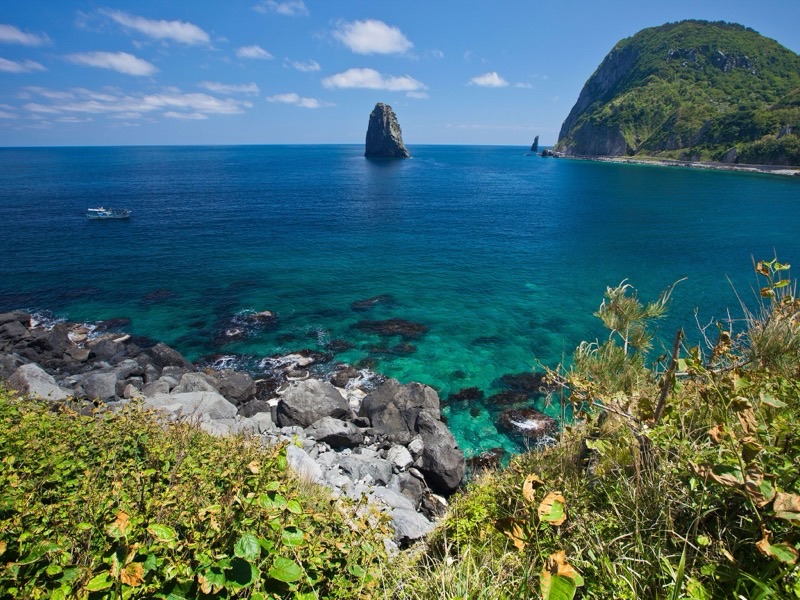
South Korea's nature is characterized by its mountainous terrain, with national parks like Bukhansan offering hiking trails right outside Seoul. Jeju Island, a volcanic island, is a UNESCO World Heritage site known for its unique lava tubes and Hallasan mountain. Coastal cities like Busan offer urban beaches (e.g., Haeundae Beach), but they are often highly developed. The country has beautiful autumn foliage and spring blossoms, drawing visitors to places like Seoraksan National Park. While aesthetically pleasing, South Korea's natural offerings are less grandiose and diverse than Brazil's. For sheer scale, raw power, and ecological diversity, Brazil is in a different league. Brazil is the indisputable winner due to its incomparable scale, biodiversity, and iconic natural formations like the Amazon and Iguazu Falls.
- Winner: Brazil
- Why: Brazil offers a significantly broader range of dramatic, large-scale natural environments, from dense rainforests to massive waterfalls and extensive coastlines.
- Who this matters for: This matters most for nature enthusiasts, adventurers, ecotourists, and those seeking expansive natural landscapes.
🌃 Nightlife & Entertainment
Brazil's nightlife is synonymous with passion and rhythm. Rio de Janeiro's Lapa district is famous for its 'samba clubs' and street parties, where live music spills onto the…
Brazil
South Korea
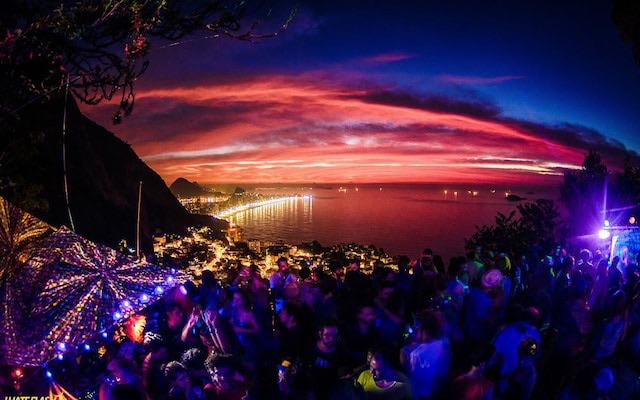
Brazil's nightlife is synonymous with passion and rhythm. Rio de Janeiro's Lapa district is famous for its 'samba clubs' and street parties, where live music spills onto the sidewalks. Sao Paulo offers a more sophisticated club scene, from electronic music venues to upscale bars. In smaller towns, local 'forró' dances provide a glimpse into traditional Brazilian fun. Drinks are relatively inexpensive, with a 'caipirinha' typically costing R$20-35 ($4-7) and local beers R$10-15 ($2-3). The atmosphere is usually very social and energetic, encouraging dancing and interaction. There is a raw, uninhibited joy to a Brazilian night out, often spontaneous and lasting until dawn.
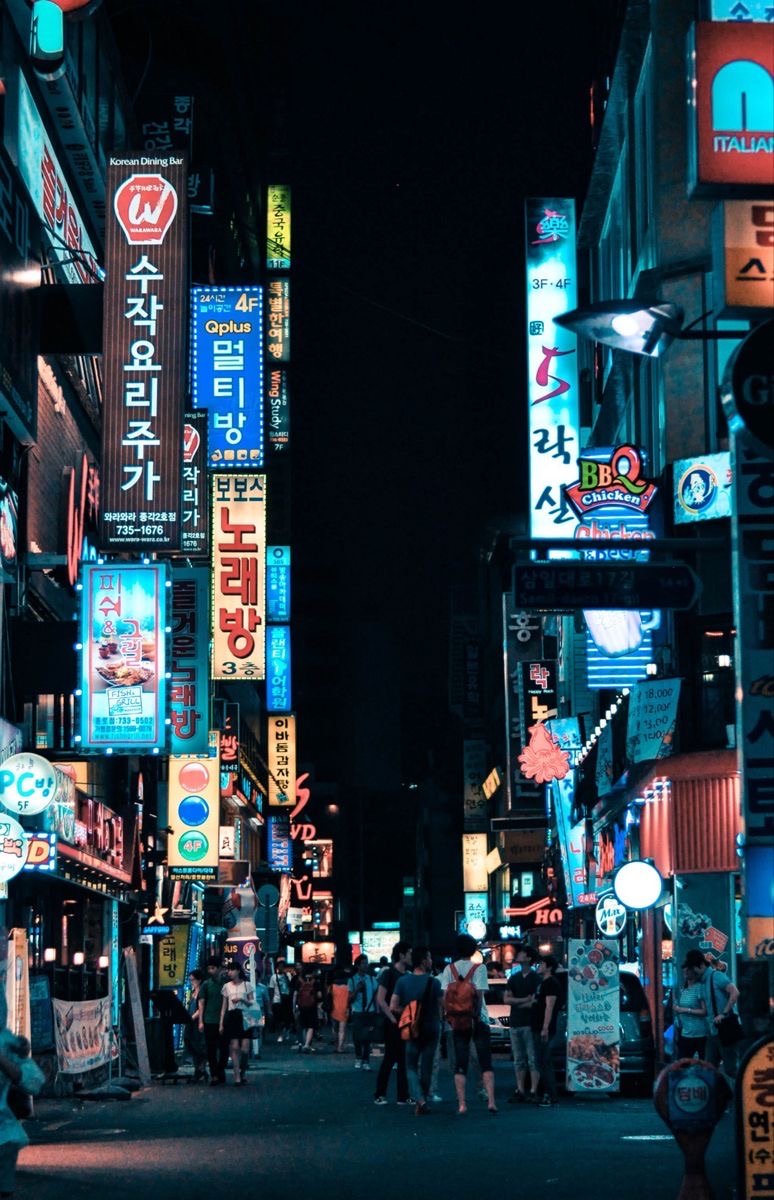
South Korea, particularly Seoul, boasts a highly dynamic and diverse nightlife that caters to various tastes. Districts like Hongdae are popular for their indie music clubs and affordable bars, while Itaewon offers a more international vibe. Gangnam is known for its upscale clubs and bottle service. 'Norebang' (karaoke rooms) are a fundamental part of social gatherings, available at various price points, often KRW 15,000-30,000 ($11-22) per hour. Drinking culture is strong, with 'soju' and beer widely consumed. Clubs often stay open until the early morning, and the city never truly sleeps. Both countries offer distinct, high-energy nightlife experiences that cater to different preferences; Brazil's is more organic and dance-focused, while South Korea's is more varied and technologically integrated. Both destinations provide excellent nightlife, catering to different preferences for music, social interaction, and atmosphere.
- Winner: Tie
- Why: Both countries offer distinct, high-energy nightlife experiences that cater to different preferences; Brazil's is more organic and dance-focused, while South Korea's is more varied and technologically integrated.
- Who this matters for: This matters for party-goers, social travelers, and anyone looking to experience local entertainment after dark.
🚨 Safety & Solo Travel
Brazil generally requires a higher degree of awareness and caution from travelers. While millions visit safely each year, petty crime like pickpocketing is common in crowded…
Brazil generally requires a higher degree of awareness and caution from travelers. While millions visit safely each year, petty crime like pickpocketing is common in crowded areas, especially in major cities like Rio and Sao Paulo. More serious crimes can occur, so avoiding certain neighborhoods at night, not displaying valuables, and using reputable transport are key recommendations. Solo female travelers often report feeling more vulnerable, though many still travel independently with careful planning. Travel insurance is highly recommended. The perception and reality of safety are significant considerations for many planning a trip.
South Korea consistently ranks among the safest countries in the world. Violent crime is rare, and petty crime is also very low. Walking alone at night, even in major cities like Seoul, is generally considered very safe. Public transport is secure and reliable at all hours. This makes South Korea an excellent destination for solo travelers, including solo female travelers, who can explore with a high degree of comfort and independence. The peace of mind regarding personal safety significantly enhances the travel experience. South Korea is the clear winner for safety, offering a much more relaxed and secure environment for all travelers. South Korea offers an unparalleled sense of security, making it the clear winner for peace of mind and solo exploration.
- Winner: South Korea
- Why: South Korea's extremely low crime rates and reliable public safety infrastructure provide a significantly more secure and relaxed travel experience.
- Who this matters for: This matters most for solo travelers, families, and anyone who prioritizes personal safety and peace of mind during their trip.
✈️ Getting There
Traveling to Brazil from major North American cities like New York or Miami involves direct flights typically lasting 9-11 hours to Sao Paulo (GRU) or Rio de Janeiro (GIG). From…
Traveling to Brazil from major North American cities like New York or Miami involves direct flights typically lasting 9-11 hours to Sao Paulo (GRU) or Rio de Janeiro (GIG). From European hubs like London or Paris, flights are around 11-12 hours. Airfares fluctuate widely but can often be found for $600-1000 round trip if booked in advance or during sales. Several major airlines serve Brazil, offering reasonable connectivity. Customs and immigration processes at larger airports are generally efficient, though queues can vary. Entry requirements for many nationalities include a visa, which has become electronic (e-visa) for citizens of the US, Canada, Australia, and Japan, simplifying the process.
Flights to South Korea from North America, such as from Los Angeles or Toronto, are significantly longer, typically 12-14 hours direct to Incheon International Airport (ICN) in Seoul. From European cities like London or Frankfurt, direct flights are usually 10-12 hours. Airfares tend to be higher, often $800-1400 round trip, reflecting the greater distance. Incheon Airport is renowned for its efficiency and amenities, making the arrival experience smooth. Most Western nationalities do not require a visa for short tourist stays, simplifying entry. While Incheon offers a superior airport experience, the shorter flight times and often lower airfares make Brazil slightly more accessible for many international travelers. Brazil is a marginally easier destination to reach for a broader base of travelers due to shorter flight durations for many and competitive airfares.
- Winner: Brazil
- Why: Brazil generally involves shorter flight times for travelers coming from North America and Europe, with often competitive airfare options.
- Who this matters for: This matters most for travelers with limited time off, those sensitive to long-haul flights, and budget-conscious travelers focused on flight costs.
🚌 Getting Around
Getting around Brazil typically involves a mix of methods. For intercity travel, the bus network is extensive and generally comfortable, with overnight sleeper buses ('leito')…
Getting around Brazil typically involves a mix of methods. For intercity travel, the bus network is extensive and generally comfortable, with overnight sleeper buses ('leito') being a popular option for long distances. Prices vary, e.g., Rio to Sao Paulo by bus might be R$100-200 ($20-40). Domestic flights are common for covering vast distances, though they can be expensive. Within cities, local buses are cheap (R$4-6 / $0.80-$1.20) but can be confusing. Ride-sharing apps like Uber and 99 are widely available and affordable. Taxis are also an option. While functional, the system sometimes lacks seamless integration and can feel less predictable.
South Korea excels in public transport. Its subway systems, particularly in Seoul, are among the best globally: clean, efficient, extensive, and easy to navigate with English signage and smartphone apps. A T-Money card makes payments simple. High-speed KTX trains connect major cities rapidly; for instance, Seoul to Busan takes about 2.5-3 hours and costs around KRW 59,800 ($44). Local buses are also efficient and cover areas not reached by subway. Taxis are readily available and reasonably priced. The entire system is designed for maximum convenience and punctuality. The ease, speed, and reliability of South Korea's transport infrastructure are unmatched. South Korea's transport system is a masterclass in efficiency, safety, and ease of use, making it the superior choice for getting around.
- Winner: South Korea
- Why: South Korea's public transport, including its subway and high-speed rail, is exceptionally efficient, punctual, and user-friendly for tourists.
- Who this matters for: This matters most for independent travelers, those without rental cars, and anyone prioritizing convenience and punctuality in their travel plans.
🏨 Accommodation
Brazil offers a spectrum of accommodation options, generally at more accessible price points. Hostels are widely available in cities and popular tourist spots, with dorm beds…
Brazil offers a spectrum of accommodation options, generally at more accessible price points. Hostels are widely available in cities and popular tourist spots, with dorm beds costing R$80-150 ($16-30). Mid-range hotels typically start from R$300-600 ($60-120) per night, offering good value for money, often including breakfast. For luxury, you can find resorts and boutique hotels, especially in coastal areas like Buzios or the Amazon. Airbnb is also a popular choice, providing options from private rooms to entire apartments. Booking in advance, especially during Carnival or New Year, is crucial due to demand and price surges. Many places have pools or common areas that foster social interaction.
South Korea's accommodation scene is modern and varied, but often comes with a higher price tag. Hostels and guesthouses in Seoul, particularly in popular districts like Hongdae or Myeongdong, cost KRW 30,000-50,000 ($22-37) for a dorm bed. Mid-range hotels are commonly KRW 100,000-200,000 ($75-150). For a unique experience, traditional 'hanok' stays are available, often costing KRW 70,000-150,000 ($52-110), providing a glimpse into Korean heritage. 'Love motels' offer affordable, short-term stays with often quirky designs. While quality is high, the cost per night is generally more than in Brazil. Brazil offers better value and more options for budget and mid-range travelers. Brazil provides superior value for accommodation across budget and mid-range categories, allowing travelers to save more or experience more for their money.
- Winner: Brazil
- Why: Brazil offers more budget-friendly and mid-range accommodation options, providing better value for money compared to South Korea.
- Who this matters for: This matters most for budget travelers, long-term visitors, and those who prioritize stretching their accommodation budget.
☀️ Weather & Seasons
Brazil, being a tropical country, offers diverse weather. The coastal regions, like Rio, have warm temperatures year-round, with a rainy season from December to March (also peak…
Brazil, being a tropical country, offers diverse weather. The coastal regions, like Rio, have warm temperatures year-round, with a rainy season from December to March (also peak summer). The Amazon experiences high humidity and rainfall throughout the year. The Pantanal has a distinct dry season (May-October), ideal for wildlife viewing, and a wet season when areas flood. Southern Brazil has a more temperate climate with cooler winters. Generally, there is a good time to visit some part of Brazil regardless of the month, depending on specific interests (e.g., Carnival in February/March, dry season in Pantanal).
South Korea has four distinct seasons. Spring (April-May) offers mild temperatures and cherry blossoms, while autumn (September-November) provides cool weather and vibrant fall foliage, both considered ideal for visiting. Summers (June-August) are hot and humid, with significant monsoon rains. Winters (December-March) are cold and dry, especially in the north, with snowfall common. Each season offers a different aesthetic and set of activities. For instance, winter allows for skiing, while spring is perfect for temple visits. Both destinations offer distinct seasonal experiences, making the 'best' time to visit entirely dependent on traveler preference. Both destinations present compelling seasonal variations, offering distinct experiences that cater to different preferences throughout the year.
- Winner: Tie
- Why: Both countries offer distinct and compelling seasonal variations, ensuring that travelers can find suitable conditions for their preferences throughout the year.
- Who this matters for: This matters for travelers with specific activity interests (e.g., beach, hiking, skiing) or those sensitive to extreme temperatures or rainfall.
🎯 The Decision Framework
Choose Brazil If…
- You want expansive, dramatic natural landscapes (Amazon, Iguazu Falls).
- You prioritize a lower daily travel budget (hostels $16-30, meals $6-12).
- You seek high-energy, spontaneous cultural experiences (samba, street parties).
- You love tropical beaches and warm weather for most of the year.
- You are comfortable navigating with a mix of local transport and ride-shares.
- You prefer a less structured, more adventurous travel style.
- You are excited by the vibrant fusion of Indigenous, African, and European cultures.
- You appreciate a destination where you can disconnect and embrace a slower pace.
Choose South Korea If…
- You prioritize exceptional personal safety and feel comfortable traveling solo.
- You value extremely efficient and modern public transport (subways, KTX trains).
- You are interested in ancient palaces and temples alongside futuristic cities.
- You want to explore a globally influential modern culture (K-pop, K-dramas).
- You appreciate highly organized infrastructure and predictable travel logistics.
- You seek a deep dive into unique, complex East Asian flavors (kimchi, K-BBQ).
- You prefer distinct four-season weather, including crisp autumns and snowy winters.
- You are drawn to a culture that seamlessly blends tradition with cutting-edge technology.
📅 Sample Itineraries
Weekend in Brazil (3 Days)
💡 Purchase your Christ the Redeemer and Sugarloaf tickets online in advance to save time queuing, especially on weekends.
Weekend in South Korea (3 Days)
💡 Get a T-Money card for seamless travel on Seoul's subway and buses; it saves time and offers slight discounts.
One Week in Brazil (7 Days)
💡 For Iguaçu Falls, dedicate separate days to the Brazilian and Argentinian sides for a complete experience; the views are distinct.
One Week in South Korea (7 Days)
💡 Book KTX train tickets between Seoul and Busan in advance, especially during peak travel seasons, to secure your preferred times and seats.
❓ Frequently Asked Questions
What is a realistic daily budget for each country?
For Brazil, a comfortable mid-range budget is around $40-100 per day, covering hostel stays (R$80-150 / $16-30), local meals (R$30-60 / $6-12), and transport. South Korea requires approximately $60-120 daily, with hostels at KRW 30,000-50,000 ($22-37) and meals around KRW 8,000-15,000 ($6-11) for basic options.
Which country is better for solo female travelers?
South Korea is significantly better for solo female travelers. Its exceptionally low crime rate and secure public transport systems mean women can explore independently with a high degree of confidence, even at night. Brazil requires more vigilance and careful planning, especially in urban areas.
How long should I plan for a trip to each destination?
For Brazil, plan at least 2-3 weeks to cover a few regions (e.g., Rio, Iguazu, a portion of the coast). For South Korea, 10-14 days is sufficient to experience Seoul, Busan, and potentially Gyeongju or Jeju Island, utilizing its efficient transport.
What are the flight times and typical costs from the US?
Flights from major US cities to Brazil (Sao Paulo/Rio) typically take 9-11 hours, costing $600-1000 round trip. Flights to South Korea (Seoul) are longer, around 12-14 hours, with typical costs ranging from $800-1400 round trip, depending on booking time.
Which country has better public transportation?
South Korea has a superior public transportation system. Its subways and KTX high-speed trains are incredibly efficient, clean, and easy to use, with extensive coverage. Brazil's bus network is functional, but less integrated and predictable than South Korea's.
Is one country significantly better for natural beauty?
Brazil offers a greater scale and diversity of natural beauty, including the Amazon Rainforest, Iguazu Falls, and thousands of kilometers of varied coastline. South Korea has scenic mountains and volcanic islands, but on a smaller, more contained scale.
Which destination offers a more unique food experience?
South Korea's food offers a more unique and complex culinary experience, focusing on fermentation, distinct flavor profiles, and communal dining (e.g., K-BBQ). Brazil's cuisine is hearty and flavorful, but less globally distinct for many travelers.
Are there visa requirements for US citizens for either country?
As of early 2024, US citizens require an e-visa to enter Brazil for tourism. For South Korea, US citizens typically do not require a visa for stays up to 90 days, though an electronic travel authorization (K-ETA) might be necessary depending on current regulations.
Ready to plan your next adventure?
Get a free custom itinerary for Brazil, South Korea, or both — built from real traveler insights.
👥 Travelers Also Compared
🎟️ Book Tours & Experiences
Hand-picked tours and activities for both destinations — book with free cancellation
Experiences via Viator — free cancellation on most tours