How we built this comparison
This page combines traveler discussion patterns, published price ranges, flight schedules, and seasonal data to help you decide between Brazil and Spain.
- Reviewed 700+ Reddit threads from r/travel, r/solotravel, r/Brazil, r/Spain, and city-specific subreddits.
- Verified costs and logistics against current booking platforms like Google Flights, Booking.com, and local transport sites.
- Cross-referenced seasonal patterns and weather data from NOAA and local meteorological services.
⚡ The TL;DR Verdict
For most travelers seeking a mix of culture, good food, and relative ease of movement without breaking the bank, Spain is the stronger pick. Its public transport, safety, and consolidated attractions make for a smoother trip. Brazil offers a more adventurous, raw experience with impressive nature and a lower price point, but requires more planning and a higher awareness of surroundings.
- Choose Brazil: You want grand natural spectacles, a more budget-focused experience, are comfortable with Portuguese, and prefer a destination that feels less 'touristy' and more about immersion, even if it comes with challenges. You have an appetite for adventure and less structured travel.
- Choose Spain: You prioritize efficient travel, historical sites, a diverse culinary landscape, and a generally safer environment. You appreciate good infrastructure, a lively social scene, and a destination where English is more widely understood in tourist areas, especially if this is a first solo trip abroad or a family trip.
- Choose Both: To experience both, allocate at least two weeks for each, ideally three. The flight between them is long and expensive, making a combined trip best for extended travel where you want contrasting experiences of continent-spanning culture and scenery. Consider Brazil for raw nature and Spain for refined city life.
Choose Brazil
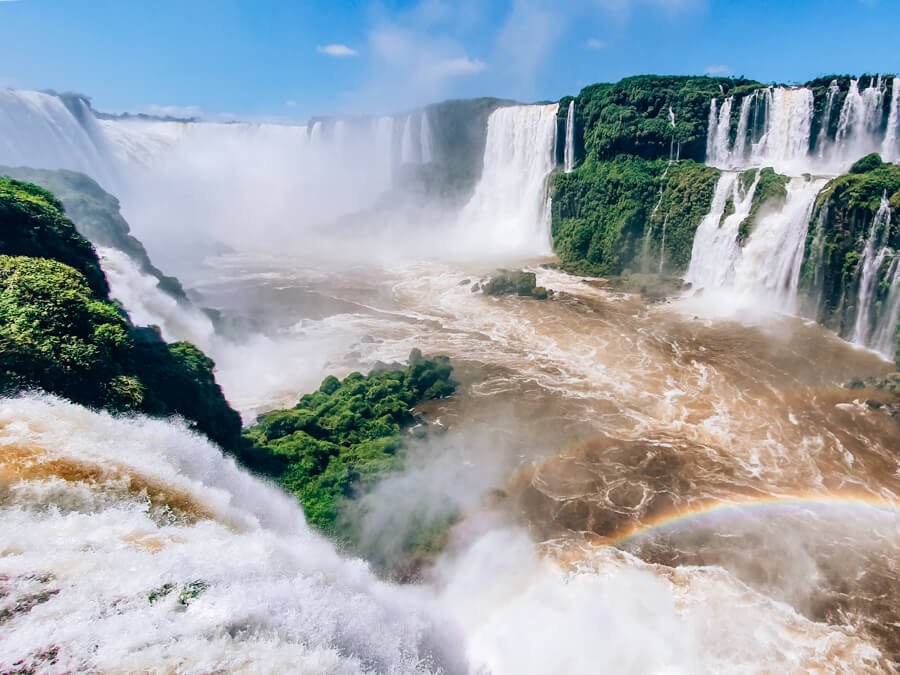
Choose Brazil if you're an adventurous traveler yearning for grand natural spectacles and vibrant cultural immersion. Explore the Amazon rainforest, marvel at Iguazu Falls, or experience the electrifying energy of Carnival in Rio. It’s best for those seeking a budget-friendly, less structured trip who are comfortable embracing a destination that feels raw, authentic, and truly off the beaten path.
Choose Spain
Choose Spain for a delightful blend of rich history, diverse cuisine, and effortless travel, perfect for first-time solo adventurers or families. Savor tapas in Seville, admire Gaudi’s masterpieces in Barcelona, or explore world-class art at Madrid's Prado Museum. It's ideal for travelers who prioritize excellent infrastructure, safety, and a lively social scene, ensuring a smooth and culturally enriching experience.
Quick Comparison
| Category | Brazil | Spain | Winner |
|---|---|---|---|
| Costs & Budget | Generally cheaper for accommodation, food, and local transport, though international flights can be pricier. Local experiences are affordable. | Mid-range European prices, higher than Brazil but good value compared to Northern Europe. Tapas culture makes food affordable. | Brazil |
| Food & Drink | Hearty, meat-focused dishes, tropical fruits, and excellent street food. Regional variations are significant. | Diverse regional cuisines, emphasis on fresh ingredients, small plates (tapas), and a strong wine culture. | Spain |
| Nightlife | Energetic, often spontaneous street parties, samba clubs, and live music venues. Late nights are standard. | Varies from late-night tapas bars and casual pubs to sprawling clubs, especially in major cities and coastal areas. | Brazil |
| Culture & History | Colonial architecture, Afro-Brazilian heritage, indigenous influences, and a strong sense of national identity through music and dance. | Thousands of years of history from Roman and Moorish eras to the Spanish Empire, expressed through architecture, art, and traditions. | Spain |
| Beaches | Iconic city beaches, vast stretches of undeveloped coastline, and warm Atlantic waters. Lively beach culture. | Mediterranean and Atlantic coastlines, from city beaches to rugged coves and island paradises. Generally calm waters. | Brazil |
| Nature & Outdoors | Amazon rainforest, Pantanal wetlands, Iguazu Falls, dramatic mountains, and diverse ecosystems. | Pyrenees mountains, diverse national parks, volcanic landscapes (Canary Islands), and coastal hiking trails. | Brazil |
| Getting There | Direct flights from major North American hubs to São Paulo or Rio, typically 8-10 hours. Costs can be variable. | Direct flights from major North American hubs to Madrid or Barcelona, typically 7-9 hours. Often competitive pricing. | Spain |
| Getting Around | Long-distance buses are common; domestic flights are essential for vast distances. City transport varies. | Excellent high-speed rail network, extensive bus system, and walkable cities. Very efficient. | Spain |
| Safety & Security | Requires a high level of awareness in major cities due to petty crime and some violent crime. Specific precautions are needed. | Generally safe, especially in major tourist areas. Petty crime like pickpocketing is the main concern. | Spain |
| Accommodation | Good range from budget hostels to luxury hotels; apartments are popular. Prices generally lower. | Wide variety from budget hostels to boutique hotels, historic paradores, and Airbnb. Consistent quality. | Brazil |
💰 Costs & Budget
Brazil offers a more budget-friendly experience once you are there. A hostel bed in Rio can be R$60-120 ($12-24), a local meal (Prato Feito) R$25-50 ($5-10), and a caipirinha…
Brazil
Spain
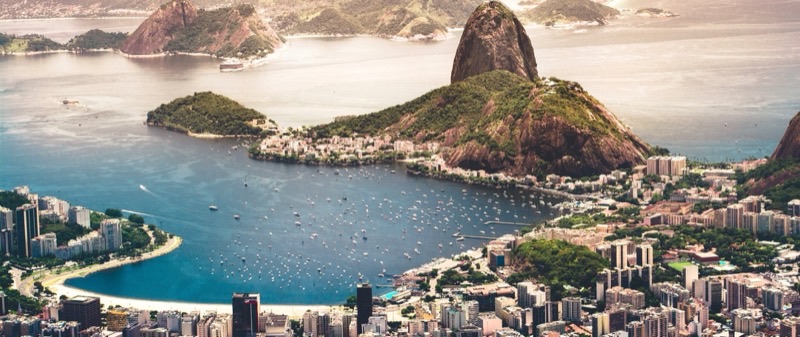
Brazil offers a more budget-friendly experience once you are there. A hostel bed in Rio can be R$60-120 ($12-24), a local meal (Prato Feito) R$25-50 ($5-10), and a caipirinha R$20-35 ($4-7). Domestic flights between major cities like Rio and Foz do Iguaçu can be R$300-600 ($60-120), which adds up due to distances. Expect to spend $50-100 per day for a comfortable budget trip, or $100-200 for a mid-range experience, excluding long-haul flights.
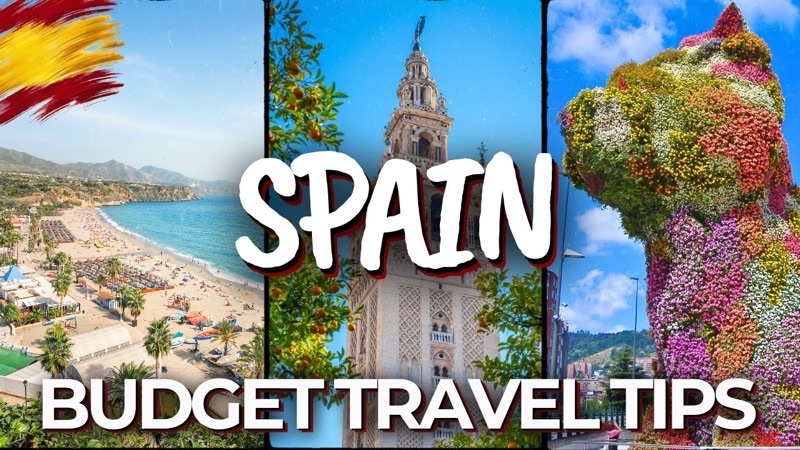
Spain sits at a higher price point but offers good value for Western Europe. A hostel bed in Barcelona or Madrid runs €25-50 ($27-55), tapas €3-7 ($3.2-7.5) per dish, and a glass of wine €2.5-5 ($2.7-5.5). High-speed trains, like the AVE from Madrid to Seville, can cost €40-90 ($43-98) if booked in advance. A daily budget of $70-130 is realistic for a budget traveler, and $130-250 for a mid-range traveler. Spain is the winner for raw cost savings, especially if you are watching your daily spend.
- Winner: Brazil
- Why: Brazil wins on daily expenses for food, local transport, and basic accommodation, making your money stretch further once you arrive.
- Who this matters for: Travelers prioritizing maximum value for daily spending and a lower overall trip cost, especially for longer stays.
🍽️ Food & Drink
Brazilian food is comforting and substantial. Try a Feijoada at a local boteco in Rio, or a Moqueca from Bahia. Street food like Pão de Queijo and Acarajé (in Salvador) are widely…
Brazil
Spain
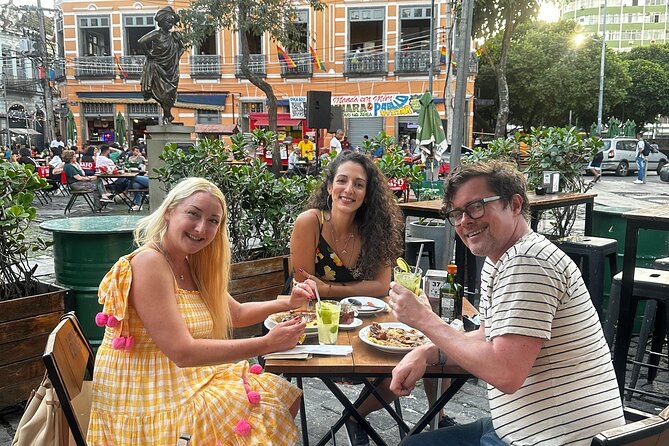
Brazilian food is comforting and substantial. Try a Feijoada at a local boteco in Rio, or a Moqueca from Bahia. Street food like Pão de Queijo and Acarajé (in Salvador) are widely available. Churrascarias offer all-you-can-eat meat for R$80-150 ($16-30). Juices from exotic fruits are everywhere, and the national drink, caipirinha, is cheap and potent. While good, the variety across different regions can sometimes feel less distinct compared to Spain.
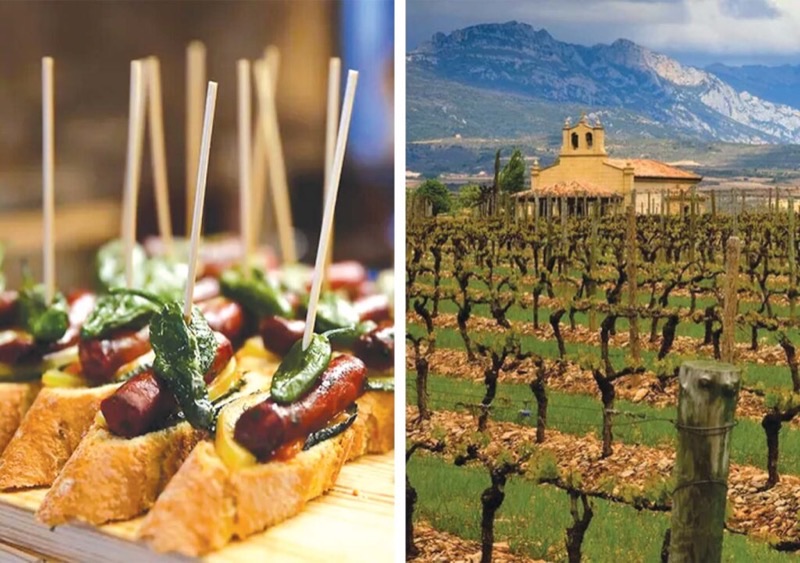
Spain's culinary landscape is incredibly varied and deeply rooted in its regions. From the seafood paella of Valencia to the Jamon Iberico of Andalusia, pintxos in the Basque Country, and the hearty stews of Madrid, there is always something new to try. Eating tapas in Granada, where a free tapa often comes with each drink (€2-4), is a social and affordable experience. The quality of ingredients, especially olive oil, cheeses, and seafood, is consistently high. Spain offers a more refined, diverse, and consistently high-quality food experience across its regions, making it a stronger choice for culinary exploration.
- Winner: Spain
- Why: Spain's diverse regional cuisines, strong emphasis on quality ingredients, and the social ritual of tapas elevate its food experience.
- Who this matters for: Food enthusiasts and social eaters who appreciate varied regional dishes, fresh produce, and the custom of communal dining.
🎉 Nightlife
Brazilian nightlife is infectious and generally starts late, often peaking well after midnight. In Rio, Lapa on a Friday night is an open-air party with street vendors, live samba…
Brazil
Spain
Brazilian nightlife is infectious and generally starts late, often peaking well after midnight. In Rio, Lapa on a Friday night is an open-air party with street vendors, live samba bands under the arches, and various bars like Rio Scenarium. São Paulo boasts sophisticated clubs and a strong electronic music scene, alongside traditional forró houses. Even smaller towns will have lively squares with music and drinks. Caipirinhas and local beers are cheap, fueling long nights. Dancing is often involved, and the energy is palpable, making for a truly immersive experience.
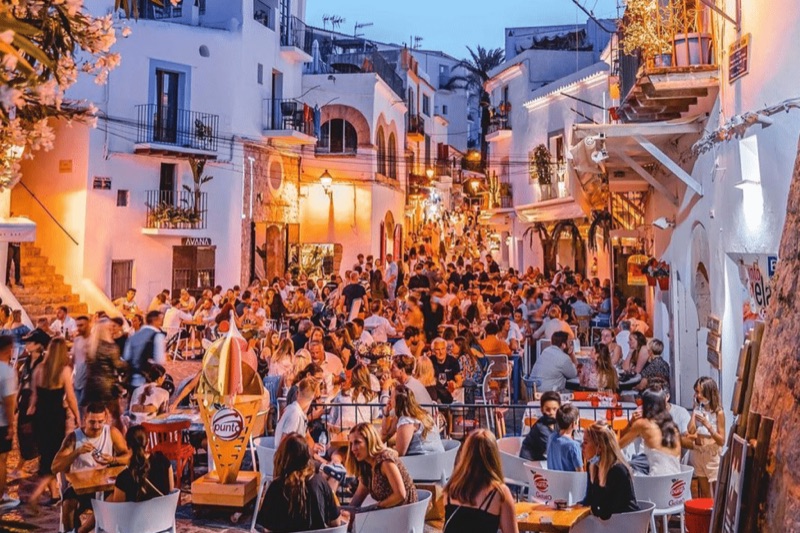
Spanish nightlife is also late-starting, with dinner often at 9 PM or later. In Madrid, Gran Via and Chueca offer a range of bars and clubs like Kapital or Sala La Riviera. Barcelona's Gothic Quarter and El Born have countless atmospheric bars, while beach clubs along the coast operate during warmer months. Seville has its flamenco shows and lively squares for drinks. While Spain has strong club scenes and a lively bar culture, Brazils spontaneity, the prevalence of live music, and the sheer joy of dancing samba on the streets gives it an edge. Brazil offers a more raw, uninhibited, and distinctly local party experience.
- Winner: Brazil
- Why: Brazil's nightlife is characterized by its sheer energy, spontaneous street parties, and the omnipresence of live music and dancing, offering a more unique social immersion.
- Who this matters for: Travelers who seek high-energy, immersive dancing, and local music experiences that often spill into the early morning hours.
🏛️ Culture & History
Brazil's cultural narrative is a complex blend of indigenous, African, and European influences. Colonial towns like Ouro Preto and Paraty display Baroque architecture. Salvador da…
Brazil
Spain
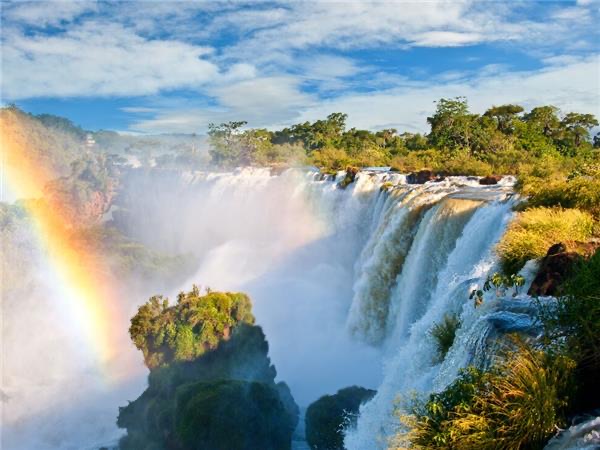
Brazil's cultural narrative is a complex blend of indigenous, African, and European influences. Colonial towns like Ouro Preto and Paraty display Baroque architecture. Salvador da Bahia is the heart of Afro-Brazilian culture, with Candomblé traditions and capoeira circles. The Carnival in Rio is a worldwide spectacle of music and dance. The sheer scale and diversity of the country mean that cultural experiences vary wildly from the Amazon basin to the coastal cities. While fascinating, its history is more recent than Spains in terms of large-scale structures.
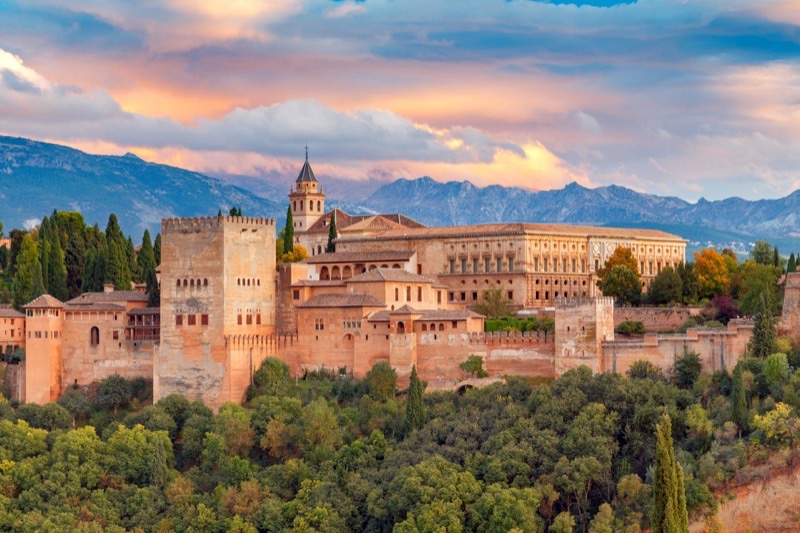
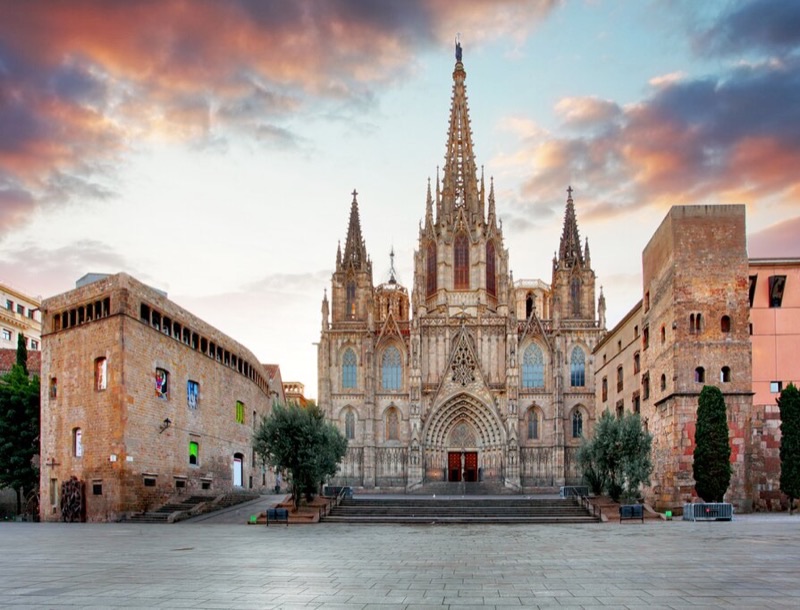
Spain presents a layered history stretching back millennia. Roman aqueducts in Segovia, the Mezquita of Cordoba, and the Alhambra in Granada showcase Moorish and Christian architecture. Gaudi's modernista works in Barcelona (Sagrada Familia, Park Guell) are unique. The Prado Museum in Madrid houses European masters. Flamenco in Seville and bullfighting (though controversial) are core traditions. The density of historically significant sites and their preservation across the country is remarkable. Spain offers a more comprehensive and accessible journey through a longer, more impactful historical timeline.
- Winner: Spain
- Why: Spain's historical depth, from Roman to Moorish and Christian influences, is expressed through a wider array of preserved and accessible architectural and artistic marvels.
- Who this matters for: History buffs, art lovers, and those who appreciate well-preserved historical sites and diverse architectural styles spanning millennia.
🏖️ Beaches
Brazil's coastline is extensive, offering a huge range of beach experiences. Rio's Copacabana and Ipanema are social hubs with vendors, sunbathers, and volleyball players. Further…
Brazil
Spain
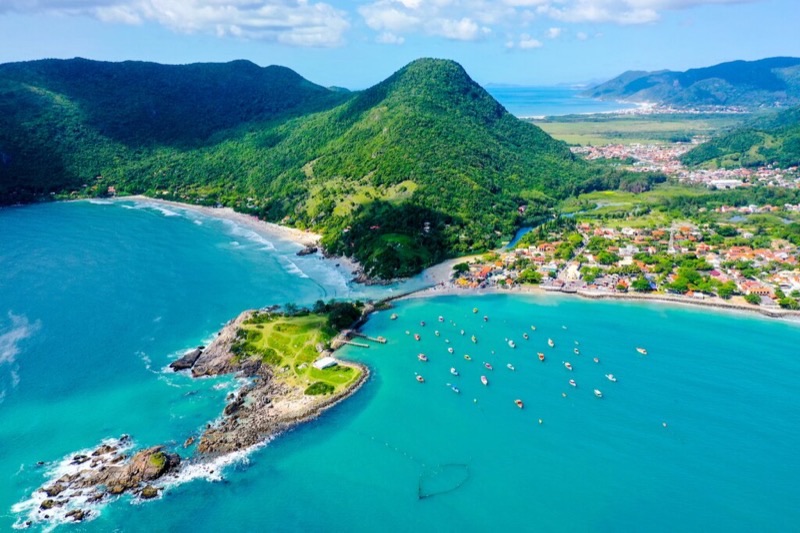
Brazil's coastline is extensive, offering a huge range of beach experiences. Rio's Copacabana and Ipanema are social hubs with vendors, sunbathers, and volleyball players. Further north, places like Jericoacoara and Fernando de Noronha (a protected archipelago) offer unspoiled white sand, clear waters, and natural pools, though accessing them can be an adventure. The water temperatures are consistently warm, and the beach culture is about interaction and activity. Brazilian beaches generally feel more wild and natural outside of the major cities.
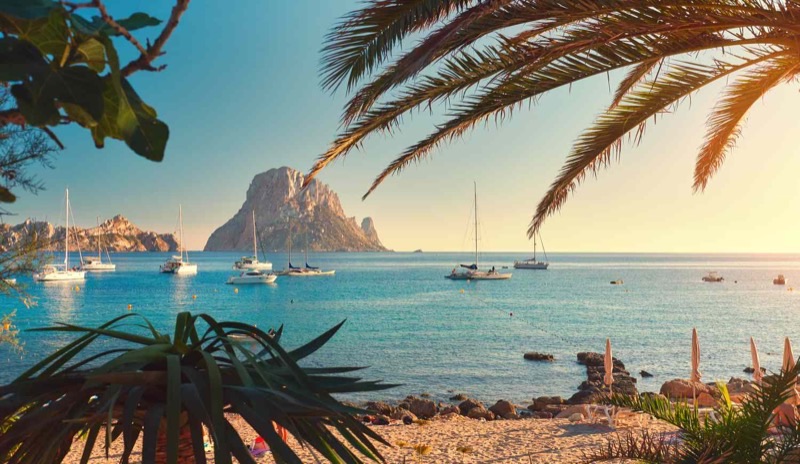
Spain also boasts impressive beaches, particularly along the Costa del Sol, Costa Brava, and the islands. Barcelona's Barceloneta beach is convenient for city dwellers. The Balearic Islands (Mallorca, Ibiza) offer stunning coves and turquoise waters, and the Canary Islands provide year-round sun and volcanic landscapes. While Spanish beaches are beautiful and well-maintained, many feel more developed and resort-focused. Brazils sheer scale of coastline and its numerous untouched, dramatic stretches of sand and ocean give it the edge for beach quality and diversity.
- Winner: Brazil
- Why: Brazil's immense coastline offers a greater diversity of beaches, from iconic cityscapes to untouched natural paradises, with consistently warmer waters and a more lively local beach culture.
- Who this matters for: Beach lovers who seek both lively social beaches and vast, untouched stretches of sand, as well as reliably warm ocean water.
🌳 Nature & Outdoors
Brazil is home to some of the world's most significant natural wonders. The Amazon rainforest covers a vast area, offering wildlife spotting tours from Manaus. The Pantanal, the…
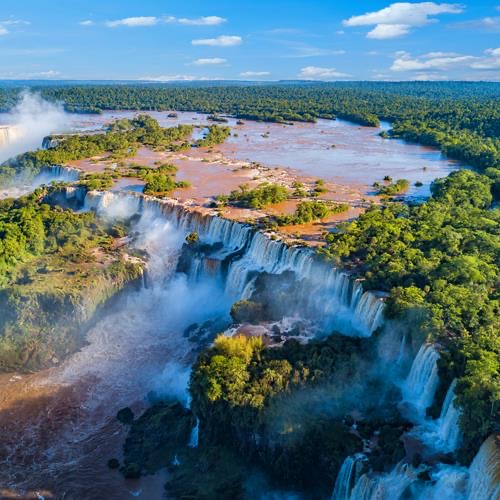
Brazil is home to some of the world's most significant natural wonders. The Amazon rainforest covers a vast area, offering wildlife spotting tours from Manaus. The Pantanal, the world's largest tropical wetland, is a premier destination for seeing jaguars, capybaras, and caiman. Iguazu Falls, on the border with Argentina, is a powerful display of nature. Chapada Diamantina offers hiking and waterfalls. The sheer scale and biological diversity are unmatched, but accessing these areas can require specific planning, guides, and often internal flights.
Spain has considerable natural attractions as well. The Pyrenees mountains offer hiking and skiing. Picos de Europa National Park provides rugged peaks and green valleys. Doñana National Park is a major wetland for birdwatching. The volcanic landscapes of the Canary Islands, like Teide National Park, are otherworldly. While Spain offers impressive and accessible natural parks for hiking and outdoor activities, it cannot compete with the sheer global significance and scale of Brazils natural offerings. Brazil stands out for its truly grand and unique natural environments.
- Winner: Brazil
- Why: Brazil possesses globally significant natural wonders like the Amazon and Pantanal, offering unparalleled biodiversity and grand natural spectacles.
- Who this matters for: Wildlife enthusiasts, adventure seekers, and those who prioritize witnessing large-scale, globally significant natural environments.
✈️ Getting There
Flying to Brazil from North America usually means landing in São Paulo (GRU) or Rio de Janeiro (GIG). Direct flights from cities like Miami (MIA) or New York (JFK) range from 8 to…
Flying to Brazil from North America usually means landing in São Paulo (GRU) or Rio de Janeiro (GIG). Direct flights from cities like Miami (MIA) or New York (JFK) range from 8 to 10 hours. Ticket prices can fluctuate significantly, from $600-$1200+ round trip, depending on the season and how far in advance you book. Connecting flights will add considerable time. The journey is long, but well-established routes exist.
Spain is often easier and slightly quicker to reach from North America. Direct flights from major hubs like New York (JFK) or Toronto (YYZ) to Madrid (MAD) or Barcelona (BCN) typically range from 7 to 9 hours. Prices can often be found in the $500-$900 range for round trips, especially outside peak summer. The shorter flight time, combined with generally more consistent and competitive pricing from a wider array of airlines, makes Spain a slightly more convenient entry point. Spain wins for a generally quicker and often more affordable international flight.
- Winner: Spain
- Why: Spain generally offers shorter flight times and often more competitive pricing for direct flights from North America.
- Who this matters for: Travelers prioritizing shorter travel times and potentially lower costs for their initial flight to the destination.
🚌 Getting Around
Brazil's size means internal travel can be time-consuming. Long-distance buses are extensive and relatively comfortable, but journeys between major cities like Rio and Salvador…
Brazil's size means internal travel can be time-consuming. Long-distance buses are extensive and relatively comfortable, but journeys between major cities like Rio and Salvador can take over 24 hours. Domestic flights are often necessary for efficiency, with companies like LATAM and GOL operating frequent routes, but these add to the budget. Within cities, Uber/99 (local app) and taxis are common, and metros exist in Rio and São Paulo. The infrastructure for efficient inter-city travel is not as developed as in Spain.
Spain boasts a superb transportation network. The high-speed AVE train connects major cities like Madrid, Barcelona, Seville, and Valencia quickly and comfortably, though booking in advance is crucial for good prices (€40-90). Regional trains and an extensive bus network (e.g., ALSA) cover other areas. Cities are very walkable, and public transport (metro, buses, trams) is efficient and affordable. A 10-ride metro pass in Madrid costs around €12. Spain's integrated and efficient public transport system makes getting around significantly easier and less stressful.
- Winner: Spain
- Why: Spain's excellent high-speed rail network and efficient public transport within cities offer a far more convenient and time-saving travel experience.
- Who this matters for: Travelers who prefer efficient, comfortable, and reliable public transportation for inter-city and intra-city movement.
🚨 Safety & Security
Brazil has a reputation for higher crime rates, particularly in large cities like Rio de Janeiro and São Paulo. While most tourist areas are relatively safe during the day, petty…
Brazil has a reputation for higher crime rates, particularly in large cities like Rio de Janeiro and São Paulo. While most tourist areas are relatively safe during the day, petty theft (pickpocketing, phone snatching) is common, especially at night or in crowded places. Violent crime, though less targeted at tourists, can occur. Advice often includes not wearing expensive jewelry, avoiding walking alone at night, and being discreet with electronics. Staying informed about specific neighborhoods and taking Ubers instead of walking at night are common recommendations. It requires constant vigilance.
Spain is generally considered a very safe country for tourists. The main concern, particularly in crowded areas of cities like Barcelona (Las Ramblas) and Madrid (Puerta del Sol), is pickpocketing. Violent crime against tourists is rare. Tourists can generally walk around most cities at night without significant worry, though standard precautions apply. Public transportation is safe. The level of comfort and peace of mind for travelers is noticeably higher in Spain. Spain is the clear winner for providing a more relaxed and secure environment for visitors.
- Winner: Spain
- Why: Spain offers a significantly safer travel environment with lower rates of violent and petty crime, providing greater peace of mind for travelers.
- Who this matters for: Solo travelers, families, and anyone who prioritizes a relaxed and secure travel experience without constant vigilance.
🏨 Accommodation
Brazil's accommodation ranges from lively hostels (e.g., Che Lagarto in Rio, R$60-120/$12-24 per night) to comfortable mid-range hotels and luxury options. Pousadas, which are…
Brazil's accommodation ranges from lively hostels (e.g., Che Lagarto in Rio, R$60-120/$12-24 per night) to comfortable mid-range hotels and luxury options. Pousadas, which are guesthouses, are common in smaller towns and offer a local experience. Airbnb is popular and can provide good value, especially for groups. While quality can vary, overall prices for comparable standards are lower than in Spain. You can find a decent private room in a mid-range hotel for R$200-400 ($40-80) in many cities. The value for money at the lower and mid-range is quite good.
Spain offers a well-developed accommodation sector. Hostels (e.g., Generator in Madrid, €25-50/$27-55) are plentiful and often modern. Mid-range hotels are abundant, and you can find boutique options for €80-150 ($87-163). Paradores, state-run hotels in historic buildings, offer unique luxury experiences. Airbnb is also widespread. While the quality and consistency are high, prices are generally higher than in Brazil for similar levels of comfort. For budget-conscious travelers or those seeking more space for less money, Brazil generally offers better value.
- Winner: Brazil
- Why: Brazil offers more affordable accommodation options across all categories, providing better value for money for similar levels of comfort.
- Who this matters for: Budget-conscious travelers and those seeking more affordable private rooms or longer stays without compromising too much on comfort.
🎯 The Decision Framework
Choose Brazil If…
- You want to explore the Amazon rainforest or Pantanal wetlands.
- You crave an immersive, spontaneous nightlife with live samba and street parties.
- You aim for a lower daily budget, making your money stretch further on food and local activities.
- You are comfortable with Portuguese or enjoy navigating with translation apps.
- You desire expansive, untouched beaches and warm ocean waters.
- You have an appetite for adventure and are prepared for more logistical challenges.
- You want to experience a truly unique blend of Afro-Brazilian and colonial culture.
- You seek an environment where tourists are less common, offering a less curated experience.
Choose Spain If…
- You want to travel efficiently between cities using high-speed trains.
- You prioritize historical sites, from Roman ruins to Moorish palaces and Gaudi's architecture.
- You love diverse food experiences, especially tapas, paella, and regional specialties.
- You seek a generally safer travel environment with lower crime rates.
- You prefer a destination with well-developed infrastructure and clear tourist paths.
- You appreciate a vibrant social scene in bars and restaurants that are easy to access.
- You are interested in European art masters and world-class museums.
- You value walkable cities with accessible public transport and clear signage.
❓ Frequently Asked Questions
What is the typical flight time from the US to Brazil vs Spain?
Direct flights from major US hubs to Brazil (São Paulo, Rio) typically take 8-10 hours. Flights to Spain (Madrid, Barcelona) are usually shorter, ranging from 7-9 hours. Spain often has a slight edge in travel time.
Which country is more expensive for a daily budget?
Spain is generally more expensive. A mid-range daily budget for Brazil might be $100-200, covering accommodation, food, and activities. For Spain, expect to spend $130-250 per day for a similar experience, with accommodation and transport being key differences.
Is it easy to get around Brazil vs Spain without a car?
Spain is much easier to navigate without a car due to its extensive high-speed rail (AVE) and bus networks, plus walkable cities. Brazil relies more on long-distance buses and domestic flights for inter-city travel, which can be time-consuming, and internal city transport varies.
Which destination offers better beaches?
Brazil offers a more diverse and extensive coastline, from iconic city beaches like Ipanema to unspoiled natural stretches like Jericoacoara, with warmer water. Spain has beautiful Mediterranean and Atlantic beaches, but many are more developed or resort-focused.
What about safety for solo female travelers?
Spain is generally considered safer for solo female travelers, with a lower risk of serious crime. Petty theft is a concern, but walking alone at night is often fine. Brazil requires a higher level of vigilance due to prevalent petty crime and some violent crime, particularly in large cities.
Which country has more historical sites to visit?
Spain offers a deeper and more diverse historical experience, with thousands of years of well-preserved Roman, Moorish, and Christian architecture and art. Brazil's history is more focused on its colonial past and Afro-Brazilian heritage.
What are the language differences for travelers?
In Brazil, Portuguese is the official language, and English is not widely spoken outside of major tourist hotels. In Spain, Castilian Spanish is spoken, and English is more commonly understood in tourist areas, especially in larger cities and along the coasts.
Which destination is better for nature and wildlife?
Brazil is the clear winner for grand natural experiences, home to the Amazon rainforest, the Pantanal wetlands (for jaguar spotting), and Iguazu Falls. Spain has impressive national parks and mountains, but not on the same global scale for biodiversity or dramatic natural wonders.
Ready to plan your South America or Europe trip?
Get a free custom itinerary for Brazil, Spain, or both — built from real traveler insights.
🎟️ Book Tours & Experiences
Hand-picked tours and activities for both destinations — book with free cancellation
Experiences via Viator — free cancellation on most tours