How we built this comparison
This page combines traveler discussion patterns, published price ranges, flight schedules, and seasonal data to help you decide between Brazil and Usa.
- Reviewed 100+ Reddit threads from r/travel, r/solotravel, r/Brazil, r/USAtravel.
- Verified costs and logistics against current booking platforms (e.g., Google Flights, Booking.com, Hostelworld).
- Cross-referenced seasonal patterns and weather data for optimal travel timing.
⚡ Quick Answers
⚡ The TL;DR Verdict
For most travelers prioritizing experience per dollar, Brazil wins. Your daily budget stretches further, providing more authentic encounters and diverse landscapes. The USA is for those who value convenience, infrastructure, and specific niche experiences, often at a higher financial outlay. Expect $50-100 per day in Brazil, versus $150-300+ in the USA.
- Choose Brazil: Travelers seeking significant cultural immersion, dramatic natural scenery on a mid-range budget, and an adventurous spirit will find Brazil rewarding. Expect a learning curve with language and logistics.
- Choose Usa: Those who prioritize ease of travel, familiar amenities, diverse urban and national park experiences, and do not mind a higher cost of living will prefer the USA. Ideal for road trips and family vacations.
- Choose Both: Consider both if you have 4+ weeks and a significant budget. Start with Brazil for two weeks, then fly to a US hub like Miami or NYC for another two weeks to experience distinct hemispheres and cultures.
Choose Brazil
Choose Brazil if you're an adventurous traveler or culture enthusiast seeking vibrant experiences without breaking the bank. Explore the Amazon rainforest, dance to samba in Rio's Lapa district, or delve into Salvador's Afro-Brazilian history. It's best for those eager to embrace a rich learning curve and savor unique flavors on a mid-range budget.
Choose Usa
Opt for the USA if convenience, world-class infrastructure, and diverse experiences are your priority, and budget isn't a primary concern. Embark on an epic National Park road trip to Yellowstone or explore Broadway in NYC. This destination is best for families, luxury travelers, or those valuing seamless travel and familiar comforts.
📊 Visual Scorecard
🌤 When to Visit
Average high temperatures (°C). Green = best months, orange = avoid.
Quick Comparison
| Category | Brazil | Usa | Winner |
|---|---|---|---|
| Costs & Budget | Significantly cheaper across all categories: accommodation, food, transport. Daily budget of $50-100 is realistic. | Among the most expensive travel destinations globally. Expect $150-300+ per day for a comfortable trip. | Brazil |
| Culture & Heritage | Deeply rooted Afro-Brazilian, Indigenous, and Portuguese influences. Music, dance, colonial architecture, and religious syncretism. | Diverse regional cultures, from colonial East Coast towns to Wild West history and modern pop culture hubs. Significant immigrant contributions. | Brazil |
| Nature & Outdoors | Amazon rainforest, Iguaçu Falls, Pantanal wetlands, Chapada Diamantina. Diverse biomes and wildlife. | Extensive National Parks system: Grand Canyon, Yellowstone, Yosemite, coastal beaches, Appalachian Mountains. Well-maintained trails. | Tie |
| Food & Drink | Feijoada, Pão de Queijo, Moqueca, Coxinhas. Tropical fruits and Cachaça. Influences from Portugal, Africa, and indigenous communities. | Regional specialties like BBQ, Tex-Mex, clam chowder, deep-dish pizza. Global cuisines in major cities. Craft beer and wine regions. | Brazil |
| Nightlife & Entertainment | Samba clubs, live music, beach kiosks, street parties. Rio and São Paulo are major hubs. Later starts, high energy. | Bars, clubs, live music venues, theater, casinos. Las Vegas, Miami, NYC are prominent. Varies by city. | Brazil |
| Getting There | Long-haul flights from North America (9-11 hours direct from NYC/Miami to Rio/São Paulo). Visa may be required depending on nationality. | Extensive domestic and international flight network. Direct flights from most global hubs. No visa for many nationalities. | Usa |
| Getting Around | Buses are main intercity transport. Ride-sharing (Uber/99) common in cities. Metro in large cities. Domestic flights for long distances. | Reliance on personal cars (rental recommended for road trips). Extensive domestic flight network. City public transport varies greatly. | Usa |
| Accommodation | Hostels, pousadas (guesthouses), budget hotels, resorts. Prices are generally lower, especially outside major tourist zones. | Hotels, motels, Airbnb, resorts, camping. Wide range, but budget options are often basic and still costly. | Brazil |
| Safety & Security | Higher crime rates in major cities. Pickpocketing and petty theft are concerns. Avoid certain areas at night. Situational awareness is key. | Generally safe, but urban areas can have petty crime. Gun violence is a concern in some areas. Road safety is high. | Usa |
| Solo Travel | Rewards adventurous solo travelers. Hostels are social hubs. Language barrier can be a challenge. Need extra safety precautions. | Very accessible for solo travelers. Easy to navigate, English is dominant. Hostels, tours, and outdoor activities cater to individuals. | Usa |
💰 Costs & Budget
Brazil offers a more accessible travel budget. A decent meal in a local restaurant in Rio de Janeiro or São Paulo costs around R$30-R$60 ($6-12 USD). Hostel dorms in major cities…
Brazil
Usa
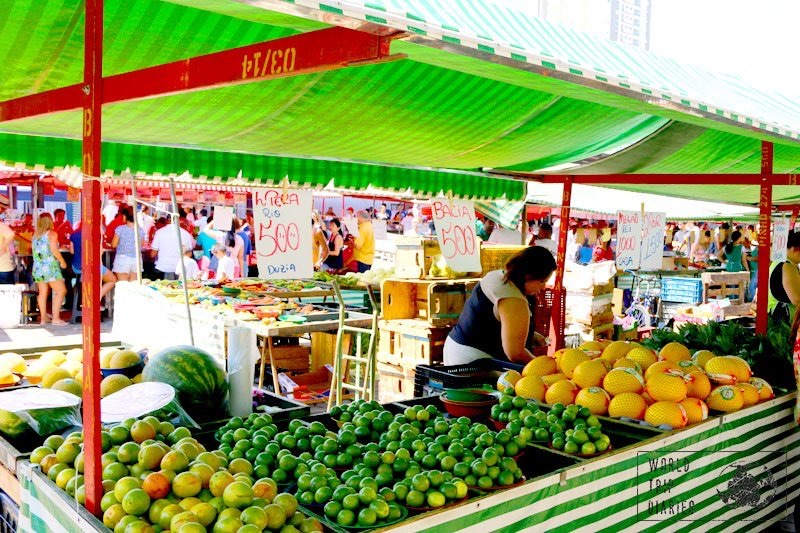
Brazil offers a more accessible travel budget. A decent meal in a local restaurant in Rio de Janeiro or São Paulo costs around R$30-R$60 ($6-12 USD). Hostel dorms in major cities run R$50-R$100 ($10-20 USD) per night, while budget hotels are R$150-R$250 ($30-50 USD). Local buses are cheap, often R$4-R$6 ($0.80-1.20 USD) a ride. Activities like hiking in Chapada Diamantina or visiting Iguaçu Falls have entrance fees, but overall daily spending stays low. Groceries are also inexpensive, allowing for further savings if you cook.
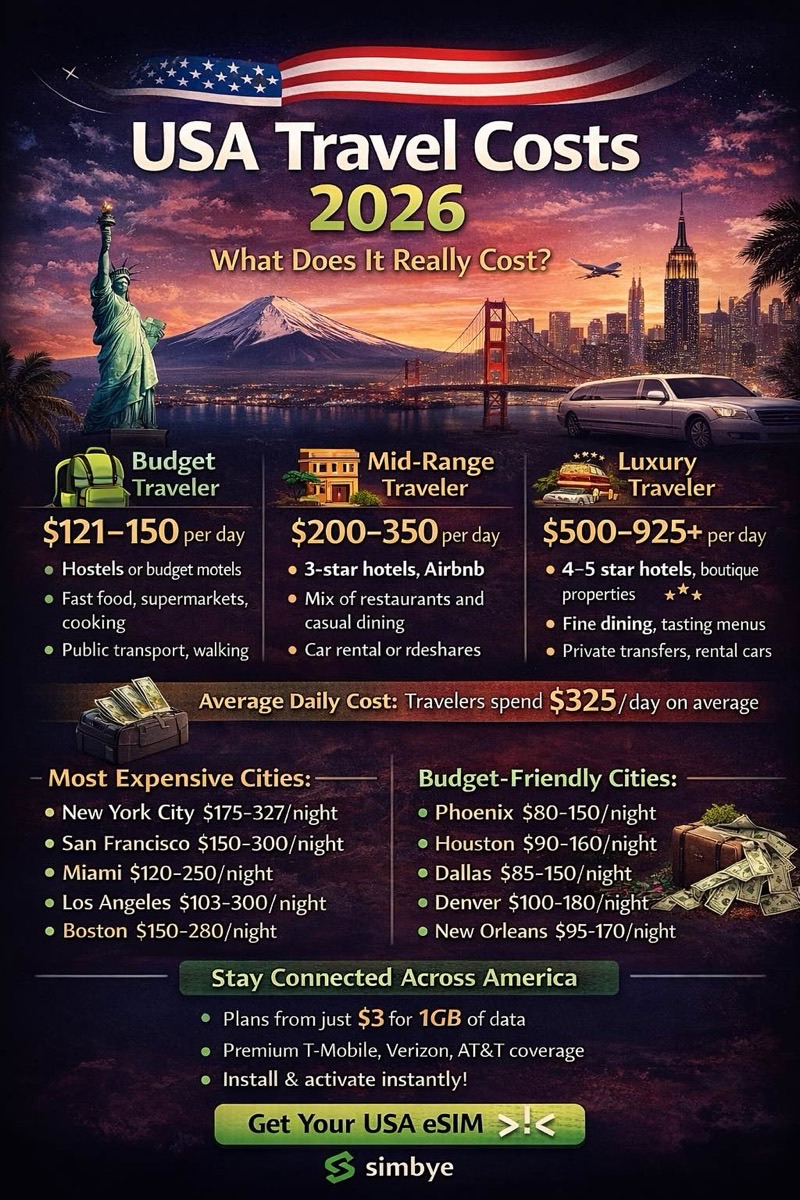
The USA presents a higher cost of travel. A casual meal often starts at $15-25 USD, and a sit-down restaurant can easily exceed $40-60 USD per person with drinks. Hostel dorms in cities like New York or San Francisco cost $40-70 USD per night, with budget hotels typically $120-200 USD. Public transport, while effective in some cities, is not cheap (e.g., $2.90 for a single subway ride in NYC). Car rental, a necessity for many US trips, can be $50-100+ per day before gas. National Park entrance fees are $30-35 per vehicle or $80 for an annual pass. For most, Brazil offers a more financially relaxed travel experience.
- Winner: Brazil
- Why: Brazil provides a considerably lower daily expenditure, allowing for longer trips or more experiences on the same budget.
- Who this matters for: Budget-conscious travelers, backpackers, and those seeking extended stays.
🎭 Culture & Heritage
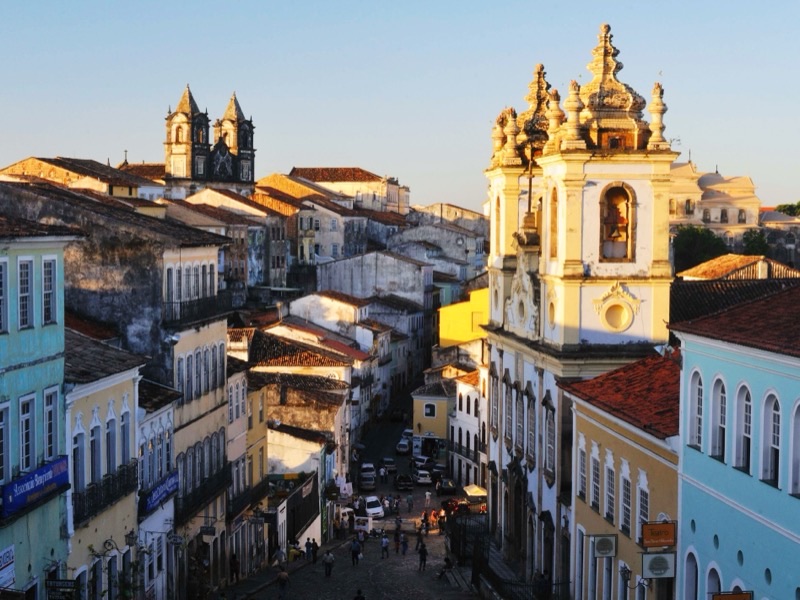
Brazil's cultural landscape is a product of its history, with strong African, Indigenous, and European influences. Salvador, Bahia, exemplifies this with its Pelourinho district,…
Brazil
Usa
Brazil's cultural landscape is a product of its history, with strong African, Indigenous, and European influences. Salvador, Bahia, exemplifies this with its Pelourinho district, a UNESCO site where Capoeira rodas happen on the streets and Candomblé traditions are preserved. Rio de Janeiro is defined by samba schools, Carnaval, and its beach culture along Copacabana and Ipanema. Ouro Preto showcases exquisite Baroque colonial architecture. The countrys music and dance forms are central to daily life. Learning some Portuguese greatly enhances cultural engagement. The culture feels present and alive in public spaces.
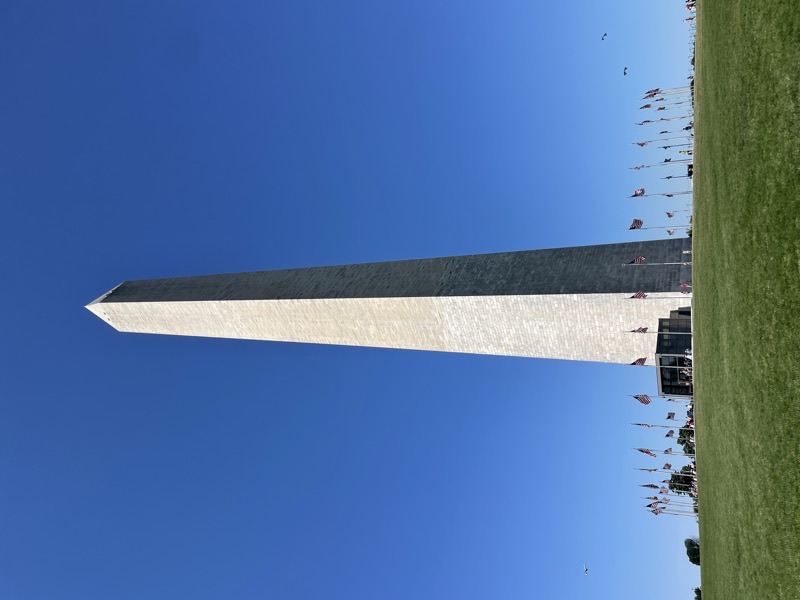
The USA has a layered cultural fabric, though it often requires more effort to seek out specific historical threads. Boston offers revolutionary war sites like the Freedom Trail. New Orleans presents French Creole heritage and jazz music. The Southwest has Native American influences and desert art. Cities like New York are cultural hubs with Broadway shows and a global culinary scene. However, daily interactions are often less overtly cultural than in Brazil, and many historical sites are curated museum experiences rather than living traditions. Brazils pervasive street culture and musical traditions make it a more immediate cultural immersion.
- Winner: Brazil
- Why: Brazils culture is more openly expressed and accessible in everyday life, with deep historical and social roots.
- Who this matters for: Travelers seeking immersive cultural experiences, historical exploration beyond museums, and a connection to local traditions.
🏞️ Nature & Outdoors
Brazil is home to some of the worlds most significant natural wonders. The Amazon Rainforest, accessible from Manaus, offers unparalleled biodiversity and river expeditions. The…

Brazil

Usa
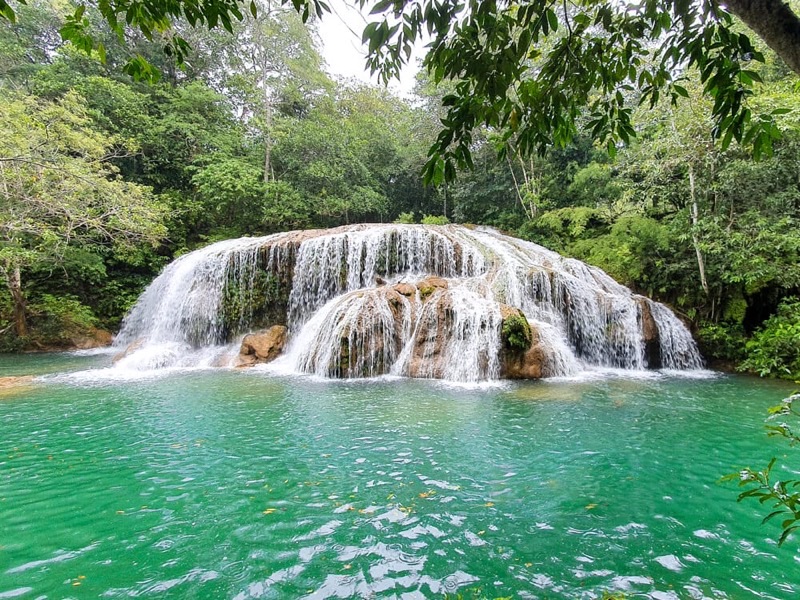
Brazil is home to some of the worlds most significant natural wonders. The Amazon Rainforest, accessible from Manaus, offers unparalleled biodiversity and river expeditions. The Iguaçu Falls, on the border with Argentina, are immense and allow for up-close viewing. The Pantanal is the worlds largest tropical wetland, a prime spot for jaguar spotting and wildlife safaris. Chapada Diamantina provides dramatic landscapes for hiking with waterfalls and caves. These experiences are often raw and require some logistical planning but deliver profound natural encounters.
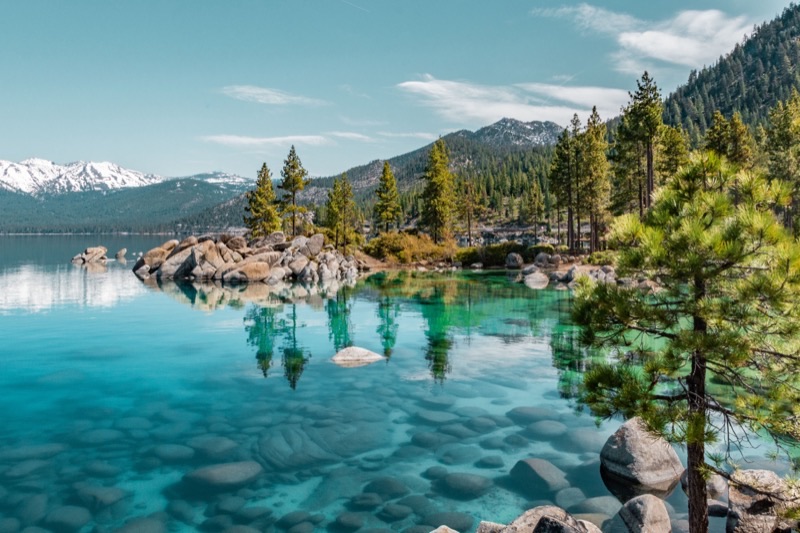
The USA boasts a robust and well-managed National Parks system. The Grand Canyon offers expansive desert views, Yellowstone features geysers and geothermal activity, and Yosemite is famous for its granite cliffs and waterfalls. Many parks have extensive hiking trails, visitor centers, and camping facilities. Coastal regions like Californias Big Sur or Floridas Everglades also present distinct ecosystems. Access to these areas is generally easier, with good infrastructure and signage. While both countries offer incredible natural beauty, the US parks are often more user-friendly for self-guided exploration, whereas Brazil offers more untamed, large-scale wilderness areas.
- Winner: Tie
- Why: Both countries offer incredible, distinct natural environments, making it impossible to pick one over the other based purely on natural beauty.
- Who this matters for: Nature enthusiasts, hikers, wildlife photographers, and adventure seekers.
🍽️ Food & Drink
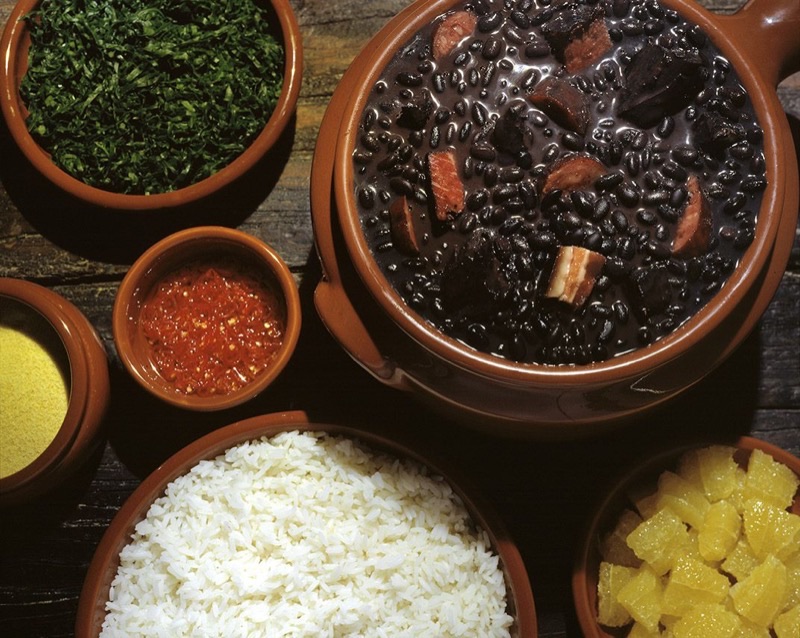
Brazils food scene is flavorful and hearty. Start with Pão de Queijo, a cheese bread snack, and Coxinhas, savory fried dough. Feijoada, a black bean and pork stew, is a national…
Brazil
Usa
Brazils food scene is flavorful and hearty. Start with Pão de Queijo, a cheese bread snack, and Coxinhas, savory fried dough. Feijoada, a black bean and pork stew, is a national dish, typically eaten on Wednesdays and Saturdays. Along the coast, Moqueca, a fish stew with coconut milk, is a highlight. Street food is abundant and affordable. Acai bowls are a refreshing treat. The fruit selection is wide and fresh. Cachaça, the sugarcane spirit, is the base for Caipirinhas. Exploring a 'churrascaria', an all-you-can-eat grilled meat restaurant, is a culinary event. For example, a good Feijoada at Bar do Mineiro in Santa Teresa, Rio, costs around R$90 ($18 USD).
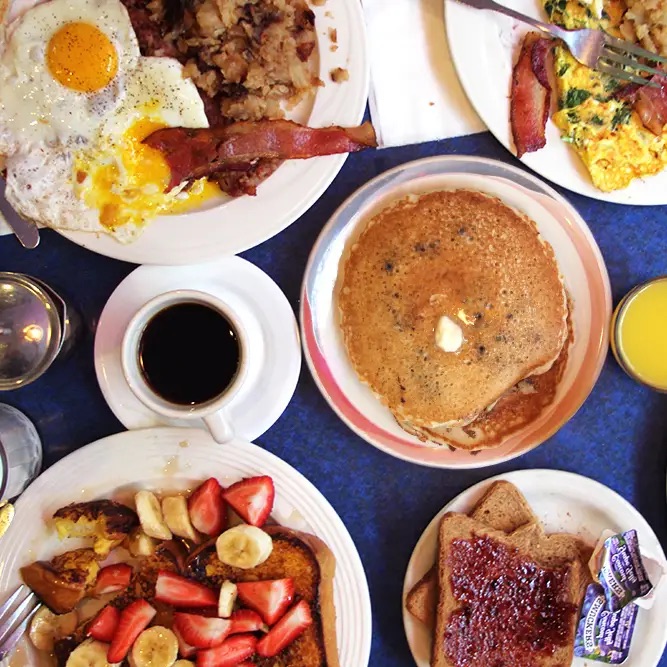
The USA offers a vast array of dining options, largely driven by regional specialties and immigrant communities. Texas BBQ, New York style pizza, New England clam chowder, and Louisiana Gumbo are distinct examples. Major cities like Los Angeles and New York host some of the worlds best international cuisine. Craft beer has exploded, with breweries in nearly every state. Napa Valley and Sonoma produce renowned wines. Portions are typically large. However, finding truly authentic, non-chain, affordable food outside of specific ethnic enclaves or street food scenes can be challenging. A decent BBQ plate in Austin might be $20-30. Brazils simpler, more direct culinary identity and affordability make it a more consistently satisfying food experience for travelers.
- Winner: Brazil
- Why: Brazils food is more consistently affordable, distinctive, and integrated into the everyday experience for travelers.
- Who this matters for: Foodies on a budget, those seeking unique local flavors, and fans of tropical ingredients.
🕺 Nightlife & Entertainment
Brazil is synonymous with good times after dark. Rio de Janeiros Lapa district is famous for its samba clubs and street parties, especially around the Arcos da Lapa. São Paulo has…

Brazil
Usa
Brazil is synonymous with good times after dark. Rio de Janeiros Lapa district is famous for its samba clubs and street parties, especially around the Arcos da Lapa. São Paulo has a diverse club scene, from electronic music to live MPB (Música Popular Brasileira). Beach kiosks along Copacabana and Ipanema are active until late. Many Brazilians start their evenings late, with clubs getting busy after midnight and continuing until dawn. A Caipirinha at a Lapa bar might cost R$20-30 ($4-6 USD). The energy is infectious, with dancing and music being central. Safety precautions are important, but the atmosphere is generally celebratory.
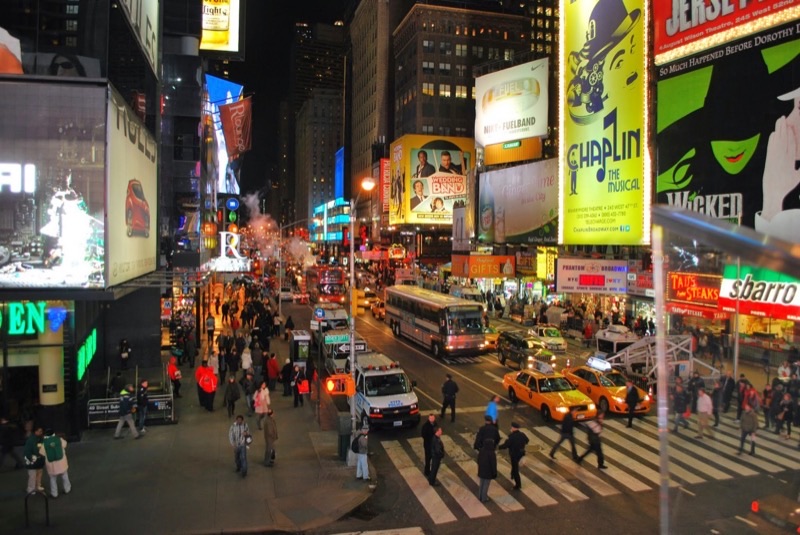
The USA offers a range of nightlife. Las Vegas is known for its casinos and mega-clubs. Miami has beach clubs and Latin music. New York City features Broadway shows, jazz clubs, and diverse bars. Los Angeles has Hollywood parties and comedy clubs. Live music venues are common in cities like Austin and Nashville. Prices for drinks can be high, often $10-20 for a cocktail in a city bar. Cover charges for clubs can also be significant. While the USA provides options for every taste, Brazils nightlife feels more organic, with music and dancing deeply embedded in the social fabric, and generally more affordable.
- Winner: Brazil
- Why: Brazil offers a more integrated, high-energy, and often more accessible nightlife experience rooted in local music and dance.
- Who this matters for: Party-goers, music lovers, and those seeking spontaneous social interactions.
✈️ Getting There
Travel to Brazil from North America involves longer flights. A direct flight from New York (JFK) to Rio de Janeiro (GIG) typically takes around 9.5-10 hours. From Miami (MIA) to…
Travel to Brazil from North America involves longer flights. A direct flight from New York (JFK) to Rio de Janeiro (GIG) typically takes around 9.5-10 hours. From Miami (MIA) to São Paulo (GRU) it is about 8-9 hours. Flights can range from $700-1200+ USD return, depending on the season and booking time. For US citizens, a visa for Brazil has historically been required, though changes are ongoing so check current requirements before booking. European and other nationalities may also require a visa. The journey is a significant time and cost investment.
The USA has a wider array of direct flight options from almost anywhere in the world. Major hubs like New York (JFK/EWR), Los Angeles (LAX), Chicago (ORD), and Miami (MIA) connect extensively. Flight times from Europe range from 6-8 hours, and from Asia, 10-15 hours. From Canada or Mexico, flights are much shorter. For many nationalities, entry to the US can be done via the ESTA program, which is simpler than a full visa application. Domestic flights within the US are frequent but can be costly, often $200-500+ for cross-country routes. The sheer volume of flights and simpler entry for many makes the USA generally easier to access.
- Winner: Usa
- Why: The USA offers more direct flight routes, shorter flight times from key markets, and often simpler entry requirements for many international travelers.
- Who this matters for: Travelers prioritizing ease and speed of access, and those with limited travel time.
🚗 Getting Around
In Brazil, intercity travel is primarily by bus. Companies like Cometa or 1001 offer comfortable, affordable journeys between major cities, for example, Rio to São Paulo takes…
In Brazil, intercity travel is primarily by bus. Companies like Cometa or 1001 offer comfortable, affordable journeys between major cities, for example, Rio to São Paulo takes about 6 hours and costs R$100-150 ($20-30 USD). Within cities, Uber and local equivalent 99 are popular and inexpensive. São Paulo and Rio de Janeiro have metro systems, but many other cities do not. For very long distances, like São Paulo to Manaus, domestic flights are necessary and can be pricey, often R$400-800 ($80-160 USD) one way. Navigation can be challenging without some Portuguese, and public transport outside major hubs is less developed.
The USA heavily relies on personal vehicles for intercity travel. Renting a car is often the most convenient way to explore regions, especially for national parks or road trips. Expect rental costs of $50-100+ per day plus gas, which can range from $3-5 per gallon. Public transport within cities varies significantly; New York City, San Francisco, and Washington D.C. have extensive metro systems, while cities like Los Angeles require a car. Domestic flights are frequent but expensive. Amtrak train services exist but are generally slower and more expensive than flying. The well-maintained road network and ease of car rental make the USA generally simpler to navigate for independent travelers, despite the cost.
- Winner: Usa
- Why: The USA offers more straightforward self-driving options and a highly developed domestic flight network, making independent exploration easier.
- Who this matters for: Road trip enthusiasts, travelers who prefer self-driving, and those who prioritize convenience over cost for transport.
🏨 Accommodation
Brazil offers a range of accommodation options that are generally more affordable than in the USA. Hostels are common in tourist areas, with dorm beds from R$50 ($10 USD) and…
Brazil offers a range of accommodation options that are generally more affordable than in the USA. Hostels are common in tourist areas, with dorm beds from R$50 ($10 USD) and private rooms from R$100 ($20 USD). Pousadas, local guesthouses, are a good mid-range option, often family-run, costing R$150-300 ($30-60 USD) per night. International hotel chains are present in major cities. For example, a comfortable stay at a hotel like Hotel Atlântico Copacabana in Rio might be R$300-500 ($60-100 USD) a night. The quality for the price is often favorable.
In the USA, accommodation costs are a significant budget item. Hostel dorms in major cities can start at $40-70 USD. Budget motels like a Motel 6 or Super 8 often cost $80-150 USD, and quality can vary. Mid-range hotels in cities or popular tourist areas typically range from $150-300 USD per night. Airbnb options exist but can add significant cleaning fees. National Park lodging often books out far in advance and can be expensive. While the USA has excellent infrastructure, the cost-to-value ratio for a comfortable sleep is significantly higher. Brazil allows travelers to get more for their money, whether staying in a hostel or a boutique pousada.
- Winner: Brazil
- Why: Brazil provides better value for money across all accommodation types, allowing for more comfortable stays on a smaller budget.
- Who this matters for: Budget travelers, those looking for local guesthouse experiences, and anyone who wants more comfort for less money.
🚨 Safety & Security
Safety in Brazil requires a higher degree of situational awareness. Major cities like Rio de Janeiro and São Paulo have areas with elevated crime rates, including pickpocketing…
Safety in Brazil requires a higher degree of situational awareness. Major cities like Rio de Janeiro and São Paulo have areas with elevated crime rates, including pickpocketing and street theft, especially after dark. Travelers should avoid displaying valuables, use ride-sharing apps over street taxis at night, and research neighborhoods before visiting. Favelas can be dangerous without a reputable guide. However, many tourist areas are well-policed during the day. For example, walking along Copacabana at night requires caution with phones. The perception of danger is often higher than the reality for cautious tourists, but incidents do occur.
The USA is generally considered a safe destination for tourists. Petty crime like pickpocketing can occur in crowded urban areas or tourist hotspots, similar to any large city globally. Violent crime rates vary by city and neighborhood, with some areas having higher incidents, but these are typically not tourist zones. Road safety is high with well-maintained roads. The primary concern often raised by international travelers is gun violence, which is a societal issue but rarely impacts tourists directly. Following basic precautions like not leaving valuables visible in cars and being aware of surroundings is sufficient for most US travel. The USA generally offers a more relaxed travel experience regarding personal security.
- Winner: Usa
- Why: The USA generally presents fewer immediate safety concerns for travelers, with lower rates of petty and violent crime impacting tourists.
- Who this matters for: Solo female travelers, first-time international travelers, and families with young children prioritizing a worry-free experience.
🚶 Solo Travel
Solo travel in Brazil is rewarding for those who are prepared for its challenges. Hostels are numerous and are excellent places to meet other travelers, facilitating group…
Solo travel in Brazil is rewarding for those who are prepared for its challenges. Hostels are numerous and are excellent places to meet other travelers, facilitating group activities. Brazilians are often friendly and social, making connections possible even with a language barrier. Learning basic Portuguese phrases helps immensely. However, solo travelers need to be extra vigilant regarding personal safety, especially at night or in less touristy areas. Being alone can make one a more visible target for petty theft. For example, a solo walk on an empty beach at dusk is not recommended. The experience is enriching but demands confidence and awareness.
For solo travelers, the USA is a straightforward destination. English is the primary language, eliminating communication barriers. Infrastructure is reliable, making self-navigation simple whether by car or public transport in cities. Hostels are available, particularly in major cities, offering social opportunities. Group tours for national parks or city excursions are plentiful. The general level of safety allows solo travelers more freedom to explore without constant vigilance. While social interaction might require more effort than in Brazil, the ease of logistics and lower safety concerns make the USA a more accessible and less stressful option for most solo adventurers.
- Winner: Usa
- Why: The USA offers greater ease of navigation, fewer language barriers, and a generally lower safety risk for individuals traveling alone.
- Who this matters for: First-time solo travelers, those preferring independence without significant planning hurdles, and English-only speakers.
🎯 The Decision Framework
Choose Brazil If…
- You want your travel budget to stretch significantly further.
- You are seeking deep cultural immersion, especially Afro-Brazilian traditions.
- You want to experience vast, untamed natural wonders like the Amazon or Pantanal.
- You enjoy lively street life, samba, and late-night social gatherings.
- You appreciate unique, flavorful, and affordable regional cuisine.
- You are comfortable navigating with a language barrier (Portuguese).
- You are an adventurous traveler willing to adapt to local conditions.
- You prioritize genuine local interactions over polished tourist experiences.
Choose Usa If…
- You prioritize ease of travel, reliable infrastructure, and familiar amenities.
- You want to explore diverse landscapes within an extensive National Park system.
- You prefer the convenience of self-driving and road trips.
- You are interested in specific urban experiences like Broadway or Hollywood.
- You want a generally lower personal safety risk while exploring.
- You speak English and prefer not to deal with language barriers.
- You have a higher travel budget and are comfortable with US price points.
- You seek comfort, predictability, and a wide array of dining choices.
📅 Sample Itineraries
Weekend in Brazil (3 Days)
💡 Purchase a pre-paid SIM card upon arrival for around R$30/~$6 to use ride-sharing apps and translate, saving on taxi costs and avoiding communication issues.
Weekend in Usa (3 Days)
💡 Purchase a 7-day unlimited MetroCard for $33 for efficient travel across New York City's boroughs, avoiding individual fare costs.
One Week in Brazil (7 Days)
💡 For domestic flights within Brazil, booking in advance with local airlines like LATAM or GOL can save up to 30% on fares.
One Week in Usa (7 Days)
💡 In Washington D.C., utilize the free Smithsonian museums for cultural and historical enrichment, saving significantly on typical museum entrance fees.
❓ Frequently Asked Questions
What is the average daily budget for Brazil versus the USA?
In Brazil, a comfortable daily budget for a mid-range traveler is generally R$250-500 ($50-100 USD), including accommodation, food, and activities. For the USA, a comparable experience would cost $150-300+ USD per day, with accommodation alone often exceeding $100 USD.
Are direct flights common between the two countries, and what are typical flight times?
Direct flights exist between major hubs. From New York (JFK) to Rio de Janeiro (GIG), expect around 9.5-10 hours. From New York (JFK) to Los Angeles (LAX), a domestic flight is about 5.5-6 hours. Flights to Brazil are significantly longer and often more expensive than cross-country US flights.
Which country is better for adventure activities?
Both offer adventure, but Brazil often provides more raw, large-scale natural adventures like Amazon jungle trekking or Pantanal wildlife safaris. The USA excels in easily accessible outdoor activities within its National Parks, such as hiking in Yosemite or rafting in the Grand Canyon, with well-established infrastructure.
Is it easy to get around Brazil without speaking Portuguese?
It is more challenging. While tourist areas in major cities might have some English speakers, knowing basic Portuguese phrases greatly improves interactions. Ride-sharing apps and Google Translate can assist, but bus travel outside of main routes will be difficult without local language skills.
What are the visa requirements for US citizens traveling to Brazil, and vice-versa?
For US citizens, Brazil has historically required a visa, though policies frequently change so checking the latest official guidance is essential. For Brazilian citizens traveling to the USA, a visa (typically B1/B2 tourist visa) is mandatory and requires an application and interview process.
Which destination is better for beach lovers?
Brazil has an extensive coastline with iconic beaches like Copacabana and Ipanema in Rio, and Praia do Sancho (Fernando de Noronha). The USA also offers diverse beaches from the Pacific Coast (California) to the Gulf Coast (Florida), but Brazils beach culture is more integrated into daily life and often more lively, especially around major cities.
How do food costs compare in Brazil and the USA?
Food in Brazil is considerably cheaper. A good local meal can cost R$30-R$60 ($6-12 USD). In the USA, a casual meal is typically $15-25 USD, and sit-down restaurant prices are often $40-60+ USD per person. Street food is abundant and very affordable in Brazil.
Is it possible to combine a trip to Brazil and the USA?
Yes, but it requires significant time and budget. Given the long distances, a minimum of 3-4 weeks is recommended. You could spend 2 weeks exploring a region in Brazil, then fly to a US hub like Miami or New York for another 1-2 weeks of different experiences, but expect high flight costs between the two.
Ready to plan your South American or North American trip?
Get a free custom itinerary for Brazil, Usa, or both — built from real traveler insights.
👥 Travelers Also Compared
🎟️ Book Tours & Experiences
Hand-picked tours and activities for both destinations — book with free cancellation
Experiences via Viator — free cancellation on most tours