How we built this comparison
This page combines traveler discussion patterns, published price ranges, flight schedules, and seasonal data to help you decide between Brisbane and Melbourne.
- Reviewed 50+ Reddit threads from r/travel, r/solotravel, r/australia, r/brisbane, r/melbourne.
- Verified costs and logistics against current booking platforms (e.g., Booking.com, Skyscanner, local transport sites).
- Cross-referenced seasonal patterns and weather data from the Australian Bureau of Meteorology.
- Incorporated local insights from Australian residents and recent visitors.
⚡ The TL;DR Verdict
For those craving a vibrant cultural city break, world-class dining, and a dynamic nightlife, Melbourne is your pick with a daily budget of AUD $150-250 (USD $100-165). If sunshine, outdoor adventures, island hopping, and a more relaxed pace appeal, Brisbane offers excellent value at AUD $120-200 (USD $80-130) per day.
- Choose Brisbane: Choose Brisbane if you love warm weather, want easy access to stunning beaches and islands (Gold Coast, Sunshine Coast, Moreton Island), enjoy outdoor activities, and prefer a more relaxed, less crowded city vibe. It's often a bit more budget-friendly too.
- Choose Melbourne: Pick Melbourne for unparalleled food and coffee, a thriving arts and culture scene, world-class shopping, and a dynamic urban experience. It's perfect for city explorers who don't mind changeable weather and appreciate sophisticated entertainment.
- Choose Both: Absolutely do both if you have 10-14 days for your Australian trip! Flying between them is quick and relatively inexpensive. Spend 4-5 days exploring each city and their nearby attractions to experience the best of Australia's east coast diversity.
Quick Comparison
| Category | Brisbane | Melbourne | Winner |
|---|---|---|---|
| Culture & Arts | Emerging arts scene, GOMA, Queensland Museum, focus on outdoor installations. | Australia's cultural capital, world-class galleries, street art, live music venues, theatre district. | Melbourne |
| Food & Drink | Riverside dining, emerging precincts, focus on fresh produce, growing cafe scene. | World-renowned coffee, diverse international cuisine, laneway cafes, fine dining, vibrant bar scene. | Melbourne |
| Nightlife | Fortitude Valley hub, South Bank bars, relaxed atmosphere, craft breweries. | Extensive late-night options, diverse bars, clubs, live music venues across multiple precincts. | Melbourne |
| Beaches & Nature | Proximity to world-class beaches (Gold/Sunshine Coast), Moreton Island, South Bank artificial beach. | City beaches (St Kilda), proximity to Great Ocean Road, Dandenong Ranges, colder waters. | Brisbane |
| Costs (Overall) | Generally slightly cheaper for accommodation, food, and activities. | Higher cost of living, more expensive accommodation, dining, and premium experiences. | Brisbane |
| Getting There & Around | Brisbane Airport (BNE) well-connected, G:link tram on Gold Coast, city largely walkable/ferry/bus. | Melbourne Airport (MEL) major international hub, extensive tram network, well-connected regional trains. | Melbourne |
| Weather & Seasons | Subtropical climate, warm to hot year-round, distinct wet season in summer. | Temperate climate, four distinct seasons, famously 'four seasons in one day' weather variability. | Brisbane |
| Day Trips | Gold Coast theme parks, Sunshine Coast beaches, Moreton/North Stradbroke Islands, Lamington National Park. | Great Ocean Road, Yarra Valley wineries, Dandenong Ranges, Phillip Island penguin parade. | Tie |
| Shopping | Queen Street Mall, local markets, less high-end focus. | Luxury boutiques, independent designers, vintage finds, extensive shopping precincts. | Melbourne |
| Family Friendliness | Theme parks (Gold Coast), Lone Pine Koala Sanctuary, South Bank parks and lagoon. | Melbourne Zoo, Scienceworks, ACMI, extensive parks, family-friendly museums. | Brisbane |
🎨 Culture & Arts
Melbourne reigns supreme as Australia's undisputed cultural capital. Its laneways are a canvas for constantly evolving street art, while institutions like the National Gallery of Victoria (NGV) and Australian Centre for the Moving Image (ACMI) offer diverse, high-calibre exhibitions, often with free entry to permanent collections. The city's theatre district boasts international shows, and live music venues from intimate pubs to grand concert halls are everywhere. Brisbane's cultural scene is growing, anchored by the Queensland Cultural Centre (GOMA, Queensland Museum, QPAC) on the South Bank, offering significant exhibitions and performances. However, it feels more concentrated and less pervasive than Melbourne's integrated artistic fabric. For instance, a ticket to a major exhibition at NGV might be AUD $30 (USD $20), while a similar one at GOMA could be AUD $25 (USD $16). 'Walking through Melbourne's laneways is like stepping into a living, breathing art gallery; Brisbane has some cool spots, but it's not the same vibe.'
Winner takeaway
- Winner: Melbourne
- Why: Melbourne offers a richer, more diverse, and more integrated arts and culture experience, from world-class institutions to pervasive street art.
- Who this matters for: Art lovers, culture vultures, theatre-goers, and anyone seeking intellectual stimulation.
🍜 Food & Drink
Melbourne's culinary reputation is legendary, particularly its coffee culture which is arguably the best in the world. From hidden laneway cafes serving perfect flat whites for AUD $5 (USD $3.25) to Michelin-starred equivalent fine dining experiences at Vue de Monde (expect AUD $300+ / USD $200+ per person), the city caters to every palate and budget. Its diverse immigrant population has fostered incredible authentic international cuisines – Vietnamese in Richmond, Greek in Lonsdale Street, Italian in Lygon Street. Brisbane's food scene, while rapidly improving, is still playing catch-up. Precincts like Howard Smith Wharves offer excellent riverside dining options, and the Fortitude Valley has a buzzing array of bars and restaurants. You'll find great cafes, but they don't have the same pervasive, almost obsessive quality as Melbourne. A typical brunch in Brisbane might cost AUD $25-35 (USD $16-23), similar to Melbourne, but the sheer breadth and depth of choice lean heavily towards Melbourne. 'Melbourne's coffee just hits different, man. Like, even a random corner cafe is probably better than most places I've been.'
Winner takeaway
- Winner: Melbourne
- Why: Melbourne boasts a more diverse, sophisticated, and internationally recognized food and drink scene, especially its unparalleled coffee and fine dining.
- Who this matters for: Foodies, coffee aficionados, gourmands, and those seeking culinary adventures.
🍹 Nightlife
Melbourne offers a more extensive and diverse nightlife, with options ranging from chic cocktail bars hidden in laneways (try The Everleigh or Eau de Vie) to pumping nightclubs in the CBD and St Kilda, and countless live music venues catering to every genre. Areas like Fitzroy and Collingwood are famed for their trendy bars and pubs. Drinks can be pricey, with a standard beer or wine around AUD $10-15 (USD $6.50-10) and cocktails upwards of AUD $20 (USD $13). Brisbane's nightlife largely centres around Fortitude Valley, home to clubs, live music venues, and rooftop bars. South Bank and the CBD also have a good selection of more relaxed bars, especially along the river. While Brisbane certainly has a lively scene, it feels more concentrated and less varied than Melbourne's spread-out, eclectic offerings. The closing times are also generally earlier in Brisbane compared to Melbourne's often late-night options. 'If you want options and to party 'til dawn, Melbourne is your spot. Brisbane's fun, but it tapers off quicker.'
Winner takeaway
- Winner: Melbourne
- Why: Melbourne provides a broader, more varied, and more sophisticated nightlife experience with more late-night options.
- Who this matters for: Party-goers, music lovers, social butterflies, and anyone who enjoys a diverse late-night scene.
🏖️ Beaches & Nature
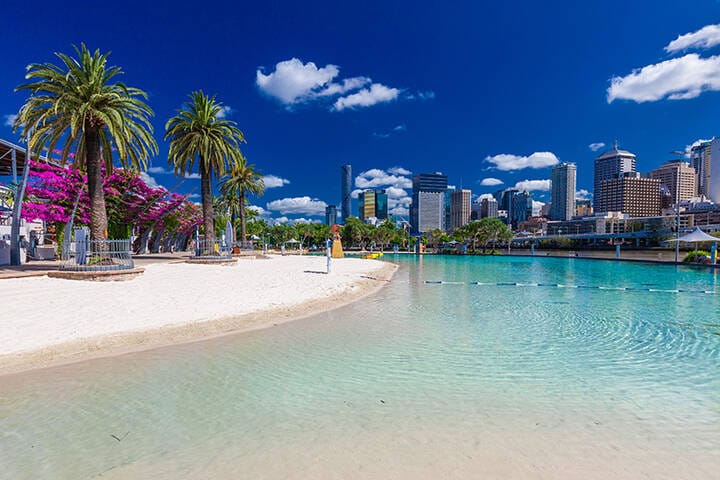
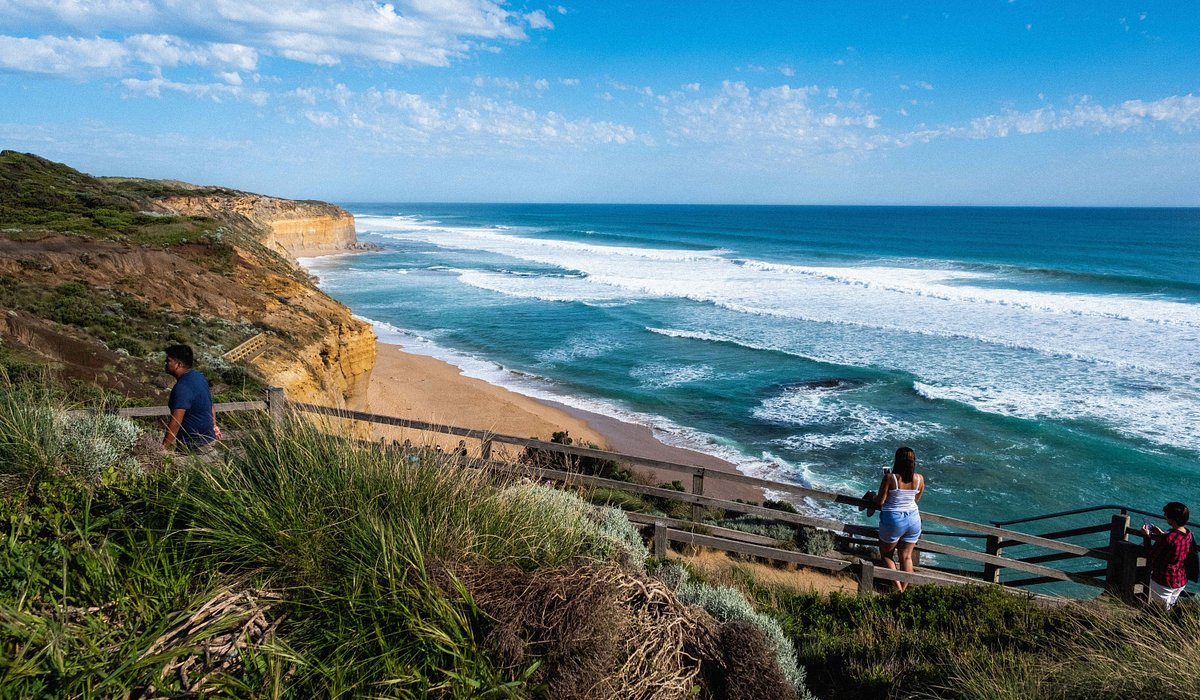
Brisbane is the clear winner here due to its unparalleled proximity to some of Australia's most iconic natural attractions. Within an hour's drive north or south, you can be on the stunning beaches of the Gold Coast (Surfers Paradise) or Sunshine Coast (Noosa Heads). Even closer, a short ferry ride takes you to Moreton Island or North Stradbroke Island, both offering pristine white sands, clear waters for snorkeling, and wild dolphin feeding experiences (a day trip to Moreton Island with Tangalooma Wild Dolphin Resort can cost AUD $160-200 / USD $105-130). Within the city, South Bank's Streets Beach provides a unique urban oasis. Melbourne's local beaches like St Kilda are pleasant for a stroll or a dip on a hot day, but they can't compare to the natural beauty and warmer waters up north. Its natural highlights are more about rugged coastlines (Great Ocean Road, a full day tour is about AUD $120-180 / USD $80-120) or lush national parks like the Dandenong Ranges, which are beautiful but not 'beach' experiences. 'Brisbane is awesome because you're literally an hour from paradise. Melbourne beaches are... fine, but they're not Queensland beaches.'
Winner takeaway
- Winner: Brisbane
- Why: Brisbane offers direct access to warmer waters, world-class surf beaches, and pristine islands, making it superior for beach and nature lovers.
- Who this matters for: Beach lovers, surfers, outdoor enthusiasts, island hoppers, and those seeking warm weather and swimming opportunities.
💰 Costs (Overall)
While neither city is 'cheap' by international standards, Brisbane tends to be slightly more budget-friendly overall. Accommodation in a central Brisbane hostel can be AUD $35-50 (USD $23-33) per night, compared to Melbourne's AUD $45-65 (USD $30-43). Mid-range hotel rooms might average AUD $150-220 (USD $100-145) in Brisbane vs. AUD $180-280 (USD $120-185) in Melbourne. Public transport is a bit cheaper in Brisbane with a Go Card, and while food costs can be similar for basic meals, Melbourne's premium dining and unique experiences often come with a heftier price tag. A typical meal in a mid-range restaurant in Brisbane might be AUD $25-40 (USD $16-26), while a comparable experience in Melbourne could easily be AUD $35-60 (USD $23-40). For a budget traveler, daily costs in Brisbane could be around AUD $120-180 (USD $80-120), whereas in Melbourne, expect AUD $150-220 (USD $100-145). 'Brisbane just feels a bit lighter on the wallet. You get more for your buck, especially with drinks and casual eats.'
Winner takeaway
- Winner: Brisbane
- Why: Brisbane generally offers better value for money across accommodation, dining, and activities, making it a more budget-friendly choice.
- Who this matters for: Budget travelers, backpackers, families, and those looking to stretch their travel funds further.
✈️ Getting There & Around
Melbourne wins for its superior public transport network and international connectivity. Melbourne Airport (MEL) is a major international gateway with more direct flights from various global cities. Once in the city, Melbourne boasts the largest urban tram network in the world, making it incredibly easy to navigate the CBD and inner suburbs without a car. A Myki card (rechargeable transport card) is essential, with daily cap costs around AUD $10 (USD $6.50). Brisbane Airport (BNE) is also well-connected, but getting around Brisbane itself often feels more spread out. While the CityCat ferries are a fantastic way to see the city and travel along the river, and buses are comprehensive, the public transport isn't as seamless or extensive as Melbourne's tram system. A TransLink Go Card works across buses, trains, and ferries. Inter-city flights between Brisbane and Melbourne are frequent, taking about 2 hours, with fares ranging from AUD $80-200 (USD $50-130) depending on the airline and booking time. 'Melbourne's trams are a lifesaver. You can get anywhere without thinking about parking or taxis. Brisbane's fine, but I missed the trams.'
Winner takeaway
- Winner: Melbourne
- Why: Melbourne offers superior international connectivity and a more extensive, user-friendly public transport system (especially trams) for navigating the city.
- Who this matters for: International travelers, those relying solely on public transport, and city explorers who enjoy walking and tram hopping.
☀️ Weather & Seasons
Brisbane is the clear winner for consistent warm weather and sunshine. Its subtropical climate means warm to hot temperatures year-round, with mild winters (average daily highs of 20-22°C / 68-72°F) and hot, humid summers (average daily highs of 28-30°C / 82-86°F), often accompanied by afternoon thunderstorms. This makes it ideal for outdoor activities, swimming, and beach trips almost any time. Melbourne, on the other hand, is famous for its 'four seasons in one day' – weather can change dramatically within hours. It experiences true temperate seasons: hot, dry summers (average daily highs of 25-28°C / 77-82°F, but can spike to 40°C / 104°F), crisp autumns, cool, often grey winters (average daily highs of 13-15°C / 55-59°F), and unpredictable springs. If you love consistent warmth and sunshine, Brisbane is your destination. 'Brisbane's weather is just better for a holiday. You know you're getting sunshine. Melbourne's like, pack everything from a bikini to a winter coat.'
Winner takeaway
- Winner: Brisbane
- Why: Brisbane offers a consistently warm, subtropical climate with more sunshine and mild winters, making it ideal for outdoor activities year-round.
- Who this matters for: Sun-seekers, those escaping cold climates, outdoor adventurers, and travelers who prefer consistent warm weather.
🚗 Day Trips
This category is a tough call, as both cities offer incredible, distinct day trip experiences. From Brisbane, you're spoiled for choice with theme parks on the Gold Coast (Warner Bros. Movie World, Sea World, Dreamworld – a multi-park pass can be AUD $100-150 / USD $65-100), the pristine beaches of the Sunshine Coast (Noosa), and the natural beauty of Moreton and North Stradbroke Islands, easily accessible by ferry (ferry to Straddie approx AUD $80 return for a car). Lamington National Park also offers stunning rainforest walks. Melbourne counters with the iconic Great Ocean Road, a breathtaking coastal drive (renting a car for a day might be AUD $60-100 / USD $40-65 plus fuel) offering sights like the Twelve Apostles. The Yarra Valley wine region is perfect for wine tasting tours (AUD $100-180 / USD $65-120), and the Dandenong Ranges provide picturesque villages and rainforests. Phillip Island's nightly Penguin Parade (entry AUD $30 / USD $20) is a unique wildlife experience. 'Honestly, you can't go wrong with either for day trips. Brisbane has the beaches and theme parks, Melbourne has the epic coastal drives and wineries.'
Winner takeaway
- Winner: Tie
- Why: Both cities offer an exceptional and diverse range of day trip options, catering to different interests, making it impossible to pick a single winner.
- Who this matters for: Travelers who love to explore beyond the city, seeking either nature/adventure or scenic drives/culinary excursions.
🛍️ Shopping
Melbourne is a shopper's paradise, renowned for its extensive range from high-end luxury boutiques on Collins Street (think Louis Vuitton, Chanel) to quirky independent designers in Fitzroy and Collingwood, and an abundance of vintage and second-hand stores. Major shopping centres like Melbourne Central and Emporium offer a mix of international and Australian brands. The city's laneways are also home to unique artisan shops and hidden gems. Brisbane's shopping scene is primarily centered around Queen Street Mall, a pedestrian-only precinct with major department stores (Myer, David Jones) and international retailers. Suburbs like Fortitude Valley offer some more independent boutiques, and weekend markets (e.g., West End Markets) are great for local crafts and produce. While Brisbane provides adequate shopping, it lacks the depth, diversity, and style-conscious edge that Melbourne boasts. For fashionistas, Melbourne is a pilgrimage. 'Melbourne's just got that fashion vibe, you know? You can find anything from designer stuff to really cool indie labels. Brisbane is more standard mall fare.'
Winner takeaway
- Winner: Melbourne
- Why: Melbourne offers a more diverse, sophisticated, and extensive shopping experience, from luxury to independent boutiques and vintage finds.
- Who this matters for: Fashionistas, trend-setters, serious shoppers, and those looking for unique finds.
👨👩👧👦 Family Friendliness
Brisbane shines for families, especially those with younger children or teenagers. Its proximity to the Gold Coast's world-famous theme parks (Dreamworld, Movie World, Sea World) is a huge draw, offering days of entertainment. Within Brisbane itself, the Lone Pine Koala Sanctuary provides a fantastic opportunity to cuddle a koala and hand-feed kangaroos (entry approx AUD $50 / USD $33 per adult, kids less). South Bank Parklands with its Streets Beach lagoon and playgrounds offers free, relaxed fun for all ages. Melbourne also has excellent family attractions, including Melbourne Zoo (entry AUD $44 / USD $29 per adult, kids free on weekends/holidays), Scienceworks (entry AUD $15 / USD $10), and the family-friendly exhibits at ACMI and NGV. Its parks are extensive, but for sheer 'wow' factor and consistent outdoor activities in warm weather, Brisbane and its surrounding region often edge it out. The beach access is also a big plus for families. 'Brisbane is just so easy with kids. Theme parks, koalas, and a huge free public beach right in the city. Can't beat it.'
Winner takeaway
- Winner: Brisbane
- Why: Brisbane's access to theme parks, wildlife sanctuaries, and extensive outdoor family-friendly amenities in a warm climate makes it slightly more appealing for families.
- Who this matters for: Families with children of all ages, especially those who love theme parks, wildlife encounters, and consistent outdoor activities.
❓ Frequently Asked Questions
Which city is better for a short weekend trip?
For a short weekend, Melbourne might offer a more concentrated 'city break' experience with its dense cultural offerings, food scene, and walkable laneways. You can pack a lot into 2-3 days without feeling rushed. Brisbane is great for a weekend if you're happy to relax by the river, visit South Bank, or focus on one major day trip like Moreton Island.
Can I visit both Brisbane and Melbourne in one trip to Australia?
Absolutely! It's a very common itinerary. Domestic flights between Brisbane (BNE) and Melbourne (MEL) are frequent and take about 2 hours. Budget airlines like Jetstar and Virgin Australia often have competitive fares, making it easy to combine both distinct Australian experiences into a single trip.
Which city has better beaches?
Brisbane, hands down, has better access to world-class natural beaches. While Melbourne has city beaches like St Kilda, Brisbane is just an hour's drive from the stunning Gold Coast and Sunshine Coast beaches, and offers easy ferry access to pristine island beaches like Moreton Island. The water is also consistently warmer in Brisbane.
Is Brisbane too hot to visit in summer?
Brisbane summers (December-February) are hot and humid, with average temperatures around 28-30°C (82-86°F) and a high chance of afternoon thunderstorms. While it can be intense, locals embrace it with air conditioning, swimming, and early morning activities. If you prefer cooler weather, autumn (March-May) or spring (September-November) are ideal.
What's the best time of year to visit each city?
For Brisbane, autumn (March-May) and spring (September-November) offer pleasant, warm weather and less humidity. For Melbourne, spring (September-November) and autumn (March-May) are often recommended for mild temperatures and fewer extremes, though summer (December-February) is vibrant despite potential heatwaves.
Which city is more budget-friendly for travelers?
Generally, Brisbane tends to be slightly more budget-friendly than Melbourne. Accommodation, dining at casual restaurants, and some activities can be marginally cheaper in Brisbane. Melbourne's high-end dining, extensive cultural events, and premium shopping often come with a higher price tag.
Which city is better for solo travelers?
Both cities are excellent for solo travelers, but for different reasons. Melbourne offers endless opportunities for exploration, bustling cafes, and a vibrant nightlife for meeting people. Brisbane's laid-back vibe and easy access to outdoor adventures might appeal to solo travelers seeking nature and a relaxed pace. Both have strong hostel scenes.
Is public transport good in both cities?
Public transport is good in both, but Melbourne's system is arguably superior. Melbourne boasts the world's largest tram network, making city navigation incredibly convenient. Brisbane relies more on buses and its unique CityCat ferry system, which is scenic but less comprehensive for inner-city travel than Melbourne's trams.
Ready to plan your Australian East Coast trip?
Get a free custom itinerary for Brisbane, Melbourne, or both — built from real traveler insights.
🎟️ Book Tours & Experiences
Hand-picked tours and activities for both destinations — book with free cancellation
Experiences via Viator — free cancellation on most tours