How we built this comparison
This page combines traveler discussion patterns, published price ranges, flight schedules, and seasonal data to help you decide between Brussels and Amsterdam.
- Reviewed 100+ Reddit threads from r/travel, r/solotravel, r/Belgium, r/Amsterdam, r/Brussels for authentic traveler experiences and advice.
- Verified costs and logistics (flight times, train prices, attraction entry) against current booking platforms and official tourism sites.
- Cross-referenced seasonal patterns and weather data to provide practical travel timing insights.
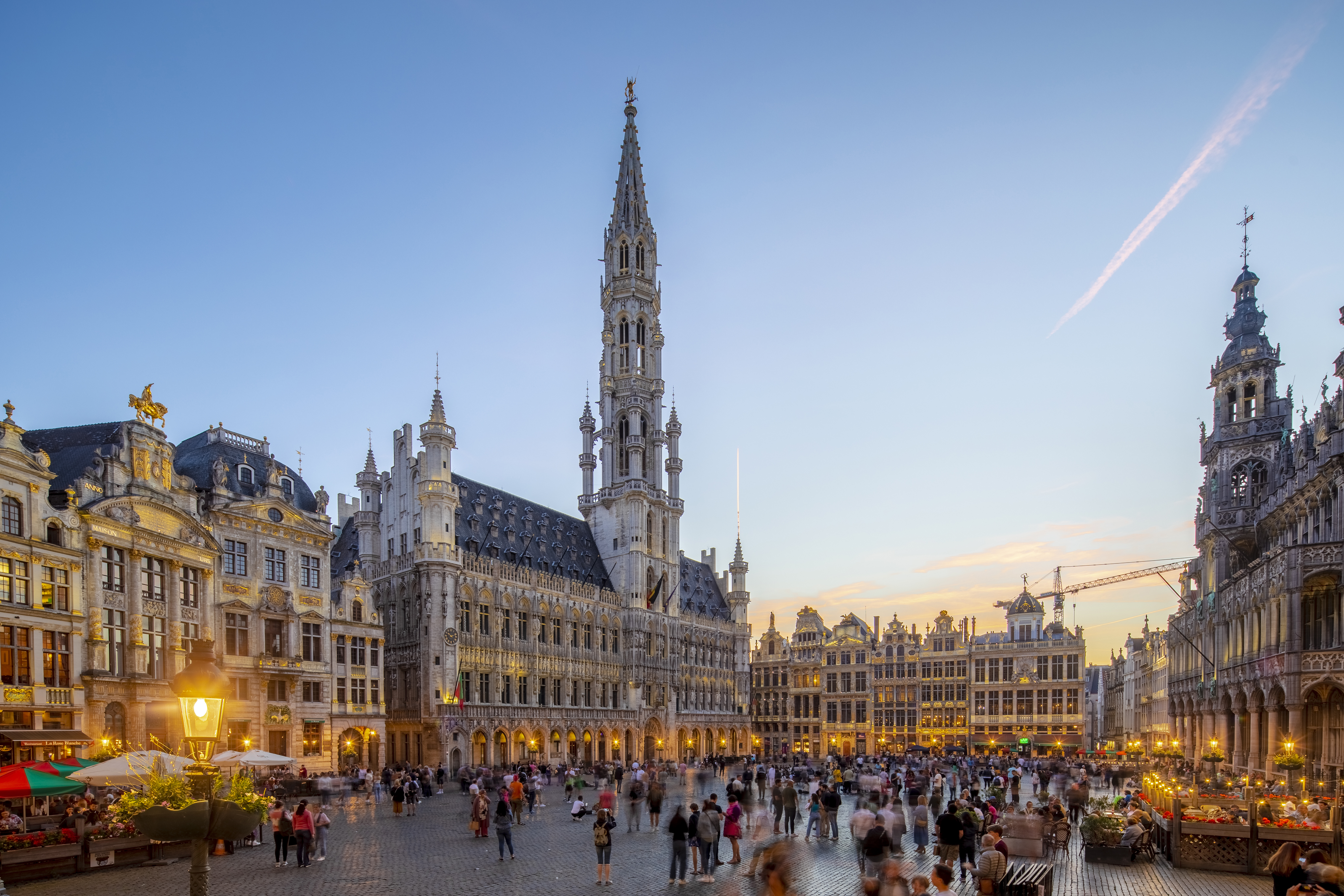
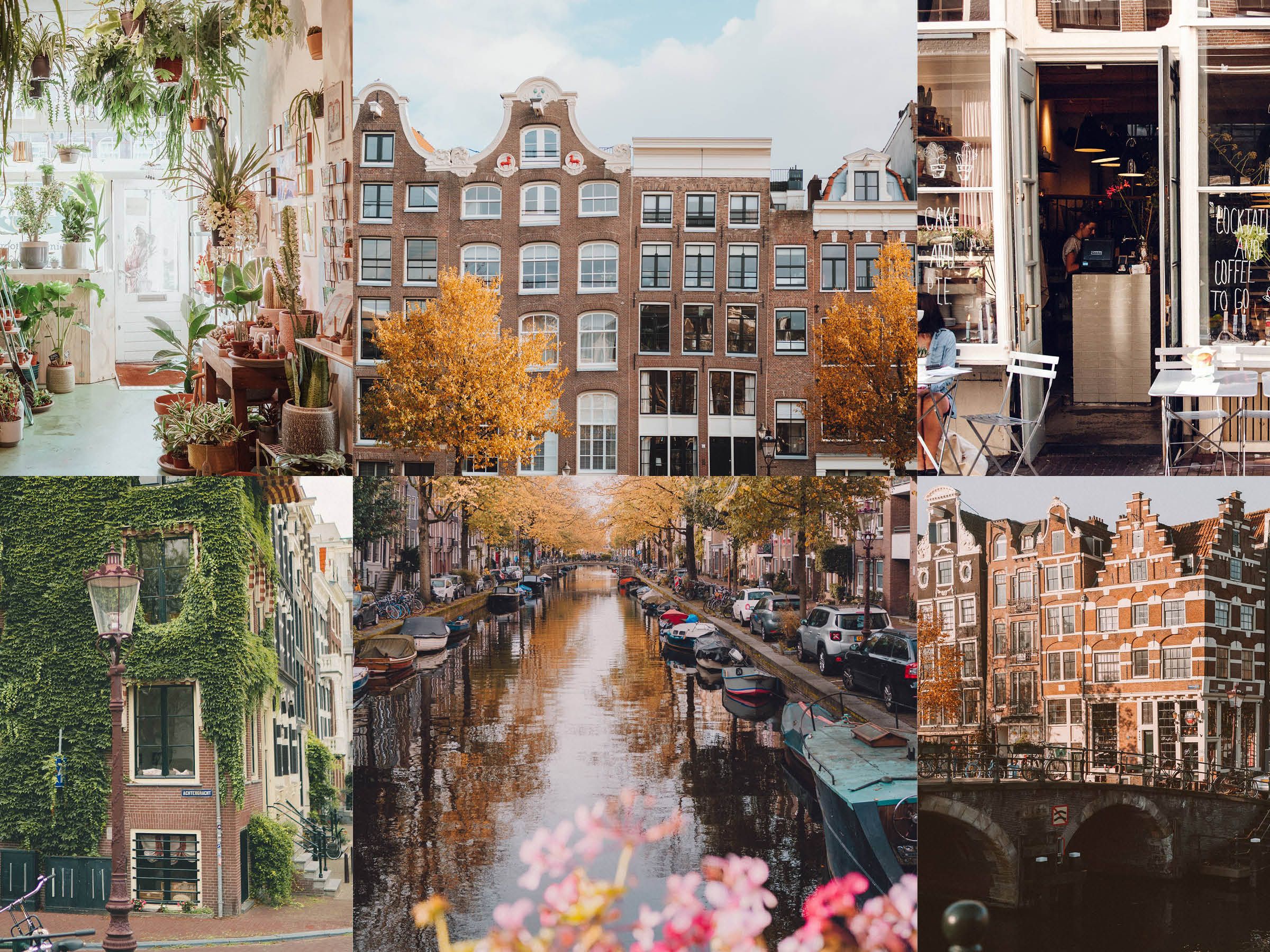
⚡ The TL;DR Verdict
Brussels is your pick for a more budget-friendly, historically rich trip focused on incredible food, unique culture, and serious beer, with a rough daily budget of €80-€150 ($85-$160 USD). Amsterdam, while pricier, offers a vibrant, iconic 'classic Europe' experience with world-class museums, beautiful canals, and a lively atmosphere, typically requiring €120-€250 ($130-$270 USD) per day.
- Choose Brussels: History buffs, budget-conscious travelers, serious beer aficionados, and those seeking a slightly less tourist-saturated, more authentic European capital experience.
- Choose Amsterdam: First-time Europe travelers, art and museum lovers, those who appreciate a vibrant, energetic city vibe, and the unique, picturesque charm of canals and gabled houses.
- Choose Both: If you have 5-7 days, spend 2-3 in Brussels and 3-4 in Amsterdam. They're easily connected by a ~2-hour train ride (Thalys, from €30-€80), making a diverse Benelux experience highly recommended.
Quick Comparison
| Category | Brussels | Amsterdam | Winner |
|---|---|---|---|
| Food & Drink | Unbeatable frites, waffles, and a world-class beer scene with thousands of varieties. Less focus on fine dining, more on delicious street food and local specialties. | Diverse international cuisine, famous stroopwafels, Dutch pancakes, and a growing craft beer and coffee shop culture. Great for a variety of tastes. | Brussels |
| Culture & History | Grand Place, European Union institutions, Art Nouveau architecture, comic strip art, and a rich, often overlooked history beyond its political role. | Iconic canal houses, world-renowned museums (Rijksmuseum, Anne Frank House, Van Gogh Museum), and a history shaped by trade and tolerance. | Amsterdam |
| Nightlife | Cozy, traditional bars focused on Belgian beer, charming squares with lively terraces, and a more laid-back, local vibe. | Vibrant party districts (Leidseplein, Rembrandtplein), diverse clubs, brown cafés, and the infamous Red Light District. | Amsterdam |
| Overall Costs | Significantly more budget-friendly across accommodation, food, and attractions, offering better value for money. | Generally more expensive, especially for accommodation and dining, requiring a larger budget for a comfortable trip. | Brussels |
| Accommodation | Easier to find good value hotels and hostels, even last minute, with more space and competitive pricing. | Higher prices, especially for central locations, with smaller rooms and often requiring bookings far in advance. | Brussels |
| Getting There & Around | Excellent train connections throughout Europe. Efficient metro system within the city, highly walkable. | Major international airport hub. Iconic for cycling, good tram/metro network, but bikes can be overwhelming for tourists. | Tie |
| Day Trips | Unrivaled access to stunning medieval towns like Bruges and Ghent, plus Antwerp, all within an hour by train. | Offers charming Dutch towns like Haarlem, Utrecht, and picturesque windmills at Zaanse Schans, but perhaps less 'fairytale' appeal. | Brussels |
| Vibe & Atmosphere | Grand, historic, with a slightly more formal, European capital feel. Authentic local neighborhoods beyond the main tourist spots. | Energetic, bustling, picturesque with canals and bikes, very tourist-centric but undeniably charming and vibrant. | Amsterdam |
| Shopping & Souvenirs | Known for luxury chocolates, lace, tapestries, and comic strip memorabilia (Tintin). Unique, artisanal finds. | Diverse shopping districts, independent boutiques, vintage stores, and iconic Dutch souvenirs (clogs, Delftware, cheese). | Amsterdam |
| Solo Travel & Safety | Generally very safe and manageable for solo travelers, with efficient public transport and a less overwhelming atmosphere. | Safe overall, but can be very crowded and overwhelming in tourist areas, with higher rates of petty crime (pickpocketing). | Brussels |
🍔🍺 Food & Drink
Brussels absolutely dominates the casual food and drink scene. You simply cannot leave without trying proper Belgian frites from a 'fritkot' like Maison Antoine at Place Jourdan (expect to pay €4-€6 for a cone), a warm Liège waffle from a street vendor (around €3-€5), and of course, the beer. With thousands of varieties, from lambics to Trappist ales, places like Delirium Tremens Village (beer from €4-€7) offer an overwhelming but incredible experience. Amsterdam has its iconic stroopwafels (€2-€4) and excellent Indonesian food, but its craft beer scene, while decent (check out Brouwerij 't IJ), doesn't hold a candle to Belgium's heritage. For sheer deliciousness per euro, Brussels wins. “Honestly, Brussels has the best frites, hands down. Forget those sad fries elsewhere – these are crispy on the outside, fluffy on the inside, and the sauces are next level.”
Winner takeaway
- Winner: Brussels
- Why: Brussels offers unparalleled quality and value for its signature foods (frites, waffles) and boasts a world-leading, diverse beer culture.
- Who this matters for: Foodies, beer enthusiasts, and travelers who appreciate delicious, affordable street food and unique local specialties.
🏛️🎨 Culture & History
While Brussels boasts the stunning Grand Place (free to walk around, arguably one of Europe's most beautiful squares) and significant EU institutions, Amsterdam edges it out for sheer depth and accessibility of world-class cultural attractions. The Anne Frank House (€16, book months in advance!), Rijksmuseum (€22.50), and Van Gogh Museum (€20) offer profound and widely appealing experiences. Brussels has its Royal Museums of Fine Arts (€10-€15) and the Atomium (€17), but they feel more niche. Amsterdam's entire canal ring is a UNESCO site, and its history is palpable on every street. For most visitors, the narrative of Amsterdam's Golden Age and its poignant modern history is more immediately captivating. “Amsterdam’s museums are world-class, but Brussels' Grand Place at night? Pure magic, nothing like it. Still, for quantity of 'must-sees', Amsterdam wins.”
Winner takeaway
- Winner: Amsterdam
- Why: Amsterdam offers a more concentrated and diverse array of globally recognized museums and historical sites that appeal to a broader audience.
- Who this matters for: Art lovers, museum enthusiasts, history buffs interested in the Dutch Golden Age and poignant WWII narratives.
🎉🍻 Nightlife
Amsterdam takes the crown for its diverse and energetic nightlife. From the bustling squares of Leidseplein and Rembrandtplein, packed with bars and clubs like Melkweg and Paradiso (entry usually €15-€25), to the unique experience of the Red Light District, there's something for every late-night preference. The 'brown cafés' offer a more traditional, cozy pub experience. Brussels, in contrast, offers a more understated but equally enjoyable scene centered around its exceptional beer culture. Areas like Delirium Village or Place St. Géry are vibrant, with historic bars like À la Mort Subite serving classic brews. It’s less about clubbing and more about savoring unique beers in atmospheric settings. “Amsterdam's nightlife is more 'party party', with clubs and everything, but Brussels has that old-school pub vibe with amazing beers you just don't get elsewhere. Depends what you’re after.”
Winner takeaway
- Winner: Amsterdam
- Why: Amsterdam offers a wider range of nightlife options, from major clubs to unique cultural experiences, catering to more tastes.
- Who this matters for: Party-goers, club enthusiasts, and those looking for a lively, late-night atmosphere with diverse entertainment options.
💰📉 Overall Costs
Brussels is noticeably more affordable than Amsterdam. For accommodation, a mid-range hotel in Brussels might cost €120-€180 ($130-$195 USD) per night, while a comparable stay in Amsterdam could easily be €200-€300+ ($215-$325 USD). Food is also cheaper; a decent meal in Brussels can be found for €18-€25 ($20-$27 USD), whereas in Amsterdam, expect to pay €25-€40 ($27-$43 USD) for a similar experience. Public transport day passes are comparable (around €7-€8), but the overall cost of living and tourist expenses stack up faster in Amsterdam. If your budget is a key concern, Brussels offers a fantastic European experience without breaking the bank. “My budget stretched way further in Brussels. Felt like I got more for my euro, especially with food and beers.”
Winner takeaway
- Winner: Brussels
- Why: Brussels offers a significantly better value for money across all major travel expenses, from accommodation to dining and attractions.
- Who this matters for: Budget-conscious travelers, backpackers, and anyone looking to maximize their travel experience without overspending.
🛌🏨 Accommodation
Finding good value accommodation in Amsterdam, particularly during peak season or for last-minute bookings, can be a major headache and expense. Hostels in Amsterdam often start at €40-€70 ($43-$75 USD) per night for a dorm bed, while budget hotels are rarely below €150 ($160 USD). In Brussels, you can comfortably find a quality hostel dorm for €30-€50 ($32-$54 USD) or a well-located mid-range hotel like Hotel Le Plaza or Thon Hotel EU for €120-€180 ($130-$195 USD) per night. The supply simply meets demand better in Brussels, making for less stress and more savings. Even luxury options are comparatively better priced. “Finding a decent, affordable hotel in Amsterdam without booking months out is a nightmare. Brussels is just easier and cheaper for getting a good room.”
Winner takeaway
- Winner: Brussels
- Why: Brussels offers significantly better value and availability for accommodation across all price points, making it easier to find a comfortable stay.
- Who this matters for: Budget travelers, those planning trips closer to departure, and anyone seeking more space for their money.
✈️🚇 Getting There & Around
Both cities are incredibly well-connected. Brussels Airport (BRU) and Amsterdam Schiphol (AMS) are major international hubs, with direct flights from North America (e.g., NYC to BRU/AMS ~7-8 hours, around $600-$900 USD) and short hops from the UK (e.g., LON to BRU/AMS ~1 hour, around $100-$200 USD). Inter-city trains, especially the Thalys, link them quickly (~1h 50m, €30-€80). Within the cities, Brussels has an excellent metro, tram, and bus network (€2.60 for a single ticket, €7.50 for a day pass) and is very walkable. Amsterdam is famous for bikes, which is a unique way to explore, but can be intimidating for tourists amidst the heavy local traffic. Its tram and metro network is also efficient (€3.40 for a single, €8.50 for a day pass). It’s a tie because each offers distinct, effective modes of transit. “Getting around Amsterdam by bike is iconic, but holy crap, tourists on bikes are a menace. Brussels' metro is just less stressful and gets you everywhere.”
Winner takeaway
- Winner: Tie
- Why: Both cities offer excellent international connectivity and efficient local public transport, albeit with different urban experiences.
- Who this matters for: Travelers prioritizing easy access from abroad and efficient intra-city travel, whether by foot, public transit, or bike.
🚂🏞️ Day Trips
Brussels is the undisputed champion for day trips, acting as a perfect hub for exploring the best of Flanders. Bruges, with its fairytale canals and medieval architecture, is a mere ~1-hour train ride (€15-€20 return). Ghent, equally stunning but with a more vibrant, student-town feel, is even closer at ~30 minutes by train (€10-€15 return). Antwerp, known for its fashion and diamond district, is ~45 minutes away. These destinations offer incredible architectural beauty and historical depth. Amsterdam's day trip options, while good, often lack the 'wow' factor of Bruges/Ghent for many international visitors. Zaanse Schans (windmills, ~20 min train) is picturesque, and Haarlem or Utrecht offer charming Dutch city experiences, but they tend to be less universally acclaimed. “If you want those fairytale European towns, Brussels is the perfect hub for day trips to Bruges and Ghent. Seriously stunning, and so easy to get to.”
Winner takeaway
- Winner: Brussels
- Why: Brussels provides unparalleled access to multiple, world-renowned medieval cities that offer unique and captivating day trip experiences.
- Who this matters for: Travelers who love exploring charming, historic towns beyond the main city and want to maximize their regional exploration.
✨🏙️ Vibe & Atmosphere
Amsterdam has an undeniable, iconic charm that many travelers dream of – the canals, the gabled houses, the omnipresent bikes, and a palpable energy. It feels lively, youthful, and vibrant, albeit very touristy. Brussels, on the other hand, presents a different kind of charm. It feels more like a working capital city, grand in parts (like the Grand Place) but also a bit more understated and less 'performed' for tourists. Its neighborhoods like Sablon (known for antiques) and Marolles (flea market) offer a more authentic, local feel. Amsterdam’s vibe is immediately captivating and romanticized, making it a powerful draw for first-time visitors seeking that quintessential European experience. “Amsterdam feels like it's straight out of a postcard, but Brussels feels more like a city where real people live, in a good way. Amsterdam is just more instantly 'charming' for a visitor.”
Winner takeaway
- Winner: Amsterdam
- Why: Amsterdam's iconic canal-lined streets, unique architecture, and bustling energy create a more universally appealing and dreamlike European atmosphere.
- Who this matters for: First-time European travelers, romantics, and those seeking a city with an instantly recognizable and vibrant character.
🛍️🎁 Shopping & Souvenirs
Amsterdam offers a more diverse and extensive shopping experience for most travelers. Areas like 'The Nine Streets' are famous for their independent boutiques, vintage shops, and unique fashion. Major shopping streets like Kalverstraat offer international brands, and markets like Albert Cuyp Market provide local goods and street food. Traditional Dutch souvenirs like Delftware, wooden clogs, and various cheeses are abundant. Brussels excels in specific, high-quality items: world-renowned chocolates (Neuhaus, Godiva, Leonidas, Wittamer – a box of 25 can cost €25-€40), fine lace, tapestries, and, notably, Tintin and comic strip art. While excellent for these specialties, its general shopping scene is less varied than Amsterdam’s. “Amsterdam has better high-street shopping and those unique boutique finds. Brussels is mostly about amazing chocolate and Tintin comics as souvenirs.”
Winner takeaway
- Winner: Amsterdam
- Why: Amsterdam provides a broader and more diverse range of shopping opportunities, from fashion to unique local crafts and iconic souvenirs.
- Who this matters for: Fashion enthusiasts, souvenir collectors seeking variety, and travelers who enjoy exploring diverse retail environments.
🚶♀️🛡️ Solo Travel & Safety
Both cities are generally safe for solo travelers, but Brussels slightly edges out Amsterdam for ease and comfort. Brussels, while a major city, feels less overwhelmingly crowded than Amsterdam's central areas. Its public transport system is efficient and easy to navigate for a solo traveler, and walking between key sights feels less chaotic. Amsterdam, especially around Centraal Station, Dam Square, and the Red Light District, can be incredibly dense with tourists, making it a prime target for pickpockets and making navigation a bit more stressful, particularly for those traveling alone. While both are very safe, the sheer volume of people in Amsterdam means you need to be more vigilant. “As a solo female traveler, I felt slightly more relaxed in Brussels. Amsterdam was great, but the crowds and constant bike traffic were a lot sometimes.”
Winner takeaway
- Winner: Brussels
- Why: Brussels offers a slightly less overwhelming and generally calmer environment, making it feel more manageable and secure for solo exploration.
- Who this matters for: Solo travelers, especially those who prefer a less frenetic pace and easier navigation without constant crowds.
❓ Frequently Asked Questions
Which city is better for a short weekend trip?
For a short weekend, Brussels might be slightly better as it's more compact and offers a high concentration of unique experiences (Grand Place, frites, beer) without feeling rushed. Amsterdam can feel a bit overwhelming to cram into just two days given its popular museums and spread-out attractions.
Can I easily visit both Brussels and Amsterdam in one trip?
Absolutely! They are perfectly positioned for a combined trip. The high-speed Thalys train connects Brussels-Midi and Amsterdam Centraal in about 1 hour and 50 minutes. It's a comfortable and efficient way to travel between the two, making a 5-7 day itinerary covering both very popular.
Is one city safer than the other for tourists?
Both Brussels and Amsterdam are generally safe European capitals. However, Amsterdam, with its higher tourist volume, experiences more petty crime like pickpocketing, especially in crowded areas. Brussels is also safe but requires standard big-city awareness, particularly around major train stations.
Which city has better food options for a foodie traveler?
For distinct local specialties – think incredible frites, waffles, and an unparalleled beer selection – Brussels is a clear winner. Amsterdam offers more diverse international cuisine and a strong coffee shop culture, but Brussels' core offerings are truly world-class and unique.
Which city is better for beer lovers?
Brussels, and Belgium in general, is a paradise for beer lovers. With thousands of varieties, from Trappist ales to lambics, and iconic bars like Delirium Tremens, it's an unrivaled experience. Amsterdam has a growing craft beer scene but cannot compare to Belgium's deep-rooted beer heritage.
What's the public transport like in each city?
Both cities have excellent public transport. Brussels relies heavily on its efficient metro and tram system, making it easy to navigate. Amsterdam's iconic trams and metro are also great, but the city is famously bike-centric, which can be a fun but sometimes overwhelming experience for tourists.
Is English widely spoken in Brussels and Amsterdam?
Yes, English is very widely spoken in both cities, especially in tourist areas, hotels, restaurants, and shops. You'll have no trouble communicating in either city, making them very accessible for English-speaking travelers.
Which city is more family-friendly for travelers with children?
Amsterdam often feels more overtly family-friendly with attractions like NEMO Science Museum, Vondelpark, and canal cruises. Brussels also has family-friendly spots like the Atomium and Mini-Europe, but Amsterdam's overall vibe and dedicated children's activities might make it a slightly easier choice for families.
Ready to plan your Benelux trip?
Get a free custom itinerary for Brussels, Amsterdam, or both — built from real traveler insights.
🎟️ Book Tours & Experiences
Hand-picked tours and activities for both destinations — book with free cancellation
Experiences via Viator — free cancellation on most tours