How we built this comparison
This page combines traveler discussion patterns, published price ranges, flight schedules, and seasonal data to help you decide between Bryce Canyon and Zion.
- Reviewed 500+ Reddit threads from r/travel, r/nationalparks, r/utah, r/solotravel, and r/roadtrip.
- Verified costs and logistics against current booking platforms (Expedia, Booking.com, NPS.gov, park concessionaires).
- Cross-referenced seasonal patterns, weather data, and real-time park alerts (e.g., flash flood warnings, shuttle schedules).
⚡ The TL;DR Verdict
For those craving dramatic, otherworldly landscapes and a slightly less strenuous experience, Bryce Canyon is your winner, with a typical daily budget ranging from $100-250. If you're an adventure seeker looking for iconic, challenging hikes amidst colossal canyon walls, Zion National Park is your call, generally requiring $150-350 per day due to higher demand and amenity costs.
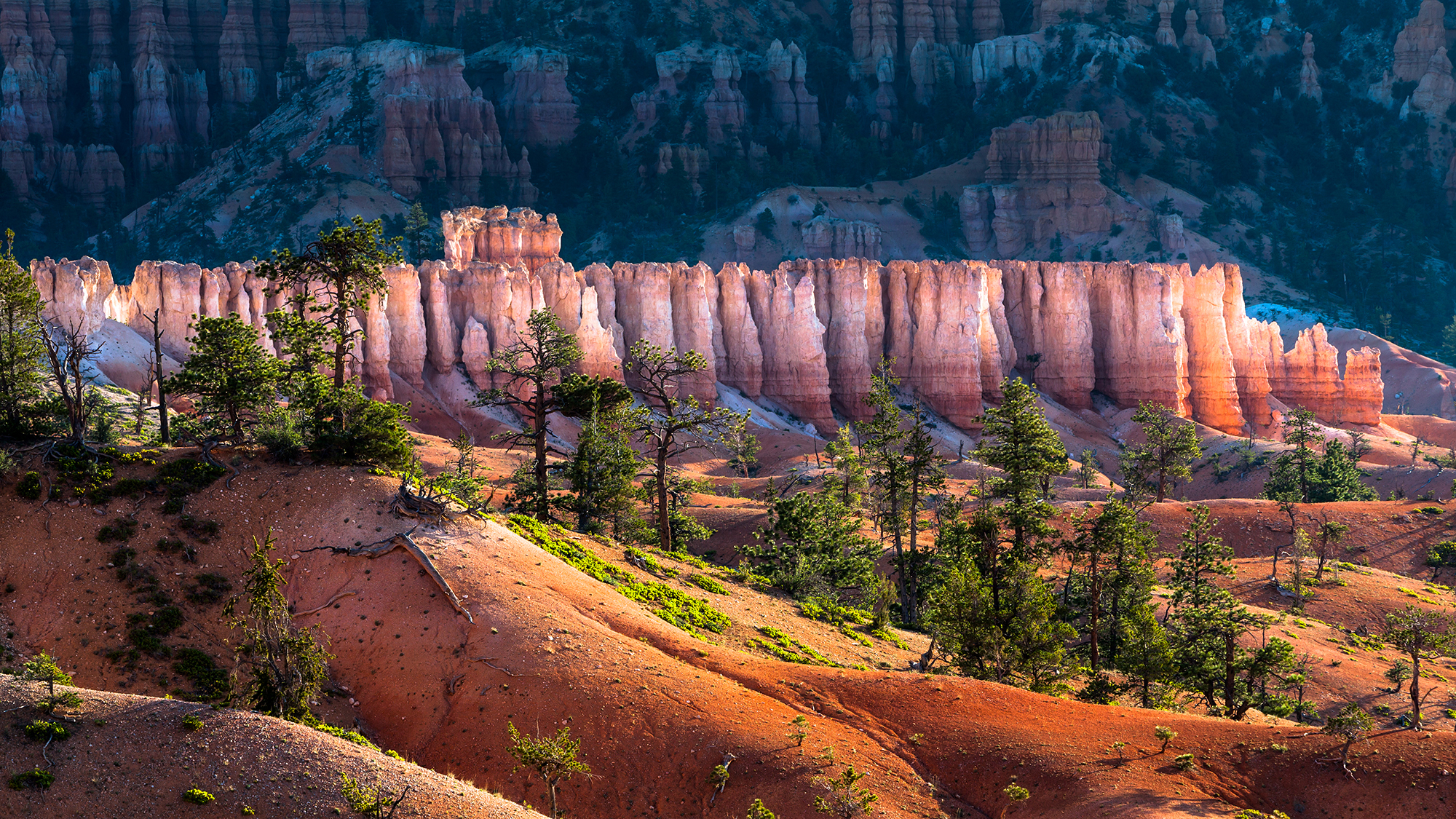
- Choose Bryce Canyon: Choose Bryce if you prioritize unique, alien-like geological formations (hoodoos!), stunning viewpoints with less strenuous hiking, and a slightly more tranquil, less crowded experience. Ideal for photographers, geology enthusiasts, and those who prefer to drive to scenic overlooks.
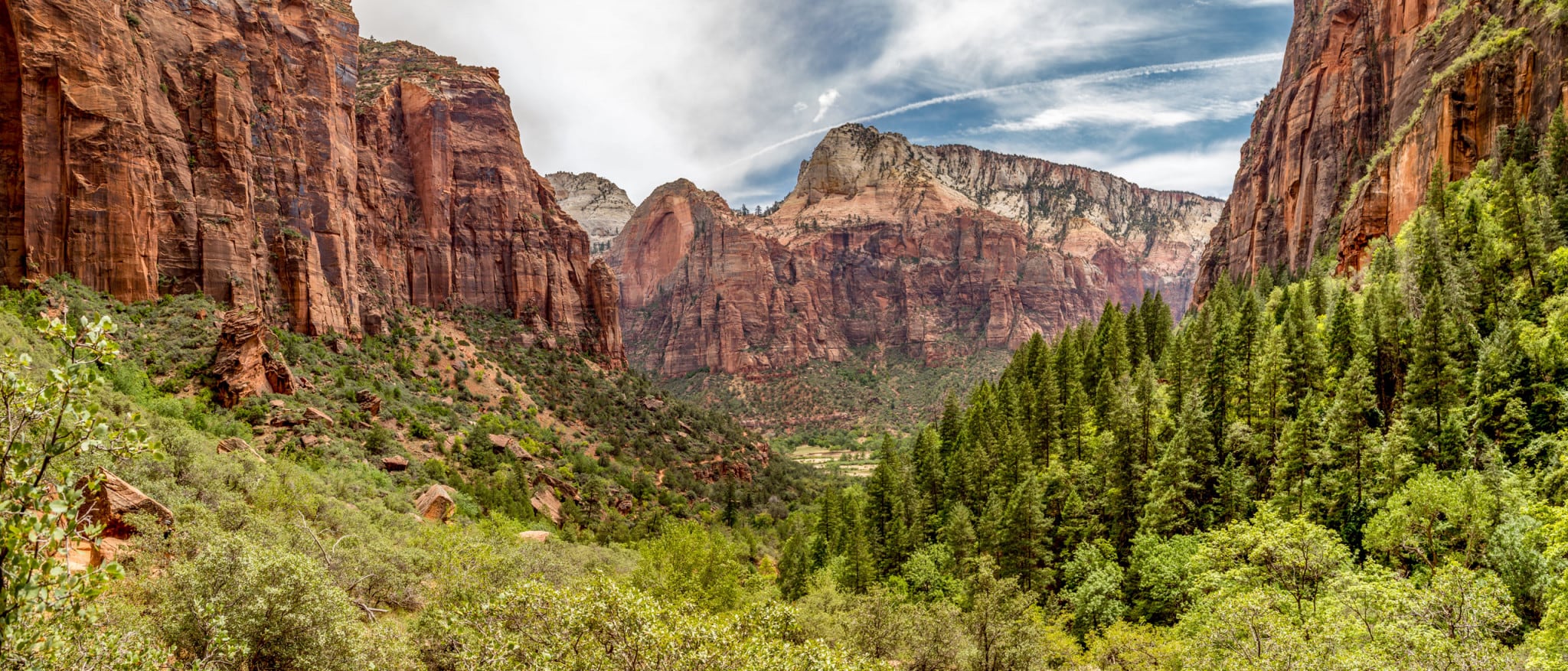
- Choose Zion: Opt for Zion if you're an avid hiker seeking iconic, challenging trails like Angels Landing or The Narrows, towering sandstone cliffs, and a more robust visitor infrastructure. Perfect for adventure sports enthusiasts, families seeking varied activities, and those who don't mind navigating crowds and a shuttle system.
- Choose Both: If you have 4-7 days and rent a car, you absolutely should do both! They're only about a 1.5-2 hour drive apart. Spend 2-3 days in Zion (staying in Springdale) and 1-2 days in Bryce (staying in Tropic or Bryce Canyon City) to experience the full spectrum of Utah's unique beauty.
Quick Comparison
| Category | Bryce Canyon | Zion | Winner |
|---|---|---|---|
| Nature & Scenery | A surreal 'forest' of red, orange, and white hoodoos in natural amphitheaters. Unique, alien, and intensely colorful. | Massive sandstone cliffs, a verdant canyon floor carved by the Virgin River, with diverse ecosystems. | Bryce Canyon |
| Hiking & Adventure | Offers mostly rim trails and descents into the hoodoo amphitheater; less strenuous with moderate mileage. | Home to world-famous, strenuous hikes like Angels Landing and The Narrows; significant elevation gains and unique challenges. | Zion |
| Crowds & Accessibility | Generally less crowded than Zion, easier to find solitude, and mostly self-drive access to viewpoints. | Extremely popular, often crowded, with a mandatory shuttle system for accessing the main canyon during peak season. | Bryce Canyon |
| Accommodation & Dining | Fewer, more rustic options primarily in Bryce Canyon City or Tropic, with limited dining choices. | A wide array of hotels, lodges, and restaurants in Springdale, catering to various budgets and tastes. | Zion |
| Costs & Budget | Generally slightly more affordable for lodging and dining due to less demand. | Often pricier for accommodation and some services due to high demand and prime location. | Bryce Canyon |
| Getting There & Around | Requires a rental car, driving to viewpoints is primary, optional shuttle for some areas. | Requires a rental car to reach Springdale; mandatory park shuttle for most of the main canyon. | Tie |
| Best Time to Visit & Weather | Higher elevation means cooler temperatures, snow in winter offers unique views, but some roads may close. | Lower elevation leads to very hot summers, flash flood risk in The Narrows, milder winters. | Tie |
| Family Friendliness | Easier, shorter hikes and scenic viewpoints make it good for younger children, but less active variety. | More varied activities, shuttle fun, and Junior Ranger program appeal to a broader range of ages and activity levels. | Zion |
| Photography Opportunities | Unrivaled for unique, colorful geological formations and sweeping panoramic vistas. | Dramatic landscapes with towering cliffs, river scenes, and iconic light play on massive rock walls. | Bryce Canyon |
| Solo Travel & Serenity | Easier to find quiet moments and solitude, particularly on less-trafficked trails or viewpoints. | More challenging to escape crowds, especially on popular trails and shuttle routes; solitude requires effort. | Bryce Canyon |
🏞️ Nature & Scenery
Bryce Canyon's scenery is truly unlike anywhere else on Earth. Picture thousands of slender, spire-like rock formations called hoodoos, painting the landscape in vibrant hues of orange, red, and cream, especially at sunrise and sunset. Iconic viewpoints like Inspiration Point, Bryce Point, and Sunrise/Sunset Points offer sweeping vistas of these natural amphitheaters. The sheer density and artistry of the hoodoos create a magical, almost sculptural experience. Zion, on the other hand, is defined by its colossal, towering sandstone cliffs that dwarf visitors, creating a majestic, cathedral-like valley. While incredibly grand and beautiful with its lush river-fed ecosystem, it feels more 'earthly' compared to Bryce's otherworldly charm. 'I've seen big canyons before, but Bryce's hoodoos just blew my mind, it felt like being on Mars!' The contrast is striking, and for pure, unique visual impact, Bryce often takes the crown.
Winner takeaway
- Winner: Bryce Canyon
- Why: Bryce's unique geological formations and vibrant, otherworldly color palette offer a visual experience unmatched by Zion's more traditional canyon grandeur.
- Who this matters for: Photographers, geology enthusiasts, and travelers seeking truly unique landscapes.
🥾 Hiking & Adventure
Zion is a hiker's paradise, boasting a diverse range of trails from easy riverside strolls to extreme challenges. The iconic Angels Landing requires a permit lottery (application fee $6, successful $3), involves chains, and delivers unparalleled views. The Narrows, a hike through the Virgin River, often involves renting specialized gear ($30-50/day from Zion Outfitters in Springdale) and can be incredibly rewarding, though susceptible to flash floods. Other popular trails include Observation Point (longer but stunning) and Emerald Pools. Bryce offers a different hiking experience, primarily focused on descending into the hoodoo amphitheaters. Trails like the Navajo Loop to Queen's Garden (3.1 miles) or Fairyland Loop (8 miles) are moderately strenuous but don't demand the same technical skill or endurance as Zion's marquee hikes. 'Zion is where you go to earn those epic views, Bryce is more about soaking them in with a good walk.' For sheer adventure, variety, and iconic challenges, Zion is the undisputed winner.
Winner takeaway
- Winner: Zion
- Why: Zion offers more diverse, challenging, and iconic hiking experiences, including world-renowned trails like Angels Landing and The Narrows.
- Who this matters for: Experienced hikers, thrill-seekers, and those looking for bucket-list adventure trails.
🚶 Crowds & Accessibility
Bryce Canyon offers a significantly more relaxed experience regarding crowds and accessibility, especially outside of peak summer. Most of the main viewpoints (Sunrise, Sunset, Inspiration, Bryce Point) are accessible via a scenic drive, allowing visitors to explore at their own pace. While a voluntary shuttle operates in peak season, it's generally not mandatory for accessing primary attractions. Parking can be a challenge at popular viewpoints during busy times, but it's rarely as congested as Zion. Zion, however, manages its immense popularity with a mandatory shuttle system that operates from March to November. This means waiting in lines for buses, which can be long, especially in the mornings or evenings. Parking in Springdale can cost $20-30/day. 'Zion felt like Disneyland with all the queues and people, Bryce was much more chill and easier to navigate.' While necessary for conservation, Zion's shuttle system and sheer visitor numbers make it a more logistically demanding and crowded park. Finding solitude in Zion often means hitting lesser-known trails or visiting in the shoulder seasons.
Winner takeaway
- Winner: Bryce Canyon
- Why: Bryce provides a less crowded experience with easier self-drive access to viewpoints, offering more tranquility and less logistical hassle.
- Who this matters for: Travelers who prefer to avoid large crowds, those with limited mobility, and independent explorers.
🏨 Accommodation & Dining
Zion's gateway town, Springdale, is a vibrant hub offering a plethora of accommodation and dining options right outside the park entrance. You'll find everything from luxury stays like Desert Pearl Inn ($250-500/night) and moderately priced options like Bumbleberry Inn ($150-300/night) to budget motels. Dining is diverse, with popular spots like Oscar's Cafe offering excellent Mexican-American fare ($15-30/meal) and numerous other cafes, breweries, and upscale restaurants. Bryce Canyon City and the nearby town of Tropic, serving Bryce Canyon, are much smaller and offer more limited choices. Accommodation typically consists of Best Western Plus Bryce Canyon Grand Hotel ($180-350/night) or the historic Bryce Canyon Lodge (NPS, $200-400/night), which books up far in advance. Dining is often more rustic, with places like Bryce Canyon Pines Restaurant ($15-25/meal) serving hearty American fare. 'Springdale felt like a real town with actual good food and places to chill after a hike. Bryce Canyon City is basically just hotels and a general store, definitely not a foodie destination.' For variety, quality, and convenience in lodging and dining, Zion's Springdale is clearly superior.
Winner takeaway
- Winner: Zion
- Why: Zion's gateway town of Springdale offers a much broader and higher-quality selection of accommodations and diverse dining experiences.
- Who this matters for: Travelers prioritizing comfort, convenience, and a variety of food options after a day of exploring.
💲 Costs & Budget
While both parks have the same $35 per vehicle entry fee (valid for 7 days), the associated costs for lodging and dining tend to be lower around Bryce Canyon. A decent hotel room in Tropic or Bryce Canyon City might range from $150-250/night, whereas comparable options in Springdale (Zion) often start from $180-350/night, and can easily exceed $400 for mid-range options during peak season. Dining, while more limited in Bryce, is also generally a bit cheaper, with average meals costing $15-25 compared to Zion's $20-35 range for similar casual fare. Car rental (typically $50-100/day) and fuel are consistent across both. 'I felt like my money stretched further at Bryce. Zion's prices, especially for hotels in Springdale, felt a bit inflated because of how popular it is.' For budget-conscious travelers, or those seeking better value, Bryce offers a slightly more accessible price point for the overall experience, assuming you're not splurging on the few high-end options available. Daily budget for mid-range travelers: Bryce ~$100-250 vs. Zion ~$150-350.
Winner takeaway
- Winner: Bryce Canyon
- Why: Bryce Canyon generally offers better value for money, with slightly lower accommodation and dining costs compared to Zion.
- Who this matters for: Budget-conscious travelers and those seeking to maximize their spending power.
🚗 Getting There & Around
Both Bryce Canyon and Zion are best accessed via a rental car, typically from Las Vegas (LAS) or Salt Lake City (SLC). From Las Vegas (LAS), it's approximately a 3-hour drive to Zion and another 1.5-hour drive to Bryce (total ~4.5 hours). From Salt Lake City (SLC), it's about a 4-hour drive to Bryce and another 1.5 hours to Zion (total ~5.5 hours). Flights to LAS can range from $100-250 from West Coast cities and $250-450 from the East Coast for a round trip. Car rental averages $300-700 per week. Once at Zion, navigating the main canyon requires the free shuttle bus for most of the year (March-November), which can involve waiting. Bryce Canyon allows private vehicles to access most viewpoints, although a voluntary shuttle runs during peak season to reduce congestion. 'You absolutely need a car for these parks, no way around it unless you're on a multi-day tour. And seriously, don't skimp on the car rental, those roads are long.' The experience of getting to both parks is similar, but internal navigation differs significantly; one relying on personal vehicle, the other on a park-run bus system. Both have their pros and cons.
Winner takeaway
- Winner: Tie
- Why: Both parks require a rental car to access and present similar travel times from major airports, making overall 'getting there' a tie.
- Who this matters for: All travelers, as a car is essential for both, but those who dislike shuttles might lean Bryce.
☀️ Best Time to Visit & Weather
The 'best' time to visit depends on your preferences, as their different elevations result in distinct weather patterns. Bryce Canyon, sitting at a higher elevation (8,000-9,000 ft), experiences cooler temperatures. Spring (April-May) and Fall (Sept-Oct) offer pleasant hiking weather (50-70°F). Winters are cold and snowy, creating breathtaking frosted hoodoo landscapes, but some roads/trails may close. Summer (June-Aug) is warm (70-80°F) but rarely as scorching as Zion. Zion, at a lower elevation (4,000-6,000 ft), has incredibly hot summers (90-100+°F), which can make strenuous hiking difficult. Spring and Fall (60-85°F) are ideal, offering comfortable temperatures. Winter is milder (30-50°F) and less crowded, but trails like The Narrows can be dangerously cold. 'We went to Bryce in May and it was perfect, but Zion was already getting pretty warm by mid-day. Layers are your best friend for these parks.' Flash flood warnings are a serious consideration for Zion's slot canyons during monsoon season (late summer). Ultimately, both parks shine in the shoulder seasons, but offer unique experiences in their respective off-seasons. It's a tie because their 'best' times cater to different preferences.
Winner takeaway
- Winner: Tie
- Why: Both parks have ideal shoulder seasons (Spring/Fall) but offer unique, distinct experiences during their respective summer and winter months due to elevation differences.
- Who this matters for: Travelers with specific weather preferences (e.g., snow vs. heat), and those planning seasonal activities like winter photography or river hiking.
👨👩👧👦 Family Friendliness
Zion National Park generally edges out Bryce for overall family-friendliness due to its broader range of activities and better infrastructure for kids. The mandatory shuttle system can be an adventure in itself for children, and easy, paved trails like the Pa'rus Trail or the Riverside Walk (leading to The Narrows) are perfect for strollers or little legs. The Emerald Pools trails offer moderate fun, and the Virgin River provides opportunities for splashing and wading. Zion also has a robust Junior Ranger program. Bryce Canyon, while stunning, offers fewer varied activities that actively engage children beyond the initial 'wow' factor of the hoodoos. Its hikes, while generally shorter and less strenuous than Zion's, might not hold the attention of all kids for as long. 'My kids absolutely loved riding the shuttle in Zion and splashing around in the river, it was a whole day of fun. Bryce was cool for an hour or two, but then they were kinda done.' Both parks offer Junior Ranger programs, but Zion’s combination of varied terrain, accessible trails, and the unique shuttle experience gives it the edge for families with different age groups and energy levels.
Winner takeaway
- Winner: Zion
- Why: Zion offers a wider variety of engaging activities, more accessible trails for all ages, and the fun of the park shuttle, making it more appealing to families.
- Who this matters for: Families with young children or diverse age groups, and those seeking varied, interactive experiences.
📸 Photography Opportunities
For photographers, both parks are absolute goldmines, but Bryce Canyon offers a truly unique subject matter that often results in more distinctive photos. The endless sea of hoodoos, especially at sunrise and sunset from viewpoints like Inspiration Point, Bryce Point, and Sunrise/Sunset Points, provides unparalleled opportunities for capturing vibrant colors and intricate geological formations. The way the light plays on the hoodoos at golden hour is simply magical. Zion offers incredible drama with its colossal sandstone cliffs, the winding Virgin River, and iconic vistas from trails like Canyon Overlook or Watchman Trail. Capturing the sheer scale of Zion's walls or the serene river scenes is breathtaking, but the 'feel' can be more akin to other grand canyon landscapes. 'If you want shots that people instantly recognize as 'not anywhere else on Earth,' Bryce is your spot. Zion is epic, but Bryce is just so visually distinct.' Drones are prohibited in both parks. For capturing a truly 'one-of-a-kind' landscape that screams unique, Bryce consistently provides more distinct and identifiable photographic subjects.
Winner takeaway
- Winner: Bryce Canyon
- Why: Bryce's unique and highly colorful hoodoo formations offer more distinctive and 'otherworldly' photographic subjects compared to Zion's grand, but more conventional, canyon beauty.
- Who this matters for: Landscape photographers, geology enthusiasts, and those seeking truly unique shots for their portfolio.
🧘 Solo Travel & Serenity
For solo travelers seeking peace, quiet, and moments of introspection, Bryce Canyon is often the better choice. Its generally lower visitor numbers (compared to Zion's concentrated crowds) and drive-up access to many viewpoints make it easier to find a quiet spot for contemplation, especially during shoulder seasons or early mornings/late evenings. Trails like the Fairyland Loop, while popular, often have stretches where you can truly feel alone amidst the hoodoos. Zion, by contrast, is a mecca for social hiking and adventure, but its immense popularity means solitude is a rare commodity on its main trails and shuttle routes. Even on less strenuous paths, you'll frequently encounter other hikers. 'I hiked Bryce by myself and felt completely at peace, just me and the hoodoos. Zion was beautiful, but I was constantly navigating around people, even on a 'less popular' trail.' Finding true serenity in Zion often requires tackling strenuous, longer hikes off the beaten path, or visiting during the dead of winter. For an easier path to quiet reflection and personal connection with nature, Bryce offers a more accessible solitary experience.
Winner takeaway
- Winner: Bryce Canyon
- Why: Bryce's comparatively fewer crowds and more expansive viewpoints make it significantly easier to find moments of solitude and serenity.
- Who this matters for: Solo travelers, introverts, and those prioritizing peace and quiet over bustling adventure.
❓ Frequently Asked Questions
How many days should I allocate for each park?
For Bryce Canyon, 1-2 full days are usually sufficient to explore the main viewpoints and complete a few key hikes into the amphitheater. For Zion, you'll want at least 2-3 full days to experience its iconic trails, scenic drives, and potentially a Narrows or Angels Landing adventure, given the time commitment for permits and shuttles.
Can I visit both Bryce Canyon and Zion in one day?
While technically possible to drive through and see a few viewpoints in a single, very rushed day, it's not recommended. You'd spend most of your time driving (1.5-2 hours between parks) and wouldn't be able to truly experience either. Aim for at least 3-4 days total to do both justice.
What's the drive like between Bryce Canyon and Zion?
The drive is incredibly scenic and takes about 1.5-2 hours via US-89 S and UT-9 W. You'll pass through quaint towns and beautiful landscapes. It's an easy drive, making it very feasible to visit both parks on the same trip without excessive travel time.
Do I need a car to visit these parks?
Yes, a rental car is absolutely essential. While Zion has a shuttle system within the main canyon, you'll need a car to get to Springdale, and to access all of Bryce Canyon's viewpoints and trailheads. Public transportation to these remote areas is very limited.
Which airport should I fly into?
The most common and convenient airport is Harry Reid International Airport (LAS) in Las Vegas, Nevada, roughly a 3-4 hour drive to Zion. Salt Lake City International Airport (SLC) in Utah is another option, but it's a longer drive (4-5 hours) to Bryce Canyon, or 5-6 hours to Zion.
Are permits required for any hikes?
Yes, in Zion National Park, a permit is required for Angels Landing. This is managed via a lottery system. Permits for The Narrows (top-down through-hike) are also required. Bryce Canyon currently does not require permits for its day hikes.
What's the best time of year to visit both parks?
The 'shoulder seasons' of late spring (April-May) and early fall (September-October) are generally considered the best. Temperatures are pleasant for hiking, crowds are slightly thinner than summer, and all park facilities are typically open.
What should I pack for a trip to Bryce Canyon and Zion?
Pack layers of clothing (temperatures can fluctuate widely, especially in Bryce's elevation), sturdy hiking boots, plenty of water, sunscreen, a hat, and snacks. For Zion's Narrows, consider water shoes or renting specific gear from local outfitters.
Ready to plan your Utah National Parks trip?
Get a free custom itinerary for Bryce Canyon, Zion, or both — built from real traveler insights.
🎟️ Book Tours & Experiences
Hand-picked tours and activities for both destinations — book with free cancellation
Experiences via Viator — free cancellation on most tours