How we built this comparison
This page combines traveler discussion patterns, published price ranges, flight schedules, and seasonal data to help you decide between Bucharest and Sofia.
- Reviewed 50+ Reddit threads from r/travel, r/solotravel, r/romania, r/bulgaria, etc.
- Verified costs and logistics against current booking platforms (Booking.com, Skyscanner, Flixbus)
- Cross-referenced seasonal patterns, weather data, and major attraction opening hours (e.g., Bran Castle, Rila Monastery)
⚡ The TL;DR Verdict
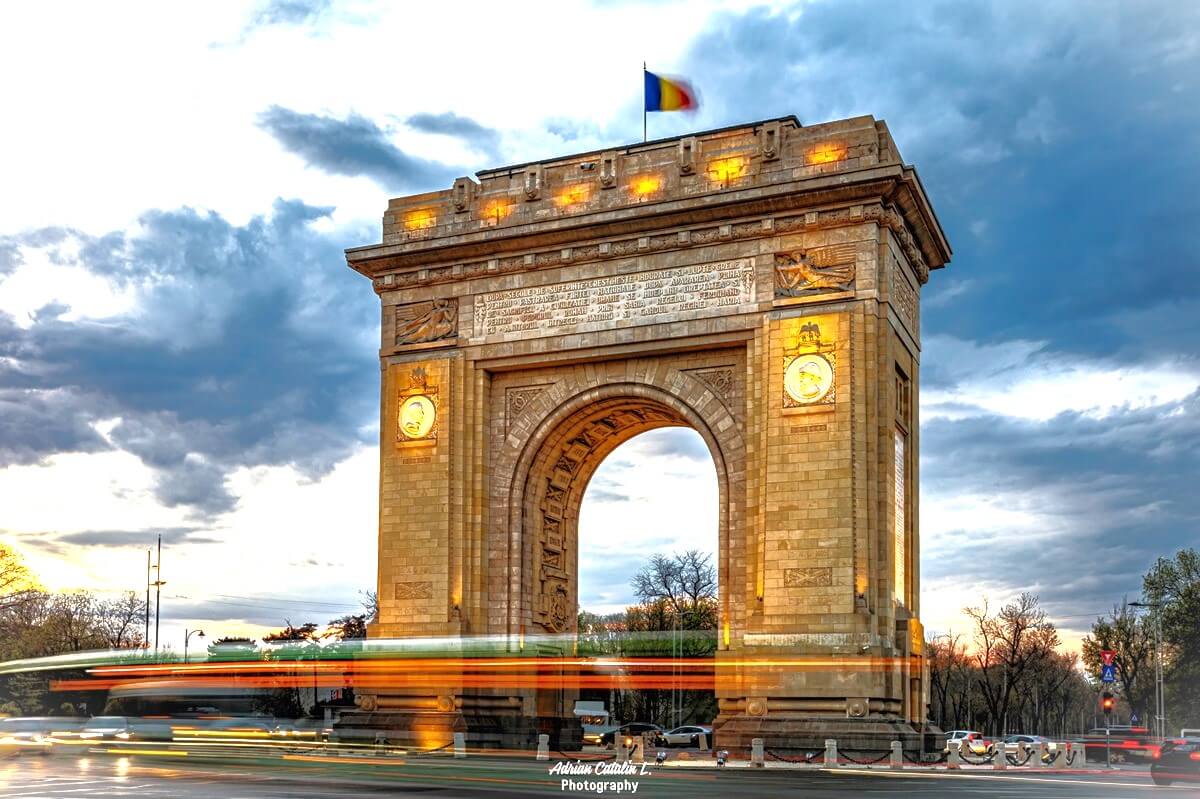
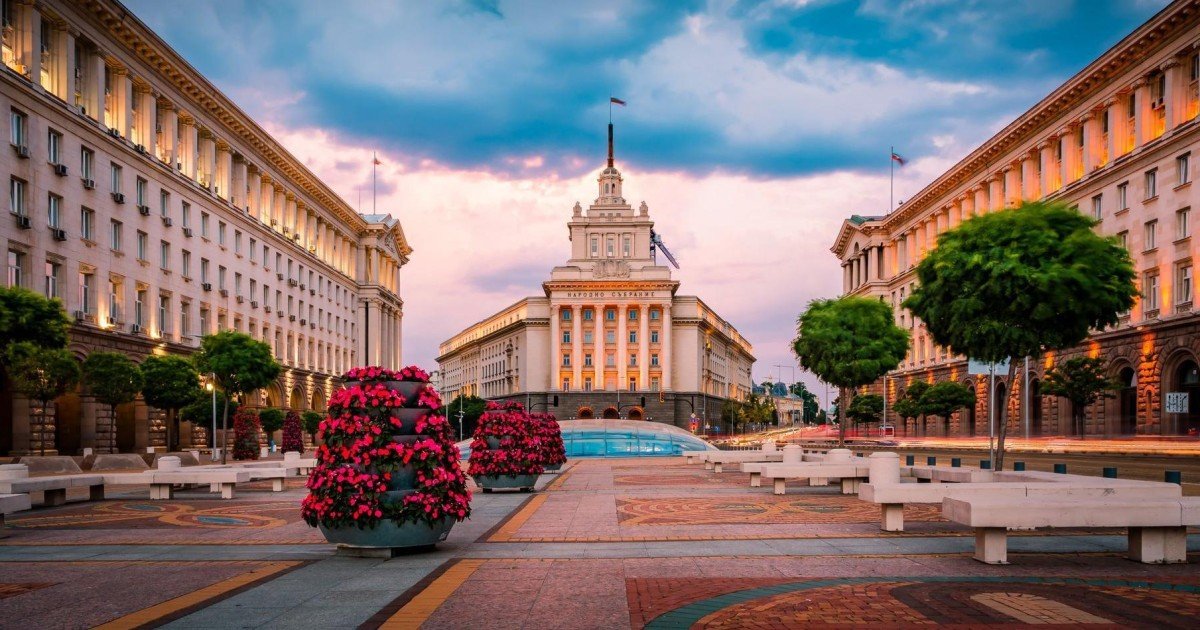
For the budget-conscious traveler seeking ancient history and immediate nature access, Sofia is your pick, offering a fantastic experience for $40-60 USD/day. If you're after grand, communist-era architecture, a pulsating nightlife, and iconic day trips like Dracula's Castle, Bucharest delivers a more upscale urban adventure at $60-80 USD/day.
- Choose Bucharest: You prioritize energetic nightlife, monumental architecture, and are eager for famous castle day trips, with a slightly higher budget.
- Choose Sofia: You're a budget traveler, love ancient history, crave immediate access to mountains, and prefer a more relaxed city vibe.
- Choose Both: They're easily connected! Dedicate 3-4 days to each city, plus a day trip from both. A direct flight takes about an hour, or an 8-hour overnight bus makes for an efficient transfer.
Quick Comparison
| Category | Bucharest | Sofia | Winner |
|---|---|---|---|
| Costs & Budget | Generally more expensive than Sofia, especially for nightlife. Expect 10-15 RON ($2.2-$3.3) for a local beer, 30-50 RON ($6.6-$11) for a decent meal. | One of Europe's cheapest capitals. Beers average 4-6 BGN ($2.2-$3.3), a hearty local meal is 15-25 BGN ($8.2-$13.7). Accommodation also slightly cheaper. | Sofia |
| Nightlife | Famous for its wild Old Town (Lipscani) with countless bars, clubs, and terraces. Caters to all tastes, from craft beer pubs to mega-clubs. | A vibrant, but more spread-out scene. Vitosha Boulevard is popular, as are 'party streets' like Rakovski. More focus on cozy bars and smaller clubs. | Bucharest |
| Culture & History | Dominated by grand, often imposing 19th-century and Communist-era architecture (e.g., Palace of Parliament). Rich royal history, but much was destroyed. | A fascinating blend of Roman, Ottoman, and Communist influences. Ancient ruins are literally beneath your feet (Serdica), alongside Byzantine churches and grand monuments. | Sofia |
| Food Scene | Hearty, meat-centric Romanian cuisine. Must-tries include 'sarmale' (cabbage rolls) and 'mici' (grilled sausages). Caru' cu Bere is iconic. | Delicious, often rustic Bulgarian food. Famous for 'banitsa' (cheese pastry), 'shopska salad', and grilled meats like 'kebapche'. Excellent bakeries and street food. | Sofia |
| Day Trips | Unbeatable day trips to Transylvania, including Bran Castle (Dracula's Castle), Peles Castle, and the charming medieval city of Brasov. | Excellent day trips to Rila Monastery (UNESCO), the stunning Seven Rila Lakes, and the ancient Roman city of Plovdiv. Vitosha Mountain is an immediate escape. | Bucharest |
| Getting There & Around | Henri Coandă International Airport (OTP) is a major hub. Excellent metro system, trams, and buses for city travel. Taxis available but use ride-sharing apps. | Sofia Airport (SOF) is well-connected. Efficient metro system, trams, and buses. Taxis are common, but ride-sharing apps offer transparency. | Tie |
| Accommodation | Wide range of options, from budget hostels (Little Bucharest Old Town) to luxury hotels (InterContinental). Prices generally higher than Sofia for similar quality. | Excellent value for money across all categories. Hostels (Hostel Mostel), boutique hotels (Sense Hotel), and apartments are plentiful, often at lower rates. | Sofia |
| Safety | Generally safe, but be aware of pickpockets in crowded tourist areas (Old Town) and potential taxi scams. Use ride-sharing apps. | Very safe, especially in the city center. Standard precautions apply. Minor petty crime is rare, but watch your belongings in busy areas. | Tie |
| Nature & Outdoors | Features large urban parks like Herastrau and Cismigiu Gardens. Delta Văcărești (urban wetland) is unique. Mountains require a longer day trip. | Unbeatable for immediate access to Vitosha Mountain. Excellent hiking, skiing, and panoramic views just a short public transport ride away. Rila Lakes are also a stunning day trip. | Sofia |
| Solo Travel Friendliness | Lively Old Town makes meeting people easy. Good hostel scene, English widely spoken by younger generations. Slightly more expensive than Sofia. | Extremely welcoming, easy to navigate, and very budget-friendly. Excellent hostel culture, and many free walking tours facilitate meeting others. English is common. | Sofia |
💰 Costs & Budget
Sofia consistently wins when it comes to stretching your travel budget. A local pint of Kamenitza or Zagorka will set you back about 4-6 BGN ($2.2-$3.3) in a central bar, while a traditional main course like 'kyufte' or 'kavarma' at a local 'mehana' (tavern) can be found for 15-25 BGN ($8.2-$13.7). Public transport via metro or tram is a steal at 1.60 BGN ($0.90) per ride. In Bucharest, while still affordable by Western standards, prices creep up. A Ursus beer might be 10-15 RON ($2.2-$3.3) in the Old Town, and a 'mici' platter with fries at a mid-range restaurant is typically 30-50 RON ($6.6-$11). Entry fees for attractions like the Palace of Parliament (60 RON/$13.2) are also a bit higher than Sofia's equivalents like the National Museum of History (10 BGN/$5.5). "Honestly, my daily spend in Sofia was like 20% less than Bucharest for the same quality of food and drinks. It felt like a steal!" is a common sentiment among backpackers.
Winner takeaway
- Winner: Sofia
- Why: Sofia offers consistently lower prices across accommodation, food, drink, and transport, making it the clear choice for budget travelers.
- Who this matters for: Budget travelers, backpackers, long-term digital nomads.
🎉 Nightlife
Bucharest's nightlife is legendary in Eastern Europe, largely thanks to its sprawling Old Town, Lipscani. This area is a labyrinth of bars, pubs, and clubs, packed with revelers every night of the week. You can find anything from a chill craft beer spot like Craft si Draft or a rock club like Control Club, to massive party venues with DJs spinning until dawn. The atmosphere is electric, often feeling like a permanent street party. Beers can range from 10-20 RON ($2.2-$4.4) depending on the venue, and cocktails 30-50 RON ($6.6-$11). Sofia's nightlife, while excellent, is more diverse and less concentrated. Vitosha Boulevard offers stylish cafes and bars, while Studentski Grad caters to university students with more affordable options. Places like Bar Friday or Culture Beat are popular, but it lacks the sheer density and wild energy of Bucharest's Old Town. "Bucharest Old Town literally never sleeps. You can stumble out of one club and right into another at 5 AM. It's insane in the best way!" one traveler remarked.
Winner takeaway
- Winner: Bucharest
- Why: Bucharest's Old Town offers an unparalleled, concentrated, and high-energy nightlife experience that caters to all partygoers.
- Who this matters for: Party animals, social travelers, those seeking a lively urban buzz.
🏛️ Culture & History
Sofia offers a more layered and accessible historical experience. You can walk through the city center and encounter Roman ruins from the ancient city of Serdica (like the St. George Rotunda or the Serdica Complex), an Ottoman mosque (Banya Bashi), a beautiful Russian church (St. Nicholas), and the majestic Alexander Nevsky Cathedral, all within a short stroll. This juxtaposition of eras is incredibly engaging. The National Historical Museum (10 BGN / $5.5) is excellent for diving deeper. Bucharest's history is impressive in its own right, defined by its 'Little Paris' Belle Époque past and its more recent Communist transformation. The colossal Palace of Parliament (60 RON / $13.2 for a basic tour), the second-largest administrative building in the world, is an undeniable marvel of human ambition and oppression. Revolution Square and the Spring Palace (Ceausescu's former residence, 50 RON / $11) offer stark reminders of a tumultuous past. However, much of Bucharest's older charm was bulldozed, making its historical narrative feel a bit more fractured. "Sofia felt like an archaeological dig you could just wander through, with ancient history popping up everywhere you looked," a Reddit user commented.
Winner takeaway
- Winner: Sofia
- Why: Sofia's rich tapestry of Roman, Ottoman, and Orthodox history is more visibly integrated into the city's fabric and easily explored on foot.
- Who this matters for: History buffs, architecture enthusiasts, those interested in ancient civilizations and varied cultural influences.
🍽️ Food Scene
Sofia takes a slight edge for its authentic, comforting, and incredibly affordable food scene. Bulgarian cuisine emphasizes fresh ingredients, often incorporating yogurt and cheese. Must-try dishes include 'banitsa' (a savory cheese pastry, 2-5 BGN / $1.1-$2.7), 'shopska salata' (cucumber, tomato, pepper, and sirene cheese, 8-12 BGN / $4.4-$6.6), and grilled meats. Places like Hadjidraganov's Cellars offer traditional experiences, while Cosmos provides a modern twist. The street food, especially for 'banitsa' or 'skara' (grilled meat), is fantastic. Bucharest's food scene is robust, with iconic establishments like Caru' cu Bere (which is a must-see for its ambiance, though prices are higher) serving traditional Romanian fare like 'sarmale' (cabbage rolls) and 'mici' (skinless sausages). The city also has a growing fine dining and international scene. However, for sheer value and the ubiquity of delicious, traditional options readily available at local prices, Sofia edges it out. "I swear I ate like a king in Sofia for less than I'd spend on a single meal back home. The banitsa from any corner bakery was a game changer," one traveler raved.
Winner takeaway
- Winner: Sofia
- Why: Sofia offers an incredibly authentic, diverse, and consistently delicious food experience at unbeatable prices, from street food to traditional taverns.
- Who this matters for: Foodies, budget travelers, those who love hearty, traditional European cuisine.
🚗 Day Trips
Bucharest's day trip options are genuinely world-class and often the primary reason many visit Romania. The iconic Bran Castle, famously associated with Dracula (though historically tenuous), and the fairytale Peles Castle in Sinaia are stunning architectural marvels. Combine these with a visit to the medieval city of Brasov, nestled in the Carpathian Mountains, and you have a truly unforgettable day or multi-day excursion. Most tours cost around 250-400 RON ($55-$88) for a full day. Sofia also boasts fantastic day trips. The Rila Monastery, a UNESCO World Heritage site, is a breathtaking Orthodox complex nestled in the mountains, easily accessible by shuttle or tour (around 60-100 BGN / $33-$55). Plovdiv, one of Europe's oldest continuously inhabited cities, with its Roman amphitheater and charming Old Town, is another highlight. Plus, Vitosha Mountain is literally on Sofia's doorstep, offering hiking and skiing. However, the sheer magnetic pull and variety of historical and natural wonders around Bucharest, especially Peles and Bran, give it the edge. "You can't go to Romania without seeing Transylvania. Bran and Peles castles are straight out of a storybook, absolutely worth the bus ride from Bucharest," a seasoned traveler posted.
Winner takeaway
- Winner: Bucharest
- Why: Bucharest offers access to globally recognized, iconic attractions like Bran and Peles Castles, set against the dramatic backdrop of Transylvania.
- Who this matters for: Castle enthusiasts, history buffs interested in medieval legends, nature lovers seeking mountain scenery.
✈️ Getting There & Around
Both Bucharest and Sofia are incredibly easy to reach and navigate. Bucharest's Henri Coandă International Airport (OTP) is a significant hub for low-cost carriers and major airlines, with direct flights from most European capitals. From OTP, a 783 express bus costs 3.5 RON ($0.77) to the city, or a taxi/rideshare around 50-70 RON ($11-$15). The city's metro system is modern and efficient, with single rides costing 3 RON ($0.66). Sofia Airport (SOF) is similarly well-connected, with a direct metro line (Line 4) taking you to the city center for 1.60 BGN ($0.90) in about 20 minutes, which is incredibly convenient. The city's public transport network, including trams and buses, is also extensive and very affordable. Both cities' centers are walkable, making sightseeing pleasant. Intercity travel between the two cities is also feasible, with direct flights around 1 hour (e.g., Ryanair for ~$50-100 USD) or overnight buses (e.g., Flixbus, ~8 hours, ~$30-40 USD). "Getting from Sofia airport to my hostel was a breeze with the metro, seriously one of the easiest airport transfers in Europe," a solo traveler noted.
Winner takeaway
- Winner: Tie
- Why: Both cities offer excellent international airport connectivity and efficient, affordable public transportation systems, making arrival and local exploration equally convenient.
- Who this matters for: All travelers, especially those who value ease of access and efficient urban navigation.
🏨 Accommodation
Sofia consistently provides better value for money in accommodation. You can find high-quality hostels like Hostel Mostel for as low as 20-30 BGN ($11-$16.5) a night, and stylish, centrally located boutique hotels or Airbnb apartments for 80-150 BGN ($44-$82) that would easily cost 1.5x to 2x more in Bucharest or Western Europe. Even luxury hotels like the Grand Hotel Millennium Sofia offer competitive rates. Bucharest has plenty of options, from popular hostels like Little Bucharest Old Town Hostel (around 50-70 RON / $11-$15) to established chains like the InterContinental. However, for a comparable standard and location, Bucharest generally demands a slightly higher price point. The competition is fierce in both cities, ensuring good service, but Sofia's underlying cost structure makes it more attractive for budget-conscious travelers seeking comfortable stays without breaking the bank. "I was genuinely shocked by how nice my Sofia Airbnb was for the price. Such a good deal compared to what I'd looked at in Bucharest," a traveler shared.
Winner takeaway
- Winner: Sofia
- Why: Sofia offers superior value across all accommodation types, allowing travelers to enjoy higher quality stays for lower prices.
- Who this matters for: Budget travelers, anyone seeking great value, those planning longer stays.
🚨 Safety
Both Bucharest and Sofia are generally considered safe cities for tourists, even for solo travelers. Like any major European capital, standard precautions against petty crime like pickpocketing are advisable in crowded areas, especially around major tourist attractions or on public transport. In Bucharest, the Old Town (Lipscani) can be a target for opportunistic thieves, particularly late at night, and unmetered taxis can sometimes try to overcharge (using apps like Bolt or Uber eliminates this). Sofia has a slightly more relaxed atmosphere, and incidents of petty crime are perhaps marginally less frequent. However, the same advice applies: keep an eye on your belongings, avoid walking alone in poorly lit areas late at night, and be aware of your surroundings. The locals in both cities are generally friendly and helpful. "I felt perfectly safe walking around Sofia alone at night, even after midnight. Just use common sense like anywhere else," a solo female traveler mentioned, which is a sentiment often echoed for both cities. Neither city presents any significant safety concerns beyond typical urban vigilance.
Winner takeaway
- Winner: Tie
- Why: Both Bucharest and Sofia maintain a high level of safety for tourists, requiring only standard urban precautions.
- Who this matters for: All travelers, especially solo travelers or families with young children.
⛰️ Nature & Outdoors
Sofia is the undisputed winner for nature lovers due to its incredible proximity to Vitosha Mountain. You can literally see Vitosha from almost anywhere in the city, and a short bus ride (like bus 66 or 93) or gondola from Simeonovo takes you directly into its hiking trails, offering fantastic views of the city below. In winter, it's a popular spot for skiing. Further afield, the Seven Rila Lakes offer some of the most stunning glacial landscapes in Europe, a challenging but rewarding day trip for avid hikers (requires a 2-3 hour drive and a chairlift). Bucharest has beautiful urban green spaces like Herastrau Park, one of Europe's largest city parks, perfect for strolls, boating, or cycling. The unique Delta Văcărești, an urban wetland reserve, offers a surprising slice of wilderness within the city. However, escaping the urban sprawl for serious hiking or mountain adventures requires a dedicated day trip (e.g., to the Bucegi Mountains near Sinaia/Brasov), which is a much longer and more involved journey than simply hopping on a bus to Vitosha. "The fact that I could be hiking in the mountains 30 minutes after leaving my hostel in Sofia was just incredible. Vitosha is a true urban gem," a hiker shared.
Winner takeaway
- Winner: Sofia
- Why: Sofia offers unparalleled immediate access to stunning mountain landscapes and outdoor activities directly from the city, making nature easily accessible.
- Who this matters for: Hikers, nature enthusiasts, skiers, those seeking outdoor escapes from the city.
🚶♀️ Solo Travel Friendliness
Both cities are excellent for solo travelers, but Sofia edges out Bucharest due to its slightly more compact and walkable city center, lower costs, and perhaps a slightly more laid-back vibe. Sofia has a thriving hostel scene (e.g., Hostel Mostel, Canape Connection), making it easy to connect with other travelers, and numerous free walking tours (like the Free Sofia Tour) are perfect for getting acquainted with the city and fellow adventurers. The city feels very safe, and public transport is straightforward. English is widely spoken by younger Bulgarians and those in the tourism sector, making communication easy. Bucharest also boasts a vibrant hostel scene, especially around its bustling Old Town, where the nightlife naturally fosters social interaction. While English is also prevalent among younger Romanians, Bucharest's larger scale and slightly higher prices can make it feel a tad less 'effortless' for a solo budget traveler. "As a solo female traveler, I felt completely comfortable and met so many cool people on the free walking tours in Sofia. It’s just so easy to navigate and everyone is friendly," a solo traveler attested.
Winner takeaway
- Winner: Sofia
- Why: Sofia offers a highly walkable, budget-friendly, and exceptionally welcoming environment with a strong social scene for solo travelers.
- Who this matters for: Solo travelers, backpackers, anyone looking to make connections and travel independently.
❓ Frequently Asked Questions
Which city is better for a weekend trip?
For a short weekend trip, Sofia might be slightly better. Its compact city center makes it easier to hit major sights and enjoy a relaxed pace without feeling rushed, plus you can easily escape to Vitosha Mountain for quick nature fix.
Can I visit both Bucharest and Sofia in one trip?
Absolutely! They are easily connected. You can take a direct flight (around 1 hour) or an overnight bus (around 8 hours) between the two. Aim for at least 3-4 full days in each city to properly explore.
Is English widely spoken in Bucharest and Sofia?
Yes, especially among younger generations and in tourist-facing businesses (hotels, restaurants, attractions). You'll generally find it easy to communicate in both cities, though learning a few basic local phrases is always appreciated.
Which city has better public transport?
Both cities have excellent and affordable public transport systems, including metro, trams, and buses. Sofia's metro is particularly convenient for airport access and reaching Vitosha Mountain, but Bucharest's network is also very comprehensive.
Are Bucharest and Sofia good for digital nomads?
Yes, both are increasingly popular for digital nomads due to low cost of living, good internet, and growing expat communities. Sofia offers slightly better value for money, while Bucharest has a larger, more established scene with more co-working spaces.
What's the best time of year to visit?
Late spring (April-May) and early autumn (September-October) offer the most pleasant weather in both cities, with comfortable temperatures for sightseeing and fewer crowds. Summers can be hot, and winters cold with snow.
Which city offers better shopping?
Bucharest generally offers a more extensive shopping experience, with larger malls (e.g., AFI Cotroceni) and a wider array of international brands. Sofia has good shopping along Vitosha Boulevard and its own malls, but Bucharest has more options.
Are there any specific cultural etiquette tips for visitors?
In both countries, a polite 'hello' (Bună ziua in Romanian, Zdraveite in Bulgarian) and 'thank you' (Mulțumesc / Blagodarya) go a long way. Romanians tend to nod for 'yes' and shake head for 'no', while Bulgarians traditionally do the opposite, which can be confusing but is slowly changing with Western influence.
Ready to plan your Balkan adventure?
Get a free custom itinerary for Bucharest, Sofia, or both — built from real traveler insights and optimized for your style.
🎟️ Book Tours & Experiences
Hand-picked tours and activities for both destinations — book with free cancellation
Experiences via Viator — free cancellation on most tours