How we built this comparison
This page combines traveler discussion patterns, published price ranges, flight schedules, and seasonal data to help you decide between Budapest and Belgrade.
- Reviewed 100+ Reddit threads from r/travel, r/solotravel, r/Budapest, r/Serbia, and r/EuropeTravel for authentic traveler experiences and tips.
- Verified costs and logistics against current booking platforms (Booking.com, Hostelworld, Google Flights) and local pricing data (e.g., Numbeo).
- Cross-referenced seasonal patterns, weather data, and major event calendars to provide optimal travel timing recommendations.
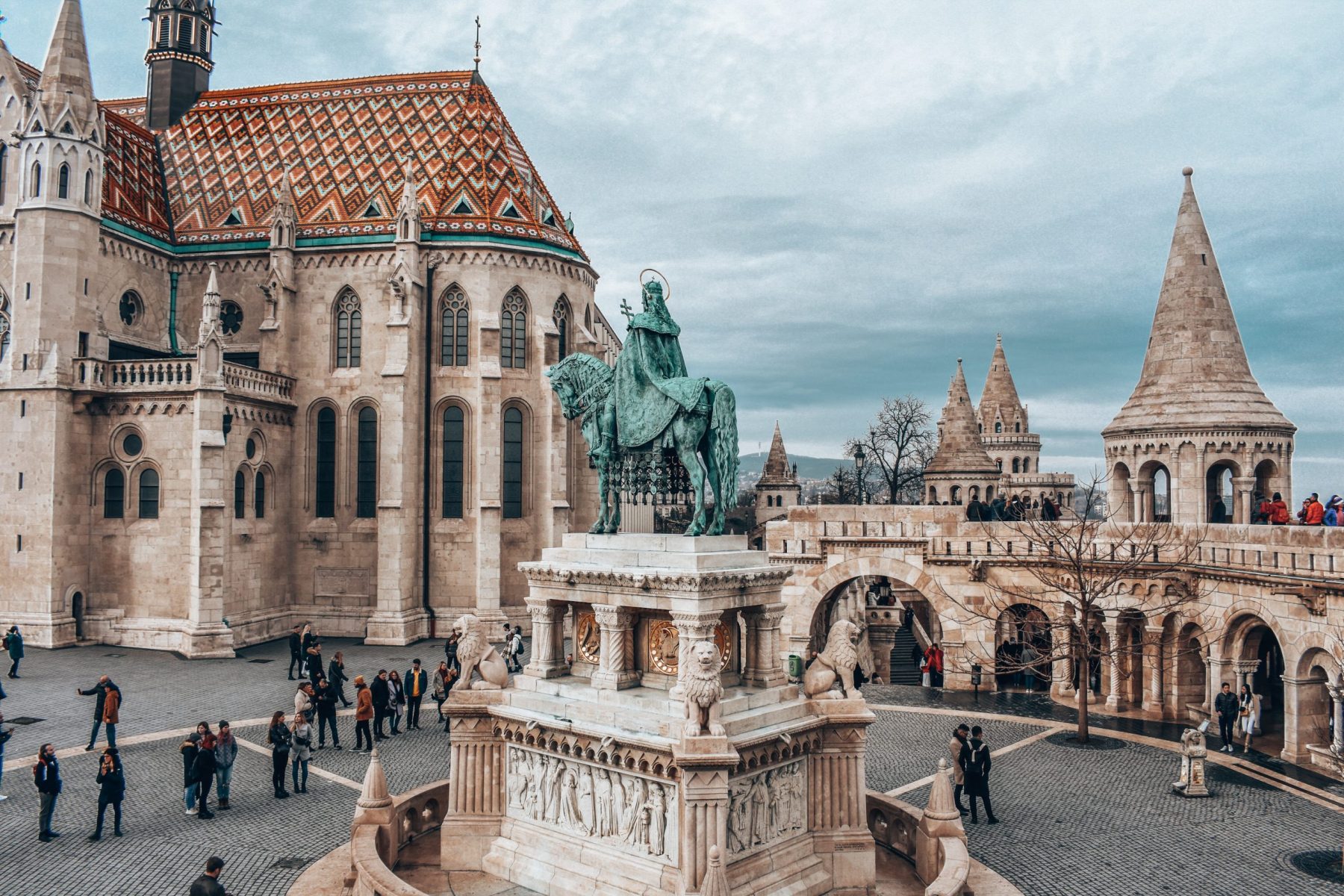
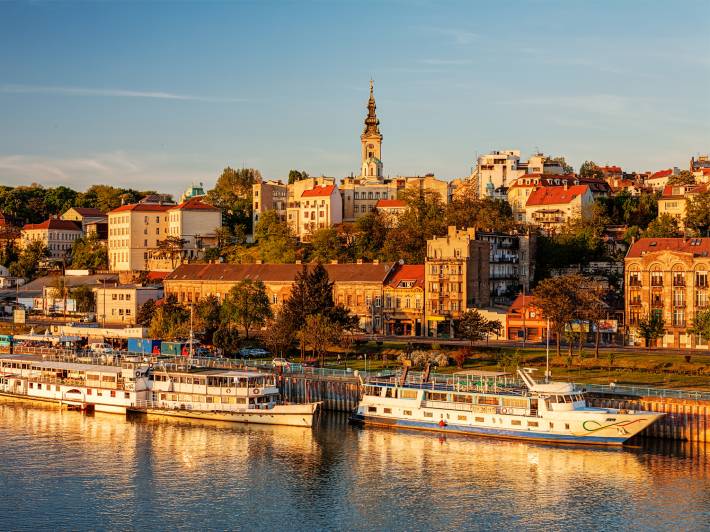
⚡ The TL;DR Verdict
For those seeking grand architecture, established tourism infrastructure, and a slightly more polished experience, Budapest is your winner, generally requiring a daily budget of $60-100 USD. If you crave an edgy, authentic Balkan vibe, lower costs, and a vibrant, often spontaneous nightlife, Belgrade calls your name, comfortable on $40-70 USD per day. Both offer incredible value compared to Western Europe.
- Choose Budapest: Go for imperial grandeur, world-class thermal baths, iconic ruin bars, and a city that feels like a 'mini-Paris' with excellent public transport and a wide array of tourist amenities.
- Choose Belgrade: Pick Belgrade for an unvarnished, high-energy Balkan experience, incredibly cheap food and drinks, unique river-barge parties (splavs), and a resilient, friendly local culture that thrives on spontaneity.
- Choose Both: If you have 7-10 days, absolutely do both! A direct bus or train connects them in about 7-8 hours, offering a fascinating journey from the Austro-Hungarian opulence of Budapest to the Ottoman-influenced Balkan spirit of Belgrade.
Quick Comparison
| Category | Budapest | Belgrade | Winner |
|---|---|---|---|
| Costs & Budget | Mid-range for Europe, still great value. Expect $60-100 USD/day. | Extremely budget-friendly. Comfortable on $40-70 USD/day. | Belgrade |
| Nightlife | World-famous ruin bars, massive clubs, vibrant pub crawls. | Gritty, authentic, legendary splavs (river barges), underground clubs. | Tie |
| Culture & History | Grand imperial architecture, thermal baths, Danube views, Jewish Quarter. | Gritty resilience, Ottoman & Habsburg influences, brutalist gems, Kalemegdan. | Budapest |
| Food & Drink | Hearty Hungarian stews, trendy cafes, street food, ruin bar eats. | Balkan grill paradise, delicious pastries, strong coffee, cheap local wine/rakija. | Belgrade |
| Accommodation | Wide range from luxury hotels to boutique hostels, many Airbnbs. | Excellent value hostels and apartments, fewer high-end luxury options. | Budapest |
| Getting Around | Excellent, historic metro system, trams, buses. Very walkable. | Good bus/tram network, surprisingly walkable city center. | Budapest |
| Safety | Generally very safe, standard big-city precautions against pickpockets. | Safe but feels grittier, friendly locals, minor scams possible. | Tie |
| Day Trips & Nature | Historic towns, thermal lakes, wine regions, Danube Bend. | Charming Novi Sad, monasteries, vineyards, Danube river activities. | Budapest |
| Vibe & Atmosphere | Elegant, majestic, romantic, historic, a 'mini-Paris.' | Gritty, energetic, resilient, authentic, a 'Berlin-meets-Balkan' vibe. | Budapest |
| Solo Travel / Friendliness | Easy to navigate, many hostels, established tourist infrastructure. | Friendly, welcoming locals, great for meeting people if you're open. | Tie |
💰 Costs & Budget
When it comes to stretching your dollar, Belgrade is the undisputed champion. You can easily find a decent hostel bed for 1,100-2,200 RSD ($10-20 USD), a hearty traditional meal (like ćevapi or pljeskavica) with a drink for 1,100-2,000 RSD ($10-18 USD), and local beers for as little as 220-440 RSD ($2-4 USD). Public transport is also dirt cheap. Budapest, while still excellent value compared to Western Europe, is noticeably pricier. A hostel bed usually runs 7,000-10,000 HUF ($20-30 USD), a mid-range restaurant meal 5,000-9,000 HUF ($15-25 USD), and beers in a ruin bar 1,000-1,800 HUF ($3-5 USD). Everything from attractions like the Széchenyi Baths (around 9,000 HUF/$25 USD) to coffees will add up faster. For the backpacker watching every penny, Belgrade's affordability is a huge draw. "I stayed in Belgrade for a week and barely spent more than I would in a weekend in Prague, food and beer were ridiculously cheap." you'll often hear from fellow travelers.
Winner takeaway
- Winner: Belgrade
- Why: Belgrade offers significantly lower prices across the board for accommodation, food, drinks, and activities, making it ideal for budget-conscious travelers.
- Who this matters for: Budget travelers, backpackers, and anyone looking for maximum value.
🎉 Nightlife
Both cities boast incredible nightlife, but with distinctly different flavors. Budapest is famed for its iconic ruin bars, like Szimpla Kert, which are sprawling, multi-room complexes built into derelict buildings. There are also superclubs like Instant-Fogas and countless pubs on Kazinczy utca. The scene is well-established, caters to tourists, and is easy to navigate. Belgrade's nightlife is arguably more raw and intense, particularly in the summer when its famous 'splavs' (floating river clubs on the Sava and Danube) come alive, often staying open until dawn. Throughout the year, you'll find an energetic mix of underground techno clubs (e.g., Drugstore, KC Grad), traditional kafanas with live music, and lively bars in the Savamala district. Belgrade's scene feels more local and spontaneous, less curated for tourists, which can be a huge plus for those seeking an authentic experience. "Budapest's ruin bars are awesome, but Belgrade's splavs felt like a truly unique party experience I couldn't get anywhere else." sums up the feeling.
Winner takeaway
- Winner: Tie
- Why: Both offer world-class, distinct nightlife experiences catering to different tastes, making it impossible to pick a single winner.
- Who this matters for: Party-goers, social travelers, and anyone looking for unforgettable evenings.
🏛️ Culture & History
Budapest, the 'Pearl of the Danube,' dazzles with its Austro-Hungarian grandeur. The Parliament Building, Buda Castle, Fisherman's Bastion, and Chain Bridge are stunning architectural marvels. Its thermal baths like Széchenyi and Gellért are integral to its culture and offer a unique historical experience. The Jewish Quarter tells a poignant story, and museums like the House of Terror provide a chilling look into 20th-century history. Belgrade's history is more turbulent and less outwardly 'pretty.' Kalemegdan Fortress, overlooking the confluence of the Sava and Danube, is its historical heart, showcasing layers of Roman, Ottoman, and Habsburg influence. The Church of Saint Sava is an impressive modern Orthodox cathedral. Belgrade's story is one of resilience, evident in its blend of brutalist, Art Nouveau, and Ottoman architecture. It offers a fascinating, albeit grittier, cultural narrative. "Budapest just has so many 'wow' moments visually, every corner is a postcard. Belgrade felt more about the story behind the buildings." a Reddit user observed.
Winner takeaway
- Winner: Budapest
- Why: Budapest boasts a more consistently stunning and preserved architectural heritage, iconic thermal bath culture, and a grander sense of imperial history that is immediately apparent.
- Who this matters for: History buffs, architecture enthusiasts, and those seeking iconic European landmarks.
🍽️ Food & Drink
Belgrade takes the crown for its unpretentious, incredibly flavorful, and affordable culinary scene. Think Balkan grill – the best ćevapi, pljeskavica, and kajmak you'll ever taste – found in local kafanas or street stalls. Bakeries are everywhere with fresh burek (savory pastry) for around 200 RSD ($1.80 USD). Rakija (fruit brandy) is the national drink, and local wines are surprisingly good and cheap. Budapest offers a more varied, international dining scene alongside its Hungarian staples like goulash, langos, and chimney cake. Places like the Central Market Hall offer traditional tastes, while areas like the Jewish Quarter are packed with trendy cafes and street food (Karavan Street Food is popular). Fine dining is also more prevalent in Budapest. However, for sheer value, authentic deliciousness, and a unique regional flavor profile, Belgrade edges it out. "I could eat grilled meat and burek in Belgrade every single day and be happy, the quality for the price is insane." is a common sentiment.
Winner takeaway
- Winner: Belgrade
- Why: Belgrade excels with its incredibly affordable, authentic, and delicious Balkan grill, pastries, and strong coffee scene, offering a true taste of the region.
- Who this matters for: Foodies on a budget, meat lovers, and those seeking authentic regional flavors.
🏨 Accommodation
Budapest generally offers a wider and more polished range of accommodation options, from luxurious 5-star hotels like the Aria Hotel or Four Seasons Gresham Palace to charming boutique stays and numerous well-regarded hostels (e.g., Maverick Hostel & Ensuites). There's also a vast supply of Airbnbs, particularly in the Pest side. Prices are higher than Belgrade, but the quality and selection are generally superior. In Belgrade, you'll find fantastic value, especially in its hostels (e.g., Hedonist Hostel) and private apartments. Boutique hotels are emerging, like Saint Ten Hotel, but the sheer volume of high-end, internationally branded luxury hotels is less than in Budapest. For budget travelers, Belgrade is a dream, with private rooms in guesthouses often costing less than a dorm bed in Western Europe. "Finding a stylish, central apartment in Budapest for a decent price was super easy. Belgrade had good cheap hostels but fewer mid-range boutique hotels." reflects the difference.
Winner takeaway
- Winner: Budapest
- Why: Budapest provides a broader spectrum of accommodation, including more luxury and high-end boutique options, catering to diverse preferences and budgets.
- Who this matters for: Travelers seeking luxury, boutique experiences, or specific hotel chain amenities.
🚇 Getting Around
Budapest boasts an exceptionally efficient and user-friendly public transport system, including the historic M1 metro line (the continent's oldest underground railway), extensive tram networks, and buses. A single ticket costs around 350 HUF ($1 USD), and travel cards offer great value. The city is also incredibly walkable, with most major attractions in Pest easily accessible on foot, and Buda connected by picturesque bridges. Belgrade relies heavily on buses and trams, as it lacks a comprehensive metro system (though plans are underway). While the network is extensive and inexpensive (around 90 RSD / $0.80 USD for a single ticket), it can be more confusing to navigate for tourists due to fewer English signs and often crowded vehicles. The city center, from Kalemegdan to Slavija Square, is very walkable, but reaching areas like Zemun or New Belgrade requires public transport. "Budapest's metro felt like a tourist attraction itself, and getting anywhere was a breeze. Belgrade's buses were functional but a bit chaotic." is a common sentiment.
Winner takeaway
- Winner: Budapest
- Why: Budapest offers a more comprehensive, historically interesting, and easier-to-navigate public transport system, complementing its highly walkable city center.
- Who this matters for: First-time European travelers, those relying on public transport, and walkers.
🛡️ Safety
Both Budapest and Belgrade are generally safe cities for tourists, but they have different 'feels.' Budapest is a well-established tourist destination, and its main safety concerns are typical big-city issues: pickpocketing in crowded areas (especially Váci utca or on trams), and occasional taxi scams (always use Bolt or a reputable company). Solo female travelers generally report feeling very safe. Belgrade, while perhaps looking a bit grittier with its brutalist architecture and less polished appearance, is also very safe. Locals are remarkably friendly and hospitable. The main concerns might be inflated prices for tourists in some areas (e.g., Skadarlija restaurants, though less of a scam, more of a tourist price point) or minor late-night street incidents if you're not careful, as in any major city. "I walked around Belgrade alone at night and felt perfectly fine, probably safer than some parts of Paris. Just use common sense." is a common experience shared by travelers.
Winner takeaway
- Winner: Tie
- Why: Both cities offer a high level of safety for travelers, requiring only standard precautions you'd take in any major urban center.
- Who this matters for: Solo travelers, families, and anyone prioritizing peace of mind.
🌳 Day Trips & Nature
Budapest offers a slightly more diverse and easily accessible range of day trips. The Danube Bend is a popular choice, with charming towns like Szentendre (an artistic village), Esztergom (with its impressive basilica), and Visegrád (a historic castle town) all reachable by boat or train. Lake Balaton, Central Europe's largest lake, is also a popular summer escape for relaxation and wine tasting. Eger, with its castle and 'Valley of the Beautiful Woman' wine cellars, is another fantastic option. Belgrade's most popular day trip is to Novi Sad, Serbia's second-largest city, famous for the Petrovaradin Fortress and the EXIT Festival. Nearby Fruška Gora National Park offers beautiful monasteries and vineyards, perfect for hiking and wine tasting. The Danube itself provides opportunities for boat tours and exploring river islands. While Belgrade's natural beauty is captivating, Budapest's day trip options feel more varied and logistically simpler for the average tourist. "The Danube Bend trip from Budapest was amazing, so many cute towns and great views. Novi Sad was cool but I missed having more options." a traveler once noted.
Winner takeaway
- Winner: Budapest
- Why: Budapest offers a greater variety of easily accessible and diverse day trip options, from historic towns to natural wonders like Lake Balaton.
- Who this matters for: Travelers staying longer, those who enjoy exploring beyond the city, and nature lovers.
✨ Vibe & Atmosphere
Budapest radiates an atmosphere of elegant grandeur and historic charm. With its wide boulevards, stunning architecture, and the majestic Danube dividing Buda and Pest, it feels regal and sophisticated. There's a palpable sense of history, but also a modern, vibrant energy, particularly in the ruin bars and trendy cafes. It often evokes comparisons to Paris or Vienna, offering a more polished Western European feel. Belgrade, on the other hand, has a raw, energetic, and resilient vibe. It's a city that has seen a lot of history, and it carries that weight, but also a fierce, optimistic spirit. It's less about manicured beauty and more about authentic street life, buzzing cafes, and spontaneous social interactions. It has a 'don't give a damn' attitude that's incredibly appealing to those seeking something less touristy and more real. You'll find a blend of old-world charm, brutalist architecture, and a lively, sometimes chaotic, urban pulse. "Budapest felt like a fairytale city, all romantic and beautiful. Belgrade was like a punk rock concert – raw, energetic, and totally unforgettable." a traveler described it.
Winner takeaway
- Winner: Budapest
- Why: Budapest's grand, romantic, and historically rich atmosphere, coupled with its stunning architecture, offers a more conventionally beautiful and universally appealing 'European city' experience.
- Who this matters for: Those seeking romantic getaways, classic European charm, and aesthetically pleasing surroundings.
🤝 Solo Travel / Friendliness
Both cities are excellent for solo travelers, but for different reasons. Budapest is incredibly easy to navigate solo due to its efficient public transport, abundant hostels (many with vibrant social scenes), and well-established tourist infrastructure. English is widely spoken in tourist areas, making communication simple. There are plenty of group activities like pub crawls and free walking tours to meet people. Belgrade, while perhaps initially appearing a bit more challenging with less English signage and a 'rougher' edge, truly shines in the friendliness of its locals. Serbians are known for their hospitality and genuine warmth, often eager to chat and share their culture if you're open to it. Hostels are plentiful and often have a strong community feel. For a solo traveler who enjoys initiating conversations and embracing spontaneity, Belgrade can be incredibly rewarding. "Budapest was effortless for solo travel, everything just works. Belgrade, though, felt like I made more genuine connections with locals, which was amazing." a solo traveler posted.
Winner takeaway
- Winner: Tie
- Why: Both cities offer unique advantages for solo travelers: Budapest for ease and infrastructure, Belgrade for genuine local interaction and a welcoming spirit.
- Who this matters for: Solo adventurers, digital nomads, and those looking to connect with locals or other travelers.
❓ Frequently Asked Questions
Which city is better for a party trip?
It's a tie! Budapest offers iconic ruin bars and massive clubs with an established, tourist-friendly scene. Belgrade counters with its raw, high-energy underground clubs and unique summer 'splavs' (river barge parties) that go until sunrise. Your preference depends on whether you seek a more polished, themed party or an authentic, gritty, and often spontaneous Balkan rave.
Which city is better for a family trip?
Budapest generally edges out Belgrade for families due to its more extensive family-friendly attractions like the Children's Railway, Margaret Island playgrounds, and the Tropicarium-Oceanarium. Its excellent public transport and clear tourist infrastructure also make navigating with kids easier. Belgrade has parks and Kalemegdan Fortress, but fewer dedicated children's activities.
What's the best time of year to visit both?
Late spring (April-May) and early autumn (September-October) are ideal for both. The weather is pleasant, crowds are manageable, and prices are often slightly lower than peak summer. Summer (June-August) is hot and busy but great for Belgrade's splavs and Budapest's outdoor festivals. Winters can be cold and grey, but both cities offer festive Christmas markets.
Can I do both cities in one trip? How?
Absolutely! Many travelers combine them. A direct bus (FlixBus or similar) or train connects Budapest and Belgrade in approximately 7-8 hours. It's a relatively comfortable journey, allowing you to experience the transition from Central European grandeur to Balkan dynamism. We recommend at least 3-4 days in each city for a good taste.
Is English widely spoken in both cities?
In Budapest, English is widely spoken in tourist areas, hotels, restaurants, and by younger generations. You'll generally have no trouble communicating. In Belgrade, English is less universally spoken, especially among older generations, but younger people and those in tourist-facing roles usually speak it well. A few basic Serbian phrases will go a long way and are much appreciated.
What about thermal baths in Belgrade?
Unlike Budapest, which is world-famous for its thermal baths (like Széchenyi and Gellért), Belgrade does not have significant thermal bath culture or public baths. While Serbia does have thermal springs, they are located in spa towns outside Belgrade. If soaking in healing waters is a priority, Budapest is your definitive choice.
How different are the currencies and is it easy to exchange money?
Budapest uses the Hungarian Forint (HUF), while Belgrade uses the Serbian Dinar (RSD). Both are easy to exchange Euros or USD for at official exchange offices (menjačnica in Serbia) or ATMs. Avoid airport exchange rates. Always check current exchange rates before you go, and notify your bank of international travel.
Which city has better shopping opportunities?
Budapest generally offers more diverse and high-quality shopping, from international brands on Váci utca, designer boutiques on Andrássy út, to unique local crafts at the Central Market Hall and quirky vintage stores. Belgrade has modern shopping malls and pedestrian streets like Knez Mihailova, but the overall selection and variety for souvenirs and fashion tend to be stronger in Budapest.
Ready to plan your Central/Eastern Europe trip?
Get a free custom itinerary for Budapest, Belgrade, or both — built from real traveler insights.
🎟️ Book Tours & Experiences
Hand-picked tours and activities for both destinations — book with free cancellation
Experiences via Viator — free cancellation on most tours