How we built this comparison
This page combines traveler discussion patterns, published price ranges, flight schedules, and seasonal data to help you decide between Budapest and Krakow.
- Reviewed 50+ Reddit threads from r/travel, r/solotravel, r/Budapest, r/Krakow, and r/europe for authentic traveler opinions and tips.
- Verified costs for accommodation, food, drink, and transport against current booking platforms (Booking.com, Hostelworld, Numbeo, local transport sites).
- Cross-referenced seasonal patterns and weather data with historical averages to provide accurate timing advice.
- Fact-checked key attractions, opening hours, and specific recommendations with official tourism boards and reputable travel blogs.
⚡ The TL;DR Verdict
If you're after vibrant nightlife, stunning architecture, and thermal spa relaxation, Budapest is your pick with a daily budget of $60-90. For a more laid-back historical deep dive, incredible day trips, and slightly lower costs, Krakow shines at $50-80/day. Both offer immense value, but cater to slightly different travel styles.
- Choose Budapest: Choose Budapest for epic parties, unique thermal spas, grand imperial architecture, and a buzzing, modern city vibe. It's fantastic for groups, couples, and those who love a lively atmosphere and impressive sights.
- Choose Krakow: Pick Krakow for a deep dive into rich history, charming medieval streets, poignant WWII sites, and incredible natural/historical day trips. It's ideal for culture vultures, history buffs, and travelers seeking a more relaxed, picturesque experience.
- Choose Both: If you have 7-10 days, doing both is absolutely doable and highly recommended to experience the best of Central Europe. A direct train or flight connects them efficiently, allowing you to compare their unique charms firsthand.
Quick Comparison
| Category | Budapest | Krakow | Winner |
|---|---|---|---|
| Culture & History | Grand imperial architecture, thermal baths, poignant communist history, vibrant arts scene. | Medieval Old Town, Jewish Quarter, Wawel Castle, rich royal history, WWII significance. | Krakow |
| Food & Drink | Hearty goulash, langos, chimney cake, trendy ruin bars, vibrant street food, excellent wines and pálinka. | Pierogi, kielbasa, żurek soup, traditional milk bars, cheap craft beers, potent vodkas. | Budapest |
| Nightlife | World-famous ruin bars, thermal bath parties, diverse clubs, affordable drinks. | Lively Old Town pubs, underground cellars, plenty of craft beer bars, vibrant student scene. | Budapest |
| Costs | Mid-range for Europe, good value, accommodation can be pricier, food and transport affordable. | Excellent value, generally cheaper than Budapest, very affordable food, drink, and transport. | Krakow |
| Getting Around | Efficient metro, trams, buses; walkability in Pest, Buda requires more transport. | Compact, highly walkable Old Town; excellent tram and bus network for wider areas. | Krakow |
| Accommodation | Wide range from luxury hotels to stylish hostels; unique boutique options and Airbnb apartments. | Abundant hostels and guesthouses, charming boutique hotels, good value for money. | Budapest |
| Day Trips | Danube Bend, Lake Balaton, Visegrád, Szentendre; generally scenic and historical. | Auschwitz-Birkenau, Wieliczka Salt Mine, Zakopane (Tatras Mountains); world-class, diverse. | Krakow |
| Weather & Seasons | Hot summers (can be humid), cold winters, pleasant spring/autumn. Thermal baths year-round. | Warm summers, very cold and snowy winters, mild spring/autumn. Similar continental climate. | Tie |
| Safety & Vibe | Generally safe, vibrant and energetic, bustling, some petty crime in tourist areas. | Very safe, charming and relaxed, friendly locals, tourist-friendly. | Krakow |
| Solo Travel Friendliness | Excellent for meeting people, vibrant hostel scene, easy to navigate, great for socializers. | Very safe, easy to meet others in hostels/pubs, highly walkable, less overwhelming. | Tie |
🏛️ Culture & History
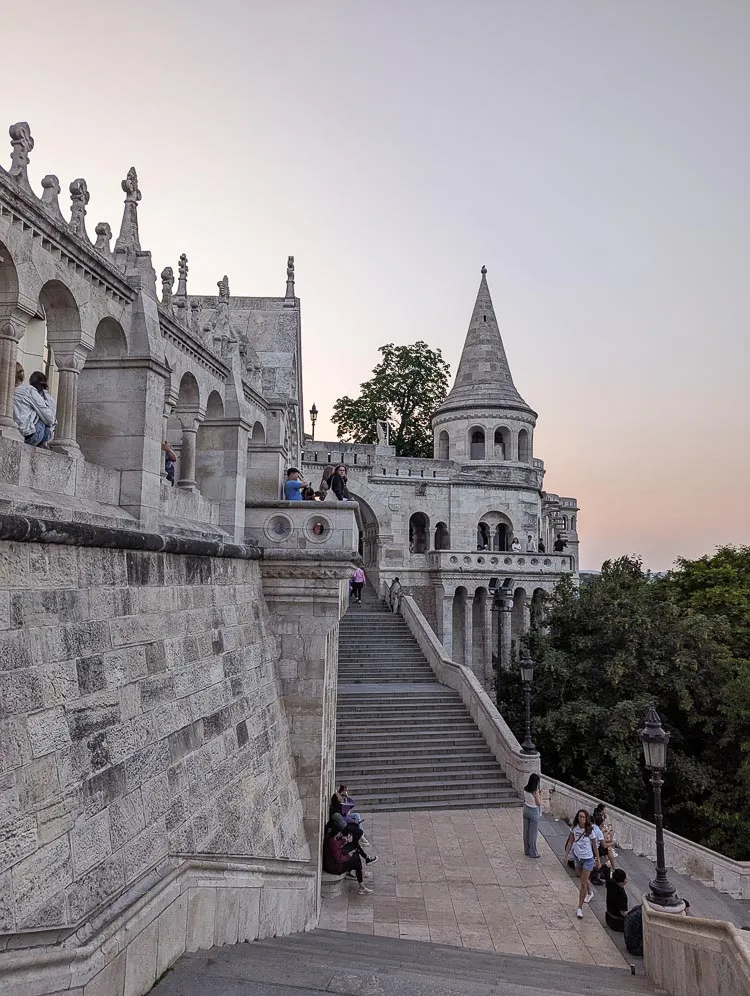
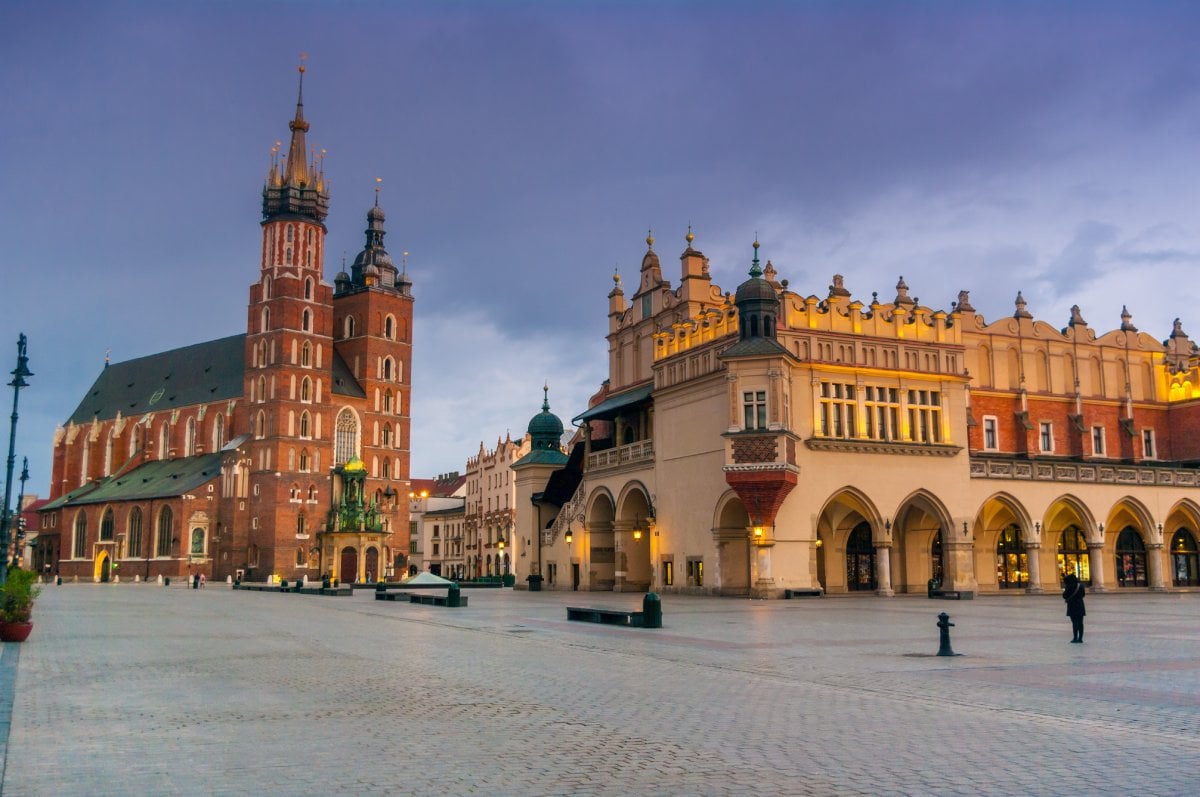
Budapest boasts stunning sights like the Parliament Building, Buda Castle, and Fisherman's Bastion, reflecting its Austro-Hungarian grandeur. Its thermal baths like Széchenyi and Gellért are unique cultural experiences, and the House of Terror Museum offers a chilling look into its 20th-century past. However, Krakow's historical core feels more cohesive and ancient, centered around its sprawling Main Market Square – Europe's largest medieval town square. Wawel Castle and Cathedral are iconic, but it's the preserved Jewish Quarter (Kazimierz) with its synagogues and poignant history that truly sets it apart. The ability to easily visit Auschwitz-Birkenau and the Wieliczka Salt Mine adds immense historical depth that Budapest can't quite match. As one traveler put it, "Krakow's Old Town just feels like you've stepped back in time in a way Budapest doesn't, especially around the Cloth Hall and Mariacki Church. It's incredibly walkable and atmospheric." While Budapest offers scale, Krakow offers unparalleled concentrated historical immersion.
Winner takeaway
- Winner: Krakow
- Why: Krakow offers a more concentrated, immersive, and historically significant cultural and historical experience, especially with its world-class day trips.
- Who this matters for: History buffs, those interested in WWII, and travelers seeking well-preserved medieval charm.
🍽️ Food & Drink
Budapest's food scene is a fantastic blend of traditional Hungarian comfort food and a booming modern culinary landscape. You can feast on a hearty goulash at a traditional eatery like Gettó Gulyás for around 3,000-4,000 HUF ($8-11 USD), or grab a delicious street-side langos for 1,500 HUF ($4 USD). The city's ruin bars, like Szimpla Kert, aren't just for drinking; many offer fantastic food trucks or simple bar bites. Craft beer is thriving, and Hungarian wines from regions like Tokaj are world-class. Krakow's culinary scene is delightful and more budget-friendly, known for its pierogi (try Pierogarnia Krakowiacy for a wide selection, 20-30 PLN / $5-8 USD), kielbasa, and traditional żurek soup. Its 'milk bars' (Bar Mleczny) offer incredibly cheap, authentic Polish meals (15-25 PLN / $4-7 USD). While Krakow has charm and value, Budapest feels more dynamic and diverse, offering a broader range of high-quality dining experiences, from Michelin-starred restaurants to innovative street food. "Budapest just felt like it had more variety, and the ruin bars offered such cool eating experiences alongside the drinks," a Reddit user noted.
Winner takeaway
- Winner: Budapest
- Why: Budapest offers a more diverse, vibrant, and high-quality culinary scene with a greater range of options from traditional to modern.
- Who this matters for: Foodies, those looking for trendy dining experiences, and adventurous eaters.
🎉 Nightlife
Budapest is undeniably a nightlife powerhouse. Its iconic ruin bars, particularly Szimpla Kert and Instant-Fogas Complex, are legendary and offer unique, multi-room experiences with diverse music and atmospheres. A beer typically costs 800-1,200 HUF ($2-3 USD) in a ruin bar, making it very accessible. The city also hosts 'Sparty' thermal bath parties at Széchenyi, an unforgettable experience. Beyond ruin bars, there are sophisticated cocktail lounges, massive clubs like Akvárium Klub, and plenty of places to dance until dawn. Krakow's nightlife, centered around the Old Town and Kazimierz, is vibrant and enjoyable, with countless pubs and cellar bars. It's particularly known for its cheap craft beer scene (a pint around 12-18 PLN / $3-5 USD) and vodka bars. While Krakow offers a great time, especially for pub crawls, it lacks the sheer scale, originality, and diverse offerings that make Budapest a global nightlife destination. "Budapest's nightlife is on another level, the ruin bars are just something you can't find anywhere else. Krakow is fun, but it's more standard pub crawls," commented a traveler.
Winner takeaway
- Winner: Budapest
- Why: Budapest's unique ruin bars, thermal bath parties, and sheer variety of venues make it a superior nightlife destination.
- Who this matters for: Party-goers, social travelers, and anyone looking for unique evening entertainment.
💰 Costs
When it comes to overall budget, Krakow generally edges out Budapest, especially for budget-conscious travelers. You can find a decent meal in Krakow for 30-50 PLN ($8-13 USD), while a similar meal in Budapest might be 4,000-6,000 HUF ($11-17 USD). A pint of local beer in Krakow is typically 12-18 PLN ($3-5 USD), whereas in Budapest it's 800-1,200 HUF ($2-3 USD) but can be more in tourist traps. Accommodation in Krakow can be found for as low as 80-150 PLN ($20-40 USD) for a good hostel or budget hotel, while Budapest usually starts at 10,000-15,000 HUF ($28-42 USD) for similar quality. Public transport in both cities is very affordable, with single tickets around 350 HUF ($1 USD) in Budapest and 3.80 PLN ($1 USD) in Krakow. "Krakow felt noticeably cheaper across the board, especially for food and beer. Budapest was great, but I stretched my zloty further," noted a budget backpacker. While both offer fantastic value for European cities, Krakow's daily expenses tend to be slightly lower.
Winner takeaway
- Winner: Krakow
- Why: Krakow offers slightly better value for money across most categories, making it a more budget-friendly choice.
- Who this matters for: Budget travelers, backpackers, and those looking to maximize their travel funds.
🚌 Getting Around
Both Budapest and Krakow have excellent public transportation systems, but Krakow wins for sheer ease of navigation, especially within its main tourist areas. Krakow's Old Town is incredibly compact and almost entirely pedestrianized, meaning you can walk to most major sights like the Main Market Square, Wawel Castle, and parts of Kazimierz without needing any transport. For venturing further to areas like Schindler's Factory, the tram and bus network is comprehensive and easy to use, with single tickets costing around 3.80 PLN ($1 USD) and 24-hour passes for 15 PLN ($4 USD). Budapest's public transport, comprising metro, trams, and buses, is highly efficient and covers the city extensively (single ticket 350 HUF / $1 USD, 24-hour pass 1,650 HUF / $4.50 USD). However, the city is much larger and split by the Danube into Buda and Pest. While Pest is highly walkable, getting between Buda's attractions (like the Castle District) and Pest often requires using public transport or taxis. "Krakow felt so much smaller and easier to just wander. In Budapest, I was constantly checking the metro map," shared a solo traveler. For pure walkability and simplicity, Krakow takes the lead.
Winner takeaway
- Winner: Krakow
- Why: Krakow's compact, highly walkable Old Town makes it exceptionally easy to navigate on foot, minimizing the need for public transport.
- Who this matters for: Pedestrian-lovers, those with limited mobility, and travelers who prefer to explore without constant reliance on transport.
🏨 Accommodation
Budapest offers a truly exceptional range of accommodation, from grand historic hotels like the Gresham Palace Four Seasons to trendy boutique stays and an abundance of stylish hostels. The sheer scale of its tourism industry means more options across all price points, often with a higher standard of design and amenities. You can find a well-rated hostel like Maverick City Lodge for 5,000-8,000 HUF ($14-22 USD) per night, or a mid-range hotel for 20,000-35,000 HUF ($55-95 USD). There are also countless Airbnb apartments offering great value and local experiences. Krakow also has excellent accommodation, especially in its Old Town and Kazimierz districts, with many charming boutique hotels and highly-rated hostels like Greg & Tom Beer House Hostel (80-120 PLN / $20-33 USD). However, Budapest simply offers more diversity, more unique properties (like those with thermal bath access), and feels like it caters better to both luxury and mid-range travelers looking for something a bit special. "I found some really unique boutique hotels in Budapest for what I'd pay for a basic chain in other big cities. The choices felt endless," a traveler remarked. The variety and quality in Budapest are slightly more impressive.
Winner takeaway
- Winner: Budapest
- Why: Budapest offers a broader, more diverse, and often more stylish range of accommodation options across all budgets.
- Who this matters for: Travelers seeking unique stays, luxury options, or a very specific type of lodging experience.
🏞️ Day Trips
Krakow is the undisputed champion for day trips, boasting two UNESCO World Heritage Sites within easy reach. Auschwitz-Birkenau offers a deeply moving and essential historical experience, accessible by bus (around 15-20 PLN / $4-5 USD) or organized tour. The Wieliczka Salt Mine is a stunning underground wonder with chapels carved entirely from salt, reachable by bus or train for about 5-10 PLN ($1-3 USD). For nature lovers, a trip to Zakopane in the Tatra Mountains provides breathtaking alpine scenery, hiking, and traditional Góral culture, about a 2-hour bus ride (20-30 PLN / $5-8 USD). Budapest's day trips, while enjoyable, don't quite reach the global significance or diversity of Krakow's. The Danube Bend (Szentendre, Visegrád, Esztergom) offers scenic beauty and historical towns, easily explored by boat or train (around 2,000-4,000 HUF / $5-11 USD for transport). Lake Balaton is great for summer relaxation, but further afield. "Krakow's day trips were incredible – Auschwitz was harrowing but necessary, and the Salt Mine blew my mind. Budapest's were nice, but not as impactful," a traveler shared. Krakow's offerings are truly world-class.
Winner takeaway
- Winner: Krakow
- Why: Krakow offers more impactful, diverse, and world-renowned day trip options, including two UNESCO World Heritage Sites.
- Who this matters for: History buffs, those interested in poignant sites, and nature lovers seeking mountain excursions.
☀️ Weather & Seasons
Both Budapest and Krakow experience a similar continental climate, meaning hot summers, cold winters, and pleasant shoulder seasons. Summers (June-August) in Budapest can reach 30-35°C (86-95°F) and be quite humid, perfect for relaxing by the Danube or cooling off in the thermal baths. Krakow's summers are slightly milder, typically 25-30°C (77-86°F), making it comfortable for walking its compact Old Town. Winters (December-February) in both cities are cold, often with snow and temperatures dipping below freezing. Budapest's thermal baths become an even more inviting experience in winter. Spring and Autumn (April-May, September-October) are arguably the best times to visit both, with mild temperatures (15-22°C / 59-72°F) and fewer crowds, ideal for sightseeing. "Honestly, both cities are lovely in the shoulder seasons. Summers can be a bit much, and winters are gorgeous if you don't mind the cold," a forum user noted. Neither city definitively outperforms the other in terms of weather; it largely depends on personal preference for heat or cold and how you plan to use the city's amenities.
Winner takeaway
- Winner: Tie
- Why: Both cities share a similar continental climate, offering distinct charms across all four seasons, with shoulder seasons being ideal for most visitors.
- Who this matters for: Travelers with specific seasonal preferences, as both offer diverse experiences depending on the time of year.
🛡️ Safety & Vibe
Both Budapest and Krakow are generally considered very safe for tourists, especially in their main city centers. Petty crime like pickpocketing can occur in crowded tourist areas in both cities, so standard precautions apply. However, Krakow often feels slightly more relaxed and less 'big city' bustling than Budapest. Its compact size and pedestrianized Old Town contribute to a very safe and friendly atmosphere, particularly in the evenings. The locals in Krakow are generally welcoming and English is widely spoken in tourist zones. Budapest, while safe, has a more energetic and sometimes grittier feel, particularly in parts of the party district, which can attract more late-night shenanigans. While not dangerous, it requires a bit more street smarts after dark in certain areas. "I felt super safe walking around Krakow even late at night. Budapest felt a bit more intense, especially around the ruin bars, but still fine," a solo female traveler mentioned. For a consistently calm and friendly vibe, Krakow slightly edges out Budapest.
Winner takeaway
- Winner: Krakow
- Why: Krakow offers a consistently more relaxed, charming, and distinctly safer feeling, particularly due to its compact and pedestrian-friendly core.
- Who this matters for: Solo travelers, families, and those who prioritize a calm and very safe city environment.
🚶♀️ Solo Travel Friendliness
Both Budapest and Krakow are fantastic destinations for solo travelers, each offering unique advantages. Budapest boasts a huge and vibrant hostel scene, particularly centered around the party district, making it incredibly easy to meet other travelers. Its ruin bars are perfect for striking up conversations, and there are many free walking tours. The city is large but easily navigable via public transport. Krakow, on the other hand, wins points for its exceptional safety and walkability, which can be less overwhelming for a first-time solo traveler. Its smaller scale means you feel less 'lost in the crowd,' and hostels like Greg & Tom's are renowned for their social atmosphere and organized activities. The pub and cafe culture makes it easy to relax alone or join groups. "I did both solo, and while Budapest was amazing for meeting people at hostels and parties, Krakow felt more 'gentle' and easy to just explore independently without feeling overwhelmed. Both are top-tier for solo," a Redditor summarized. Your preference depends on whether you lean towards a more bustling, social scene (Budapest) or a more relaxed, easily navigable experience (Krakow).
Winner takeaway
- Winner: Tie
- Why: Both cities offer distinct but equally strong advantages for solo travelers, catering to different preferences for social interaction and city scale.
- Who this matters for: All solo travelers, whether seeking a vibrant social scene or a safe, easily navigable independent adventure.
❓ Frequently Asked Questions
Which city is better for a party trip?
Budapest takes the crown for party trips. Its legendary ruin bars like Szimpla Kert, massive clubs, and unique thermal bath parties offer an unparalleled nightlife experience that's hard to beat anywhere in Europe. Krakow has a lively pub scene, but it can't quite match Budapest's scale and originality.
Which city is better for history buffs?
Krakow offers a more concentrated and profound historical experience. Its perfectly preserved medieval Old Town, Wawel Castle, Jewish Quarter, and the essential day trips to Auschwitz-Birkenau and the Wieliczka Salt Mine provide an incredibly rich and diverse historical immersion that Budapest, despite its grandeur, can't fully rival.
Can I visit both Budapest and Krakow in one trip?
Absolutely! With 7-10 days, you can comfortably visit both. A direct train connection exists (though it can be long, 8-10 hours), or you can opt for a short, affordable flight (e.g., Ryanair from BUD to KRK, ~1 hour flight time). It's a fantastic way to experience both Central European gems.
Which city has better food?
While both offer delicious traditional cuisine, Budapest generally has a more diverse and dynamic food scene. From hearty Hungarian staples like goulash and langos to an array of trendy street food markets, fine dining, and international options, Budapest offers a broader culinary adventure. Krakow excels in traditional Polish comfort food and budget-friendly options.
What's the best time of year to visit either city?
The shoulder seasons, April-May and September-October, are ideal for both cities. Temperatures are mild, crowds are thinner, and prices can be slightly lower than peak summer. Summers are hot and busy, while winters are cold but offer a magical, festive atmosphere, especially around Christmas markets.
Which city is more family-friendly?
Krakow is often considered slightly more family-friendly due to its compact, walkable Old Town, safer feeling, and charming atmosphere. It has lovely parks, Wawel Dragon stories, and engaging day trips like the Salt Mine. Budapest is also family-friendly but might feel more bustling and caters more strongly to adult nightlife.
Are thermal baths a big deal in Krakow like in Budapest?
No, thermal baths are uniquely a Budapest phenomenon. While Krakow has modern spas and swimming pools, it doesn't have the historic, large-scale, naturally heated thermal baths like Széchenyi, Gellért, or Rudas. This experience is a defining feature of a trip to Budapest.
Which city is easier to get to from Western Europe?
Both cities are well-connected by budget airlines like Ryanair and Wizz Air from major European hubs. Budapest Ferenc Liszt International Airport (BUD) and Krakow John Paul II International Airport (KRK) both serve numerous routes. Flight times are similar, typically 2-3 hours from Western European capitals.
Ready to plan your Central Europe trip?
Get a free custom itinerary for Budapest, Krakow, or both — built from real traveler insights.
🎟️ Book Tours & Experiences
Hand-picked tours and activities for both destinations — book with free cancellation
Experiences via Viator — free cancellation on most tours