How we built this comparison
This page combines traveler discussion patterns, published price ranges, flight schedules, and seasonal data to help you decide between Budapest and Lisbon.
- Reviewed 50+ Reddit threads from r/travel, r/solotravel, r/budapest, r/lisbon, r/digitalnomad, and r/europe.
- Verified costs and logistics against current booking platforms (Booking.com, Airbnb, Skyscanner) and official city tourism sites.
- Cross-referenced seasonal patterns and weather data from climate-data.org and national meteorological services.
⚡ The TL;DR Verdict
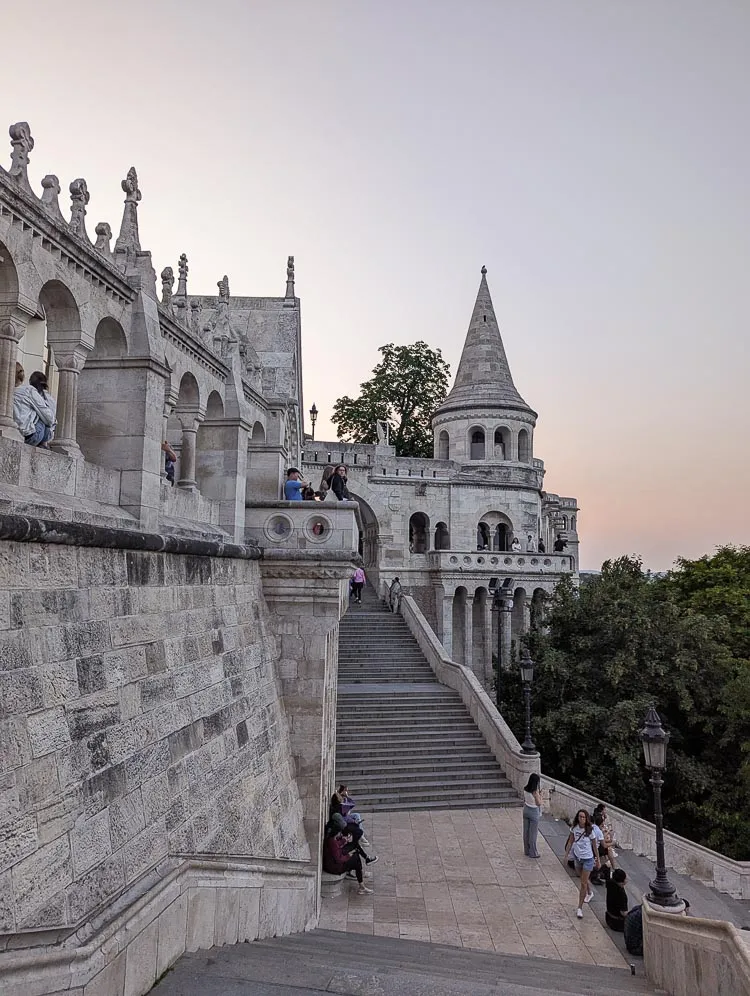
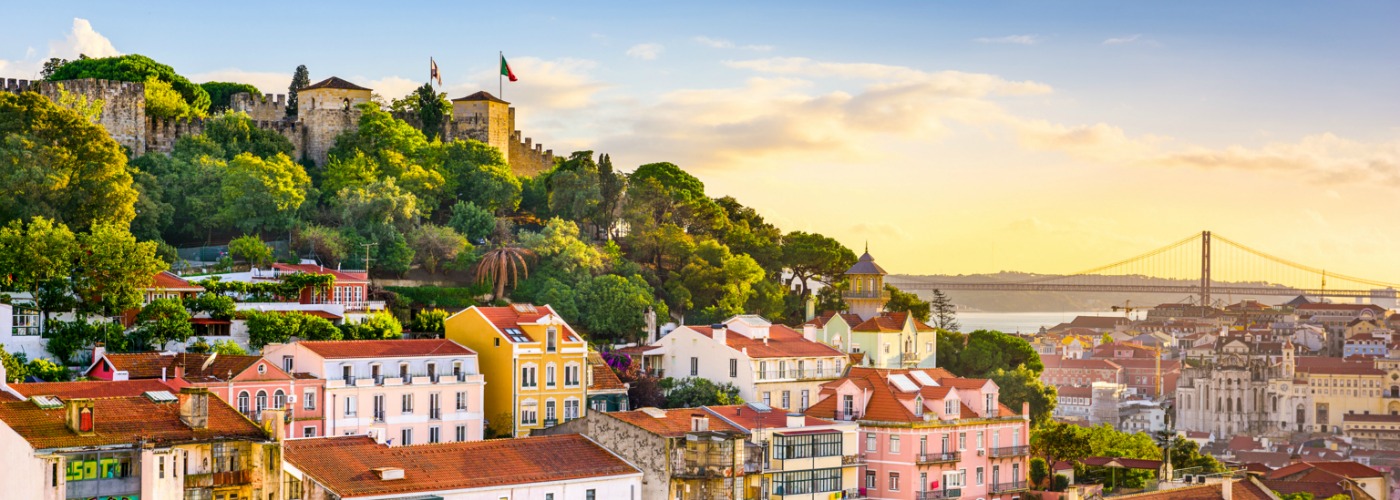
For budget-conscious travelers seeking vibrant nightlife, grand architecture, and a rich history without breaking the bank, Budapest is your clear winner. If you crave stunning coastal views, a more relaxed pace, incredible food, and don't mind a slightly higher price tag, Lisbon will capture your heart. Both offer unique European experiences, but cater to different travel styles and wallets.
- Choose Budapest: You're on a tighter budget (daily average $50-80 USD/€45-75), love a buzzing nightlife scene, grand imperial architecture, and the unique experience of thermal baths. You appreciate a more Eastern European feel.
- Choose Lisbon: You're willing to spend a bit more (daily average $80-120 USD/€75-110), dream of delicious seafood, hilly charm, stunning viewpoints, nearby beaches, and a vibrant, sunny atmosphere. You enjoy Fado music and a laid-back coastal vibe.
- Choose Both: If you have 10-14 days and want a diverse European experience, combining both is fantastic. Start with Budapest for 4-5 days, then take a budget flight (e.g., Wizz Air, Ryanair) to Lisbon for another 5-6 days to contrast their unique cultures and landscapes.
Quick Comparison
| Category | Budapest | Lisbon | Winner |
|---|---|---|---|
| Costs & Budget | Significantly more affordable across the board, from food to accommodation to activities. | Higher prices, especially for accommodation and dining out, closer to Western European averages. | Budapest |
| Nightlife | World-famous ruin bars, vibrant club scene, and affordable drinks create an unparalleled party atmosphere. | Lively bar districts, particularly Bairro Alto and Pink Street, with a later start and more casual vibe. | Budapest |
| Culture & History | Grand imperial architecture, thermal baths, and a deep, often somber, history reflecting Hungarian resilience. | Age-old neighborhoods, maritime history, Fado music, and a strong sense of local community, especially in Alfama. | Budapest |
| Food & Drink | Hearty, rich cuisine like goulash, langos, and chimney cake, with a growing modern culinary scene. | Incredible fresh seafood, Pastéis de Nata, and a thriving wine scene, with a focus on simple, high-quality ingredients. | Lisbon |
| Getting Around | Excellent, efficient, and affordable public transport system (metro, tram, bus). Flat and walkable. | Good public transport (metro, tram, bus), but notoriously hilly, requiring more walking and uphill climbs. | Budapest |
| Accommodation | Wide range of affordable options, from stylish hostels to grand boutique hotels in historic buildings. | Good selection, but generally pricier, with boutique hotels and guesthouses common in charming old buildings. | Budapest |
| Day Trips | Historic towns like Szentendre, the Danube Bend, and thermal lake Heviz, all easily accessible. | Stunning coastal towns like Cascais, the magical palaces of Sintra, and wine regions, all easily reachable by train. | Lisbon |
| Weather & Seasons | Continental climate: hot summers, cold and often snowy winters, pleasant spring/autumn. | Mediterranean climate: mild, wet winters, hot and dry summers, pleasant shoulder seasons. | Lisbon |
| Safety | Generally safe, but be aware of pickpocketing in crowded tourist areas and on public transport. | Very safe overall, though pickpocketing and petty theft are common in tourist hotspots, especially on Tram 28. | Tie |
| Solo Travel | Excellent for solo travelers with vibrant hostels, easy meetups, and a social nightlife. | Also very good for solo travel, with friendly locals, good hostels, and a relaxed atmosphere. | Budapest |
💰 Costs & Budget
Budapest is hands down the more budget-friendly destination. You can find a decent hostel bed for 5,000-8,000 HUF ($14-22 USD/€13-20) and a mid-range hotel for 20,000-35,000 HUF ($55-95 USD/€50-88) per night. A hearty meal with a drink in a local eatery might set you back 2,500-4,000 HUF ($7-11 USD/€6-10), and a local beer is often under 1,000 HUF ($2.75 USD/€2.50). Public transport tickets are around 350 HUF ($1 USD/€0.90). In contrast, Lisbon's prices are closer to Western Europe. A hostel bed starts around €25-40 ($27-44 USD) and a mid-range hotel is typically €80-150 ($88-165 USD). A good meal can easily be €12-25 ($13-27 USD), and a beer €3-5 ($3.30-5.50 USD). Public transport is cheaper at around €1.65 for a single ticket, but overall daily spending will be higher. "Dude, my entire day in Budapest, including baths and dinner, cost less than one dinner in Lisbon. It's wild." This makes Budapest an incredible value for backpackers and those stretching their travel funds.
Winner takeaway
- Winner: Budapest
- Why: Budapest offers significantly more bang for your buck, allowing travelers to enjoy more experiences without the financial strain.
- Who this matters for: Budget travelers, backpackers, students, and anyone looking to maximize their travel experiences on a limited budget.
🌃 Nightlife
Budapest's nightlife is legendary, largely due to its unique 'ruin bars' like Szimpla Kert, which is an absolute must-visit. These multi-room, multi-story venues built in abandoned buildings offer a bohemian, eclectic atmosphere with incredibly cheap drinks. Expect a beer for 800-1200 HUF ($2.20-3.30 USD/€2-3) and a shot of palinka for similar prices. Beyond the ruin bars, there are numerous clubs, riverside boat parties, and late-night thermal bath parties (Szechenyi Baths often host 'Sparty' events). The energy is infectious and the options are endless, catering to all tastes. Lisbon's nightlife, centered around Bairro Alto and Pink Street, is also fantastic but offers a different vibe. People typically start drinking in the streets around 10 PM and move into bars around midnight, with clubs opening even later. Drinks are a bit pricier, generally €4-7 ($4.40-7.70 USD) for a beer or glass of wine. While Lisbon has a great energy, especially in summer, it lacks the unique, gritty charm and sheer variety of Budapest's ruin bar scene. "Honestly, Budapest's ruin bars are an experience you just don't get anywhere else. Szimpla Kert blew my mind." For pure volume, creativity, and affordability in nightlife, Budapest takes the crown.
Winner takeaway
- Winner: Budapest
- Why: Budapest's unique ruin bar culture, diverse club scene, and affordability make for an unforgettable and accessible nightlife experience.
- Who this matters for: Party-goers, young travelers, solo travelers looking to meet people, and anyone who loves a lively, unique evening out.
🏛️ Culture & History
Budapest boasts a heavy-hitting historical and cultural landscape, characterized by its stunning Austro-Hungarian Empire architecture. The Parliament Building, Buda Castle, Fisherman's Bastion, and St. Stephen's Basilica are breathtaking. The city's history is profound, from the Chain Bridge connecting Buda and Pest to the sobering 'Shoes on the Danube Bank' memorial and the House of Terror Museum (admission ~4000 HUF/$11 USD/€10), which offers a poignant look at 20th-century totalitarian regimes. Then there are the thermal baths, like Széchenyi or Gellért (entrance ~9000-11000 HUF/$25-30 USD/€23-28), which are not just relaxation spots but deeply ingrained cultural institutions. Lisbon's cultural tapestry is rich in its own way, with the historic Alfama district, Jerónimos Monastery, Belém Tower (both part of a UNESCO site, entry to monastery ~€12/$13 USD), and the iconic Tram 28 winding through narrow streets. Fado music, recognized as intangible cultural heritage, offers soulful performances in intimate settings (often with dinner, expect €30-60/$33-66 USD). Lisbon's history is deeply tied to its maritime exploration. While both are culturally significant, Budapest's grand scale, the unique bath culture, and its powerful reflections on 20th-century history give it an edge. "The sheer grandeur of Budapest, like walking into a postcard at every turn, plus the baths, is just something else."
Winner takeaway
- Winner: Budapest
- Why: Budapest offers a more imposing and diverse cultural experience, from imperial architecture to unique thermal bath traditions and powerful historical sites.
- Who this matters for: History buffs, architecture enthusiasts, those interested in 20th-century European history, and travelers seeking unique cultural immersion beyond museums.
🍽️ Food & Drink
Lisbon excels in its culinary offerings, particularly for seafood lovers. Fresh grilled sardines, bacalhau (codfish) prepared in countless ways, and the famous Pastéis de Nata (custard tarts, usually €1-1.50 each) from Belém are absolute must-tries. Dining at a traditional tasca in Alfama, you can get a delicious, fresh seafood meal for around €15-25 ($16-27 USD). The Portuguese wine scene is also fantastic and affordable. From gourmet restaurants to simple street food, Lisbon consistently delivers high quality and incredible flavor. Budapest offers hearty, comfort food, but it's heavier. Think goulash, paprikash, and langos (fried dough with toppings, 1500-2500 HUF/$4-7 USD/€3.70-6.20). While delicious and satisfying, the cuisine is less diverse and generally heavier than Lisbon's. Budapest has a burgeoning modern culinary scene, but its traditional food doesn't quite reach the same consistent highs as Lisbon's fresh, ingredient-focused dishes. "Honestly, the seafood in Lisbon is next level. Every single meal was a winner, especially the grilled octopus." For variety, freshness, and sheer deliciousness, Lisbon's food scene is a standout.
Winner takeaway
- Winner: Lisbon
- Why: Lisbon's fresh seafood, iconic pastries, and diverse culinary scene offer a consistently higher and more varied gastronomic experience.
- Who this matters for: Foodies, seafood lovers, those who appreciate fresh ingredients, and anyone looking for a more Mediterranean diet during their travels.
🚇 Getting Around
Budapest is a dream for getting around. The city is relatively flat, especially Pest, making it very walkable. Its public transport system is outstanding, featuring an extensive metro, tram, and bus network that's easy to navigate and very affordable. A single ticket costs 350 HUF ($1 USD/€0.90), and a 24-hour pass is 2,500 HUF ($7 USD/€6.20). Trams, particularly Tram 2, offer scenic routes along the Danube. The city is well-connected, and you rarely need a taxi. Lisbon's public transport is also efficient, with a modern metro and an iconic tram system (like the historic Tram 28, a tourist attraction in itself, costing €3 for a single ride, or cheaper with a 'Viva Viagem' card). However, Lisbon is famously built on seven hills. This means a lot of uphill walking, which can be exhausting, especially in summer. While there are funiculars and elevators, you'll still be climbing. Taxis and ride-shares (Uber/Bolt) are readily available and reasonably priced, but the constant hills are a factor. "After a week of walking Lisbon's hills, my calves were screaming. Budapest felt like a flat paradise in comparison." While both have good systems, Budapest's flat terrain and ease of navigation give it the edge.
Winner takeaway
- Winner: Budapest
- Why: Budapest's flat terrain combined with its highly efficient and affordable public transport system makes it exceptionally easy to navigate.
- Who this matters for: Travelers with mobility concerns, families with strollers, anyone who prefers not to hike everywhere, and those on a tight budget for transport.
🏨 Accommodation
Budapest offers fantastic value for accommodation, making it the winner here. You can find incredibly stylish and well-located hostels for 5,000-8,000 HUF ($14-22 USD/€13-20) per night, like Maverick City Lodge or Wombat's City Hostel. Mid-range hotels in Pest, often in beautifully restored historic buildings, can be found for 20,000-35,000 HUF ($55-95 USD/€50-88), offering excellent amenities and central locations. Even luxury stays are more attainable here than in many other European capitals. Lisbon also has a good range of accommodation, from charming guesthouses in Alfama to modern hotels in Baixa-Chiado. However, prices are noticeably higher. Hostel beds generally start from €25-40 ($27-44 USD), and a comfortable mid-range hotel will set you back €80-150 ($88-165 USD) or more, especially if you want something central and well-rated. The demand, particularly during peak season, keeps prices elevated. While Lisbon has lovely places to stay, getting similar quality for a significantly lower price point is easier in Budapest. "We stayed in this incredible boutique hotel in Budapest for like 70 euros a night, felt like a king. Couldn't even get a decent Airbnb for that in Lisbon." This makes Budapest highly attractive for those who want quality without the premium price tag.
Winner takeaway
- Winner: Budapest
- Why: Budapest provides superior value and more affordable high-quality accommodation options across all budget ranges.
- Who this matters for: Travelers seeking luxurious stays on a moderate budget, backpackers, and anyone prioritizing getting more for their money in lodging.
🗺️ Day Trips
Lisbon offers an unbeatable array of day trips that truly enhance a visit. Sintra, a UNESCO World Heritage site with its fairytale Pena Palace (entrance ~€14/$15 USD), Quinta da Regaleira, and Moorish Castle, is just a 40-minute train ride away (€2.30 single ticket). The coastal town of Cascais, with its beaches and charming center, is another easy 40-minute train journey. You can even combine these with a visit to Cabo da Roca, the westernmost point of mainland Europe. The proximity of such diverse and stunning destinations, from royal palaces to picturesque beaches, is a major draw. Budapest also has good day trip options, like the charming artist village of Szentendre (train/bus ~€3-5/$3.30-5.50), or the scenic Danube Bend towns like Visegrád and Esztergom. Lake Balaton is a popular summer escape, and the thermal lake Heviz offers a unique bathing experience. However, these destinations, while interesting, don't quite reach the same level of iconic beauty and diverse appeal as Sintra and Cascais. "Sintra was absolutely magical, felt like stepping into a different world. Best day trip ever!" Lisbon's day trip game is stronger due to the sheer variety and 'wow' factor of its nearby attractions.
Winner takeaway
- Winner: Lisbon
- Why: Lisbon boasts iconic, diverse, and easily accessible day trip options that significantly add to the overall travel experience.
- Who this matters for: Explorers, history lovers, beach enthusiasts, and anyone who enjoys expanding their travel beyond the main city sights.
☀️ Weather & Seasons
Lisbon, with its Mediterranean climate, offers more pleasant weather for a longer portion of the year. Summers (June-August) are hot and dry, with average temperatures around 25-30°C (77-86°F), perfect for enjoying beaches and outdoor terraces. Winters (December-February) are mild and wetter, rarely dropping below 10°C (50°F), making it a comfortable off-season destination. The shoulder seasons (April-May, September-October) are particularly lovely, with warm, sunny days and fewer crowds. Budapest has a continental climate, which means more extreme temperatures. Summers can be very hot, often exceeding 30°C (86°F), and sometimes humid. Winters are cold, frequently dropping below freezing, with snow and icy conditions common, though the Christmas markets are charming. Spring and autumn are beautiful, with comfortable temperatures for sightseeing. However, Budapest's weather can be more unpredictable and less consistently pleasant than Lisbon's. "Lisbon in October was just perfect, warm enough for a t-shirt during the day, and beautiful sunsets. Budapest in November was freezing!" If consistent mild or warm weather is a priority, Lisbon is the clear choice for a more extended 'travel season'.
Winner takeaway
- Winner: Lisbon
- Why: Lisbon offers a more consistently pleasant climate throughout the year, with mild winters and long, sunny summers perfect for exploration.
- Who this matters for: Sun-seekers, those sensitive to extreme cold or heat, and travelers planning trips outside of peak summer.
🛡️ Safety
Both Budapest and Lisbon are generally safe cities for tourists, but both require common-sense precautions against petty crime, particularly pickpocketing. In Budapest, crowded areas like the metro, popular tourist sites (e.g., Parliament, Fisherman's Bastion), and busy ruin bars are prime spots for opportunistic thieves. Be mindful of your belongings, especially your phone and wallet. Scams involving taxi drivers overcharging are less common now with ride-sharing apps, but still possible. Lisbon also has a very low rate of violent crime, but pickpocketing is a significant issue, particularly on the packed Tram 28, in Alfama, and around Rossio Square. It's often so subtle you won't notice until later. "Lost my wallet on Tram 28 in Lisbon, totally my fault for not paying attention. Didn't even feel a thing." Both cities are safe for solo female travelers during the day and generally at night in well-lit, populated areas. The key difference isn't the overall safety, but the specific hot zones for petty theft. Given that both require similar levels of vigilance in tourist areas, it's a tie. Be aware, but don't be paranoid.
Winner takeaway
- Winner: Tie
- Why: Both cities are very safe for general travel but require similar precautions against common petty theft in tourist areas.
- Who this matters for: All travelers, as general awareness and caution are necessary in any major tourist city.
🚶♀️ Solo Travel
Budapest truly shines for solo travelers. The city boasts an incredible hostel scene with numerous social hostels like The Hive Party Hostel or Instant Street Hostel, making it extremely easy to meet fellow travelers. The ruin bars are perfect for striking up conversations, and many offer organized pub crawls (typically 5,000-8,000 HUF/$14-22 USD/€13-20) that are excellent for solo adventurers. The city's affordability means you can enjoy more experiences and social outings without blowing your budget. Public transport is straightforward, and the city feels very safe for exploring alone. Lisbon is also very welcoming to solo travelers, with a friendly local vibe and many good hostels that facilitate social interaction. The Fado shows offer a unique solo cultural experience, and walking tours are plentiful. However, the hills can be tiring when exploring alone, and while the nightlife is good, it doesn't have the same unique 'ruin bar' draw for immediate social connection that Budapest does. "As a solo traveler, Budapest was amazing. I met so many people at my hostel and the ruin bars, never felt alone for a second." The combination of its social infrastructure, unique nightlife, and lower costs makes Budapest slightly superior for a solo traveler looking to maximize connections and experiences.
Winner takeaway
- Winner: Budapest
- Why: Budapest's highly social hostel scene, unique ruin bar culture, and lower costs create an ideal environment for meeting people and enjoying solo adventures.
- Who this matters for: Solo travelers, especially those looking to socialize, meet new people, and experience an active nightlife without breaking the bank.
❓ Frequently Asked Questions
Which city is better for a romantic getaway?
Budapest often has a more classic romantic appeal with its grand architecture, evening Danube cruises, and thermal baths for couples. Lisbon, while charming, offers a more relaxed, picturesque romance with its viewpoints and Fado evenings. If you prefer elegant grandeur, Budapest; if you prefer cozy, hilly charm, Lisbon.
Is one city better for families with kids?
Budapest is often slightly better for families due to its flatter terrain, extensive playgrounds, interactive museums (like the Palace of Wonders), and the Budapest Zoo. Accommodation can also be more spacious and affordable. Lisbon's hills might be tough with strollers, but its ocean proximity and attractions like the Oceanário de Lisboa are big draws.
Which city has better shopping?
Both cities offer a mix of international brands and local boutiques. Budapest has major shopping streets like Váci utca and large malls, plus unique souvenir opportunities at the Central Market Hall. Lisbon boasts Chiado for high-end fashion, the Feira da Ladra flea market for unique finds, and excellent local craft shops, particularly for ceramics and cork products. It really depends on what you're looking for, but Lisbon offers more unique, artisanal goods.
How do flight times and costs compare from the US?
From major US hubs like New York, direct flights to Lisbon are generally shorter, averaging 7-8 hours, while direct flights to Budapest are around 8-9 hours. Flight costs can vary wildly by season and airline, but Lisbon flights are often slightly more frequent and competitive due to its Western European location. Expect transatlantic round-trip tickets to range from $600-1000+ USD to either city.
Can I use Euros in Budapest?
While Hungary is in the EU, its official currency is the Hungarian Forint (HUF). Euros are sometimes accepted in major tourist areas, but you'll almost always get a poor exchange rate. It's best to use HUF for purchases and ATMs for withdrawals. Many places in Budapest are cashless or prefer card payments.
Which city is better for digital nomads?
Both are popular. Budapest offers lower living costs, a strong expat community, and excellent co-working spaces. Lisbon boasts a fantastic climate, beautiful scenery, and a growing digital nomad visa program. Budapest might be slightly cheaper for a long-term stay, but Lisbon's weather and coastal lifestyle are often preferred if budget isn't the absolute top priority.
What's the best time of year to visit each city?
For Budapest, late spring (April-May) and early autumn (September-October) offer pleasant weather and fewer crowds. For Lisbon, the shoulder seasons (April-May, September-October) are also ideal, avoiding the intense summer heat and peak crowds while still enjoying warm, sunny days. Summer (June-August) is popular for both, but expect higher prices and larger crowds.
Is English widely spoken in both cities?
Yes, in both Budapest and Lisbon, English is widely spoken in tourist areas, hotels, restaurants, and by younger generations. You'll have no trouble communicating the essentials. Learning a few basic phrases in Hungarian or Portuguese is always appreciated by locals, but not strictly necessary for navigating as a tourist.
Ready to plan your European adventure?
Get a free custom itinerary for Budapest, Lisbon, or both — built from real traveler insights, tailored just for you.
🎟️ Book Tours & Experiences
Hand-picked tours and activities for both destinations — book with free cancellation
Experiences via Viator — free cancellation on most tours