How we built this comparison
This page combines traveler discussion patterns, published price ranges, flight schedules, and seasonal data to help you decide between Buenos Aires and Montevideo.
- Reviewed 50+ Reddit threads from r/travel, r/solotravel, r/BuenosAires, r/Montevideo, etc.
- Verified costs and logistics against current booking platforms (Booking.com, Airbnb, Google Flights, ferry operators)
- Cross-referenced seasonal patterns, weather data, and official tourism information for accuracy
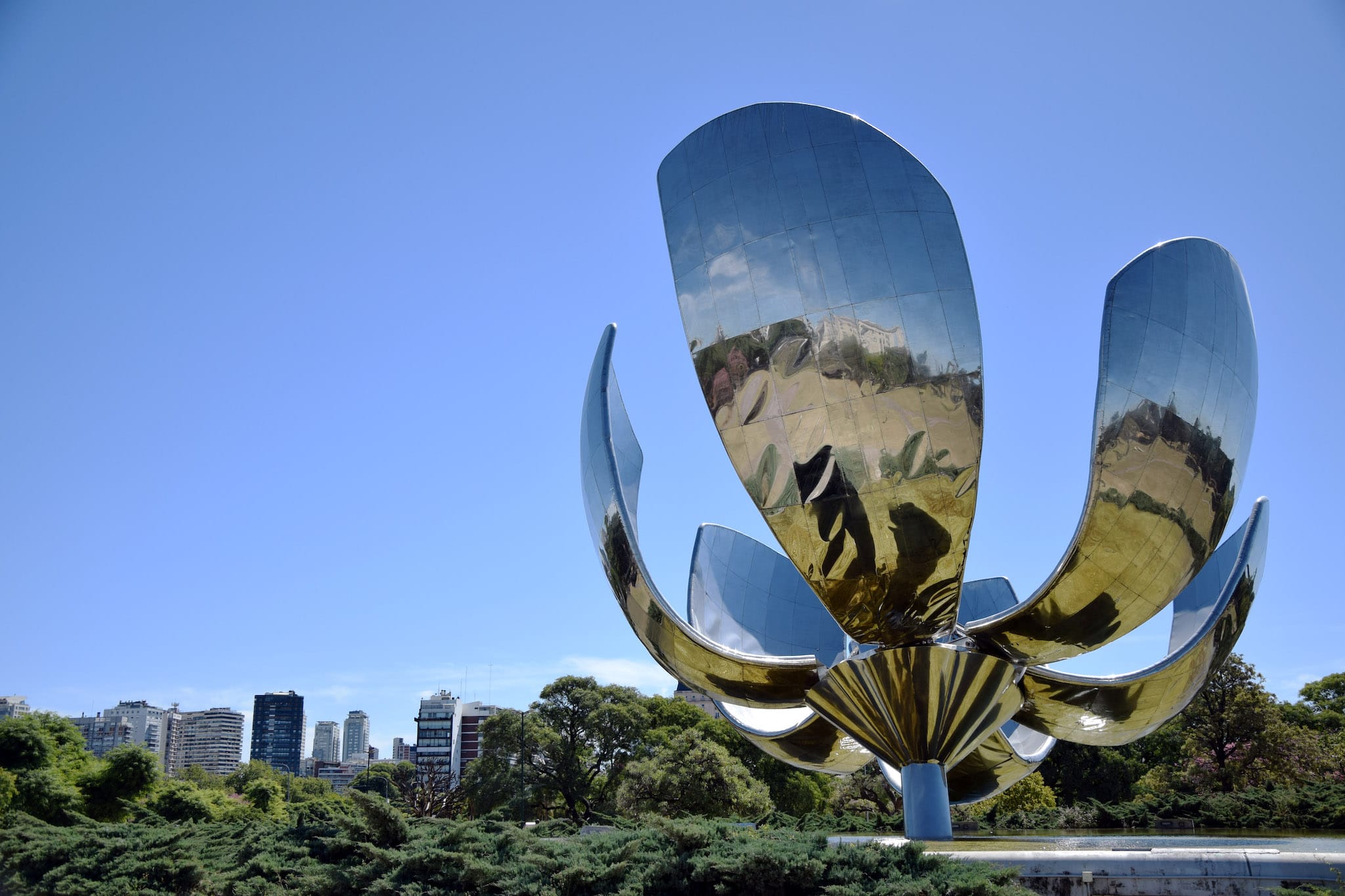
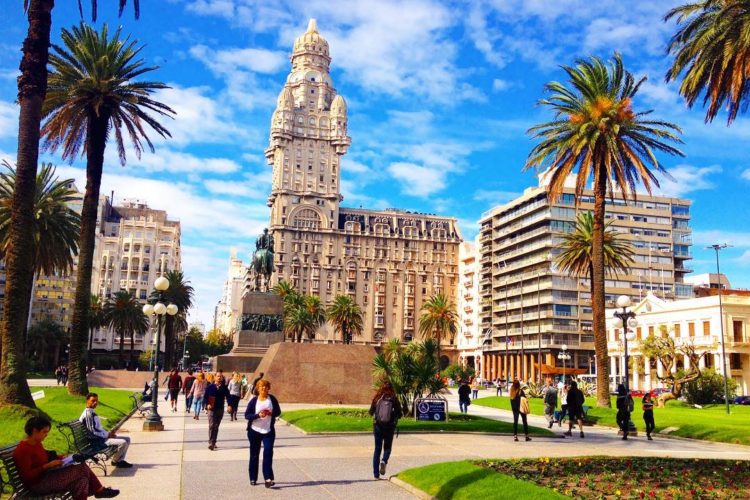
⚡ The TL;DR Verdict
For a vibrant, culturally rich experience with incredible food and nightlife at a fantastic value (thanks to the 'blue dollar'), choose Buenos Aires. Expect to spend $40-70 USD/day. For a more relaxed, safer, and cleaner city with beautiful beaches and a laid-back vibe, Montevideo is your pick, budgeting $60-100 USD/day.
- Choose Buenos Aires: Go for an intense urban adventure, world-class tango, late-night dining, bustling markets, and a deeply passionate culture. Ideal for budget-conscious travelers seeking an 'epic' experience.
- Choose Montevideo: Opt for a tranquil escape, pristine city beaches, easy walkability, safety, and a more European, relaxed pace of life. Perfect for those who prioritize calm and comfort.
- Choose Both: Absolutely do both! They are easily connected by ferry (1-3 hours). Spend 4-6 days in Buenos Aires for the full immersion, then 2-3 days in Montevideo for a relaxing contrast. You'll get the best of both worlds.
Quick Comparison
| Category | Buenos Aires | Montevideo | Winner |
|---|---|---|---|
| Food & Drink | World-famous steakhouses, diverse international cuisine, vibrant cafe culture, late-night dining. | Excellent grilled meats (asado), fresh seafood, Italian influences, mate culture, strong craft beer scene. | Buenos Aires |
| Nightlife | Late-night parties, world-class tango shows, bustling bars and clubs, diverse music scenes. | Relaxed bars, live music venues (candombe), more intimate settings, earlier closing times. | Buenos Aires |
| Culture & History | Rich European heritage, tango, grand architecture, vibrant arts scene, museums, literary history. | Colonial old town, candombe music, local history, smaller museums, political significance. | Buenos Aires |
| Costs & Value | Excellent value due to 'blue dollar' exchange, affordable food, transport, and experiences. | More expensive than BA, similar to Western Europe for many goods, stable economy. | Buenos Aires |
| Getting There | Major international airport (EZE), well-connected ferry routes from Uruguay. | Smaller international airport (MVD), direct ferry routes from BA. | Tie |
| Getting Around | Extensive subway (subte) and bus network, walking in specific neighborhoods, ride-sharing. | Highly walkable city center, efficient bus system, ride-sharing, scenic Rambla. | Montevideo |
| Accommodation | Wide range of options from luxury hotels to boutique hostels, great value for money. | Fewer but quality options, often higher prices, charming boutique hotels. | Buenos Aires |
| Day Trips | Colonia del Sacramento, Tigre Delta, Estancias, La Plata. | Colonia del Sacramento, Punta del Este, wineries, Cabo Polonio (overnight). | Buenos Aires |
| Safety | Generally safe but requires vigilance, pickpocketing common, some areas to avoid at night. | One of the safest cities in South America, relaxed atmosphere, low crime rates. | Montevideo |
| Vibe & Atmosphere | Bustling, passionate, European flair, vibrant, energetic, a city that never truly sleeps. | Relaxed, laid-back, tranquil, European charm, slower pace, welcoming locals. | Tie |
🍔 Food & Drink
Buenos Aires is a culinary powerhouse, offering an unparalleled dining scene. You can indulge in a massive, melt-in-your-mouth bife de chorizo at a parrilla like Don Julio (expect $40-70 USD per person, or 40,000-70,000 ARS) or enjoy delicious empanadas for 1500-2500 ARS ($1.50-2.50 USD). The variety is staggering, from Italian to Peruvian, plus countless charming cafes like Cafe Tortoni for a coffee and media luna. Street food is everywhere, and even fine dining feels accessible with the favorable exchange rate. Montevideo, while excellent, focuses more on its traditional asado (especially at Mercado del Puerto, where a full meal with drinks might be 1500-2500 UYU or $40-65 USD), chivito sandwiches (600-900 UYU / $15-25 USD), and Italian-influenced pasta. Their craft beer scene is booming, and the mate culture is palpable. However, the sheer scale and diversity of Buenos Aires's culinary offerings are simply unmatched. "BA food just hits different, especially the steak. Don Julio is worth the hype if you can get a reservation, but even a local parrilla is incredible value."
Winner takeaway
- Winner: Buenos Aires
- Why: Buenos Aires boasts an incredible diversity and quality of cuisine, from high-end steakhouses to charming cafes, all at a fantastic value.
- Who this matters for: Foodies, gourmands, and anyone who loves to eat well without breaking the bank.
🥂 Nightlife
Buenos Aires truly comes alive after dark. Porteños dine late (9-10 PM) and party even later, with clubs like Niceto Club or Crobar in Palermo getting started around 2-3 AM and going until sunrise. You can find everything from sophisticated cocktail bars like Florería Atlántico (drinks around 4000-6000 ARS / $4-6 USD) to packed speakeasies and massive electronic music venues. And of course, the tango scene is legendary – from grand shows at Esquina Carlos Gardel (tickets $70-120 USD, including dinner) to local milongas where you can dance with locals for a small entry fee (2000-4000 ARS). Montevideo's nightlife is more subdued and earlier. You'll find pleasant bars in Ciudad Vieja or Pocitos, often with live candombe or rock music. Places like Bar Fun Fun have historic charm, but the energy rarely reaches the fever pitch of BA. A typical drink at a nice bar might be 250-400 UYU ($6-10 USD). "Montevideo is chill, great for a few beers, but BA? BA doesn't sleep. I danced until 6 AM in Palermo and still wanted more."
Winner takeaway
- Winner: Buenos Aires
- Why: Buenos Aires offers a vibrant, late-night party scene with endless options from world-class tango to bustling clubs and bars.
- Who this matters for: Party-goers, night owls, tango enthusiasts, and those looking for high-energy entertainment.
🏛️ Culture & History
Buenos Aires is often called the 'Paris of South America' for good reason. Its architecture is stunning, from the ornate Recoleta Cemetery (free entry) to the grand Colón Theatre (tours 5000 ARS / $5 USD). The city breathes tango, which can be seen in street performances in San Telmo or experienced in milongas. There are countless museums like MALBA (Latin American Art, 3000 ARS / $3 USD), art galleries, and historic neighborhoods like La Boca with its colorful Caminito. The city's literary history is also profound, with Borges and Cortázar leaving their mark. Montevideo has its own distinct charm, especially in Ciudad Vieja with its colonial buildings, Plaza Independencia, and the Palacio Salvo. The Museo Andes 1972 offers a poignant look at the 'Miracle of the Andes' (500 UYU / $13 USD). Candombe, the Afro-Uruguayan rhythm, is a key cultural expression, particularly vibrant during Carnival. While rich in its own right, Montevideo's scale and diversity of cultural institutions and historical layers don't quite match BA's grandiosity. "Buenos Aires history is just everywhere, you can feel it walking down any street. Recoleta Cemetery is a must-see, seriously unique."
Winner takeaway
- Winner: Buenos Aires
- Why: Buenos Aires boasts a grander scale of European-influenced architecture, a more diverse arts scene, and the global phenomenon of tango.
- Who this matters for: History buffs, art lovers, architecture enthusiasts, and those seeking deep cultural immersion.
💸 Costs & Value
This is where Buenos Aires truly shines for travelers. Due to Argentina's economic situation and the parallel 'blue dollar' exchange rate, a traveler can stretch their budget incredibly far. A generous, delicious meal at a mid-range restaurant might cost 15,000-25,000 ARS ($15-25 USD). Public transport (subte/bus) is astonishingly cheap, often less than 100 ARS ($0.10 USD) per ride with a SUBE card. A good hostel bed can be found for $10-20 USD, and a decent Airbnb for $40-70 USD per night. This makes high-quality experiences, like a tango show or fine dining, surprisingly accessible. Montevideo, on the other hand, is significantly more expensive, often comparable to Western European cities. A similar mid-range meal might cost 800-1200 UYU ($20-30 USD). Public bus fares are around 45 UYU ($1.20 USD). Hostels are $20-35 USD, and Airbnbs $60-100 USD. While Uruguay offers great quality, the value for money simply doesn't compete with BA, particularly for budget-conscious travelers. "Seriously, Buenos Aires is like a cheat code for travel right now. I ate like a king for $20 a day, no joke, thanks to the blue dollar."
Winner takeaway
- Winner: Buenos Aires
- Why: Buenos Aires offers exceptional value for money for travelers, allowing for luxurious experiences on a modest budget due to favorable exchange rates.
- Who this matters for: Budget travelers, long-term travelers, and anyone looking to maximize their travel funds.
✈️ Getting There
Both cities are well-connected, making this a tie based on your starting point. Buenos Aires' Ministro Pistarini International Airport (EZE) is a major hub for South America, with direct flights from North America, Europe, and other Latin American capitals. Flight times from NYC are around 10-11 hours, from Madrid 12-13 hours. From Montevideo, you can easily fly into EZE or take a short flight (approx 45 mins) to Aeroparque Jorge Newbery (AEP), BA's domestic airport, which is closer to the city center. Montevideo's Carrasco International Airport (MVD) is smaller but still serves direct flights from some regional and a few international destinations. However, the most popular way to travel between the two cities is by ferry across the Rio de la Plata. Companies like Buquebus and Colonia Express offer routes from Buenos Aires to Colonia del Sacramento (1-1.5 hours, then a bus to Montevideo) or direct to Montevideo (3-4 hours). Prices range from $50-150 USD depending on the class and company. "Ferry between BA and Montevideo is super easy, just make sure to book ahead, especially on weekends."
Winner takeaway
- Winner: Tie
- Why: Both cities offer straightforward international access, with the added convenience of direct ferry connections making travel between them simple.
- Who this matters for: All travelers, as both destinations are easily accessible.
🚶♀️ Getting Around
Montevideo is a pleasure to navigate on foot, particularly in Ciudad Vieja and along the stunning Rambla, a 22km coastal promenade perfect for walking, jogging, or cycling. The city center is compact and safe for exploring on foot. For longer distances, an efficient and affordable bus system covers the entire city (around 45 UYU / $1.20 USD per ride), and ride-sharing apps like Uber and Cabify are readily available and reasonably priced. Buenos Aires is much larger and while some neighborhoods like Palermo or Recoleta are very walkable, you'll rely heavily on its extensive public transport. The 'subte' (subway) is efficient and covers key areas, costing less than 100 ARS ($0.10 USD) per ride with a SUBE card. Buses (colectivos) are ubiquitous but can be confusing for first-timers. Taxis and ride-sharing are also abundant and very affordable with the blue dollar rate. However, the sheer size and traffic of BA make getting around feel more like a task, whereas Montevideo's compact nature and excellent pedestrian infrastructure make it more enjoyable. "Walking the Rambla in Montevideo at sunset was a highlight. So chill and easy to get everywhere else by bus."
Winner takeaway
- Winner: Montevideo
- Why: Montevideo is more compact, highly walkable, and its well-designed public spaces like the Rambla make getting around a relaxed experience.
- Who this matters for: Pedestrians, those who prefer a relaxed pace, and travelers who enjoy exploring on foot.
🏨 Accommodation
Buenos Aires offers a vast and diverse selection of accommodation to suit every budget and style. From luxurious hotels like the Alvear Palace Hotel ($300-500 USD/night) to charming boutique hotels in Palermo Soho (e.g., Hotel Nuss Palermo Soho for $80-150 USD/night) and countless vibrant hostels (e.g., Milhouse Hostel for $15-25 USD/night), you'll find excellent value. The sheer number of options ensures competitive pricing, especially with the favorable blue dollar rate, making mid-range hotels feel like a steal. Many apartments are also available for short-term rent. Montevideo has quality options, but fewer in number and generally at a higher price point. Boutique hotels in Ciudad Vieja or design hotels in Pocitos (e.g., Hyatt Centric Montevideo for $150-250 USD/night) offer comfort and style. Hostels are available but typically cost slightly more than in BA ($20-35 USD/night). While quality is good, the variety and exceptional value found in BA are hard to beat. "Finding a decent Airbnb in Palermo for like $50 was insane, it felt like a $150 place anywhere else."
Winner takeaway
- Winner: Buenos Aires
- Why: Buenos Aires provides an extensive array of accommodation choices across all budgets, with significantly better value for money due to the exchange rate.
- Who this matters for: All travelers, especially those seeking luxury on a budget or a wide selection of choices.
🌳 Day Trips
Buenos Aires offers a fantastic array of day trip options. The most popular is a ferry trip to Colonia del Sacramento, Uruguay (1-1.5 hours, $50-100 USD return), a UNESCO World Heritage site known for its charming colonial old town. Another popular choice is the Tigre Delta, a unique river delta with a bustling market and boat tours, easily accessible by train (approx. 1 hour, ~200 ARS / $0.20 USD). You can also visit traditional 'estancias' (ranches) for a taste of gaucho culture, or explore the impressive city of La Plata. Montevideo's primary day trip is also to Colonia del Sacramento, being even closer by a short bus ride from the ferry terminal. Other options include visiting nearby wineries (e.g., Bodega Bouza, tours with tasting from 1500 UYU / $40 USD) or heading to the famous beach resort of Punta del Este (2-hour bus ride, ~500 UYU / $13 USD). For a truly unique experience, an overnight trip to the rustic, car-free Cabo Polonio is unforgettable. While Montevideo's options are good, the ease and variety from Buenos Aires, especially with Colonia being a shared highlight but feeling more like a 'destination' from BA, give it the edge. "Colonia is a must-do from either, but I loved the Tigre Delta from BA, totally different vibe."
Winner takeaway
- Winner: Buenos Aires
- Why: Buenos Aires provides a wider and more diverse range of easily accessible day trip options, from historical towns to unique natural landscapes.
- Who this matters for: Travelers who enjoy exploring beyond the main city and value diverse experiences.
🚨 Safety
Montevideo consistently ranks as one of the safest capital cities in South America, offering a very relaxed and secure environment for travelers. You can generally walk around Ciudad Vieja, Pocitos, and along the Rambla, even at night, with a good sense of security, though standard precautions apply. Violent crime against tourists is rare, and petty crime is less prevalent than in Buenos Aires. This contributes significantly to the city's laid-back vibe. Buenos Aires, while generally safe for tourists in well-trafficked areas like Palermo, Recoleta, and Belgrano, does require more vigilance. Pickpocketing and bag snatching are common, especially in crowded areas (e.g., San Telmo market, Subte). There are certain areas, particularly some parts of La Boca and Congreso, that are best avoided at night or explored with extra caution. Taxis can sometimes overcharge, so using ride-sharing apps is recommended. The constant awareness needed in BA, while manageable, makes Montevideo feel like a breath of fresh air. "Montevideo felt incredibly safe, I walked everywhere, even late, without a worry. BA, I was always a bit more on edge."
Winner takeaway
- Winner: Montevideo
- Why: Montevideo offers a significantly safer and more relaxed urban environment, with lower crime rates and less need for constant vigilance.
- Who this matters for: Solo travelers, families, those who prioritize personal security, and travelers seeking a stress-free experience.
✨ Vibe & Atmosphere
The vibe of these two cities couldn't be more different, making this a clear tie as it depends entirely on personal preference. Buenos Aires is a sprawling, passionate metropolis that pulsates with energy. It's loud, vibrant, sometimes chaotic, and intensely alive. There's a tangible sense of history, art, and a bustling European-meets-Latin American flair in its grand avenues, late-night cafes, and tango-filled plazas. Porteños are expressive, engaging, and always ready for a chat (or a debate!). It feels like a city that demands your attention and rewards it with unforgettable experiences. Montevideo, by contrast, is a wonderfully relaxed and understated capital. It offers a gentle pace, cleaner streets, and a quiet charm that feels distinctly more European and less frenetic. The focus is on enjoying life's simpler pleasures – a stroll along the Rambla, sharing mate with friends, or enjoying a slow meal. It's welcoming, unpretentious, and offers a refreshing calm after the intensity of BA. "BA is like a constant party, always something happening. Montevideo is more like a chill Sunday afternoon, super peaceful. Both are great, just depends on what you need."
Winner takeaway
- Winner: Tie
- Why: Both cities offer unique and compelling atmospheres that cater to different preferences, making it a matter of individual taste.
- Who this matters for: All travelers, as the best choice depends on whether they prefer high energy or tranquil relaxation.
❓ Frequently Asked Questions
Is it worth visiting both Buenos Aires and Montevideo?
Absolutely! They offer a perfect contrast and are very easy to combine. Spend 4-6 days exploring the vibrant energy of Buenos Aires, then take a 1-3 hour ferry ride for a 2-3 day relaxed visit to Montevideo. You'll experience the best of both worlds and the Rio de la Plata region.
How long is the ferry from Buenos Aires to Montevideo?
Direct ferries from Buenos Aires to Montevideo typically take about 3 to 4 hours. There's also a faster option via Colonia del Sacramento, where you take a 1-1.5 hour ferry to Colonia and then a 2-hour bus ride to Montevideo. Buquebus and Colonia Express are the main operators.
Which city is better for solo travelers?
For safety and ease of getting around, Montevideo is arguably better for solo travelers, offering a more relaxed and less overwhelming experience. However, Buenos Aires, with its abundance of hostels, diverse activities, and vibrant nightlife, is also fantastic for meeting people and having an adventurous solo trip, provided you practice common city precautions.
What's the best time of year to visit?
The shoulder seasons (March-May and September-November) are ideal for both cities, offering pleasant temperatures, fewer crowds, and generally lower prices. Summer (December-February) can be hot and humid, especially in Buenos Aires, while winter (June-August) is mild but can be chilly and rainy.
Can I use US dollars in both cities?
In Uruguay, USD are widely accepted, especially for larger purchases, and you can often pay with credit cards. In Argentina, while USD are technically not official currency, the 'blue dollar' informal exchange market means cash USD are highly sought after and will give you the best exchange rate. Credit card payments use the official rate, which is less favorable.
Is the 'blue dollar' safe to use in Buenos Aires?
The 'blue dollar' is an informal market that provides a significantly better exchange rate for USD cash. It's widely used by tourists and locals. While technically unofficial, it's generally safe if you use reputable 'cuevas' (money changers) or trusted individuals in popular areas. Always count your money carefully in front of the exchanger.
Which city has better beaches?
Montevideo definitely has better city beaches. Its extensive Rambla features several clean, accessible urban beaches like Pocitos and Ramírez that are popular for sunbathing, swimming, and relaxing. Buenos Aires is inland on a river, so it has no natural beaches; the closest 'beaches' are artificial riverfront areas or require a significant journey to the Atlantic coast.
Is public transport easy to use for tourists?
Yes, both cities have efficient public transport. In Buenos Aires, you'll need a SUBE card for the subway (subte) and buses, which is easy to purchase and load. In Montevideo, buses are the main mode, and you can usually pay with cash or a local transport card. Google Maps is excellent for navigating routes in both cities.
Ready to plan your Rio de la Plata trip?
Get a free custom itinerary for Buenos Aires, Montevideo, or both — built from real traveler insights.
🎟️ Book Tours & Experiences
Hand-picked tours and activities for both destinations — book with free cancellation
Experiences via Viator — free cancellation on most tours