How we built this comparison
This page combines real traveler discussion patterns, published price ranges, and seasonal data to make the Buenos Aires vs Santiago decision easier to resolve.
- Reviewed Reddit threads from r/travel, r/digitalnomad, r/SouthAmericaTravel, r/argentina, r/chile, and r/solotravel covering hundreds of traveler experiences.
- Cost data sourced from Reddit trip reports, Booking.com, Hostelworld, and Numbeo current listings (March 2026).
- Exchange rate data: Argentina Blue Dollar (informal market rate) used for cost estimates, which is the rate most tourists access via Western Union, crypto, or money exchange.
- Weather data from Open-Meteo for both cities (2024–2025 averages).
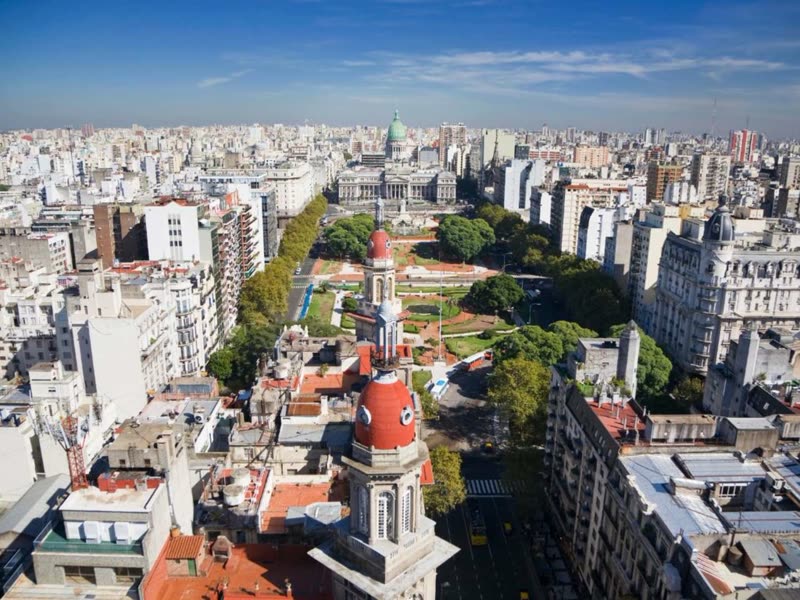
Buenos Aires — Paris of South America
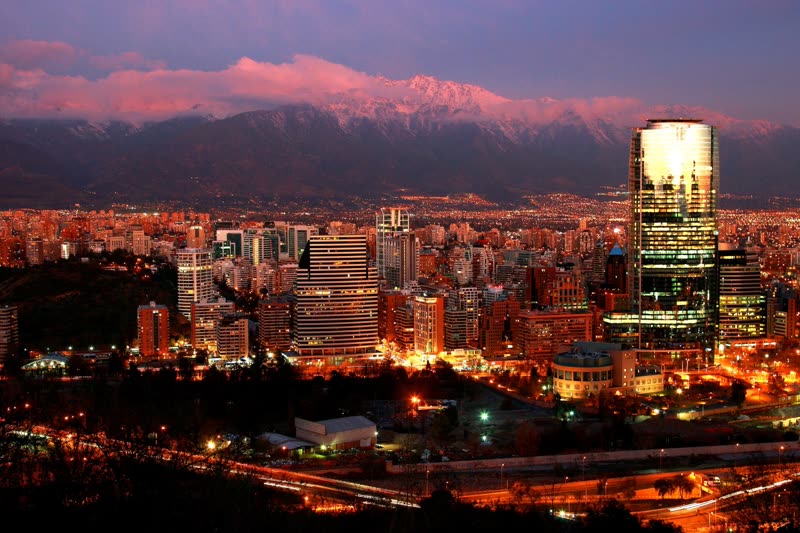
Santiago — Andes at your doorstep
⚡ The TL;DR Verdict
Buenos Aires is the better city for most travelers — more vibrant, cheaper, richer in food and culture. Santiago wins on nature access, stability, and if you're base-camping for Patagonia or Andean adventures.
- Choose Buenos Aires: You want nightlife, steak, tango, wine, European-style architecture, and pure city energy at a fraction of European prices. BA is one of the great travel cities on earth.
- Choose Santiago: You're using the city as a base for the Andes, Atacama, Patagonia, or Chilean wine country. Or you want a calmer, more livable South American capital.
- Do both? It's easy — 2 hours by plane, about $80–150 USD. Fly into one, out of the other and you cover South America's two most distinct capitals.
Choose Buenos Aires
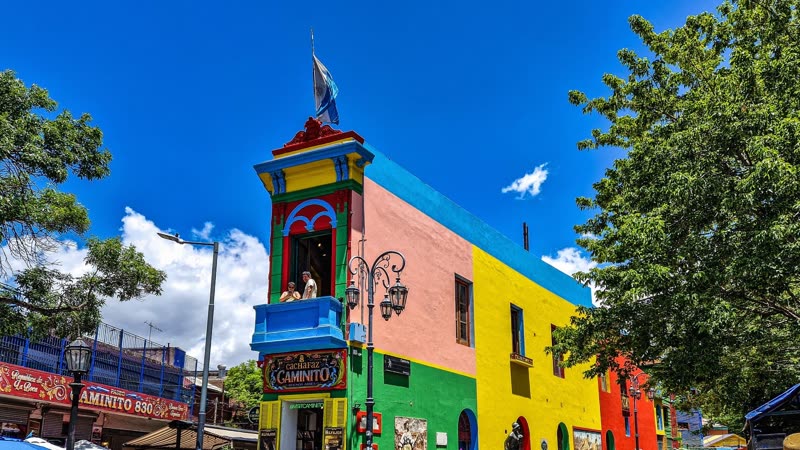
Palermo's tree-lined streets, San Telmo's antique markets, La Boca's riot of color, and dinner at midnight at a parrilla where a ribeye and a bottle of Malbec runs you $25 total. The city has an energy and a pace that gets under your skin. Reddit says it over and over: "I was sad when I left."
Choose Santiago
Wake up to the Andes on a clear morning. Drive to a Casablanca Valley winery for lunch. Hit the slopes at Valle Nevado after. Santiago itself is quieter than BA, but as a gateway to some of the world's most dramatic landscapes, it's unbeatable. Great metro, stable economy, clean air (mostly).
Quick Comparison
| Category | 🇦🇷 Buenos Aires | 🇨🇱 Santiago | Edge |
|---|---|---|---|
| Daily Budget (mid-range) | $30–50/day (with Blue Dollar) | $60–90/day | Buenos Aires |
| Food Scene | World-class parrillas, Malbec, empanadas | Solid, improving; seafood, cazuela | Buenos Aires |
| Nightlife | South America's best — clubs open at 2am | Good but quieter; closes earlier | Buenos Aires |
| Nature Access | Flat pampas, Río de la Plata estuary | Andes 30 min away, ski resorts, wine valleys | Santiago |
| Safety | Tourist areas fine; pocket theft exists | Generally safer, more predictable | Santiago |
| Architecture | Stunning Beaux-Arts, art deco, French | Modern, functional; less historic charm | Buenos Aires |
| Weather (Oct–Apr) | Warm but very humid in summer | Mediterranean, dry, more comfortable | Santiago |
| Tango & Culture | Tango birthplace; world-class milongas | Cueca folk dance; smaller cultural scene | Buenos Aires |
| Day Trips | Colonia (Uruguay), Tigre delta, Mar del Plata | Valparaíso, wine country, Cajón del Maipo | Santiago |
| Airport Connections | Ezeiza (EZE) — major hub, more routes | SCL — well-connected, growing hub | Buenos Aires |
| English Spoken | Less common; Spanish a real asset | Less common; Spanish essential | Tie |
| Ideal Trip Length | 5–10 days city-only | 3–5 days city + 3+ days for surroundings | Tie |
🍽️ Food & Dining
Argentine beef is not hype. A bone-in ribeye at a proper Buenos Aires parrilla — grilled over hardwood embers, no shortcuts — runs ARS 6,000–12,000 (about $6–12 at the Blue Dollar rate). Add a 750ml bottle of Malbec from Mendoza for another $5–8 and you're having one of the great cheap meals on earth. The cuts: bife de chorizo (sirloin), vacío (flank), tira de asado (short rib). Order the provoleta (grilled provolone) as a starter and thank us later.
Beyond steak, Buenos Aires has one of Latin America's most sophisticated dining scenes. Italian influence runs deep — you'll find fresh pasta and wood-fired pizza that would hold up in Naples. The empanadas are a category unto themselves depending on the province: creamy humita, spiced beef, chicken and olive. Chinatown in Belgrano has solid Asian food. Palermo has gastropubs and James Beard-worthy tasting menus.
Santiago's food scene is genuinely good but plays in a different league. Chilean cuisine centers on seafood (the cold Humboldt Current produces exceptional fish and shellfish), cazuela (hearty stew), and pastel de choclo (corn pie). The Lastarria and Barrio Italia neighborhoods have excellent contemporary restaurants. A meal at a Santiago bistro costs about $20–35/person including a pisco sour — solid, but not the bargain BA is.
Buenos Aires wins food decisively. The combination of world-class beef, excellent wine at ridiculous prices, and Italian-influenced depth makes BA one of the world's great food cities for the budget. Santiago is good — don't skip a seafood lunch at the Mercado Central — but it's not in the same league for value or variety.
💰 Cost Comparison
Buenos Aires is one of the great travel bargains right now — but it requires understanding Argentina's unusual currency situation. The official exchange rate is not what tourists use. Most visitors access the Blue Dollar (informal market rate) through Western Union transfers, crypto exchanges like Ripio, or cuevas (exchange houses). As of early 2026, the Blue Dollar gives approximately 80–90% more pesos per dollar than the official rate.
Buenos Aires typical costs (Blue Dollar):
- Hostel dorm: $8–14/night
- Private room (Airbnb/budget hotel): $25–55/night
- Mid-range hotel in Palermo: $55–110/night
- Parrilla dinner with wine: $15–30/person
- Coffee and medialunas: $1.50–3
- Subway (SUBE card): $0.20–0.30/ride
- Taxi (Uber): $2–6 for most city rides
Santiago typical costs:
- Hostel dorm: $18–28/night
- Mid-range hotel: $80–150/night
- Restaurant dinner: $20–40/person
- Coffee: $3–5
- Metro: ~$1.10/ride
- Uber: $6–15 for most city rides
Buenos Aires wins on cost — dramatically so, if you access the Blue Dollar rate. A mid-range BA trip costs roughly half what Santiago costs for equivalent quality. The catch: Argentina's exchange system requires some homework (use Western Union or a local cash exchange). Santiago has no currency game to play — it's a straightforward, relatively expensive South American capital. For digital nomads earning in dollars: Buenos Aires is an extraordinary value proposition.
🎉 Nightlife & Entertainment
Buenos Aires runs on a different clock. Pre-drinks (known as previas) start around 11pm. Clubs open at midnight, fill up at 2am, and close when the sun comes up. This is not just cultural affectation — it's a genuine infrastructure commitment. The city has one of South America's most developed nightlife ecosystems: from milonga (tango dancing halls) in San Telmo to electronic clubs in Palermo and Costanera Norte, to jazz bars in the Microcentro and cumbia clubs in Floresta.
Tango is not a tourist trap in Buenos Aires — it's lived culture. Milongas happen every night across the city, with entry fees of $5–15 and locals who've been dancing for 40 years. Take a class in the afternoon for $8–12, go to a milonga at midnight, and stay until 4am. This experience simply doesn't exist elsewhere in the world at this quality or price.
Santiago has nightlife, but it operates on a different frequency. Barrio Bellavista is the main hub — bars, live music, and clubs that close around 3–4am. The scene is legitimate but smaller and tamer than BA's. Santiago's craft beer scene (especially in Barrio Italia) has grown significantly, and the city's contemporary music scene is underrated. But if you came to South America for nights that blur into mornings, Buenos Aires is your city.
Buenos Aires wins nightlife, and it's not a contest. The combination of late schedules, world-class milongas, quality clubs, and the sheer variety of venues across different neighborhoods gives BA a legitimate claim to being South America's best city for nights out. Santiago is enjoyable but doesn't come close to matching BA's scale or energy after dark.
🏛️ Culture & Architecture
Buenos Aires is often called the "Paris of South America" — and while that nickname is a bit cliché, the architecture genuinely earns it. The city was built between 1880–1930 during Argentina's commodity boom, when the government sent architects to Paris, Brussels, and Madrid to study and copy. The result: Beaux-Arts facades on Avenida de Mayo, ornate French mansions in Recoleta, and cobblestone streets in San Telmo that feel like a movie set for a European period drama.
Key cultural sites in Buenos Aires: Teatro Colón (one of the world's great opera houses — $5–25 tickets), MALBA (Latin American art museum), Recoleta Cemetery (where Eva Perón is buried — morbidly beautiful), the Caminito street museum in La Boca (colorful, touristy, but genuinely photogenic), and the Floralis Genérica flower sculpture in Palermo. San Telmo's Sunday antique market is a highlight — blocks of vendors, street performers, and choripán stands.
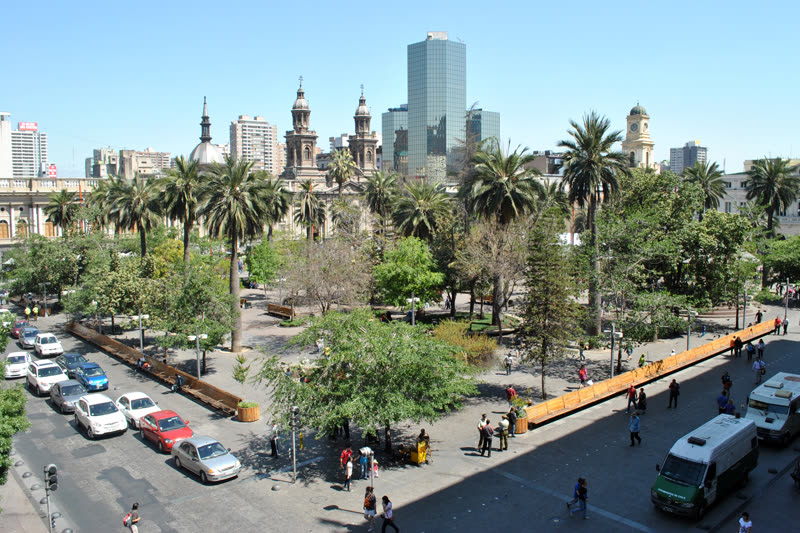
Santiago's cultural scene is smaller but growing. The historic center has some beauty — the Plaza de Armas, La Moneda presidential palace (scene of the 1973 coup), and the Mercado Central with its stunning cast-iron roof. The neighborhoods of Lastarria and Bellavista have a genuine arts scene — galleries, murals, independent bookshops. The Museo Chileno de Arte Precolombino has exceptional pre-Columbian collections. But Santiago doesn't have BA's density of grand buildings or the same sense of a city built to impress the world.
Buenos Aires wins culture and architecture decisively. The sheer density of grand buildings, world-class museums, tango culture, and neighborhood character gives BA an edge that few cities in the Southern Hemisphere can match. Santiago's emerging arts scene and the historic city center are worth your time — especially La Moneda and the Precolombino museum — but as a cultural destination, BA is in a different category.
🏔️ Nature & Day Trips
This is Santiago's killer advantage. The Andes Mountains are not background scenery — on a clear winter day, you can see peaks over 6,000 meters from a Santiago café. Within 45 minutes of the city center: ski resorts (Valle Nevado, Portillo, La Parva) with World Cup caliber runs. Within 90 minutes: the Cajón del Maipo — a narrow canyon with rivers, rock formations, and the El Morado National Park. The Casablanca and Maipo wine valleys are 1–1.5 hours away and offer some of the best wine touring in South America.
Valparaíso is Santiago's most popular day trip (1.5 hours by bus, ~$5): a UNESCO-listed port city of steep hillsides, funicular elevators, and astonishing street art. It's one of South America's most visually striking cities and can easily fill a full day or overnight. Viña del Mar is adjacent and has Pacific beaches. The Atacama Desert is a 2-hour flight north — the world's driest desert with salt flats, geysers, and stargazing that will reset your worldview.
Buenos Aires day trips are pleasant but lack this drama. Colonia del Sacramento in Uruguay (1 hour by fast ferry, about $60 round trip) is a UNESCO colonial town and genuinely lovely. Tigre delta is 40 minutes by train — a maze of river channels and weekend houses with good seafood. Mar del Plata (5 hours south) is Argentina's beach city — not spectacular, but popular. Iguazú Falls is a 2-hour flight from BA and is genuinely one of the world's great natural wonders, but it's a separate trip rather than a day excursion.
Santiago wins nature and day trips, and it's not close. The Andes access alone changes the calculus for outdoor-minded travelers. If you're planning to ski, hike, wine-taste in dramatic valleys, or use Santiago as a jumping-off point for Patagonia or the Atacama, it's the right base. Buenos Aires doesn't compete on nature — it's a city trip, full stop.
🏨 Where to Stay
Buenos Aires neighborhoods: Palermo is the top pick for most travelers — tree-lined streets, boutique hotels, excellent restaurants, and safe. Palermo Soho and Palermo Hollywood have distinct personalities (indie shops vs. restaurants/media). Recoleta is elegant and walkable, near the cemetery and museums, but pricier. San Telmo is atmospheric — cobblestones and tango bars — but some streets require more awareness at night. Puerto Madero is the safest and most modern district but feels disconnected from real city life.
Buenos Aires accommodation costs (Blue Dollar): Hostel dorms $8–14. Budget private rooms $25–45. Boutique hotels in Palermo $55–120. Luxury apartments on Airbnb: $60–150/night, often with pools and terraces. The exchange rate makes BA accommodation exceptional value — a $80/night hotel in BA is roughly equivalent in quality to a $200 hotel elsewhere in South America.
Santiago neighborhoods: Providencia and Las Condes are the safest, most comfortable areas — modern hotels, malls, parks. Barrio Lastarria is the most charming for tourists — boutique hotels, restaurants, and proximity to the Cerro Santa Lucía park. Bellavista is for nightlife. The historic center (Centro) is fine during the day but has more rough edges at night. Avoid staying in the outer peripheral neighborhoods unless you know what you're doing.
Santiago accommodation costs: Hostel dorms $18–28. Budget hotels $50–80. Mid-range hotels $80–150. Quality apartments on Airbnb: $70–130/night. Santiago doesn't have Buenos Aires' value-for-money gap, but the quality of budget-to-mid accommodation is generally reliable.
Buenos Aires wins on accommodation value — dramatically so if you're using the Blue Dollar. A boutique hotel room in Palermo that would cost $150+ in Santiago goes for $60–90 in BA. Both cities have good options at every budget level, but BA's price-to-quality ratio is genuinely exceptional. For neighborhoods: stay in Palermo Soho in BA, and Lastarria or Providencia in Santiago.
🚇 Getting Around
Buenos Aires has a solid transit network anchored by the Subte (metro) — 6 lines covering the center and major neighborhoods. A SUBE card covers all public transit (metro, buses, commuter trains) and rides cost about $0.20–0.30 at the Blue Dollar rate, making it essentially free for tourists. Uber and Cabify work well and are cheap ($2–6 for most rides). The city is extremely walkable in tourist neighborhoods — Palermo, Recoleta, San Telmo are all flat and pedestrian-friendly. The downside: Buenos Aires traffic is chaotic, and navigating from the outer suburbs requires patience.
Santiago's metro is newer, cleaner, and better organized than BA's — 6 lines covering most of the city. Rides cost about $1.10 USD using a Bip! card. The system is reliable and safe. Uber is widely available ($6–15 for city rides). The negative: Santiago is more geographically spread out than BA, with large distances between the main visitor areas. Getting from Providencia to Bellavista to the airport requires planning. The city also has significant traffic congestion during rush hour.
Both cities have functional transit networks — Santiago's metro is newer and cleaner, BA's is more extensive and essentially free for tourists. For pure ease of city exploration, Buenos Aires wins: it's flatter, more walkable, and the exchange rate makes taxis and Uber comically cheap. Santiago's metro is more pleasant to ride, but the city is more spread out, making navigation between areas less intuitive.
🛡️ Safety
Both Buenos Aires and Santiago are navigable for tourists with standard urban awareness — but they present different risk profiles. Buenos Aires requires consistent vigilance in tourist areas. Phone theft and bag snatching happen, particularly in crowded areas (the Obelisco, La Boca tourist strip, San Telmo market), on public transit, and when using phones on the street. Don't walk around San Telmo late at night alone. Use Uber rather than hailing taxis on the street. Keep valuables in hotel safes. None of this is unique to BA — it's the same as major European cities — but the advice is real.
Santiago has a reputation as one of South America's safer capitals, and for much of its history it earned that. More recently (post-2019 protests), some neighborhoods have seen increased petty crime and occasional civil unrest. The main tourist and expat neighborhoods (Providencia, Las Condes, Vitacura, Lastarria) remain safe and well-policed. Avoid the outer periphery neighborhoods at night. Santiago's main issues: occasional protests that can flare into property damage, and some pickpocketing in the metro and city center.
Santiago edges Buenos Aires on safety — it's marginally more consistent and predictable in its main tourist areas. That said, both cities are manageable with the same common-sense precautions you'd apply in any major city: don't flash expensive gear, be aware in crowds, use apps rather than street taxis, and avoid poorly lit areas at night. Neither city requires extraordinary precautions in the main tourist neighborhoods.
🌤️ Best Time to Visit
Buenos Aires: The city is in the Southern Hemisphere, so seasons are reversed from North America and Europe. Spring (September–November) is BA at its best — jacaranda trees bloom purple across Palermo, temperatures hover at 18–26°C, humidity is manageable, and the city is lively without peak-season crowds. Fall (March–May) is equally pleasant and coincides with the grape harvest in Mendoza (March) and the Buenos Aires Tango Festival (August). Avoid January–February if you can: temperatures reach 33–38°C with oppressive humidity, and many portenos leave the city.
Santiago: Spring (October–November) and fall (March–April) are ideal. The Andes views are clearest, temperatures are 18–28°C, and the wine harvest (March–April) in the Maipo and Casablanca valleys is worth timing your trip around. Summer (December–February) is hot and dry — fine, but the city can feel emptier as residents head to the coast. Winter (June–August) brings smog from thermal inversion trapping pollution against the mountains — air quality can be genuinely bad. But winter means ski season: if you're going for the slopes, July–August at Valle Nevado or Portillo is world-class.
For most travelers, October–November is the sweet spot for both cities. You get comfortable temperatures in Buenos Aires before the summer humidity, and Santiago's mountain views are crisp and clear before the summer haze. If you're visiting December–February, Santiago has a real weather advantage — BA's summer heat and humidity can be genuinely miserable. March–April is excellent for both: BA's fall is beautiful, and Santiago's wine harvest timing is a bonus.
🧭 The Decision Framework
Reddit has debated Buenos Aires vs Santiago thousands of times. The answer is usually the same: Buenos Aires wins on almost every "city" metric, but Santiago wins if your trip is actually about the surrounding country. Here's how to choose:
🇦🇷 Choose Buenos Aires If…
- You want the quintessential South American city experience — energy, culture, food, nightlife
- Budget matters: you'll get dramatically more for your money in BA with the Blue Dollar rate
- You want to experience tango in its authentic context — milongas, not stage shows
- Architecture and European-influenced urban design excite you
- You're a foodie: the steakhouses, wine, and Italian-influenced cuisine are world-class
- You want to add Uruguay easily — Colonia del Sacramento is a 1-hour ferry away
- You're a digital nomad: BA's expat community, cheap costs, and work-friendly cafés make it ideal
- You have 5+ days and want to explore multiple distinct neighborhoods
🇨🇱 Choose Santiago If…
- The Andes are calling: skiing, hiking, or simply watching the mountains from a rooftop bar
- You're doing a Patagonia or Atacama trip and need a gateway city
- You want Chilean wine country: Maipo, Casablanca, or Colchagua valleys are accessible day trips
- You want Valparaíso — one of South America's most visually distinctive cities
- You prefer a calmer pace and more predictable safety environment
- You're visiting December–February: Santiago's Mediterranean climate beats BA's brutal summer heat
- You want to ski: Valle Nevado, Portillo, and La Parva are world-class resorts within 90 minutes
- You value stability and modern infrastructure over cultural electricity
The honest summary
- If someone asks Reddit "which city is more fun?" — the answer is always Buenos Aires
- If someone asks "which city is better to live in long-term?" — the answer splits roughly 50/50
- If someone asks "which has better surroundings for outdoor adventure?" — Santiago, decisively
- If you can only pick one city and you want the classic South American travel experience: Buenos Aires
Frequently Asked Questions
Is Buenos Aires or Santiago better for first-time visitors to South America?
It depends on your priorities. Reddit's overwhelming consensus is Buenos Aires for city energy, culture, food, and nightlife — it's widely considered one of South America's most exciting cities. Santiago wins for nature access, stability, and a calmer pace. If you only have one week and want the quintessential South American city experience, Buenos Aires is the stronger pick. Santiago suits travelers who want mountain day trips, wine country, and a more livable pace.
Which is cheaper — Buenos Aires or Santiago?
Buenos Aires is dramatically cheaper, especially with Argentina's informal exchange rate (the "Blue Dollar"). Mid-range travelers in BA can live very well on $30–50/day: excellent steakhouses for $15–25, wine bottles for $5–10, hostel dorms for $10–15 or private rooms for $25–50. Santiago runs $60–90/day for comparable quality. The exchange rate gap makes BA one of South America's best value cities for dollar or euro earners.
Can you visit both Buenos Aires and Santiago in one trip?
Absolutely. The two cities are 2 hours apart by direct flight (LATAM, Aerolíneas Argentinas; typically $80–150 USD) or about 20 hours by bus over the Andes — a scenic route many travelers do for the mountain views. A common itinerary is 5–6 days in Buenos Aires, then cross to Santiago and use it as a base for Valparaíso, wine country, and potentially Patagonia. Fly into one city, out of the other to avoid backtracking.
How many days do you need in Buenos Aires vs Santiago?
Buenos Aires needs at least 4–5 days to hit the highlights: Recoleta, La Boca, San Telmo, Palermo, and a proper parrilla meal. With 7 days you can also do a day trip to Colonia del Sacramento (Uruguay) or explore Tigre. Santiago can be adequately covered in 2–3 days for the city itself, but 4–5 days lets you add Valparaíso and a winery day trip. Most travelers give BA more time — there's simply more to do.
Is Buenos Aires safe for tourists?
Buenos Aires is generally safe in the main tourist neighborhoods (Palermo, Recoleta, San Telmo, Puerto Madero) but requires basic street awareness. Bag snatching and phone theft happen, particularly on public transit and in crowded areas. Don't flash expensive gear, use ATMs inside banks or shopping malls, and be careful after dark in less touristy neighborhoods. Santiago is somewhat safer and more predictable, though it has had periods of civil unrest. Both cities are manageable with normal urban vigilance.
What is the best time to visit Buenos Aires and Santiago?
For Buenos Aires: spring (Sept–Nov) and fall (March–May) are ideal — mild temperatures around 15–25°C, less humid, great for walking. Avoid January and February when the city swelters at 30–35°C with oppressive humidity. For Santiago: spring (Oct–Nov) and fall (March–April) are perfect — warm days, clear Andes views, and wine harvest season in March. Santiago's winter (June–Aug) means smog but excellent ski conditions in the nearby Andes.
Which city has better food — Buenos Aires or Santiago?
Buenos Aires wins decisively on food. Argentine beef is genuinely world-class — a parrilla dinner with a Malbec bottle costs $20–35 at the Blue Dollar rate. Empanadas, choripán, and Italian-influenced pasta round out a rich culinary scene. Santiago has solid restaurants — ceviche, pastel de choclo, and a growing fine dining scene in Lastarria — but it doesn't match BA's depth or value.
Which is better for day trips — Buenos Aires or Santiago?
Santiago wins on day trips, and it's not even close. Within 1–2 hours: Valparaíso, Cajón del Maipo, Portillo or Valle Nevado ski resorts, and the Casablanca and Maipo wine valleys. Buenos Aires day trips include Colonia del Sacramento in Uruguay (ferry, highly recommended) and Tigre delta — pleasant but not nearly as dramatic as Santiago's Andean surroundings.
Ready to plan your South American adventure?
Get a free custom itinerary for Buenos Aires, Santiago, or both — built from real traveler insights, not generic templates.
Also compare: Colombia vs Peru · Cancun vs Tulum · Lisbon vs Barcelona
🎟️ Book Tours & Experiences
Hand-picked tours and activities for both destinations — book with free cancellation
Experiences via Viator — free cancellation on most tours