How we built this comparison
This page combines traveler discussion patterns, published price ranges, flight schedules, and seasonal data to help you decide between Bukhara and Khiva.
- Reviewed 50+ Reddit threads from r/travel, r/solotravel, r/uzbekistan for firsthand experiences and advice.
- Verified costs and logistics against current booking platforms (e.g., booking.com, railway.uz) and recent travel blogs.
- Cross-referenced seasonal patterns and weather data from meteorological sources to ensure accurate climate recommendations.
⚡ The TL;DR Verdict
Choose Bukhara for a vibrant, living city experience with incredible food and a deeper cultural immersion, ideal for those with a daily budget of $40-$70. Opt for Khiva if you crave a picture-perfect, concentrated historical gem, easily walkable and magical at sunset, fitting a similar $40-$70 daily budget.
- Choose Bukhara: You prioritize authentic city life, diverse culinary experiences, and don't mind a bit of urban grit alongside the grandeur. It feels more 'lived-in' and offers more to explore beyond the main sites.
- Choose Khiva: You're seeking a stunning, perfectly preserved medieval city, easy to navigate on foot, and want that 'open-air museum' feel. Ideal for photographers and those who prefer a quieter, more contained experience.
- Choose Both: Absolutely do both if you have 7-10 days in Uzbekistan. They offer complementary experiences – Bukhara's sprawling vibrancy and Khiva's concentrated beauty are both essential for a full Silk Road immersion.
Quick Comparison
| Category | Bukhara | Khiva | Winner |
|---|---|---|---|
| Culture & History | A vast, sprawling historical center with layers of Sufi, Jewish, and Islamic heritage. Feels incredibly authentic and lived-in. | The Ichan Kala (walled city) is a UNESCO wonder, a perfectly preserved snapshot of medieval Silk Road life, almost like an open-air museum. | Bukhara |
| Atmosphere & Vibrancy | Bustling markets, lively tea houses, and active local life blend seamlessly with historical sites. Feels vibrant and dynamic. | Magical and serene within the Ichan Kala, especially at sunrise/sunset. Can feel very quiet and tourist-focused in the evenings. | Bukhara |
| Food & Drink | Excellent variety of traditional Uzbek cuisine, from street food to charming restaurants, often at great prices. | Solid options, but generally fewer choices and slightly more tourist-focused pricing within the Ichan Kala. | Bukhara |
| Accommodation | Wide range of charming boutique guesthouses, often in renovated traditional homes, along with modern hotels. | Unique opportunity to stay inside the walled city in converted madrasahs/guesthouses, but options are more limited. | Bukhara |
| Costs & Budget | Generally very affordable for food, transport, and attractions. Good value for money. | Also very affordable, though some prices within the Ichan Kala (e.g., souvenir shops, select restaurants) can be slightly higher. | Tie |
| Getting There & Around | Well-connected by high-speed train (Afrosiyob) from Tashkent and Samarkand. Inner city transport is easy. | Requires travel to Urgench (airport/train station) then a 30-minute taxi. Ichan Kala is pedestrian-only. | Bukhara |
| Shopping & Souvenirs | Bustling bazaars and workshops offering a wide array of textiles, ceramics, spices, and carpets with a more local feel. | Concentrated souvenir shops within the Ichan Kala, offering beautiful but often similar items. | Bukhara |
| Photography & Aesthetics | Stunning architecture and vibrant street scenes offer endless photographic opportunities, especially around main complexes. | A perfectly preserved walled city, incredibly photogenic from every angle, especially at sunrise and sunset. Pure postcard beauty. | Khiva |
| Ease of Exploration | Larger, sprawling historical center requires more walking or occasional short taxi rides to cover all sites. | Entirely pedestrianized walled city (Ichan Kala) is incredibly compact and easily walkable end-to-end. | Khiva |
| Best Season & Weather | Spring (April-May) and Autumn (September-October) offer pleasant temperatures and clear skies, avoiding summer heat. | Identical ideal seasons. Spring brings blooming flowers, Autumn offers comfortable temperatures and rich colors. | Tie |
🕌 Culture & History
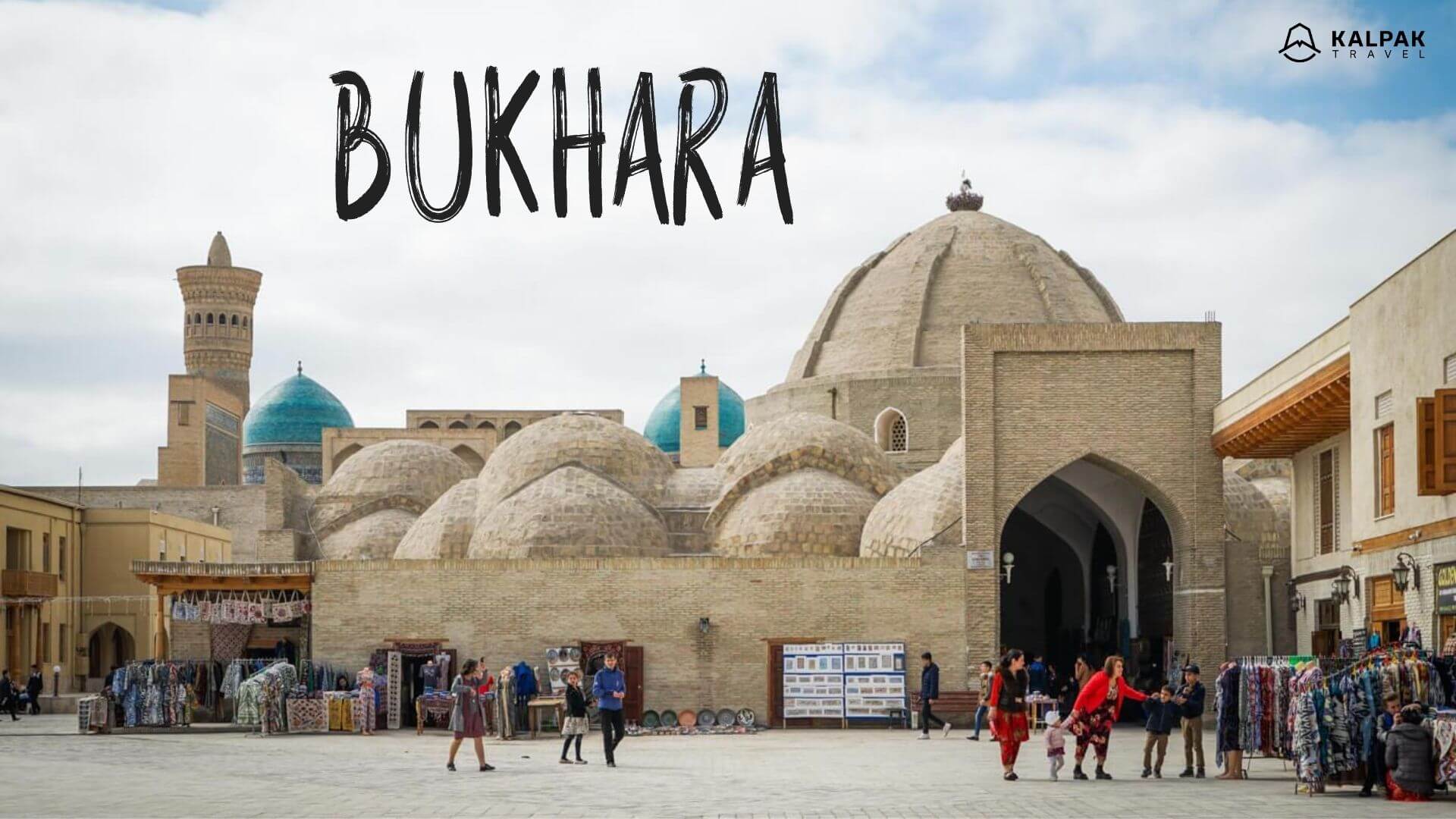
Bukhara is a historical powerhouse, boasting over 140 architectural monuments. The Poi Kalyan Complex, Lyab-i Hauz, and the Samanid Mausoleum are just the beginning. It's not just ancient buildings; it's a living city where history breathes. You'll find bustling tea houses, active madrassas, and workshops nestled amidst the ancient walls. Khiva's Ichan Kala is undeniably stunning, a meticulously restored fortress city that transports you back in time. Every corner is photogenic, from the Kalta Minor Minaret to the Kunya-Ark fortress. However, its perfection sometimes makes it feel a little less 'real' compared to Bukhara's organic blend of past and present. When visiting the Chor Minor in Bukhara, you truly feel its unique charm, distinct from anything else. "Bukhara just *feels* more authentic, like people actually live and work among the ancient sites, not just visit them," said one traveler on r/uzbekistan. Expect entrance fees for major complexes in both cities to be around 20,000-50,000 UZS (~$1.70-$4.20 USD) per site.
Winner takeaway
- Winner: Bukhara
- Why: Bukhara's history feels more interwoven with daily life, offering a deeper, more diverse cultural tapestry beyond just the main tourist sites.
- Who this matters for: Those seeking a truly immersive historical experience where the past and present coalesce.
bustling-city Atmosphere & Vibrancy
Bukhara truly shines with its vibrant atmosphere. The area around Lyab-i Hauz is always buzzing, with locals and tourists enjoying tea, shisha, and evening strolls. The old city, while heavily restored in parts, still has labyrinthine alleys where you'll stumble upon local bakeries, small workshops, and residential homes. This gives it an authentic, lived-in feel that's hard to replicate. You can grab a delicious samsa for 10,000 UZS (~$0.85 USD) from a street vendor and just watch the world go by. Khiva's atmosphere, particularly within the Ichan Kala, is breathtakingly beautiful. At dawn or dusk, with fewer crowds, it feels incredibly peaceful and otherworldly. However, outside these peak times, and especially in the evenings, it can feel a bit like a movie set once the day-trippers leave. Most of the activity is centered around tourist-oriented restaurants. "Khiva is stunning for photos, but Bukhara felt like a *city* I could spend days just wandering and soaking it all in," a traveler noted on r/solotravel. For a lively evening, Bukhara offers more options.
Winner takeaway
- Winner: Bukhara
- Why: Bukhara offers a more dynamic and authentic blend of local life and historical grandeur, making it feel truly vibrant.
- Who this matters for: Travelers who appreciate seeing daily life unfold amidst historical settings and enjoy a lively evening ambiance.
🍽️ Food & Drink
Bukhara is a foodie's delight. You'll find a greater selection of authentic Uzbek dishes, from several variations of plov (try the 'wedding plov' at a local spot) to lagman, shashlik, and manti. Restaurants like Bella Italia (don't let the name fool you, they serve fantastic local food too) or the numerous eateries around Lyab-i Hauz offer delicious meals ranging from 80,000-150,000 UZS (~$6.70-$12.60 USD) per person for a full dinner. The local bazaars are also fantastic for fresh produce, spices, and snacks. Khiva has good food, especially at places like Terrassa Cafe with its rooftop views or Khorezm Art Restaurant, but the options are more limited and cater heavily to tourists. While the quality is good, it sometimes lacks the bustling, local charm of Bukhara's food scene. "Honestly, the plov in Bukhara blew Khiva's out of the water, and there were so many more small, family-run places," recounted a user on r/travel. A cup of tea in either city typically costs around 5,000-10,000 UZS (~$0.40-$0.85 USD).
Winner takeaway
- Winner: Bukhara
- Why: Bukhara offers a more diverse, authentic, and often more affordable culinary experience with greater local flavor.
- Who this matters for: Foodies and those who prioritize local cuisine and diverse dining options.
🏨 Accommodation
Bukhara offers a fantastic array of accommodation options that blend traditional charm with modern comforts. You can find beautiful boutique hotels like the Old City Hotel or Amelia Boutique Hotel, often housed in beautifully restored 19th-century merchant homes, with prices typically ranging from 500,000-950,000 UZS (~$42-$80 USD) per night for a double room with breakfast. There's also a good selection of budget-friendly guesthouses starting around 250,000 UZS (~$21 USD). The spread of options means you can easily find something that fits your style and budget, from luxurious to basic, all within easy reach of the main sites. Khiva offers the unique experience of staying directly inside the Ichan Kala, which is truly magical. Hotels like the Orient Star Khiva or Meros B&B are converted madrasahs, providing an unforgettable ambiance. "Staying inside the walls in Khiva was incredible, but Bukhara had so many more unique guesthouses with amazing courtyards," a traveler shared on r/travel. While charming, Khiva's options are fewer and can be slightly pricier for similar amenities, often starting around 600,000 UZS (~$50 USD) inside the walls.
Winner takeaway
- Winner: Bukhara
- Why: Bukhara provides a wider selection of high-quality, charming boutique guesthouses and hotels at various price points.
- Who this matters for: Travelers looking for diverse, characterful, and comfortable lodging options.
💰 Costs & Budget
Both Bukhara and Khiva offer incredible value for money, making Uzbekistan a fantastic budget-friendly destination. A typical day's budget for a mid-range traveler, including accommodation, food, and entrance fees, can easily be kept within 500,000-800,000 UZS (~$42-$67 USD). For budget travelers, it's possible to manage on less, around 300,000 UZS (~$25 USD) by opting for dorms or basic guesthouses and local eateries. Plov, a staple, costs around 30,000-50,000 UZS (~$2.50-$4.20 USD) in both cities. Entrance fees for major sites are comparable, usually 20,000-50,000 UZS (~$1.70-$4.20 USD) per site, or you can purchase a combined ticket for the Ichan Kala in Khiva for around 150,000 UZS (~$12.60 USD). Transportation, like shared taxis or marshrutkas, is also very cheap. "You can eat like a king and stay in a beautiful guesthouse in both places for less than $50 a day," commented a backpacker on r/solotravel. While Khiva can have slightly inflated souvenir prices inside the Ichan Kala, it's not enough to tip the overall budget significantly.
Winner takeaway
- Winner: Tie
- Why: Both cities offer exceptional value for money, making them equally attractive for budget-conscious travelers.
- Who this matters for: All travelers, particularly those on a budget, will find excellent value in either city.
🚂 Getting There & Around
Bukhara is significantly easier to reach. The Afrosiyob high-speed train from Tashkent (approx. 4 hours, 180,000-350,000 UZS / ~$15-$30 USD) and Samarkand (approx. 2 hours, 100,000-200,000 UZS / ~$8.40-$17 USD) drops you right at Bukhara train station, just a short taxi ride (20,000-30,000 UZS / ~$1.70-$2.50 USD) from the old city. Getting around Bukhara's historical center is best done on foot, but taxis are plentiful and cheap for longer distances. Khiva, on the other hand, requires a bit more effort. You'll either fly into Urgench (URG) or take a train there, then arrange a taxi for the 30-minute, 30km ride to Khiva, which costs around 50,000-80,000 UZS (~$4.20-$6.70 USD). Once in Khiva, the Ichan Kala is entirely pedestrianized, making it a joy to explore on foot. "Bukhara's train connections made it super convenient to integrate into my Uzbekistan itinerary, Khiva felt a bit more 'out of the way,'" a traveler posted on r/travel. Traveling between Bukhara and Khiva is usually via shared taxi (around 200,000 UZS / ~$17 USD, 6-8 hours) or a newer, slower train.
Winner takeaway
- Winner: Bukhara
- Why: Bukhara boasts superior high-speed train connections and a more central location, making it more accessible.
- Who this matters for: Travelers prioritizing efficient and straightforward transportation within Uzbekistan.
🛍️ Shopping & Souvenirs
Bukhara is a shopper's paradise. Its historical trading domes (Toki Sarrafon, Toki Telpakfurushon, Toki Zargaron) are now filled with artisan workshops and shops selling everything from intricate suzani textiles (expect to pay 500,000-3,000,000 UZS or ~$42-$250+ USD depending on size and quality) to beautiful ceramics, miniature paintings, and spices. The larger bazaars outside the main tourist core also offer a more authentic local shopping experience. You can haggle respectfully and often find unique, handcrafted items directly from the makers. Khiva's Ichan Kala is also packed with souvenir shops, particularly around its main attractions. You'll find lovely carpets, traditional clothing, and carved wooden items. However, the selection often feels a bit more uniform and tourist-oriented than in Bukhara. "I found so many more unique, handmade items in Bukhara's small workshops than in Khiva, which felt a bit more mass-produced," noted a Reddit user. While prices are generally good in both, Bukhara offers a richer, more diverse, and often more authentic shopping experience.
Winner takeaway
- Winner: Bukhara
- Why: Bukhara provides a more extensive and diverse range of authentic crafts and a richer shopping experience in its traditional bazaars.
- Who this matters for: Travelers who love to browse unique souvenirs, textiles, and local crafts.
📸 Photography & Aesthetics
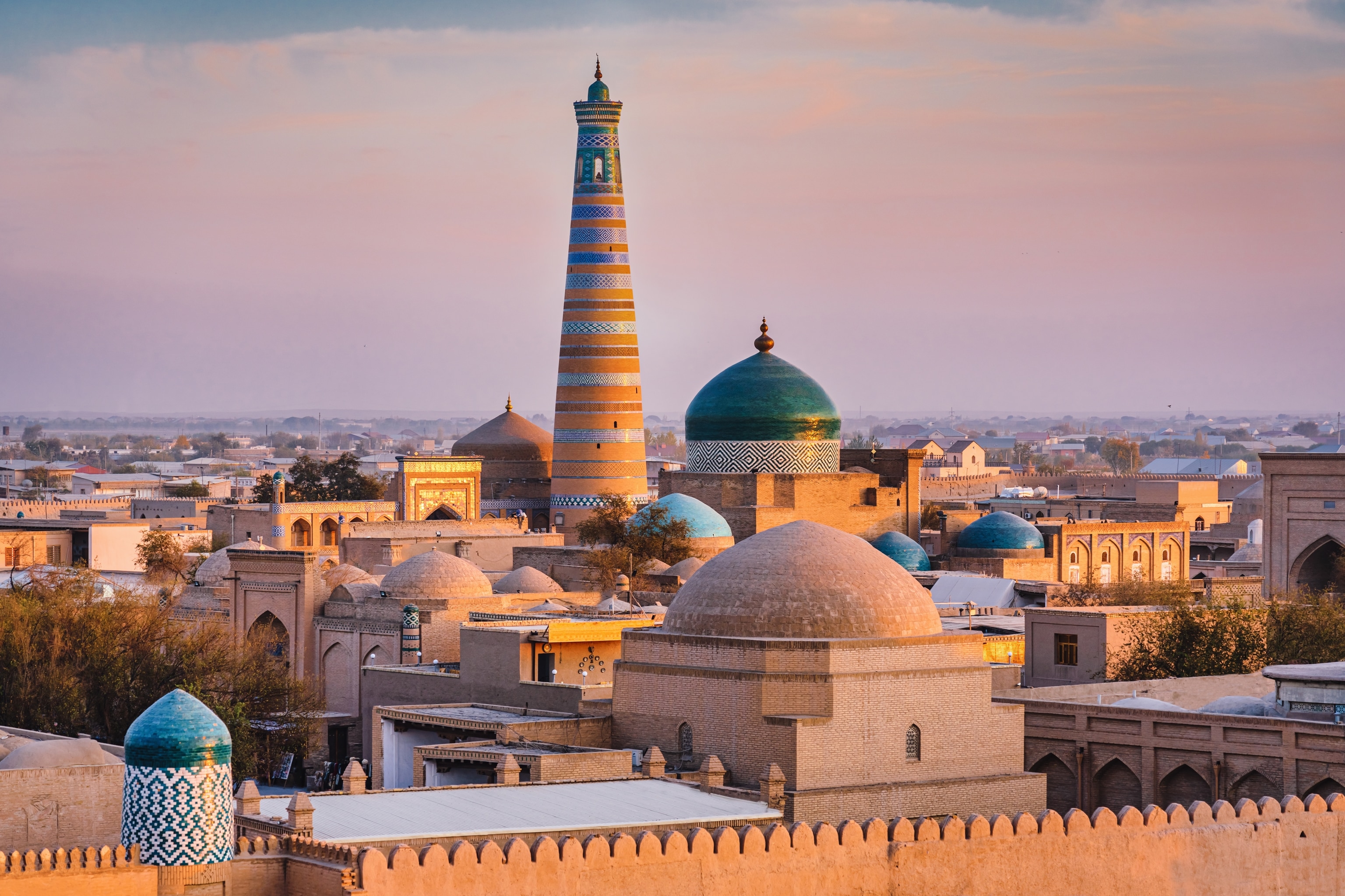
Khiva is a photographer's dream, a truly picture-perfect destination. The Ichan Kala's compact size means every turn reveals another stunning view, from the iconic Kalta Minor Minaret with its unfinished turquoise tiles to the intricate tilework of the Tash-Khauli Palace and the towering Islam Khoja Minaret. The uniform ochre tones of the city walls and buildings, combined with the vibrant blues and greens of the madrasah domes, create incredible contrasts. Sunrise and sunset from atop the city walls or a minaret (climbing fees around 20,000-30,000 UZS / ~$1.70-$2.50 USD) offer panoramic views that are simply breathtaking. Bukhara is also incredibly photogenic, with its grand Poi Kalyan complex, Chor Minor, and Lyab-i Hauz. It offers more opportunities for capturing candid street photography and local life. However, for sheer architectural cohesion and concentrated beauty, Khiva takes the cake. "Khiva felt like walking into a painting. Every single shot was postcard-worthy, especially getting up early for sunrise from the city walls," a traveler gushed on r/travel. The consistent aesthetic of Khiva gives it an edge for pure, architectural beauty shots.
Winner takeaway
- Winner: Khiva
- Why: Khiva's perfectly preserved and compact walled city offers unparalleled, concentrated photographic beauty and consistent aesthetics.
- Who this matters for: Photographers and travelers who prioritize stunning, postcard-perfect architectural views.
🚶 Ease of Exploration
Khiva's Ichan Kala is a marvel of walkability. Once you're inside the walled city (and most accommodations are within it), you can explore virtually every major attraction on foot within minutes. The main north-south axis connects many key sites, and the charming, narrow alleyways invite endless wandering without the need for any transport. It’s an ideal place for those who enjoy leisurely strolls and discovering hidden corners at their own pace. Bukhara, while also very walkable in its core, is a larger and more spread-out city. While the Poi Kalyan complex and Lyab-i Hauz areas are close, sites like the Samanid Mausoleum or Chor Minor are a bit further out, often requiring a 15-20 minute walk or a short taxi ride (around 10,000-20,000 UZS / ~$0.85-$1.70 USD). "Khiva felt like a theme park for history buffs because everything was right there, no needing to figure out taxis or anything," one r/travel user commented. This ease makes Khiva particularly appealing for those with limited mobility or who prefer a truly contained, stress-free exploration.
Winner takeaway
- Winner: Khiva
- Why: Khiva's compact, pedestrian-only Ichan Kala makes it incredibly easy and enjoyable to explore on foot.
- Who this matters for: Travelers who prefer a concentrated, easily navigable historical area without the need for external transport.
☀️ Best Season & Weather
Both Bukhara and Khiva share the same ideal travel seasons, given their similar geographical location in Uzbekistan's desert climate. Spring (April to May) is magnificent, with blooming flowers, lush greenery, and comfortable daytime temperatures ranging from 20-30°C (68-86°F), making it perfect for exploring on foot. Autumn (September to October) is equally delightful, with slightly cooler temperatures, often 15-25°C (59-77°F), clear skies, and beautiful golden light, ideal for photography. Summers (June-August) in both cities are intensely hot, often exceeding 40°C (104°F), which can make sightseeing uncomfortable. Winters (November-March) can be cold, with temperatures dipping below freezing and occasional snow, but also offer a unique, quiet charm with fewer tourists and atmospheric misty mornings. "Honestly, just avoid summer. Both Bukhara and Khiva are scorching then. Spring or fall is absolutely the way to go for enjoyable sightseeing," a r/solotravel post warned. Packing layers is advisable for both destinations, even in shoulder seasons, as temperatures can fluctuate between day and night.
Winner takeaway
- Winner: Tie
- Why: Given their similar climates and proximity, both cities share the same optimal travel seasons for comfortable exploration.
- Who this matters for: All travelers, as comfortable weather significantly enhances the sightseeing experience in both destinations.
❓ Frequently Asked Questions
How many days should I spend in Bukhara and Khiva?
For Bukhara, aim for 2-3 full days to thoroughly explore its historical sites, wander the bazaars, and soak in the atmosphere. Khiva, being more compact, can be comfortably seen in 1.5-2 full days. This allows for leisurely exploration and enjoying the city at different times of day.
Is it worth visiting both Bukhara and Khiva, or should I choose one?
If your itinerary allows, visiting both is highly recommended. They offer distinct yet complementary experiences. Bukhara provides a vibrant, living city feel with expansive history, while Khiva offers a perfectly preserved, fairytale-like walled city. Seeing both gives you a fuller appreciation of Uzbekistan's Silk Road heritage.
What's the best way to travel between Bukhara and Khiva?
The most common and efficient way is by shared taxi, which takes 6-8 hours and costs around 200,000 UZS (~$17 USD) per person. Alternatively, a newly introduced train takes 5-6 hours but is slower and less frequent than the high-speed trains. Private taxis can also be arranged for more comfort and flexibility.
What's the main difference in 'vibe' between the two cities?
Bukhara feels like a large, bustling, 'living' Silk Road city where history is intertwined with modern life; it's vibrant and authentic. Khiva, on the other hand, is a perfectly preserved, compact open-air museum within its walls, offering a more serene, almost otherworldly atmosphere, though it can feel quieter once day-trippers leave.
Are Bukhara and Khiva safe for solo female travelers?
Yes, both cities, and Uzbekistan in general, are considered very safe for solo female travelers. Locals are incredibly hospitable and welcoming. Standard travel precautions apply, but serious crime is rare. Dress modestly out of respect, especially when visiting religious sites.
What are the local currencies and payment methods?
The local currency is the Uzbekistani Som (UZS). While cards are accepted in larger hotels and some restaurants, cash is king, especially for smaller purchases, markets, and shared taxis. Always carry a supply of smaller denominations. ATMs are available, but it's wise to exchange money upon arrival in larger cities.
What kind of clothing should I pack for visiting these cities?
Lightweight, breathable clothing is best for spring and autumn. Respectful attire, covering shoulders and knees, is advisable for both men and women, especially when visiting mosques and madrasahs. Comfortable walking shoes are a must for exploring the historical sites.
What are the common scams or annoyances to be aware of?
Uzbekistan is generally free of major scams. The most common 'annoyances' are friendly souvenir sellers who can be persistent but are rarely aggressive. Always agree on taxi fares before starting your journey. Be mindful of pickpockets in crowded markets, though this is rare.
Ready to plan your Uzbekistan trip?
Get a free custom itinerary for Bukhara, Khiva, or both — built from real traveler insights.
🎟️ Book Tours & Experiences
Hand-picked tours and activities for both destinations — book with free cancellation
Experiences via Viator — free cancellation on most tours