How we built this comparison
This page combines traveler discussion patterns, published price ranges, flight schedules, and seasonal data to help you decide between Bulgaria and Georgia.
- Reviewed 500+ Reddit threads from r/travel, r/solotravel, r/bulgaria, r/georgia, r/europetravel
- Verified costs and logistics against current booking platforms like Booking.com, Skyscanner, Rome2Rio
- Cross-referenced seasonal patterns and weather data for optimal travel timing
⚡ Quick Answers
⚡ The TL;DR Verdict
For most travelers seeking a more established backpacker trail, Black Sea beaches, and easier logistics, Bulgaria is the clear choice. If you prioritize dramatic mountain landscapes, ancient winemaking traditions, and a truly distinct cultural experience, Georgia offers more. Bulgaria edges out for its affordability and broader range of accessible activities.
- Choose Bulgaria: You want an affordable European experience, diverse activities from beaches to skiing, a well-trodden travel path, and easier access from Western Europe.
- Choose Georgia: You are seeking dramatic mountain scenery, unique cuisine, ancient history, traditional winemaking, and a slightly more adventurous, less commercialized journey.
- Choose Both: If you have 3-4 weeks, you can combine both for a truly expansive Eastern European and Caucasus adventure, flying between Sofia and Tbilisi via Istanbul.
Choose Bulgaria
Opt for Bulgaria if you're a budget-conscious traveler seeking a diverse European holiday with established infrastructure. Enjoy the vibrant city life of Sofia, relax on the Black Sea beaches of Varna, or hit the slopes in Bansko, all without breaking the bank. It's ideal for first-time Eastern European explorers and those valuing convenience and a well-trodden path.
Choose Georgia
Choose Georgia if you crave a truly adventurous journey steeped in ancient culture and breathtaking landscapes. Hike through the dramatic Caucasus Mountains in Svaneti, explore the historic streets of Tbilisi, and savor unique cuisine alongside centuries-old winemaking traditions in Kakheti. This destination is perfect for intrepid travelers seeking authentic, less commercialized experiences.
📊 Visual Scorecard
🌤 When to Visit
Average high temperatures (°C). Green = best months, orange = avoid.
Quick Comparison
| Category | Bulgaria | Georgia | Winner |
|---|---|---|---|
| Costs & Budget | Generally cheaper, especially for accommodation and public transport. Daily budget can be low. | Still very affordable but slightly more expensive than Bulgaria, especially for tours and certain foods. | Bulgaria |
| Food & Drink | Hearty, meat-focused Balkan cuisine with good dairy and pastry options. Excellent local wine and rakia. | Deeply flavorful and diverse cuisine, especially known for khachapuri, khinkali, and ancient wine culture. | Georgia |
| Nature & Outdoors | Mountains (Rila, Pirin, Rhodopes), Black Sea coast, national parks, ski resorts. Diverse but less dramatic. | Stark, dramatic Caucasus mountains, Black Sea coast, cave systems, semi-arid regions. Remote and rugged. | Georgia |
| Culture & History | Thracian, Roman, Byzantine, Ottoman, and Communist influences. Orthodox monasteries, ancient cities. | Ancient Christian heritage, unique language and alphabet, Silk Road history, distinct customs. | Tie |
| Nightlife | Sofia has a good club scene. Sunny Beach is a party resort. Generally lively and affordable. | Tbilisi has a growing, respected techno scene. Batumi has casinos. Generally more relaxed than Bulgaria. | Bulgaria |
| Getting There | Easier and cheaper from Western Europe, many direct flights. Part of the EU. | Fewer direct flights from Western Europe, often requires a layover in Istanbul or Warsaw. Visa-free for many. | Bulgaria |
| Getting Around | Extensive bus and train network, ride-sharing apps in cities. Roads are decent. | Marshrutkas (minibuses) are main intercity transport. Ride-sharing in Tbilisi. Roads can be poor in mountains. | Bulgaria |
| Accommodation | Wide range of hostels, guesthouses, hotels, and Black Sea resorts. Good value. | Hostels and guesthouses are common. Fewer large resorts but unique stays in mountains. | Bulgaria |
| Safety | Generally safe, standard precautions against petty crime. Road safety can be a concern. | Very safe, low crime rates. Some road safety issues. Border regions require awareness. | Georgia |
| Day Trips & Excursions | Easy trips to monasteries, ancient cities, mountains, and coastal towns. Good transport. | Trips to monasteries, mountains, wine regions, cave cities. Can be more challenging logistically. | Bulgaria |
💰 Costs & Budget
Bulgaria stands out as one of Europes most budget-friendly destinations. Expect to spend 70-120 BGN ($40-70 USD) per day for a comfortable backpacker style trip including hostel…
Bulgaria
Georgia
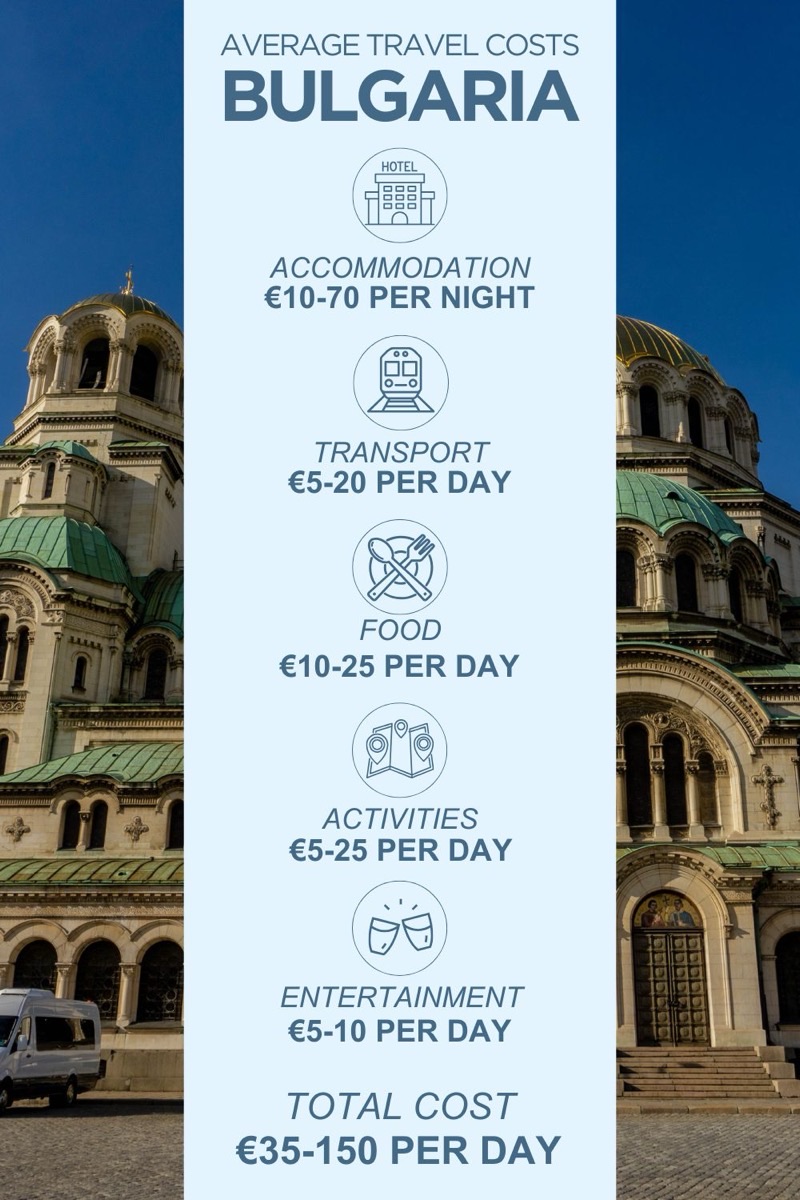
Bulgaria stands out as one of Europes most budget-friendly destinations. Expect to spend 70-120 BGN ($40-70 USD) per day for a comfortable backpacker style trip including hostel accommodation, local meals, and transport. A bed in a central Sofia hostel like Hostel Mostel runs around 30-45 BGN ($17-25 USD). A hearty lunch with a drink at a local restaurant might cost 15-25 BGN ($8-14 USD). Intercity buses are very reasonable, for example Sofia to Plovdiv is about 16 BGN ($9 USD). Groceries are also inexpensive, allowing for further savings if you cook some meals. Skiing in Bansko or Borovets offers some of Europes best value for money, with day passes around 80-100 BGN ($45-55 USD), significantly less than Alpine resorts.
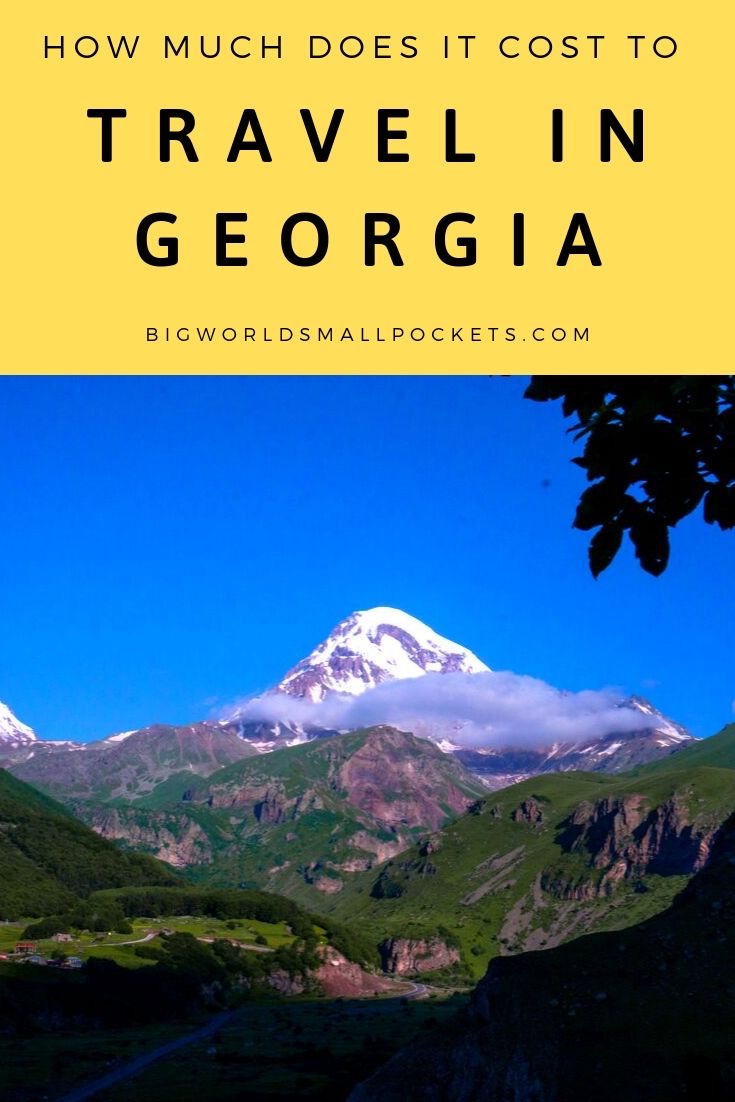
Georgia is also very kind to the wallet, though slightly less so than Bulgaria. A daily budget of 100-150 GEL ($37-55 USD) is realistic for a similar travel style. Hostel beds in Tbilisi like Fabrika Hostel are typically 45-65 GEL ($17-24 USD). A substantial meal of khinkali and khachapuri with a drink might be 20-35 GEL ($7-13 USD). Transport via marshrutka (minibus) is cheap; Tbilisi to Kazbegi is around 20 GEL ($7.5 USD). Some tours, especially to remote mountain regions or wine regions, can add up, costing 80-150 GEL ($30-55 USD) for a full day. Wine is incredibly cheap at local cellars, often 10-20 GEL ($3.7-7.4 USD) for a bottle of quality local wine. For pure budget travel, Bulgaria offers a bit more stretch for your money.
- Winner: Bulgaria
- Why: Bulgaria consistently provides lower costs across accommodation, food, and activities, stretching your budget further.
- Who this matters for: Budget-conscious travelers, backpackers, and anyone seeking maximum value for their travel funds.
🍽️ Food & Drink
Bulgarian food is comforting and substantial, a reflection of its Balkan roots. Expect grilled meats like kebapche and kyufte, various stews, and a prevalence of fresh salads with…
Bulgaria

Georgia
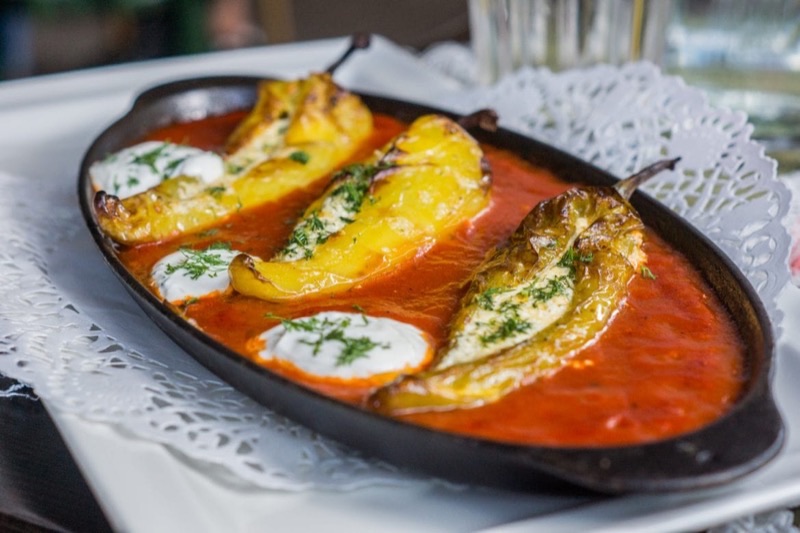
Bulgarian food is comforting and substantial, a reflection of its Balkan roots. Expect grilled meats like kebapche and kyufte, various stews, and a prevalence of fresh salads with local white cheese (sirene). Banitsa, a cheese-filled pastry, is a breakfast staple, costing 2-4 BGN ($1-2 USD) from bakeries. Tarator, a cold cucumber and yogurt soup, is refreshing in summer. Rakia, a strong fruit brandy, is the national drink. While satisfying, the cuisine can feel less diverse or globally recognized than its Georgian counterpart. Restaurants like Shtastliveca in Plovdiv offer traditional dishes in a nice setting, with mains around 20-35 BGN ($11-19 USD).
Georgian food is a revelation for many travelers, often cited as a primary reason to visit. It is rich in flavor, uses many herbs and walnuts, and has iconic dishes like khachapuri (cheese bread, different regional varieties, often 10-20 GEL or $3.7-7.4 USD), khinkali (dumplings, 1-2 GEL each or $0.37-0.74 USD), and various pkhali (vegetable pastes). The supra, a traditional Georgian feast, is an experience in itself. Georgias ancient wine culture, dating back 8,000 years, produces unique wines in qvevri (clay vessels). Tasting rooms in Kakheti, like Pheasants Tears, offer exceptional experiences. The complexity and sheer deliciousness of Georgian food and wine gives it a decisive edge. A meal at a typical Georgian restaurant like Puri Guliani in Tbilisi might cost 30-60 GEL ($11-22 USD) per person.
- Winner: Georgia
- Why: Georgia offers a more diverse, distinct, and globally celebrated culinary tradition with a world-class ancient wine culture.
- Who this matters for: Foodies, wine enthusiasts, and those looking for unique culinary experiences that become a highlight of their trip.
🏞️ Nature & Outdoors
Bulgaria presents a varied natural landscape, from the sandy beaches of the Black Sea coast (Varna, Burgas) to the rugged peaks of the Rila and Pirin mountains. The Rila Monastery…
Bulgaria
Georgia
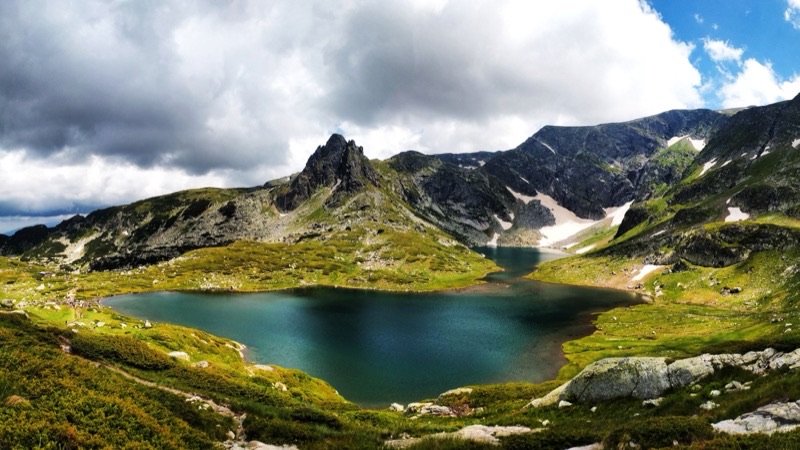
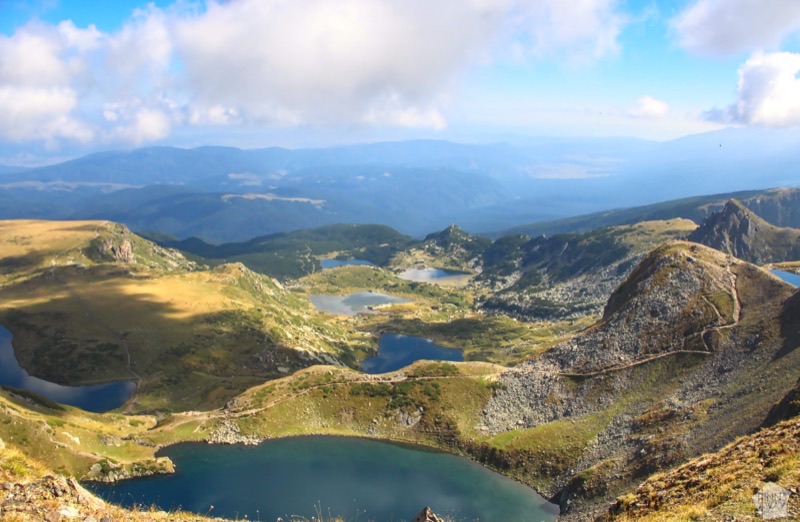
Bulgaria presents a varied natural landscape, from the sandy beaches of the Black Sea coast (Varna, Burgas) to the rugged peaks of the Rila and Pirin mountains. The Rila Monastery is nestled within the Rila National Park, offering access to hiking trails, including the Seven Rila Lakes. The Rhodope Mountains provide a gentler landscape, good for walking and exploring traditional villages. Winter sports are popular in resorts like Bansko and Borovets. While beautiful, the scenery, particularly the mountains, is generally less imposing and less raw than what Georgia offers. The Black Sea beaches, while pleasant, are often highly developed with resorts.
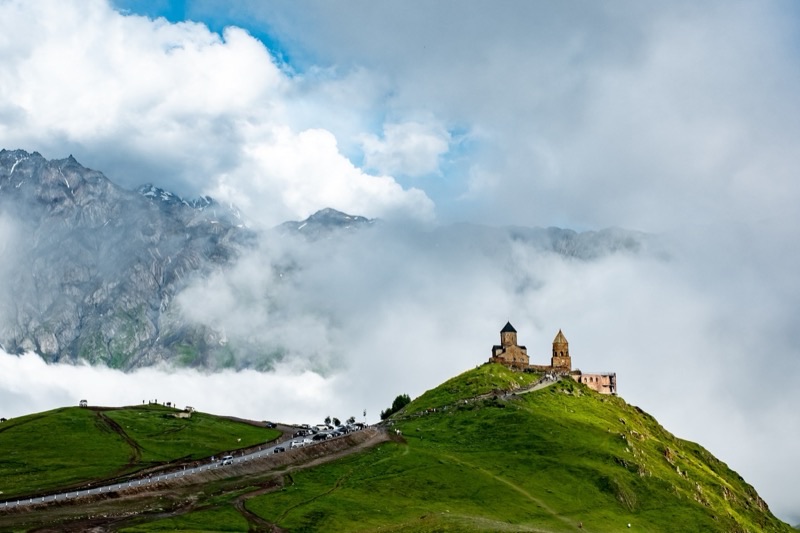
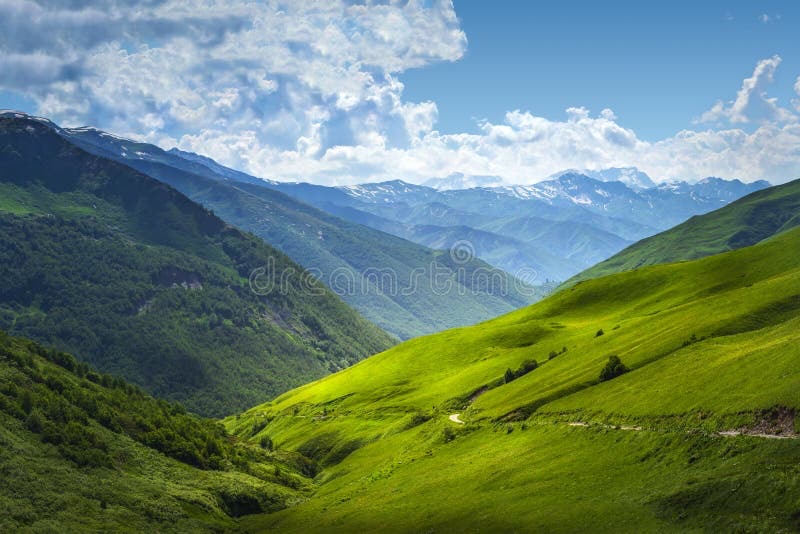
Georgia is defined by the colossal Caucasus Mountains, which dominate the northern landscape. Regions like Svaneti (Ushguli, Mestia) and Kazbegi (Gergeti Trinity Church against Mount Kazbek) offer some of the most impressive and accessible mountain views in the world, with extensive trekking opportunities. The landscapes here are truly epic and feel much more remote and untouched. Beyond the mountains, Georgia has the subtropical Black Sea coast around Batumi, the semi-arid Vashlovani National Park, and fascinating cave systems like Sataplia and Prometheus Cave near Kutaisi. The sheer scale and wildness of the Georgian mountains, especially in areas like Tusheti, provide an unparalleled outdoor experience that feels far removed from typical European destinations. For travelers prioritizing dramatic, high-altitude terrain and genuine wilderness, Georgia is superior.
- Winner: Georgia
- Why: Georgia offers more dramatic, imposing, and wild mountain landscapes, providing a more profound outdoor experience.
- Who this matters for: Hikers, mountaineers, landscape photographers, and those seeking remote and spectacular natural environments.
🏛️ Culture & History
Bulgaria is a crossroads of civilizations, leaving layers of history from the Thracians, Romans, Byzantines, and Ottomans. Plovdivs Roman Amphitheater and Old Town, Veliko…
Bulgaria
Georgia
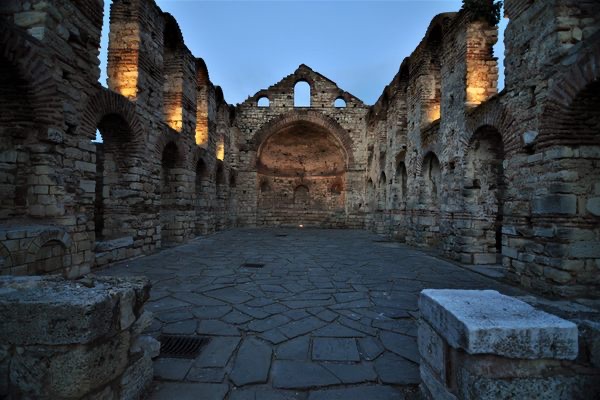
Bulgaria is a crossroads of civilizations, leaving layers of history from the Thracians, Romans, Byzantines, and Ottomans. Plovdivs Roman Amphitheater and Old Town, Veliko Tarnovos Tsarevets Fortress, and the Rila Monastery are major historical attractions. Communist-era architecture is prominent in Sofia, offering a glimpse into its more recent past. The Bulgarian Orthodox Church holds significant cultural sway. While rich, some of the historical sites, particularly the monasteries, share aesthetic similarities with other Orthodox countries in Eastern Europe. Sofia has the stunning Alexander Nevsky Cathedral and the ancient Serdica ruins beneath the modern city, showing its deep past.
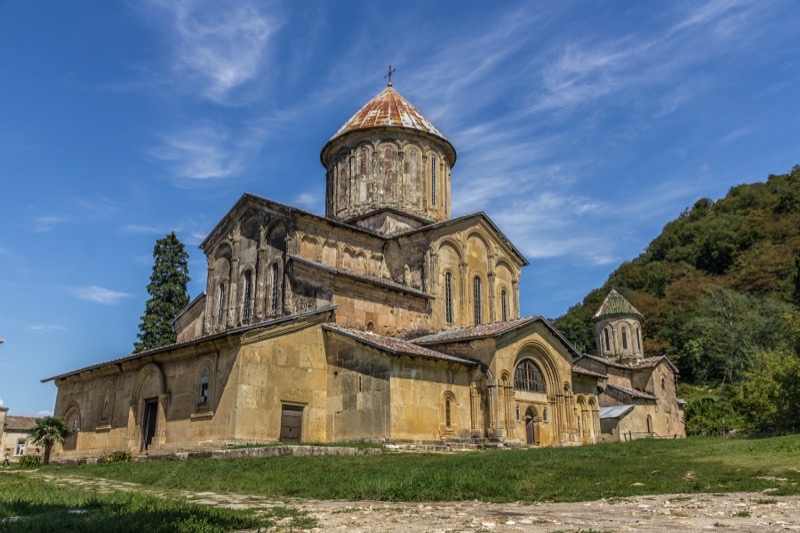
Georgia boasts an even more ancient and distinct cultural narrative, particularly its early adoption of Christianity in the 4th century. This is evident in countless monasteries and churches carved into rock or perched on remote peaks, like Vardzia cave city or Jvari Monastery. The Georgian language and its unique alphabet are a significant cultural marker, setting it apart from its neighbors. Its position on the Silk Road also left a legacy of diverse influences. Tbilisi offers a mix of Persian, Ottoman, Russian, and modern architecture, particularly in its Old Town. The traditional Georgian polyphonic singing and dance are powerful cultural expressions. Both countries have deep and compelling histories. Georgia’s unique linguistic and religious heritage, combined with its distinct art and architecture, gives it a slight edge in terms of cultural singularity, but Bulgaria's diverse historical layers are equally compelling. It is a very close call based on individual preference.
- Winner: Tie
- Why: Both countries offer deep, fascinating histories and cultures, providing rich experiences for different interests.
- Who this matters for: Anyone interested in ancient civilizations, religious history, unique languages, and traditional customs will find plenty in both.
🌃 Nightlife
Bulgaria offers a range of nightlife experiences. Sofias student population ensures a lively club and bar scene, particularly around Studentski Grad and the city center. Clubs…
Bulgaria

Georgia
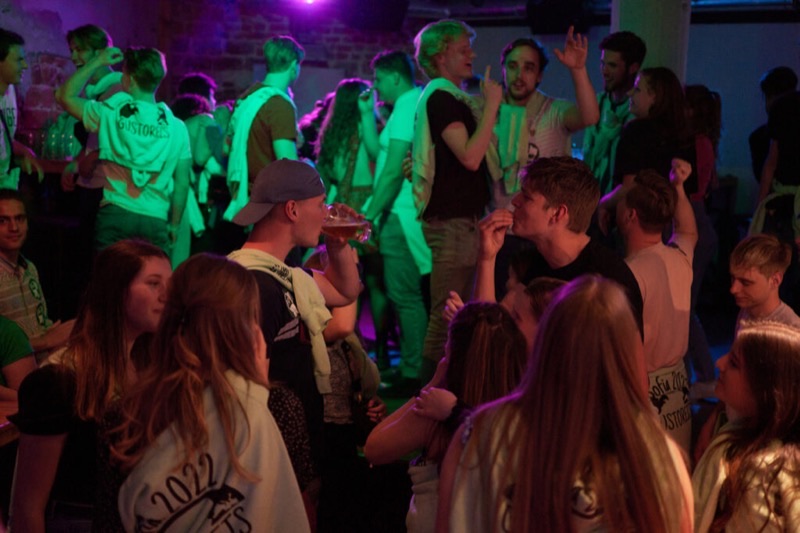
Bulgaria offers a range of nightlife experiences. Sofias student population ensures a lively club and bar scene, particularly around Studentski Grad and the city center. Clubs like Yalta Club and Terminal 1 are popular for electronic music. The Black Sea coast, especially Sunny Beach, is notorious for its large, cheap, and sometimes rowdy party resorts, attracting a younger crowd from across Europe during summer. Plovdiv and Varna also have good bar scenes. Prices for drinks are very affordable; a beer often costs 4-7 BGN ($2-4 USD), and cocktails 8-15 BGN ($4-8 USD). The general vibe is energetic and accessible, making it easy to find a party.
Georgia has a more specific and specialized nightlife. Tbilisi has gained international recognition for its underground techno scene, with clubs like Bassiani and Khidi drawing crowds and DJs from around the world. These clubs offer a serious, immersive experience, but they are not for everyone. Beyond techno, Tbilisi also has a decent array of bars and pubs in the Old Town, offering a more relaxed atmosphere. Batumi on the Black Sea coast has a number of casinos and some bars, but it is not a party destination on the scale of Sunny Beach. While Tbilisis techno scene is world-class for its niche, Bulgarias broader appeal, from mainstream clubs to full-on party resorts, means it wins for overall nightlife options and accessibility for the average traveler.
- Winner: Bulgaria
- Why: Bulgaria provides a more diverse, generally more accessible, and often more energetic nightlife scene, especially with its party resorts.
- Who this matters for: Party-goers, club enthusiasts (outside of techno), and those seeking a lively, affordable night out with broad options.
✈️ Getting There
Bulgaria is very well-connected to Western Europe, making it easy to reach. Sofia Airport (SOF) and other airports like Varna (VAR) and Burgas (BOJ) have numerous direct flights…
Bulgaria is very well-connected to Western Europe, making it easy to reach. Sofia Airport (SOF) and other airports like Varna (VAR) and Burgas (BOJ) have numerous direct flights from major European cities, often with low-cost carriers like Wizz Air and Ryanair. Flight times from London are around 2.5-3 hours, and from Berlin about 2 hours. A round-trip flight from a Western European hub can often be found for 50-150 EUR ($55-165 USD) if booked in advance. As an EU member, border crossings are generally straightforward for EU citizens and many others. This accessibility is a major advantage for travelers coming from within Europe, reducing travel time and cost.
Georgia is less directly connected to Western Europe. Most flights require a layover, commonly in Istanbul (Turkish Airlines), Warsaw (LOT Polish Airlines), or Athens. Direct flights do exist from some cities like Milan or Dortmund, but they are less frequent and often more expensive than those to Bulgaria. A typical flight from London to Tbilisi (TBS) involves a 5-6 hour journey including a layover. Expect to pay 150-300 EUR ($165-330 USD) or more for a round-trip ticket. While many nationalities enjoy visa-free entry, the journey itself is usually longer and more involved. The relative isolation from major European aviation hubs makes getting to Georgia a slightly bigger commitment. For speed and ease of access, Bulgaria is the clear winner.
- Winner: Bulgaria
- Why: Bulgaria offers more frequent, direct, and often cheaper flights from Western European hubs, making it much easier to access.
- Who this matters for: Travelers prioritizing quick, cheap, and convenient air travel from Europe, especially for shorter trips.
🚌 Getting Around
Getting around Bulgaria is relatively straightforward. The country has a decent network of intercity buses, which are generally reliable and affordable. For example, a bus from…
Getting around Bulgaria is relatively straightforward. The country has a decent network of intercity buses, which are generally reliable and affordable. For example, a bus from Sofia to Plovdiv takes about 2 hours and costs around 16 BGN ($9 USD). Trains are also available for longer distances, though they can be slower than buses. Within cities like Sofia and Plovdiv, public transport systems are efficient and inexpensive, and ride-sharing apps like TaxiMe or Uber (in some areas) are readily available. Roads are generally in good condition, making self-driving a viable option, though parking can be difficult in city centers. Bulgarian infrastructure is more developed and feels more integrated with European standards.
Georgia primarily relies on marshrutkas (minibuses) for intercity travel. These are frequent, very cheap (e.g., Tbilisi to Kazbegi is 20 GEL or $7.5 USD), but can be crowded, lack luggage space, and sometimes driven aggressively. They are an experience but not always the most comfortable. Train services are limited but useful for routes like Tbilisi to Batumi. Within Tbilisi, Bolt (similar to Uber) is widely available and very affordable. However, outside of Tbilisi and Batumi, public transport options become sparse, especially in mountain regions like Svaneti or Tusheti, where hiring a 4x4 with a driver is often necessary and can be expensive. Road conditions outside main routes can be poor, making self-driving more challenging. Bulgarias more structured and comfortable transport network gives it the edge for ease of movement.
- Winner: Bulgaria
- Why: Bulgarias more developed and comfortable public transport network, with better roads and modern options, makes travel easier.
- Who this matters for: Travelers who prefer structured transport, comfort over adventure, and potentially self-driving options.
🏨 Accommodation
Bulgaria offers a comprehensive range of accommodation types catering to all budgets. From cozy hostels in Sofia like Hostel Mostel (30-45 BGN or $17-25 USD per night for a dorm…
Bulgaria offers a comprehensive range of accommodation types catering to all budgets. From cozy hostels in Sofia like Hostel Mostel (30-45 BGN or $17-25 USD per night for a dorm bed) and boutique guesthouses in Plovdivs Old Town to large, all-inclusive resorts along the Black Sea coast (e.g., Sunny Beach hotels can be 100-250 BGN or $55-140 USD per night), options are plentiful. You can find well-maintained, comfortable places at very competitive prices. Booking.com and Airbnb have extensive listings. Even mid-range hotels offer good amenities for 80-150 BGN ($45-85 USD) a night. The sheer variety and consistently good value across the board make it easy to find suitable lodging.
Georgia also provides good value accommodation, but the range of options, especially in the mid-to-high end, is slightly less developed outside of Tbilisi and Batumi. Hostels in Tbilisi, such as Fabrika Hostel, are popular (45-65 GEL or $17-24 USD for a dorm). Guesthouses, particularly in rural and mountain areas (e.g., Mestia, Kazbegi), are a common and charming option, offering local hospitality and home-cooked meals, often for 70-120 GEL ($26-45 USD) per night. Boutique hotels are emerging in Tbilisi. However, large resort-style options are fewer, and while quality is improving, it can be less consistent than in Bulgaria. For overall choice, consistency, and a wider range of hotel-style options, Bulgaria holds a slight advantage, especially if you are looking for larger, more established properties or resort experiences.
- Winner: Bulgaria
- Why: Bulgaria offers a broader range of accommodation types, from budget hostels to large resorts, with consistent quality and value.
- Who this matters for: Travelers seeking a wide selection of lodging, from budget to resort stays, with reliable European standards.
🛡️ Safety
Bulgaria is generally a safe country for travelers. Petty crime, such as pickpocketing, can occur in crowded tourist areas like Sofias Vitosha Boulevard or public transport, but…
Bulgaria is generally a safe country for travelers. Petty crime, such as pickpocketing, can occur in crowded tourist areas like Sofias Vitosha Boulevard or public transport, but violent crime against tourists is rare. Standard precautions, like watching your belongings and avoiding isolated areas at night, are sufficient. Road safety can be a concern, as some drivers are aggressive, and road conditions outside main cities can be variable. Scams, particularly involving taxis, can happen, so using ride-sharing apps or official taxis with meters is advisable. Overall, most travelers experience no issues, but a level of vigilance is required in certain urban environments.
Georgia is renowned for its very low crime rates and is considered one of the safest countries in the region, even for solo female travelers. People often leave doors unlocked, especially in rural areas. Petty crime is minimal, and violent crime is rare. Tourists often report feeling very secure, even late at night in Tbilisi. The biggest safety concerns are road safety (drivers can be erratic, especially marshrutka drivers) and the risks associated with hiking in remote mountain areas without proper gear or guidance. There are also disputed territories (Abkhazia and South Ossetia) near the borders that should be avoided entirely. However, for general tourism in established areas, Georgia provides a profound sense of security that is hard to beat. Its friendly populace and strong sense of community contribute to this feeling, making it slightly more appealing for those prioritizing safety.
- Winner: Georgia
- Why: Georgia boasts exceptionally low crime rates and a strong sense of safety, often cited as one of its main attractions for travelers.
- Who this matters for: Solo travelers (especially solo female travelers), families, and anyone who prioritizes a very secure and worry-free travel environment.
🗺️ Day Trips & Excursions
Bulgaria offers a plethora of accessible day trips from its main cities. From Sofia, the Rila Monastery is a popular and straightforward trip, taking about 1.5-2 hours by car or…
Bulgaria offers a plethora of accessible day trips from its main cities. From Sofia, the Rila Monastery is a popular and straightforward trip, taking about 1.5-2 hours by car or organized bus, costing around 40-60 BGN ($22-33 USD) for a bus tour. Plovdiv, with its Roman heritage and charming Old Town, is an easy 2-hour bus ride from Sofia (16 BGN or $9 USD). The Seven Rila Lakes offer excellent hiking opportunities, often combined with the Rila Monastery. Veliko Tarnovo, the medieval capital, is also a manageable day trip or overnight stay. The Black Sea coast provides options for beach days or exploring towns like Nessebar (a UNESCO site). The developed infrastructure and public transport system make planning and executing these excursions quite simple, even for independent travelers. Options are varied, well-signposted, and generally inexpensive.
Georgia also has many compelling day trip options, but they often require more planning or expense. From Tbilisi, popular trips include Mtskheta (ancient capital, easy marshrutka ride for 2-3 GEL or $0.7-1.1 USD), David Gareja cave monastery (often requires an organized tour for 60-100 GEL or $22-37 USD due to remote location), and the Kakheti wine region (tour often 80-120 GEL or $30-45 USD). Trips to Kazbegi in the mountains are possible in a long day but are often better as an overnight stay; a shared taxi (marshrutka) costs 20 GEL ($7.5 USD) one way. While the destinations are spectacular, independent travel to some of the more remote sites can be challenging without a car, often necessitating shared taxis or tours, which add to the cost and reduce flexibility. Bulgarias more established and convenient network for excursions makes it slightly easier for the typical traveler.
- Winner: Bulgaria
- Why: Bulgaria offers a wider array of easily accessible and well-connected day trips via public transport or affordable tours.
- Who this matters for: Travelers who prefer to explore beyond the main cities through convenient, well-organized, and budget-friendly excursions.
🎯 The Decision Framework
Choose Bulgaria If…
- You want excellent value for money on accommodation, food, and activities.
- You prefer a more established travel infrastructure and easier logistics.
- You are interested in a diverse trip that includes beaches, mountains, and city breaks.
- You are looking for a lively, affordable nightlife scene, including party resorts.
- You want easier, cheaper, and more direct flights from Western Europe.
- You appreciate hearty, traditional Balkan cuisine and local wines.
- You enjoy exploring Roman ruins, medieval fortresses, and Orthodox monasteries.
- You are planning a ski trip on a budget.
Choose Georgia If…
- You are drawn to dramatic, high-altitude mountain landscapes and serious trekking.
- You want to experience a truly unique and ancient culture, including its language and alphabet.
- You are a food enthusiast eager to try specific, flavorful dishes like khinkali and khachapuri.
- You are keen to explore the origins of winemaking and sample ancient qvevri wines.
- You prioritize feeling exceptionally safe and secure, even as a solo traveler.
- You appreciate a burgeoning, internationally recognized underground techno scene.
- You are looking for a slightly more adventurous and less commercialized travel experience.
- You want to visit ancient cave cities and remote monasteries with stunning backdrops.
📅 Sample Itineraries
Weekend in Bulgaria (3 Days)
💡 Purchase a Sofia Pass for discounted entry to museums and public transport, saving you around $10-15 on a 3-day trip.
Weekend in Georgia (3 Days)
💡 Get a MetroMoney card for 2 GEL ($0.70) upon arrival in Tbilisi for easy and cheap public transport fares (0.50 GEL per ride), saving time and small change.
One Week in Bulgaria (7 Days)
💡 When traveling between cities, use the efficient and inexpensive bus network; booking tickets in advance at the station can save you a few dollars compared to online options.
One Week in Georgia (7 Days)
💡 For mountain excursions to Kazbegi, hire a local guide or driver for around $20-30 to take you up to Gergeti Trinity Church, saving hiking time and offering local insights.
❓ Frequently Asked Questions
What are the typical flight times from major European cities to Bulgaria vs Georgia?
Flights to Sofia, Bulgaria, from Western European hubs like London or Berlin typically take 2-3 hours direct. Flights to Tbilisi, Georgia, are generally longer, often involving a layover in cities like Istanbul, totaling 5-6 hours or more.
Which country is better for budget backpackers?
Bulgaria usually offers a slightly cheaper backpacking experience. Dorm beds can be found for $17-25 USD, and meals for $8-14 USD. Georgia is also affordable, with similar hostel prices but slightly higher costs for tours and some meals, making it around $20-30 USD more per day on average.
How do the Black Sea beaches compare?
Bulgarias Black Sea coast (e.g., Sunny Beach, Golden Sands) is more developed with larger resorts and a more established party scene. Georgias Black Sea coast, particularly around Batumi, is subtropical, less resort-heavy, and offers a different, more laid-back vibe with some casino options.
Is it easy to get around both countries without a rental car?
Yes, but with differences. Bulgaria has a good network of intercity buses and trains, making travel relatively easy. Georgia relies more on marshrutkas (minibuses), which are cheap and frequent but less comfortable, and remote areas often require shared taxis or tours.
Which country has better hiking and mountain scenery?
Georgia generally wins for dramatic mountain scenery and extensive, remote hiking. The Caucasus Mountains in regions like Svaneti and Kazbegi offer epic landscapes. Bulgaria has beautiful mountains like Rila and Pirin, but they are generally less imposing and more developed.
What are the main cultural differences a traveler would notice?
Bulgarias culture is influenced by its Balkan and Orthodox Christian history, with Roman and Ottoman layers. Georgia has a very distinct ancient Christian heritage, its own unique language and alphabet, and a strong emphasis on hospitality and wine, feeling more Eastern and less European.
Which country offers more unique food experiences?
Georgia offers a more distinct and diverse culinary experience, with unique dishes like khachapuri and khinkali, and its ancient winemaking traditions are globally significant. Bulgarian food is hearty and satisfying, but less unique compared to its neighbors.
What is the best time of year to visit each country?
For Bulgaria, late spring (May-June) or early autumn (September-October) offers pleasant weather for sightseeing. Summer (July-August) is best for the Black Sea coast. For Georgia, late spring (May-June) and early autumn (September) are ideal for mountains and wine regions; summer can be hot in cities but good for high-altitude trekking.
Ready to plan your Eastern Europe or Caucasus trip?
Get a free custom itinerary for Bulgaria, Georgia, or both — built from real traveler insights.
👥 Travelers Also Compared
🎟️ Book Tours & Experiences
Hand-picked tours and activities for both destinations — book with free cancellation
Experiences via Viator — free cancellation on most tours