How we built this comparison
This page combines traveler discussion patterns, published price ranges, flight schedules, and seasonal data to help you decide between Bulgaria and Greece.
- Reviewed 50+ Reddit threads from r/travel, r/solotravel, r/bulgaria, r/greece, r/europe.
- Verified costs and logistics against current booking platforms like Booking.com, Skyscanner, and public transport sites.
- Cross-referenced seasonal patterns and weather data for optimal travel timing.
⚡ Quick Answers
⚡ The TL;DR Verdict
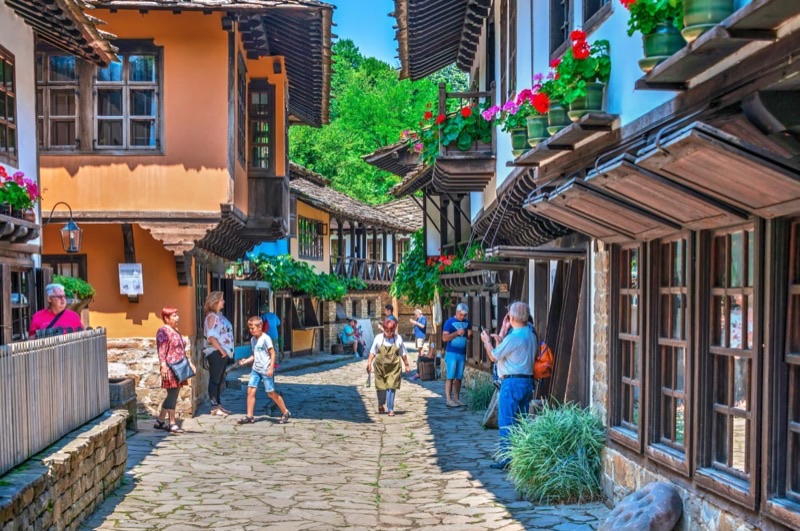
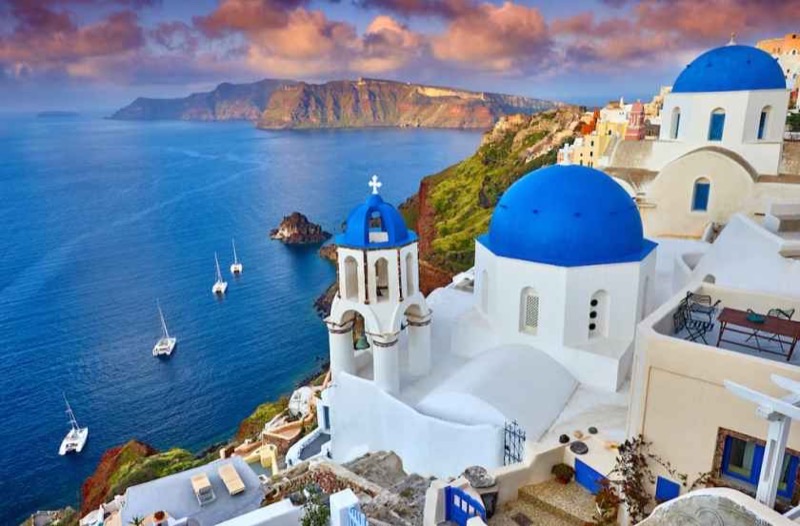
For most travelers prioritizing budget, raw nature, and a less tourist-saturated experience, Bulgaria is the clear choice. Greece delivers on iconic ancient history and island escapes, but expect to pay more for its popularity. If you have 2+ weeks, consider splitting your time.
- Choose Bulgaria: Travelers on a tighter budget, those seeking raw Balkan landscapes, communist-era history, and fewer crowds will find Bulgaria more rewarding.
- Choose Greece: Travelers prioritizing ancient archaeological sites, Mediterranean island hopping, specific culinary experiences, and established tourist infrastructure should pick Greece.
- Choose Both: If you have a minimum of 14-21 days and want a comprehensive trip combining ancient ruins with Balkan mountains, you can easily connect the two via bus or short flight.
Choose Bulgaria
Choose Bulgaria if you're a budget-conscious adventurer seeking raw Balkan beauty and unique history. Hike the stunning Rila Mountains, explore the ancient streets of Plovdiv, or discover communist-era monuments like Buzludzha without the crowds. It's perfect for travelers valuing authenticity and affordable cultural immersion over mainstream tourist hubs.
Choose Greece
Opt for Greece if iconic ancient history, sun-drenched island escapes, and a vibrant Mediterranean culture are your priority. Explore the Acropolis in Athens, chase sunsets in Santorini, or indulge in fresh seafood while island hopping through the Cyclades. It's ideal for travelers seeking established tourist infrastructure and a classic European vacation with unparalleled historical depth.
📊 Visual Scorecard
🌤 When to Visit
Average high temperatures (°C). Green = best months, orange = avoid.
Quick Comparison
| Category | Bulgaria | Greece | Winner |
|---|---|---|---|
| Costs & Budget | Significantly cheaper for accommodation, food, and transport. Daily budget of $40-70 USD is realistic. | Higher costs across the board, especially on popular islands. Expect $70-120+ USD daily. | Bulgaria |
| Culture & History | Thracian, Roman, Byzantine, Ottoman, and Communist influences. Orthodox monasteries and ancient cities. | Cradle of Western civilization, ancient Greek and Roman ruins, Byzantine churches, island mythology. | Greece |
| Beaches & Coastlines | Black Sea coast, Varna and Burgas are main hubs. Golden Sands and Sunny Beach are popular resorts. | Mediterranean, Aegean, Ionian seas. Countless islands with diverse beaches, from volcanic to white sand. | Greece |
| Food & Drink | Hearty Balkan cuisine with Turkish, Slavic influences. Shopska salad, banitsa, kyufteta, rakia, local wine. | Mediterranean diet, fresh seafood, olives, feta, souvlaki, moussaka, Greek yogurt, ouzo, Assyrtiko wine. | Greece |
| Nightlife | Sofia has an active bar and club scene. Black Sea resorts are popular in summer. More affordable drinks. | Athens and Thessaloniki have varied nightlife. Mykonos, Ios, Santorini are famous for island parties. Higher prices. | Tie |
| Getting There & Around | Sofia (SOF) is main hub. Low-cost flights from Europe. Buses/trains are affordable but slower. Car rental good for freedom. | Athens (ATH) is main hub, many island airports. Extensive ferry network. Car rental essential for mainland exploration. | Tie |
| Accommodation | Hostels, budget hotels, guesthouses are very affordable. Good value in mid-range. Airbnb options available. | Hostels, guesthouses, hotels. Pricier overall, especially on islands. Boutique hotels and luxury resorts are common. | Bulgaria |
| Nature & Outdoors | Rila, Pirin, Rhodope mountains for hiking, skiing. Seven Rila Lakes, Belogradchik Rocks, Vitosha for city escape. | Meteora monasteries, Samaria Gorge in Crete, Peloponnese mountains. Diverse island landscapes. | Bulgaria |
| Safety & Security | Generally safe. Petty crime (pickpocketing) in tourist areas. Traffic can be chaotic. Fewer natural disaster risks. | Generally safe. Pickpocketing in Athens. Ferry safety, heatwaves are concerns. More seismic activity. | Tie |
| Solo Travel | Affordable, easy to meet other travelers in hostels. English speakers common in tourist areas. Locals are welcoming. | Established tourist routes, easy to navigate. Hostels for meeting people. Island hopping can be social or isolating. | Bulgaria |
💸 Costs & Budget
Bulgaria offers a considerably lower cost of living and travel. A daily budget of $40-70 USD per person covers comfortable accommodation, three meals, local transport, and some…
Bulgaria
Greece
Bulgaria offers a considerably lower cost of living and travel. A daily budget of $40-70 USD per person covers comfortable accommodation, three meals, local transport, and some activities. For example, a good meal in Sofia might cost 15-25 BGN ($8-14 USD), a hostel bed 20-35 BGN ($11-20 USD), and a private room in a mid-range hotel 70-120 BGN ($40-65 USD). Public transport in cities like Sofia is very affordable at 1.60 BGN ($0.90 USD) per ride. Even attractions like the Rila Monastery or Tsarevets Fortress have entrance fees under 20 BGN ($11 USD).
Greece is generally more expensive. A daily budget of $70-120 USD is a more realistic starting point, increasing for popular islands like Santorini or Mykonos. A main dish in Athens could be 12-25 EUR ($13-27 USD), a hostel bed 25-50 EUR ($27-55 USD), and a mid-range hotel room 80-150 EUR ($87-163 USD). Island ferries can add significant costs, and car rentals are often pricier than in Bulgaria. Even simple things like a coffee or a scoop of gelato often cost more. The tabiji.ai verdict: Bulgaria wins decisively for travelers looking to stretch their budget.
- Winner: Bulgaria
- Why: Bulgaria provides far greater value for money across accommodation, food, and activities, making travel more accessible.
- Who this matters for: Budget-conscious travelers, backpackers, and those planning longer trips.
🏛️ Culture & History
Bulgaria presents a layered history with Thracian tombs (like Kazanlak), Roman amphitheaters (Plovdiv), medieval fortresses (Tsarevets in Veliko Tarnovo), and a strong Orthodox…
Bulgaria
Greece
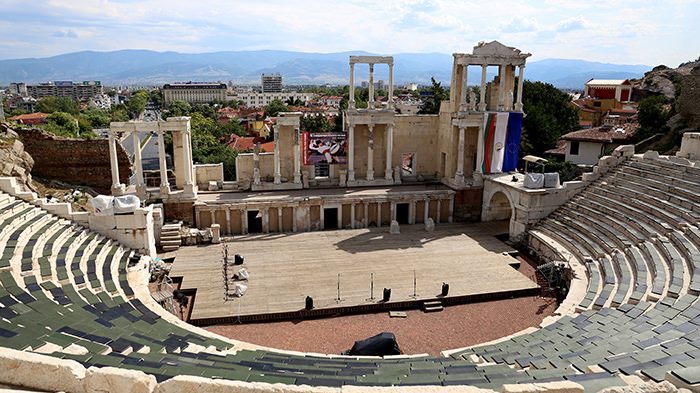
Bulgaria presents a layered history with Thracian tombs (like Kazanlak), Roman amphitheaters (Plovdiv), medieval fortresses (Tsarevets in Veliko Tarnovo), and a strong Orthodox Christian presence seen in monasteries like Rila and Bachkovo. The communist era left a mark with monuments like Buzludzha, offering a distinct post-Soviet insight. Sofia's Alexander Nevsky Cathedral and the Boyana Church are prime examples of Byzantine-influenced art and architecture. Plovdiv, one of Europes oldest inhabited cities, offers a compelling walk through these eras, from its Roman theater to the National Revival houses.
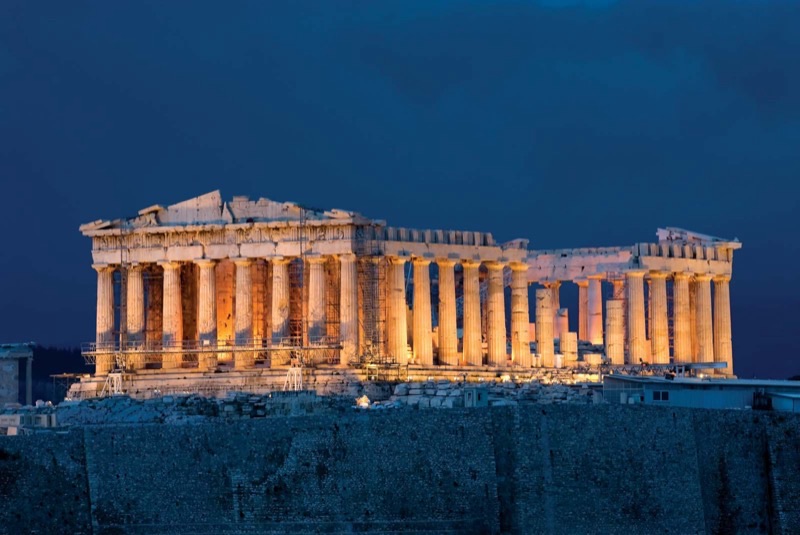
Greece is foundational to Western culture. From the Acropolis in Athens with the Parthenon, to the Oracle of Delphi, to the Palace of Knossos in Crete, the country is filled with sites from antiquity. The Byzantine era is represented in Thessaloniki's churches and Mystras. Greece's history is more globally recognized and its sites are often on a grander, more impactful scale, directly connecting to classical mythology, philosophy, and democracy. The sheer density and fame of its ancient ruins make it a more immediate and universally recognized destination for historical exploration. The tabiji.ai verdict: Greece offers a more profound and widely recognized historical journey.
- Winner: Greece
- Why: Greece holds a more significant and globally recognized place in the history of Western civilization, with a greater concentration of monumental ancient sites.
- Who this matters for: History buffs, classical studies enthusiasts, and those seeking iconic ancient landmarks.
🏖️ Beaches & Coastlines
Bulgaria's Black Sea coast offers long sandy beaches, with resorts like Sunny Beach and Golden Sands attracting many visitors, particularly from Eastern and Central Europe. These…
Bulgaria
Greece
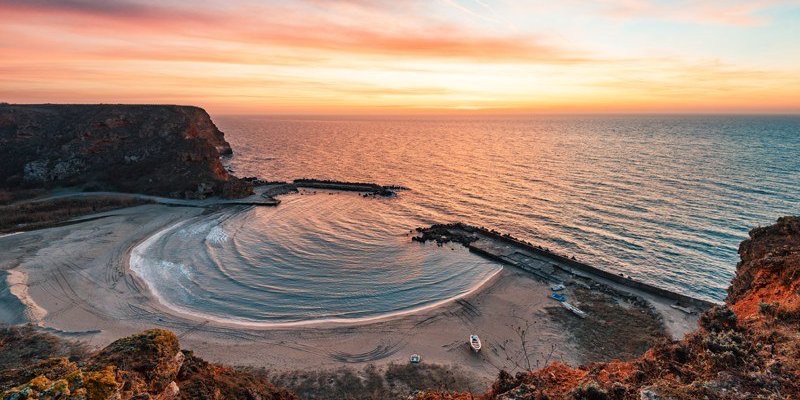
Bulgaria's Black Sea coast offers long sandy beaches, with resorts like Sunny Beach and Golden Sands attracting many visitors, particularly from Eastern and Central Europe. These areas are known for their lively atmosphere, though some parts can be crowded and overdeveloped. Smaller, more secluded spots like Irakli Beach or Karadere offer a quieter, wilder alternative, appealing to those seeking a natural setting. Varna and Burgas serve as major coastal cities with amenities and some historical sites, but the Black Sea water itself is less transparent and less diverse in marine life compared to the Aegean or Ionian. The overall coastal experience is functional and affordable.
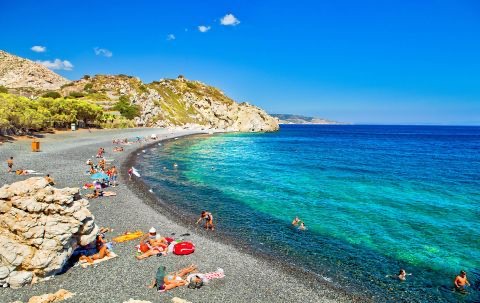
Greece has an extensive coastline and thousands of islands, offering an unparalleled variety of beaches. From the pink sands of Elafonisi in Crete, the volcanic beaches of Santorini (Perissa, Red Beach), the turquoise waters of Zakynthos (Navagio Beach), to the white pebble coves of the Cyclades, the options are vast. The clarity and color of the Mediterranean, Aegean, and Ionian waters are generally superior, and the landscapes often feature dramatic cliffs, whitewashed villages, and olive groves right down to the sea. The island-hopping experience itself is a core part of the Greek beach appeal, allowing for exploration of numerous distinct coastal environments. The tabiji.ai verdict: For sheer variety, water clarity, and overall coastal beauty, Greece is the undisputed choice.
- Winner: Greece
- Why: Greece offers a wider variety of coastal landscapes, clearer waters, and a more iconic Mediterranean beach experience across its numerous islands.
- Who this matters for: Beach lovers, sun seekers, island hoppers, and those prioritizing water quality and diverse coastal scenery.
🍴 Food & Drink
Bulgarian food is generally hearty and flavorful, with influences from Ottoman, Slavic, and other Balkan traditions. Expect dishes like Shopska salad (tomatoes, cucumbers,…
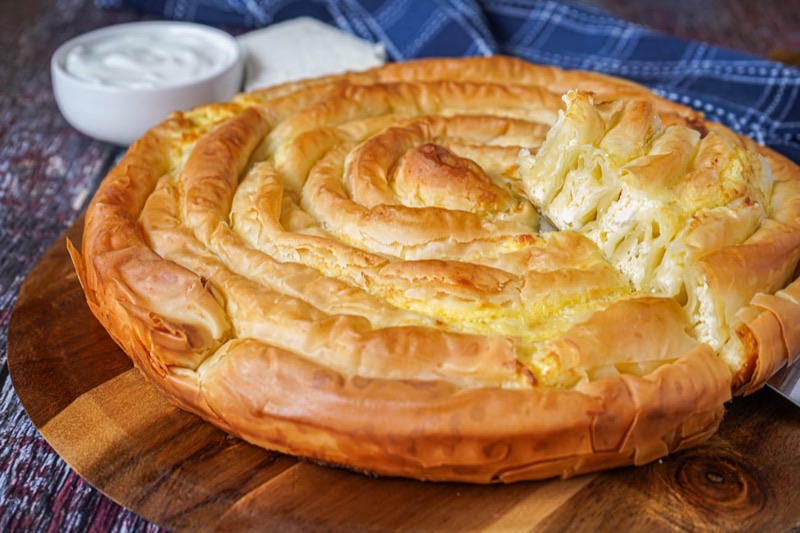
Bulgaria
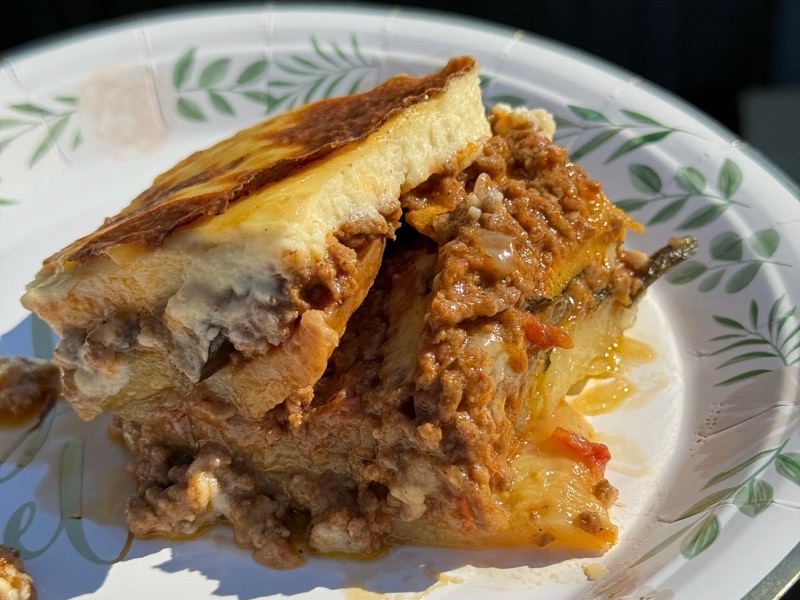
Greece
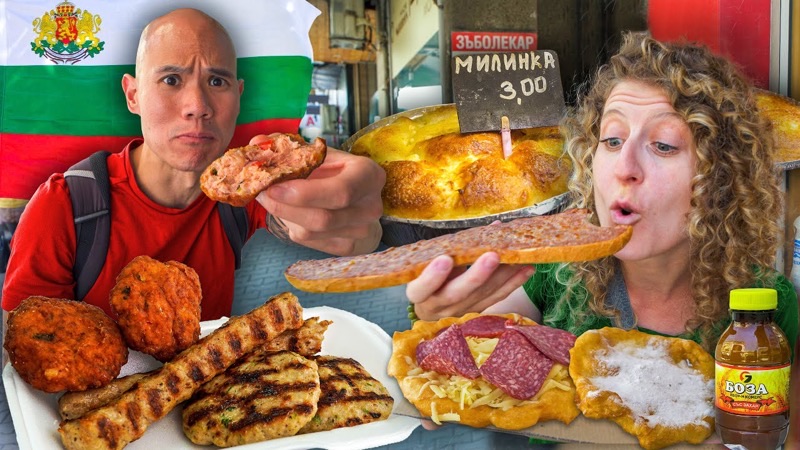
Bulgarian food is generally hearty and flavorful, with influences from Ottoman, Slavic, and other Balkan traditions. Expect dishes like Shopska salad (tomatoes, cucumbers, peppers, grated sirene cheese), banitsa (savory pastry with cheese), kyufteta (meatballs), kavarma (slow-cooked meat and vegetable stew), and various grilled meats. Dairy products like Bulgarian yogurt (kiselo mlyako) and sirene cheese are central. Rakia, a strong fruit brandy, is the national drink. While satisfying and comforting, the cuisine can be less globally recognized or diverse than Greek food. Specific regional dishes in places like Rodopi Mountains offer unique flavors, often involving lamb.
Greek cuisine is a cornerstone of the Mediterranean diet, known for its freshness and use of olive oil, herbs, and vegetables. Staples include souvlaki, gyros, moussaka, pastitsio, fresh seafood, copious amounts of feta cheese, olives, and bread. Mezedes (small plates) are central to the dining experience. Desserts often feature honey and nuts. Regional variations are significant, with Cretan food being particularly regarded for its health benefits, and island cuisine focusing on fresh catch. The overall recognition and appeal of Greek food worldwide are much higher, and the dining experience often feels more integrated into the social fabric. The tabiji.ai verdict: Greece wins for its globally celebrated flavors and diverse culinary heritage.
- Winner: Greece
- Why: Greek cuisine offers a wider array of distinct dishes, fresh ingredients, and a globally recognized culinary identity that appeals to more palates.
- Who this matters for: Foodies, those seeking fresh Mediterranean flavors, and travelers who prioritize dining as a central part of their trip.
🌃 Nightlife
Bulgaria's nightlife is concentrated in Sofia and the major Black Sea resorts like Sunny Beach and Golden Sands. Sofia offers a range of options from trendy cocktail bars in the…

Bulgaria

Greece
Bulgaria's nightlife is concentrated in Sofia and the major Black Sea resorts like Sunny Beach and Golden Sands. Sofia offers a range of options from trendy cocktail bars in the 'Kapana' district to larger clubs playing pop and folk music. The prices for drinks are significantly lower than in Western Europe or Greece; a beer might cost 3-6 BGN ($1.60-3.30 USD) and cocktails 8-15 BGN ($4.40-8.20 USD). Sunny Beach during summer is known for its party atmosphere, attracting a younger crowd with numerous beachfront clubs and bars. It can be rowdy but offers high energy entertainment.
Greece provides diverse nightlife. Athens and Thessaloniki have extensive bar and club scenes, from sophisticated rooftop bars overlooking the Acropolis to electronic music venues. On the islands, Mykonos and Ios are internationally recognized party destinations, drawing large crowds with beach clubs and late-night venues where parties last until dawn. Santorini offers more upscale lounge bars with caldera views. Drinks are generally more expensive; a beer might be 4-8 EUR ($4.30-8.70 USD) and cocktails 10-18 EUR ($11-20 USD). The tabiji.ai verdict: Both countries deliver strong nightlife experiences, catering to different budgets and styles.
- Winner: Tie
- Why: Both countries offer distinct and compelling nightlife experiences, catering to different crowds and budgets, making it a matter of preference.
- Who this matters for: Travelers seeking late-night entertainment, from budget-friendly clubs to upscale island parties.
✈️ Getting There & Around
Getting to Bulgaria is typically via Sofia Airport (SOF), with numerous direct low-cost flights from major European cities, often 2.5-3 hours from London or Berlin. Within…
Getting to Bulgaria is typically via Sofia Airport (SOF), with numerous direct low-cost flights from major European cities, often 2.5-3 hours from London or Berlin. Within Bulgaria, intercity buses are the most reliable and affordable way to travel, connecting all major towns and cities. For example, a bus from Sofia to Plovdiv costs around 15-20 BGN ($8-11 USD) and takes about 2 hours. Train travel is slower and less developed but offers scenic routes. Car rental is relatively inexpensive (25-40 EUR/$27-43 USD per day) and provides the most flexibility for exploring mountains and remote villages, though road conditions can vary.
Greece's main international gateway is Athens International Airport (ATH), with many direct flights from around the world. Numerous islands also have their own airports (e.g., Santorini JTR, Mykonos JMK) served by domestic and seasonal international flights. Intercity buses are good on the mainland, connecting major cities like Athens and Thessaloniki with destinations like Meteora. The extensive ferry network is crucial for island hopping, with costs varying significantly based on distance and speed (e.g., Athens to Santorini can range from 40-80+ EUR/$43-87+ USD). Car rental is highly recommended for exploring the mainland and larger islands, allowing access to beaches and sites not served by public transport. The tabiji.ai verdict: Both offer good but distinct transport networks; choose based on your preferred travel style.
- Winner: Tie
- Why: Both countries offer good access and internal transport options, but they cater to different types of travel (mainland road trips vs. island hopping).
- Who this matters for: All travelers, as effective transport is crucial for exploring either destination.
🏨 Accommodation
Accommodation in Bulgaria offers exceptional value. A clean, well-located hostel bed in Sofia or Plovdiv can be found for 20-35 BGN ($11-20 USD) per night. Mid-range hotels…
Accommodation in Bulgaria offers exceptional value. A clean, well-located hostel bed in Sofia or Plovdiv can be found for 20-35 BGN ($11-20 USD) per night. Mid-range hotels (3-star) often cost 70-120 BGN ($40-65 USD) for a private double room, providing comfort and good amenities. In larger cities, you can even find boutique hotels for under 150 BGN ($82 USD). Guesthouses in smaller towns and mountain areas are very budget-friendly and offer local hospitality. For example, a cozy family guesthouse in Bansko might be 50-80 BGN ($27-44 USD). Airbnb is also a strong option, often providing apartments for less than 100 BGN ($55 USD).
Greece's accommodation costs are higher. A hostel bed in Athens typically ranges from 25-50 EUR ($27-55 USD). Mid-range hotels on the mainland can start from 80-150 EUR ($87-163 USD). On popular islands like Santorini or Mykonos, these prices escalate significantly, with a basic hotel room easily exceeding 150 EUR ($163 USD), and luxury options going into hundreds. Even a simple guesthouse in a less famous island might cost 60-100 EUR ($65-108 USD). While there are plenty of options, finding good value for money requires more effort and booking well in advance, especially during peak season. The tabiji.ai verdict: Bulgaria is the clear winner for budget-friendly and high-value accommodation.
- Winner: Bulgaria
- Why: Bulgaria consistently offers better value for money across all accommodation types, allowing for more comfortable stays within a tighter budget.
- Who this matters for: Budget travelers, those looking for maximum comfort for their money, and long-term travelers.
🏞️ Nature & Outdoors
Bulgaria is a paradise for outdoor enthusiasts, dominated by its mountain ranges. The Rila Mountains host the Seven Rila Lakes, a series of glacial lakes that offer popular day…
Bulgaria is a paradise for outdoor enthusiasts, dominated by its mountain ranges. The Rila Mountains host the Seven Rila Lakes, a series of glacial lakes that offer popular day hikes from Sofia. The Pirin Mountains, with peaks like Vihren, provide challenging trekking and ski resorts like Bansko. The Rhodope Mountains are known for their traditional villages, caves (Devetashka Cave), and the 'Wonders Bridges' rock formations. Belogradchik Rocks offer unique sandstone formations. The country has extensive national parks (Pirin, Rila Central Balkan) that are well-maintained for hiking, wildlife observation, and adventure sports. The proximity of Vitosha Mountain to Sofia allows for easy city escapes to nature.
Greece also has impressive natural features, most notably the unique rock formations and monasteries of Meteora in Thessaly. The Samaria Gorge in Crete offers a demanding but rewarding hike. The Peloponnese peninsula has mountains and dramatic coastlines. While the islands offer coastal beauty and volcanic landscapes (Santorini), extensive forested mountains for dedicated trekking are less central to the typical Greek travel experience than in Bulgaria. The focus in Greece often shifts to ancient sites and coastal leisure, though areas like Zagorochoria in Epirus offer remote mountain villages and rafting. The tabiji.ai verdict: Bulgaria provides a more extensive and accessible mountain and forest experience for outdoor pursuits.
- Winner: Bulgaria
- Why: Bulgaria boasts more extensive and accessible mountain ranges and natural parks, offering superior opportunities for hiking, skiing, and diverse outdoor activities.
- Who this matters for: Hikers, trekkers, skiers, nature photographers, and those seeking mountain adventures.
🚨 Safety & Security
Bulgaria is generally safe for travelers. Petty crime, such as pickpocketing, can occur in crowded tourist areas like Sofia city center or public transport, similar to many…
Bulgaria is generally safe for travelers. Petty crime, such as pickpocketing, can occur in crowded tourist areas like Sofia city center or public transport, similar to many European capitals. Travelers should exercise standard precautions. Road safety can be a concern, as driving standards and road conditions outside major cities are not always up to Western European levels. Scamming incidents are infrequent but can happen around popular attractions or in bars. There are fewer natural disaster risks compared to Greece, mainly localized flooding or severe winter weather in mountain regions. Overall, most visits are trouble-free with common sense application.
Greece is also generally safe. Pickpocketing is a known issue in Athens, particularly around Syntagma Square, Monastiraki, and on the metro, especially during peak tourist season. Ferry travel is common; while incidents are rare, it is wise to choose reputable operators. Summer heatwaves can be intense, posing health risks, and wildfire risk is present. Greece is in an active seismic zone, meaning small earthquakes are relatively common, though major destructive ones are rare. However, the probability of experiencing a significant event as a tourist is low. The tabiji.ai verdict: Both countries are safe for general travel with similar common-sense precautions required.
- Winner: Tie
- Why: Both countries maintain comparable safety levels for travelers, with similar common risks like petty crime in tourist hotspots.
- Who this matters for: All travelers, particularly solo female travelers and families with children.
🚶♀️ Solo Travel
Bulgaria is an excellent destination for solo travelers, particularly those on a budget. Hostels in Sofia and Plovdiv are active and provide easy opportunities to meet other…
Bulgaria is an excellent destination for solo travelers, particularly those on a budget. Hostels in Sofia and Plovdiv are active and provide easy opportunities to meet other travelers for day trips or shared meals. The cost of individual accommodation, meals, and activities is low, making it accessible for extended solo trips without breaking the bank. English is spoken by younger generations and in tourist-focused businesses, though learning a few basic Bulgarian phrases is appreciated. Locals, especially outside the main tourist hubs, are generally welcoming and curious about foreign visitors, often going out of their way to help. Public transport is straightforward, reducing isolation.
Greece is also good for solo travelers, especially with its well-trodden backpacker routes and extensive hostel networks in cities and popular islands. Island hopping can be social on party islands like Ios or Mykonos, but can feel isolating on quieter islands if you're not meeting others. English is widely spoken in tourist areas. However, solo travel in Greece can be more expensive, especially when factoring in single supplements for accommodation or the cost of individual ferry tickets. While easy to navigate, the higher costs can limit options for longer stays or a wider range of activities. The tabiji.ai verdict: Bulgaria offers a more budget-friendly and slightly more novel solo travel experience.
- Winner: Bulgaria
- Why: Bulgaria provides a more economical solo travel experience, allowing for longer trips and easier social connections through its hostel scene and welcoming locals.
- Who this matters for: Budget solo travelers, backpackers, and those seeking a less mainstream solo adventure.
🎯 The Decision Framework
Choose Bulgaria If…
- You want to keep your daily budget under $70 USD easily.
- You prioritize extensive mountain hiking, skiing, and raw nature.
- You are interested in communist-era history and monuments.
- You prefer fewer crowds, especially outside of peak summer resorts.
- You enjoy hearty, less globally known Balkan cuisine.
- You want to explore ancient Thracian and Roman sites without the massive tourist throngs.
- You appreciate affordability in nightlife and accommodation.
- You are looking for a less conventional European travel destination.
Choose Greece If…
- You have always dreamed of seeing the Acropolis and other ancient Greek sites.
- You want to experience island hopping in the Aegean or Ionian Sea.
- You are willing to spend $70-120+ USD daily for your trip.
- You love fresh seafood, olives, feta, and a globally recognized Mediterranean diet.
- You prefer established tourist infrastructure and widespread English speaking.
- You are drawn to iconic beaches with clear blue waters and dramatic scenery.
- You want a mix of ancient history, a lively capital, and relaxed island living.
- You enjoy the social aspect of popular tourist destinations and nightlife on islands like Mykonos.
📅 Sample Itineraries
Weekend in Bulgaria (3 Days)
💡 For local transport in Sofia, purchase a 24-hour public transport card for around $2.50 to save on individual tickets.
Weekend in Greece (3 Days)
💡 Book your Acropolis combo ticket online in advance to skip lines, especially during peak season, saving valuable time.
One Week in Bulgaria (7 Days)
💡 Consider renting a car for days 5-6 (around $30-40/day) to explore the Black Sea coast, allowing more flexibility to visit smaller towns and secluded beaches.
One Week in Greece (7 Days)
💡 Book popular inter-island ferries and Santorini accommodation several months in advance, especially for summer travel, to secure better prices and availability.
❓ Frequently Asked Questions
What is the best time of year to visit Bulgaria or Greece?
For Bulgaria, late spring (May-June) and early autumn (September-October) offer pleasant weather for hiking and sightseeing, with fewer crowds. Summers can be hot, especially inland, but are good for the Black Sea coast. For Greece, the shoulder seasons (April-May, September-October) are ideal for comfortable temperatures, fewer tourists, and lower prices, particularly for island hopping. July and August are hot and crowded.
How long should I plan for a trip to each country?
For Bulgaria, a good first-time trip covering Sofia, Plovdiv, and some mountains would ideally be 7-10 days. For Greece, a mainland trip (Athens, Meteora, Delphi) needs 7-10 days, while combining Athens with one or two islands requires at least 10-14 days. If you plan to visit multiple islands, allocate 2-3 weeks.
Can I travel between Bulgaria and Greece easily?
Yes, you can. Direct buses connect Sofia and Athens, taking around 10-12 hours and costing about 40-60 EUR ($43-65 USD). Alternatively, a short flight from Sofia (SOF) to Athens (ATH) takes about 1 hour and 15 minutes, with prices often starting from 50-100 EUR ($55-108 USD) on budget airlines like Ryanair or Aegean, making it a quicker option.
Is English widely spoken in Bulgaria and Greece?
In Greece, English is widely spoken in all tourist areas, hotels, restaurants, and by younger generations. In Bulgaria, English is commonly spoken in Sofia, Plovdiv, and major tourist resorts. Outside these areas, it may be less prevalent, but younger people often have some English skills, and basic communication is usually possible.
What are some lesser-known places to visit in each country?
In Bulgaria, consider exploring the Rhodope Mountains with villages like Shiroka Laka, the ancient city of Perperikon, or the coastal town of Sozopol. In Greece, head to the Zagori region in Epirus for mountain hiking and stone villages, the Pelion peninsula for traditional villages and beaches, or the Dodecanese islands (e.g., Astypalaia) for a quieter island experience.
What are the local currencies and typical costs for a basic meal?
Bulgaria uses the Bulgarian Lev (BGN), pegged to the Euro at approximately 1 EUR = 1.95583 BGN. A basic meal in a casual restaurant might cost 15-25 BGN ($8-14 USD). Greece uses the Euro (EUR). A basic meal, like souvlaki or a simple gyro plate, typically costs 10-20 EUR ($11-22 USD) in a casual eatery on the mainland.
Are there good options for vegetarian or vegan travelers?
Both countries offer options. Greek cuisine naturally includes many vegetarian dishes due to its reliance on vegetables, legumes, and olive oil (e.g., spanakopita, gigantes plaki, horiatiki salad without feta if vegan). In Bulgaria, vegetarian options include Shopska salad, various vegetable stews, and banitsa, but vegan choices might require more specific searching in non-specialized restaurants outside major cities. Sofia and Athens have dedicated vegan restaurants.
Which country is better for adventure activities like hiking or water sports?
Bulgaria is better for mountain-based adventure activities, with extensive hiking trails in the Rila, Pirin, and Rhodope mountains, and skiing in winter. Greece excels in water sports and sea-based activities due to its extensive coastline and islands, offering excellent conditions for diving, snorkeling, windsurfing, and sailing, especially in areas like the Cyclades or Crete.
Ready to plan your Balkan or Mediterranean trip?
Get a free custom itinerary for Bulgaria, Greece, or both — built from real traveler insights.
👥 Travelers Also Compared
🎟️ Book Tours & Experiences
Hand-picked tours and activities for both destinations — book with free cancellation
Experiences via Viator — free cancellation on most tours