How we built this comparison
This page combines traveler discussion patterns, published price ranges, flight schedules, and seasonal data to help you decide between Bulgaria and Ireland.
- Reviewed 70+ Reddit threads from r/travel, r/solotravel, r/Bulgaria, r/Ireland, and r/europetravel.
- Verified costs and logistics against current booking platforms like Booking.com, Skyscanner, and local transport sites.
- Cross-referenced seasonal patterns and weather data from meteorological sources for accurate climate information.
⚡ Quick Answers
⚡ The TL;DR Verdict
For most travelers seeking a more affordable and diverse experience with historical depth and coastal breaks, Bulgaria is the stronger choice. If your priority is specific pub culture, rolling green hills, and a well-trodden tourist path, Ireland delivers. Daily budgets range from $50-80 in Bulgaria to $120-180 in Ireland.
- Choose Bulgaria: Travelers who prioritize budget, Eastern European history, Balkan cuisine, and less crowded natural sites will find Bulgaria more appealing. It suits those looking for a diverse trip from mountains to beaches without spending much.
- Choose Ireland: Travelers seeking a classic European pub experience, easily accessible green landscapes, ancient Celtic sites, and a generally comfortable, familiar Western European experience should pick Ireland. It is good for those who dont mind paying more for specific cultural touchstones.
- Choose Both: Visiting both is a logistical stretch due to distance and cost. If you have 3+ weeks and a generous budget, you could combine them for a broad European experience, focusing on city breaks in Sofia and Dublin, then exploring rural areas for 4-5 days in each country.
Choose Bulgaria
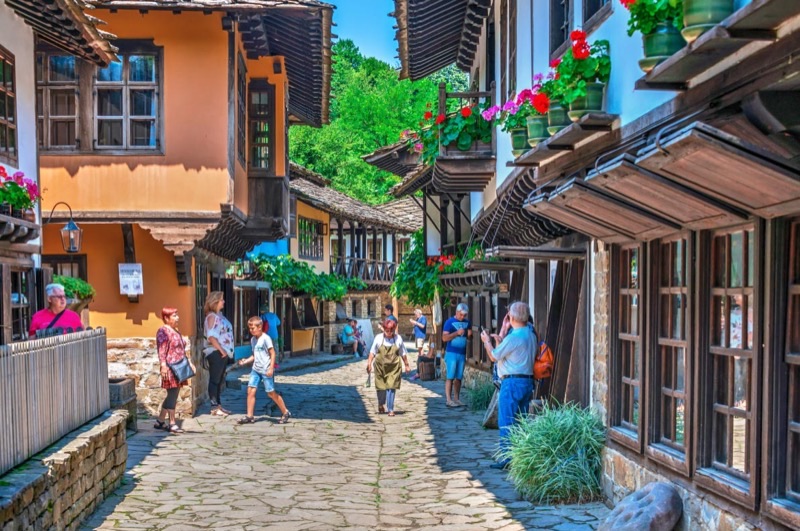
Choose Bulgaria if you're a budget-conscious adventurer eager to explore rich Eastern European history and diverse landscapes. It's best for travelers who want to hike in the Rila Mountains, discover ancient Nessebar, and savor authentic Balkan cuisine in Sofia without breaking the bank. Expect an affordable trip offering everything from vibrant cities to serene Black Sea beaches.
Choose Ireland
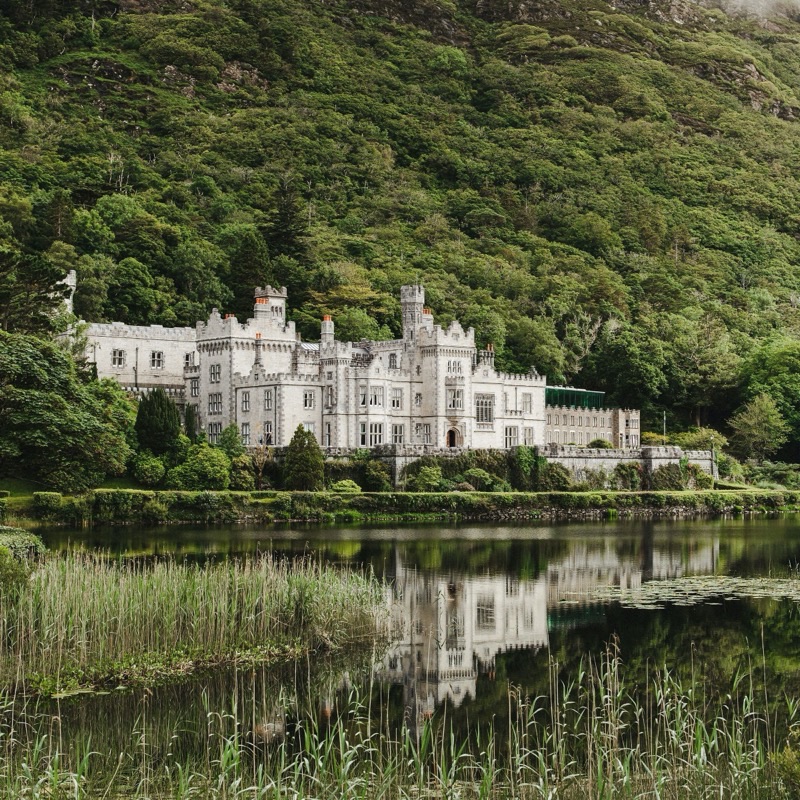
Opt for Ireland if you dream of lively pub culture, stunning green landscapes, and ancient Celtic charm. It's perfect for those who want to experience a traditional 'craic' in a Dublin pub, marvel at the dramatic Cliffs of Moher, or explore the scenic Ring of Kerry, even if it means a higher budget. Best for travelers prioritizing iconic Western European experiences and a warm, familiar welcome.
📊 Visual Scorecard
🌤 When to Visit
Average high temperatures (°C). Green = best months, orange = avoid.
Quick Comparison
| Category | Bulgaria | Ireland | Winner |
|---|---|---|---|
| Costs & Budget | Significantly cheaper across the board: accommodation, food, transport, activities. Excellent value. | Among Western Europes more expensive destinations, particularly for lodging, dining, and alcohol. | Bulgaria |
| Culture & History | Deep layers of Thracian, Roman, Byzantine, Ottoman, and Communist history; Eastern Orthodox traditions. | Rich Celtic heritage, Viking influences, medieval castles, strong literary traditions, and modern pub culture. | Bulgaria |
| Nature & Scenery | Diverse landscapes: Balkan Mountains, Rila Lakes, Black Sea coast, caves, and forests. | Famous for its emerald green rolling hills, dramatic coastal cliffs, and pristine lakes, notably the Wild Atlantic Way. | Tie |
| Food & Drink | Hearty, flavorful Balkan cuisine: grilled meats, fresh salads, dairy products, strong rakia. | Traditional pub fare, fresh seafood, hearty stews, and a global reputation for stout and whiskey. | Bulgaria |
| Getting There | Fewer direct long-haul flights, often requires one stop from North America; good connections from Europe. | Excellent direct flight connections from North America and major European hubs; generally shorter flight times. | Ireland |
| Getting Around | Affordable public transport, extensive bus network, train options. Car rental useful for remote areas. | Extensive bus and train networks but car rental is often necessary for rural exploration; left-hand driving. | Bulgaria |
| Accommodation | Wide range of affordable options from hostels to boutique hotels; excellent value for money. | Varied options, but generally higher prices for all categories; B&Bs are a prominent local feature. | Bulgaria |
| Nightlife | Lively club scene in cities like Sofia, cheap drinks, summer parties on the Black Sea coast. | Traditional pub culture with live music, social gatherings, and a strong emphasis on conversation. | Tie |
| Safety | Generally safe, but be aware of petty crime in tourist areas and occasional road safety issues. | Very safe, low crime rates, friendly locals. Typical urban precautions apply. | Ireland |
| Beaches & Coastline | Long sandy beaches along the Black Sea, major resorts like Sunny Beach, quieter coastal towns. | Rugged, dramatic Atlantic coastline with sandy coves and surfing spots, but not for swimming in warm waters. | Bulgaria |
💰 Costs & Budget
Bulgaria offers a travel budget that is hard to beat in Europe. A reasonable daily budget for a mid-range traveler is $50-80 USD (90-145 BGN), including a private room, restaurant…
Bulgaria
Ireland
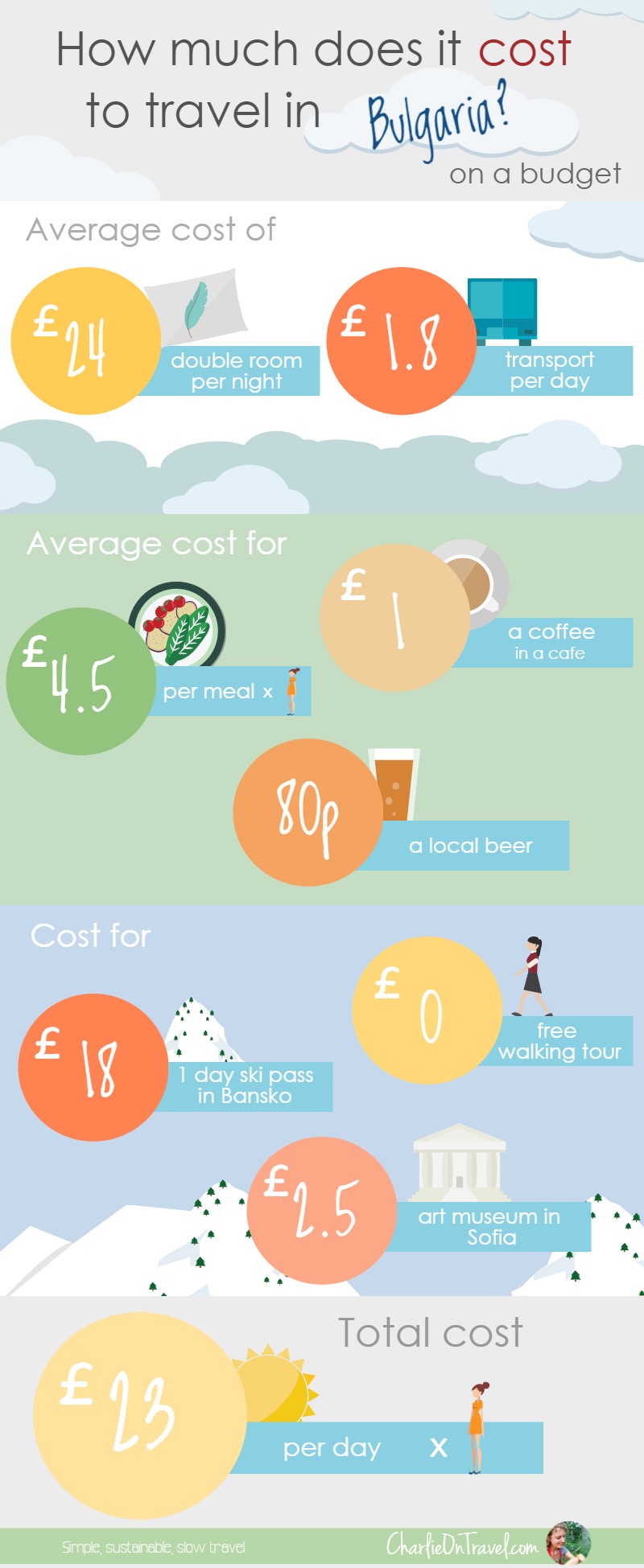
Bulgaria offers a travel budget that is hard to beat in Europe. A reasonable daily budget for a mid-range traveler is $50-80 USD (90-145 BGN), including a private room, restaurant meals, and sightseeing. For example, a hostel bed in Sofia can be $15-25 (27-45 BGN), a substantial traditional meal like Kavarma costs $8-15 (14-27 BGN), and local beer is $2-4 (3.6-7.2 BGN). Intercity buses are also very affordable, like Sofia to Plovdiv for about $8-10 (14-18 BGN). Even ski resorts like Bansko are far more economical than Alpine alternatives.
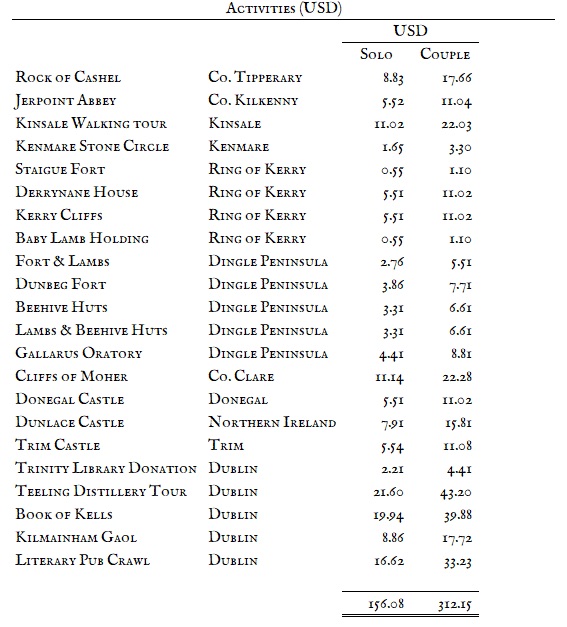
Ireland is a considerably more expensive destination. A mid-range daily budget often falls between $120-180 USD (110-165 EUR), covering a standard hotel, pub meals, and attractions. A hostel bed in Dublin typically runs $40-60 (37-55 EUR), a main course at a pub can be $18-25 (16-23 EUR), and a pint of Guinness costs $7-9 (6.5-8.3 EUR). Car rentals, which are often necessary for rural exploration, add substantial costs, easily $40-70 (37-65 EUR) per day before fuel. Attractions like the Cliffs of Moher can have entrance fees around $10-12 (9-11 EUR) per person. For budget-conscious travelers, Bulgaria is the clear choice.
- Winner: Bulgaria
- Why: Bulgaria provides a European travel experience at a fraction of the cost of Ireland, making it accessible for diverse budgets.
- Who this matters for: Budget travelers, long-term travelers, and those seeking extensive experiences without financial strain.
🏛️ Culture & History
Bulgarian history spans millennia, offering a complex narrative. Plovdiv, one of Europes oldest continuously inhabited cities, features a well-preserved Roman Amphitheater and…
Bulgaria
Ireland
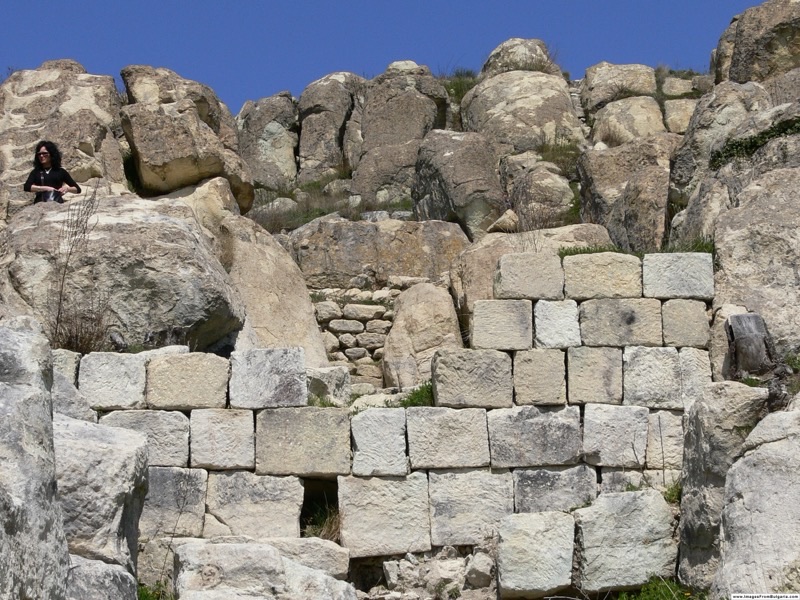
Bulgarian history spans millennia, offering a complex narrative. Plovdiv, one of Europes oldest continuously inhabited cities, features a well-preserved Roman Amphitheater and ancient Thracian ruins. Sofia presents the 4th-century St. George Rotunda Church and the imposing Alexander Nevsky Cathedral, alongside remnants of its Ottoman past and stark Communist-era architecture. The Rila Monastery, a UNESCO site, showcases stunning Eastern Orthodox art and architecture in a secluded mountain setting. This layered history provides a diverse experience from ancient civilizations to modern political shifts, often with fewer crowds than Western European sites.
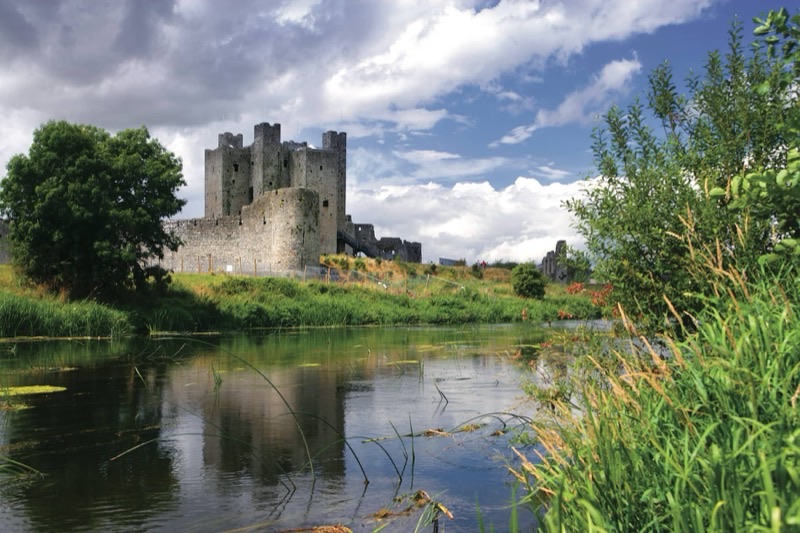
Ireland offers a distinct historical and cultural path centered around its Celtic roots. Dublin has significant literary sites, like the Dublin Writers Museum and the Book of Kells at Trinity College. Medieval castles such as Blarney Castle and Kilkenny Castle are prominent. The ancient burial site of Newgrange, older than the pyramids, gives insight into prehistoric Ireland. The pubs themselves are cultural institutions, central to social life, music, and storytelling. While Irelands history is compelling, Bulgaria offers more varied historical epochs and architectural styles in a single trip, often with a more tangible sense of ancient influence. Bulgaria wins for sheer breadth and depth of historical periods.
- Winner: Bulgaria
- Why: Bulgaria provides a broader and deeper historical journey through various empires and civilizations, from Thracian to Communist.
- Who this matters for: History buffs, architecture enthusiasts, and those interested in lesser-explored European historical narratives.
🌳 Nature & Scenery
Bulgaria offers a truly diverse natural environment. The Rila and Pirin Mountains provide serious hiking opportunities, with the Seven Rila Lakes being a popular but challenging…
Bulgaria
Ireland
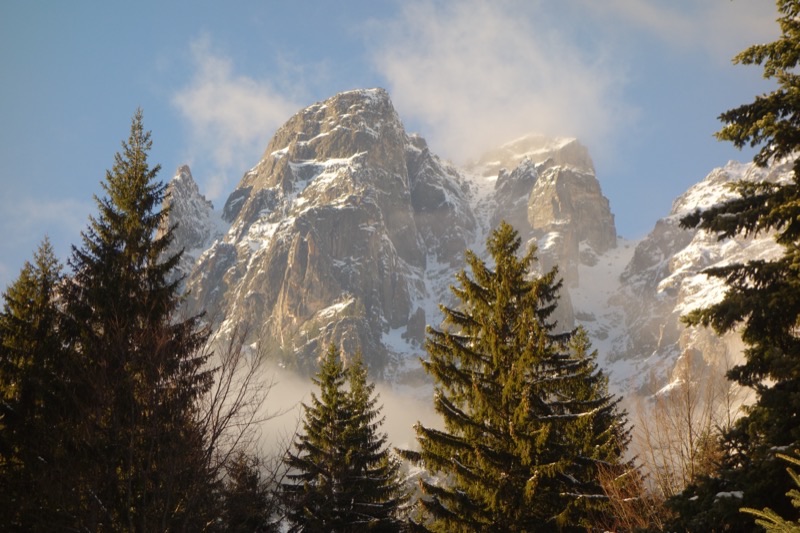
Bulgaria offers a truly diverse natural environment. The Rila and Pirin Mountains provide serious hiking opportunities, with the Seven Rila Lakes being a popular but challenging trek. The Balkan Mountains run through the countrys heart, offering scenic drives and traditional villages. Along the Black Sea, you find sandy beaches like Sunny Beach and more rugged, wild stretches. The country also has remarkable cave systems, such as Magura Cave with its prehistoric paintings, and the Devetashka Cave, which is massive and open-faced. This range means you can go from high alpine trails to sunny beaches in a single trip, often with fewer other tourists.
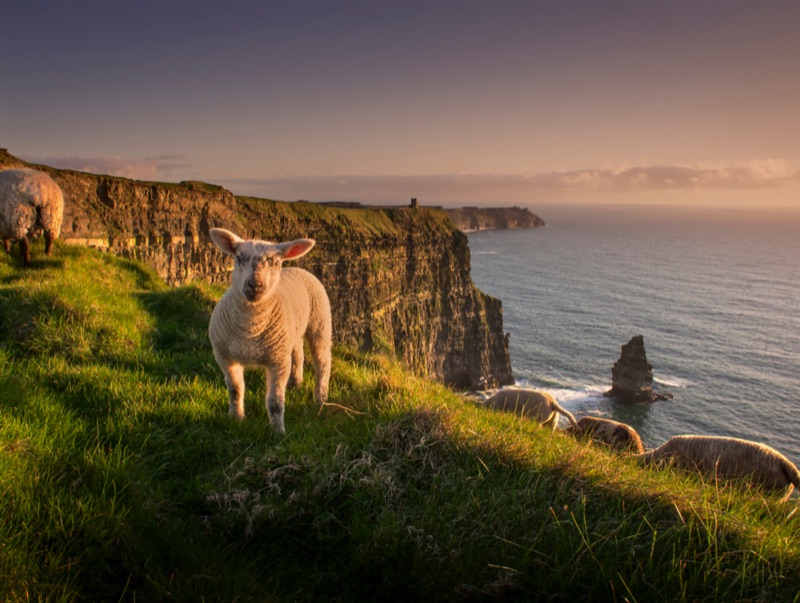
Ireland is known for its iconic green landscapes and powerful coastlines. The Cliffs of Moher are a popular attraction, dropping 214 meters into the Atlantic. The Ring of Kerry and the Dingle Peninsula offer coastal drives with views of rugged cliffs, sandy beaches, and small fishing villages. Inland, there are numerous lakes, such as those in Killarney National Park, and peat bogs. The Burren provides a unique limestone karst landscape. Both countries offer distinct natural experiences; Bulgaria's diversity in topography (mountains, sea, caves) balances Irelands iconic, consistent green beauty. Therefore, it is a tie, depending on preference for mountains and sea versus rolling hills and cliffs.
- Winner: Tie
- Why: Both countries offer compelling and distinct natural experiences; Bulgaria for mountains and coast, Ireland for iconic green landscapes and cliffs.
- Who this matters for: Hikers, photographers, road trip enthusiasts, and anyone seeking scenic outdoor activities.
🍽️ Food & Drink
Bulgarian cuisine is a highlight, offering delicious and inexpensive dishes. Expect grilled meats like kebapche and kyufte, fresh salads such as Shopska Salata (tomatoes,…
Bulgaria
Ireland
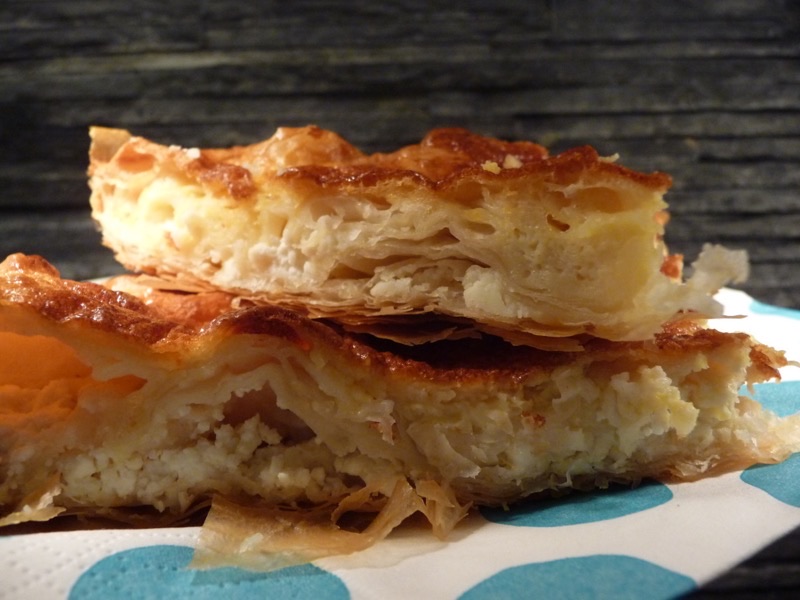
Bulgarian cuisine is a highlight, offering delicious and inexpensive dishes. Expect grilled meats like kebapche and kyufte, fresh salads such as Shopska Salata (tomatoes, cucumbers, peppers, grated sirene cheese), and yogurt-based dishes like tarator (cold cucumber soup). Banitsa, a pastry with cheese, is a breakfast staple. Wine production is ancient and improving, particularly in regions like the Thracian Valley. Rakia, a strong fruit brandy, is the traditional spirit. A full, satisfying meal in a local restaurant often costs $10-15 (18-27 BGN), including a drink. Specific places like Hadjidraganov's Cellars in Sofia offer a traditional experience.
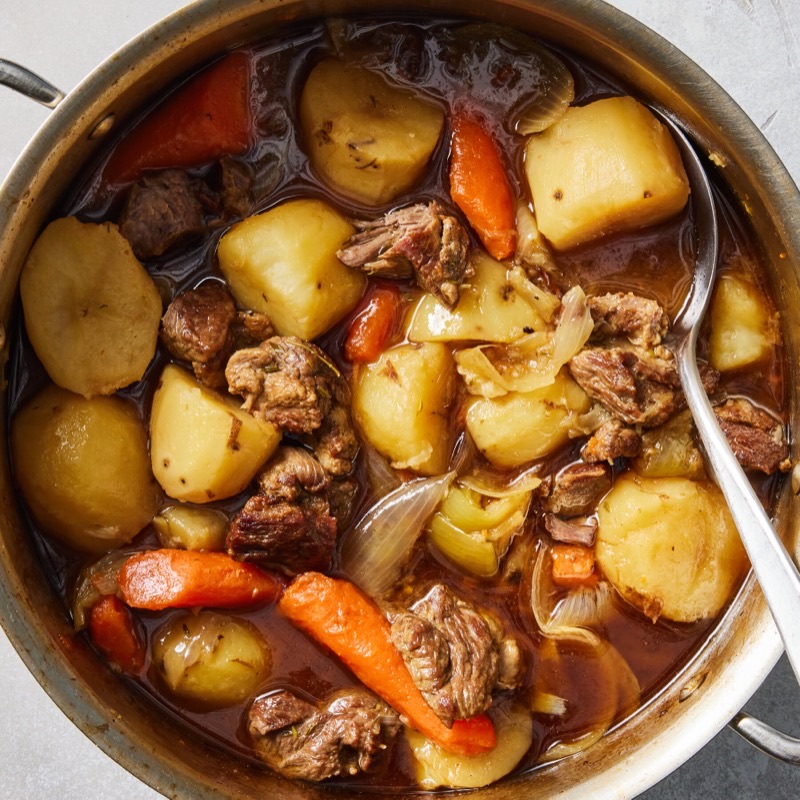
Irish food often revolves around comforting pub fare and fresh ingredients. Expect hearty stews like Irish stew, fish and chips, and fresh seafood, especially on the coast. The Full Irish Breakfast is a substantial meal. However, the true star of Irish drink is Guinness stout and Irish whiskey, found in every pub. While there are excellent high-end restaurants, everyday dining can be less varied than Bulgarian fare and significantly more expensive. A pub meal with a pint can easily cost $25-35 (23-32 EUR). For a broader, more consistently flavorful, and budget-friendly culinary journey, Bulgaria takes the win. The sheer variety and freshness of Bulgarian produce at low prices gives it an edge.
- Winner: Bulgaria
- Why: Bulgarian cuisine is more diverse, consistently flavorful, and significantly more affordable, offering better culinary value.
- Who this matters for: Foodies, budget travelers, and those interested in exploring Eastern European flavors.
✈️ Getting There
Getting to Bulgaria from North America typically involves one stop, often in a major European hub like Frankfurt, Munich, or London. A flight from New York (JFK) to Sofia (SOF)…
Bulgaria
Ireland
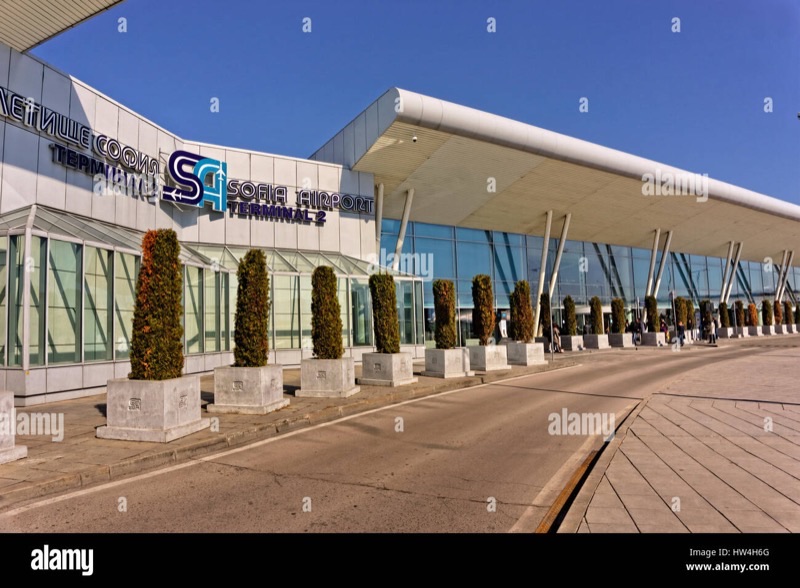
Getting to Bulgaria from North America typically involves one stop, often in a major European hub like Frankfurt, Munich, or London. A flight from New York (JFK) to Sofia (SOF) usually takes 10-12 hours, with prices ranging from $600-900 USD roundtrip. Low-cost carriers like Ryanair and Wizz Air offer numerous inexpensive flights from other European cities, making it easy to combine with other European destinations. Within Europe, flights are often just 2-3 hours, costing $50-150 USD.
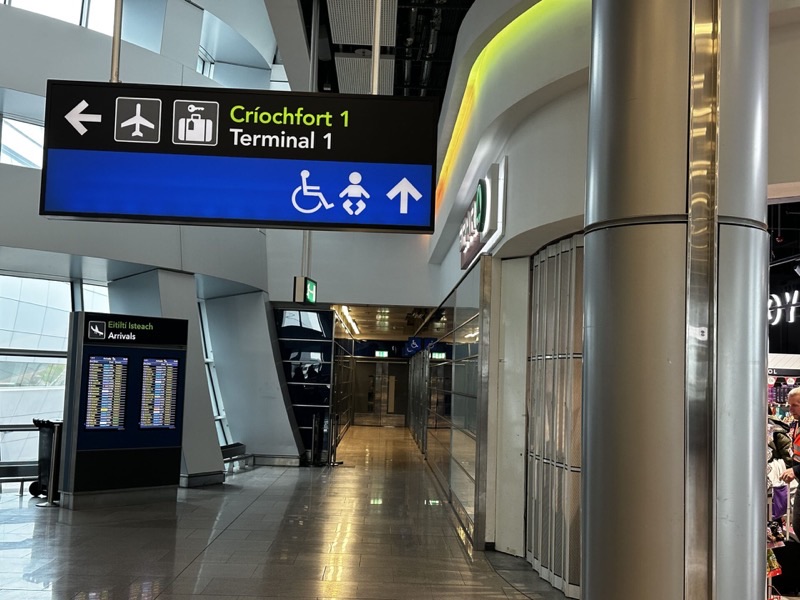
Ireland, particularly Dublin Airport (DUB), has exceptional direct flight connections from numerous North American cities, including New York, Boston, and Chicago. A direct flight from New York (JFK) to Dublin takes approximately 6-7 hours, with roundtrip tickets often available for $500-800 USD. This convenience significantly reduces travel time and layover hassles. Within Europe, Dublin is also well-connected by both full-service and budget airlines. The direct access and shorter flight times from North America make Ireland a more straightforward destination to reach for many international travelers. Ireland is easier to reach for most international travelers, especially from the Americas.
- Winner: Ireland
- Why: Ireland offers more direct flight options and shorter travel times from North America, simplifying international travel.
- Who this matters for: Travelers prioritizing convenience, direct flights, and shorter overall travel durations, especially from North America.
🚗 Getting Around
Bulgaria has an affordable and reasonably efficient public transport system. Major cities like Sofia have metro, tram, and bus networks that are inexpensive (a single ticket costs…
Bulgaria has an affordable and reasonably efficient public transport system. Major cities like Sofia have metro, tram, and bus networks that are inexpensive (a single ticket costs around $0.80-1.20 USD or 1.5-2.2 BGN). Intercity travel is primarily by bus, with frequent and reliable connections between most towns and cities (e.g., Sofia to Plovdiv for $8-10 or 14-18 BGN). Trains exist but are slower. Car rental is possible and opens up more remote areas, costing around $25-40 (45-72 BGN) per day, but roads outside main arteries can be less maintained. Navigation is generally straightforward.
Ireland has good bus and train services connecting major towns and cities. Bus Eireann provides nationwide coverage, and Irish Rail links key hubs. However, to truly explore the famous rural landscapes like the Ring of Kerry or the Wild Atlantic Way, a rental car is highly recommended. Car rental costs typically range from $40-70 (37-65 EUR) per day, plus fuel. Be aware that driving is on the left side of the road, and many rural roads are narrow and winding, which can be challenging for some international drivers. For ease of budget and less stressful navigation via public transit, Bulgaria is the winner.
- Winner: Bulgaria
- Why: Bulgaria offers a more budget-friendly and less complex public transportation system for intercity travel.
- Who this matters for: Travelers who rely on public transport, prefer not to drive, and want to keep ground transportation costs low.
🏨 Accommodation
Accommodation in Bulgaria provides exceptional value. You can find comfortable and well-rated hostels in Sofia or Plovdiv for $15-25 (27-45 BGN) a night. A decent mid-range hotel…
Accommodation in Bulgaria provides exceptional value. You can find comfortable and well-rated hostels in Sofia or Plovdiv for $15-25 (27-45 BGN) a night. A decent mid-range hotel often costs $50-80 (90-145 BGN). Even boutique hotels or apartments in prime locations are typically $80-120 (145-215 BGN). On the Black Sea coast, a summer apartment rental in Sunny Beach can be very economical. The quality for the price is consistently high, allowing travelers to upgrade their stays without significantly impacting their budget.
Ireland's accommodation sector is generally more expensive. A hostel bed in Dublin can be $40-60 (37-55 EUR), and a mid-range hotel usually starts around $120-180 (110-165 EUR). Boutique hotels in city centers can easily exceed $200 (185 EUR) per night. Bed and Breakfasts (B&Bs) are a popular and charming option in rural areas, typically costing $80-120 (74-110 EUR) per night for a double room, often including breakfast. While the quality is good, the price difference makes Bulgaria a clear winner for those prioritizing budget and getting more for their money. Bulgaria offers superior affordability and value in lodging across all categories.
- Winner: Bulgaria
- Why: Bulgaria provides significantly more affordable and higher-value accommodation options at every price point.
- Who this matters for: Budget travelers, families, and anyone looking to stretch their travel funds for comfortable stays.
🍻 Nightlife
Bulgarian nightlife can be quite energetic, especially in Sofia and on the Black Sea coast during summer. Sofia boasts a robust club scene, with places like Bedroom Premium Club…
Bulgarian nightlife can be quite energetic, especially in Sofia and on the Black Sea coast during summer. Sofia boasts a robust club scene, with places like Bedroom Premium Club and Yalta Club drawing crowds for electronic music and pop. Drinks are inexpensive; a cocktail can be $5-8 (9-14 BGN). Sunny Beach is famous for its resort-style party atmosphere, with numerous bars and open-air clubs. In smaller towns, nightlife revolves around cafes and relaxed bars. The vibe is often geared towards dancing and late nights.
Ireland's nightlife is synonymous with its pub culture. Pubs are central to social life, offering a cozy atmosphere for conversation, live traditional music (trad sessions), and of course, pints of Guinness. Dublin has countless pubs, from historic ones like The Brazen Head to modern establishments. Galway also has a reputation for its lively pub scene. While there are clubs in major cities, the defining experience is the pub. A pint is usually $7-9 (6.5-8.3 EUR). Both countries offer distinct, appealing nightlife experiences. Bulgaria excels in clubbing and affordability, while Ireland delivers on traditional pub culture. It's a tie, as the appeal depends on whether you prefer dancing and cheap drinks or a social pub atmosphere with live music.
- Winner: Tie
- Why: Both destinations offer distinct, high-quality nightlife experiences: Bulgaria for clubbing and affordability, Ireland for traditional pub culture.
- Who this matters for: Party-goers, music lovers, social travelers, and those interested in local drinking traditions.
🚨 Safety
Bulgaria is generally a safe country for travelers. Violent crime against tourists is rare. However, petty crime like pickpocketing can occur in crowded tourist areas, especially…
Bulgaria is generally a safe country for travelers. Violent crime against tourists is rare. However, petty crime like pickpocketing can occur in crowded tourist areas, especially in Sofia and on the Black Sea coast. It is advisable to be aware of your surroundings, particularly at night, and safeguard valuables. Road conditions can be variable, and driving standards differ from Western Europe, so extra caution is needed if renting a car. Taxis should be used with caution, ensuring the meter is used or a fare is agreed upon beforehand to avoid scams.
Ireland is a very safe country with low crime rates. Most visits are trouble-free. Standard precautions against petty theft in crowded urban areas like Dublin apply, but serious crime is uncommon. Locals are generally friendly and helpful. Driving on the left can be a hazard for those unfamiliar, and narrow country roads require attention, but infrastructure is sound. Public transport is secure. Travelers typically feel very comfortable and secure throughout the country. Ireland is a safer destination with fewer common traveler concerns.
- Winner: Ireland
- Why: Ireland has a lower incidence of petty crime and fewer common traveler safety concerns compared to Bulgaria.
- Who this matters for: Solo travelers, families, and those prioritizing a generally worry-free travel experience.
🏖️ Beaches & Coastline
Bulgaria offers a genuine beach holiday experience along its Black Sea coast. Sunny Beach is a major resort with long stretches of golden sand, warm waters during summer (reaching…
Bulgaria offers a genuine beach holiday experience along its Black Sea coast. Sunny Beach is a major resort with long stretches of golden sand, warm waters during summer (reaching 25°C / 77°F), and extensive amenities. Other towns like Nessebar (a UNESCO World Heritage site) and Sozopol provide more historical charm alongside their beaches. North of Varna, you find quieter, more natural beaches like those around Kavarna. The Black Sea is calm, making it suitable for swimming and water sports. The season runs from June to September, peaking in July and August. You can easily spend $30-50 (54-90 BGN) a day enjoying the beach with food and drinks.
Ireland's coastline is primarily known for its rugged beauty and dramatic cliffs. While there are numerous sandy coves and beaches, particularly along the Wild Atlantic Way (e.g., Inch Beach, Dog's Bay), they are typically more suited for surfing, walking, or appreciating the scenery rather than traditional sunbathing and swimming in warm water. The Atlantic Ocean is cold year-round, even in summer, rarely exceeding 16°C (61°F). For a classic beach vacation with warm water, sun, and extensive sandy areas for relaxation, Bulgaria is the clear winner. If you are looking for a true swimming beach experience, Bulgaria is superior.
- Winner: Bulgaria
- Why: Bulgaria offers warm, sandy beaches suitable for swimming and traditional beach holidays, which Ireland does not provide.
- Who this matters for: Beach lovers, families with children, and those seeking warm water for swimming and sunbathing.
🎯 The Decision Framework
Choose Bulgaria If…
- You want to maximize your budget and get more experiences for less money.
- You are interested in a diverse history spanning Thracian, Roman, Ottoman, and Communist eras.
- You crave hearty, flavorful Balkan cuisine and strong, cheap local drinks.
- You desire warm, sandy beaches and swimming in the Black Sea during summer.
- You enjoy exploring diverse landscapes from high mountains to coastal cliffs and caves.
- You prefer less crowded tourist sites and a more 'off-the-beaten-path' feel.
- You want a lively, affordable club scene in the cities.
- You are comfortable navigating with a mix of public transport and occasionally less-maintained roads.
Choose Ireland If…
- You dream of traditional pub culture with live music, conversation, and pints of Guinness.
- You want to experience iconic emerald green landscapes, dramatic sea cliffs like Cliffs of Moher.
- You prioritize convenience with direct, shorter flights from North America.
- You are keen on exploring ancient Celtic history, medieval castles, and literary heritage.
- You prefer a highly developed tourist infrastructure and predictable Western European standards.
- You are comfortable with higher travel costs, including accommodation, food, and car rentals.
- You plan to rent a car and drive on the left to explore scenic coastal routes.
- You prioritize a travel experience with very low crime rates and high personal safety.
📅 Sample Itineraries
Weekend in Bulgaria (3 Days)
💡 Purchase a Sofia Pass for around $25 for 3 days to get discounts on attractions and unlimited public transport, saving on individual tickets.
Weekend in Ireland (3 Days)
💡 Consider buying a Dublin Pass for €70-90 for 2 days, which provides free entry to many major attractions and can offer significant savings.
One Week in Bulgaria (7 Days)
💡 Renting a car for around $25-40 per day offers flexibility for exploring rural sites and national parks that are less accessible by public transport.
One Week in Ireland (7 Days)
💡 For a wider exploration without backtracking, consider an open-jaw flight, flying into Dublin and departing from Shannon or Cork airport.
❓ Frequently Asked Questions
What is the typical daily budget difference between Bulgaria and Ireland?
Bulgaria typically costs $50-80 USD per day for a mid-range traveler, covering accommodation, food, and activities. Ireland, in contrast, generally requires $120-180 USD per day for a similar experience. This makes Bulgaria approximately 50-70% cheaper than Ireland on a daily basis.
Which country is better for a beach vacation?
Bulgaria is significantly better for a traditional beach vacation. Its Black Sea coast offers warm waters (up to 25°C / 77°F in summer), long sandy beaches like Sunny Beach, and a lively resort atmosphere. Ireland's coastline is rugged and beautiful, but the Atlantic waters are cold year-round, typically too chilly for comfortable swimming.
Are flights to Bulgaria or Ireland more convenient from the USA?
Flights to Ireland are generally more convenient from the USA. Dublin (DUB) has numerous direct flights from major US cities, taking around 6-7 hours. Flights to Sofia (SOF) usually involve one stop and take 10-12 hours, making Ireland an easier first-entry point for many North American travelers.
Which country offers a richer historical experience?
Bulgaria offers a richer and more diverse historical experience, with visible remnants of Thracian, Roman, Byzantine, Ottoman, and Communist eras. Cities like Plovdiv and Sofia, plus sites like Rila Monastery, showcase millennia of layered history. Ireland's history is compelling, focusing on Celtic, Viking, and medieval periods, but Bulgaria's chronological breadth is greater.
Is it easy to get around Bulgaria without a car?
Yes, it is relatively easy and affordable to get around Bulgaria without a car. Cities have efficient public transport, and an extensive network of intercity buses connects most towns and attractions. A bus from Sofia to Plovdiv costs about $8-10 (14-18 BGN). Trains are also available but generally slower.
How do the food prices compare in Bulgaria vs Ireland?
Food prices are substantially lower in Bulgaria. A hearty restaurant meal in Bulgaria can cost $10-15 (18-27 BGN), while a similar meal in Ireland often costs $18-25 (16-23 EUR). Alcoholic beverages also follow this trend, with a local beer in Bulgaria costing $2-4 (3.6-7.2 BGN) versus a pint in Ireland at $7-9 (6.5-8.3 EUR).
Which country is better for hiking and outdoor activities?
Both countries offer compelling options for hiking. Bulgaria provides high alpine challenges in the Rila and Pirin Mountains (e.g., Seven Rila Lakes) and diverse landscapes. Ireland has excellent coastal walks and scenic routes like the Ring of Kerry. Bulgaria offers more varied terrain, from mountains to caves and forests, while Ireland focuses on green hills and dramatic coastlines.
What is the primary difference in nightlife between the two?
The primary difference lies in their focus: Bulgaria offers a lively club scene in cities like Sofia with very affordable drinks and summer party resorts on the Black Sea. Ireland is centered around its traditional pub culture, emphasizing social interaction, live traditional music, and a wide selection of stouts and whiskeys in a cozy setting. It depends on whether you prefer dancing or pub talks.
Ready to plan your European trip?
Get a free custom itinerary for Bulgaria, Ireland, or both — built from real traveler insights.
👥 Travelers Also Compared
🎟️ Book Tours & Experiences
Hand-picked tours and activities for both destinations — book with free cancellation
Experiences via Viator — free cancellation on most tours