How we built this comparison
This page combines traveler discussion patterns, published price ranges, flight schedules, and seasonal data to help you decide between Bulgaria and Spain.
- Reviewed 50+ Reddit threads from r/travel, r/solotravel, r/Bulgaria, r/Spain, and r/EuropeTravel
- Verified costs and logistics against current booking platforms like Booking.com, Skyscanner, and local transport sites
- Cross-referenced seasonal patterns and weather data from meteorological sources
⚡ Quick Answers
⚡ The TL;DR Verdict
For most travelers seeking sunshine, established tourism infrastructure, and diverse regional experiences without extreme budget constraints, Spain is the stronger pick. However, if your primary goal is extending your trip duration, exploring untamed landscapes, and experiencing a less trodden European path on a tighter budget, Bulgaria delivers substantial value. Spain generally provides an easier, more predictable trip.
- Choose Bulgaria: You are a budget-conscious traveler, a nature enthusiast, or someone seeking a less touristy, more authentic Eastern European experience. Expect rugged mountains, quiet villages, and a lower daily spend.
- Choose Spain: You prioritize reliable infrastructure, diverse culinary experiences, well-preserved historical sites, and a lively atmosphere. You are comfortable with a mid-range daily budget and seek established tourist amenities.
- Choose Both: If you have at least 3-4 weeks and want to experience both ends of the European spectrum, start with Bulgarias mountains and history, then fly to Spains beaches and cities. This combination offers a broad view of Europes variations.
Choose Bulgaria
Choose Bulgaria if you're a value-driven adventurer eager to explore untamed landscapes and authentic culture without breaking the bank. It's perfect for hikers wanting to conquer the Rila Mountains, history buffs seeking ancient monasteries, or anyone craving a genuine Eastern European experience, from vibrant Sofia to the serene Black Sea coast. Expect your travel budget to stretch significantly further here.
Choose Spain
Opt for Spain if you desire a vibrant blend of world-class culture, diverse cuisine, and reliable tourism infrastructure. It's ideal for foodies eager to savor tapas in Andalusia, art lovers exploring Barcelona's Modernist marvels, or those seeking lively cities and stunning Mediterranean beaches. This destination offers a seamless, enriching experience for travelers comfortable with a mid-range budget.
📊 Visual Scorecard
🌤 When to Visit
Average high temperatures (°C). Green = best months, orange = avoid.
Quick Comparison
| Category | Bulgaria | Spain | Winner |
|---|---|---|---|
| Costs & Budget | Significantly cheaper across the board: accommodation, food, transport. | Higher costs for everything, though still good value compared to Western Europe. | Bulgaria |
| Food & Drink | Hearty, meat-focused Balkan cuisine, yogurt, banitsa, rakia, local wine. | Diverse regional tapas, paella, jamon, seafood, Sangria, excellent wine culture. | Spain |
| Culture & History | Orthodox monasteries, Thracian tombs, Roman ruins, Ottoman influence, Soviet-era monuments. | Roman, Moorish, Gothic, Renaissance, and Modernist architectural styles; flamenco, bullfighting heritage. | Spain |
| Beaches & Coastline | Black Sea coast offers sandy beaches, less developed resorts, and some wild stretches. | Extensive Mediterranean and Atlantic coastlines, diverse beaches, established resorts, islands. | Spain |
| Nightlife & Entertainment | Sofia and Sunny Beach have lively clubs; more local bars elsewhere, cheaper drinks. | World-renowned clubs in Ibiza, diverse nightlife in major cities, flamenco shows. | Spain |
| Nature & Outdoors | Rila, Pirin, Rhodope Mountains for hiking, skiing; Black Sea coast; caves. | Pyrenees, Picos de Europa for hiking; Canary Islands for volcanic landscapes; extensive coastlines. | Bulgaria |
| Getting Around | Extensive, affordable bus network; cheap taxis; car rental recommended for remote areas. | Excellent, efficient train system (AVE), regional buses, good road network. | Spain |
| Accommodation | Budget-friendly hostels, guesthouses, small hotels; varied quality, less international brands. | Wide range from hostels to luxury hotels, boutique options, paradores; good standards. | Spain |
| Safety | Generally safe, but petty crime in tourist areas, road conditions can be a concern. | Generally safe, but pickpocketing in crowded areas, especially Barcelona. | Tie |
| Solo Travel | Rewarding for adventurous solo travelers; less English spoken outside cities; great value. | Excellent for solo travelers; easy to navigate, many hostels, social opportunities. | Spain |
💰 Costs & Budget
Bulgaria is a budget travelers dream. Expect to spend a comfortable $40-70 per day for mid-range travel, including guesthouse stays, restaurant meals, and local transport. Hostel…
Bulgaria
Spain
Bulgaria is a budget travelers dream. Expect to spend a comfortable $40-70 per day for mid-range travel, including guesthouse stays, restaurant meals, and local transport. Hostel beds in Sofia or Plovdiv can be found for 20-35 BGN ($11-20), while a decent hotel room is 60-100 BGN ($33-55). A substantial meal with a drink at a local restaurant costs 15-30 BGN ($8-16). Public transport in Sofia is 1.60 BGN ($0.90) per ride, and intercity buses from Sofia to Plovdiv are around 15 BGN ($8.50). This affordability makes longer trips more feasible without financial strain.
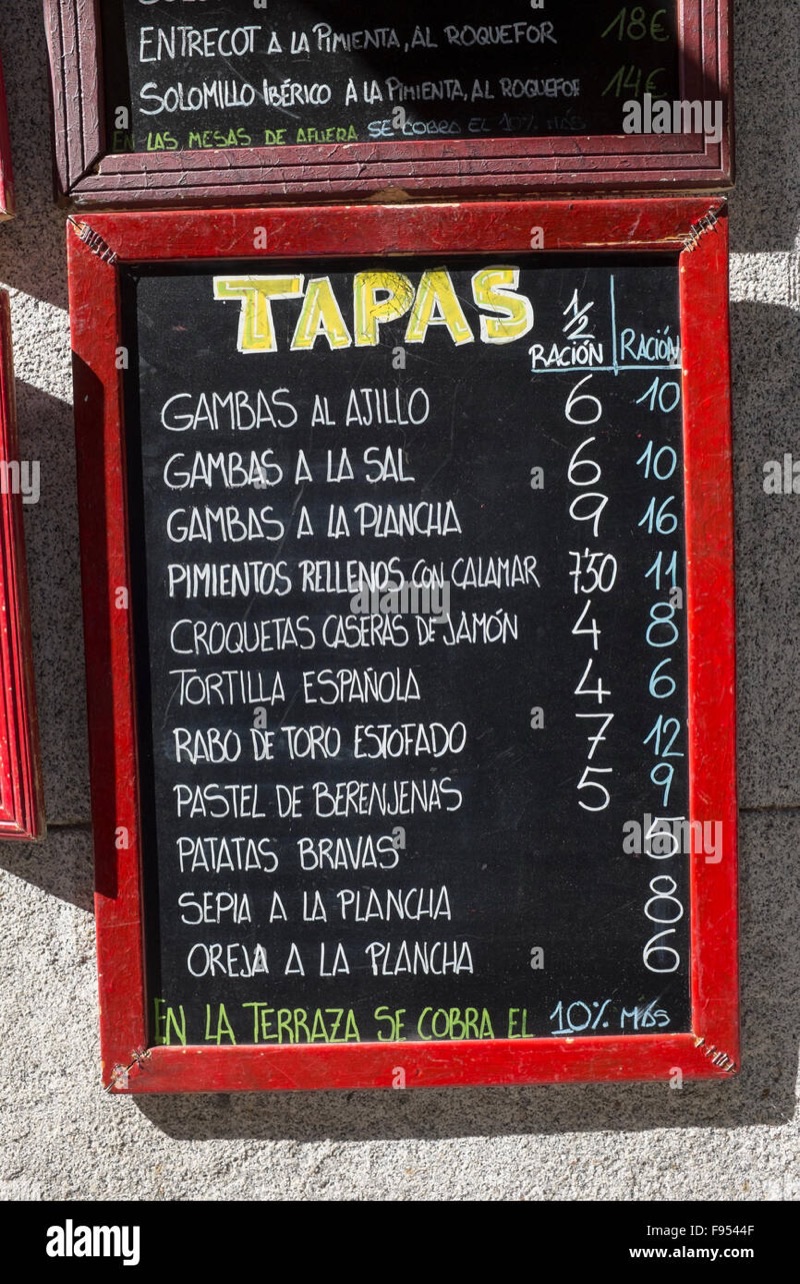
Spain operates on a higher price tier. A budget of $70-120 per day is realistic for a traveler staying in hostels, eating out often, and using public transport. Hostel dorms in Madrid or Barcelona are typically €20-40 ($22-44), and a basic hotel room starts at €60-100 ($65-110). Tapas dishes range from €3-7 ($3.30-7.70), and a main course at a casual restaurant is €12-25 ($13-27). Intercity trains like the AVE are efficient but expensive, a Madrid-Seville ticket can be €40-80 ($44-88) if not booked far in advance. Even simple things like a coffee or beer are double Bulgarias prices. Bulgaria offers superior value for money.
- Winner: Bulgaria
- Why: Bulgaria allows for a substantially longer trip or more comfortable travel on a smaller budget compared to Spain.
- Who this matters for: Budget travelers, long-term travelers, and those prioritizing cost savings.
🍽️ Food & Drink
Bulgarian food is comforting and substantial, often featuring grilled meats, fresh salads, and dairy products. Dishes like Kavarma (pork stew), Shopska Salata (cucumber, tomato,…
Bulgaria
Spain
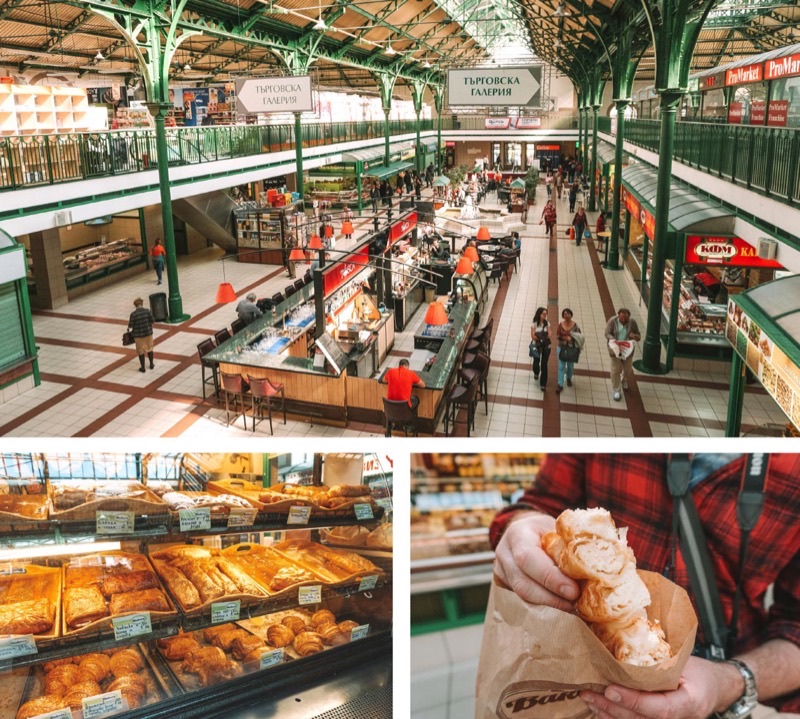
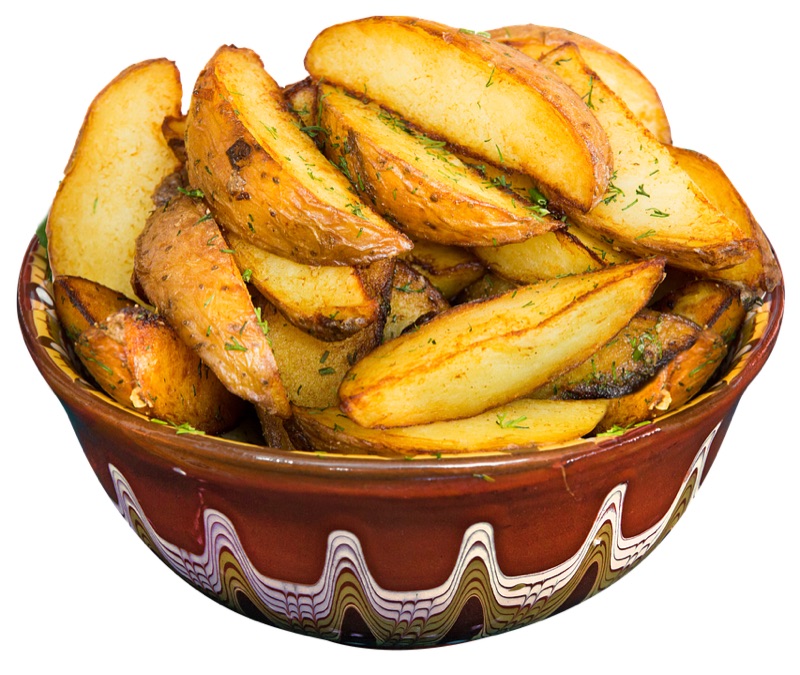
Bulgarian food is comforting and substantial, often featuring grilled meats, fresh salads, and dairy products. Dishes like Kavarma (pork stew), Shopska Salata (cucumber, tomato, pepper salad with sirene cheese), and Banitsa (cheese pastry) are staples. Yogurt is consumed widely, and local wines from areas like Melnik are gaining recognition. Rakia, a strong fruit brandy, is the traditional spirit. While delicious, the variety across regions can be less pronounced compared to Spains culinary landscape. Eating out is inexpensive, with a full meal and a local beer costing around 20-35 BGN ($11-20) in a restaurant like Hadjidraganovite Izbi in Sofia.
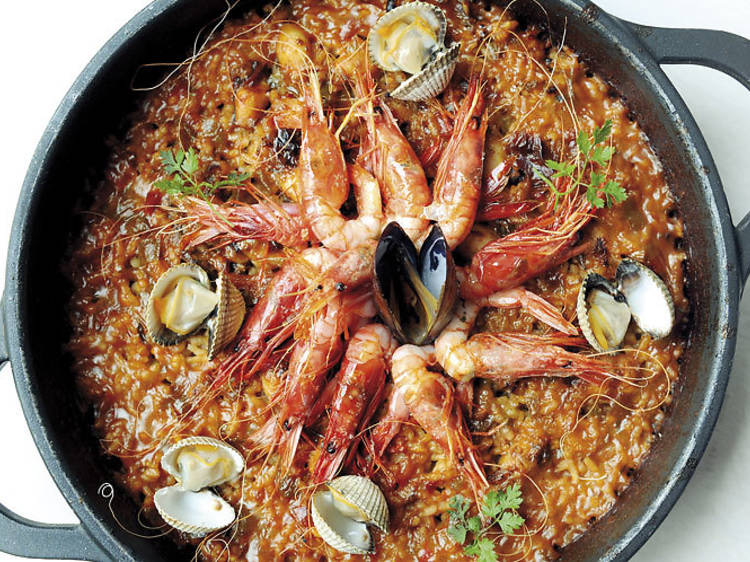
Spain boasts a culinary heritage that varies dramatically by region, from Catalonian seafood paella to Andalusian fried fish and Manchego cheese. Tapas culture is central to dining, offering a sociable way to sample many dishes. Jamon Iberico, patatas bravas, gazpacho, and churros with chocolate are iconic. Wine is integral, with regions like La Rioja and Ribera del Duero producing notable reds. The experience of hopping between tapas bars in Seville or Madrid is hard to replicate elsewhere. While more expensive, a few tapas dishes and a caña (small beer) can be found for €10-15 ($11-17), offering a wider array of flavors than Bulgarias fare. Spain wins for sheer variety and culinary innovation.
- Winner: Spain
- Why: Spain provides a far greater diversity of regional dishes, a stronger culinary scene, and a more developed food culture for travelers.
- Who this matters for: Foodies, culinary explorers, and travelers who plan their trips around eating experiences.
🏛️ Culture & History
Bulgarian history is layered, with influences from Thracians, Romans, Byzantines, Ottomans, and Soviets. The Rila Monastery is a national treasure, with its intricate frescoes and…
Bulgaria

Spain
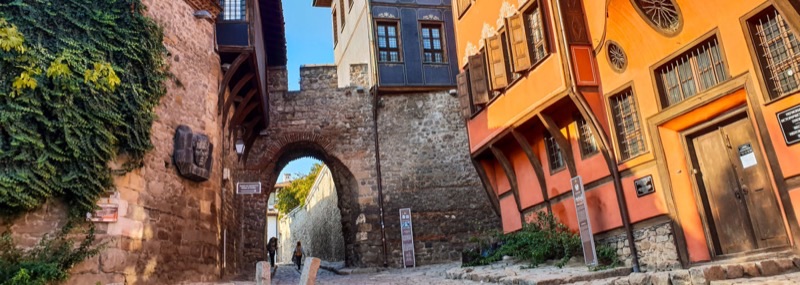
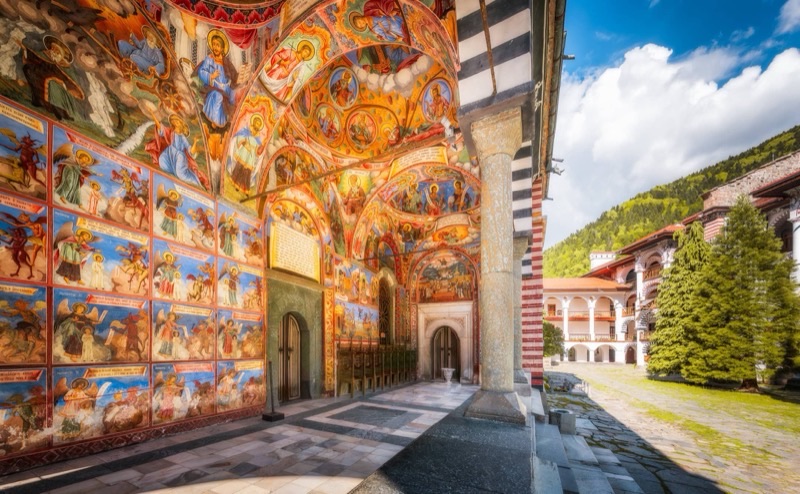
Bulgarian history is layered, with influences from Thracians, Romans, Byzantines, Ottomans, and Soviets. The Rila Monastery is a national treasure, with its intricate frescoes and mountain setting. Plovdiv offers Roman amphitheater ruins and a preserved Old Town with colorful 19th-century houses. Veliko Tarnovo, the medieval capital, holds Tsarevets Fortress. The Buzludzha Monument, a relic of the Communist era, provides a unique, if decaying, architectural experience. These sites offer a glimpse into a less-explored European past, often with fewer crowds, allowing for a more reflective experience. Tickets for most sites are typically 6-15 BGN ($3-8).
Spain presents a sweeping narrative of powerful empires and artistic movements. From the Alhambra in Granada, a masterpiece of Moorish architecture, to the Sagrada Familia in Barcelona, a Gaudi architectural wonder, and the Roman aqueduct of Segovia, the countrys historical and cultural sites are globally recognized. The Prado Museum in Madrid houses European art masterpieces. Flamenco in Andalusia, the Camino de Santiago pilgrimage route, and the numerous cathedrals like Seville Cathedral with its Giralda tower offer deep cultural engagement. Entry fees for major attractions like the Alhambra are around €15-20 ($16-22), and Sagrada Familia is €26-30 ($28-33). Spain simply has more established, high-profile cultural sites that draw global attention.
- Winner: Spain
- Why: Spain possesses a greater number of globally renowned historical sites and diverse architectural styles that are more accessible and well-preserved.
- Who this matters for: History buffs, art enthusiasts, and those seeking iconic cultural landmarks.
🏖️ Beaches & Coastline
Bulgarias Black Sea coast has sandy beaches, with popular resorts like Sunny Beach (known for parties) and Golden Sands, alongside quieter towns such as Sozopol and Nesebar.…
Bulgaria
Spain
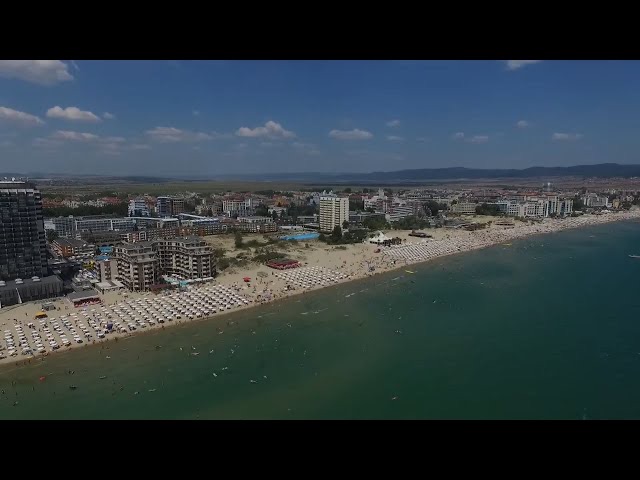
Bulgarias Black Sea coast has sandy beaches, with popular resorts like Sunny Beach (known for parties) and Golden Sands, alongside quieter towns such as Sozopol and Nesebar. Nesebar is a UNESCO-listed ancient town on a peninsula, offering historical charm alongside beach access. The coast can feel a bit dated in some areas, reminiscent of older European package tourism, but also has undeveloped stretches for those seeking solitude. For example, Kara Dere beach provides a more natural, less serviced experience. Water temperatures are pleasant in summer, reaching 24-26°C (75-79°F). Accommodation near the beach ranges from 80-150 BGN ($44-82) per night for a good hotel.
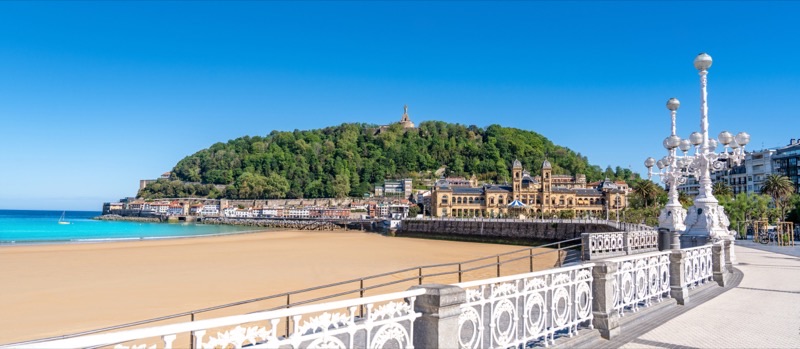
Spain offers a vast and diverse coastline along both the Mediterranean and the Atlantic. The Mediterranean side includes the Costa del Sol, Costa Brava, and Valencia, with golden sands, clear waters, and lively beach towns. The Balearic Islands (Mallorca, Ibiza, Menorca) are famous for their beaches and coves. On the Atlantic, the beaches of San Sebastian and the wilder stretches of Galicia provide different aesthetics, catering to surfers and nature lovers. Spains beaches are generally well-maintained, with good amenities and a wide range of accommodation options, from luxury resorts to budget apartments, often around €80-180 ($88-198) per night for a mid-range hotel. Spain has more varied, higher quality beach experiences, and a more developed coastal infrastructure.
- Winner: Spain
- Why: Spain offers a far more extensive and diverse range of beaches, from party resorts to quiet coves, across multiple seas, with better infrastructure.
- Who this matters for: Beach lovers, sun-seekers, families looking for coastal amenities, and those who prioritize variety in beach settings.
🌃 Nightlife & Entertainment
Bulgarias nightlife is centered in Sofia and on the Black Sea coast, particularly Sunny Beach. Sofia has a growing club scene, with venues like Yalta Club playing electronic…

Bulgaria

Spain
Bulgarias nightlife is centered in Sofia and on the Black Sea coast, particularly Sunny Beach. Sofia has a growing club scene, with venues like Yalta Club playing electronic music, and numerous bars around Vitosha Boulevard. Drinks are inexpensive; a beer is typically 3-5 BGN ($1.60-2.70), and cocktails are 10-15 BGN ($5.50-8.20). Sunny Beach is famous for its budget-friendly, high-energy party atmosphere during summer, attracting a young crowd looking for cheap drinks and large clubs. Elsewhere, nightlife is more subdued, involving local pubs and restaurants. The scene is fun but generally less sophisticated or varied than Spains offerings.
Spain is a European nightlife powerhouse. Ibiza is globally known for its superclubs like Pacha and Amnesia, attracting top DJs. Major cities like Madrid (Malasaña, La Latina districts) and Barcelona (Gothic Quarter, El Born) offer a range of options from traditional tapas bars to sophisticated cocktail lounges and large dance clubs that stay open until late morning. Flamenco shows in Andalusia provide a cultural entertainment experience, such as those at Tablao Flamenco Cordobes in Barcelona. A typical beer in a Spanish bar costs €2.50-4 ($2.70-4.40), and cocktails are €8-15 ($8.80-16.50). The sheer scale, variety, and international reputation of Spains nightlife options are unmatched. Spain wins for its comprehensive entertainment options.
- Winner: Spain
- Why: Spain offers more diverse, higher-quality, and more internationally recognized nightlife and entertainment options across its major cities and islands.
- Who this matters for: Party-goers, club enthusiasts, and those seeking varied evening entertainment options.
🏞️ Nature & Outdoors
Bulgaria is a paradise for outdoor enthusiasts, offering rugged and less crowded natural spaces. The Rila Mountains are home to the Seven Rila Lakes and the Rila Monastery, with…
Bulgaria is a paradise for outdoor enthusiasts, offering rugged and less crowded natural spaces. The Rila Mountains are home to the Seven Rila Lakes and the Rila Monastery, with trails ranging from easy walks to challenging multi-day hikes. The Pirin Mountains provide more demanding treks, including the Vihren peak. The Rhodope Mountains offer forests, caves (like Magura Cave), and traditional villages. Ski resorts like Bansko and Borovets provide winter sports at a fraction of Western European prices. The Central Balkan National Park is another large protected area with extensive hiking. These natural areas often lack extensive tourist infrastructure, offering a more raw and isolated experience. Entrance to national parks is often free or very low cost.
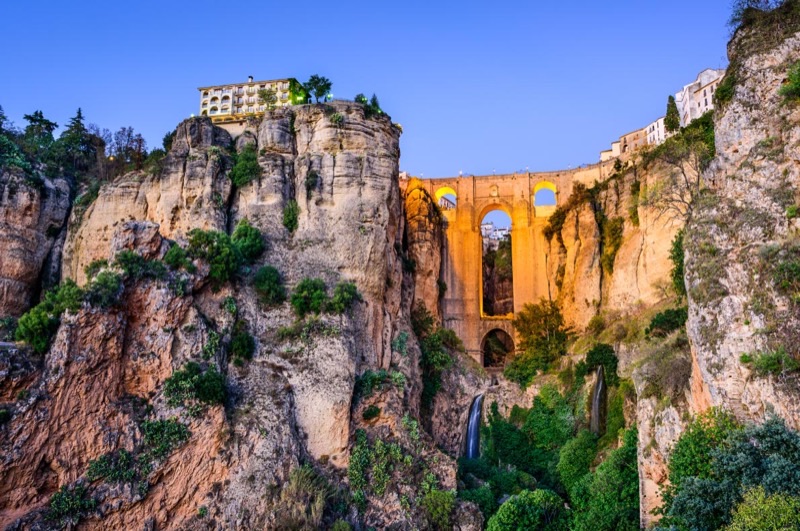
Spain also has significant natural beauty, including the Pyrenees mountains for hiking and skiing, the Picos de Europa National Park with its dramatic limestone peaks, and the volcanic landscapes of the Canary Islands (Teide National Park). The extensive coastlines provide opportunities for water sports. However, many of Spains natural parks, while stunning, are more developed for tourism and can see higher visitor numbers, especially during peak seasons. While the landscapes are impressive, they can feel less wild and remote than Bulgarias offerings. For example, a cable car ride in Picos de Europa is around €18 ($20) return. Bulgaria edges out Spain for accessible, untamed natural spaces and lower costs for outdoor activities.
- Winner: Bulgaria
- Why: Bulgaria offers a more untamed, less crowded, and significantly more affordable experience for nature and outdoor activities, particularly hiking and skiing.
- Who this matters for: Hikers, mountaineers, budget skiers, and those seeking remote natural beauty.
🚌 Getting Around
Getting around Bulgaria primarily relies on an extensive bus network connecting most towns and cities. Buses are affordable; for example, a trip from Sofia to Plovdiv costs around…
Getting around Bulgaria primarily relies on an extensive bus network connecting most towns and cities. Buses are affordable; for example, a trip from Sofia to Plovdiv costs around 15 BGN ($8.50) and takes about 2 hours. Trains exist but are slower and less reliable than buses. Taxis are cheap, but agree on a price beforehand or use ride-hailing apps like TaxiMe in cities. For exploring national parks or smaller villages, renting a car (starting around 40-60 BGN/$22-33 per day) is advisable, as public transport can be infrequent in rural areas. Road quality varies, with some rural roads being less maintained. Navigation can be challenging due to less English signage outside major cities.
Spain boasts a highly developed and efficient transportation system. The high-speed AVE train network connects major cities like Madrid, Barcelona, Seville, and Valencia quickly, though tickets can be expensive (€40-80/$44-88 for a one-way fare if not booked in advance). Regional trains and an extensive bus network (e.g., Alsa) cover other routes. Public transport within cities is excellent, with metro systems in Madrid, Barcelona, and Valencia, costing around €1.50-2.50 ($1.65-2.75) per ride. Car rental is widely available (starting around €30-50/$33-55 per day), with good road infrastructure. English signage is more common, and digital navigation is straightforward. Spain offers more reliable and faster transit options overall.
- Winner: Spain
- Why: Spain provides a more efficient, faster, and more comfortable public transportation network, especially with its high-speed rail.
- Who this matters for: Travelers prioritizing speed and comfort for intercity travel, those who prefer not to drive, and first-time international travelers.
🏨 Accommodation
Bulgarian accommodation is generally basic but clean and incredibly affordable. Hostel dorm beds are typically 20-35 BGN ($11-20) in cities. Guesthouses and small, locally run…
Bulgarian accommodation is generally basic but clean and incredibly affordable. Hostel dorm beds are typically 20-35 BGN ($11-20) in cities. Guesthouses and small, locally run hotels offer rooms for 60-100 BGN ($33-55). There are fewer international chain hotels outside of Sofia. Quality can vary, but excellent value is consistently available. For example, a charming guesthouse in Koprivshtitsa might cost 70 BGN ($38). Finding truly luxurious options outside Sofia or a few coastal resorts is less common. Many options focus on practicality and low cost.
Spain offers a comprehensive range of accommodation to suit any budget and preference. Hostels in major cities are common, with dorm beds from €20-40 ($22-44). Mid-range hotels are plentiful, often starting around €70-120 ($77-132) for a comfortable room. Boutique hotels, luxury resorts, and unique Paradores (state-run hotels in historic buildings) provide diverse, higher-end experiences. The quality and standards are consistently high, and booking platforms have extensive options. For instance, a quality hotel in a central Madrid location like Hotel Regina is easily found. Spain wins for its sheer variety, consistent quality, and wider availability of specific types of lodging.
- Winner: Spain
- Why: Spain offers a broader range of accommodation types, from budget to luxury, with consistently higher quality and more established service standards.
- Who this matters for: Travelers seeking specific hotel types (luxury, boutique), families, and those who prioritize comfort and reliability in lodging.
🚨 Safety
Bulgaria is generally a safe country for travelers. Petty crime, such as pickpocketing, can occur in crowded tourist areas of Sofia and on public transport, similar to many…
Bulgaria is generally a safe country for travelers. Petty crime, such as pickpocketing, can occur in crowded tourist areas of Sofia and on public transport, similar to many European cities. Road safety can be a concern, especially in rural areas, due to varying road quality and local driving habits. There are no specific areas to avoid as a tourist. Travelers should use common sense, be aware of their surroundings, and safeguard valuables. The overall risk level is low, but awareness is key, particularly in bustling markets or bus stations. Locals are generally helpful.
Spain is also a safe destination. The primary concern for travelers is petty theft, specifically pickpocketing in crowded tourist hotspots like Barcelonas Las Ramblas, Madrids Puerta del Sol, or on busy metro lines. These incidents are non-violent but can be disruptive. Organized groups often target unaware tourists. Otherwise, violent crime against tourists is rare. The police presence is visible in major cities. Exercise caution in crowded areas, keep belongings secure, and avoid flashing valuables. Both countries require similar levels of basic street smarts. Neither country presents unusual safety risks beyond typical urban concerns.
- Winner: Tie
- Why: Both countries are generally safe for travelers, with similar levels of petty crime in tourist areas that can be mitigated with basic precautions.
- Who this matters for: All travelers, as safety is a universal concern. Those particularly anxious about travel might find reassurance in established Spanish tourist routes.
🚶♀️ Solo Travel
Bulgaria offers a rewarding experience for the solo traveler who is a bit more adventurous. Its affordability means a solo trip wont break the bank. Hostels are available in major…
Bulgaria offers a rewarding experience for the solo traveler who is a bit more adventurous. Its affordability means a solo trip wont break the bank. Hostels are available in major cities like Sofia and Plovdiv, offering social opportunities, though the backpacker scene is smaller than in Western Europe. English is less widely spoken outside of major cities and tourist zones, which can sometimes pose a communication challenge, but locals are often willing to help. The nature and historical sites are enjoyable alone, offering quiet contemplation. Intercity buses are easy enough to navigate. Safety is generally not a concern for solo travelers, and its a good place to meet other independent travelers looking for a less conventional path.
Spain is a top-tier destination for solo travelers. Its well-established tourist infrastructure makes navigation easy, even for first-timers. There is a huge network of hostels and guesthouses, particularly in cities like Barcelona, Madrid, and Seville, which are excellent for meeting other travelers. The tapas culture facilitates solo dining, as you can easily try small dishes at a bar without feeling out of place. Public transport is efficient and straightforward. Flamenco shows, walking tours, and cooking classes offer structured ways to engage with the culture and potentially meet people. The Camino de Santiago is a renowned solo journey. English is more widely understood in tourist areas. Spain offers a more seamless and socially engaging experience for solo travelers.
- Winner: Spain
- Why: Spain provides a more developed infrastructure for solo travelers, including a larger hostel network, easier social opportunities, and simpler navigation.
- Who this matters for: First-time solo travelers, those looking for easy social interaction, and those who prioritize convenience and established support systems.
🎯 The Decision Framework
Choose Bulgaria If…
- You want a budget-friendly European trip, aiming for under $70 a day.
- You seek extensive, uncrowded hiking and outdoor adventures in mountains.
- You are interested in Orthodox monasteries and less-explored historical sites.
- You prefer less touristy destinations and a more authentic local experience.
- You appreciate hearty, comforting, and inexpensive Eastern European cuisine.
- You are comfortable with varying infrastructure quality and occasional language barriers.
- You enjoy skiing or snowboarding on a budget.
- You are a long-term traveler needing to stretch your budget further.
Choose Spain If…
- You prioritize diverse and famous historical and cultural landmarks.
- You crave varied regional cuisines and the social experience of tapas.
- You want extensive, high-quality beaches and well-developed coastal resorts.
- You are looking for world-renowned nightlife and entertainment options.
- You value efficient, modern public transportation, especially high-speed trains.
- You seek a travel experience with reliable infrastructure and widely spoken English in tourist areas.
- You enjoy a consistently lively atmosphere and vibrant city life.
- You are a solo traveler looking for easy social connections and navigation.
📅 Sample Itineraries
Weekend in Bulgaria (3 Days)
💡 Purchase a Sofia Pass for discounted public transport and museum entries, saving around $10-15 over three days if visiting multiple attractions.
Weekend in Spain (3 Days)
💡 Book high-speed train tickets for day trips like Toledo in advance online to secure better prices, potentially saving 20-30%.
One Week in Bulgaria (7 Days)
💡 Consider renting a car for the 7-day itinerary (approx. $25-35 per day) for flexibility in reaching smaller towns and natural sites, saving time on public transport connections.
One Week in Spain (7 Days)
💡 Book popular attractions like Sagrada Familia and Alhambra online several weeks in advance to avoid long queues and guarantee entry, especially during peak season.
❓ Frequently Asked Questions
Which country is better for a budget traveler?
Bulgaria is significantly better for budget travelers. You can comfortably travel for $40-70 per day, including guesthouse stays and restaurant meals. In Spain, a similar experience would cost $70-120 daily, making Bulgaria ideal for extending your trip or saving money.
What are the typical flight times and costs from major hubs?
From London, a direct flight to Sofia, Bulgaria is about 3 hours and costs £50-150 ($60-180) return. To Madrid or Barcelona, Spain, direct flights are around 2 hours and cost £80-200 ($100-240) return. From New York, flights to Sofia typically involve one stop and take 9-12 hours, costing $600-1000+. To Madrid, direct flights are 7-8 hours and cost $500-900+.
Which country has better hiking opportunities?
Bulgaria offers superior hiking for those seeking untamed, less crowded trails. The Rila and Pirin Mountains provide extensive paths through forests and to alpine lakes, often with minimal infrastructure. While Spain has the Pyrenees and Picos de Europa, Bulgarias natural areas feel more raw and are more affordable to access.
Is it easy to travel between cities in both countries?
In Bulgaria, an extensive and affordable bus network connects most cities, though trains are slower. Car rental is recommended for remote areas. Spain has an excellent high-speed train (AVE) network that connects major cities quickly but can be expensive. Its bus network is also extensive and reliable. Spain generally offers more efficient intercity travel.
Which destination is better for foodies?
Spain is the stronger choice for foodies due to its vast regional culinary diversity, from tapas culture in Andalusia to seafood paella in Valencia. Bulgaria offers hearty Balkan fare, but Spains variety, innovation, and established food scene provide a more compelling experience for culinary exploration.
What is the primary language spoken, and is English widely understood?
In Bulgaria, the primary language is Bulgarian (Cyrillic script). English is understood in major cities and tourist areas but less so in rural regions. In Spain, Spanish is the primary language. English is more widely understood in major tourist destinations and urban centers, making communication generally easier for travelers.
How do the beach experiences compare?
Spain offers a far more extensive and diverse coastline, with a greater variety of beaches along both the Mediterranean and Atlantic, including popular resorts and quiet coves, often with better infrastructure. Bulgarias Black Sea coast has sandy beaches and some charming towns like Nesebar, but generally offers a less varied or developed beach experience.
Which country has more globally recognized historical sites?
Spain has a greater number of globally recognized historical sites, including the Alhambra, Sagrada Familia, and the Roman Aqueduct of Segovia. Bulgaria offers significant historical depth with Roman ruins, Thracian tombs, and Orthodox monasteries like Rila, but these are generally less known on a global scale compared to Spains icons.
Ready to plan your European trip?
Get a free custom itinerary for Bulgaria, Spain, or both — built from real traveler insights.
👥 Travelers Also Compared
🎟️ Book Tours & Experiences
Hand-picked tours and activities for both destinations — book with free cancellation
Experiences via Viator — free cancellation on most tours