How we built this comparison
This page combines traveler discussion patterns, published price ranges, flight schedules, and seasonal data to help you decide between Bulgaria and Turkey.
- Reviewed 500+ Reddit threads from r/travel, r/solotravel, r/Bulgaria, r/Turkey, r/EuropeTravel
- Verified costs and logistics against current booking platforms (Booking.com, Skyscanner, Flixbus)
- Cross-referenced seasonal patterns and weather data from meteorological sources
⚡ Quick Answers
⚡ The TL;DR Verdict
For most travelers prioritizing affordability, direct nature access, and a more laid-back European feel, Bulgaria is the clearer choice. If you want grand scale history, diverse landscapes, and a more intense cultural experience with a larger budget, Turkey delivers. Bulgaria often comes in about 15-20% cheaper overall.
- Choose Bulgaria: You want genuine affordability, direct mountain and beach access, a slower pace, and a taste of Eastern European culture without the crowds.
- Choose Turkey: You prioritize grand historical sites, significant cultural depth, diverse regional experiences from coast to desert, and dont mind a slightly higher budget.
- Choose Both: If you have 3+ weeks, consider flying into Istanbul (IST), spending a week there, then taking an overnight bus or a cheap flight to Sofia (SOF) or Varna (VAR) to explore Bulgaria for another 10-14 days.
Choose Bulgaria
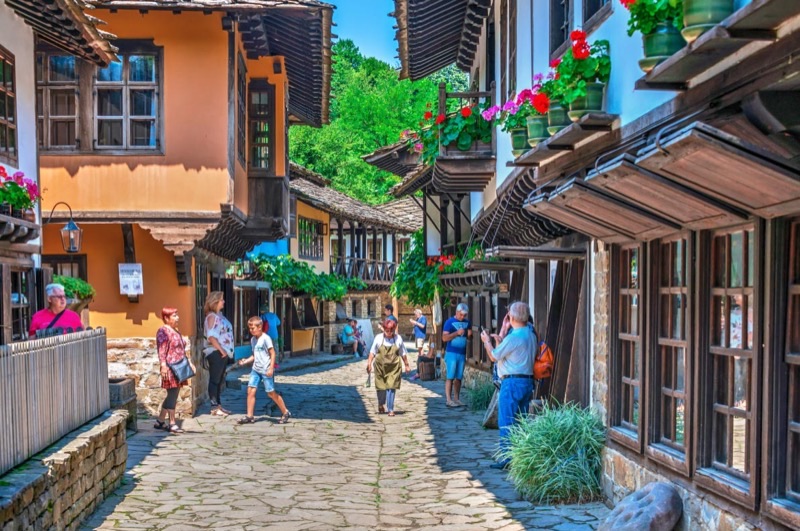
Choose Bulgaria if you're a budget-conscious traveler seeking unspoiled nature and genuine Eastern European charm. It's perfect for hiking in the Rila Mountains, unwinding on the quieter Black Sea beaches around Sozopol, or exploring the ancient streets of Plovdiv. Expect excellent value and a more laid-back, authentic cultural immersion, ideal for those who prefer a slower pace over bustling crowds.
Choose Turkey
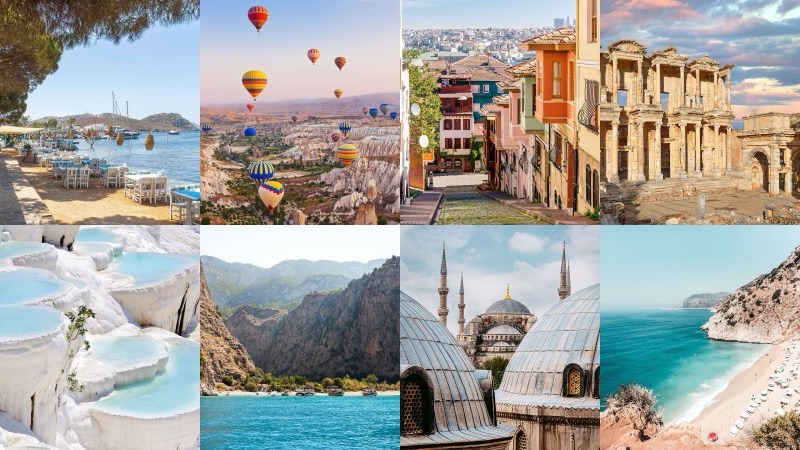
Opt for Turkey if you crave an immersive journey through grand history and incredibly diverse landscapes. It's best for adventurers and culture enthusiasts ready to explore Istanbul's iconic Hagia Sophia and Grand Bazaar, marvel at Cappadocia's unique fairy chimneys, or delve into the ancient ruins of Ephesus. Prepare for a more intense, vibrant cultural experience that offers immense depth for a slightly higher but well-justified budget.
📊 Visual Scorecard
🌤 When to Visit
Average high temperatures (°C). Green = best months, orange = avoid.
Quick Comparison
| Category | Bulgaria | Turkey | Winner |
|---|---|---|---|
| Costs & Budget | Generally lower prices for accommodation, food, and transport. Daily budget around $50-80. | Affordable outside Istanbul, but major cities and tourist zones can increase costs. Daily budget around $60-90. | Bulgaria |
| Food & Drink | Hearty, meat-focused Eastern European cuisine; banitsa, shopska salad, rakia. Craft beer scene growing. | Diverse, regional, fresh Mediterranean and Middle Eastern influences; kebaps, mezes, baklava. Ayran and Turkish tea. | Turkey |
| Culture & History | Ancient Thracian, Roman, Byzantine, and Ottoman influences. Orthodox monasteries, Communist-era monuments. | Successor to mighty empires (Hittite, Greek, Roman, Byzantine, Ottoman). Grand scale, millennia of layers, religious diversity. | Turkey |
| Nature & Outdoors | Mountains (Rila, Pirin, Balkan), national parks, hiking, skiing. Seven Rila Lakes, Belogradchik Rocks. | Diverse landscapes: Cappadocia's fairy chimneys, Pamukkale's terraces, Black Sea forests, Mediterranean beaches, Eastern Anatolian mountains. | Turkey |
| Beaches & Coast | Black Sea coast, Sunny Beach and Golden Sands for parties, quieter spots like Sozopol and Nesebar for charm. | Mediterranean, Aegean, and Black Sea coasts. Oludeniz, Antalya, Bodrum, Marmaris for resorts and clear waters. Northern Black Sea is less developed. | Turkey |
| Getting There & Around | Sofia Airport (SOF) is main hub, Varna (VAR) and Burgas (BOJ) for coast. Buses and trains for intercity. | Istanbul (IST/SAW) are major international hubs. Extensive domestic flight network, good intercity buses. Trains are less comprehensive. | Turkey |
| Accommodation | Good value for money. Hostels, guesthouses, small hotels. Black Sea resorts are seasonal. | Wide range from budget hostels to luxury resorts. Boutique hotels in historical areas, cave hotels in Cappadocia. | Turkey |
| Nightlife | Sofia has a focused scene; bars, clubs, some craft beer. Sunny Beach is a party destination. | Istanbul has a diverse, lively scene; rooftop bars, clubs, live music. Resort towns offer entertainment. | Turkey |
| Safety | Generally safe, but watch for petty crime in tourist areas. Road safety can be a concern outside cities. | Generally safe for tourists, but political tensions and scams exist. Standard precautions are advised. | Tie |
| Solo Travel | Easy to navigate, budget-friendly, good for meeting others in hostels. Language barrier can exist. | Easy to navigate, very welcoming, but can attract more attention. Good hostel scene in major cities. | Tie |
| Weather & Seasons | Continental climate; hot summers, cold winters with snow. Spring/autumn are mild and pleasant. | Diverse climates; hot, dry Mediterranean summers, cold Eastern winters. Spring/autumn are ideal. | Tie |
💰 Costs & Budget
Bulgaria is consistently one of Europes most budget-friendly destinations. You can find hostel beds for 20-35 BGN ($11-20), a decent hotel room in Sofia for 80-120 BGN ($44-66),…
Bulgaria
Turkey
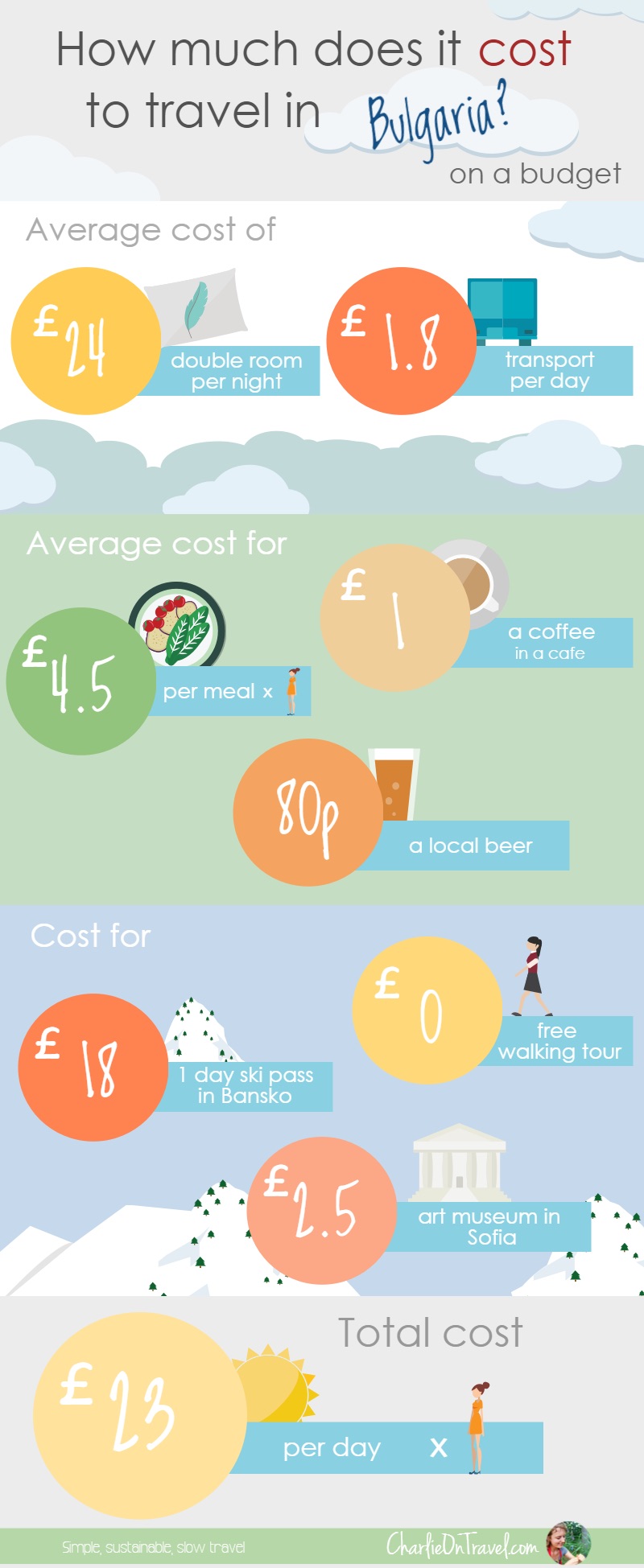
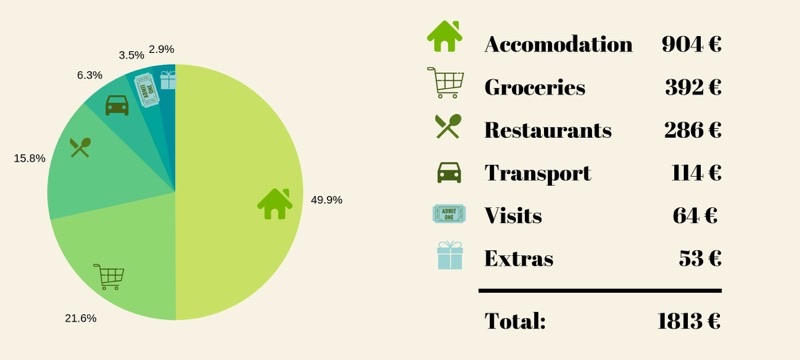
Bulgaria is consistently one of Europes most budget-friendly destinations. You can find hostel beds for 20-35 BGN ($11-20), a decent hotel room in Sofia for 80-120 BGN ($44-66), and a proper meal with a drink for 20-35 BGN ($11-20) in non-tourist spots. Public transport in cities like Sofia is 1.60 BGN ($0.90) per ride. A weekly grocery shop might be 60-90 BGN ($33-50) for one person. Activities like entry to Rila Monastery or a museum are usually under 15 BGN ($8).
Turkey also offers good value, especially outside Istanbul and the peak season spots like Cappadocia or Antalya. Istanbul hostel beds average 150-300 TRY ($5-10), and mid-range hotels are 800-1500 TRY ($27-50). A local meal (e.g., a doner plate) can be 100-200 TRY ($3.50-7), but a restaurant meal in Sultanahmet might be 400-800 TRY ($14-27). Public transport in Istanbul is around 17.70 TRY ($0.60) per ride with an Istanbulkart. Domestic flights are reasonably priced, often 600-1500 TRY ($20-50). The current exchange rate makes Turkey highly affordable for many, but inflation is a factor. Tabiji verdict: Bulgaria wins for predictable, consistently lower costs across the board.
- Winner: Bulgaria
- Why: Bulgaria offers a lower baseline cost for accommodation, food, and activities, making it easier to stick to a tight budget.
- Who this matters for: Budget-conscious travelers, backpackers, and those planning longer trips.
🍽️ Food & Drink
Bulgarian food is comforting and substantial. Expect grilled meats (kebapche, kyufte), yogurt-based dishes (tarator), and salads (shopska salad with fresh tomatoes, cucumbers, and…
Bulgaria
Turkey
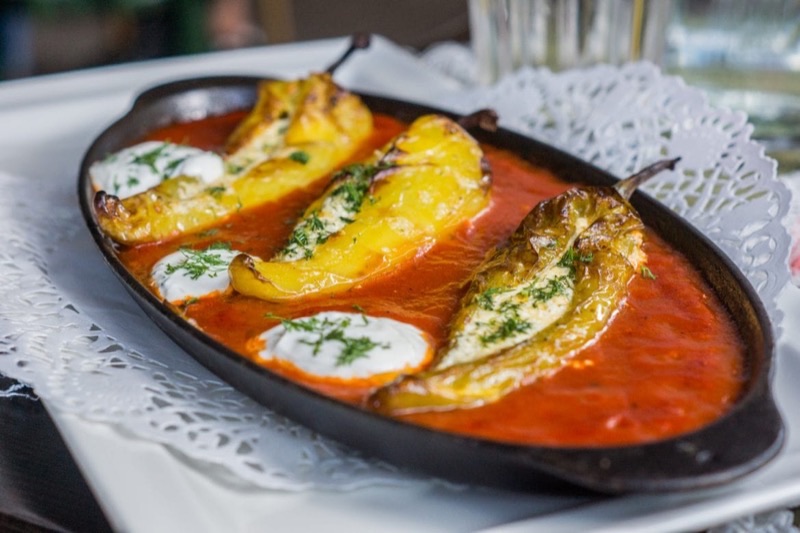
Bulgarian food is comforting and substantial. Expect grilled meats (kebapche, kyufte), yogurt-based dishes (tarator), and salads (shopska salad with fresh tomatoes, cucumbers, and sirene cheese). Banitsa, a pastry with cheese, is a breakfast staple. Rakia is the national spirit, strong and widely consumed. Bulgarian wine production is improving, especially in regions like Melnik. Sofia has a growing selection of craft beer bars, but traditional food is the main attraction, found cheaply at places like Hadjidraganovite Izbi.
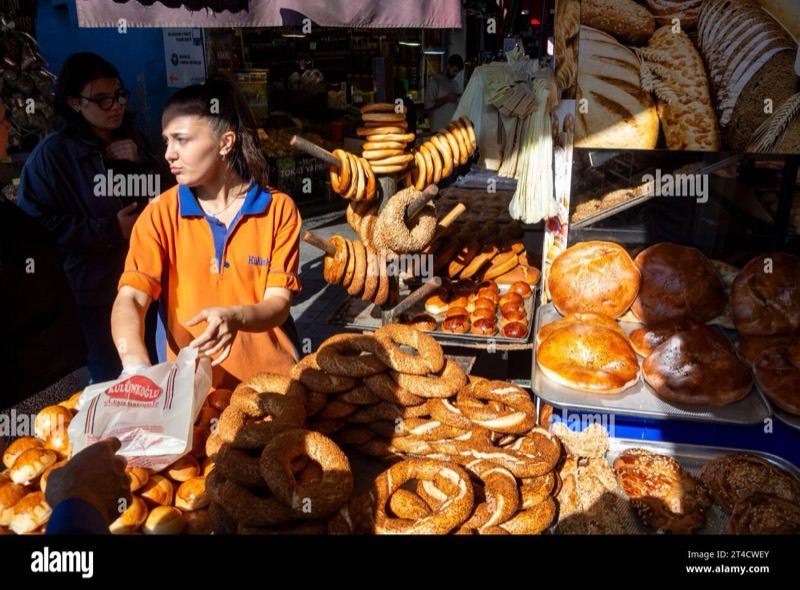
Turkish food is a culinary highlight with vast regional differences. From the kebaps and mezes of Istanbul and Anatolia to the olive oil dishes of the Aegean coast and the seafood of the Black Sea, variety is endless. Try Iskender Kebap in Bursa, Lahmacun from a street vendor for 40-70 TRY ($1.50-2.50), or a traditional Turkish breakfast (kahvaltı) with dozens of small dishes. Turkish tea (çay) is consumed constantly, and Turkish coffee is a ritual. Baklava and künefe satisfy sweet cravings. Istanbul alone provides endless options from simple lokantas to upscale dining. Tabiji verdict: Turkey provides a more varied and globally recognized culinary journey, with wider appeal.
- Winner: Turkey
- Why: Turkey's culinary landscape is broader, more diverse, and offers a greater range of globally recognized dishes and regional specialties.
- Who this matters for: Foodies, travelers seeking diverse flavors, and those interested in a deep dive into local gastronomy.
🏛️ Culture & History
Bulgaria offers a layered history, often less explored than its Western European counterparts. You can find ancient Thracian tombs (e.g., Kazanlak), Roman ruins in Plovdiv (Roman…
Bulgaria
Turkey
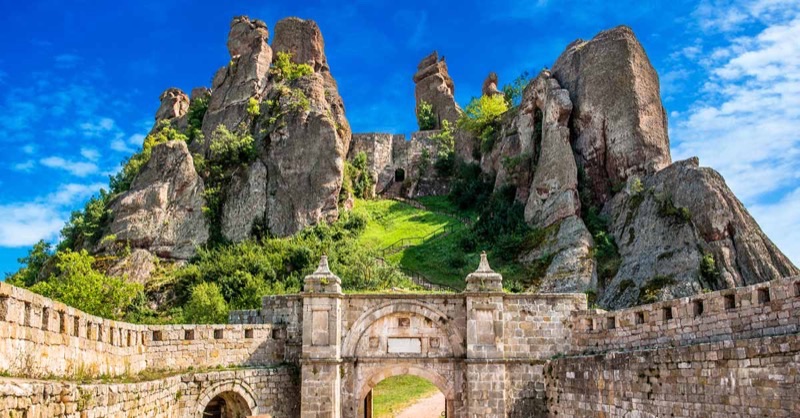
Bulgaria offers a layered history, often less explored than its Western European counterparts. You can find ancient Thracian tombs (e.g., Kazanlak), Roman ruins in Plovdiv (Roman Theatre, Stadium), medieval Orthodox monasteries like Rila Monastery and Bachkovo, and Ottoman architecture in cities like Veliko Tarnovo. Sofia features the Aleksander Nevski Cathedral and various Communist-era monuments, providing a glimpse into its recent past. The Cyrillic alphabet is a cultural marker. History feels personal and accessible, without overwhelming crowds.
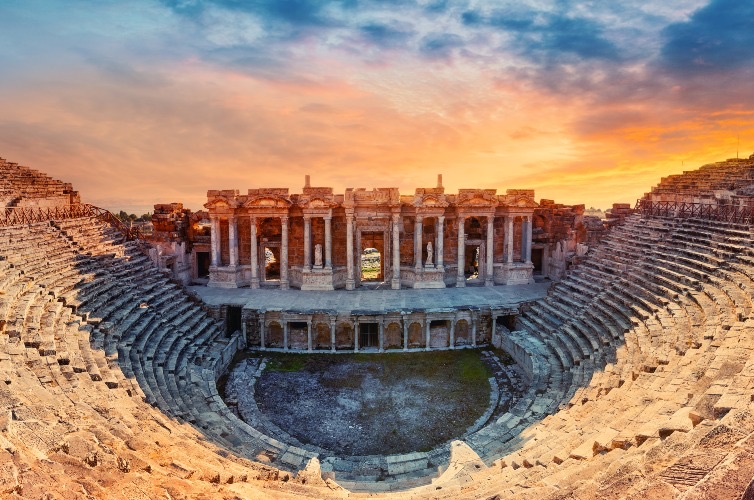
Turkey's historical scope is immense. Istanbul alone has Hagia Sophia, Blue Mosque, Topkapi Palace, and the Grand Bazaar, reflecting Byzantine and Ottoman eras. Beyond Istanbul, you find the ancient city of Ephesus, the Trojan ruins, the Hittite capital of Hattusa, and the cave churches of Cappadocia. Gobeklitepe is one of the oldest known temples in the world. The country is dotted with Roman aqueducts, Greek theaters, and Crusader castles. The scale and preservation of historical sites in Turkey are genuinely impressive. Tabiji verdict: Turkey offers a grander historical narrative and more globally significant sites.
- Winner: Turkey
- Why: Turkey holds a significantly larger number of major historical and archaeological sites, representing a broader sweep of civilizations.
- Who this matters for: History enthusiasts, archaeologists, and travelers seeking encounters with ancient empires.
⛰️ Nature & Outdoors
Bulgaria is a paradise for hikers and winter sports lovers. The Rila and Pirin mountains offer extensive trail networks, including routes to the Seven Rila Lakes and Musala Peak,…
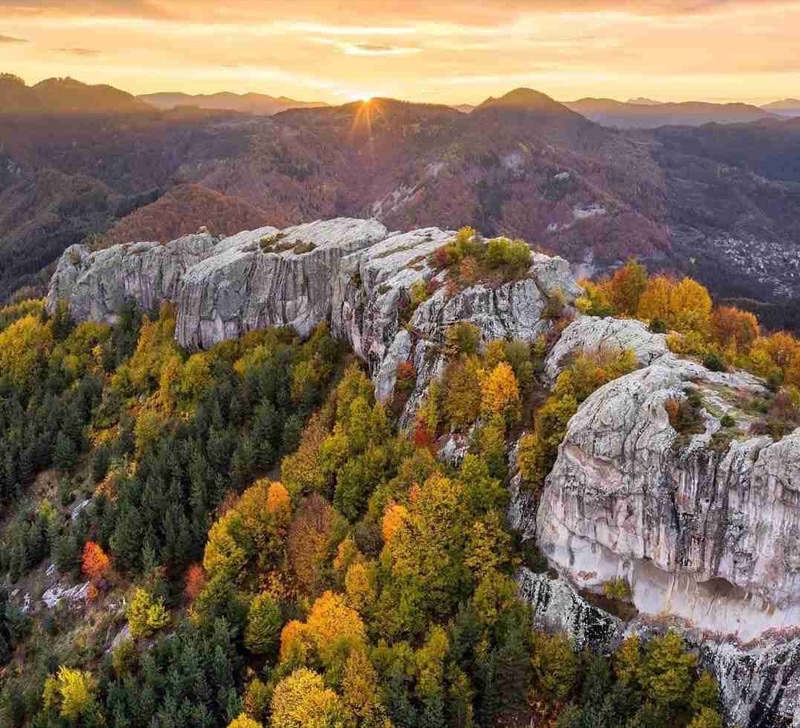
Bulgaria
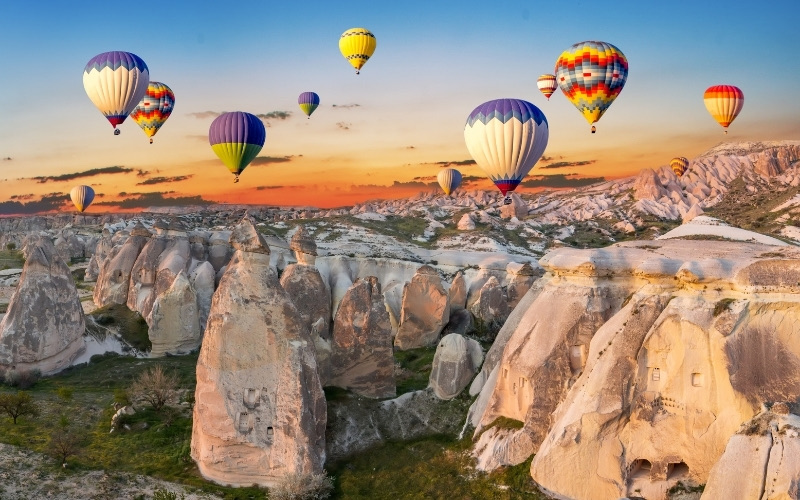
Turkey
Bulgaria is a paradise for hikers and winter sports lovers. The Rila and Pirin mountains offer extensive trail networks, including routes to the Seven Rila Lakes and Musala Peak, the highest point in the Balkans. Bansko and Borovets are popular ski resorts. The Central Balkan National Park and Pirin National Park protect diverse ecosystems. The Belogradchik Rocks are a unique rock formation. The Black Sea coast has sandy stretches, though development varies. Nature feels raw and accessible, often without entrance fees for hiking trails.
Turkey's natural features are diverse and widely publicized. Cappadocia's unique 'fairy chimney' rock formations and hot air balloon rides are famous. Pamukkale's white travertine terraces are a unique geothermal formation. The Mediterranean coast (Lycian Way, Oludeniz) combines hiking with clear waters. The Kaçkar Mountains in the northeast offer serious trekking, while the Black Sea coast has lush, green mountains. From semi-arid plains to alpine forests, Turkey has a range of outdoor environments. Tabiji verdict: Turkey offers a more geographically varied and iconic collection of natural landscapes.
- Winner: Turkey
- Why: Turkey presents a wider array of globally recognized and unique natural formations, from geological wonders to diverse coastlines.
- Who this matters for: Nature photographers, adventure seekers, and those who prioritize unique geological formations.
🏖️ Beaches & Coast
Bulgaria's Black Sea coast is a mixed bag. Sunny Beach is known for its party atmosphere and budget-friendly resorts, attracting a younger crowd. Golden Sands offers a similar…
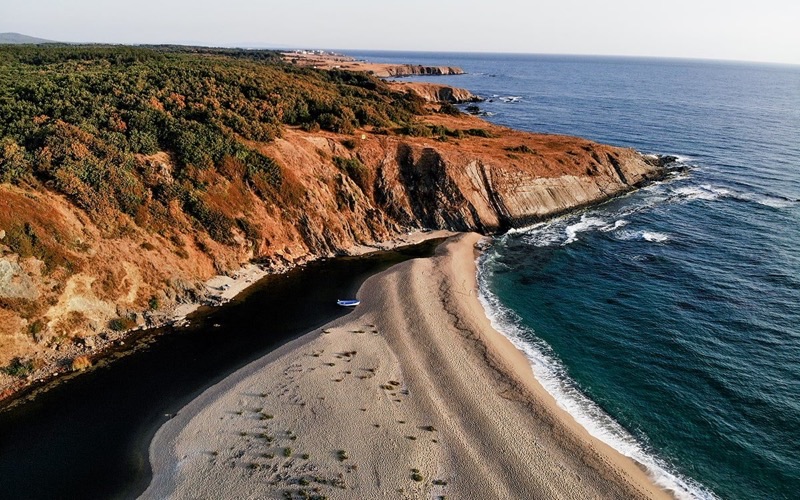
Bulgaria
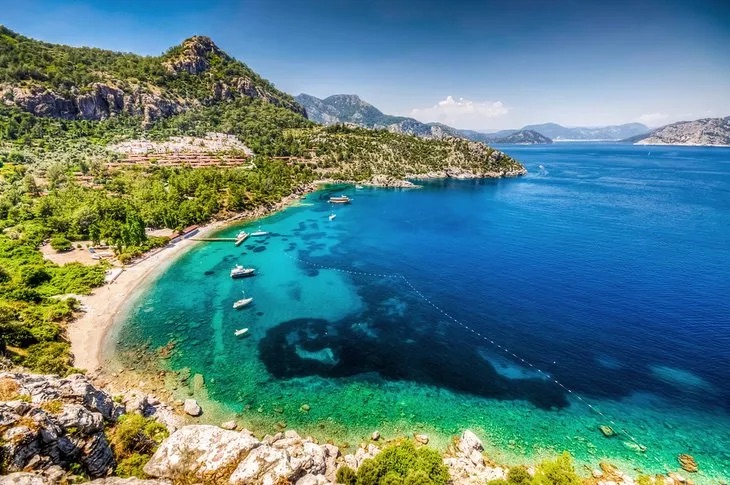
Turkey
Bulgaria's Black Sea coast is a mixed bag. Sunny Beach is known for its party atmosphere and budget-friendly resorts, attracting a younger crowd. Golden Sands offers a similar experience further north. For a quieter, more traditional feel, towns like Sozopol and Nesebar (a UNESCO site) offer historical charm, cobbled streets, and smaller sandy areas. The water is generally calm, and the sand is fine. Prices for beachside accommodation and food are lower than in Western Europe.
Turkey boasts extensive coastlines on the Mediterranean, Aegean, and Black Seas, offering a broader range of beach experiences. The Mediterranean coast around Antalya and Fethiye (Oludeniz with its Blue Lagoon) has clear, warm waters and dramatic cliffs. The Aegean coast (Bodrum, Marmaris, Alaçatı) is known for its resort towns, yachting, and watersports. Beaches range from sandy stretches to pebble coves. Water quality is generally high. The Turkish Riviera has a well-developed tourism infrastructure with many options for hotels and activities. Tabiji verdict: Turkey's diverse coastal options and clear waters are more appealing.
- Winner: Turkey
- Why: Turkey's Mediterranean and Aegean coasts offer more extensive, higher quality beaches and better infrastructure for beach holidays.
- Who this matters for: Beach lovers, families seeking resort options, and those interested in watersports.
✈️ Getting There & Around
Getting to Bulgaria is typically via Sofia Airport (SOF), with direct flights from most major European cities (e.g., London to Sofia ~3 hours, often under $100 with low-cost…
Getting to Bulgaria is typically via Sofia Airport (SOF), with direct flights from most major European cities (e.g., London to Sofia ~3 hours, often under $100 with low-cost carriers). Varna (VAR) and Burgas (BOJ) serve the Black Sea coast. Once inside, intercity buses are the most efficient way to travel, connecting all major towns and cities at low cost (e.g., Sofia to Plovdiv ~2 hours, 15-20 BGN / $8-11). Trains exist but are slower and less reliable. Rental cars are an option for rural exploration but roads can be variable. Ride-sharing apps work in Sofia.
Turkey has two major international airports in Istanbul (IST and SAW), which are global hubs, making international access very straightforward from nearly anywhere. Domestic flights are frequent and affordable, connecting Istanbul to Antalya, Izmir, Cappadocia, and more (e.g., Istanbul to Cappadocia ~1.5 hours, 600-1500 TRY / $20-50). The intercity bus network is extensive, comfortable, and efficient, covering almost every corner of the country (e.g., Istanbul to Cappadocia ~10-12 hours, 700-1200 TRY / $23-40). Public transport in major cities is good, especially Istanbul's metro, tram, and ferry system. Rental cars are common for exploring regions like Cappadocia or the Aegean coast. Tabiji verdict: Turkeys superior international and domestic connectivity makes travel easier.
- Winner: Turkey
- Why: Turkey's status as a major air hub with an extensive and efficient domestic flight and bus network simplifies travel significantly.
- Who this matters for: Travelers prioritizing easy international access, efficient internal travel, and wide route availability.
🏨 Accommodation
Bulgaria offers solid accommodation options for the price. Hostels in Sofia or Plovdiv are typically clean and well-located, costing 20-35 BGN ($11-20) per night for a dorm.…
Bulgaria offers solid accommodation options for the price. Hostels in Sofia or Plovdiv are typically clean and well-located, costing 20-35 BGN ($11-20) per night for a dorm. Mid-range hotels in city centers are 80-120 BGN ($44-66) and often include breakfast. Guesthouses in rural areas or smaller towns like Veliko Tarnovo provide a local experience. During summer, Black Sea resorts have many hotel options, though quality can vary. Booking ahead, especially for smaller towns, is wise during peak season.
Turkey has a vast and varied accommodation sector. Istanbul offers everything from budget hostels (150-300 TRY / $5-10) to luxury international chains and charming boutique hotels in areas like Sultanahmet (1500-3000 TRY / $50-100). Cappadocia is known for its unique cave hotels (2000-5000+ TRY / $65-170+). Resort towns along the Mediterranean and Aegean coasts have a full spectrum of all-inclusive resorts. The standard of accommodation for the price is generally high, with excellent service often included. Tabiji verdict: Turkey provides a more diverse range of higher-quality and unique accommodation experiences.
- Winner: Turkey
- Why: Turkey offers a broader selection of accommodation types, including unique options like cave hotels, and generally higher standards across price points.
- Who this matters for: Travelers seeking unique stays, luxury options, or a wide array of choices for all budgets.
🍻 Nightlife
Sofia's nightlife is centered around the student district and city center, with a mix of casual pubs, cocktail bars, and clubs that stay open late. Craft beer bars like White…
Sofia's nightlife is centered around the student district and city center, with a mix of casual pubs, cocktail bars, and clubs that stay open late. Craft beer bars like White Stork provide local brews. Music ranges from pop to techno. Sunny Beach on the Black Sea coast is Bulgaria's primary party destination, attracting European youths with many clubs and bars. Outside these two areas, nightlife is more subdued, often revolving around local taverns. Prices for drinks are generally low, with a local beer costing 4-7 BGN ($2-4).
Istanbul's nightlife is extensive and varied, catering to all tastes. Beyoğlu and Kadıköy are central hubs for bars, clubs, and live music venues. Rooftop bars with Bosphorus views are popular. Many venues feature Turkish pop or international DJs. Beyond Istanbul, resort towns like Bodrum and Marmaris have active club scenes during summer. Even in more conservative areas, local tea houses (kahvehane) and family-friendly eateries stay open late. A local beer might cost 100-180 TRY ($3.50-6). Tabiji verdict: Turkeys larger cities offer more diverse and generally more sophisticated nightlife options.
- Winner: Turkey
- Why: Turkey, particularly Istanbul, offers a larger, more diverse, and more sophisticated nightlife scene with a wider range of venues and experiences.
- Who this matters for: Party-goers, social travelers, and those who enjoy evenings out with diverse entertainment options.
🚨 Safety
Bulgaria is generally safe for tourists. Petty crime like pickpocketing can occur in crowded areas of Sofia, Plovdiv, and Sunny Beach; exercise normal caution. Scams, particularly…
Bulgaria is generally safe for tourists. Petty crime like pickpocketing can occur in crowded areas of Sofia, Plovdiv, and Sunny Beach; exercise normal caution. Scams, particularly with taxis, are not uncommon in tourist zones; agree on a price or use ride-sharing apps. Road conditions outside major cities can be poor, and local driving habits sometimes aggressive. Solo female travelers report feeling safe, but standard precautions apply, especially at night. Political stability is good, with no major tourist-targeted incidents.
Turkey is also generally safe for tourists, especially in major destinations like Istanbul, Cappadocia, and the coastal resorts. However, be aware of pickpocketing in crowded bazaars and public transport. Scams, such as inflated taxi fares or carpet shop hustles, are present in tourist areas. Road safety outside major cities can be variable. Solo female travelers should dress modestly in conservative regions and be prepared for increased attention, though serious incidents are rare. Geopolitical events can affect travel advisories for specific border regions, but popular tourist areas remain unaffected. Tabiji verdict: Both countries require similar common-sense precautions for travelers.
- Winner: Tie
- Why: Both countries present similar levels of safety considerations for tourists, with common urban precautions advised.
- Who this matters for: All travelers, particularly solo travelers and families, where personal safety is a primary concern.
🚶♀️ Solo Travel
Bulgaria is a good destination for solo travelers. Its affordability means you can extend your trip easily. Hostels in Sofia and Plovdiv are social hubs where meeting other…
Bulgaria is a good destination for solo travelers. Its affordability means you can extend your trip easily. Hostels in Sofia and Plovdiv are social hubs where meeting other travelers is common. The relatively compact nature of the main tourist trail (Sofia-Plovdiv-Veliko Tarnovo) makes navigation straightforward with good bus connections. While English isn't universally spoken, especially outside cities, younger generations and tourist-facing staff usually have some English. Crime against solo travelers is low, focusing mainly on petty theft. The relaxed pace and accessible nature help a solo journey feel comfortable.
Turkey is also a viable solo travel option. Its extensive public transport network (buses, domestic flights) makes getting around easy. Hostels in Istanbul and other major cities are social and well-regarded. Turkish hospitality often means people are eager to help, though this can sometimes translate to increased attention, especially for solo female travelers. English is widely understood in tourist areas. Safety is generally good, but cultural differences mean being aware of local customs, particularly dress codes in mosques or conservative areas. The sheer scale of things to do means you will not run out of activities. Tabiji verdict: Both offer good solo travel experiences, with minor differences in cultural interaction.
- Winner: Tie
- Why: Both countries offer accessible, generally safe, and engaging experiences for solo travelers, with good infrastructure and opportunities for social interaction.
- Who this matters for: Individuals traveling alone who prioritize ease of navigation, safety, and opportunities to meet others.
☀️ Weather & Seasons
Bulgaria has a distinct continental climate. Summers (June-August) are hot, especially in the plains, with temperatures often reaching 30-35°C (86-95°F). Winters…
Bulgaria has a distinct continental climate. Summers (June-August) are hot, especially in the plains, with temperatures often reaching 30-35°C (86-95°F). Winters (December-February) are cold with significant snowfall, particularly in the mountains, making it suitable for skiing. Spring (April-May) and autumn (September-October) offer mild temperatures, fewer crowds, and pleasant conditions for sightseeing and hiking, with averages around 15-25°C (59-77°F). Peak season for the Black Sea coast is July-August, while ski season runs from December to March.
Turkey's size means varied climates. The Mediterranean and Aegean coasts have hot, dry summers (30-40°C / 86-104°F) and mild, wet winters. Istanbul and central Anatolia experience hot summers and cold, snowy winters, similar to Bulgaria. Eastern Anatolia has very harsh, snowy winters. Cappadocia is best in spring and autumn for hot air balloons, with daytime temperatures around 15-25°C (59-77°F) and cooler nights. Both spring and autumn are ideal for general sightseeing across most of the country, avoiding extreme temperatures and large crowds. Tabiji verdict: Both countries have distinct seasons, with spring and autumn being the most broadly appealing travel times.
- Winner: Tie
- Why: Both Bulgaria and Turkey experience similar distinct seasonal patterns, with spring and autumn generally considered the best times to visit for pleasant weather.
- Who this matters for: Travelers with specific seasonal preferences for activities like skiing, beach-going, or avoiding heat.
🎯 The Decision Framework
Choose Bulgaria If…
- You want to explore ancient Orthodox monasteries and Communist-era monuments.
- You prefer a significantly lower daily travel budget (often under $70).
- You are interested in serious mountain hiking in Rila or Pirin.
- You enjoy hearty, traditional Eastern European food like banitsa and shopska salad.
- You are looking for a lively, budget-friendly party scene at Sunny Beach.
- You want to experience a slower-paced European country with fewer crowds.
- You appreciate accessible nature, from caves to rock formations.
- You plan to rent a car and explore off-the-beaten-path villages.
Choose Turkey If…
- You prioritize grand historical sites like Hagia Sophia, Ephesus, and Cappadocia.
- You want a diverse culinary experience, from kebaps to Mediterranean mezes.
- You are excited by the unique experience of hot air ballooning over fairy chimneys.
- You prefer a very well-developed and efficient domestic travel network (flights, buses).
- You are looking for extensive resort options and clear water beaches on the Mediterranean.
- You enjoy the vibrant, multifaceted nightlife of a major global city like Istanbul.
- You seek deeper engagement with a culture that bridges East and West.
- You want a wider range of unique accommodation, including cave hotels.
📅 Sample Itineraries
Weekend in Bulgaria (3 Days)
💡 For local transport in Sofia, purchase a 24-hour public transport card for 4 BGN ($2.20) to save on individual tickets for metro and trams.
Weekend in Turkey (3 Days)
💡 Purchase an Istanbulkart (rechargeable public transport card) for 15 TL ($0.50), load it with credit, and use it for all trams, metros, and ferries to save money and time.
One Week in Bulgaria (7 Days)
💡 For intercity travel, use public buses which are reliable and cost-effective. Booking tickets at the station a day in advance can secure your seat, especially for longer routes.
One Week in Turkey (7 Days)
💡 Utilize domestic flights in Turkey to cover long distances efficiently, especially between Istanbul, Cappadocia, and coastal areas. Booking a few weeks in advance often yields better prices.
❓ Frequently Asked Questions
What is the best time to visit Bulgaria or Turkey?
Spring (April-May) and autumn (September-October) are ideal for both. Temperatures are mild, around 15-25°C (59-77°F), and crowds are smaller. Summer (June-August) is hot for sightseeing but good for beaches. Winter is cold and snowy, suitable for skiing in Bulgaria or exploring cities in Turkey.
Are Bulgaria and Turkey safe for solo female travelers?
Both are generally safe. In Bulgaria, standard precautions for petty crime in cities apply. In Turkey, you might experience more attention, particularly in conservative areas, but serious incidents are rare. Dress modestly in religious sites and use common sense, especially at night.
Do I need a visa for Bulgaria or Turkey?
Visa requirements depend on your nationality. Many nationalities can enter Bulgaria (EU member) visa-free for short stays. For Turkey, many countries can get an e-Visa online before travel for about $20-60, or enter visa-free. Always check current requirements with your embassy.
How much should I budget for a one-week trip to each country?
For Bulgaria, expect around $350-560 (excluding flights) for a comfortable budget trip. For Turkey, a similar trip might cost $420-630. These figures cover mid-range accommodation, food, local transport, and some activities, assuming a solo traveler.
Is English widely spoken in Bulgaria and Turkey?
In Bulgaria, younger generations and those in the tourism sector often speak some English, especially in Sofia and Plovdiv. In Turkey, English is commonly spoken in major tourist areas like Istanbul, Cappadocia, and coastal resorts. Outside these areas, local languages (Bulgarian, Turkish) are predominant.
How good is public transport in these countries?
Bulgaria has a good, affordable intercity bus network connecting most towns; trains are slower. Sofia has decent city metro and trams. Turkey boasts an excellent, extensive intercity bus network and frequent, cheap domestic flights. Istanbul's public transport (metro, tram, ferry) is highly efficient.
What are the main cultural differences for tourists to be aware of?
In Bulgaria, be aware that a head nod often means 'no' and a head shake means 'yes'. In Turkey, hospitality is strong, but be prepared for bargaining in markets and more direct sales pitches. Dress modestly when visiting religious sites in both countries, especially mosques in Turkey.
Are Bulgaria and Turkey suitable for family travel with children?
Yes, both can be good for families. Bulgaria offers resorts on the Black Sea, hiking, and generally a relaxed pace. Turkey has many family-friendly resorts on its coasts, engaging historical sites, and the appeal of Cappadocia. Turkish hospitality is often extended to children, making family travel easier.
Ready to plan your Balkan or Anatolian adventure?
Get a free custom itinerary for Bulgaria, Turkey, or both — built from real traveler insights.
👥 Travelers Also Compared
🎟️ Book Tours & Experiences
Hand-picked tours and activities for both destinations — book with free cancellation
Experiences via Viator — free cancellation on most tours