How we built this comparison
This page combines traveler discussion patterns, published price ranges, flight schedules, and seasonal data to help you decide between Cabo and Cancun.
- Reviewed 100+ Reddit threads from r/travel, r/solotravel, r/mexico, r/cancun, r/cabo for authentic traveler experiences and advice.
- Verified current costs for flights, accommodation, dining, and activities against major booking platforms and travel blogs (e.g., Kayak, Booking.com, TripAdvisor).
- Cross-referenced seasonal weather patterns, hurricane data, and local event calendars to provide accurate timing recommendations.
⚡ The TL;DR Verdict
Cabo is your go-to for a luxurious, slightly more laid-back experience with stunning desert-meets-ocean landscapes, ideal for couples or friends seeking upscale dining and water activities ($200-400+ per day). Cancun, on the other hand, is a vibrant, bustling hub offering a mix of party culture, ancient Mayan history, and incredible nature, perfect for families, budget travelers, or those wanting diverse excursions ($120-300+ per day).
- Choose Cabo: If you prioritize luxury resorts, world-class fishing, dramatic scenery, and a more concentrated, upscale party scene (think Las Vegas by the sea). Best for romantic getaways, golf trips, or a sophisticated group vacation.
- Choose Cancun: If you're looking for white-sand beaches, crystal-clear turquoise waters, ancient ruins, cenotes, and a wider range of activities from wild nightlife to family-friendly resorts. Excellent value for money and cultural immersion.
- Choose Both: While geographically distinct, if you have 10+ days and want to experience both coasts of Mexico, you could fly between them. However, for a typical 5-7 day trip, it's best to pick one and truly immerse yourself.
Quick Comparison
| Category | Cabo | Cancun | Winner |
|---|---|---|---|
| Beaches & Water | Dramatic desert-meets-ocean landscapes, rougher Pacific waters, but stunning coves and calmer Sea of Cortez beaches. | Iconic turquoise Caribbean waters, powdery white sand, generally calm, perfect for swimming and snorkeling. | Cancun |
| Food & Dining | Upscale farm-to-table, fresh seafood, fine dining, and growing culinary scene, especially in San Jose del Cabo. | Diverse options from authentic Yucatecan street food to international fine dining, robust all-inclusive resort scene. | Cabo |
| Nightlife & Parties | Concentrated, high-energy scene around the Marina, known for iconic clubs and lively bars. | Massive, sprawling party scene, especially during Spring Break, with mega-clubs and themed nights. | Cancun |
| Culture & History | Less overt historical sites, but charming San Jose del Cabo offers a vibrant arts district and traditional feel. | Rich Mayan heritage with easy access to world-famous archaeological sites and strong indigenous influences. | Cancun |
| Cost & Budget | Generally more expensive due to luxury focus; higher prices for accommodation, dining, and activities. | Wider range of options from budget-friendly hostels to luxury resorts; generally better value for money, especially outside the Hotel Zone. | Cancun |
| Getting There | Served by SJD (Los Cabos International Airport); direct flights mainly from West Coast US cities, longer from East Coast. | Served by CUN (Cancun International Airport); excellent direct flight connectivity from most major US and Canadian cities. | Cancun |
| Getting Around | Rental cars common for exploring, taxis are pricy, limited ride-share availability outside main areas. | Extensive public bus system in the Hotel Zone, affordable taxis, readily available ride-shares (Uber/DiDi), ADO buses for longer trips. | Cancun |
| Accommodation | Dominated by high-end resorts, boutique hotels, and luxury villas; all-inclusives available but often upscale. | Vast array of options from budget hostels, mid-range hotels, to sprawling all-inclusive resorts and luxury boutique stays. | Cancun |
| Day Trips & Nature | Unique desert-meets-ocean landscapes, whale watching, Todos Santos art town, Espíritu Santo island for marine life. | Cenotes, Mayan ruins, Isla Mujeres, Holbox, Xcaret parks, incredible biodiversity in jungle and reef ecosystems. | Cancun |
| Safety & Vibe | Generally safe within tourist zones; luxurious, relaxed, and slightly more mature atmosphere. | Generally safe in tourist areas but more bustling; vibrant, energetic, and often family-friendly or party-centric. | Tie |
🏖️ Beaches & Water
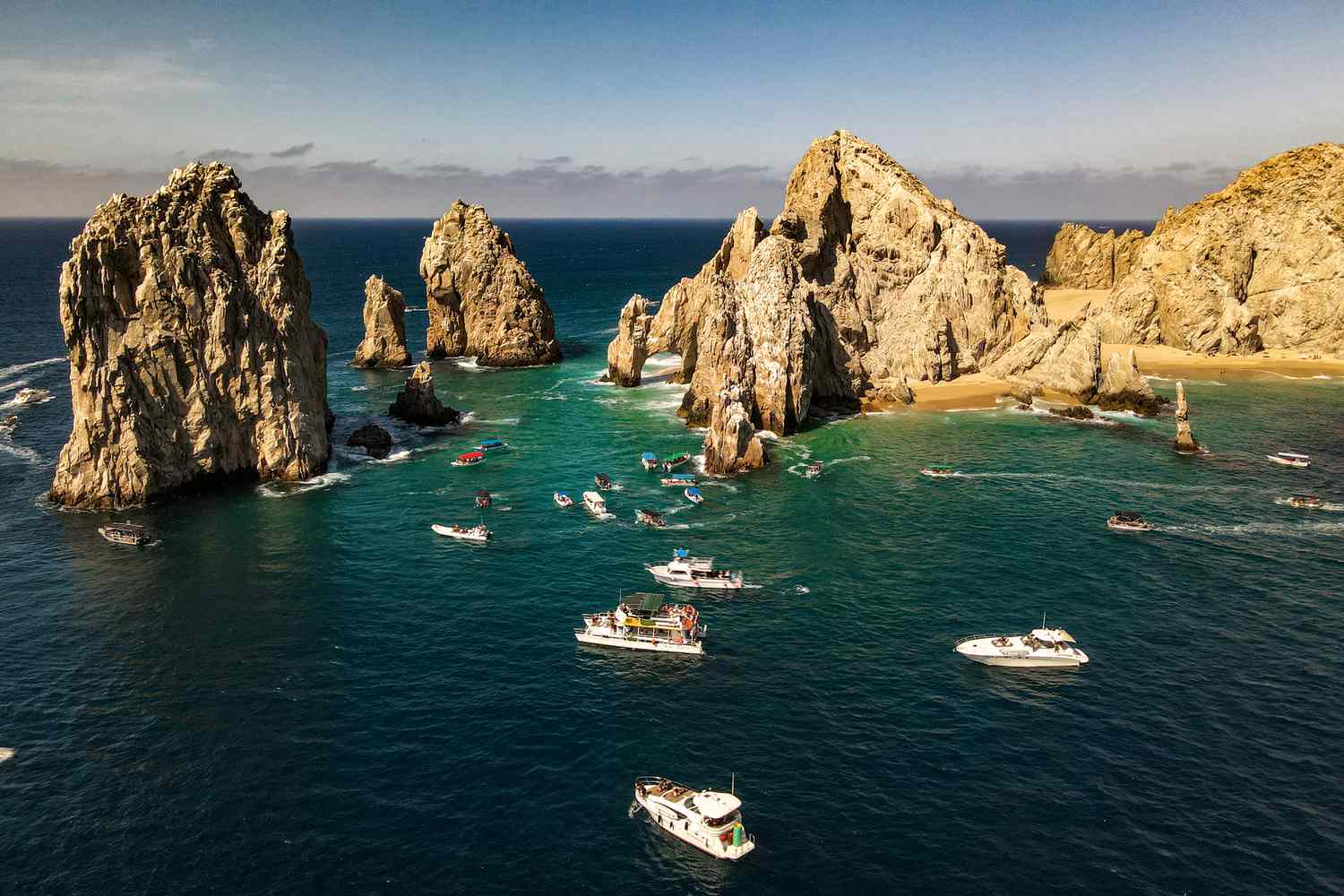
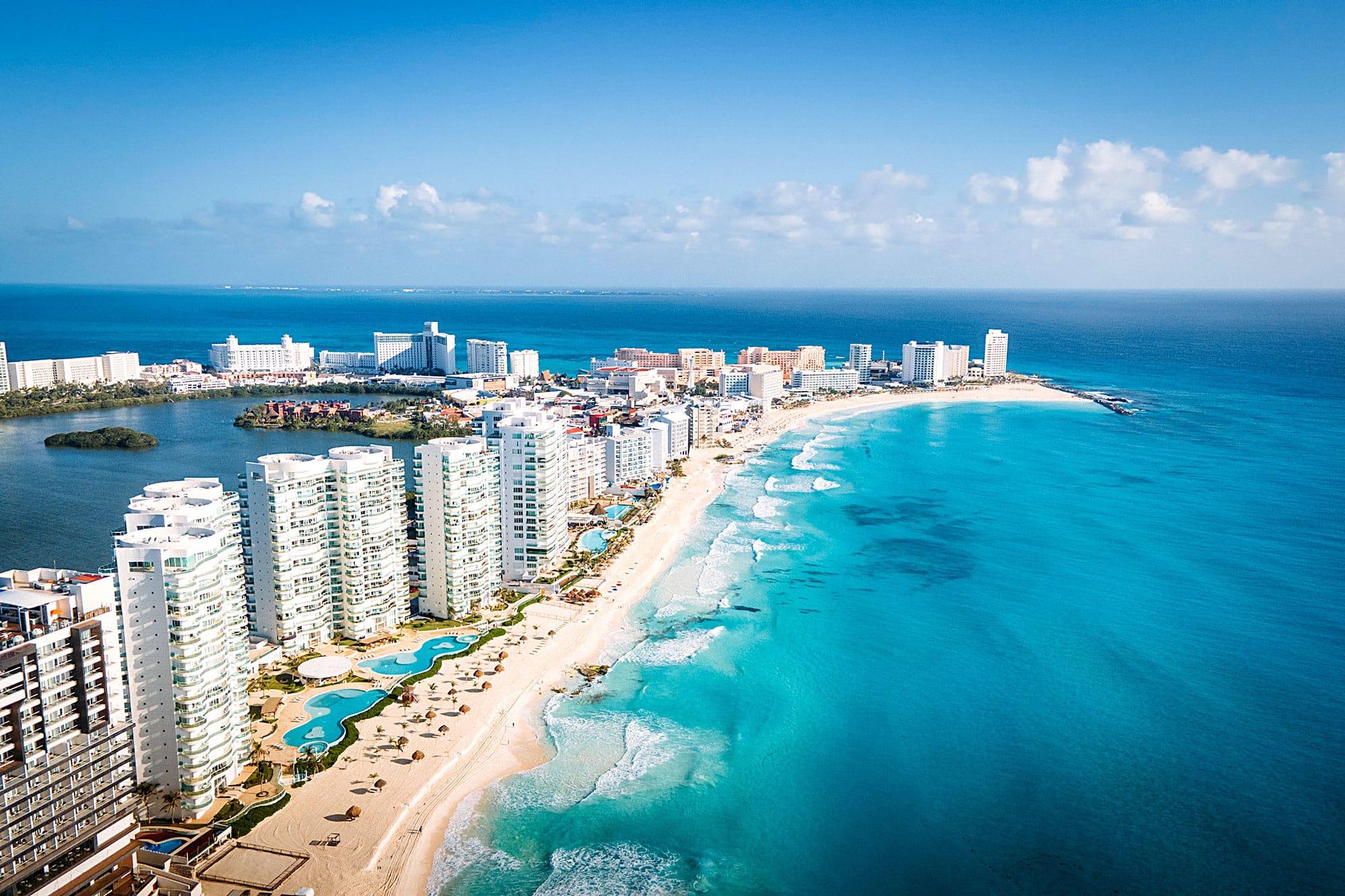
Cabo offers incredible scenery where the desert meets the sea, especially around Land's End with iconic formations like El Arco and the famous Lover's Beach and Divorce Beach. While the Pacific side can be rough, Medano Beach is swimmable and lively, and the Sea of Cortez side boasts calmer waters for snorkeling. However, Cancun's beaches are truly postcard-perfect. Playa Delfines (El Mirador) offers stunning panoramic views and photo ops, while the Hotel Zone's stretch provides miles of soft, cool, white sand and incredibly clear, calm turquoise waters perfect for swimming, floating, and watersports. The sand is crushed coral, so it never gets hot. 'Honestly, the water in Cancun is just next-level. I've never seen such vivid blues anywhere else, it's like a swimming pool.' For sheer swim-ability, vibrant color, and consistent beauty, Cancun takes the crown, but Cabo's dramatic backdrops are undeniably unique.
Winner takeaway
- Winner: Cancun
- Why: Cancun's consistent, calm, and breathtakingly blue Caribbean waters and powdery white sand offer a more traditional and universally appealing beach experience.
- Who this matters for: Families with young children, avid swimmers, snorkelers, and those seeking iconic tropical beach aesthetics.
🍽️ Food & Dining
Cabo has quietly become a culinary powerhouse, especially in the high-end and farm-to-table sectors. Places like Flora Farms and Acre Restaurant in San Jose del Cabo offer incredible, fresh, organic dining experiences that rival top restaurants globally, with main courses often costing $30-60 USD (500-1000 MXN). Even casual spots like Tacos Guss or Mariscos Mazatlán serve excellent, fresh seafood tacos for around $3-5 USD (50-80 MXN) each. Cancun offers a wider variety, from delicious cochinita pibil street tacos (around $1-2 USD / 20-40 MXN) to high-end resort dining. You can find authentic Yucatecan cuisine at places like La Parrilla, or splurge at restaurants like RosaNegra or Puerto Madero in the Hotel Zone, where a steak dinner might be $50-100 USD (850-1700 MXN). However, Cabo’s commitment to quality, unique concepts, and fresh, local ingredients gives it an edge for foodies looking beyond typical resort fare. 'Cabo surprised me with its food scene, honestly. Flora Farms was mind-blowing, totally worth the splurge.'
Winner takeaway
- Winner: Cabo
- Why: Cabo’s focus on high-quality, innovative farm-to-table dining and fresh seafood, especially in its burgeoning fine dining scene, offers a more distinct culinary experience.
- Who this matters for: Foodies, couples seeking romantic dinners, and travelers who prioritize unique gastronomic experiences over sheer variety.
🥳 Nightlife & Parties
Cabo San Lucas boasts a legendary party scene, largely concentrated around the Marina and downtown area. Iconic spots like Sammy Hagar's Cabo Wabo Cantina, El Squid Roe, and The Giggling Marlin offer a high-energy, walk-able nightlife experience. Expect cover charges around $10-20 USD (170-340 MXN) and drinks averaging $8-15 USD (135-250 MXN). While lively, it's a more contained 'party strip.' Cancun, however, is on a completely different scale. Its Hotel Zone is home to mega-clubs like Coco Bongo, The City, and Mandala, which offer elaborate shows, multiple dance floors, and often all-you-can-drink packages for $70-100+ USD (1200-1700+ MXN) per night. The sheer size, spectacle, and capacity for large crowds (especially during Spring Break) make Cancun an unparalleled party destination. 'Cancun's nightlife is just wild, like nothing I've ever seen. Coco Bongo is a must-do, even if you're not a huge club person.'
Winner takeaway
- Winner: Cancun
- Why: Cancun's mega-clubs, diverse party zones, and capacity for massive crowds offer a more intense, varied, and world-renowned nightlife experience.
- Who this matters for: Younger travelers, Spring Breakers, bachelor/bachelorette parties, and anyone seeking high-energy, large-scale clubbing.
🏛️ Culture & History
Cabo San Lucas is primarily a modern resort town, so true historical immersion is limited. However, a short drive to San Jose del Cabo reveals a charming colonial town center with an active Art Walk (Thursdays, Nov-June), showcasing local galleries, boutiques, and a more traditional Mexican vibe. There are no ancient ruins nearby. Cancun, on the other hand, is a gateway to the ancient Mayan world. Day trips to Chichen Itza, a UNESCO World Heritage site, are a must ($50-80 USD / 850-1350 MXN for tours, plus entry fees around $35 USD / 600 MXN). Tulum and Coba are also easily accessible, offering impressive ruins with unique backdrops and opportunities to climb pyramids. Local markets like Mercado 28 in downtown Cancun provide a glimpse into local life and handicrafts. 'If you're into history, Cancun is a no-brainer. Seeing Chichen Itza in person was absolutely breathtaking.'
Winner takeaway
- Winner: Cancun
- Why: Cancun provides unparalleled access to world-renowned Mayan archaeological sites and a deeper connection to Mexico's pre-Hispanic history.
- Who this matters for: History buffs, culture seekers, and travelers who want to explore ancient civilizations and traditional Mexican heritage.
💰 Cost & Budget
Cabo, with its focus on upscale tourism, tends to be pricier across the board. A mid-range hotel might cost $250-400+ USD per night, and a decent dinner for two can easily exceed $100 USD (1700 MXN). Excursions like deep-sea fishing can run $500-1000+ USD (8500-17000 MXN) for a half-day. Cancun offers a far broader spectrum. You can find hostels in downtown Cancun for $20-40 USD (340-680 MXN) per night, mid-range hotels for $100-200 USD (1700-3400 MXN), and all-inclusive resorts varying widely from $200-600+ USD per night. Food ranges from cheap street eats to high-end dining, offering flexibility. A local meal might be $10-20 USD (170-340 MXN). Flights to Cancun (CUN) are often more frequent and competitive than to Cabo (SJD) from many US cities. 'I saved a ton by staying downtown in Cancun and using the local buses. Cabo felt like everything was just a bit more.'
Winner takeaway
- Winner: Cancun
- Why: Cancun offers significantly more budget-friendly options for accommodation, dining, and activities, providing greater value for a wider range of travelers.
- Who this matters for: Budget-conscious travelers, backpackers, families, and those looking to maximize their vacation spending power.
✈️ Getting There
Getting to Cabo means flying into Los Cabos International Airport (SJD). From major West Coast US cities like LAX, flights are typically 2.5-3 hours, costing around $300-500 USD roundtrip. From East Coast hubs like JFK or MIA, flights are longer (5-7+ hours, often with a connection) and can be more expensive ($450-700+ USD). Cancun International Airport (CUN) is one of the busiest in Mexico, boasting exceptional connectivity. Direct flights from almost every major US and Canadian city are common, with flight times from NYC around 4 hours, from Dallas 2.5 hours, and from Toronto 4-5 hours. Roundtrip flights often range from $250-450 USD, making it highly accessible. The sheer volume and frequency of flights to Cancun often result in better prices and more convenient schedules. 'Flying into Cancun was a breeze, so many direct options from my city compared to Cabo where I usually have to connect.'
Winner takeaway
- Winner: Cancun
- Why: Cancun's international airport (CUN) offers superior direct flight connectivity, more frequent routes, and often better pricing from a wider range of global origins.
- Who this matters for: Travelers from the East Coast US, Canada, Europe, and anyone prioritizing direct, convenient, and affordable air travel.
🚗 Getting Around
In Cabo, many opt for rental cars to explore beyond the immediate Cabo San Lucas area (e.g., to San Jose del Cabo, Todos Santos), with daily rates starting around $30-50 USD (500-850 MXN). Taxis are abundant but can be quite expensive, with short rides in town costing $10-20 USD (170-340 MXN). Ride-sharing services like Uber exist but are often limited in reach or face friction from local taxi unions, sometimes having designated pickup spots. Cancun offers fantastic public transport within the Hotel Zone: the R1 and R2 buses run frequently, 24/7, and cost just 12 MXN ($0.70 USD) per ride. Taxis are plentiful and reasonably priced ($10-25 USD / 170-425 MXN for Hotel Zone trips), and Uber and DiDi are generally reliable and more widespread. For day trips, the ADO bus system is excellent, offering comfortable, affordable travel to places like Tulum or Playa del Carmen for around $10-15 USD (170-250 MXN) one-way. 'The Cancun bus system is a lifesaver, so easy and cheap to get around the hotel zone without needing taxis for every little thing.'
Winner takeaway
- Winner: Cancun
- Why: Cancun's robust public bus system, readily available and regulated ride-shares, and extensive ADO bus network for regional travel offer more convenient and affordable transportation options.
- Who this matters for: Budget travelers, independent explorers, and those who prefer not to rent a car or rely solely on expensive taxis.
🏨 Accommodation
Cabo's accommodation scene leans heavily towards luxury. You'll find world-renowned resorts like The Cape, A Thompson Hotel, Waldorf Astoria Los Cabos Pedregal, or Le Blanc Spa Resort, where nightly rates often start at $500 USD (8500 MXN) and can soar much higher. Even mid-range options can be $200-350 USD (3400-6000 MXN). While there are some budget-friendlier hotels in downtown Cabo San Lucas, the selection is limited. Cancun, by contrast, caters to every budget and style. Its Hotel Zone is packed with everything from budget-friendly all-inclusive resorts starting at $150-250 USD (2500-4250 MXN) per night for two, to mega-resorts like Live Aqua Beach Resort or Secrets The Vine (often $400-800+ USD / 6800-13500+ MXN). Downtown Cancun offers hostels for $20-40 USD (340-680 MXN) and local hotels for under $100 USD (1700 MXN). This incredible diversity means you can tailor your stay much more precisely to your wallet and preferences. 'You can literally find anything in Cancun, from a cheap hostel to a five-star resort. Cabo felt like it was all high-end, which is great but limits options.'
Winner takeaway
- Winner: Cancun
- Why: Cancun offers an unparalleled range of accommodation options across all budget points, from hostels to mega-resorts, providing flexibility for every type of traveler.
- Who this matters for: All types of travelers, from backpackers and budget-conscious families to luxury seekers and large groups with varying preferences.
🌴 Day Trips & Nature
Cabo offers distinct natural beauty, primarily defined by its unique desert-to-ocean transition. Popular day trips include visiting the charming 'Magic Town' of Todos Santos (about an hour north), known for its art galleries and Hotel California ($15-25 USD / 250-425 MXN for bus). Snorkeling or diving around Pelican Rock or a boat trip to see El Arco are staples. Whale watching (Dec-April) is a huge draw, with tours starting around $80-120 USD (1350-2000 MXN). For a more secluded experience, a trip to Isla Espíritu Santo near La Paz offers pristine beaches and sea lion colonies. Cancun, however, is surrounded by an ecological wonderland. The sheer number of accessible cenotes (natural swimming holes) like Gran Cenote or Ik Kil (entry $10-25 USD / 170-425 MXN) is incredible. Excursions to Isla Mujeres (ferry $25-30 USD / 425-500 MXN RT) for snorkeling and golf carts, or the ecological theme parks like Xcaret ($100-150 USD / 1700-2500 MXN entry) offer endless entertainment. Add in the proximity to coral reefs for world-class diving and snorkeling, and the biodiversity is unmatched. 'Cancun's day trip options are insane. Cenotes, ruins, islands... you could spend weeks exploring and not run out of things to do.'
Winner takeaway
- Winner: Cancun
- Why: Cancun's proximity to ancient Mayan ruins, countless cenotes, diverse ecological parks, and vibrant reef systems offers a broader and more varied range of natural and cultural excursions.
- Who this matters for: Adventure seekers, nature lovers, families, and those interested in exploring diverse ecosystems and ancient sites.
🛡️ Safety & Vibe
Both Cabo San Lucas and Cancun are generally safe destinations for tourists, especially within the well-trafficked hotel zones and resort areas. Standard travel precautions apply: don't flash large amounts of cash, be aware of your surroundings, and avoid isolated areas late at night. In Cabo, the vibe is often described as more upscale, relaxed, and 'desert chic.' While it has its party spots, it generally feels a bit more mature and less frenetic than Cancun. San Jose del Cabo offers a calmer, artsier atmosphere. Cancun, especially in the Hotel Zone, has a very energetic and bustling vibe. It can feel more commercialized, but also offers a constant buzz of activity. Downtown Cancun, while safe, requires a bit more street smarts like any city. Both destinations have a visible police presence in tourist areas. 'I felt totally safe walking around Cabo at night, even alone. Just use common sense like anywhere.' and 'Cancun's Hotel Zone felt super secure, always people around, always security. Downtown was fine too, just a different feel.' Neither destination is immune to petty crime, but serious incidents targeting tourists are rare. The 'winner' here depends entirely on your preferred atmosphere.
Winner takeaway
- Winner: Tie
- Why: Both destinations maintain a high level of safety within their primary tourist zones, with the 'better' choice depending purely on individual preference for atmosphere and energy level.
- Who this matters for: This category is subjective; those preferring a luxurious, calmer setting might lean Cabo, while those seeking vibrant energy might prefer Cancun.
❓ Frequently Asked Questions
Which destination is better for families with young children?
Cancun generally edges out Cabo for families. Its calm, shallow Caribbean beaches are ideal for kids, and there's a wider array of family-friendly all-inclusive resorts, water parks like Xcaret, and easily accessible natural attractions like cenotes that appeal to all ages.
Is whale watching better in Cabo or Cancun?
Cabo is unequivocally the winner for whale watching. Located on the Pacific side, it's a prime breeding ground and migration route for humpback whales, grey whales, and more. The season runs from mid-December to mid-April, with numerous tour operators guaranteeing sightings.
Which has better diving and snorkeling?
Cancun and the Riviera Maya offer superior diving and snorkeling due to the Mesoamerican Barrier Reef System, the second-largest coral reef in the world. You'll find vibrant coral, diverse marine life, and unique opportunities to dive in cenotes. Cabo has good snorkeling around Pelican Rock and the Sea of Cortez, but it doesn't compare to the Caribbean's biodiversity.
Are all-inclusive resorts better in Cabo or Cancun?
Cancun has a greater density and variety of all-inclusive resorts, ranging from budget-friendly to ultra-luxury, often offering better value due to competition. Cabo also has excellent all-inclusive options, but they tend to be concentrated at the higher end of the luxury spectrum, often with a more exclusive feel.
Which destination is better for a romantic getaway or honeymoon?
This is a tough one, as both excel. Cabo's dramatic sunsets, upscale dining, and luxurious boutique resorts might appeal more to couples seeking an exclusive, romantic escape. Cancun offers beautiful beaches and romantic resorts as well, but its busier atmosphere might detract slightly for those seeking ultimate tranquility. Consider Cabo for luxury romance, Cancun for energetic romance.
What's the best time of year to visit each?
Both destinations have similar peak seasons. For Cabo, October to May offers pleasant, dry weather, with December to April being prime for whale watching. For Cancun, late November to May provides ideal temperatures and lower humidity, avoiding hurricane season (June-November), though shoulder seasons can offer deals with slightly higher risk of rain.
Can you easily visit Mayan ruins from Cabo?
No, you cannot. Cabo San Lucas is on the Baja California Peninsula, far from the Mayan heartland. All major Mayan ruins like Chichen Itza, Tulum, and Coba are located on the Yucatán Peninsula, easily accessible from Cancun.
Which destination is more walkable?
Cabo San Lucas's downtown and Marina area are very walkable, with many restaurants, bars, and shops concentrated together. Cancun's Hotel Zone is walkable along the main boulevard but very spread out, making public buses or taxis necessary to cover distances between attractions. Downtown Cancun is also quite walkable for local exploration.
Ready to plan your Mexican trip?
Get a free custom itinerary for Cabo, Cancun, or both — built from real traveler insights.
🎟️ Book Tours & Experiences
Hand-picked tours and activities for both destinations — book with free cancellation
Experiences via Viator — free cancellation on most tours