How we built this comparison
This page combines traveler discussion patterns, published price ranges, flight schedules, and seasonal data to help you decide between California and Hawaii.
- Reviewed 500+ Reddit threads from r/travel, r/solotravel, r/California, r/HawaiiTravel, and others.
- Verified costs and logistics against current booking platforms like Google Flights, Booking.com, and specific rental car sites.
- Cross-referenced seasonal patterns and weather data from NOAA and local tourism boards.
⚡ Quick Answers
⚡ The TL;DR Verdict
For most travelers seeking value and a vast range of experiences, California is the more practical and rewarding choice. Expect daily costs of $100-250 for a solid trip, offering everything from city exploration to national parks. Hawaii is for those prioritizing pristine beaches, ocean activities, and a relaxed pace, but prepare for daily budgets upwards of $250-400.
- Choose California: You want variety: cities, mountains, deserts, and coastline. You prefer driving, a wide range of food choices, and can handle larger crowds. Budget travelers will find more options here.
- Choose Hawaii: You seek ocean-focused relaxation, tropical weather, and are prepared for higher costs. You want to disconnect, enjoy water sports, and prioritize island time over extensive sightseeing.
- Choose Both: If you have 3+ weeks and a generous budget, combine a week or two exploring California with a 7-10 day Hawaiian escape for a comprehensive West Coast and Pacific experience.
Choose California
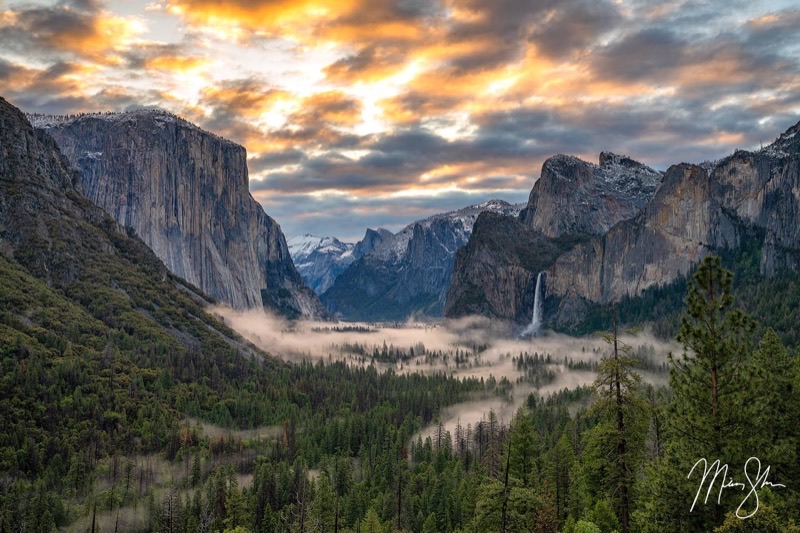
Choose California if you crave unparalleled diversity on a mid-range budget, perfect for road-trippers and adventure seekers. Explore iconic cities like San Francisco or Los Angeles, then easily pivot to Yosemite's grandeur or the stunning Pacific Coast Highway. It's best for those who prioritize a dynamic itinerary, cultural exploration, and culinary adventures over a single type of experience.
Choose Hawaii
Opt for Hawaii if your ideal escape involves premium relaxation, pristine natural beauty, and ocean-centric activities, and you're prepared for a higher budget. Immerse yourself in Waikiki's vibrant surf culture or discover Maui's serene beaches and lush hiking trails. This destination is best for those seeking a luxurious, unplugged experience focused on sun, sand, and unforgettable marine adventures.
📊 Visual Scorecard
🌤 When to Visit
Average high temperatures (°C). Green = best months, orange = avoid.
Quick Comparison
| Category | California | Hawaii | Winner |
|---|---|---|---|
| Daily Costs & Budget | Significantly more affordable across lodging, food, and activities. Wider budget range available. | Consistently higher prices for nearly everything, especially imported goods and accommodation. | California |
| Beaches & Ocean | Diverse coastline, colder water, good for surfing and dramatic scenery, but less for swimming. | Pristine, warm water beaches ideal for swimming, snorkeling, and sunbathing, year-round. | Hawaii |
| Food Scene | Globally diverse, farm-to-table focus, street food, and innovative fine dining. | Strong Asian-Pacific influence, plate lunches, fresh seafood, and tropical fruits. | California |
| Nature & Parks | Vast national parks, diverse climates (mountains, deserts, coast), immense scale. | Volcanic landscapes, lush rainforests, marine sanctuaries, unique island ecosystems. | California |
| Culture & Cities | Major global cities, film, tech, arts, diverse communities, historical missions. | Polynesian traditions, surf culture, military history, relaxed island pace. | California |
| Getting There | Numerous international airports, direct flights from many global hubs, competitive pricing. | Fewer direct international routes, mainly served from mainland US, higher flight costs. | California |
| Getting Around | Extensive road network, public transport in cities, car rental is flexible. | Car rental essential on most islands, inter-island flights required, limited public transport. | California |
| Accommodation | Wide range from hostels to luxury resorts, motels, Airbnbs; more competitive pricing. | Predominantly resorts and hotels, fewer budget options, consistently higher prices. | California |
| Weather & Seasons | Highly varied climates from desert heat to coastal cool, distinct seasons. | Consistently warm, tropical climate year-round, distinct wet and dry seasons. | Hawaii |
| Solo Travel & Safety | Generally safe with urban precautions, extensive hostel network, diverse activities. | Very safe, friendly locals, smaller communities, but limited dedicated solo traveler infrastructure. | California |
💰 Daily Costs & Budget
California offers a much broader spectrum of pricing, making it accessible for various budgets. A budget traveler can manage on $100-150 per day by staying in hostels (e.g.,…

California
Hawaii
California offers a much broader spectrum of pricing, making it accessible for various budgets. A budget traveler can manage on $100-150 per day by staying in hostels (e.g., Freehand Los Angeles from $40/night), eating street tacos ($2-4 each), and using public transport in cities. Mid-range travelers can expect $150-250 daily, including solid hotels (e.g., a 3-star in Anaheim for $120/night), sit-down meals ($20-40 per person), and national park entry fees ($35 per vehicle). Even high-end experiences can be found, but the baseline is lower and options for savings are abundant. Activities like hiking in Griffith Park or exploring Venice Beach are free.
Hawaii is notably more expensive, driven by import costs and tourist demand. A budget trip is difficult, often exceeding $250 per day even with careful planning. Hostels in Waikiki (e.g., Waikiki Beachside Hostel) start around $60-80/night, and simple plate lunches at local spots like Rainbow Drive-In cost $12-18. Mid-range travelers should plan for $350-500 daily, with decent hotels (e.g., Hilton Hawaiian Village from $300/night) and sit-down dinners running $50-80 per person. Car rentals are a necessity on most islands and add $60-100+ per day. Activities like surf lessons or snorkeling tours often start at $70-100 per person. For travelers prioritizing financial flexibility, California is the clear choice.
- Winner: California
- Why: California provides far more options for all budget levels, allowing travelers to stretch their money further.
- Who this matters for: This matters most for budget-conscious travelers and those planning longer trips.
🏖️ Beaches & Ocean
Californias coastline spans over 840 miles, offering beaches ranging from the iconic sandy stretches of Santa Monica and La Jolla to the rugged, cliff-backed shores of Big Sur.…
California

Hawaii
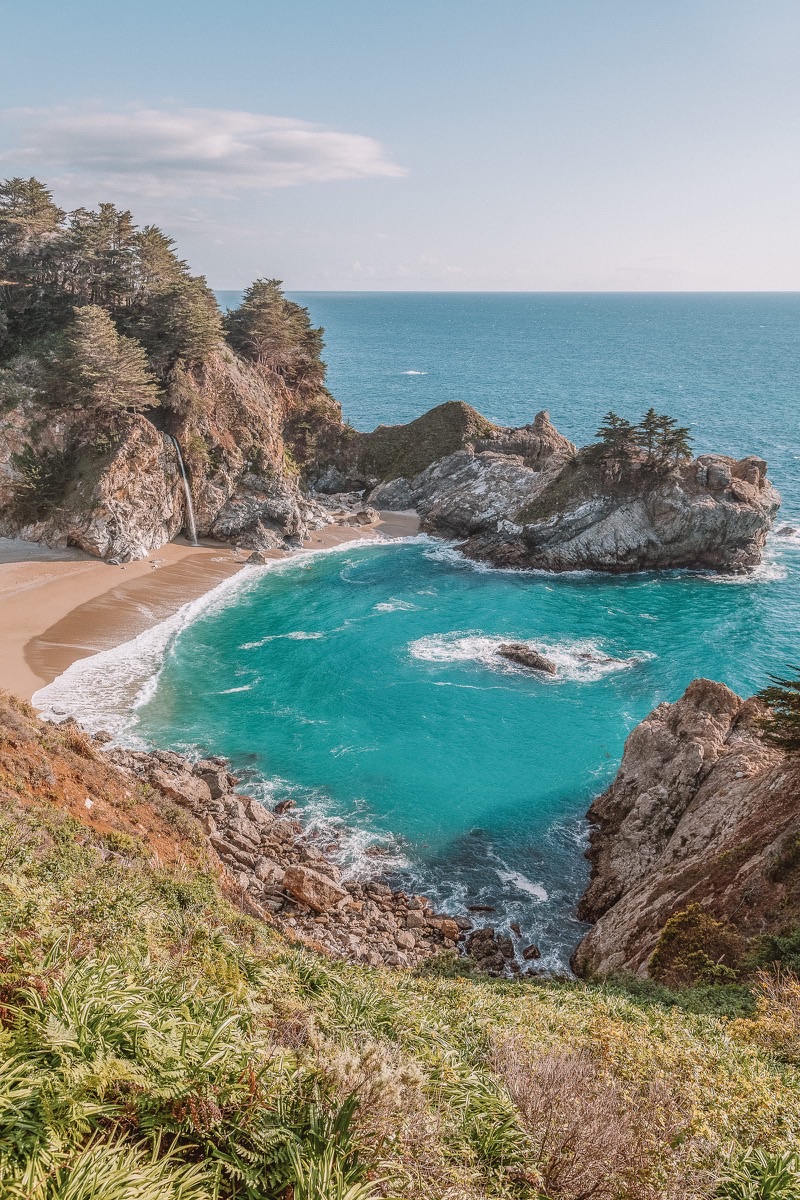
Californias coastline spans over 840 miles, offering beaches ranging from the iconic sandy stretches of Santa Monica and La Jolla to the rugged, cliff-backed shores of Big Sur. The water is generally colder due to currents, making it less appealing for casual swimming, though surfing is popular in spots like Malibu and Huntington Beach. Beaches often serve as backdrops for walks, bonfires, and tide pooling. Mendocino Coast offers dramatic cliffs and sea arches, while Laguna Beach provides smaller coves. Do not expect tropical warmth or extensive coral reefs for snorkeling; instead, expect powerful waves and impressive coastal drives.
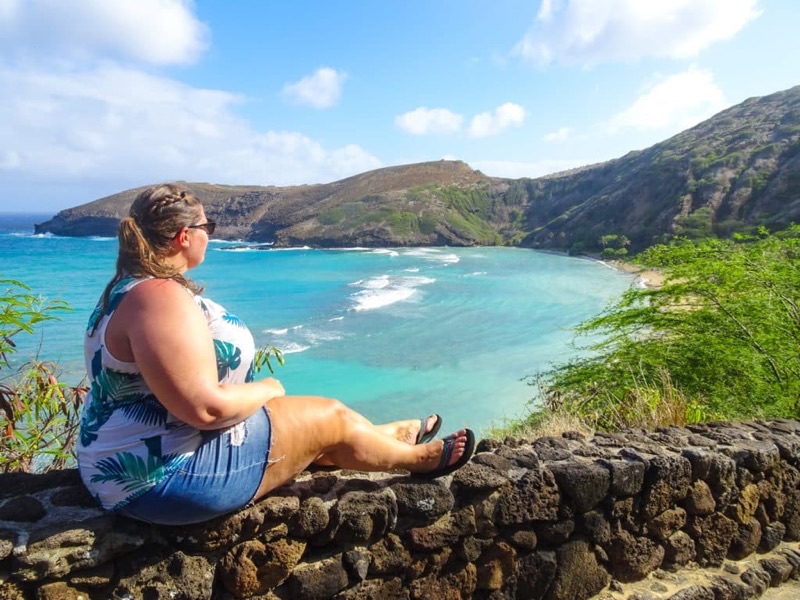
Hawaii's beaches are a primary draw, offering consistently warm, clear waters perfect for swimming, snorkeling, and paddleboarding. Waikiki Beach on Oahu is globally recognized, though it can be crowded. Quieter options exist like Lanikai Beach (Oahu) or Hapuna Beach (Big Island). Maui's Ka'anapali Beach is known for its soft sand and calm waters. The volcanic origins provide unique black sand beaches, such as Punaluu on the Big Island. Coral reefs are abundant, making snorkeling and diving major activities. Surfing is also world-class, especially on Oahu's North Shore. For a pure ocean experience centered around warm water and marine life, Hawaii is unmatched.
- Winner: Hawaii
- Why: Hawaii offers consistently warm, clear water and marine life experiences, making its beaches superior for swimming and snorkeling.
- Who this matters for: This matters most for travelers prioritizing tropical beach relaxation, swimming, and marine activities.
🍽️ Food Scene
California's food scene is incredibly varied and innovative, reflecting its diverse population and agricultural bounty. From the high-end Michelin-starred restaurants in San…

California

Hawaii
California's food scene is incredibly varied and innovative, reflecting its diverse population and agricultural bounty. From the high-end Michelin-starred restaurants in San Francisco (e.g., Benu) and Los Angeles to its globally recognized street food, there is something for every palate and budget. Southern California is famed for its Mexican food, with authentic tacos and burritos available for just a few dollars. The state pioneered the farm-to-table movement, ensuring fresh, local produce is prevalent. Food trucks are a major part of the culture in cities like LA, offering everything from Korean BBQ to gourmet burgers. Napa Valley and Sonoma County are also global leaders in wine production and offer exceptional dining experiences. Expect endless options, from $5 In-N-Out burgers to multi-course tasting menus easily exceeding $200.
Hawaii's food scene is distinct, heavily influenced by its Polynesian, Japanese, and Filipino heritage. Plate lunches, a local staple, combine rice, macaroni salad, and a protein (like kalua pig or mahi-mahi) for $12-18 at places like L & L Hawaiian Barbecue. Fresh seafood is a highlight, with poke bowls being a common and delicious offering. Upscale dining often focuses on Pacific Rim cuisine, utilizing local ingredients. Duke's Waikiki is a well-known spot for beachfront dining. While the food is fresh and flavorful, the variety outside of these specific niches is less extensive compared to California. Costs are generally higher for comparable quality, and options for truly budget-friendly meals are fewer. California simply has more breadth and depth in its culinary landscape.
- Winner: California
- Why: California offers an unparalleled range of international cuisines, innovative dining, and value options.
- Who this matters for: This matters most for foodies, adventurous eaters, and those seeking diverse culinary experiences.
🏞️ Nature & Parks
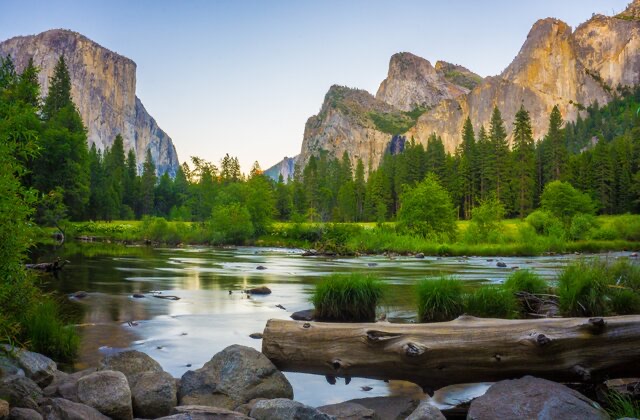
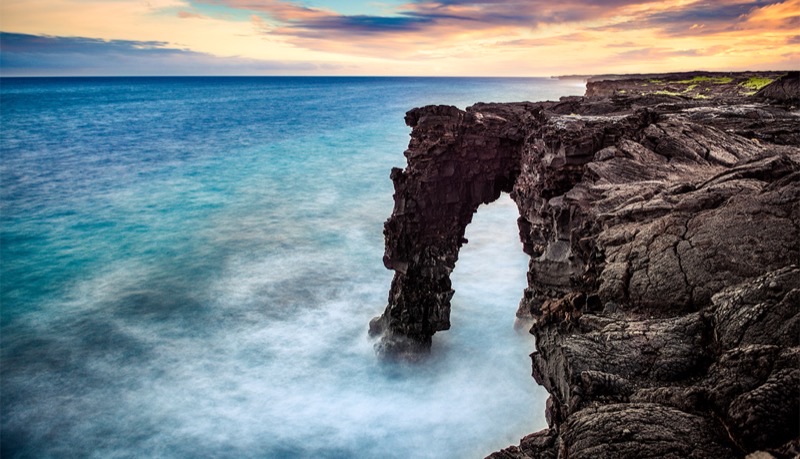
California is home to nine national parks, showcasing an incredible range of natural environments. Yosemite National Park offers towering granite cliffs, waterfalls, and giant…
California
Hawaii
California is home to nine national parks, showcasing an incredible range of natural environments. Yosemite National Park offers towering granite cliffs, waterfalls, and giant sequoias. Death Valley National Park presents extreme desert landscapes. Sequoia and Kings Canyon National Parks boast the world's largest trees. The state also features dramatic coastlines like Big Sur, the Channel Islands National Park, and vast forests. Visitors can hike through redwoods, surf ocean waves, climb desert rocks, and ski in the Sierra Nevada mountains, often within a day's drive of each other. The sheer scale and variety of its natural wonders are unmatched. Entry fees for most national parks are $30-35 per vehicle for a 7-day pass.
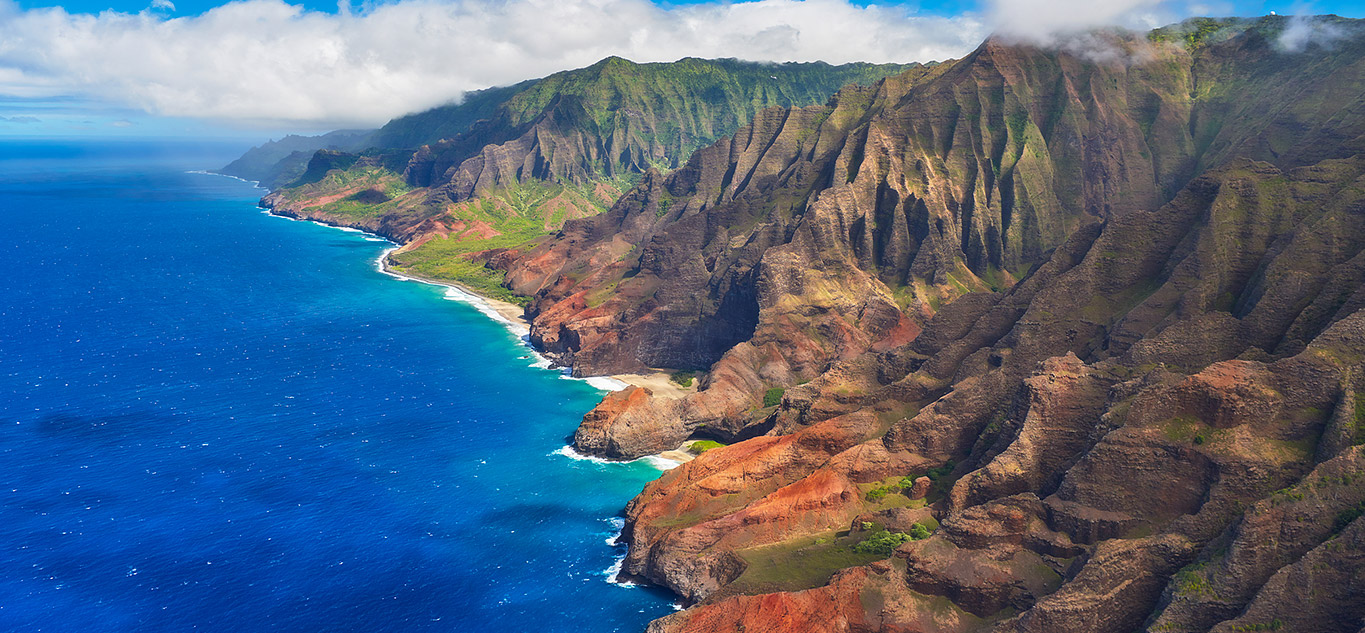
Hawaii's natural environment is defined by its volcanic origins and isolation. Hawaii Volcanoes National Park on the Big Island allows visitors to see active volcanoes and lava flows. Maui's Haleakala National Park features a massive dormant volcanic crater and sunrise views. The islands are covered in lush rainforests, dramatic cliffs (like the Na Pali Coast on Kauai), and abundant marine life. Snorkeling in marine sanctuaries such as Molokini Crater or hiking through bamboo forests are popular activities. While Hawaii's nature is uniquely beautiful and tropical, its scope is more limited to island-specific ecosystems. The Big Island is the most diverse, with deserts, rainforests, and snow-capped peaks. For raw, grand scale and ecological variety, California takes the lead.
- Winner: California
- Why: California presents a larger scale and more varied range of natural environments, from deserts to high mountains and ancient forests.
- Who this matters for: This matters most for outdoor enthusiasts, hikers, and those seeking diverse geological and ecological experiences.
🏙️ Culture & Cities
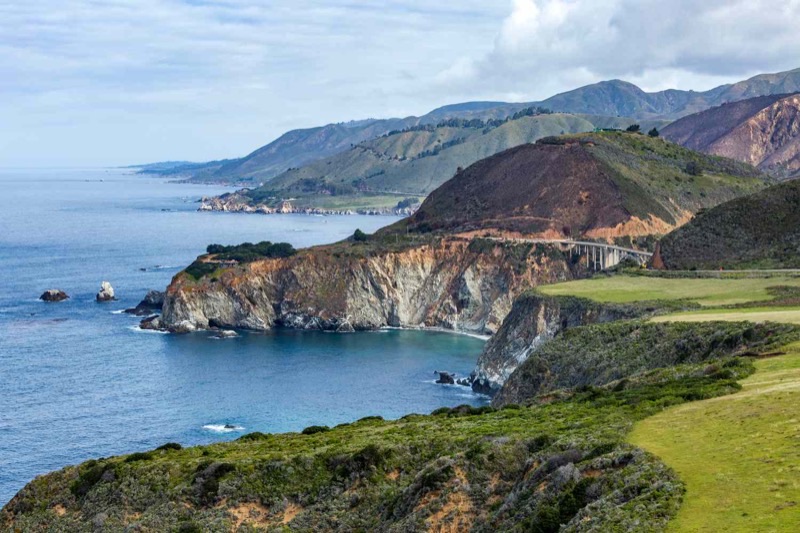
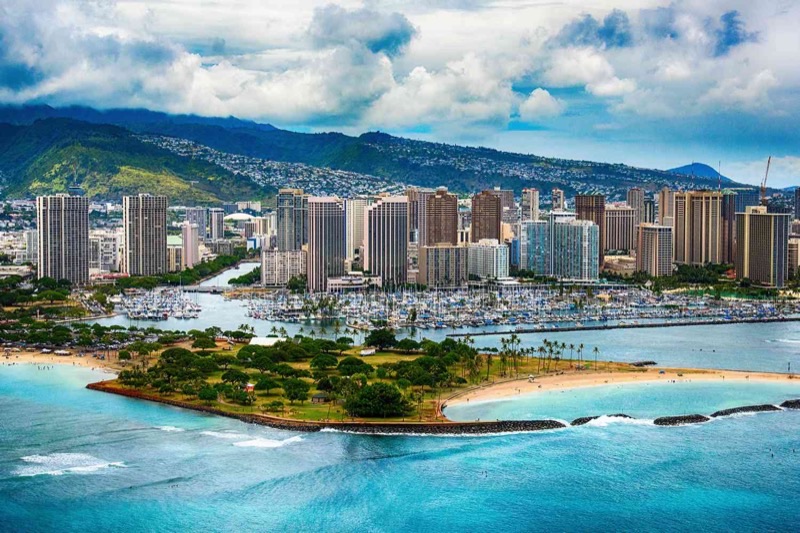
California's cities are global centers of influence. Los Angeles is the heart of the entertainment industry, with Hollywood, museums (e.g., The Getty Center, free entry), and…
California
Hawaii
California's cities are global centers of influence. Los Angeles is the heart of the entertainment industry, with Hollywood, museums (e.g., The Getty Center, free entry), and diverse neighborhoods like Koreatown and Little Ethiopia. San Francisco is a tech hub known for its iconic Golden Gate Bridge, cable cars, and Alcatraz Island tours ($45 per person). San Diego offers a relaxed beach city vibe with Spanish colonial architecture in Balboa Park and a significant military presence. The state also has Spanish mission history and a strong counter-culture legacy. Its cities are dynamic, constantly evolving, and home to a wide array of cultural institutions, live music venues, and art scenes, offering endless exploration.
Hawaii's culture is rooted in its Polynesian heritage, expressed through hula, music, and the aloha spirit. Honolulu on Oahu is the largest city, housing Pearl Harbor ($20-30 for tours) and the Iolani Palace. Waikiki is a tourist-centric area with hotels and shops. Other islands have smaller towns focused on local life or resort communities. Surf culture is pervasive. While Hawaii offers specific cultural experiences like luaus (often $100-200 per person), the urban centers do not possess the same global scope, diversity, or sheer number of cultural institutions as California's major metropolitan areas. For deep urban exploration and cultural immersion across many facets, California is the more engaging destination.
- Winner: California
- Why: California's major cities provide a far greater depth and breadth of cultural institutions, diverse communities, and urban experiences.
- Who this matters for: This matters most for travelers interested in urban exploration, arts, history, and diverse human experiences.
✈️ Getting There
California is extremely well-connected globally. Los Angeles International Airport (LAX), San Francisco International Airport (SFO), and San Diego International Airport (SAN) are…
California is extremely well-connected globally. Los Angeles International Airport (LAX), San Francisco International Airport (SFO), and San Diego International Airport (SAN) are major hubs with direct flights from most large cities across the US, Europe, and Asia. A direct flight from New York (JFK) to LAX typically takes around 5.5-6 hours. From London (LHR) to LAX, it is about 10-11 hours. Competition among airlines keeps prices relatively competitive, especially if booked in advance. Round-trip flights from major US cities can often be found for $200-400, depending on the season, making it an easy and affordable destination to reach for many travelers.
Hawaii is further removed, located in the middle of the Pacific Ocean. Honolulu International Airport (HNL) on Oahu is the primary gateway, with direct flights mainly from major US West Coast cities (e.g., LAX, SFO, SEA), and some routes from other US hubs and a few international locations like Japan. A direct flight from LAX to HNL takes approximately 5.5 hours, while from New York, it is closer to 10-11 hours with a stopover. Due to its remote location and lower competition, flight prices are generally higher. Expect round-trip flights from the West Coast to range from $400-700, and from the East Coast, $700-1200 or more. The additional distance and limited routes make Hawaii a more costly and time-consuming destination to reach for most.
- Winner: California
- Why: California offers more direct flight options from more locations and generally more affordable airfare.
- Who this matters for: This matters most for travelers on a tighter budget or those flying from outside the US West Coast.
🚗 Getting Around
California's vastness makes a car almost a necessity for exploring beyond major city centers. The state has an extensive highway system, allowing for epic road trips along the…
California's vastness makes a car almost a necessity for exploring beyond major city centers. The state has an extensive highway system, allowing for epic road trips along the coast or through national parks. Car rentals typically cost $40-80 per day, but parking in cities like San Francisco or Los Angeles can be expensive ($20-60 per day). Public transportation in cities like San Francisco (BART, Muni) and Los Angeles (Metro Rail, buses) is decent for local travel, and ride-sharing services are abundant. The flexibility to drive from the beach to the mountains within a few hours is a major advantage.
Hawaii requires a multi-modal approach. On each island, a rental car is almost essential for independent exploration, costing $60-100+ per day, especially for popular times. Public transport on Oahu (TheBus) is good for Honolulu and Waikiki but limited elsewhere. To travel between islands, inter-island flights are necessary, operated by Hawaiian Airlines or Southwest, with tickets ranging from $50-100+ per segment. This adds both cost and time to travel plans. Walking and ride-sharing are options within concentrated resort areas, but for experiencing the full scope of an island, a car is needed. The logistical complexities and added costs of inter-island travel give California an edge for ease of movement.
- Winner: California
- Why: California offers more straightforward and generally cheaper options for getting around, with a car offering complete freedom on one landmass.
- Who this matters for: This matters most for independent travelers, road trippers, and those who dislike multi-stop travel logistics.
🏨 Accommodation
California offers a diverse and competitive accommodation market. Travelers can find budget hostels in major cities for $30-60/night (e.g., HI San Francisco Downtown Hostel).…
California offers a diverse and competitive accommodation market. Travelers can find budget hostels in major cities for $30-60/night (e.g., HI San Francisco Downtown Hostel). Mid-range hotels and motels are abundant, with rooms often available for $100-200/night in many areas, though city centers can be higher. For example, a decent hotel in Santa Monica might be $250/night, while a roadside motel near a national park could be $80. Airbnb and vacation rentals are also prevalent, offering various price points and types of stays. The sheer volume of options helps keep prices somewhat in check, especially outside of peak seasons or major events.
Hawaii's accommodation is significantly pricier and leans heavily towards resorts and hotels. Budget options are scarce, with hostels (e.g., The Beach Waikiki Hostel) starting around $60-100/night for a dorm bed. Basic hotel rooms on Oahu or Maui often start at $200-300/night, with many resorts easily exceeding $400-600 per night. Vacation rentals (condos, Airbnbs) are also expensive and face stricter regulations in some areas, limiting supply. The demand for tropical getaways consistently drives up costs across all islands. Finding good value requires booking far in advance and being flexible with dates. For travelers seeking more affordable and varied lodging, California is a better bet.
- Winner: California
- Why: California provides a broader spectrum of accommodation types and price points, making it more accessible for various budgets.
- Who this matters for: This matters most for budget travelers, families needing space, and those seeking non-resort experiences.
☀️ Weather & Seasons
California's weather is as diverse as its geography. Southern California (Los Angeles, San Diego) enjoys a Mediterranean climate with warm, dry summers and mild, wet winters.…
California's weather is as diverse as its geography. Southern California (Los Angeles, San Diego) enjoys a Mediterranean climate with warm, dry summers and mild, wet winters. Coastal areas are generally cooler year-round, often experiencing 'June gloom' (overcast mornings). Central Valley can be very hot in summer, while the Sierra Nevada mountains have cold, snowy winters, ideal for skiing from December to April. Deserts like Palm Springs are extremely hot in summer but pleasant in winter. Planning requires checking local conditions for specific regions and times of year, as you can go from 90°F in Palm Springs to 60°F on the San Francisco coast on the same day.
Hawaii boasts a consistently tropical climate, making it a year-round destination for warm weather. Temperatures generally range from 75-85°F (24-29°C) with high humidity. There are distinct wet and dry seasons, with winter (November to April) being wetter, especially on the windward sides of the islands, bringing brief, localized showers. Summer (May to October) is drier and slightly warmer. The trade winds provide a constant breeze, making even hotter days comfortable. Ocean temperatures are consistently warm, around 75-80°F (24-27°C). For travelers desiring predictable warmth and a constant beach climate without much seasonal variability, Hawaii is the superior choice.
- Winner: Hawaii
- Why: Hawaii offers a consistently warm, tropical climate with pleasant ocean temperatures year-round, ideal for beach holidays.
- Who this matters for: This matters most for travelers seeking predictable warm weather and a true tropical escape without concern for varying regional climates.
🧍♀️ Solo Travel & Safety
California is generally safe for solo travelers, provided standard urban precautions are taken in major cities like Los Angeles or San Francisco, particularly at night or in…
California is generally safe for solo travelers, provided standard urban precautions are taken in major cities like Los Angeles or San Francisco, particularly at night or in certain neighborhoods. There is a robust hostel network (e.g., hostels in Santa Monica or San Diego) making it easy to meet other travelers. Activities cater to all interests, from city tours to national park hikes, many of which can be done independently or with guided groups. The extensive public transportation in cities, and ride-sharing, also assists solo navigation. Locals are accustomed to tourists, and emergency services are reliable. The size of the state means a solo traveler can craft an itinerary ranging from social city breaks to secluded nature retreats, all with good support infrastructure.
Hawaii is known for its low crime rate and friendly 'aloha spirit,' making it one of the safest destinations in the US for solo travelers. Violent crime is rare, though petty theft can occur, especially around crowded beaches or parked cars. However, the infrastructure for solo travelers is less developed than in California. Hostels are fewer and more expensive, particularly outside of Oahu. While local communities are welcoming, activities often lean towards couples or groups (e.g., luaus, guided tours). Solo travelers will find fewer opportunities for spontaneous social connections unless staying in a specific hostel. Getting around without a car can be challenging on most islands. While safe, it requires more independent planning for social engagement and transport, giving California a slight edge for ease of solo travel logistics and social opportunities.
- Winner: California
- Why: California offers a more extensive and affordable solo travel infrastructure, including hostels and varied social opportunities.
- Who this matters for: This matters most for budget-conscious solo travelers and those looking to easily connect with other travelers.
🎯 The Decision Framework
Choose California If…
- You want diverse experiences: beaches, mountains, deserts, cities.
- You are on a moderate to tight budget and want more affordable options.
- You enjoy driving and planning multi-stop road trips.
- You seek extensive culinary variety, from street food to fine dining.
- You are interested in major cultural hubs and iconic landmarks.
- You prioritize easy accessibility and competitive flight prices.
- You prefer a destination with robust solo travel infrastructure and social hostels.
- You want to visit multiple distinct climates in one trip.
Choose Hawaii If…
- You prioritize warm, clear ocean water for swimming, snorkeling, and surfing.
- You want a consistently tropical climate and predictable beach weather.
- You are prepared for higher travel costs and a more relaxed pace.
- You seek island-specific natural wonders like volcanoes and lush rainforests.
- You are interested in Polynesian culture and ocean-centric activities.
- You want to truly disconnect and relax on a beautiful island.
- You do not mind inter-island flights and car rentals as primary transport.
- You value a very safe and friendly environment for relaxation.
📅 Sample Itineraries
Weekend in California (3 Days)
💡 Book popular attractions like the Monterey Bay Aquarium online in advance to save time and sometimes money, typically $5-$10 per ticket.
Weekend in Hawaii (3 Days)
💡 Rent a car for at least one day on Oahu to explore beyond Waikiki; a daily rental can cost $50-$80, offering more flexibility than multiple bus fares.
One Week in California (7 Days)
💡 Purchase a National Parks Pass for $80 if visiting multiple parks, which can save you money compared to individual entry fees, especially for Yosemite.
One Week in Hawaii (7 Days)
💡 Book inter-island flights well in advance for the best prices, as last-minute fares can be significantly higher, potentially saving $50-$100 per flight.
❓ Frequently Asked Questions
Which destination is better for families with young children?
California typically offers more family-friendly infrastructure. Destinations like Disneyland (ticket prices start around $100 per person), Legoland, and numerous beaches with amenities are plentiful. Accommodation options are wider, and costs for dining out are more manageable for families. Hawaii is family-friendly too, with calm beaches, but costs for resorts and activities quickly add up for multiple people.
What is the typical flight time from the East Coast US to each destination?
A direct flight from the East Coast (e.g., JFK, NYC) to California (e.g., LAX) typically takes about 5.5-6 hours. To Hawaii (e.g., HNL, Oahu), a direct flight is rare; you will usually have a stopover on the West Coast, making total travel time around 10-11 hours or more.
Which destination has better hiking opportunities?
California offers a wider range of hiking environments, including iconic trails in Yosemite National Park (e.g., Half Dome permit required), challenging desert hikes in Joshua Tree, and coastal paths along Big Sur. Hawaii has unique tropical and volcanic hikes, such as the Kalalau Trail on Kauai or trails within Hawaii Volcanoes National Park, but California provides more variety in terrain and length.
Can I visit both California and Hawaii in a single trip?
Yes, but it requires at least two weeks, preferably three, due to travel time and costs. A common itinerary might involve 7-10 days exploring parts of California (e.g., LA and a national park) followed by 7-10 days on one Hawaiian island. Budget about $3,000-$5,000 per person for a comfortable two-week combined trip, excluding international flights.
Which destination is more pet-friendly?
California is generally more pet-friendly, with many hotels, parks, and even beaches (e.g., Coronado Dog Beach in San Diego) welcoming dogs. Restaurants often have pet-friendly patios. Hawaii has strict quarantine laws for animals entering the state to protect its ecosystem, making it challenging and costly to bring pets for short visits.
What are average car rental costs for each location?
In California, daily car rental costs typically range from $40-80, depending on the season and car type. In Hawaii, car rentals are almost always more expensive, often starting from $60-100+ per day, particularly on popular islands like Maui and Oahu, and can be higher during peak seasons.
Is one destination better for luxury travel?
Both offer luxury travel, but the experiences differ. California has opulent resorts in Napa Valley, Beverly Hills (e.g., The Beverly Hills Hotel rooms from $1000/night), and coastal enclaves. Hawaii's luxury is centered around beachfront resorts (e.g., Four Seasons Maui from $1500/night), private villas, and exclusive ocean activities. Hawaii tends to have a higher base price for luxury, while California offers more varied luxury experiences beyond just resorts.
Which place offers better shopping experiences?
California, particularly cities like Los Angeles and San Francisco, offers superior shopping. You will find high-end boutiques on Rodeo Drive, large shopping malls (e.g., Westfield Century City), and independent shops in neighborhoods like Silver Lake. Hawaii's shopping focuses more on souvenirs, local crafts, and resort wear, with Ala Moana Center in Honolulu being its largest mall, but it lacks the overall diversity and scale of California's retail landscape.
Ready to plan your West Coast trip?
Get a free custom itinerary for California, Hawaii, or both — built from real traveler insights.
👥 Travelers Also Compared
🎟️ Book Tours & Experiences
Hand-picked tours and activities for both destinations — book with free cancellation
Experiences via Viator — free cancellation on most tours