How we built this comparison
This page combines traveler discussion patterns, published price ranges, flight schedules, and seasonal data to help you decide between Canada and Curacao.
- Reviewed 50+ Reddit threads from r/travel, r/solotravel, r/CanadaTravel, r/Curacao, and r/shoestring for traveler experiences and tips.
- Verified costs and logistics against current booking platforms (e.g., Booking.com, Skyscanner, rental car sites) for accurate pricing.
- Cross-referenced seasonal patterns and weather data from meteorological sources to ensure correct climate information.
⚡ The TL;DR Verdict
For most travelers seeking variety, a broad range of activities, and significant cultural exploration, Canada presents a more compelling option with its diverse regions and seasons. If a sole focus on consistent sunshine, clear waters, and relaxed beach days is the priority, Curacao is the better choice. Expect a daily budget of $80-250 USD in Canada, while Curacao typically runs $100-300+ USD.
- Choose Canada: Pick Canada if you seek varied natural settings, large cities with diverse food scenes, seasonal activities like skiing or hiking, and extensive road trip possibilities. Travelers who enjoy planning detailed itineraries across different regions will benefit here.
- Choose Curacao: Choose Curacao for a focused beach holiday, consistent warm weather, snorkeling or diving, and a relaxed pace. It suits those wanting to unwind by the water with minimal travel between attractions, enjoying a mix of Dutch and Caribbean influences.
- Choose Both: Doing both is a logistical challenge due to distance and cost; they represent distinct travel goals. If you have 3+ weeks and a substantial budget, you could combine a week in a Canadian city with a week of Curacao sun, but it is not a practical pairing for most trips.
Choose Canada
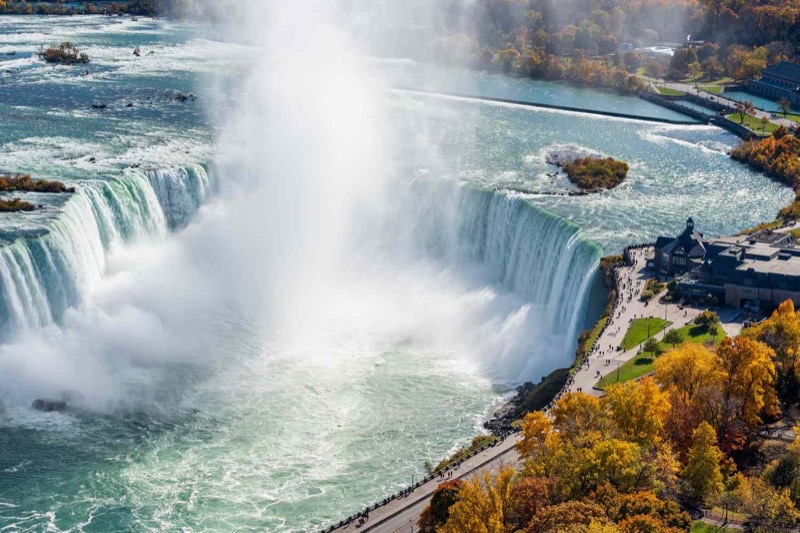
Choose Canada if you crave epic road trips through diverse landscapes like the Rocky Mountains, vibrant city explorations in Toronto's Kensington Market, or seasonal adventures from Banff skiing to East Coast whale watching. It's best for active travelers and culture enthusiasts seeking a broad array of experiences across vast, varied regions, ready for detailed itinerary planning and a daily budget of $80-250 USD.
Choose Curacao
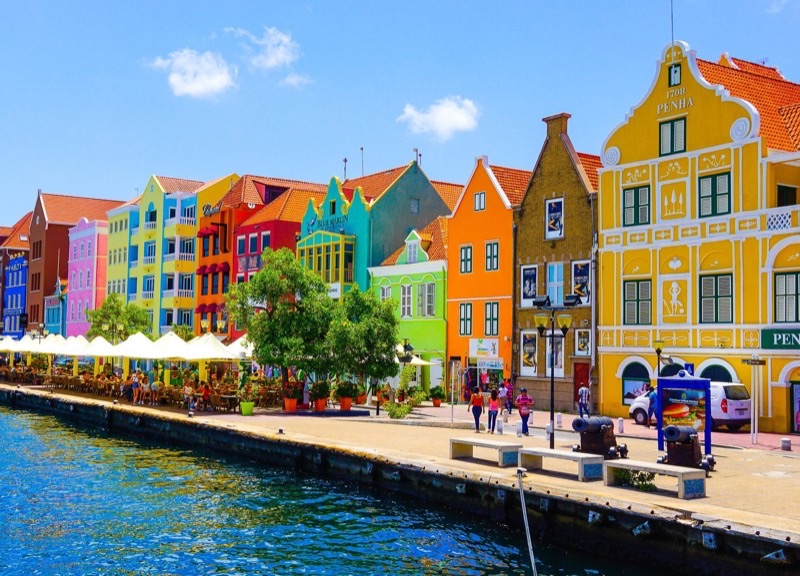
Opt for Curacao when your ideal getaway involves consistent sunshine, pristine snorkeling at Cas Abao Beach, and vibrant pastel architecture in Willemstad. This island paradise is perfect for those who prioritize effortless relaxation by the water, diving into crystal-clear seas, and enjoying a charming blend of Dutch and Caribbean influences without extensive travel, typically budgeting $100-300+ USD daily.
Quick Comparison
| Category | Canada | Curacao | Winner |
|---|---|---|---|
| Costs & Budget | Moderate to high, varying significantly by region and season. Daily budget $80-250 USD. | Moderate to high for the Caribbean, with flights often impacting total cost. Daily budget $100-300+ USD. | Canada |
| Beaches & Water Activities | Extensive coastlines with varied beaches; cold water for most swimming; excellent lakes for freshwater activities. | Warm, calm, clear Caribbean waters; many small coves; top-tier snorkeling and diving. | Curacao |
| Nature & Scenery | Vast wilderness, Rocky Mountains, boreal forests, prairies, coastlines; significant wildlife viewing. | Arid desert landscapes, cacti, limestone cliffs; limited but unique terrestrial parks, vibrant underwater ecosystems. | Canada |
| Culture & History | Indigenous heritage, French-Canadian culture, British colonial influences, modern multiculturalism. | Dutch colonial architecture, Afro-Caribbean heritage, Papiamentu language, slave history. | Canada |
| Food & Drink | Poutine, maple syrup, fresh seafood, diverse ethnic cuisines; craft beer and ice wine. | Keshi Yena, iguana stew, fresh fish, stews; local rum, tropical juices. | Canada |
| Getting There (Flights) | Numerous direct flights from US, Europe, Asia; major international hubs like Toronto (YYZ) and Vancouver (YVR). | Direct flights from limited US cities and Amsterdam; smaller airport (CUR); typically longer travel from many regions. | Canada |
| Getting Around (Local Transport) | Extensive public transport in cities, long-distance bus/train, car rental for rural areas. | Car rental nearly essential for island exploration; limited public transport (bus) for specific routes. | Canada |
| Accommodation | Wide range: hostels, budget motels, mid-range hotels, luxury, cabins; extensive Airbnb options. | Hotels and resorts, guesthouses, apartments; fewer budget hostels, more focused on beach resorts. | Canada |
| Weather & Seasons | Four distinct seasons; cold winters, warm summers; regional variations significant. | Consistently warm and sunny year-round; low hurricane risk. | Curacao |
| Safety | Generally very safe; low violent crime rates; common sense precautions in urban areas. | Generally safe; petty crime (theft from cars, pickpocketing) is the main concern; some isolated areas best avoided after dark. | Tie |
💸 Costs & Budget
Canada's costs depend heavily on your chosen region and travel style. Major cities like Vancouver or Toronto can be expensive, with a basic hotel room costing CAD 150-250…
Canada
Curacao
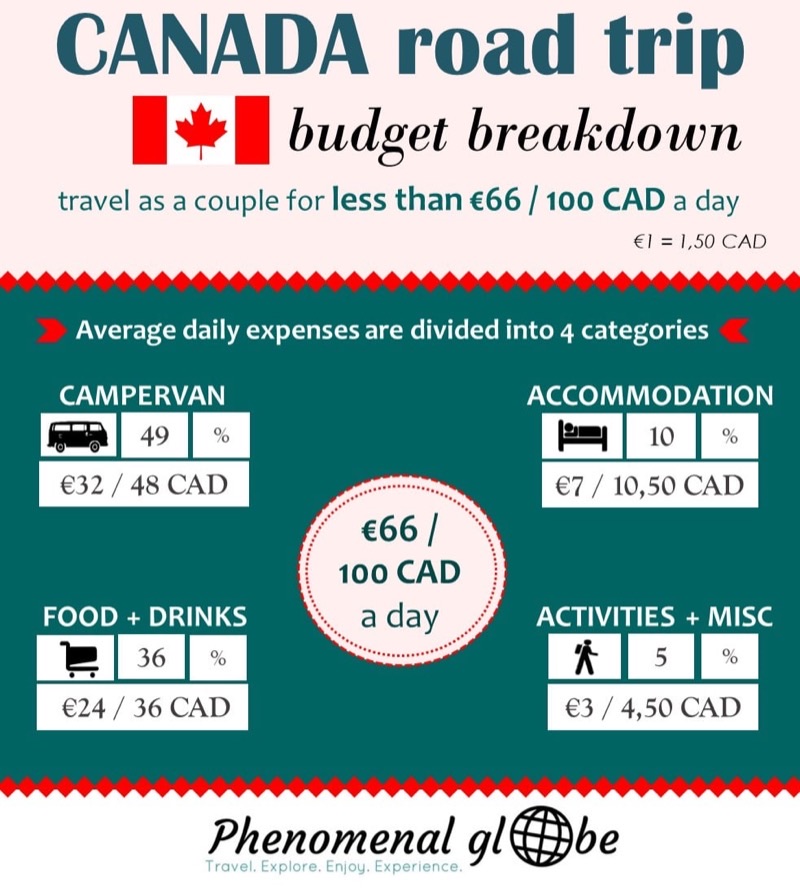
Canada's costs depend heavily on your chosen region and travel style. Major cities like Vancouver or Toronto can be expensive, with a basic hotel room costing CAD 150-250 ($110-180 USD) per night and a simple restaurant meal around CAD 20-30 ($15-22 USD). Groceries are generally reasonable, and public transport in cities like Montreal or Toronto offers good value. Budget travelers can find hostels for CAD 40-70 ($30-50 USD) and rely on cooking. Activities like national park passes are a one-time fee (e.g., CAD 11.50 or $8.40 USD per day for an adult for Parks Canada access, or CAD 72.25 or $53 USD for an annual pass), while ski lift tickets or major city attractions add up.
Curacao, as an island destination, has higher imported goods costs. A mid-range hotel can cost $150-250 USD per night, while guesthouses might be $80-120 USD. Dining out, especially in tourist areas of Willemstad, ranges from $20-40 USD per meal. Local food trucks (truk'i pan) offer meals for $10-15 USD. Car rental is almost a necessity, adding $40-60 USD per day plus fuel. Activities like diving excursions run $60-100+ USD per dive. Alcohol and imported snacks can be costly. Overall, Canada allows for more budget flexibility, especially if focusing on nature or smaller towns.
- Winner: Canada
- Why: Canada offers greater flexibility for budget travelers through diverse accommodation, transportation, and dining options across its regions.
- Who this matters for: Budget-conscious travelers, backpackers, and those seeking varied experiences without a premium price tag.
🏖️ Beaches & Water Activities
Canada offers thousands of kilometers of coastline on three oceans, plus countless freshwater lakes. Pacific Rim National Park on Vancouver Island features long, sandy expanses…
Canada

Curacao
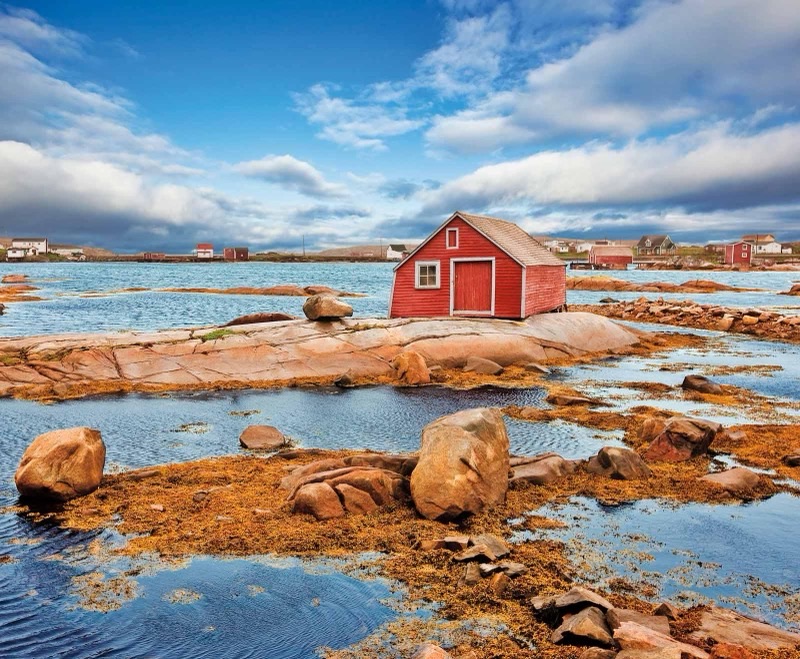
Canada offers thousands of kilometers of coastline on three oceans, plus countless freshwater lakes. Pacific Rim National Park on Vancouver Island features long, sandy expanses suitable for surfing (with wetsuits) and walks, but ocean swimming is typically cold year-round. The Atlantic provinces boast rocky shores and colder waters, though some sheltered coves offer summer swimming. Lake activities, particularly in Ontario's Muskoka region or the Rockies, include kayaking, canoeing, and paddleboarding on fresh, clean water. While some freshwater beaches are good for families, Canada does not provide a warm, tropical beach holiday.
Curacao is defined by its beaches and underwater scenery. Its west coast is dotted with over 35 small, sandy coves like Cas Abao, Kenepa Grandi, and Playa Porto Mari, all with calm, turquoise water. Snorkeling is accessible directly from many beaches, with coral formations and fish often close to shore. Scuba diving is a primary draw, with many shore dives and boat trips to sites like the Superior Producer wreck or Mushroom Forest. The water temperature hovers around 27°C (81°F) year-round. For direct water immersion, marine life exploration, and consistent warmth, Curacao is the clear choice.
- Winner: Curacao
- Why: Curacao's consistently warm, clear Caribbean waters and accessible marine life make it a prime destination for beach and dive enthusiasts.
- Who this matters for: Travelers prioritizing sun, sand, snorkeling, scuba diving, and warm ocean swimming.
🌲 Nature & Scenery
Canada's natural offerings are on a continental scale. The Canadian Rockies (Banff, Jasper National Parks) present jagged peaks, turquoise lakes like Lake Louise, extensive hiking…
Canada
Curacao
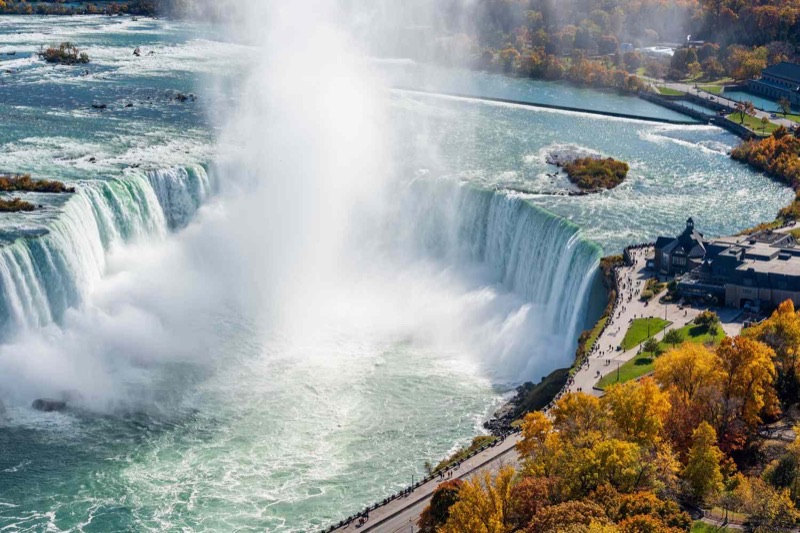
Canada's natural offerings are on a continental scale. The Canadian Rockies (Banff, Jasper National Parks) present jagged peaks, turquoise lakes like Lake Louise, extensive hiking trails, and glaciers. British Columbia's coast features temperate rainforests and fjords, while the boreal forest covers much of the central and eastern regions. The Maritimes offer rugged coastlines and Acadian forests. Wildlife sightings include bears, moose, elk, whales (on coasts), and various bird species. Activities range from multi-day backpacking trips and canoeing to scenic drives and wildlife tours. The sheer scale and variety of ecosystems are immense, changing dramatically with each province.
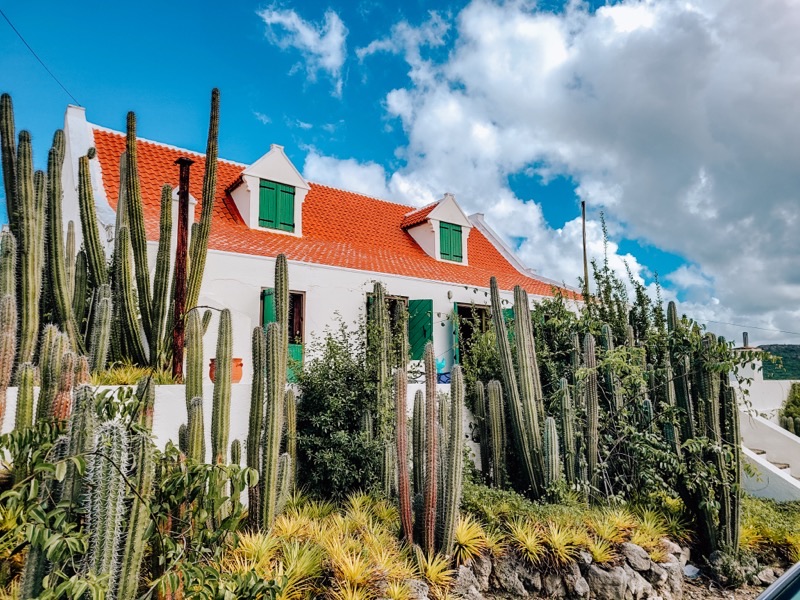
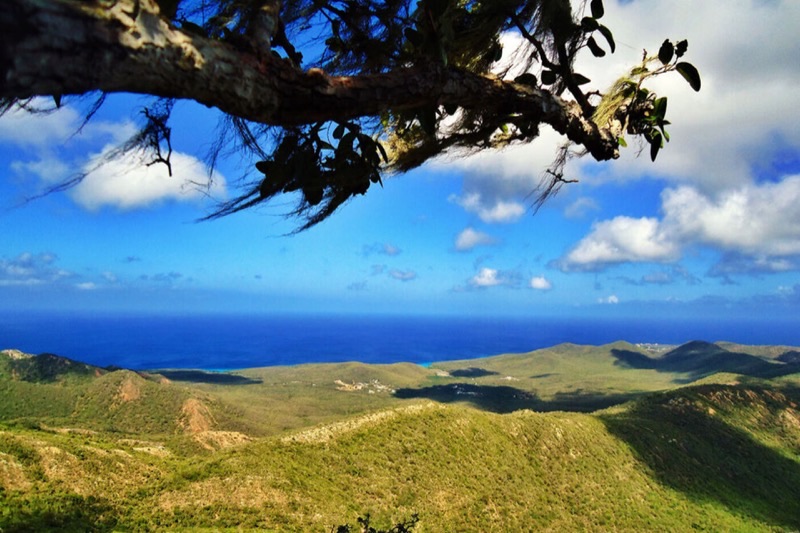
Curacao's natural environment is smaller and more specific. Christoffel National Park contains the island's highest point, Mount Christoffel, offering moderate hiking with views of the arid landscape, cacti, and divi-divi trees. Shete Boka National Park features a rugged northern coastline with crashing waves and blowholes, offering a different kind of coastal experience than the calm southern beaches. Underwater, the coral reefs are the main natural attraction, with diverse fish species and healthy coral formations. While Curacao offers a unique desert island ecology, it cannot compare to the geographic diversity and immense scale of Canada's land-based natural environments.
- Winner: Canada
- Why: Canada provides unparalleled natural diversity, from mountain ranges and vast forests to dramatic coastlines and extensive wildlife populations.
- Who this matters for: Outdoors enthusiasts, hikers, wildlife photographers, and those who appreciate sweeping, varied landscapes.
🏛️ Culture & History
Canada's cultural fabric is a blend of Indigenous nations, French colonial history (especially in Quebec), British influences, and ongoing immigration. Cities like Montreal offer…
Canada
Curacao
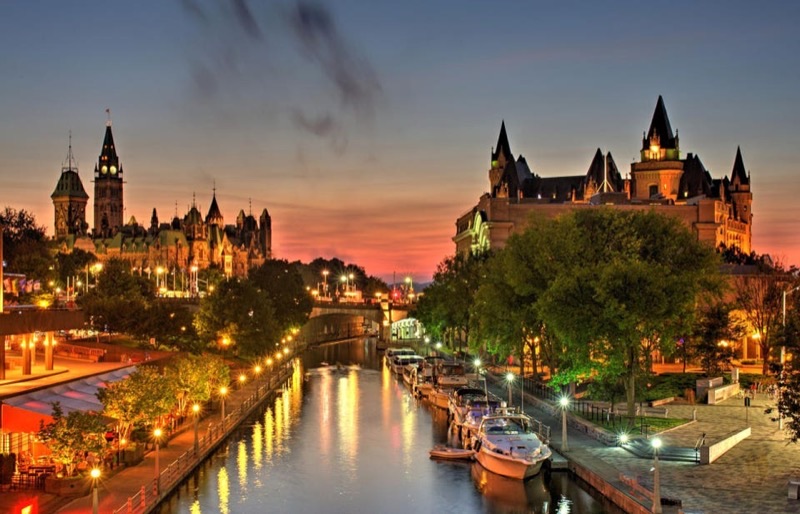
Canada's cultural fabric is a blend of Indigenous nations, French colonial history (especially in Quebec), British influences, and ongoing immigration. Cities like Montreal offer a distinctly European feel with historic cobblestone streets, Notre-Dame Basilica, and a vibrant French-speaking community. Quebec City's fortified old town is a UNESCO World Heritage site, displaying 17th and 18th-century architecture. Toronto and Vancouver are global cities with museums (e.g., Royal Ontario Museum, Vancouver Art Gallery) and neighborhoods reflecting diverse communities from around the world. Indigenous history and contemporary culture are visible through museums, cultural centers, and art, offering deep insights into the land's first peoples.
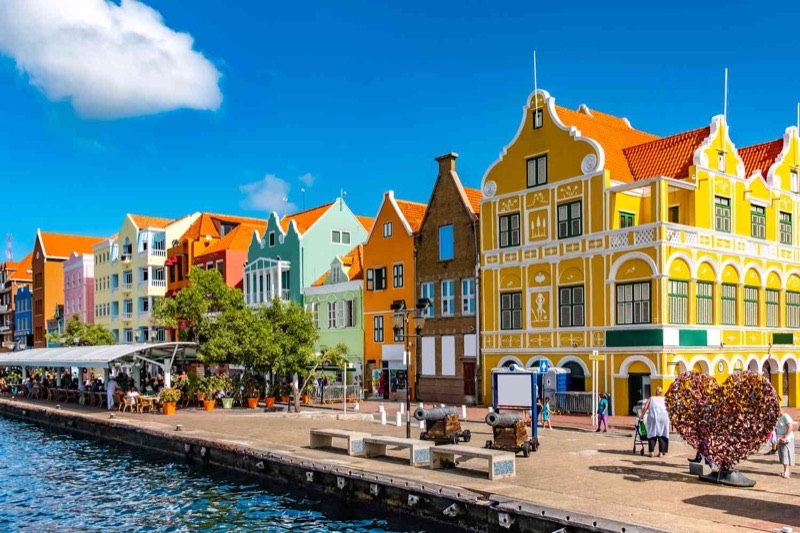
Curacao's culture is a distinct mix of Dutch and Afro-Caribbean heritage. Willemstad, its capital, is a UNESCO World Heritage site, celebrated for its pastel-colored Dutch colonial architecture along the Handelskade. The Kura Hulanda Museum focuses on the transatlantic slave trade and African heritage, offering a sobering but crucial historical perspective. Papiamentu, a creole language, is widely spoken alongside Dutch and English, reflecting its layered history. While Curacao offers a specific, concentrated cultural experience, Canada's geographical scale translates to a broader array of historical periods, cultural expressions, and immigrant communities, providing more varied cultural exploration opportunities.
- Winner: Canada
- Why: Canada presents a wider and more varied cultural exploration, encompassing Indigenous, French, British, and diverse immigrant traditions across its regions.
- Who this matters for: Travelers interested in varied historical periods, diverse cultural expressions, and exploring large city cultural institutions.
🍽️ Food & Drink
Canada's food scene is as diverse as its geography. In Quebec, poutine (fries, cheese curds, gravy) is a staple, with many variations costing CAD 8-15 ($6-11 USD). Maple syrup…
Canada
Curacao
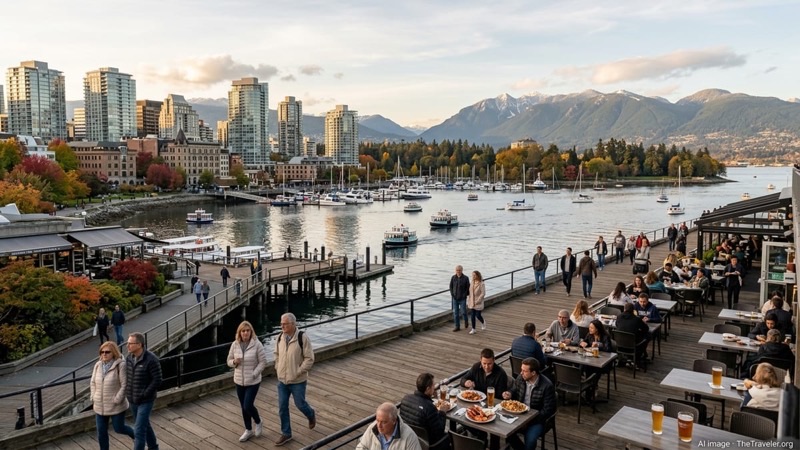
Canada's food scene is as diverse as its geography. In Quebec, poutine (fries, cheese curds, gravy) is a staple, with many variations costing CAD 8-15 ($6-11 USD). Maple syrup products are abundant. The East Coast excels in fresh seafood, particularly lobster and oysters. Western Canada offers Pacific salmon and Alberta beef. Major cities like Toronto and Vancouver are culinary hubs, home to some of the world's best ethnic restaurants, from authentic Chinese dim sum to Indian curries, often at reasonable prices in local neighborhoods. Craft breweries are popular across the country, and the Niagara region is known for its ice wine. The breadth of options for different palates and budgets is extensive.
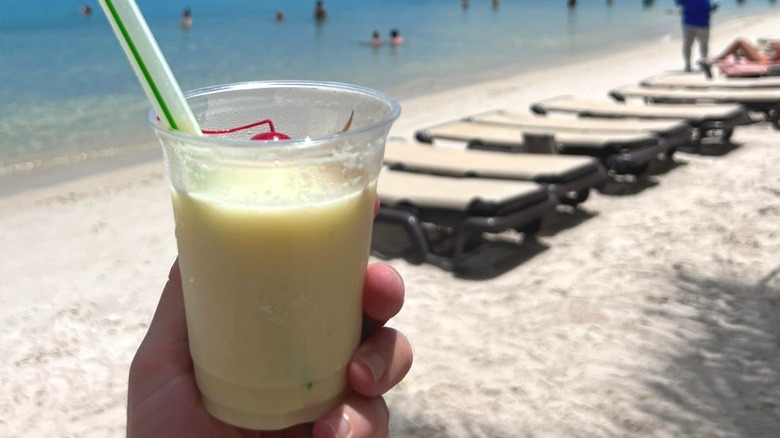
Curacao's cuisine reflects its Dutch and Caribbean background. Keshi Yena, a stuffed cheese dish, is a popular main, found in restaurants for ANG 35-50 ($20-28 USD). Stews (stobá) with goat, beef, or iguana are common. Fresh fish, often grilled or fried, is readily available. Local snacks include pastechi (fried pastries) and batidos (fruit shakes). While delicious, the range of options is smaller and generally less varied than in Canada's larger urban centers. Dining in Curacao often focuses on traditional dishes and fresh seafood, with fewer international fusion options or budget-friendly ethnic enclaves found in major Canadian cities. For sheer choice and culinary exploration, Canada pulls ahead.
- Winner: Canada
- Why: Canada offers a significantly broader and more diverse culinary landscape, from regional specialties to world cuisines in its cities.
- Who this matters for: Foodies, those who prioritize varied dining experiences, and travelers who appreciate diverse international cuisines.
✈️ Getting There (Flights)
Canada is highly accessible globally. Toronto Pearson (YYZ), Vancouver International (YVR), and Montreal-Trudeau (YUL) are major international gateways with direct flights from…
Canada is highly accessible globally. Toronto Pearson (YYZ), Vancouver International (YVR), and Montreal-Trudeau (YUL) are major international gateways with direct flights from dozens of cities across the US, Europe, Asia, and other parts of the world. For example, a direct flight from New York City to Toronto takes approximately 1.5-2 hours, and from London to Toronto around 7 hours. Competition among airlines often results in relatively reasonable fares, especially during shoulder seasons. The sheer volume of routes and flight frequency makes planning travel to Canada relatively straightforward for most international travelers.
Curacao International Airport (CUR) is smaller. Direct flights are available from specific US cities like Miami (approx. 2.5 hours), Charlotte, and New York (approx. 4.5-5 hours). From Europe, the primary direct connection is Amsterdam (approx. 9.5-10 hours). Travelers from other regions often face connecting flights, increasing travel time and potential cost. While flights from specific hubs are efficient, the limited number of direct routes means less flexibility and often higher prices compared to Canada's extensive network. For travelers outside these key hubs, getting to Curacao requires more planning and layovers.
- Winner: Canada
- Why: Canada offers significantly more direct flight options from a wider array of global cities, making it generally easier and often cheaper to reach.
- Who this matters for: International travelers from diverse origins, those seeking convenience, and budget-conscious fliers.
🚗 Getting Around (Local Transport)
In Canada's major cities like Toronto, Montreal, and Vancouver, public transport is extensive and efficient, comprising subways, buses, and streetcars. A single fare is typically…
In Canada's major cities like Toronto, Montreal, and Vancouver, public transport is extensive and efficient, comprising subways, buses, and streetcars. A single fare is typically CAD 3.25-3.75 ($2.40-2.75 USD). VIA Rail offers intercity train travel, particularly scenic between Montreal and Halifax, or a practical option in the Quebec City-Windsor corridor. Long-distance buses (e.g., Greyhound, Megabus) connect many towns. For exploring national parks or smaller towns, renting a car is advisable, with daily rates starting around CAD 50-80 ($37-60 USD) plus fuel. The variety of transport options means you can tailor your travel to your budget and destination type.
In Curacao, renting a car is highly recommended for exploring beyond Willemstad. Roads are generally well-maintained, and daily rental rates average $40-60 USD, not including fuel. This allows access to the many beaches and national parks on your own schedule. Public transport consists mainly of 'konvoi' (large buses) on fixed routes and 'busjes' (mini-vans) operating on specific lines, primarily serving Willemstad and extending to a few major tourist areas. These are infrequent outside urban centers and do not reach all beaches or attractions. Taxis are available but expensive for regular use. For independent exploration of the island, a rental car is effectively mandatory.
- Winner: Canada
- Why: Canada provides a wider, more integrated range of transportation options suitable for both city exploration and long-distance travel, reducing reliance on a single mode.
- Who this matters for: Travelers who prefer public transport in cities, those on a budget, and those who want varied travel modes.
🏨 Accommodation
Canada offers a broad spectrum of accommodation. Hostels are common in major cities and popular outdoor destinations (e.g., HI Hostels), with dorm beds ranging from CAD 40-70…
Canada offers a broad spectrum of accommodation. Hostels are common in major cities and popular outdoor destinations (e.g., HI Hostels), with dorm beds ranging from CAD 40-70 ($30-50 USD). Budget motels can be found for CAD 90-130 ($65-95 USD). Mid-range hotels, like those from Marriott or Hilton, are prevalent, costing CAD 150-250 ($110-180 USD). Luxury hotels are present in cities. For nature-focused trips, cabins in national parks or private rentals are available. Airbnb and VRBO are very popular, offering apartments and houses across various price points. The diversity means options for almost any budget or travel style.
Curacao's accommodation landscape is more concentrated on hotels, resorts, and vacation rentals. Many properties are located along the coast, offering beach access or pool facilities. Mid-range hotels and guesthouses can be found for $100-250 USD per night. All-inclusive resorts are an option, often starting at $300-500+ USD per night. Budget hostels are less common than in Canada, though a few exist in Willemstad for $30-50 USD per night. Vacation rental apartments and houses are popular, particularly for longer stays. While Curacao offers comfortable stays, the overall range of budget-friendly options, especially outside specific hostel offerings, is narrower than in Canada.
- Winner: Canada
- Why: Canada provides a more extensive and diverse range of accommodation types and price points, catering to a broader spectrum of travelers.
- Who this matters for: Budget travelers, those seeking unique stays (e.g., cabins), and travelers who appreciate extensive choices.
☀️ Weather & Seasons
Canada experiences four pronounced seasons, which heavily influence travel activities. Summers (June-August) are warm to hot across much of the country, with temperatures often…
Canada experiences four pronounced seasons, which heavily influence travel activities. Summers (June-August) are warm to hot across much of the country, with temperatures often reaching 20-30°C (68-86°F), ideal for hiking and city exploration. Autumn (September-October) brings colorful foliage, especially in Eastern Canada, with cooler temperatures. Winters (November-March) are cold, snowy, and long across most regions, with temperatures often below 0°C (32°F), suitable for skiing and winter sports. Spring (April-May) is a transition period with melting snow. Choosing Canada requires careful consideration of what activities the season allows in your chosen region.
Curacao boasts consistent tropical weather year-round. Average daily temperatures hover around 28-30°C (82-86°F). Water temperatures are equally warm. The island sits outside the main hurricane belt, making direct hits rare, though tropical storms can bring rain, particularly from October to January. The drier season runs from February to September. Trade winds provide a constant, pleasant breeze, mitigating the heat. Rain showers, when they occur, are typically brief and localized. For reliable sunshine, constant warmth, and minimal seasonal variation, Curacao is ideal.
- Winner: Curacao
- Why: Curacao offers consistently warm, sunny weather year-round, making it a reliable destination for beach-focused activities regardless of the month.
- Who this matters for: Travelers seeking guaranteed warmth, sunshine, and a consistent beach climate, avoiding cold weather.
🛡️ Safety
Canada is considered one of the safest countries for travelers. Violent crime rates are low, and common sense precautions apply, particularly in larger cities regarding personal…
Canada is considered one of the safest countries for travelers. Violent crime rates are low, and common sense precautions apply, particularly in larger cities regarding personal belongings and walking alone at night. Natural hazards like extreme winter weather or wildlife encounters in parks require awareness and preparation. Emergency services are reliable and accessible. Travelers can generally feel secure exploring urban centers, small towns, and remote natural areas, provided they adhere to local guidelines for outdoor activities.
Curacao is generally safe for tourists. The main concerns are petty theft, particularly from rental cars at beaches or remote attractions, and pickpocketing in crowded areas of Willemstad. Exercising caution with valuables and ensuring car doors are locked and windows closed is advisable. Some neighborhoods in Willemstad, particularly in Otrobanda away from the main tourist strip, may be less safe after dark. However, violent crime against tourists is uncommon. For both destinations, basic travel safety practices significantly mitigate risks.
- Winner: Tie
- Why: Both destinations offer a high level of safety for travelers, with similar common-sense precautions being effective in managing minor risks.
- Who this matters for: All travelers who prioritize security and peace of mind during their trip.
🎯 The Decision Framework
Choose Canada If…
- You want to experience distinct four-season weather and activities.
- You desire a variety of landscapes from mountains to oceans to prairies.
- You are interested in diverse urban experiences with global culinary options.
- You plan on extensive road trips through vast natural areas.
- You seek significant cultural exploration, including French-Canadian and Indigenous heritage.
- You prefer cooler temperatures for hiking and outdoor sports.
- You value extensive public transport options in cities.
- You are looking for diverse accommodation options across all budget ranges.
Choose Curacao If…
- You want consistent warm, sunny weather for a relaxing beach holiday.
- You are passionate about snorkeling or scuba diving in clear, calm waters.
- You prefer smaller, more concentrated island exploration.
- You appreciate unique Dutch colonial architecture and Afro-Caribbean influences.
- You intend to spend most of your time near beaches or resort areas.
- You are comfortable renting a car for daily island exploration.
- You enjoy tropical drinks and fresh seafood.
- You are seeking an escape from colder climates with minimal rain risk.
❓ Frequently Asked Questions
What is the typical flight time from North America to Canada vs Curacao?
Flights from major North American hubs to Canada are short; for example, NYC to Toronto is around 1.5-2 hours. To Curacao, flights are longer: NYC to Curacao is approximately 4.5-5 hours, while Miami is about 2.5 hours direct. European flights to Canada average 7 hours, to Curacao around 9.5-10 hours.
How do daily food costs compare between Canada and Curacao?
In Canada, you can find budget meals (e.g., poutine, street food, ethnic restaurants) for CAD 10-20 ($7-15 USD). A mid-range restaurant meal might be CAD 25-40 ($18-30 USD). Curacao's food costs are often similar or slightly higher for mid-range options, $20-40 USD per meal. Local food trucks offer more budget-friendly options around $10-15 USD.
Is English widely spoken in both destinations?
Yes, English is an official language and widely spoken across Canada, though French is predominant in Quebec. In Curacao, English is commonly understood in tourist areas, alongside Dutch and Papiamentu, the local creole language.
What are the best times to visit each country for outdoor activities?
For Canada, summer (June-August) is best for hiking, camping, and city exploration, with temperatures often 20-30°C (68-86°F). Winter (December-March) is ideal for skiing. Curacao is consistently warm year-round, with average temperatures around 28-30°C (82-86°F), making any time suitable for beach and water activities, though October-January sees slightly more rain.
Do I need a rental car for Canada or Curacao?
In Canada, a rental car is beneficial for exploring national parks and rural areas, but major cities are well-served by public transport. In Curacao, a rental car is almost essential for independent exploration of the island's many beaches and attractions, as public transport is limited outside Willemstad.
What are typical accommodation costs for a mid-range hotel?
In Canada, a mid-range hotel typically costs CAD 150-250 ($110-180 USD) per night in major cities. In Curacao, a comparable mid-range hotel or guesthouse generally costs $150-250 USD per night, with more upscale resorts often starting at $300+ USD.
Are there good opportunities for wildlife viewing in Canada vs Curacao?
Canada offers extensive wildlife viewing, including bears, moose, elk, and whales on its coasts, especially in national parks like Banff or Pacific Rim. Curacao's terrestrial wildlife is limited to iguanas, birds, and deer in parks, but its underwater ecosystems provide rich marine life for snorkelers and divers.
Which destination is better for solo travelers on a budget?
Canada generally offers more options for solo budget travelers due to its extensive hostel network, diverse public transport, and varied food choices across many cities and natural areas. Curacao has fewer dedicated budget solo traveler amenities, and car rental costs can add up if traveling alone.
Ready to plan your North America or Caribbean trip?
Get a free custom itinerary for Canada, Curacao, or both — built from real traveler insights.
🎟️ Book Tours & Experiences
Hand-picked tours and activities for both destinations — book with free cancellation
Experiences via Viator — free cancellation on most tours