How we built this comparison
This page combines traveler discussion patterns, published price ranges, flight schedules, and seasonal data to help you decide between Canada and Ecuador.
- Reviewed 100+ Reddit threads from r/travel, r/solotravel, r/CanadaTravel, r/Ecuador, and r/backpacking for authentic experiences and cost data.
- Verified costs for flights, accommodation, and activities against current booking platforms and official tourism sites.
- Cross-referenced seasonal patterns, weather data, and safety advisories from government sources and traveler forums.
⚡ Quick Answers
⚡ The TL;DR Verdict
For most travelers seeking adventure, diverse landscapes, and a more accessible budget, Ecuador edges out Canada. You can experience incredible biodiversity and culture for roughly USD 40-70 per day. Canada is a fantastic choice for those prioritizing ease, infrastructure, and cooler climates, but expect daily costs of CAD 150-200 or more.
- Choose Canada: If you prioritize modern infrastructure, extensive road trips, cooler weather, and ease of travel with higher spending power, Canada delivers. Think clean cities, vast national parks, and English/French accessibility.
- Choose Ecuador: If you want raw adventure, immense biodiversity (Andes, Amazon, coast), a deep dive into South American culture, and significantly lower travel costs, Ecuador is your destination. Ideal for backpackers and those comfortable with some travel grit.
- Choose Both: For a truly epic, extended trip (4+ weeks), consider both for a complete North and South American experience. Start with Ecuador for intense nature, then shift to Canada for a contrasting urban and wilderness exploration.
Choose Canada
Choose Canada if you're a comfort-seeking traveler or family prioritizing pristine infrastructure, vast accessible wilderness, and cooler climates. Enjoy epic road trips through the Canadian Rockies, explore vibrant cities like Vancouver or Montreal, and experience world-class amenities, making it ideal for those who value ease and extensive, well-maintained natural beauty with a higher budget.
Choose Ecuador
Opt for Ecuador if you crave raw, immersive adventure, incredible biodiversity, and a deep cultural dive on a modest budget. Explore the Amazon rainforest, hike the stunning Andes near Quito, or marvel at unique wildlife in the Galápagos, perfect for backpackers and eco-conscious travelers seeking authenticity and powerful experiences without breaking the bank.
📊 Visual Scorecard
🌤 When to Visit
Average high temperatures (°C). Green = best months, orange = avoid.
Quick Comparison
| Category | Canada | Ecuador | Winner |
|---|---|---|---|
| Costs & Budget | Significantly higher costs for accommodation, food, and transport. Expect CAD 100-250+ (USD 75-185+) per day for mid-range travel. | Budget-friendly, allowing for longer trips. USD 30-80+ per day for comfortable backpacking, excluding Galapagos. | Ecuador |
| Nature & Outdoors | Vast, pristine wilderness; Rocky Mountains, Great Lakes, Pacific and Atlantic coasts. Hiking, skiing, canoeing, wildlife viewing. | Incredible biodiversity across Andes, Amazon, coast, and Galapagos. Volcano climbing, jungle trekking, cloud forest birdwatching, marine life. | Ecuador |
| Culture & History | Multicultural cities, Indigenous heritage, French Canadian distinctiveness. Museums, historical sites, diverse festivals. | Rich Indigenous heritage, Spanish colonial history, Andean traditions. Quito's Old Town, pre-Incan sites, local markets. | Ecuador |
| Food & Drink | Multicultural cuisine in cities (Asian, European, fusion), poutine, maple syrup, craft beer. Higher restaurant prices. | Andean staples (corn, potatoes), ceviche, empanadas, fresh fruit, street food. Inexpensive and flavorful. | Ecuador |
| Safety & Health | Generally very safe. Excellent healthcare system, readily available travel insurance. Low crime rates. | Generally safe for tourists, but petty crime is common in cities. Healthcare quality varies. Yellow fever vaccine recommended for Amazon. | Canada |
| Getting Around | Excellent road network, extensive domestic flights, limited intercity rail. Distances are vast, requiring planning. | Extensive, affordable bus network. Domestic flights connect major cities and Galapagos. Roads can be winding and slow. | Ecuador |
| Accommodation | Hotels, motels, B&Bs, hostels. High prices, especially in cities and tourist areas. Camping is popular in parks. | Hostels, guesthouses (hostales), boutique hotels, haciendas. Good value across all price points, even for private rooms. | Ecuador |
| Getting There (Flights) | Numerous direct flights from major US/European hubs. Shorter flight times from eastern US. Prices vary. | Direct flights from major US hubs, but less frequent. Longer flight times, particularly from Europe. Prices often stable. | Canada |
| Nightlife & Entertainment | Sophisticated bars, clubs, live music in major cities. Craft breweries and distilleries are prominent. Costs are high. | Salsa clubs, local bars (peñas), lively plazas. More casual and budget-friendly. Live folk music is common. | Canada |
| Solo Travel Suitability | Very safe and easy for solo travelers. Excellent infrastructure, many group tours, hostels are social. | Generally good for solo travelers, especially on well-trodden routes. Hostels are social hubs. Requires more awareness for safety. | Canada |
💰 Costs & Budget
Canada's travel costs are comparable to Western Europe or the US. A hostel bed in Toronto might be CAD 50-70 (USD 37-52), a basic meal CAD 15-25 (USD 11-18), and intercity bus…

Canada
Ecuador
Canada's travel costs are comparable to Western Europe or the US. A hostel bed in Toronto might be CAD 50-70 (USD 37-52), a basic meal CAD 15-25 (USD 11-18), and intercity bus tickets like Toronto to Montreal CAD 60-100 (USD 45-75). Park entrance fees for places like Banff National Park are CAD 10.50 per person per day, or CAD 72.25 for an annual pass. Car rentals are a major expense, often CAD 50-100+ (USD 37-75) per day plus fuel, which is around CAD 1.60-2.00 per liter (USD 4.40-5.50 per gallon).
Ecuador offers remarkable value. A hostel bed in Quito can be USD 10-15, a 'menu del día' lunch USD 3-5, and long-distance bus rides (e.g., Quito to Baños) USD 5-10. Even mid-range hotels in cities like Cuenca are USD 40-60 per night. Activities like a multi-day Amazon tour (excluding Galapagos) can be USD 300-600, while a day trip to Cotopaxi is USD 40-70. The main exception is the Galapagos Islands, where a budget liveaboard cruise costs USD 2,500-4,000 for 4-8 days, plus flights and park fees. Tabiji Verdict: For travelers counting every dollar, Ecuador lets you experience more for less money.
- Winner: Ecuador
- Why: Ecuador offers a dramatically lower cost of travel across all categories, making extended stays or more adventurous activities accessible.
- Who this matters for: Budget travelers, backpackers, and those planning longer trips.
🌲 Nature & Outdoors
Canada features expansive national parks like Banff and Jasper, offering hiking among glaciers, turquoise lakes such as Lake Louise, and opportunities for skiing or snowboarding…
Canada
Ecuador
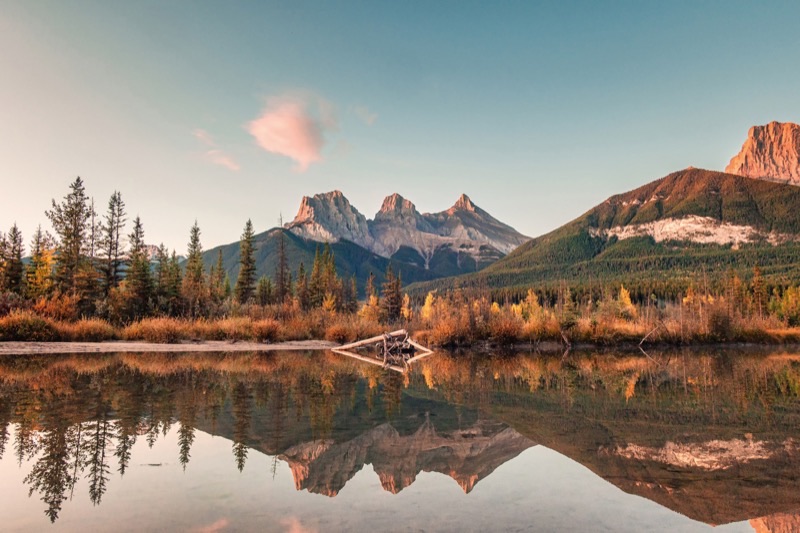
Canada features expansive national parks like Banff and Jasper, offering hiking among glaciers, turquoise lakes such as Lake Louise, and opportunities for skiing or snowboarding in winter. British Columbia's coast provides whale watching and temperate rainforests. The Canadian Shield in Ontario and Quebec has countless lakes for canoeing and fishing. Wildlife includes bears, moose, elk, and caribou. The sheer scale means travel between distinct natural areas takes significant time and planning, often requiring flights or long drives, like the 800 km (500 miles) drive from Vancouver to Banff.
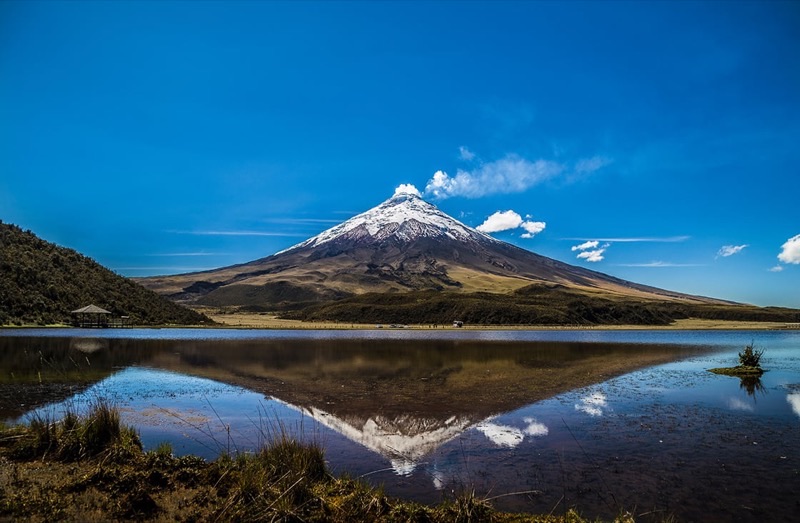
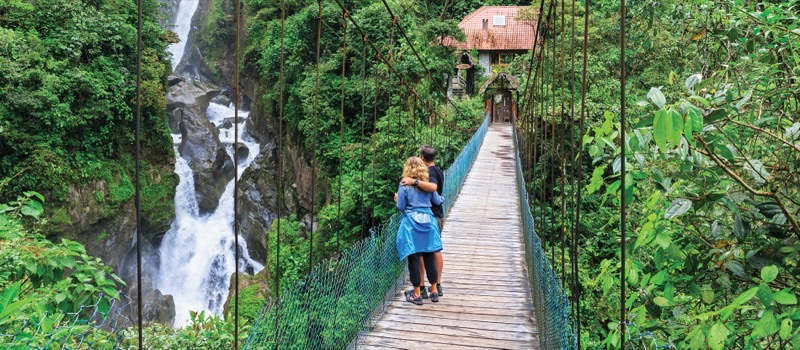
Ecuador packs an unparalleled range of ecosystems into a smaller area. The Andes provide volcanoes like Cotopaxi (5,897m/19,347ft) for climbing, and the Quilotoa Loop for multi-day hikes. The Amazon basin, accessible from towns like Tena, offers jungle lodges and wildlife encounters. The Pacific coast has beaches and marine reserves. The Galapagos Islands are a singular experience with unique wildlife like giant tortoises and marine iguanas found nowhere else. You can go from high altitude paramo to dense jungle in a single day's drive. Tabiji Verdict: Ecuador wins for sheer concentration and uniqueness of its natural offerings, especially its biodiversity.
- Winner: Ecuador
- Why: Ecuador's compact size contains a broader and more unique array of ecosystems and species, from high-altitude paramo to the Amazon and Galapagos, allowing diverse experiences in a shorter timeframe.
- Who this matters for: Wildlife enthusiasts, adventure seekers, and those who value concentrated biodiversity.
🏛️ Culture & History
Canada's cultural fabric is largely North American, with major cities like Toronto and Vancouver being highly multicultural, offering diverse cuisines and communities. Quebec…
Canada
Ecuador
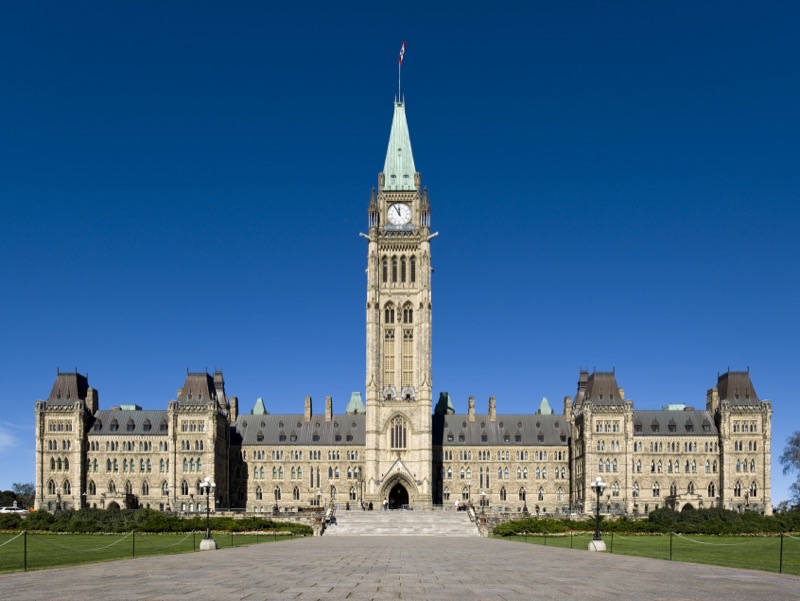
Canada's cultural fabric is largely North American, with major cities like Toronto and Vancouver being highly multicultural, offering diverse cuisines and communities. Quebec presents a distinct French Canadian culture, visible in Montreal and Quebec City with their European-influenced architecture and language. Indigenous history and culture are present but often require specific visits to museums like the Museum of Anthropology in Vancouver or cultural centers. Historical sites include forts and battlegrounds, like the Plains of Abraham in Quebec City. Canada's history is relatively young in comparison to many other nations.
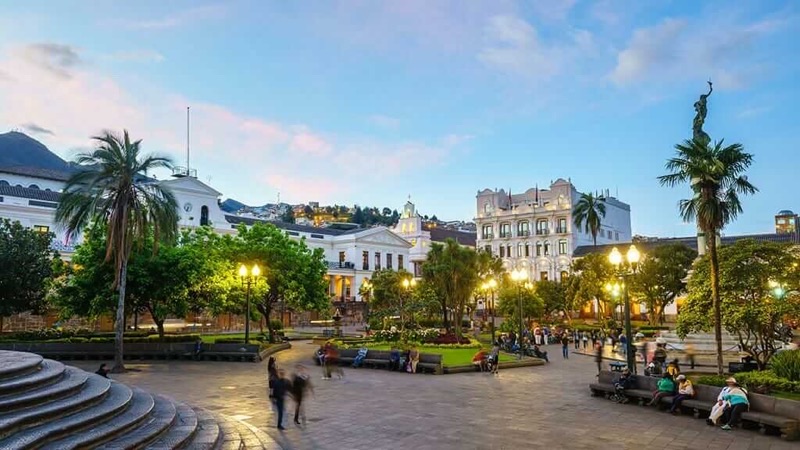
Ecuador's culture is deeply rooted in its Indigenous and Spanish colonial past. Quito's historic center, a UNESCO World Heritage site, is filled with well-preserved colonial churches like La Compañía de Jesús and plazas. Cuenca offers another beautifully maintained colonial city experience. Indigenous communities in regions like Otavalo host markets with traditional crafts and maintain ancient customs. Pre-Incan ruins, such as Ingapirca, offer glimpses into older civilizations. The cultural experience is more immersive and visible in daily life. Tabiji Verdict: Ecuador offers a more profound and historically layered cultural immersion for travelers.
- Winner: Ecuador
- Why: Ecuador provides a more visible, deeply historical, and immersive cultural experience through its colonial cities and active Indigenous traditions.
- Who this matters for: History buffs, anthropology enthusiasts, and travelers seeking visible cultural traditions.
🍜 Food & Drink
Canadian food leans heavily on its multicultural population, especially in cities. You can find excellent Chinese food in Vancouver, Italian in Toronto, and various global…

Canada

Ecuador
Canadian food leans heavily on its multicultural population, especially in cities. You can find excellent Chinese food in Vancouver, Italian in Toronto, and various global cuisines. Quintessential Canadian dishes include poutine (fries, cheese curds, gravy), maple syrup products, and Nanaimo bars. Craft breweries and distilleries are common. Eating out, even casually, can be expensive; a mid-range restaurant meal often costs CAD 30-50 (USD 22-37) per person. Grocery stores offer a wide range of products, but prices are generally high for fresh produce and imported goods.
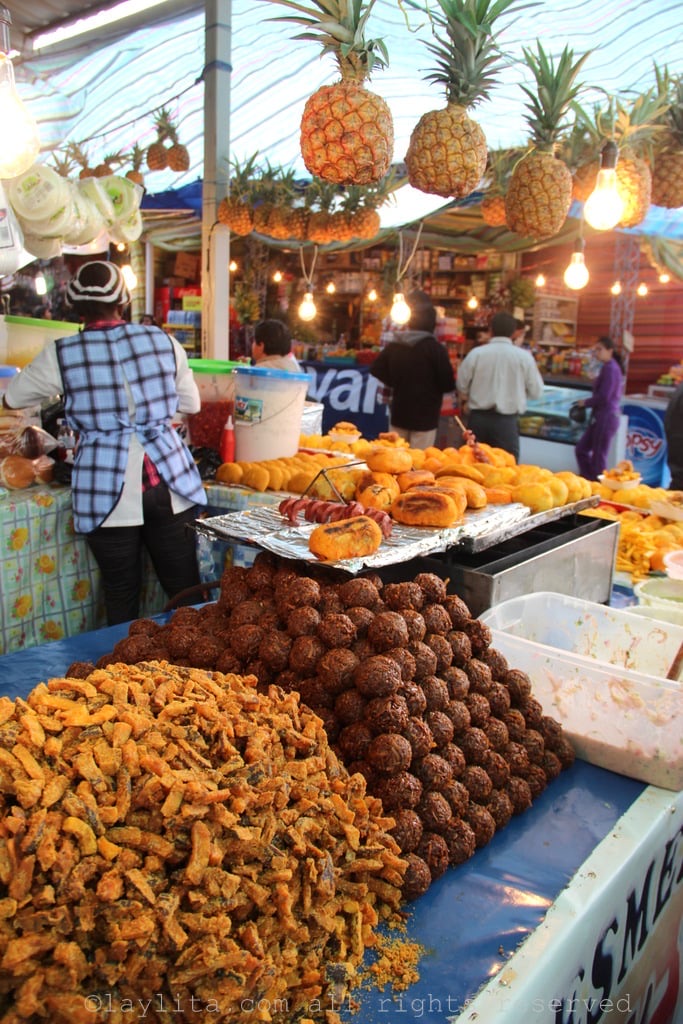
Ecuadorian food is hearty and inexpensive, with an emphasis on fresh ingredients. Staples include corn, potatoes, and various meats. Coastal areas are known for ceviche and fresh seafood. The Amazon region features unique fruits and river fish. Street food like empanadas, humitas (steamed corn cakes), and llapingachos (potato pancakes) are widely available for USD 1-3. A 'menu del día' (lunch special) is typically USD 3-5 and includes soup, a main course, and a drink. Local markets offer an incredible array of tropical fruits at very low prices. Tabiji Verdict: Ecuador wins for its accessible, authentic, and delicious local cuisine that is kind to the wallet.
- Winner: Ecuador
- Why: Ecuador's food is more universally accessible, authentic, and affordable, offering a genuine taste of the local culture without a high price tag.
- Who this matters for: Foodies on a budget, travelers seeking local culinary experiences, and those who prioritize fresh, inexpensive meals.
🩺 Safety & Health
Canada is among the safest countries for travel globally. Violent crime is rare, and petty crime is low, especially outside of major city centers. Walking alone at night in most…

Canada

Ecuador
Canada is among the safest countries for travel globally. Violent crime is rare, and petty crime is low, especially outside of major city centers. Walking alone at night in most areas is generally fine. The public healthcare system is high quality, but as a tourist, you'll need travel insurance for any medical needs. Tap water is safe to drink almost everywhere. Environmental hazards are primarily weather-related, like extreme cold in winter or wildfire smoke in summer. Bear safety is important in national parks, but incidents are rare.
Ecuador is generally safe for tourists, but travelers need to be aware of petty crime, especially pickpocketing and bag snatching in crowded areas like bus terminals and markets in Quito and Guayaquil. It's advisable to avoid walking alone at night in certain city districts. Road safety can be a concern due to aggressive driving. Healthcare quality varies; private clinics in major cities are decent but costly without insurance. Tap water is generally not safe to drink outside of major hotels. Yellow fever vaccination is recommended for trips to the Amazon. Tabiji Verdict: Canada provides a higher baseline of personal safety and more reliable health infrastructure for travelers.
- Winner: Canada
- Why: Canada offers a consistently higher level of personal safety and reliable health infrastructure, minimizing traveler concerns.
- Who this matters for: Solo travelers, families with young children, and those who prioritize peace of mind and accessibility to modern medical facilities.
🚗 Getting Around
Canada's sheer size makes getting around challenging without a car. The Trans-Canada Highway spans the country, and provincial highways are well-maintained. Car rental is the most…
Canada's sheer size makes getting around challenging without a car. The Trans-Canada Highway spans the country, and provincial highways are well-maintained. Car rental is the most flexible option but expensive. Domestic flights are efficient but also costly. VIA Rail offers scenic routes but is not a primary mode of fast intercity travel. City public transit is good in major metropolitan areas like Toronto, Vancouver, and Montreal. Expect long travel times; driving from Calgary to Vancouver is 10-12 hours, while a flight is just over an hour.
Ecuador has an excellent and incredibly affordable bus network connecting almost every town and city. Buses are often comfortable, though journeys on winding Andean roads can be slow. A 6-hour bus ride from Quito to Guayaquil might cost USD 10-15. Taxis and ride-sharing apps are common in cities. Domestic flights primarily connect Quito, Guayaquil, and the Galapagos. Within cities, taxis are metered or operate on agreed fares; always confirm. Road conditions can vary, especially in rural or Amazonian areas. Tabiji Verdict: Ecuador wins for its highly accessible and budget-friendly public transport network, making exploration easy.
- Winner: Ecuador
- Why: Ecuador's extensive and affordable bus network makes travel between destinations simple and cost-effective, unlike Canada's reliance on expensive cars or flights.
- Who this matters for: Budget travelers, those who prefer public transport, and people who dislike driving long distances.
🏨 Accommodation
Canadian accommodation is generally expensive. A budget hotel in a city like Vancouver might start at CAD 120-150 (USD 90-110) per night. Hostels are available but can still be…
Canadian accommodation is generally expensive. A budget hotel in a city like Vancouver might start at CAD 120-150 (USD 90-110) per night. Hostels are available but can still be CAD 40-70 (USD 30-50) for a dorm bed. Airbnb options are popular but subject to local regulations and often still costly. Camping in national and provincial parks is a popular and more affordable option, with sites typically CAD 25-40 (USD 18-30) per night, but these often book out months in advance, especially for summer. Quality is generally high across all types of lodging.
Ecuador offers excellent value for accommodation. Hostels with private rooms can be found for USD 20-30 in many cities. Comfortable boutique hotels or 'hostales' are often available for USD 40-60. Even luxurious haciendas in the countryside can be surprisingly affordable compared to similar options elsewhere. The quality for the price is often very good, with many places offering breakfast included. In the Amazon, specific eco-lodges vary in price but usually offer packages. Tabiji Verdict: Ecuador provides superior value and choice across its accommodation spectrum, allowing for more comfortable stays on a budget.
- Winner: Ecuador
- Why: Ecuador provides significantly better value for money in accommodation, with comfortable and well-located options available at much lower prices.
- Who this matters for: Travelers who seek comfort without overspending, long-term travelers, and anyone on a strict budget.
✈️ Getting There (Flights)
Canada is extremely well-connected, especially to the United States and Europe. From New York (JFK), a direct flight to Toronto (YYZ) is about 1.5 hours, and to Vancouver (YVR) is…
Canada is extremely well-connected, especially to the United States and Europe. From New York (JFK), a direct flight to Toronto (YYZ) is about 1.5 hours, and to Vancouver (YVR) is 5.5-6 hours. From London (LHR), a direct flight to Montreal (YUL) is around 7 hours. Flight prices can fluctuate significantly, but generally, you can find return tickets from major US cities for USD 300-600, and from Europe for USD 500-900, depending on the season and booking time. Major airlines and budget carriers serve Canadian airports.
Ecuador has direct flights primarily from major US hubs. A direct flight from Miami (MIA) to Quito (UIO) is about 4.5 hours, and from New York (JFK) to Quito is 5.5-6 hours. Flights from Europe typically involve a layover, often in Madrid or Amsterdam, taking 12-15+ hours. Round-trip flights from the US typically range from USD 400-800, and from Europe, USD 700-1200. Fewer budget airline options exist for long-haul routes to Ecuador. Tabiji Verdict: Canada's extensive flight network and shorter travel times from key markets make it an easier initial destination.
- Winner: Canada
- Why: Canada has more direct and frequent flight options from major international hubs, particularly the US, with shorter travel times overall.
- Who this matters for: Travelers with limited time off, those seeking convenience, and individuals flying from North America.
🌃 Nightlife & Entertainment
Canada's major cities like Toronto, Montreal, and Vancouver offer a diverse and sophisticated nightlife. You'll find everything from chic cocktail bars and high-energy nightclubs…
Canada's major cities like Toronto, Montreal, and Vancouver offer a diverse and sophisticated nightlife. You'll find everything from chic cocktail bars and high-energy nightclubs to intimate live music venues showcasing local and international talent. Montreal is particularly known for its festival scene and late-night options. Craft beer scenes are robust in many cities. A cocktail can cost CAD 12-18 (USD 9-13), and club cover charges range from CAD 10-30 (USD 7-22). Entertainment options are varied and cater to many tastes, but typically come with a higher price tag compared to Ecuador.
Ecuadorian nightlife is more localized and focused on social interaction. In cities like Quito and Cuenca, you'll find 'peñas' with live folk music, salsa clubs where locals and tourists dance, and casual bars. Plaza Foch in Quito is a central hub for bars and clubs. Drinks are significantly cheaper; a local beer might be USD 2-4, and cocktails USD 5-8. The atmosphere is generally lively and less formal. In smaller towns like Baños, nightlife is centered around backpacker bars and cafes. Tabiji Verdict: Canada provides a broader range of sophisticated and diverse nightlife experiences, though at a higher cost.
- Winner: Canada
- Why: Canada's major cities offer a more extensive, diverse, and high-quality range of nightlife and entertainment options, from clubs to live music venues.
- Who this matters for: Party-goers, urban explorers, and those who appreciate a broad selection of evening activities.
🚶♀️ Solo Travel Suitability
Canada is an excellent choice for solo travelers due to its high safety levels, reliable infrastructure, and generally welcoming atmosphere. It's easy to meet other travelers in…
Canada is an excellent choice for solo travelers due to its high safety levels, reliable infrastructure, and generally welcoming atmosphere. It's easy to meet other travelers in hostels, on group tours (especially for adventure activities like hiking or skiing), or in city bars. English is widely spoken, and French in Quebec, minimizing language barriers for most. Transportation is reliable, and navigation is straightforward, even when exploring remote natural areas (with proper preparation). Solo travelers can comfortably rent a car for road trips or utilize domestic flights. The higher cost is the main barrier.
Ecuador is also good for solo travelers, particularly backpackers. The hostel network is strong, making it simple to connect with other independent travelers in cities like Quito, Baños, and Montañita. Group tours for activities like Amazon trips, Cotopaxi climbs, or Galapagos cruises are common and provide built-in companionship. However, solo travelers, especially women, need to exercise more caution regarding personal safety, particularly in urban areas at night, and be vigilant against petty crime. Spanish proficiency, even basic, greatly enhances the experience. Tabiji Verdict: Canada is the clearer choice for solo travelers due to its higher inherent safety, ease of navigation, and minimal language hurdles.
- Winner: Canada
- Why: Canada offers a more universally safe, accessible, and less challenging environment for solo travelers, reducing potential anxieties.
- Who this matters for: First-time solo travelers, those prioritizing ease and comfort, and individuals with limited Spanish language skills.
🎯 The Decision Framework
Choose Canada If…
- You want vast, untouched wilderness, like the Canadian Rockies, without extreme climate swings.
- You seek multicultural cities with diverse food scenes and sophisticated nightlife.
- Your budget allows for CAD 150+ (USD 110+) per day without stress.
- You prioritize safety and ease of travel above all else.
- You prefer cooler climates and distinct four seasons.
- You want to explore via car or RV on well-maintained roads.
- You are comfortable with English or French as primary languages.
- You enjoy skiing, snowboarding, or extensive lake activities.
Choose Ecuador If…
- You want intense biodiversity: Andes, Amazon, and Galapagos in one trip.
- Your budget is closer to USD 40-70 per day for a comfortable experience.
- You are looking for a deep immersion into South American Indigenous and colonial culture.
- You enjoy hearty, inexpensive local food like 'menu del día' and fresh tropical fruits.
- You are an active adventurer: volcano climbing, jungle trekking, white-water rafting.
- You prefer getting around cheaply via extensive public bus networks.
- You are comfortable navigating with basic Spanish.
- You seek a travel experience that feels more 'off the beaten path' than mainstream.
📅 Sample Itineraries
Weekend in Canada (3 Days)
💡 Purchase a PRESTO card for Toronto's public transit; single fares are $3.30, slightly cheaper than cash, and it simplifies transfers.
Weekend in Ecuador (3 Days)
💡 When in Quito, look for 'Almuerzos' or 'Meriendas' at local restaurants; these set lunch or dinner menus offer a soup, main dish, and drink for $3-5, a budget-friendly option.
One Week in Canada (7 Days)
💡 Consider purchasing a 'Discovery Pass' if you plan to visit multiple national parks in Canada, which can save money on entry fees over a week-long trip.
One Week in Ecuador (7 Days)
💡 Use local buses for intercity travel in Ecuador; they are significantly cheaper than private transfers, with tickets typically costing $1-2 per hour of travel.
❓ Frequently Asked Questions
What's the best time of year to visit Canada vs Ecuador?
For Canada, summer (June-August) is ideal for outdoor activities like hiking and sightseeing, with temperatures averaging 20-30°C (68-86°F). Winter (December-March) is for snow sports. Ecuador, being near the equator, has less seasonal variation. The dry season (June-September and December-January) is generally preferred for the Andes and Amazon, while the coast is best from December to May, with daily highs around 25°C (77°F).
Do I need a visa for Canada or Ecuador as a US citizen?
US citizens typically do not need a visa for tourist stays in Canada for up to six months. You will need a valid passport. For Ecuador, US citizens also do not need a visa for tourist stays up to 90 days within a 12-month period, requiring only a valid passport.
What are the primary languages spoken in each country?
In Canada, the official languages are English and French. English is dominant in most provinces, while French is primary in Quebec. In Ecuador, Spanish is the official language. While some people in tourist areas may speak basic English, learning a few Spanish phrases will significantly improve your experience.
How much should I budget for daily food in each country?
In Canada, budget CAD 40-70 (USD 30-50) per day for casual dining and groceries, more for restaurants. A sit-down meal can easily be CAD 20-30. In Ecuador, you can eat very well for USD 15-25 per day, especially by utilizing 'menu del día' for lunch (USD 3-5) and street food.
Which country is better for wildlife viewing?
While Canada offers opportunities to see bears, moose, and whales, Ecuador generally excels in sheer biodiversity and accessibility for wildlife viewing. The Galapagos Islands are unparalleled for unique, fearless wildlife, and the Amazon rainforest provides dense animal populations, including monkeys, sloths, and diverse bird species.
Is solo female travel safe in Canada versus Ecuador?
Canada is exceptionally safe for solo female travelers, with minimal concerns. Ecuador is generally safe for solo female travelers on established routes, but requires more vigilance, especially in cities. Basic precautions like avoiding walking alone at night and being aware of your surroundings are important, particularly in Quito and Guayaquil. Hostels are good for meeting other travelers.
What's the internet and phone connectivity like?
Canada has excellent and reliable internet and mobile phone coverage in populated areas, though it can be spotty in remote wilderness. SIM cards are readily available but can be expensive. Ecuador has decent 4G coverage in cities and most tourist areas, with Wi-Fi common in hostels and cafes. SIM cards are inexpensive and easy to acquire from providers like Claro or Movistar, costing around USD 10-15 for data.
What's the best way to manage money and currency in each country?
In Canada, the currency is the Canadian Dollar (CAD). Credit cards are widely accepted, and ATMs are everywhere. In Ecuador, the official currency is the US Dollar (USD). ATMs are common in cities, but smaller towns may have fewer. It's wise to carry small denominations of USD, as larger bills (USD 50, USD 100) can be hard to break in smaller establishments.
Ready to plan your next adventure?
Get a free custom itinerary for Canada, Ecuador, or both — built from real traveler insights.
👥 Travelers Also Compared
🎟️ Book Tours & Experiences
Hand-picked tours and activities for both destinations — book with free cancellation
Experiences via Viator — free cancellation on most tours